
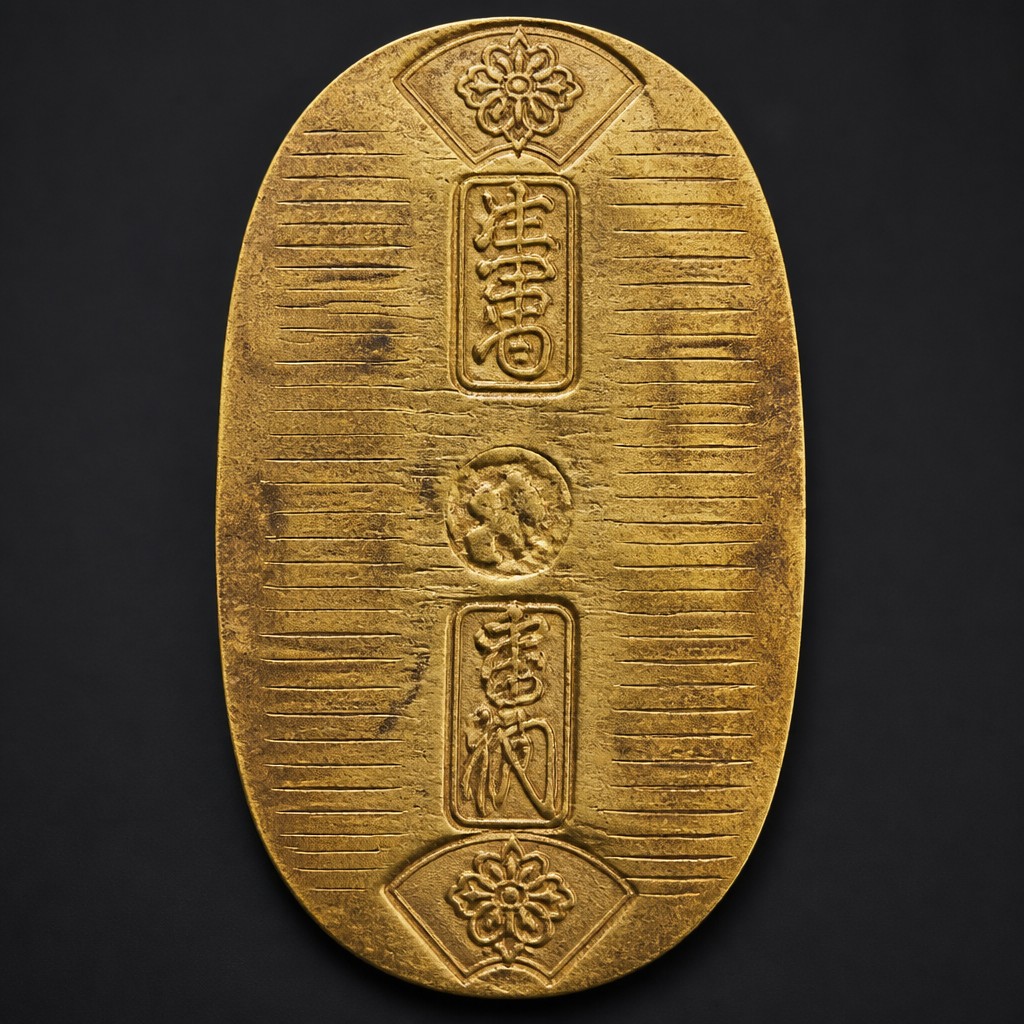
Japanese Koban
A hand-hammered oval gold coin used in feudal Japan under the Tokugawa shogunate, valued at one ryo and stamped with ink calligraphy certifying its weight and fineness.
- Country
- Japan
- Denomination
- Koban (1 Ryo)
- Metal
- Gold alloyed with silver
Got a coin like this?
Identify any coin from a photo, free.
Overview
The koban is the flat, oval gold coin that formed the backbone of Japan's monetary system during the Edo period. Struck by hand rather than milled, each piece has a distinctive hammered, slightly irregular surface covered in punched chrysanthemum stamps and brushed ink characters.
Collectors are drawn to the koban for its exotic, unmistakably Japanese appearance and its connection to the samurai era. Because gold content and standards changed repeatedly under different shoguns, koban are studied by era and issue (such as Keicho, Genroku, Kyoho, and Manen), each with its own weight and purity.
Genuine early koban are scarce internationally and often carry premiums well beyond their gold value due to age, history, and craftsmanship.
History & Background
The koban was introduced around 1601 under Tokugawa Ieyasu as part of a broader reform that standardized Japan's gold, silver, and copper coinages into a unified system. It functioned as the principal gold coin of Japan for roughly 260 years, used mainly for large transactions, samurai stipends, and government reserves, while smaller silver and copper coins handled everyday commerce.
Successive shogunate governments repeatedly debased and reissued the koban to address financial crises, so pieces from the Keicho era (early 1600s) carry much higher gold content than later Genbun, Bunsei, or Manshu-era issues. Each new issue was hand-struck at government-licensed gold guilds (kinza) in Kyoto and Edo under close supervision.
The koban system ended with the Meiji Restoration of 1868, when Japan modernized its currency along Western lines and replaced the old gold, silver, and copper coinages with the yen.
How to Identify
A koban is an oval, flattened sheet of gold, typically a few inches long, with a hammered rather than machine-struck surface. The obverse bears parallel chisel-like striations across the field along with a Mitsuba-aoi or chrysanthemum-form stamp (the kiri mon) near the top and bottom, plus brushed black ink inscriptions naming the denomination and issuing authority.
There is no raised portrait, legend ring, or reverse scene as on Western coins; instead, identification relies on the punched stamps, the ink calligraphy, and the coin's characteristic oval shape and weight. Because purity and size varied by era, the same denomination can differ noticeably in weight and gold color between issues.
Collectors distinguish genuine antique koban from later souvenir reproductions by checking weight, gold color, the style of the punched stamps, and the presence of period-correct ink markings; many modern replicas are gilded base metal or lack authentic ink work entirely.
Value & Collectibility
Value depends heavily on era, gold purity, condition of the ink stamps, and rarity of the specific issue; early Keicho-era koban with high gold content are the most desirable and can be worth many thousands of dollars, while later, more debased issues are more affordable but still collectible.
Because koban were hand-made, no two are perfectly identical, and well-preserved examples with clear, legible ink calligraphy command a premium over worn or re-stamped pieces. Authentication by a specialist in Japanese numismatics is important given the long history of contemporary counterfeits and modern reproductions.
Given the wide range of eras and conditions, prices for genuine koban can span from roughly a few thousand dollars for common later issues to tens of thousands for rare early or large-denomination pieces.
Frequently asked questions
What does 'koban' mean?
Koban roughly translates to 'small oval plate' and refers to the coin's flattened, oval gold shape used throughout the Edo period.
Why is the koban oval instead of round?
Japanese gold and silver coinage of this era followed a hammered ingot tradition rather than the round milled-coin tradition of the West, producing an oval, plate-like form.
Are all koban made of pure gold?
No. Gold content varied significantly by era; early Keicho koban were relatively high purity, while later issues were increasingly debased with silver.
How can I tell an antique koban from a modern replica?
Genuine pieces show period-correct hand-punched stamps, brushed ink inscriptions, and appropriate weight and gold color; many replicas are gilded base metal or machine-made and lack authentic ink work.
When did Japan stop using the koban?
Production ended around the Meiji Restoration in 1868, when Japan adopted the yen and Western-style coinage.
Other coins you may enjoy
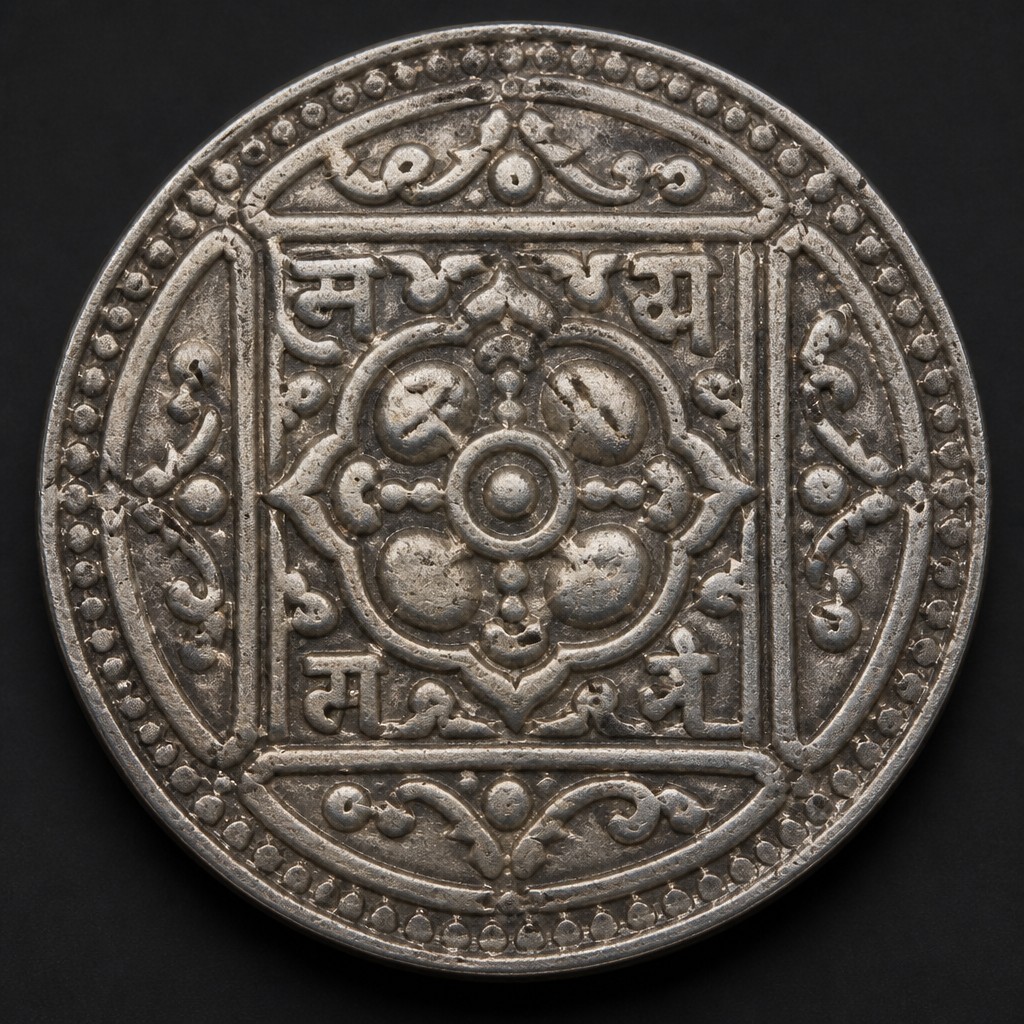
Nepal Silver Mohar
c. 16th–19th century
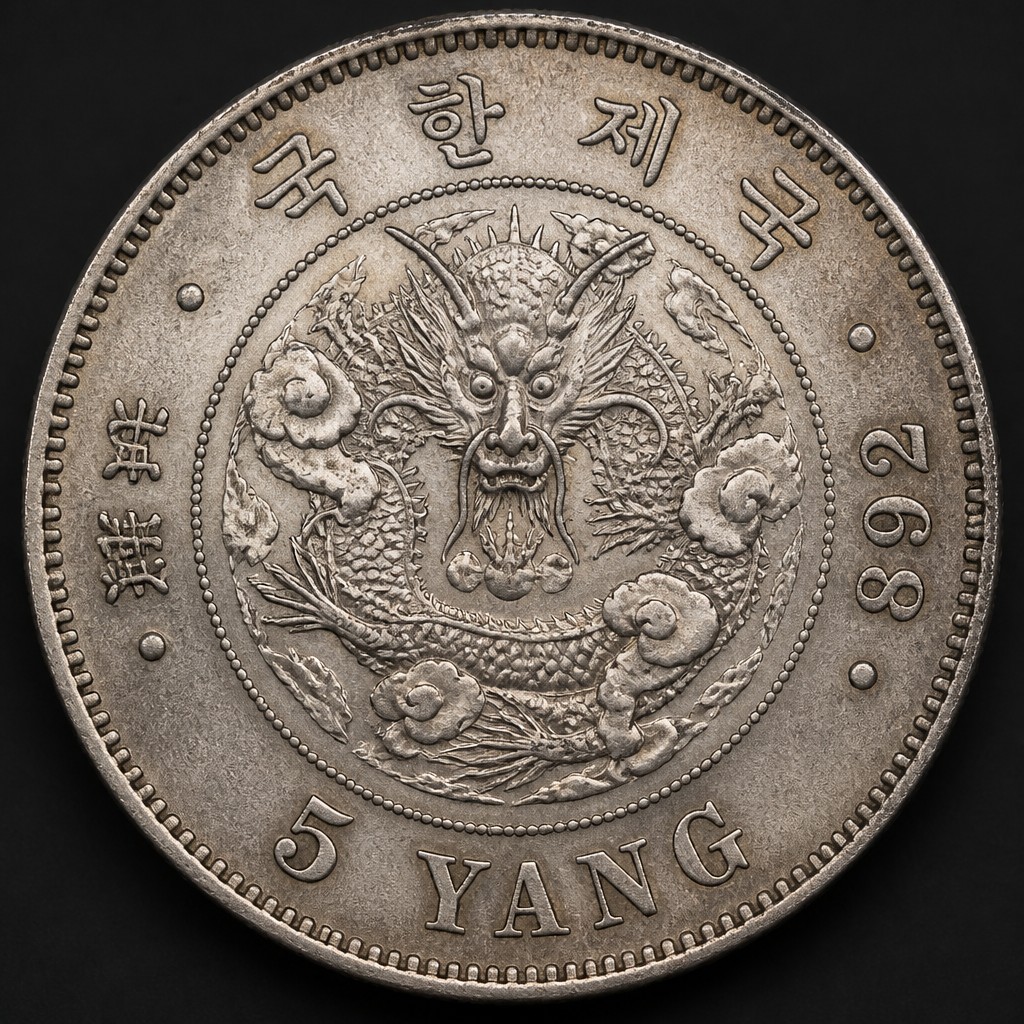
Korean 5 Yang Silver Dollar (1892)
1892
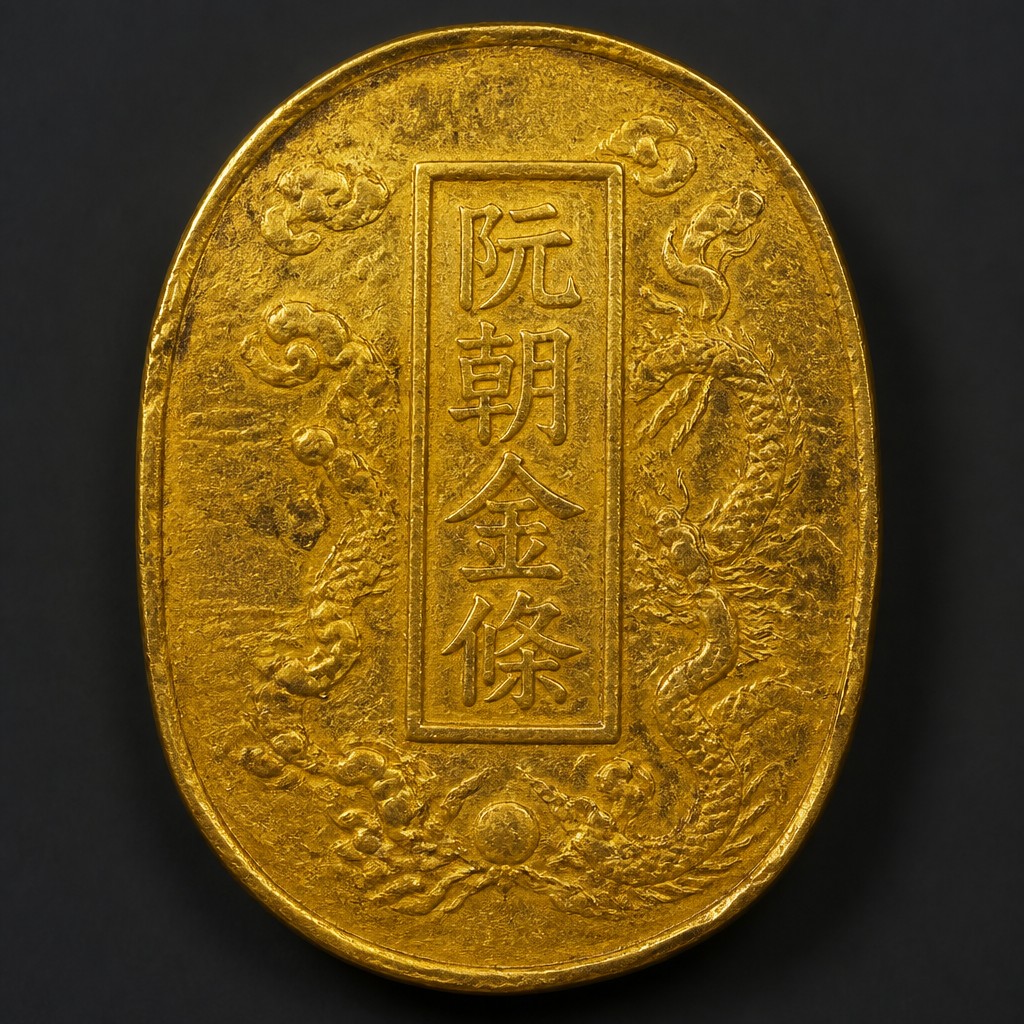
Nguyen Dynasty Gold Bar (Vietnam)
19th century
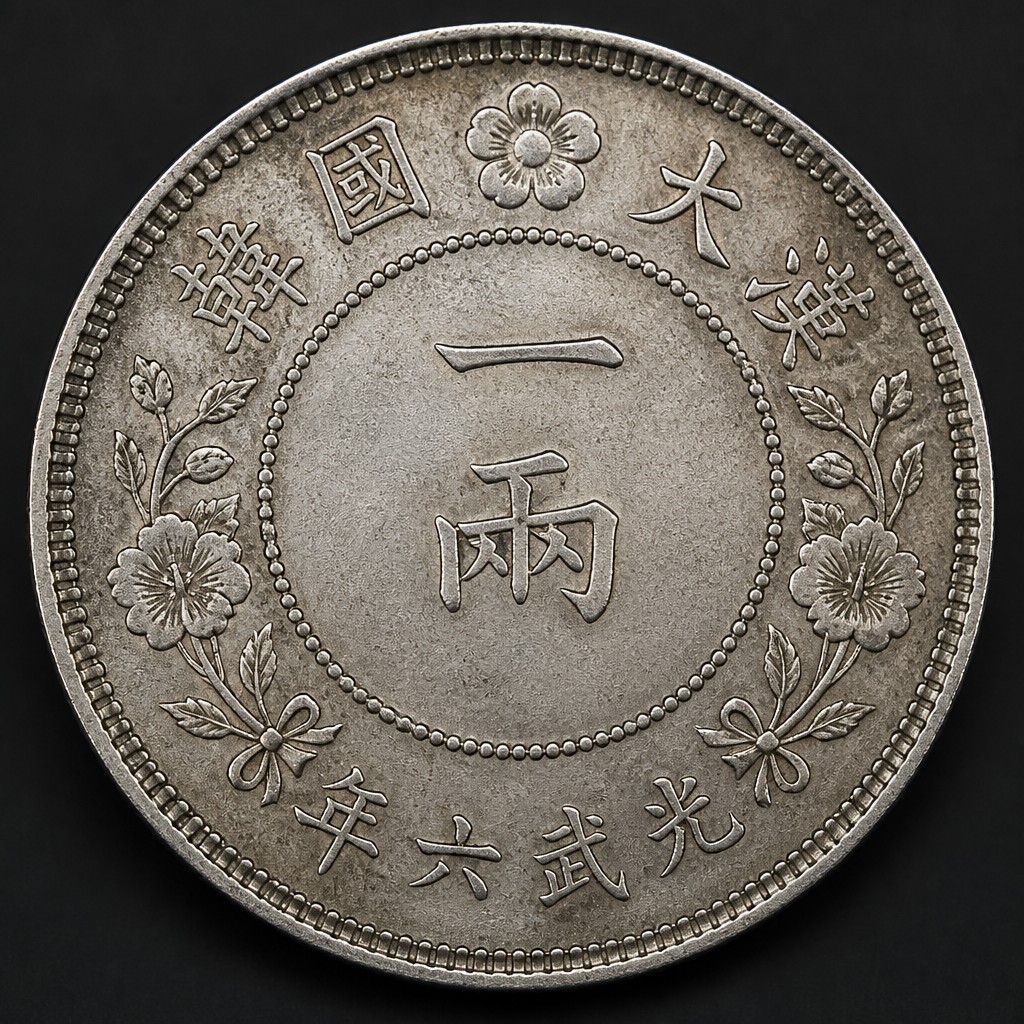
Korean 1 Yang Silver (Joseon/Great Han Empire)
1892–1902
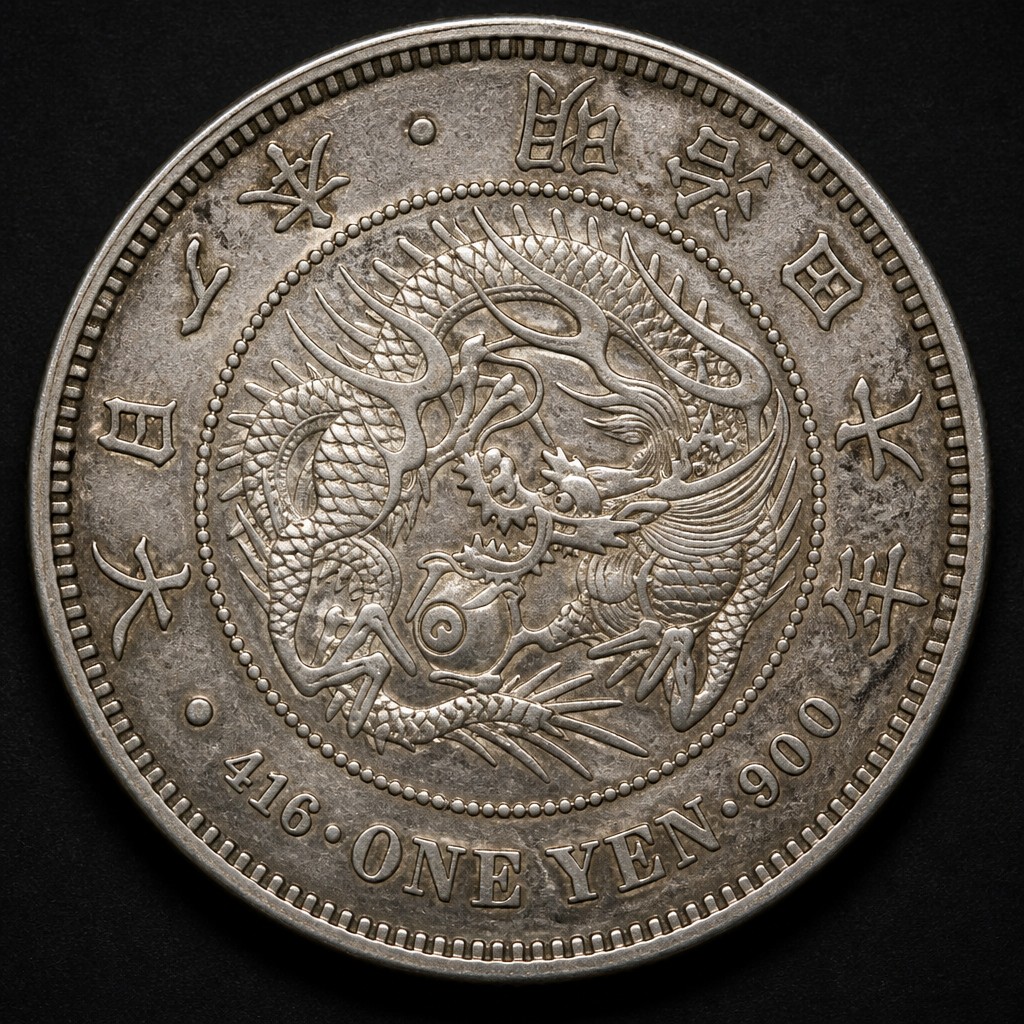
Japanese 1 Yen Silver 'Dragon' Trade Dollar
1870–1914 (trade dollar variant 1875–1877)
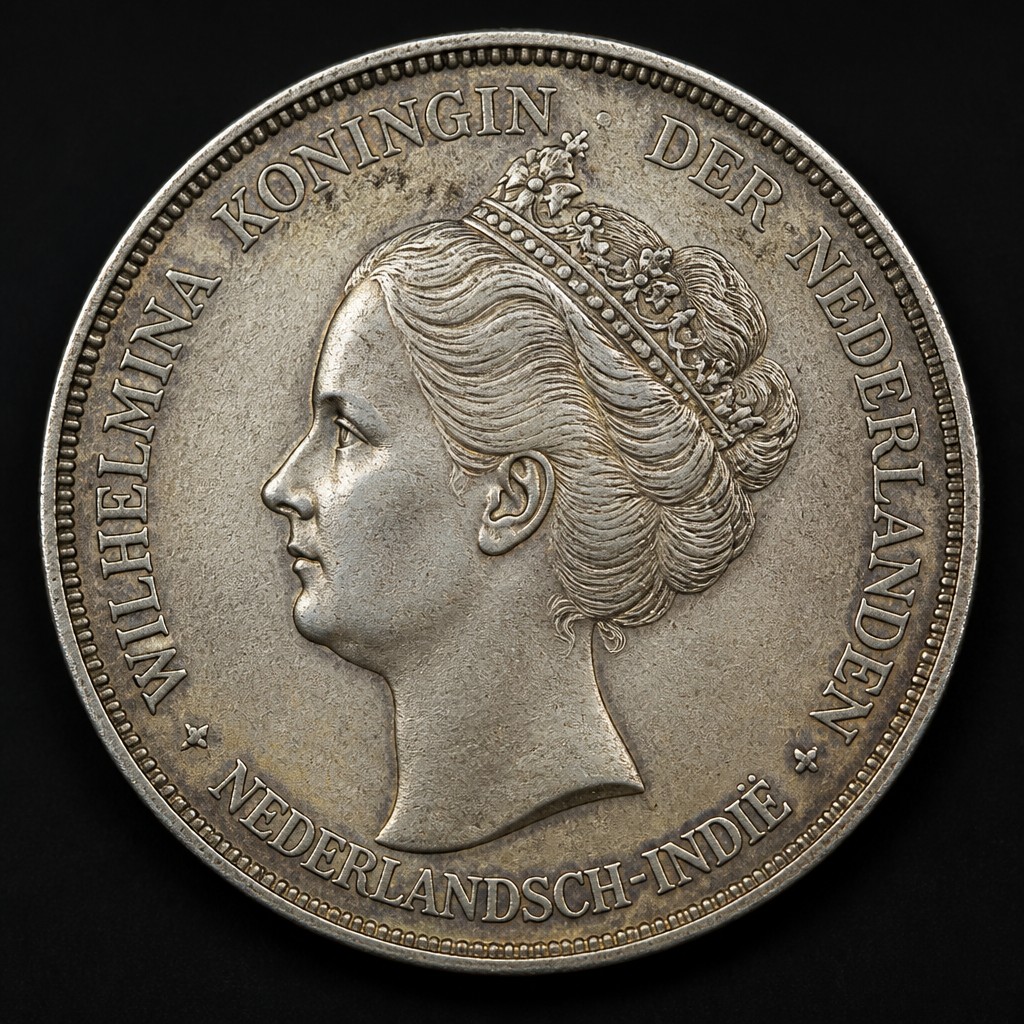
Netherlands East Indies Gulden (Wilhelmina)
1897–1945
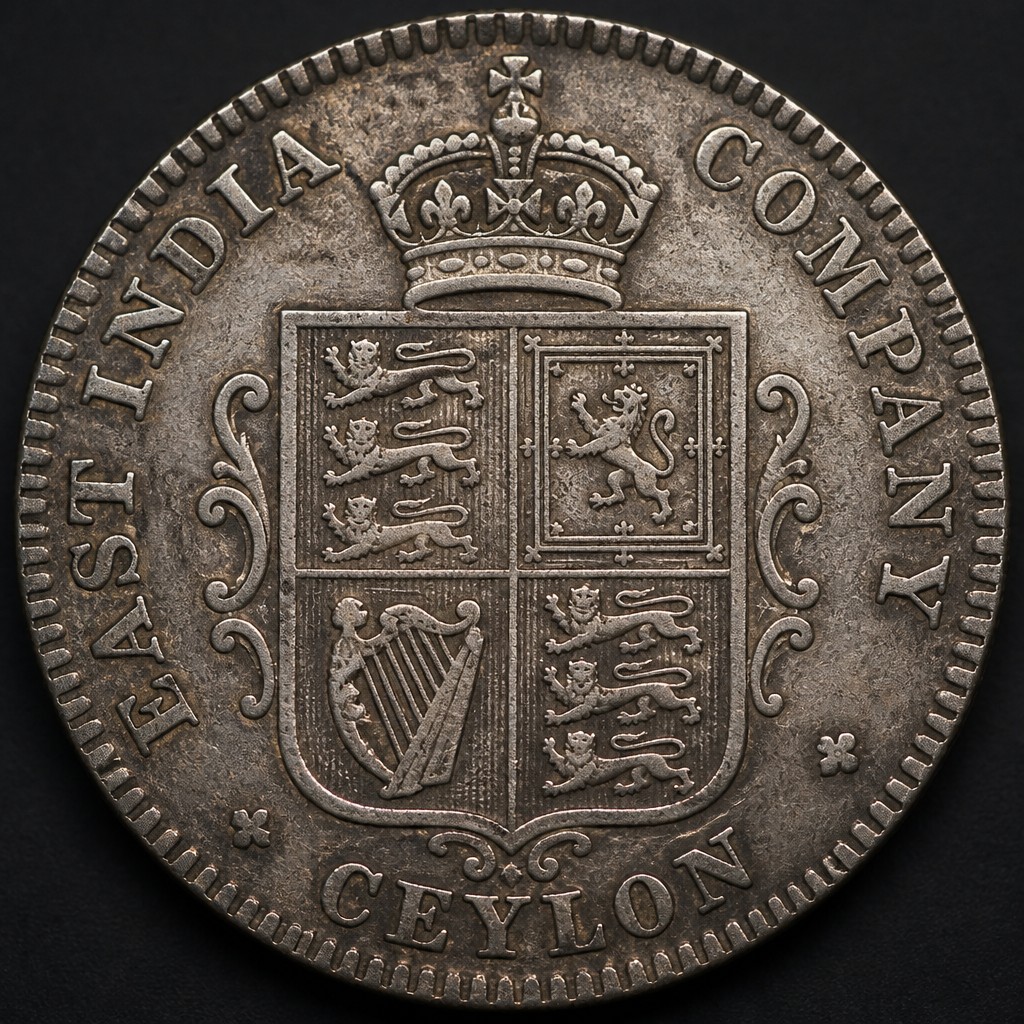
Ceylon (Sri Lanka) EIC Rixdollar
c. 1802–1821
Chinese Cash Coin (Qing Dynasty 'Kangxi Tongbao')
1662–1722
Chinese Hupeh Province Dragon Dollar
c. 1895–1909
Chinese Empire Silver Dollar (Hsuan Tung Dragon)
1909–1911
Thailand (Siam) Silver Baht 'Bullet Money' (Pod Duang)
c. 13th century – late 19th century
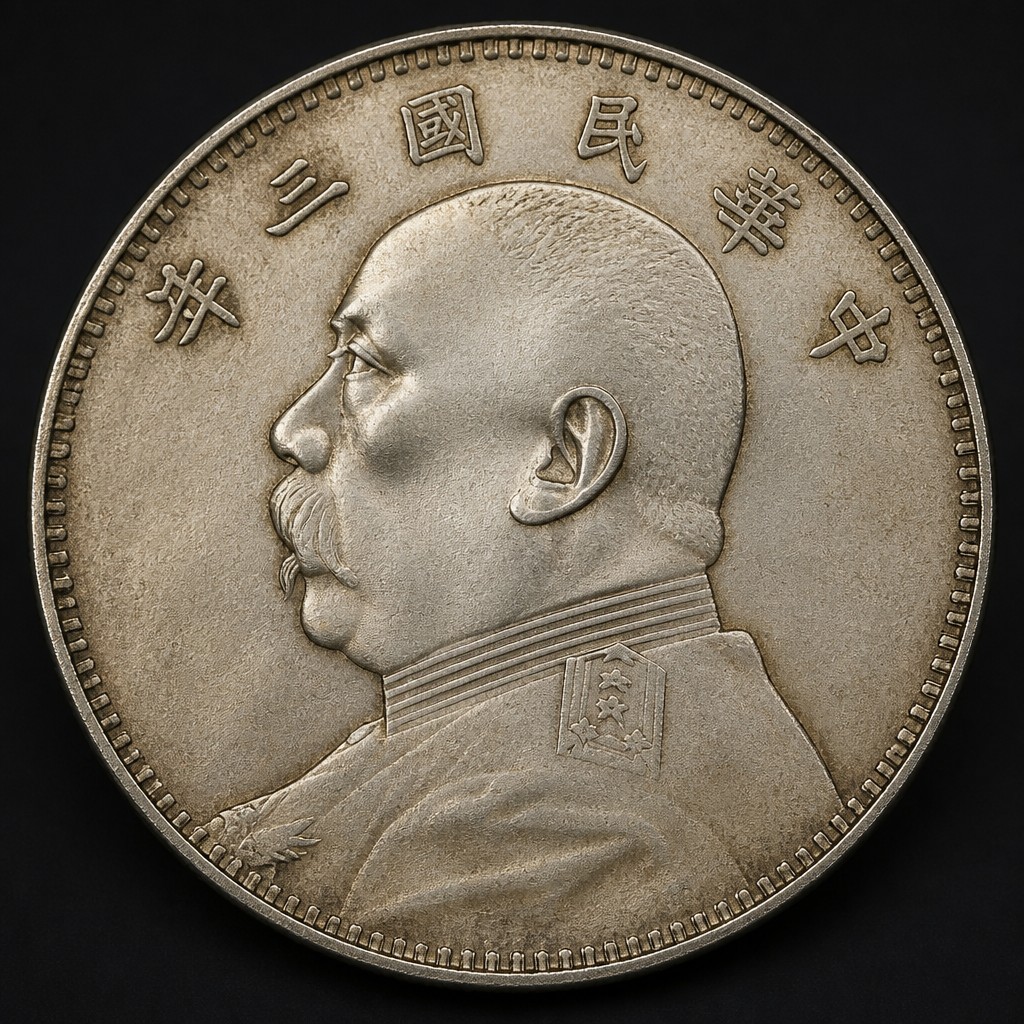
Yuan Shikai 'Fatman' Dollar (1914)
Dated 1914, struck into the early 1920s