
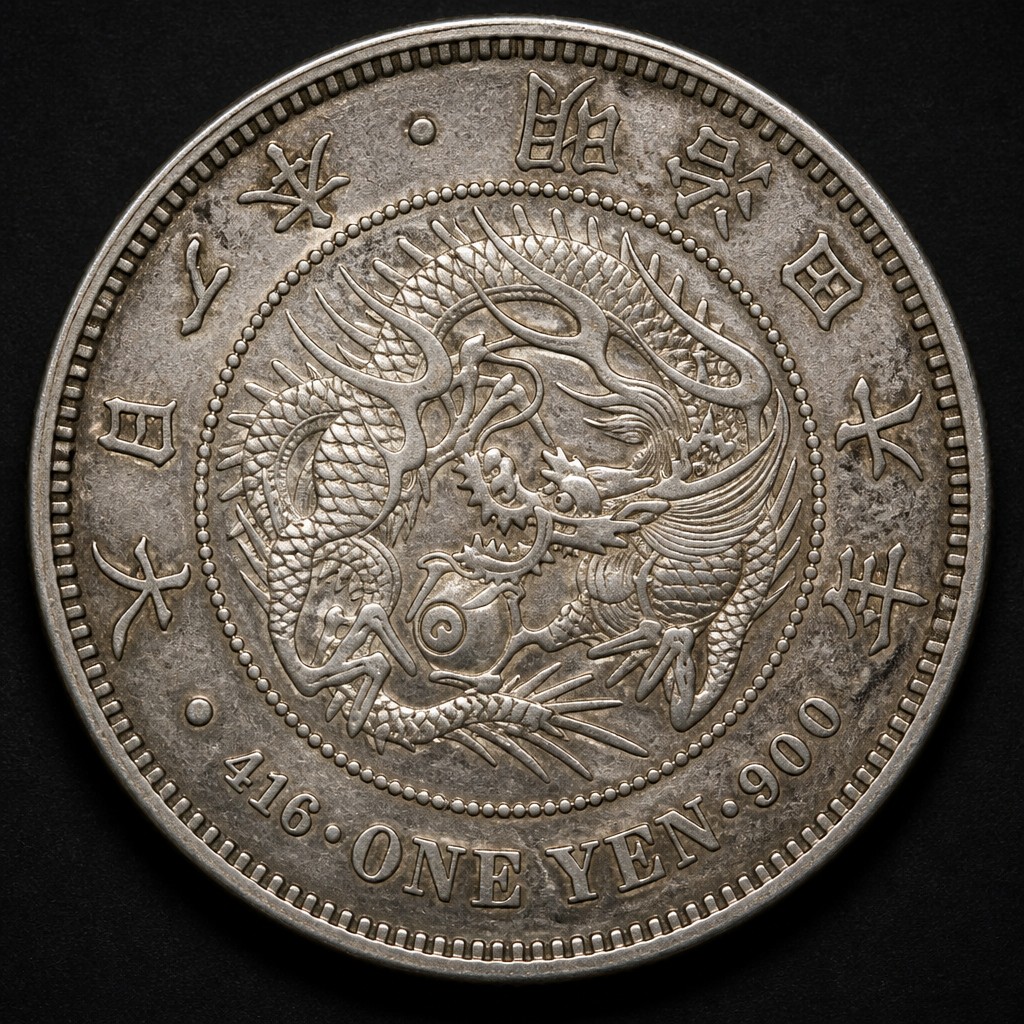
Japanese 1 Yen Silver 'Dragon' Trade Dollar
A Meiji-era Japanese silver yen featuring a coiled dragon, struck to standardize Japan's currency and, in a special trade dollar variant, to compete with Mexican and other silver dollars across East Asia.
- Country
- Japan
- Denomination
- 1 Yen
- Metal
- Silver (.900)
Got a coin like this?
Identify any coin from a photo, free.
Overview
Japan's silver 1 yen dragon coin was the flagship large-silver denomination of the newly modernized Meiji-era currency system, and its trade dollar variant was created specifically to compete in the international silver trade coin market dominated at the time by the Mexican silver dollar. It is a cornerstone coin for collectors of Japanese and East Asian numismatics.
Its bold dragon artistry and role in Japan's early modern economic history give it lasting appeal well beyond its silver content.
History & Background
Following the Meiji Restoration of 1868, Japan overhauled its currency to modern Western-style decimal coinage, introducing the yen in 1871 with denominations including a large silver 1 yen piece featuring an imperial dragon. Because ordinary silver yen were initially restricted from export to help stabilize domestic currency, the government also issued a separate trade dollar variant from 1875 to 1877, explicitly intended for foreign commerce.
Japan later approved regular yen for unrestricted circulation and export as well, allowing the coin to compete directly with the Mexican silver dollar throughout Asian trade networks until Japan moved toward a gold standard at the end of the 19th century.
How to Identify
The obverse shows a large, coiled dragon grasping a flaming pearl amid clouds, encircled by a beaded border, with Japanese characters above naming the denomination and the reign year below.
The reverse bears a stylized paulownia and chrysanthemum crest flanked by flags, with a wreath below and the English inscription "ONE YEN" on regular issues. Trade dollar variants can be distinguished by differing legends noting their trade purpose and subtle design differences. The coin is a large silver dollar-sized piece, .900 fine, with a reeded edge.
Value & Collectibility
Common-date Meiji silver yen are moderately available and reasonably affordable in circulated grades, while the scarcer trade dollar variant and certain early or high-grade dates are considerably more valuable to specialists.
Because these coins were heavily used in Asian trade and often bear Chinese merchant chop marks, small punched characters applied by merchants to verify silver content, the presence, number, and prominence of chop marks can significantly affect both authentication and value.
Frequently asked questions
What is the difference between the regular yen and the trade dollar variant?
The trade dollar was a special variant struck from 1875 to 1877 explicitly for use in foreign commerce, distinguished by differing legends and minor design details from the regular circulating yen.
What are the small punch marks sometimes seen on these coins?
These are merchant chop marks, applied by traders across Asia to verify a coin's silver content, and they were common on coins used in regional trade.
Why does the coin feature a dragon?
The dragon was a traditional symbol of imperial authority, chosen as the central design for Japan's new Meiji-era silver coinage.
Is the trade dollar variant rarer than the regular yen?
Yes, the trade dollar variant was produced for a shorter period and in smaller numbers, making it scarcer and more valuable to specialists.
Other coins you may enjoy
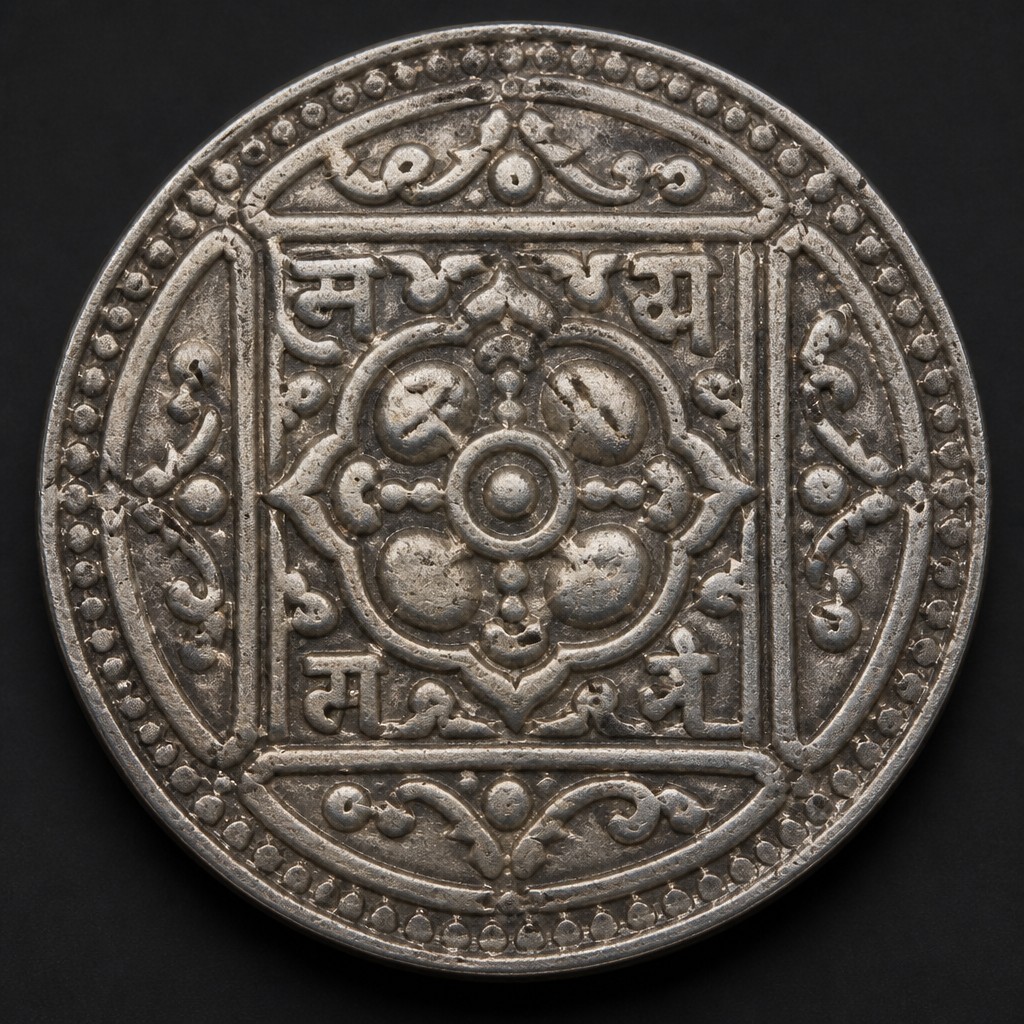
Nepal Silver Mohar
c. 16th–19th century
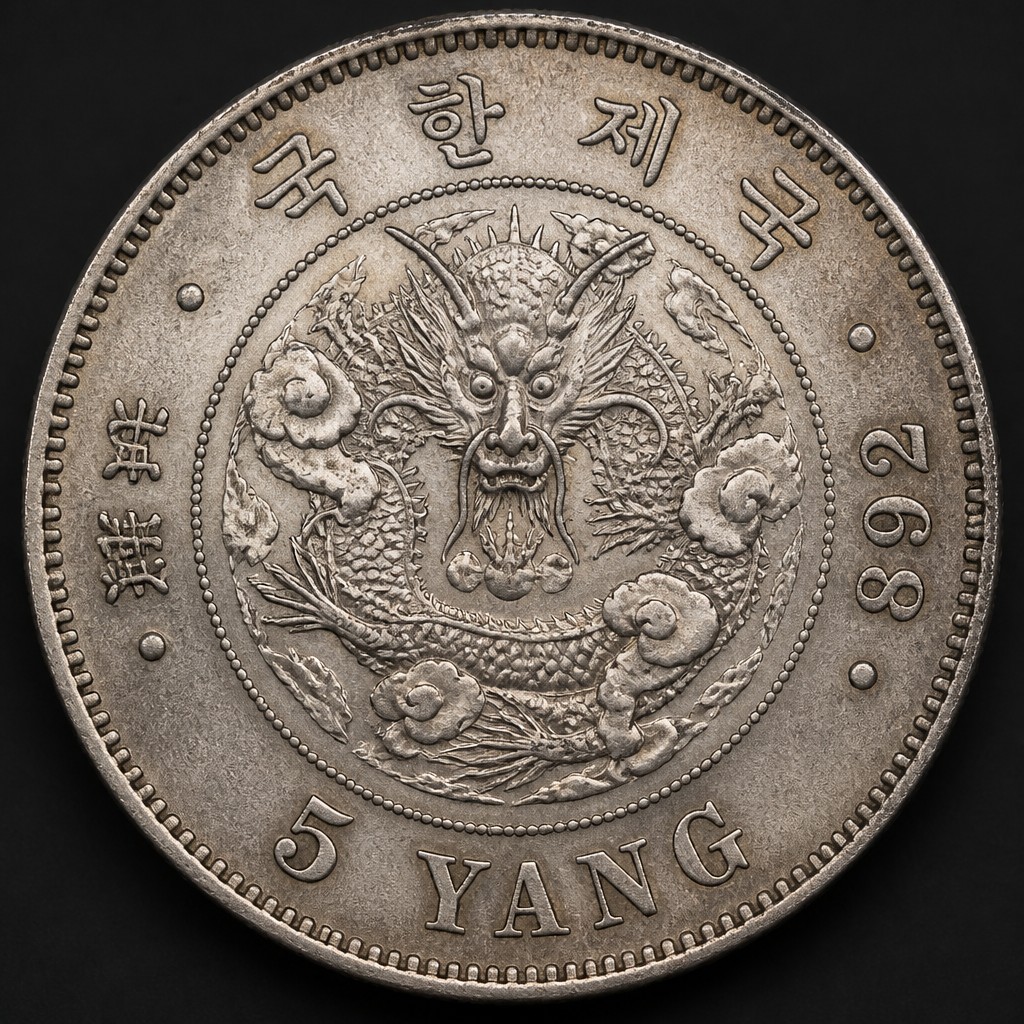
Korean 5 Yang Silver Dollar (1892)
1892
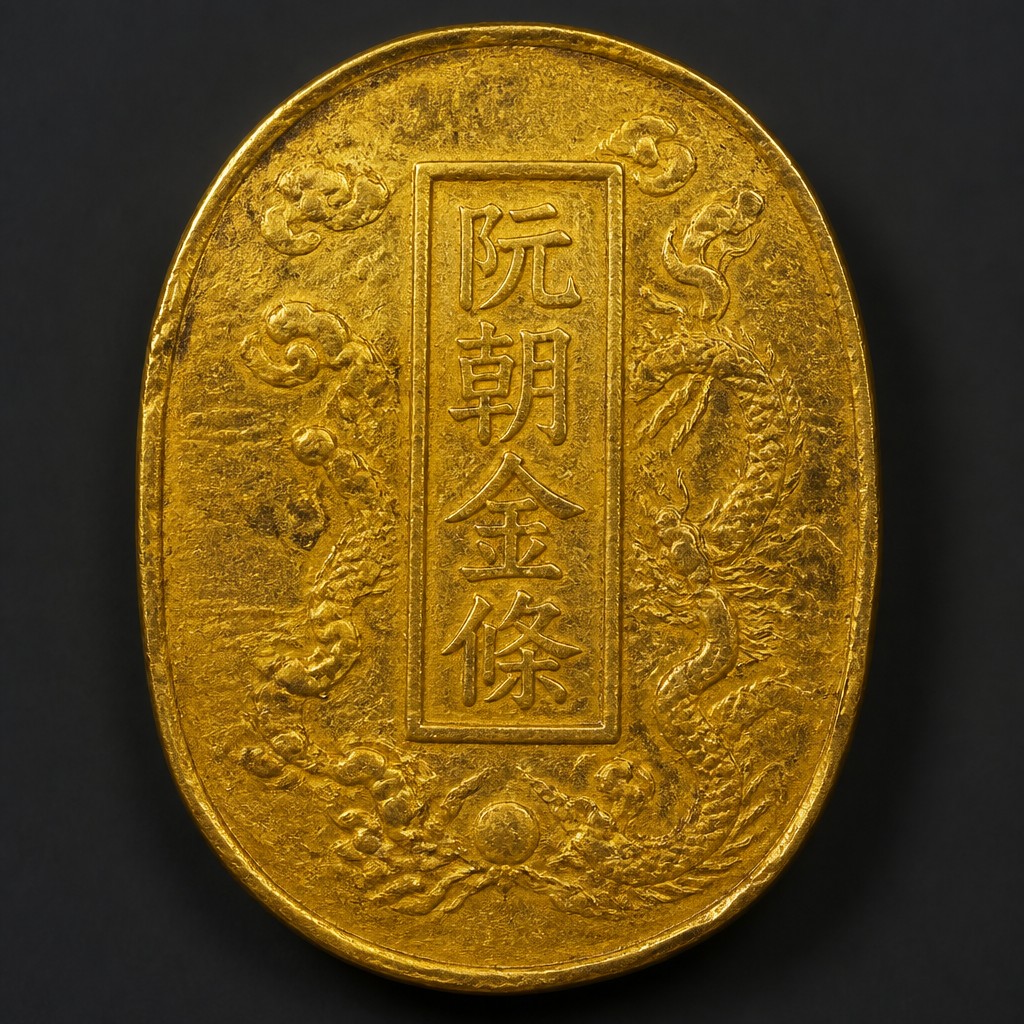
Nguyen Dynasty Gold Bar (Vietnam)
19th century
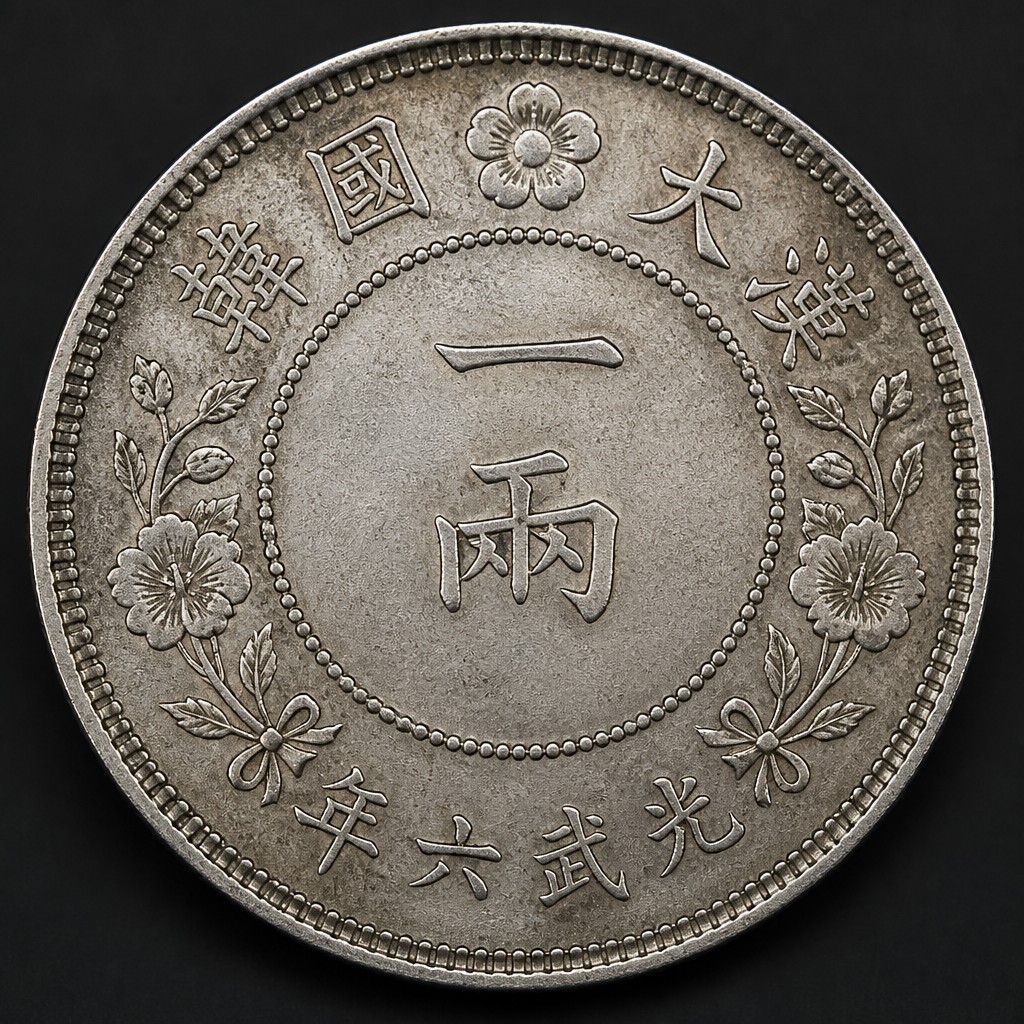
Korean 1 Yang Silver (Joseon/Great Han Empire)
1892–1902
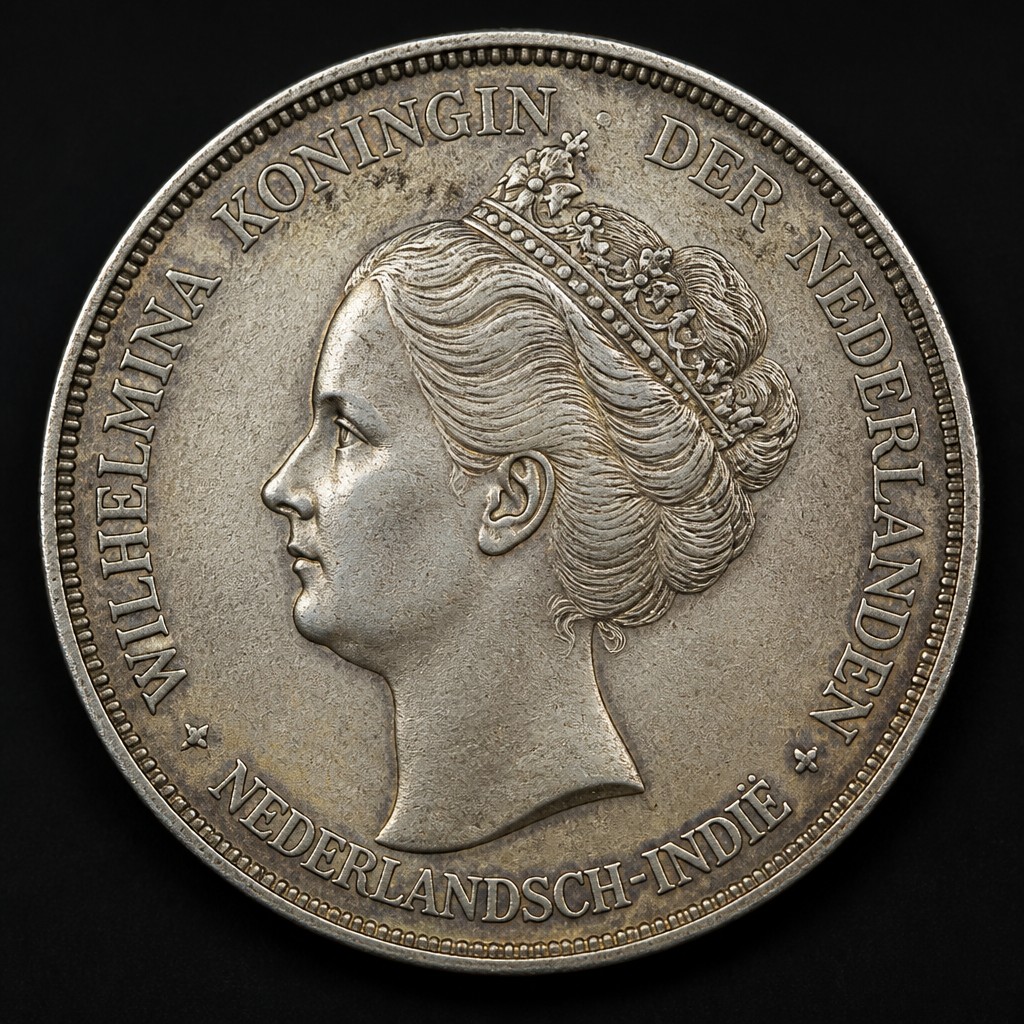
Netherlands East Indies Gulden (Wilhelmina)
1897–1945
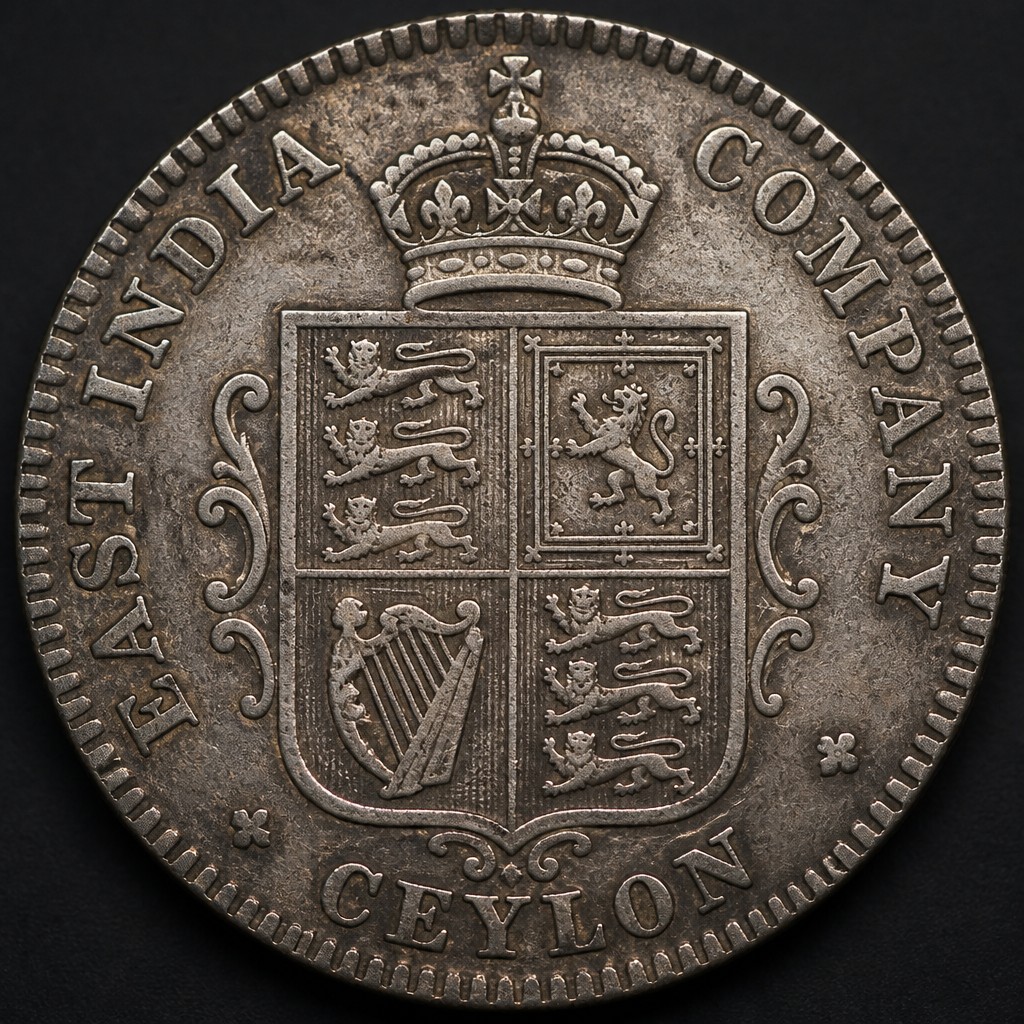
Ceylon (Sri Lanka) EIC Rixdollar
c. 1802–1821
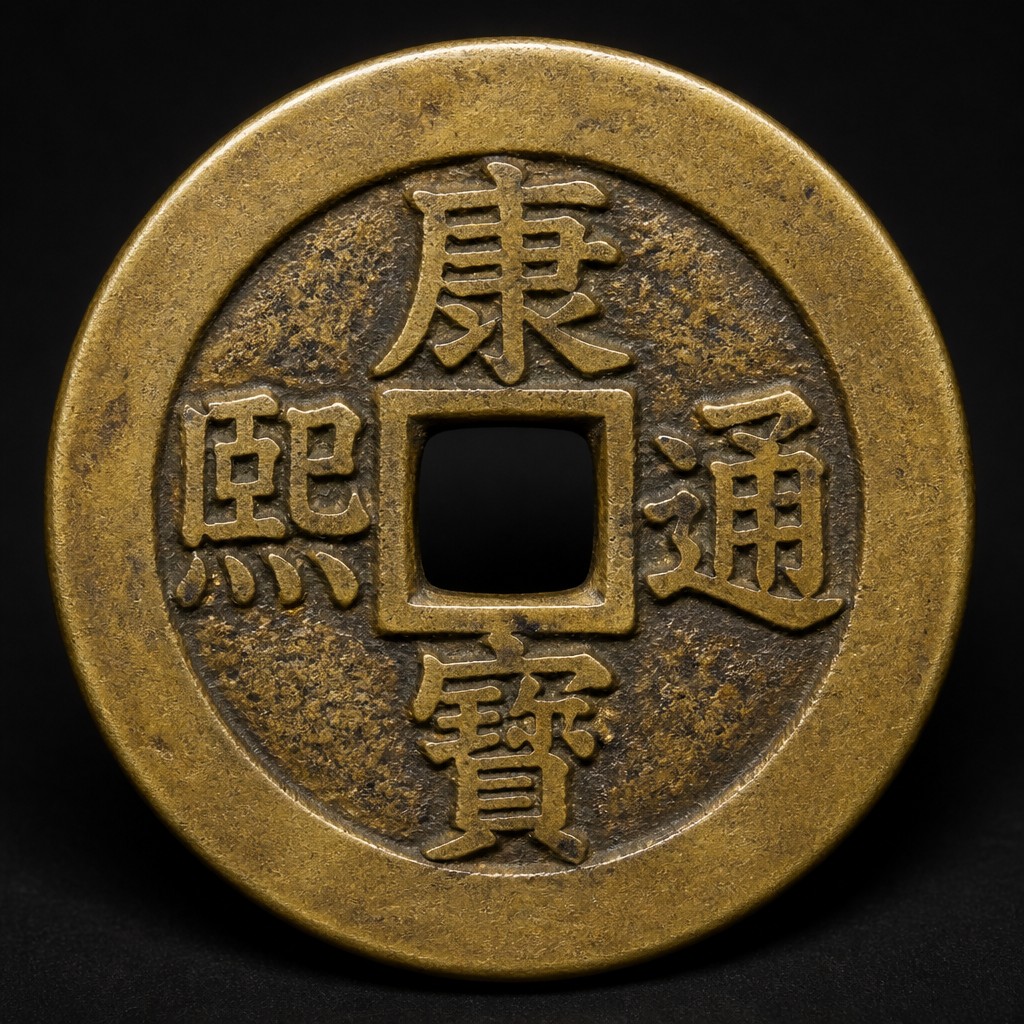
Chinese Cash Coin (Qing Dynasty 'Kangxi Tongbao')
1662–1722
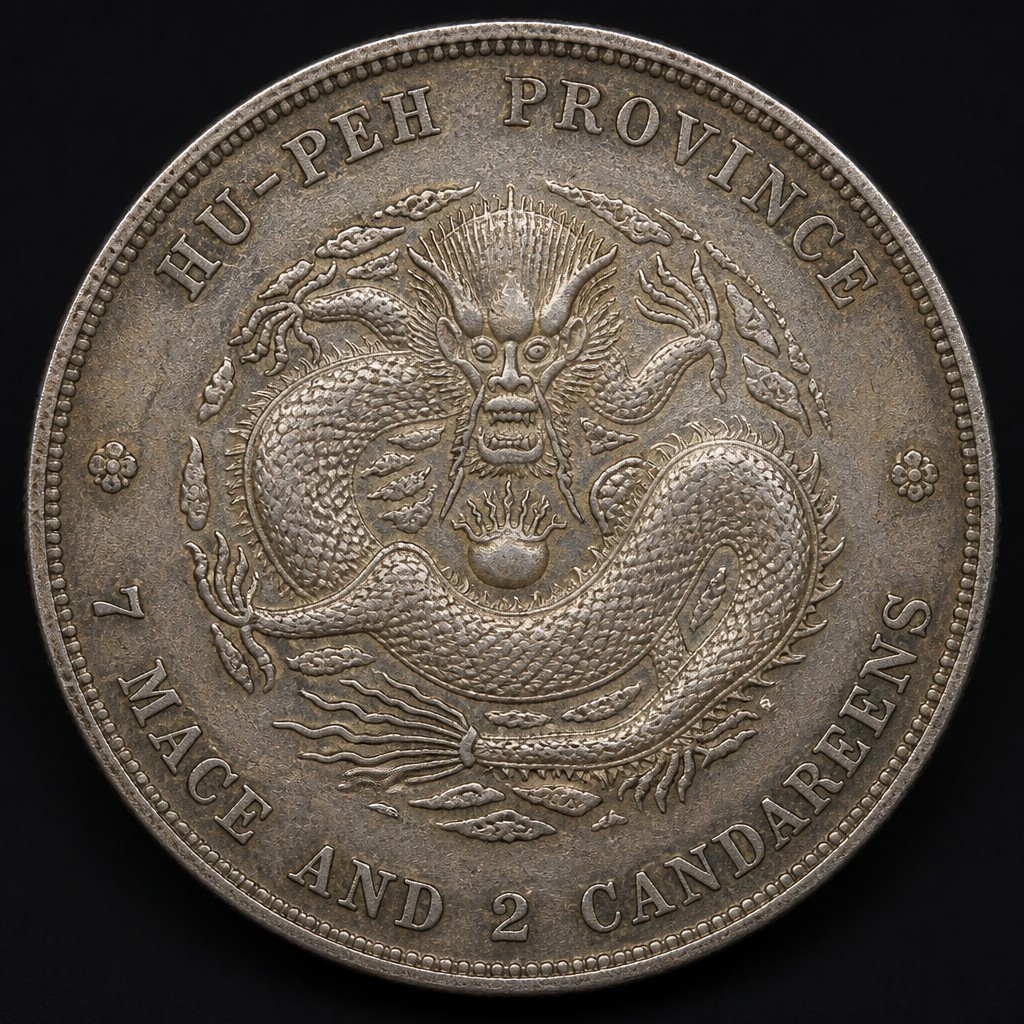
Chinese Hupeh Province Dragon Dollar
c. 1895–1909
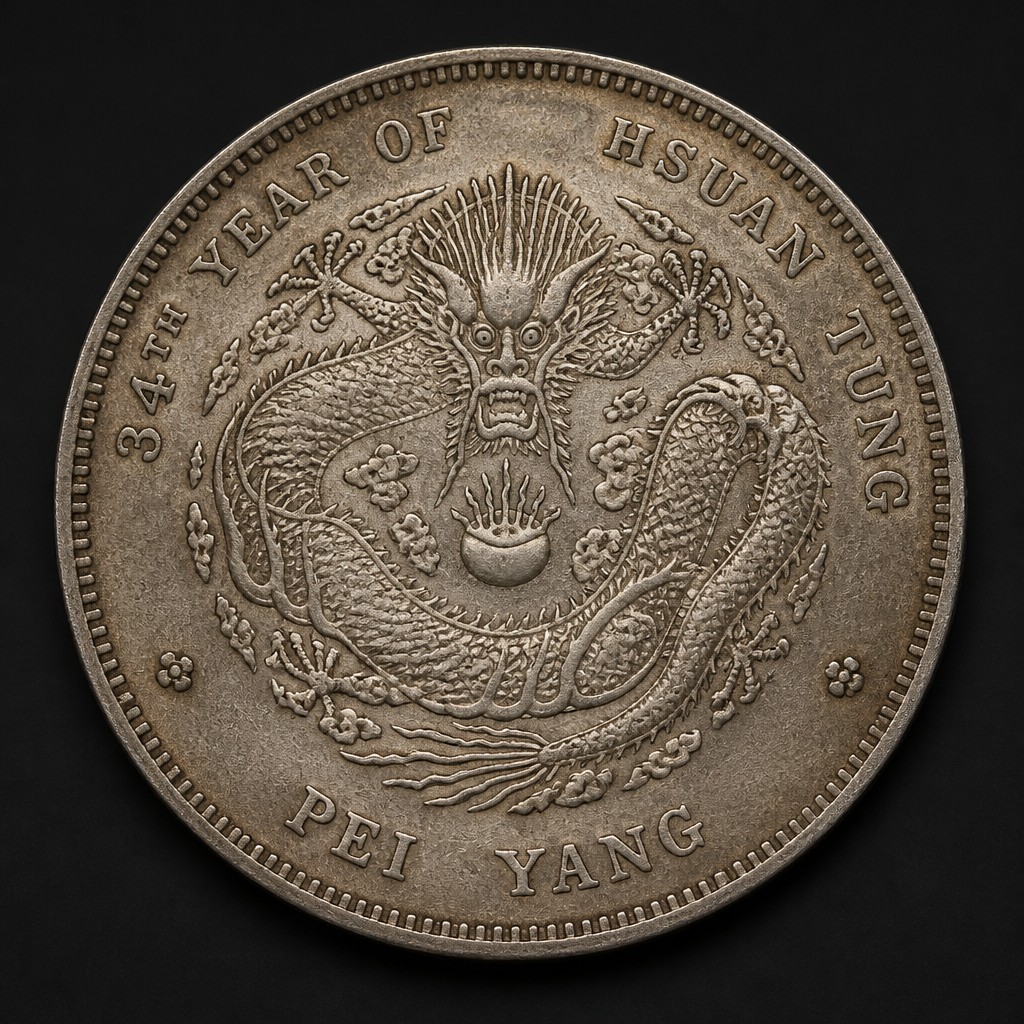
Chinese Empire Silver Dollar (Hsuan Tung Dragon)
1909–1911
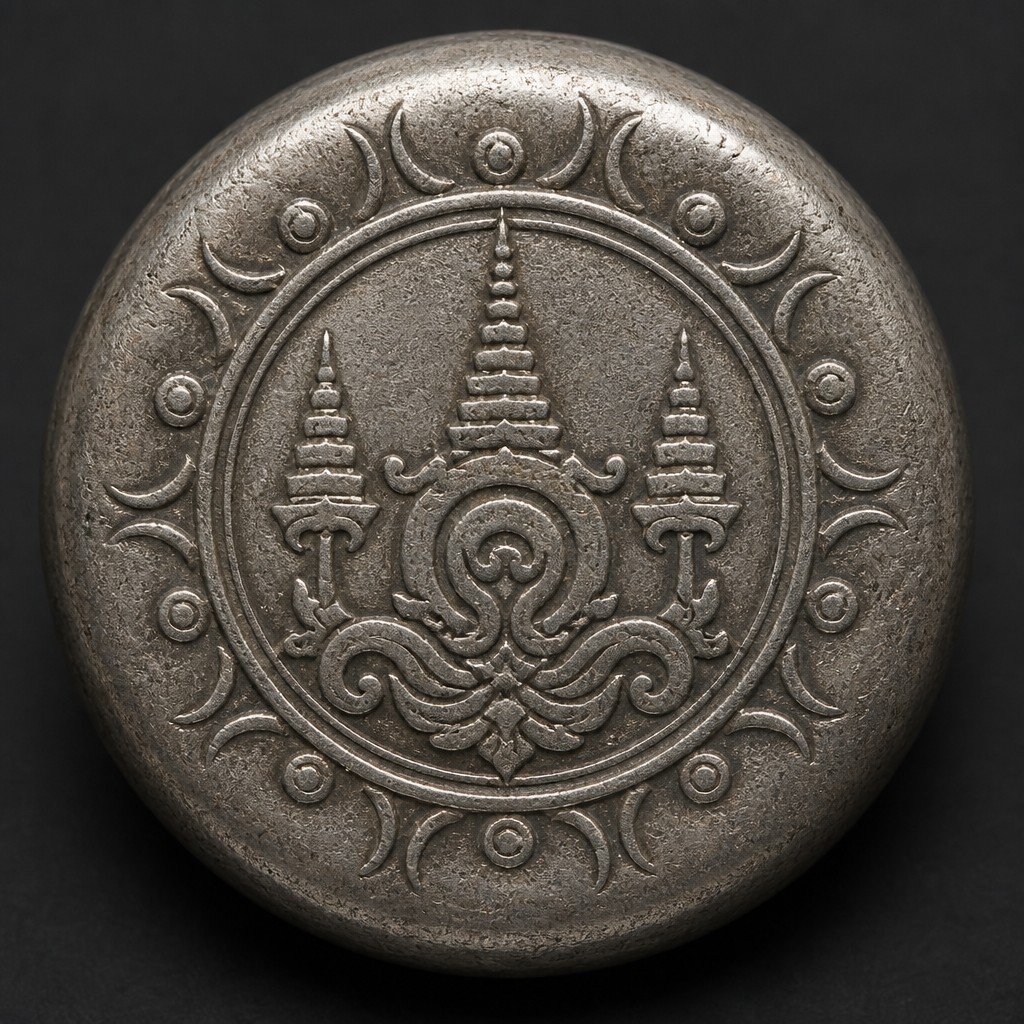
Thailand (Siam) Silver Baht 'Bullet Money' (Pod Duang)
c. 13th century – late 19th century
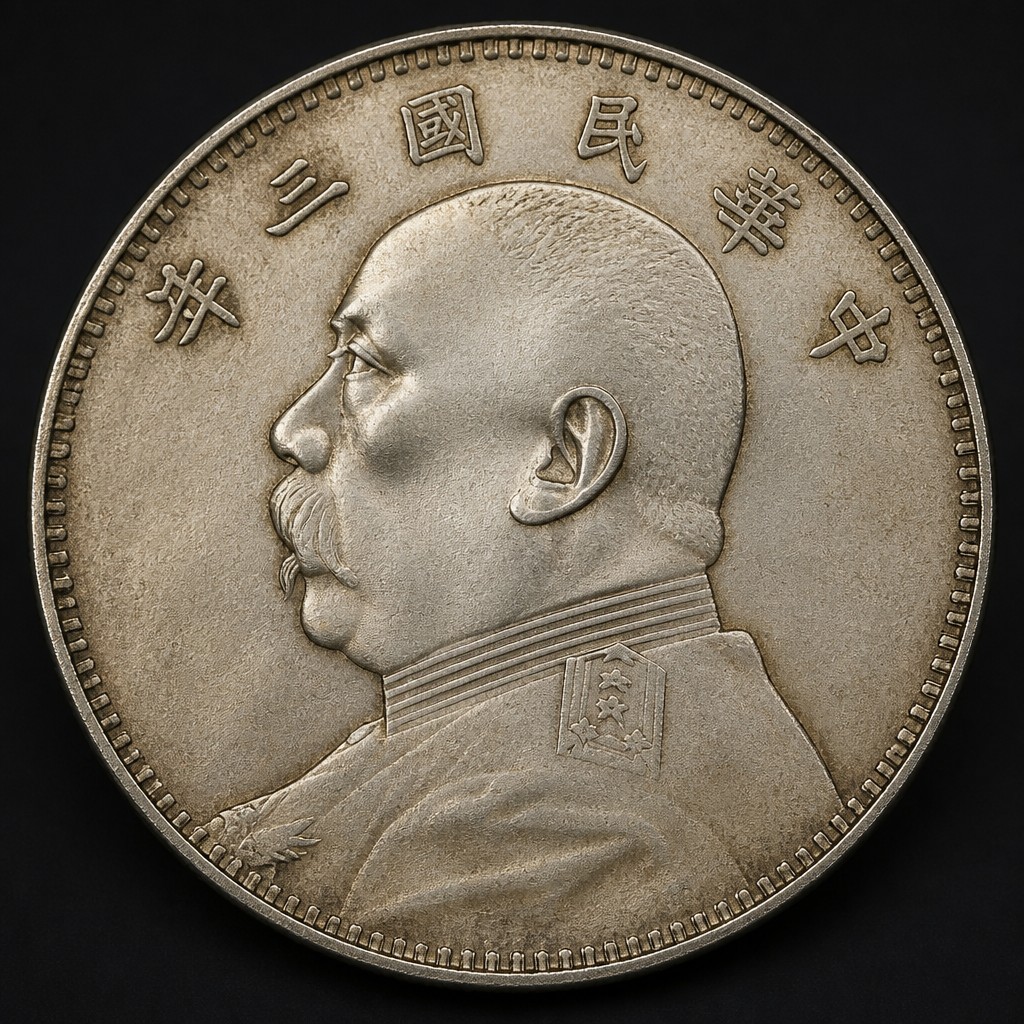
Yuan Shikai 'Fatman' Dollar (1914)
Dated 1914, struck into the early 1920s
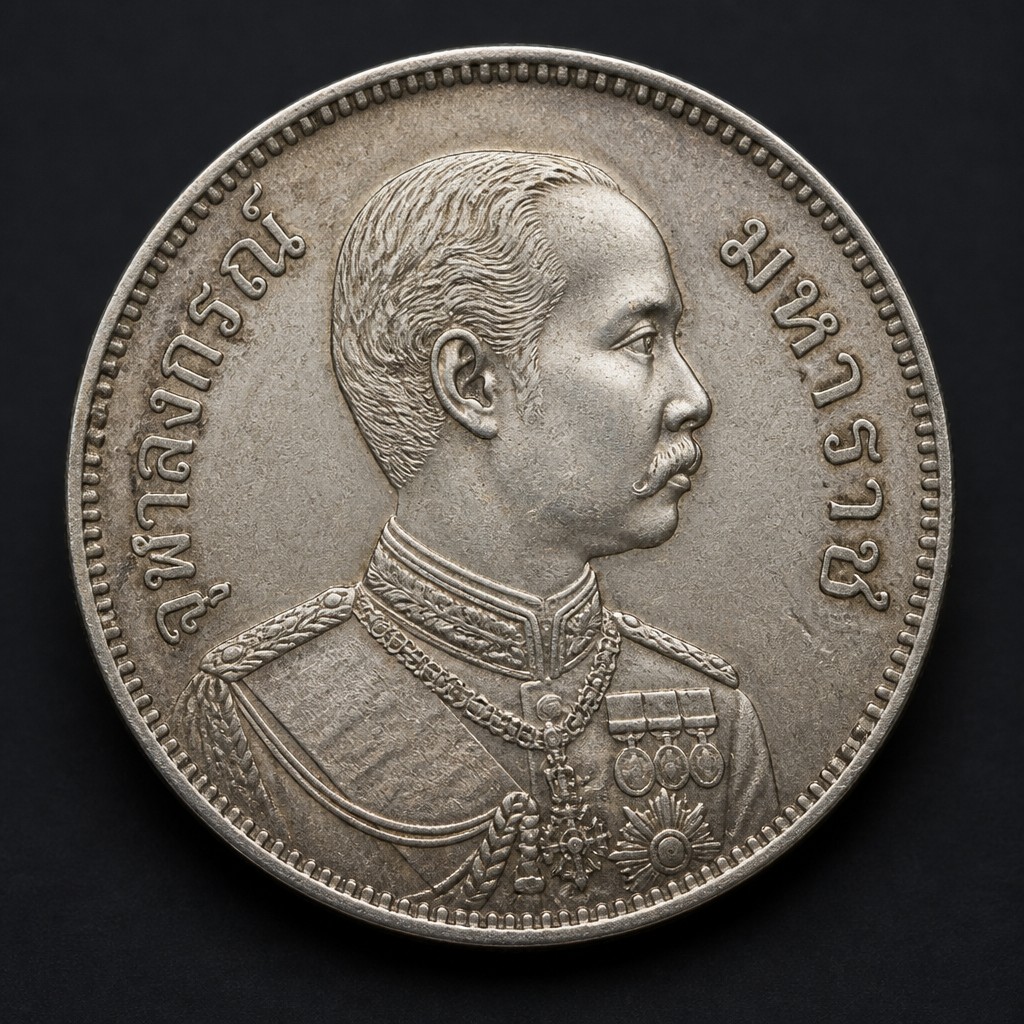
Siamese Rama V Silver Baht
c. 1876–1910