
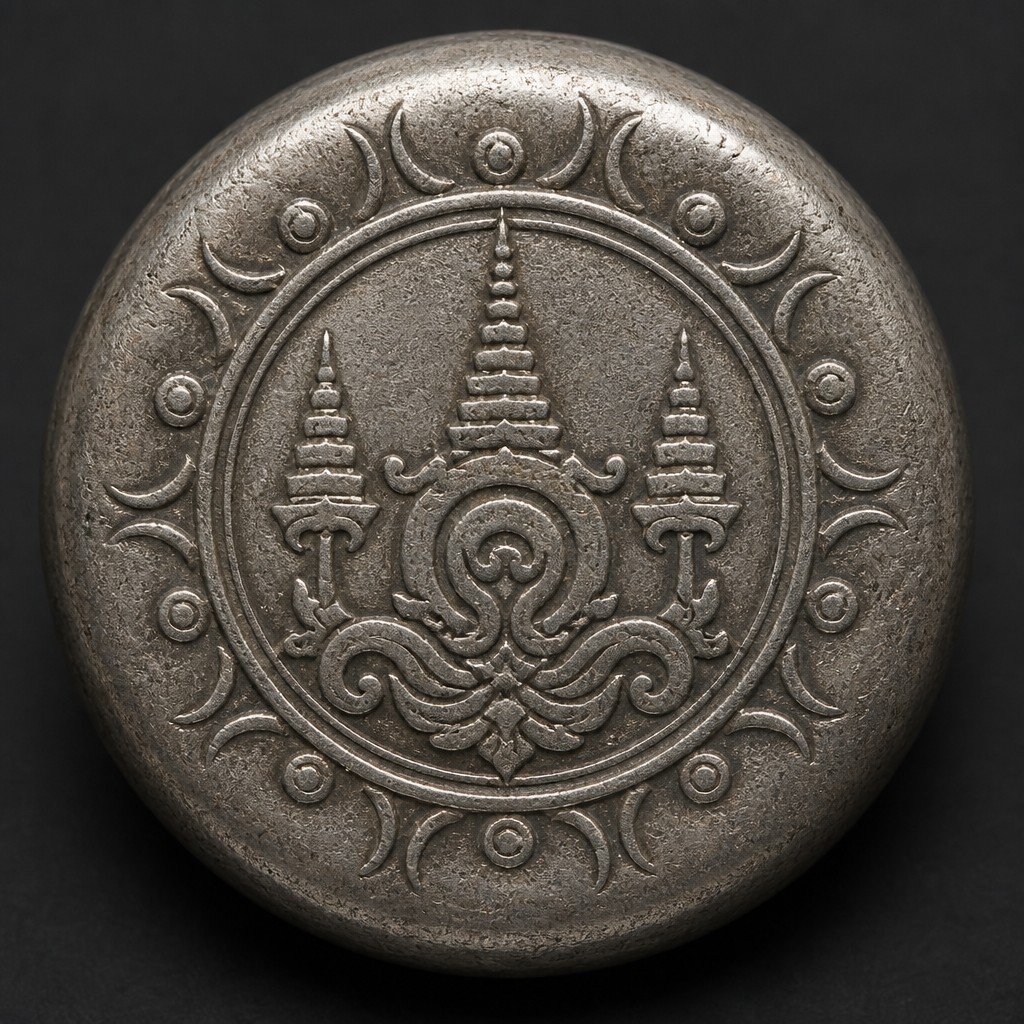
Thailand (Siam) Silver Baht 'Bullet Money' (Pod Duang)
Distinctive bent-bar silver currency used in Siam for centuries, hand-formed into a bullet-like shape and stamped with royal marks in place of a flat coin design.
- Country
- Siam (Thailand)
- Denomination
- Baht and fractions (Salung, Fuang)
- Metal
- Silver
Got a coin like this?
Identify any coin from a photo, free.
Overview
Pod duang, commonly called "bullet money" by Western collectors, was Siam's traditional form of currency for roughly six centuries, from the Sukhothai era through the reign of King Rama V. Rather than being struck flat like Western coins, each piece was formed by bending a silver rod into a rounded, ball-and-bar shape and stamping it with royal and mint symbols.
Collectors prize bullet money for its unusual, hand-made appearance -- unlike any Western coinage -- and for the variety of dynastic punch marks used across reigns, which allow rough dating and attribution to particular periods of Siamese history.
History & Background
Bullet money likely originated in the Sukhothai Kingdom and continued through the Ayutthaya and early Rattanakosin (Bangkok) periods as Siam's primary domestic and regional trade currency. Denominations followed the baht and its fractions, such as the salung and fuang, determined largely by weight rather than a fixed flat design.
Each ruler and mint applied distinctive punches -- symbols such as the chakra (wheel), a conch shell, an elephant, or other royal emblems -- to certify the silver's weight and authenticity. Production ended in the late 19th century when King Chulalongkorn (Rama V) introduced Western-style flat coinage to modernize Siam's currency; official use of bullet money ceased around the turn of the 20th century.
How to Identify
Bullet money has a highly distinctive form: a thick silver bar bent into a rounded, bullet- or ball-like shape with two protruding ends, rather than a flat disc. There is no obverse and reverse in the Western sense; instead, one or more small punch marks are stamped into the metal identifying the reigning king, mint, or dynasty.
Common punch marks include a chakra, a conch shell, an elephant, or Chinese-influenced characters, depending on era and issuing authority. Size and weight vary by denomination rather than diameter, since weight served as the practical guarantee of value.
Because each piece was hand-made, no two are perfectly identical; collectors identify era and rarity chiefly through the specific combination and placement of punch marks alongside metal quality and weight.
Value & Collectibility
Common, later-period bullet money (roughly Rattanakosin era) is relatively affordable, often available for modest sums for smaller, well-worn pieces. Earlier issues, rare punch-mark combinations, larger denominations, and coins from lesser-documented reigns can be considerably more valuable.
- Correct attribution of punch marks matters greatly to value.
- Larger denominations and clear, well-struck marks are the most sought after.
- Because the series spans centuries, authenticity verification is an important part of collecting it.
Frequently asked questions
Why is it called "bullet money"?
Because of its rounded, bullet- or ball-like shape, formed by bending a silver rod rather than striking a flat coin.
How old is this currency?
Some form of bullet money was used in Siam for roughly 600 years, from the Sukhothai era into the late 19th century.
How do you tell the denomination?
By weight and size, since the currency was valued by its silver content rather than a printed face value.
What ended its use?
King Rama V's currency reforms introduced Western-style flat coins, phasing out bullet money by the turn of the 20th century.
What are the punch marks?
Symbols such as the chakra, elephant, or conch stamped into the silver to identify the reign or mint authority.
Other coins you may enjoy
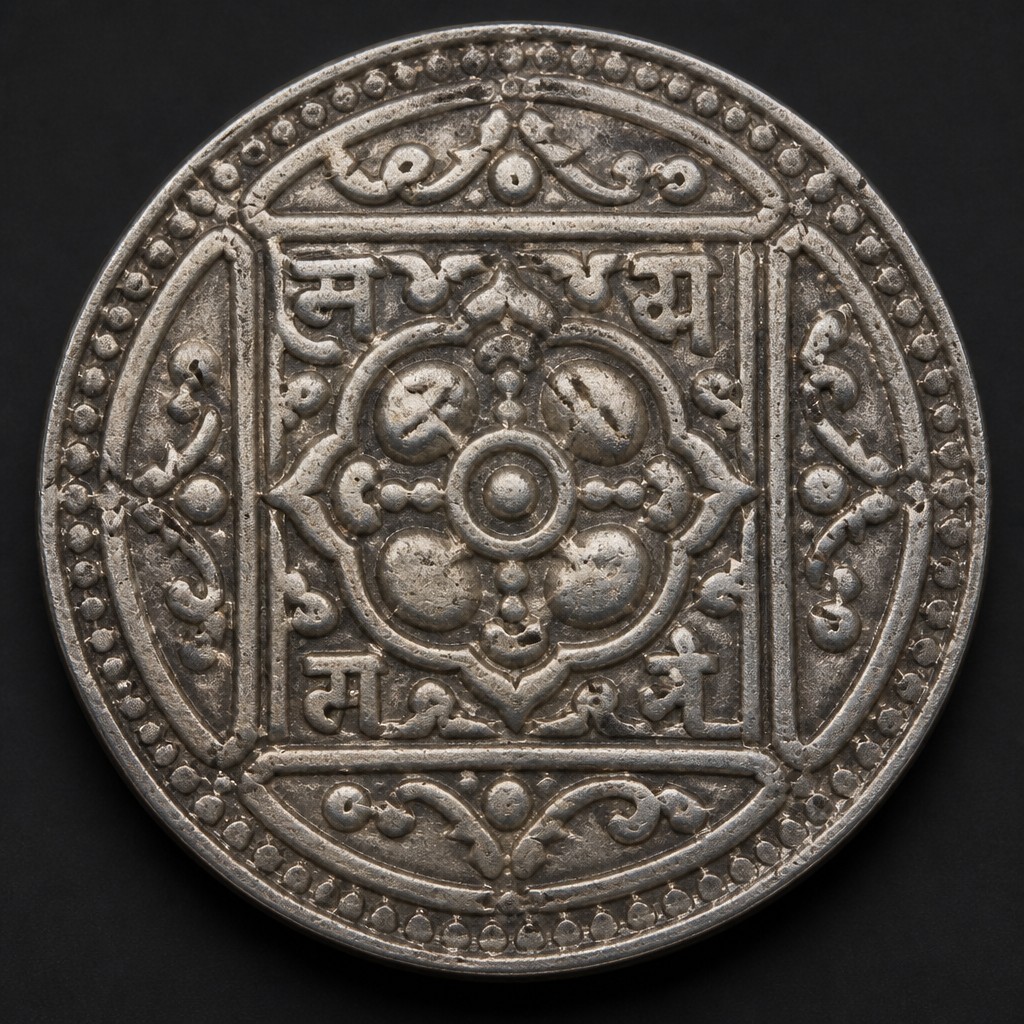
Nepal Silver Mohar
c. 16th–19th century
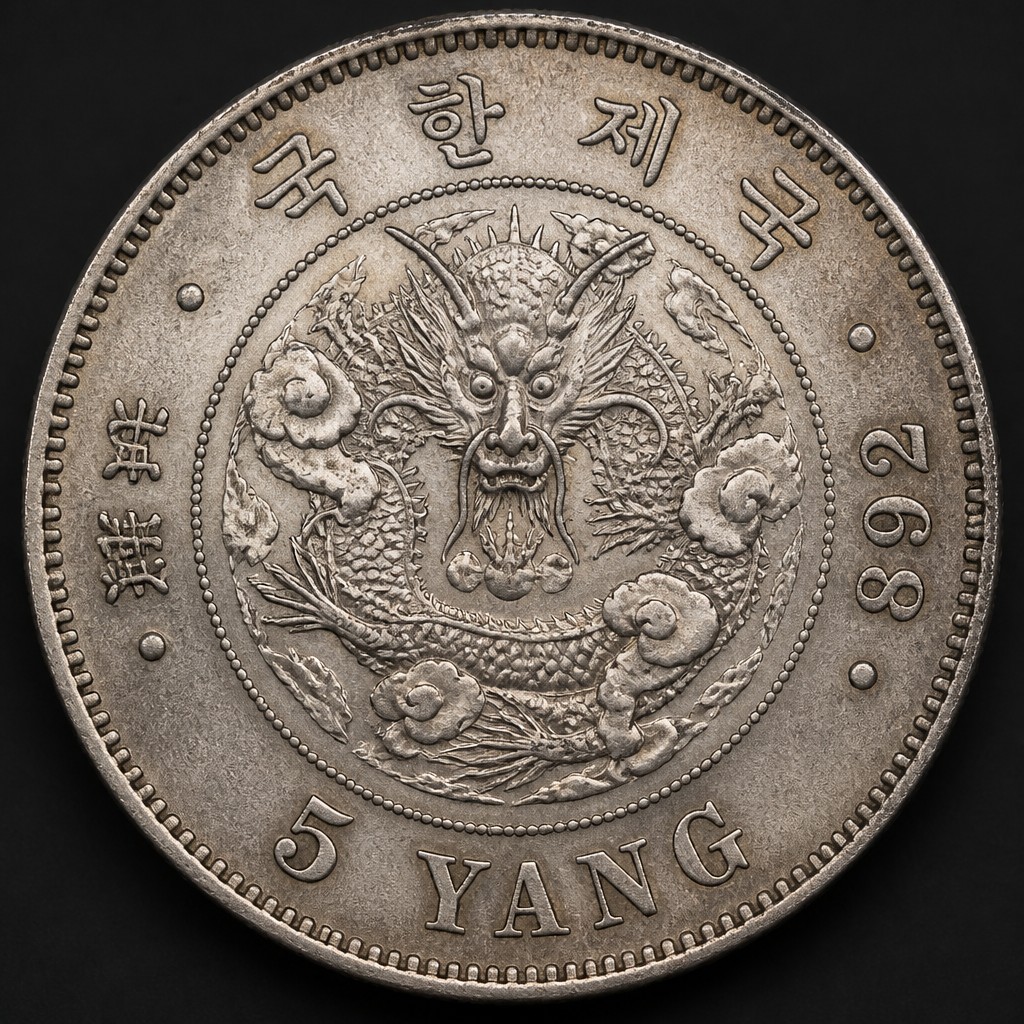
Korean 5 Yang Silver Dollar (1892)
1892
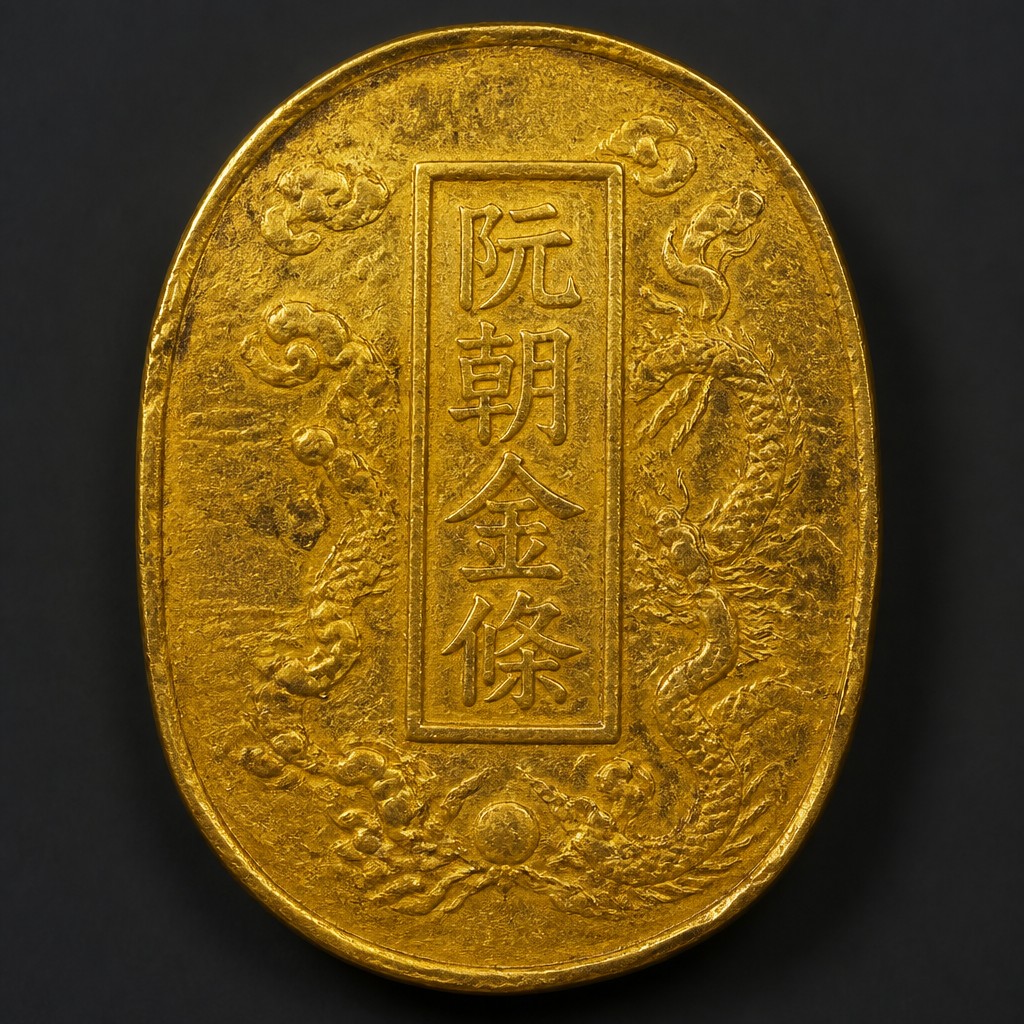
Nguyen Dynasty Gold Bar (Vietnam)
19th century
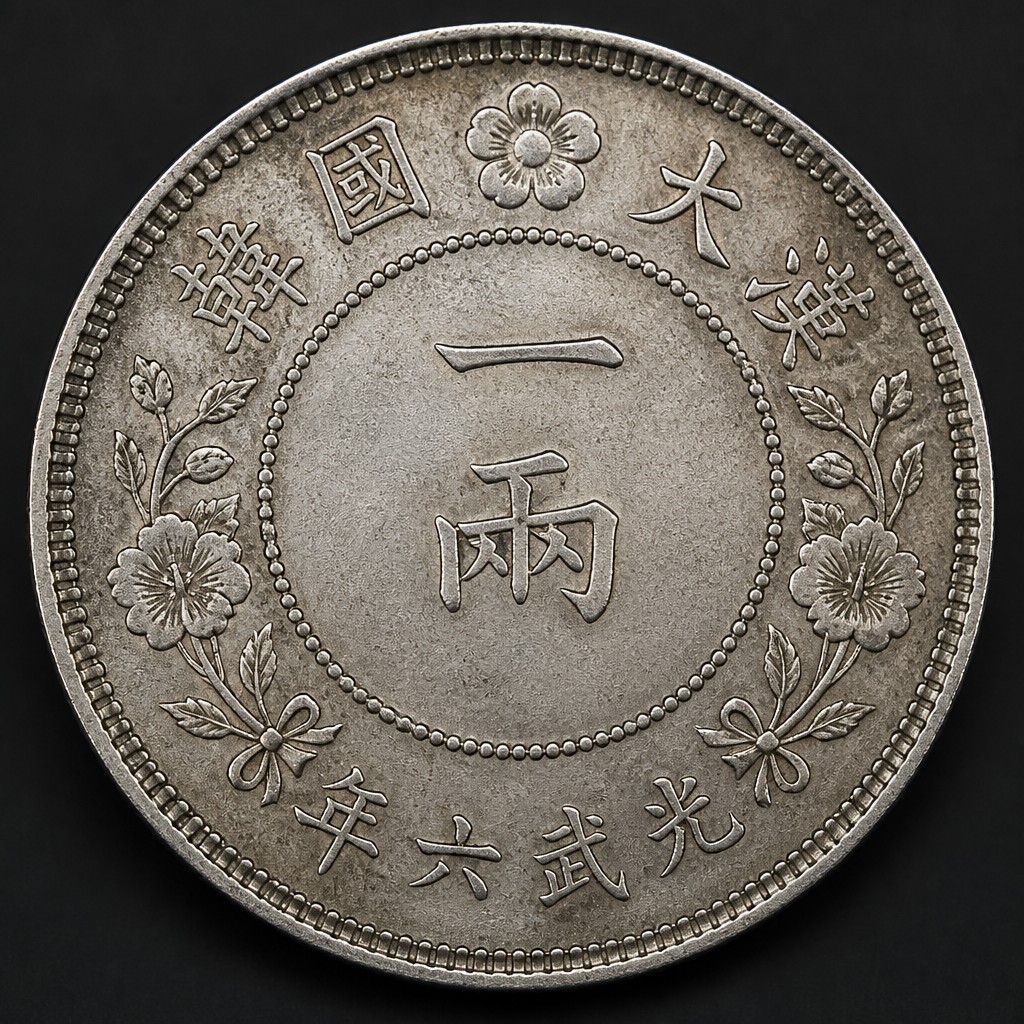
Korean 1 Yang Silver (Joseon/Great Han Empire)
1892–1902
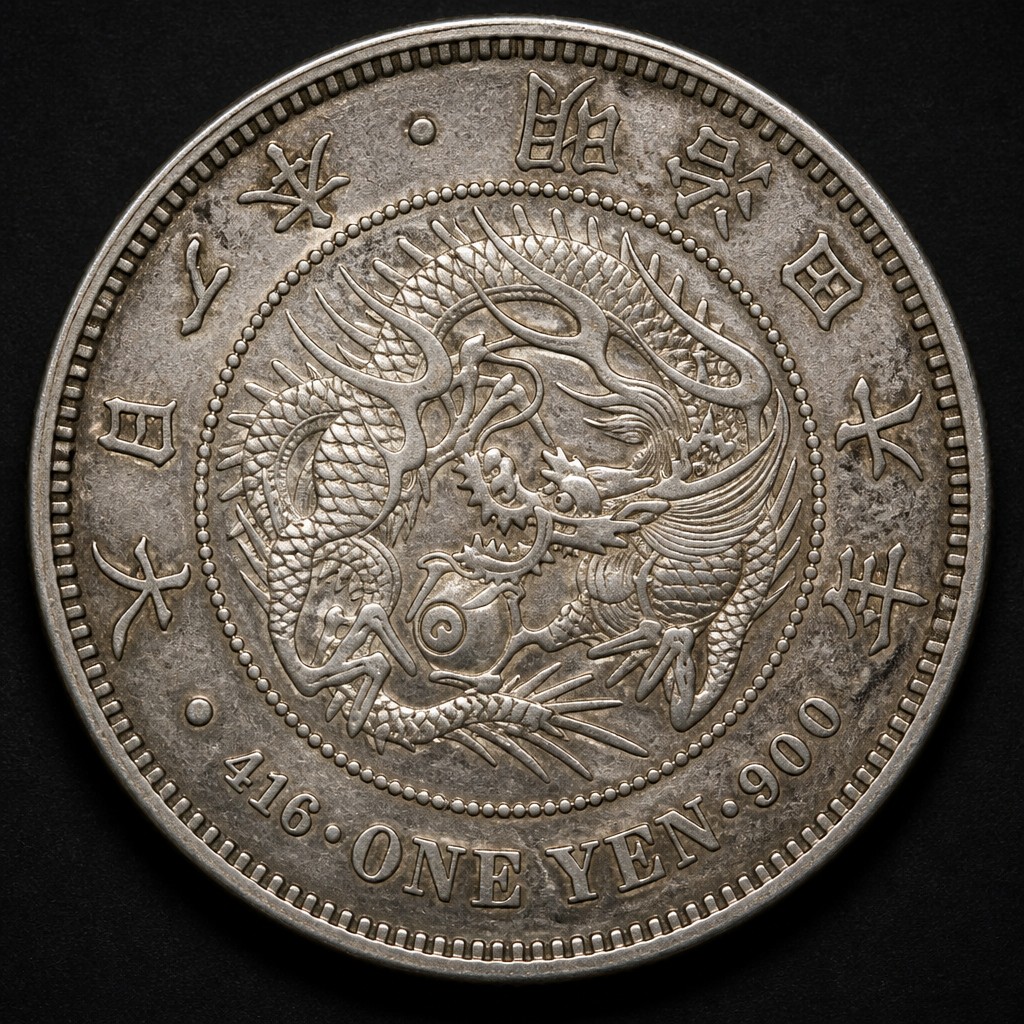
Japanese 1 Yen Silver 'Dragon' Trade Dollar
1870–1914 (trade dollar variant 1875–1877)
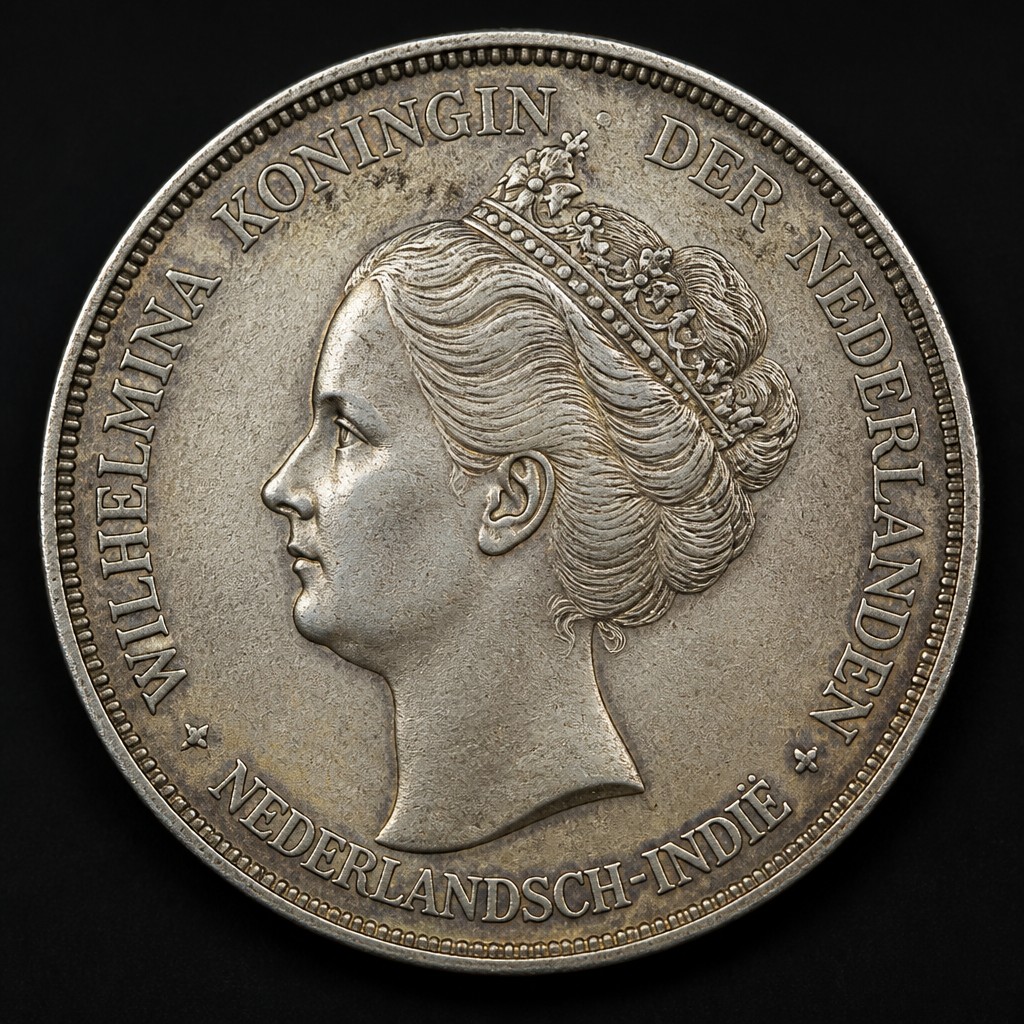
Netherlands East Indies Gulden (Wilhelmina)
1897–1945
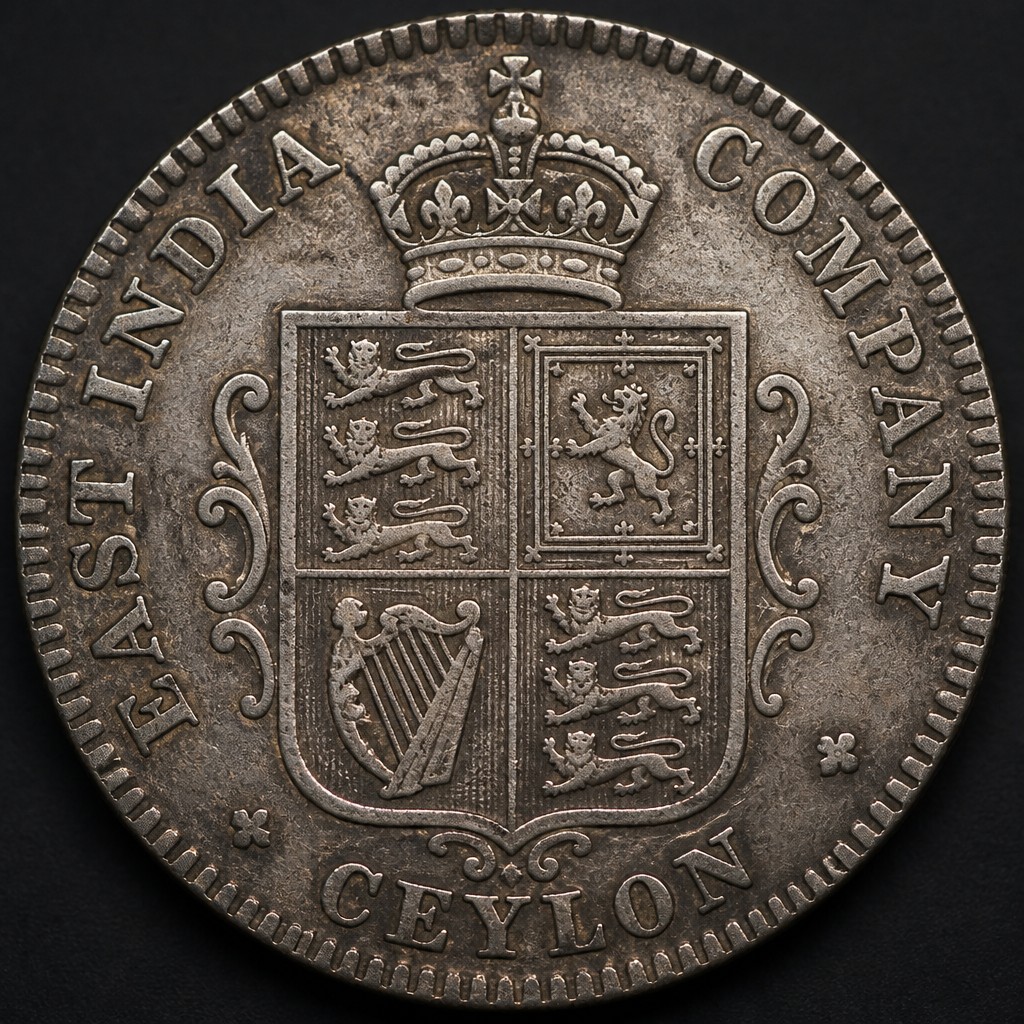
Ceylon (Sri Lanka) EIC Rixdollar
c. 1802–1821
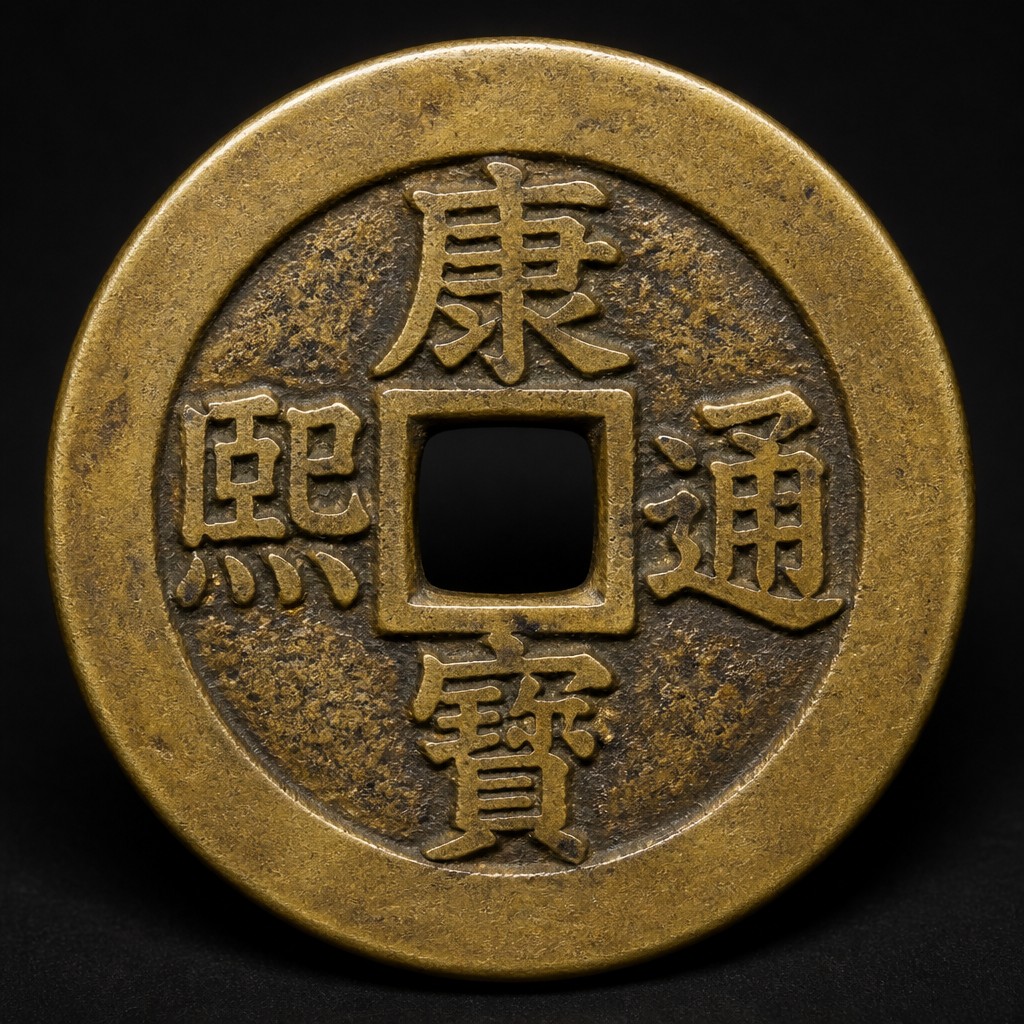
Chinese Cash Coin (Qing Dynasty 'Kangxi Tongbao')
1662–1722
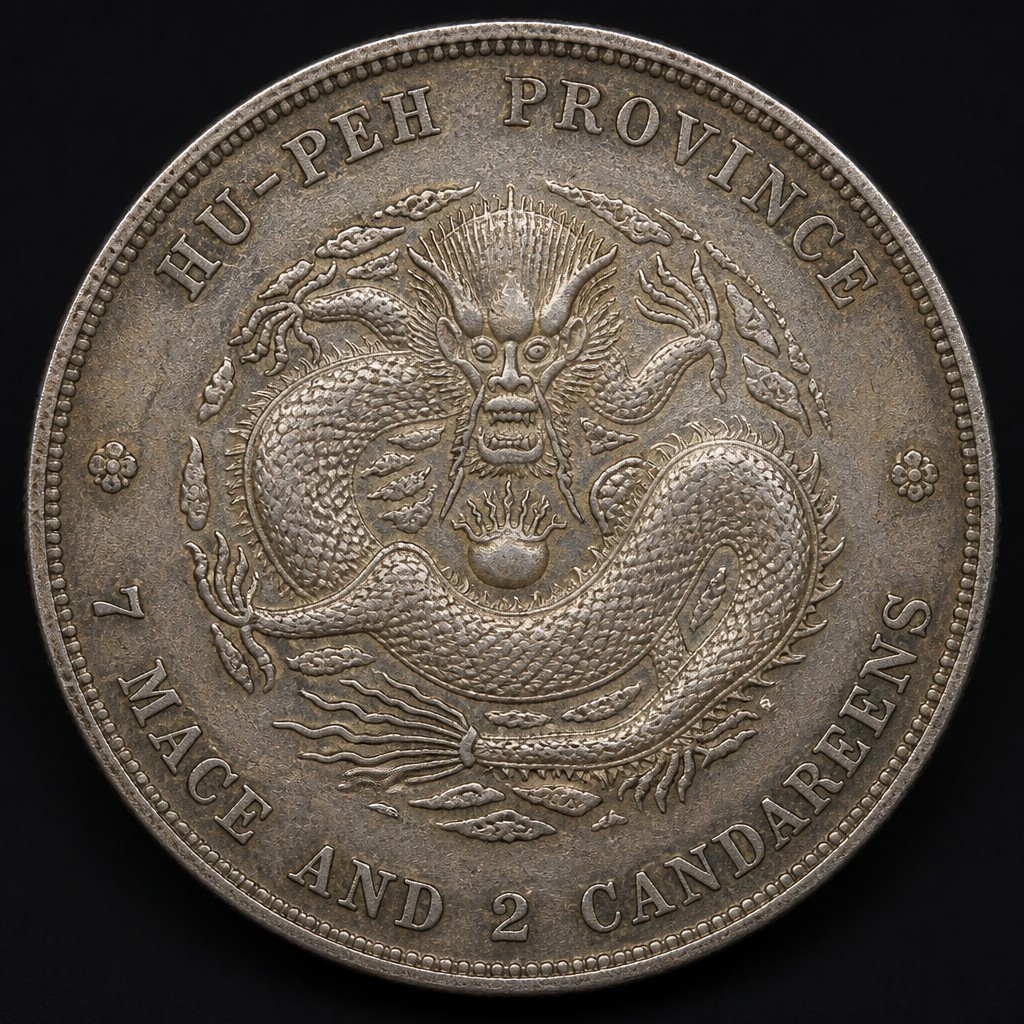
Chinese Hupeh Province Dragon Dollar
c. 1895–1909
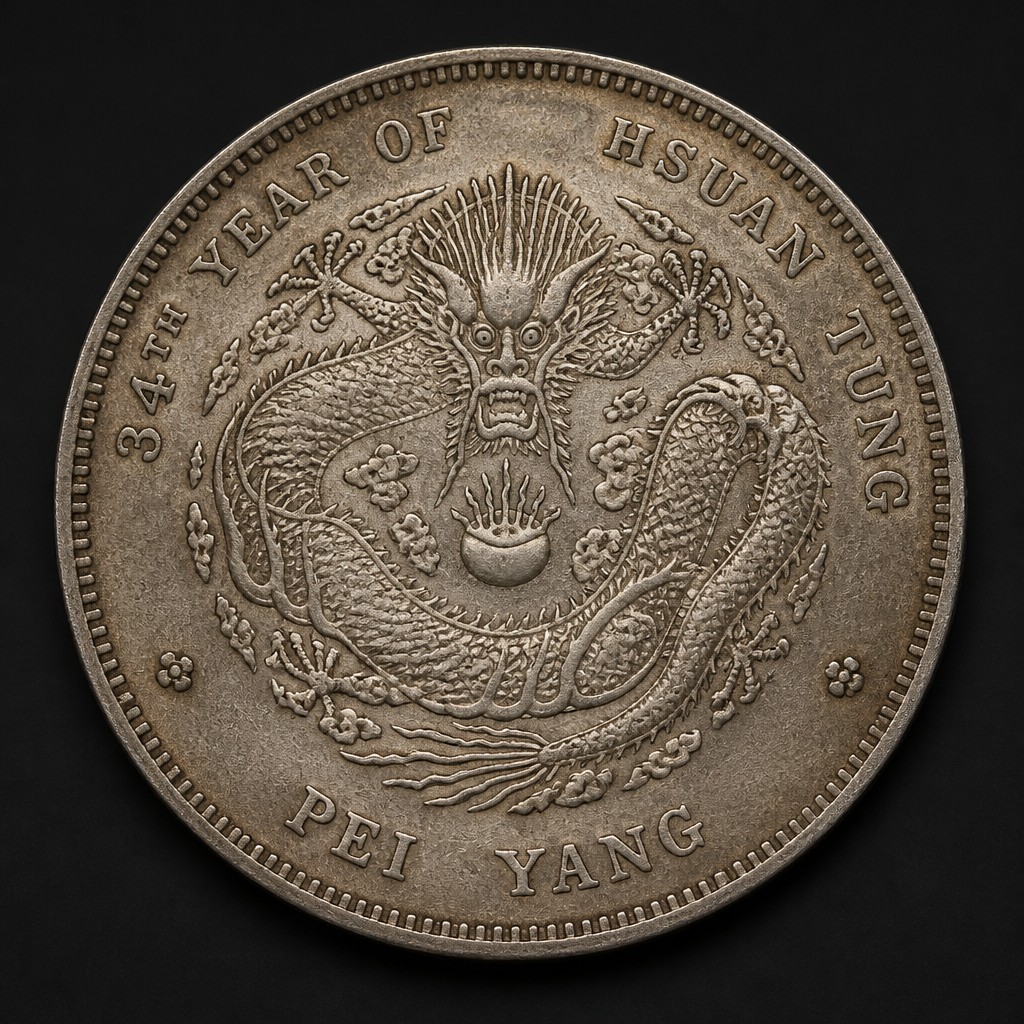
Chinese Empire Silver Dollar (Hsuan Tung Dragon)
1909–1911
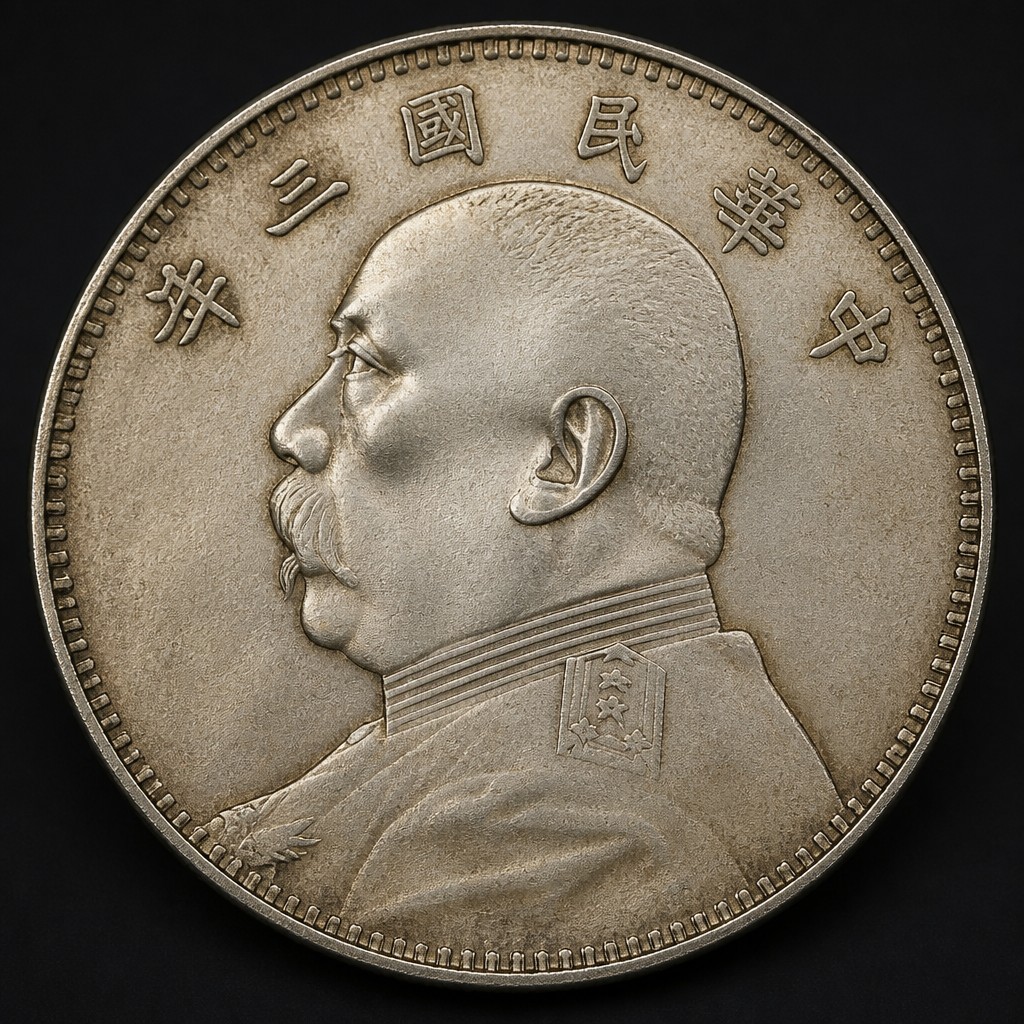
Yuan Shikai 'Fatman' Dollar (1914)
Dated 1914, struck into the early 1920s
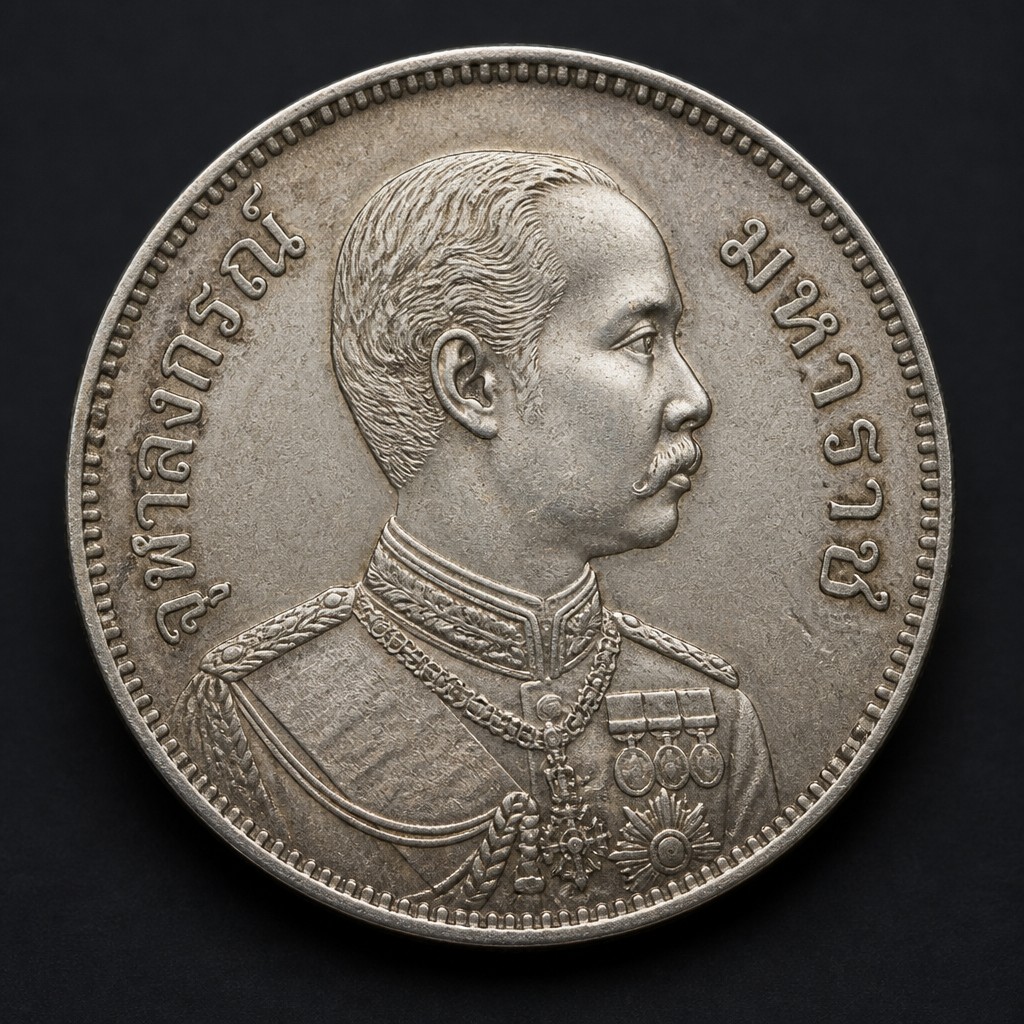
Siamese Rama V Silver Baht
c. 1876–1910