
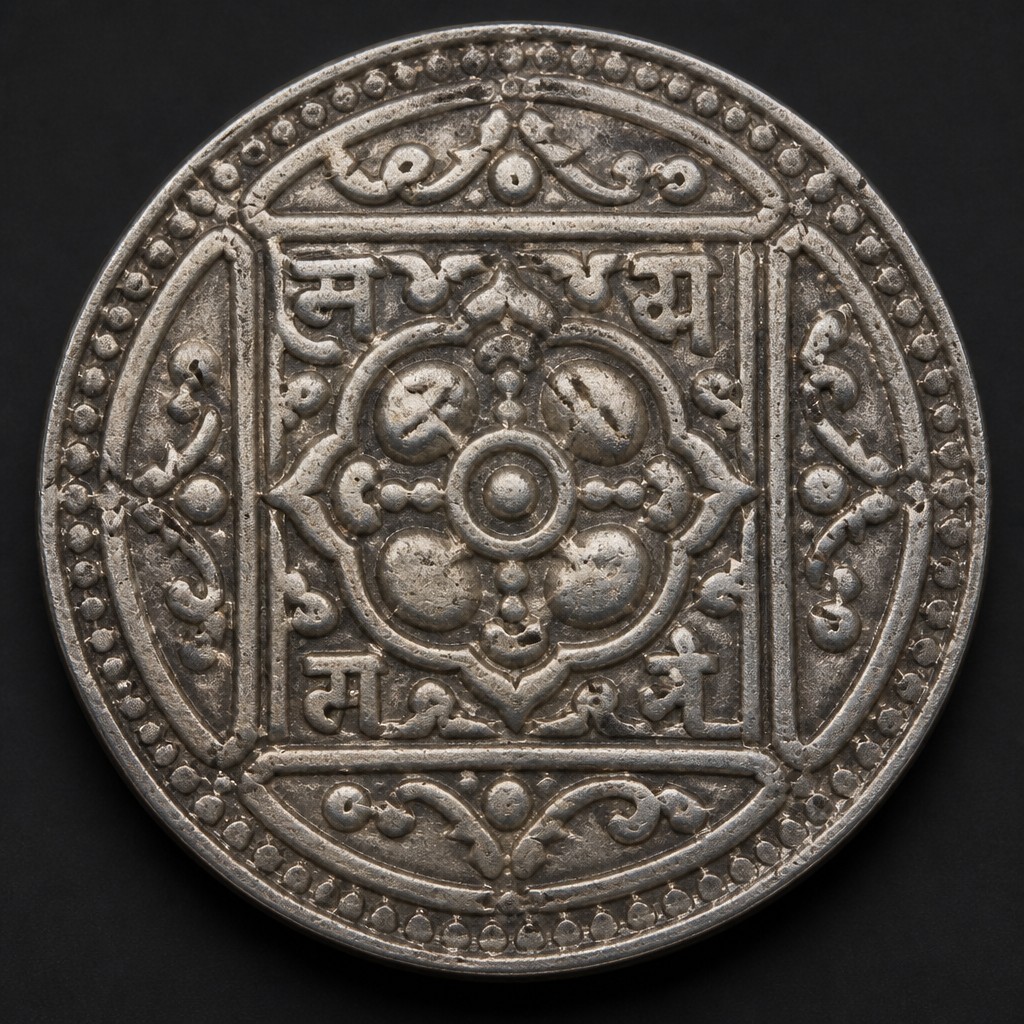
Nepal Silver Mohar
A traditional silver denomination issued by the Malla city-kingdoms and later the unifying Shah dynasty of Nepal, typically bearing Devanagari script rather than portraits.
- Country
- Nepal
- Denomination
- Mohar
- Metal
- Silver
Got a coin like this?
Identify any coin from a photo, free.
Overview
The silver mohar was the principal coinage denomination used across the Kathmandu Valley kingdoms and, later, the unified kingdom of Nepal for several centuries. It spans an unusually long and historically rich period, from the independent Malla city-states through the rise of the Shah dynasty that unified Nepal in the late 18th century.
Because the coinage reflects Nepal's distinct Hindu-Newari cultural and religious traditions, rather than the portrait-based coinage common in Europe and much of Asia, collectors of South Asian and Himalayan coinage find the series a fascinating window into pre-modern Nepalese history and statecraft.
History & Background
Before Nepal's unification, the Kathmandu Valley was home to several independent Malla kingdoms, notably Kathmandu, Patan (Lalitpur), and Bhaktapur, each of which minted its own silver mohar coinage from roughly the 16th through 18th centuries, often using coinage as a tool of political and religious legitimacy. These issues typically avoided human portraiture, instead relying on Devanagari inscriptions, religious symbols, and royal titles.
In 1768–69, Prithvi Narayan Shah of Gorkha conquered the Kathmandu Valley kingdoms and established the Shah dynasty, which continued minting silver mohars under its own authority as it unified much of present-day Nepal. Mohar coinage remained central to Nepalese currency for generations before later monetary reforms introduced the rupee-based decimal system used in more modern Nepalese coinage.
How to Identify
Nepalese silver mohars are generally aniconic, meaning they do not depict a ruler's portrait, in keeping with regional Hindu numismatic tradition. Instead, designs typically feature Devanagari script legends naming the issuing king or kingdom, along with symbolic elements such as a trishul (trident), sun and moon motifs, or stylized floral and geometric patterns.
Value & Collectibility
Placeholder
Other coins you may enjoy
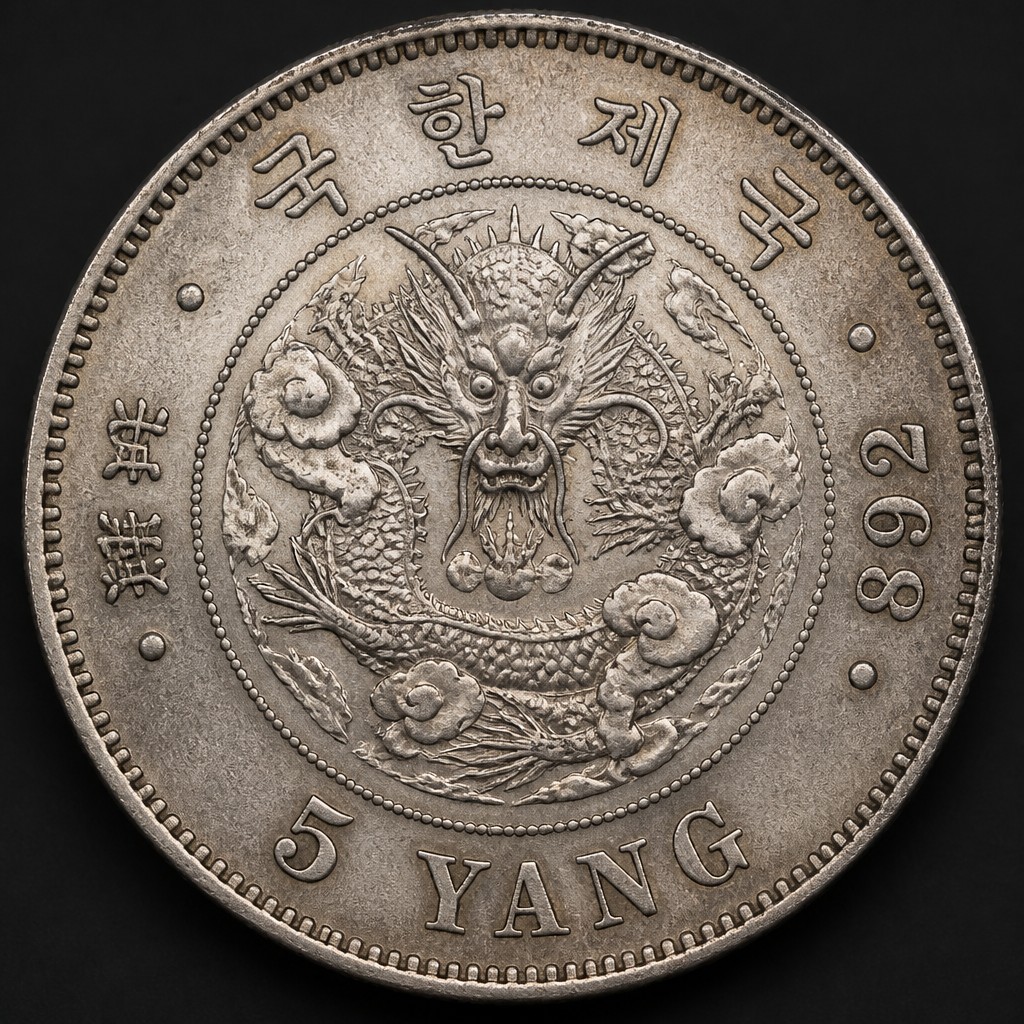
Korean 5 Yang Silver Dollar (1892)
1892
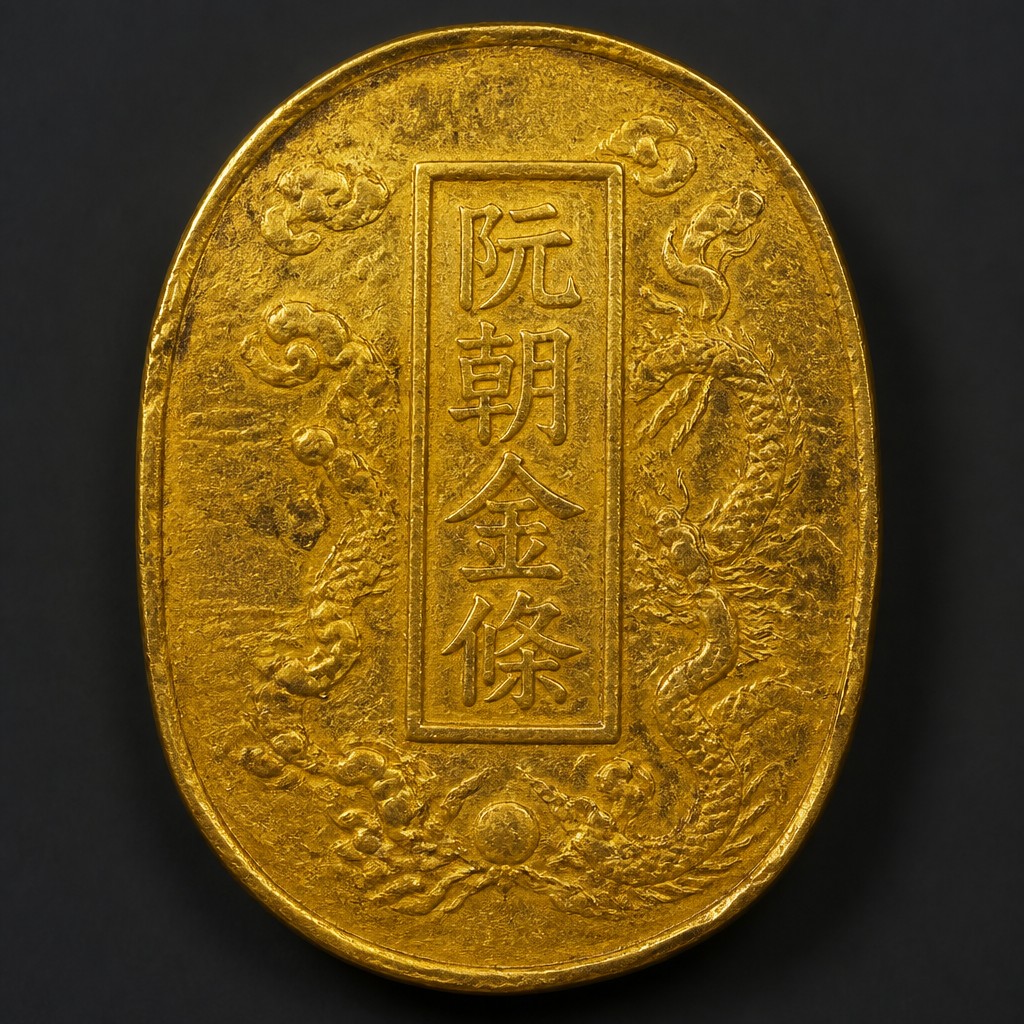
Nguyen Dynasty Gold Bar (Vietnam)
19th century
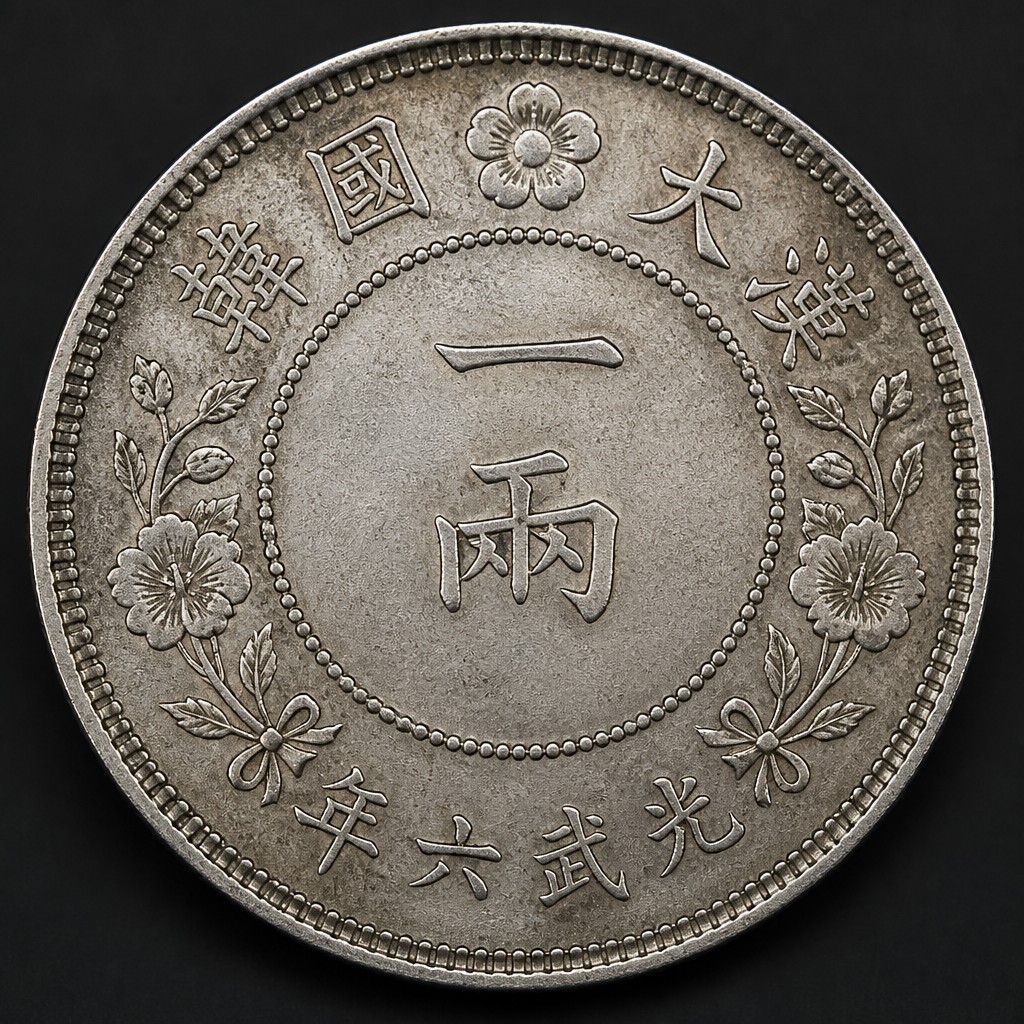
Korean 1 Yang Silver (Joseon/Great Han Empire)
1892–1902
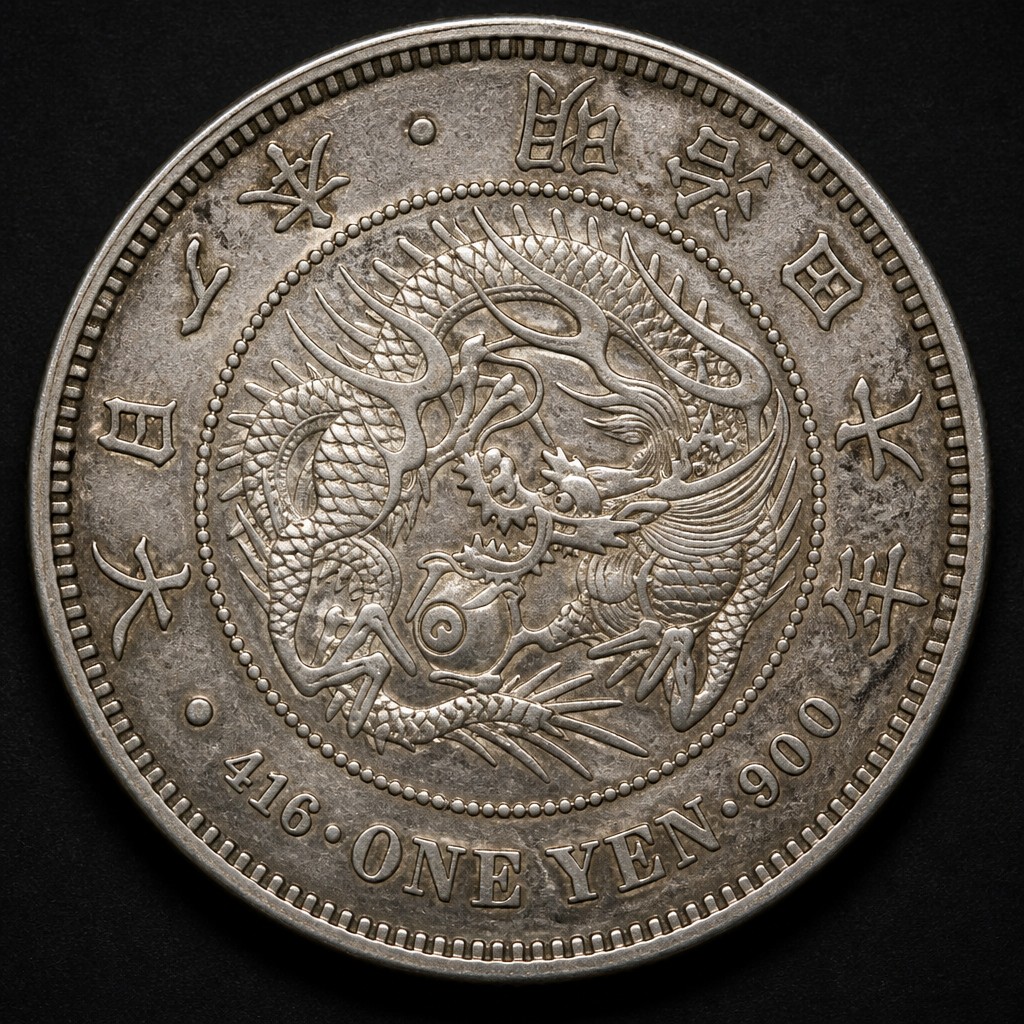
Japanese 1 Yen Silver 'Dragon' Trade Dollar
1870–1914 (trade dollar variant 1875–1877)
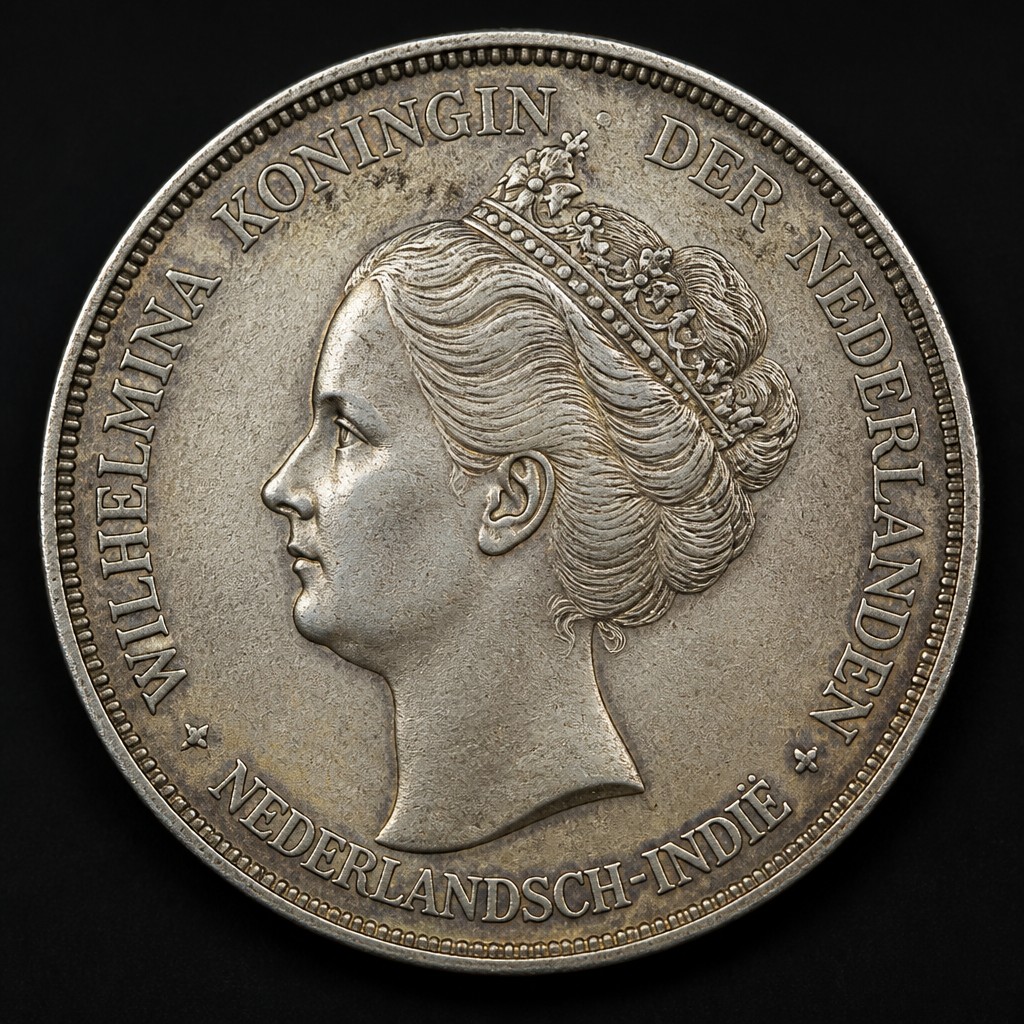
Netherlands East Indies Gulden (Wilhelmina)
1897–1945
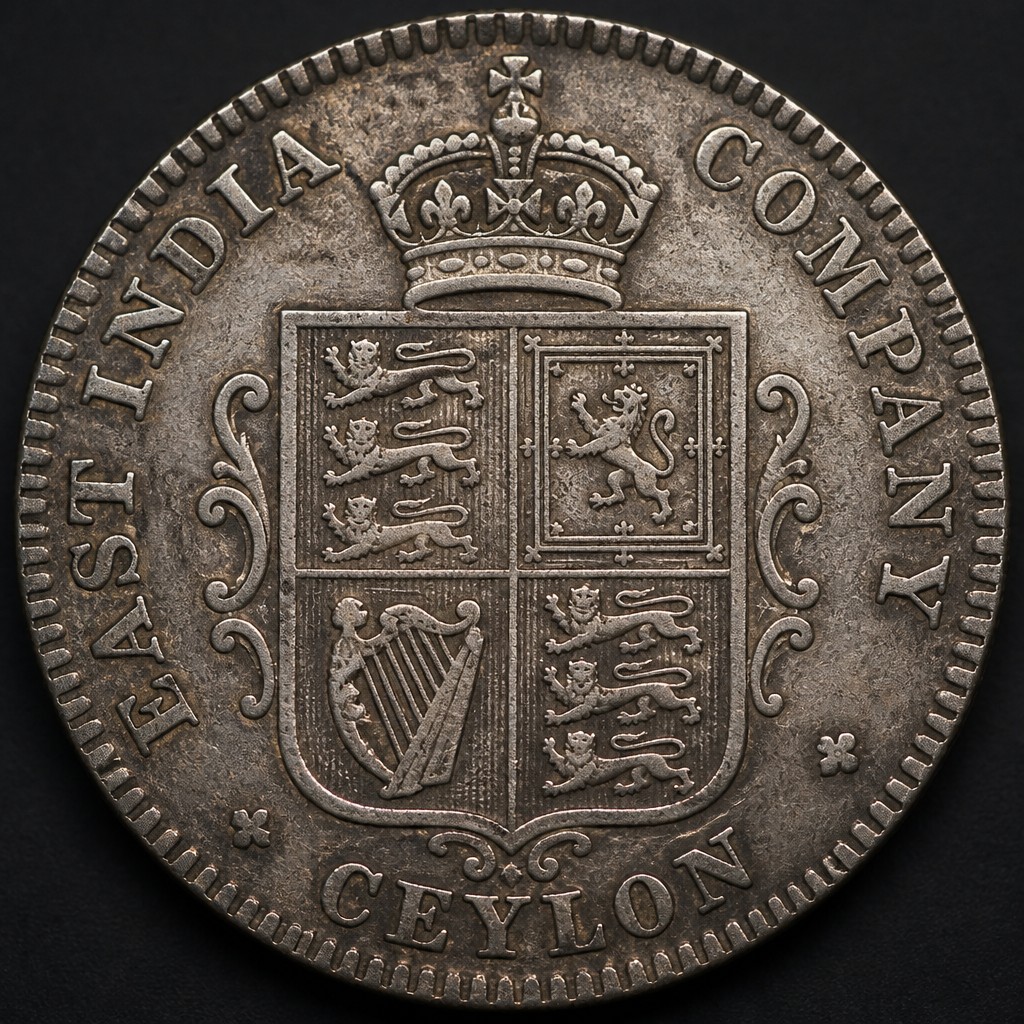
Ceylon (Sri Lanka) EIC Rixdollar
c. 1802–1821
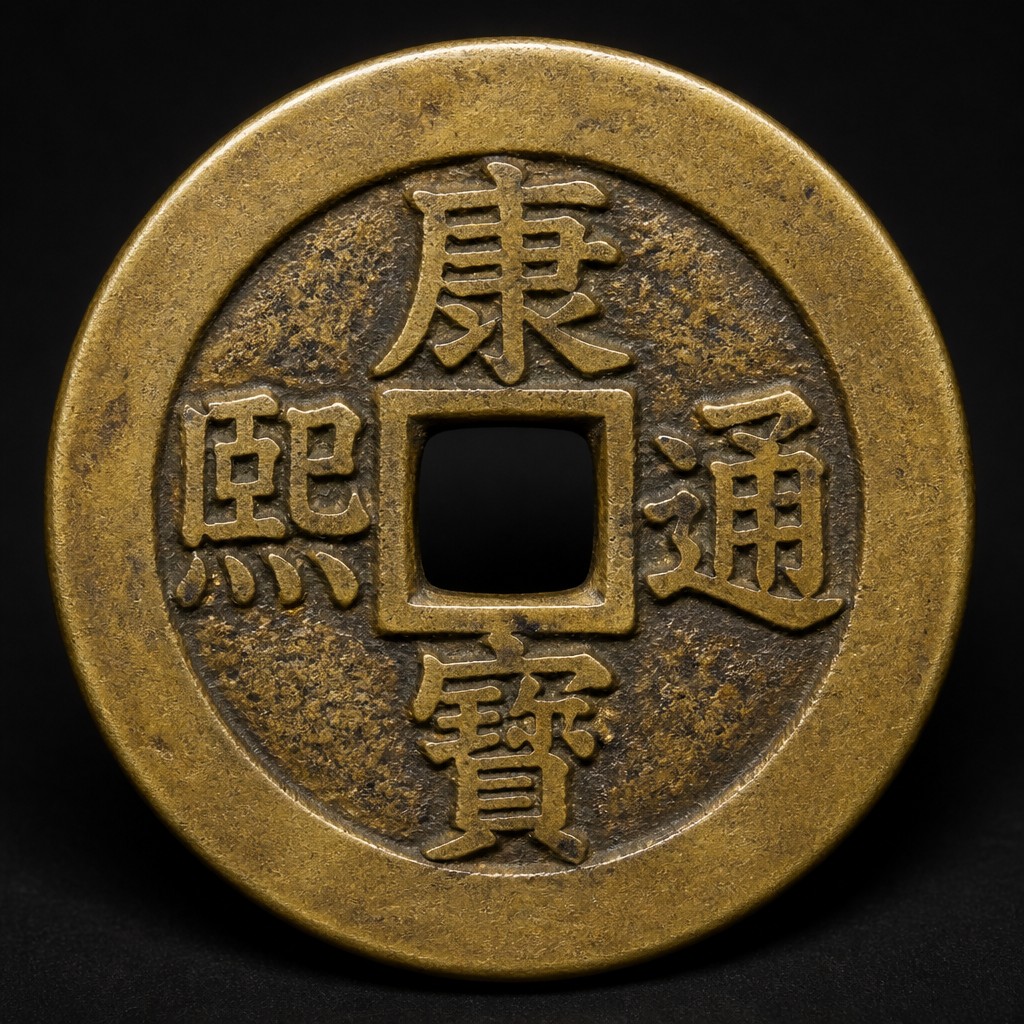
Chinese Cash Coin (Qing Dynasty 'Kangxi Tongbao')
1662–1722
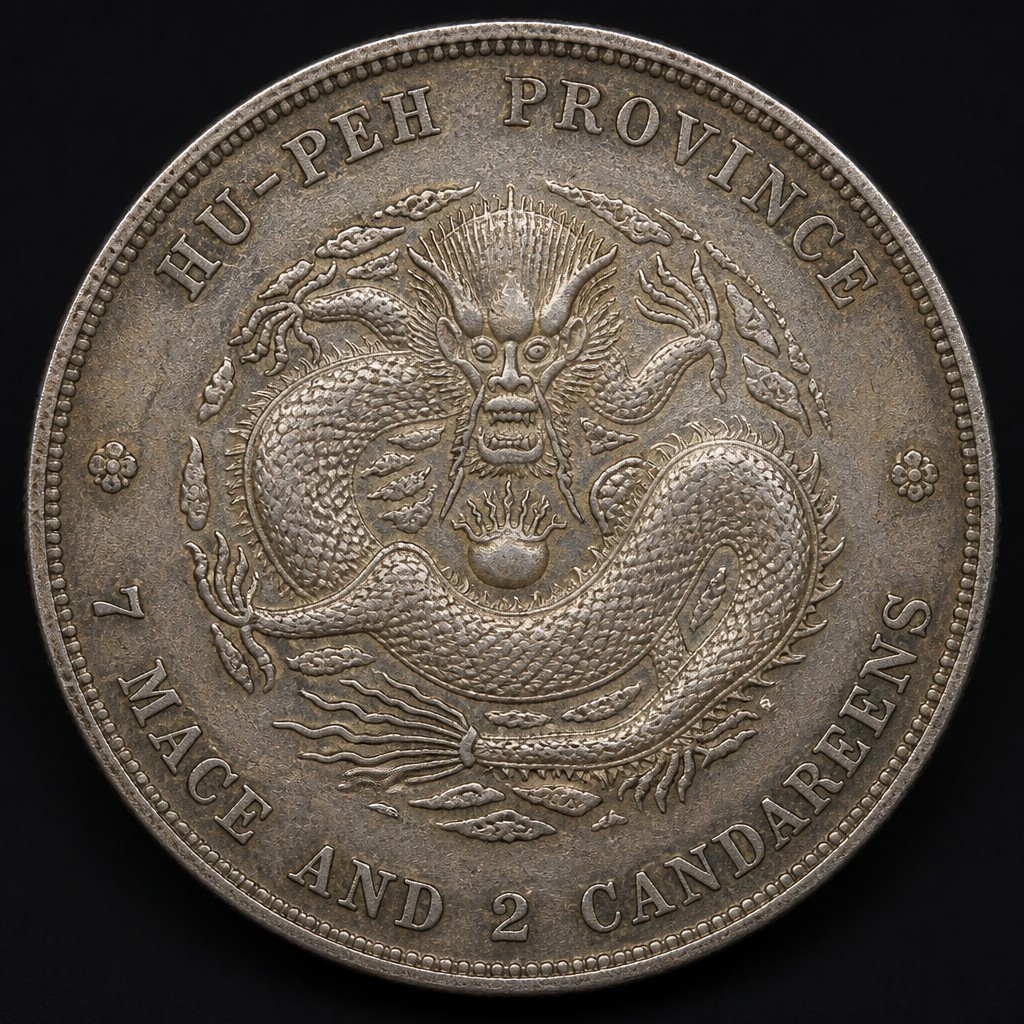
Chinese Hupeh Province Dragon Dollar
c. 1895–1909
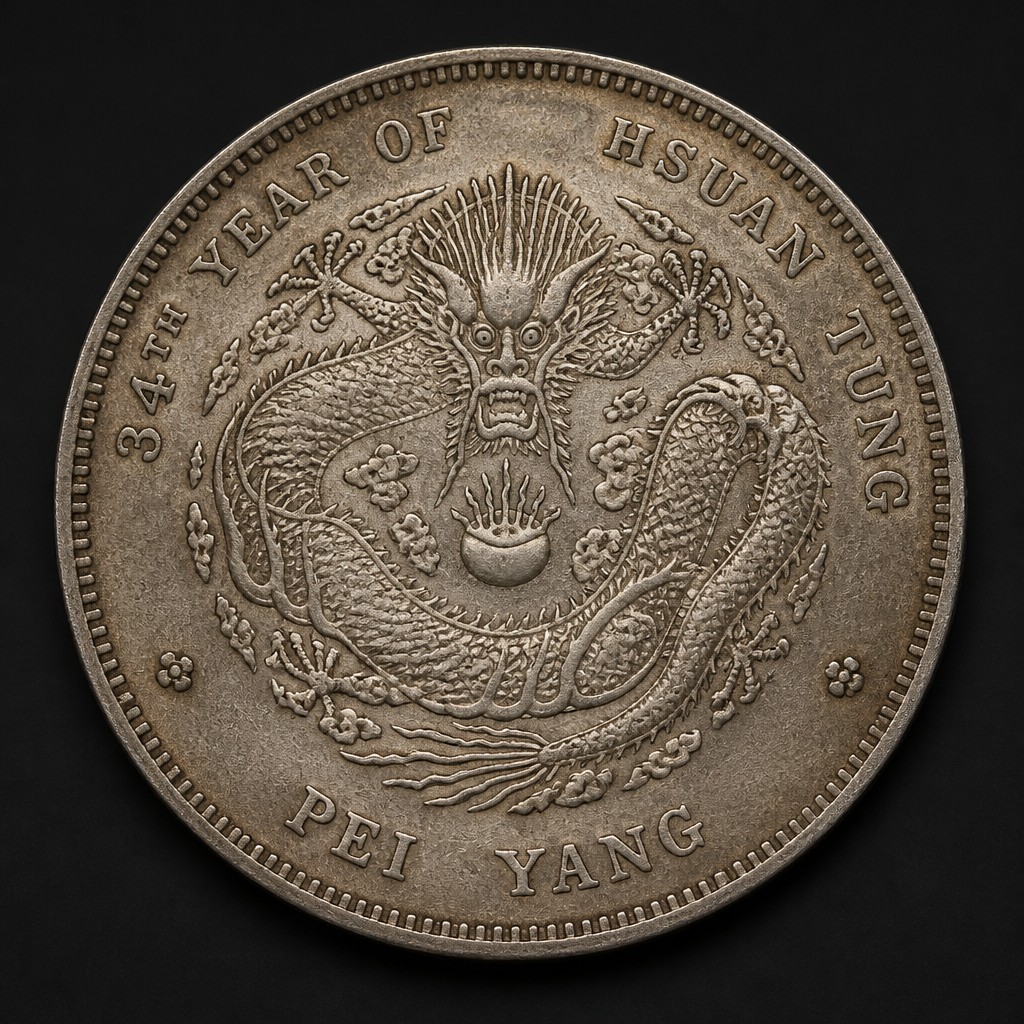
Chinese Empire Silver Dollar (Hsuan Tung Dragon)
1909–1911
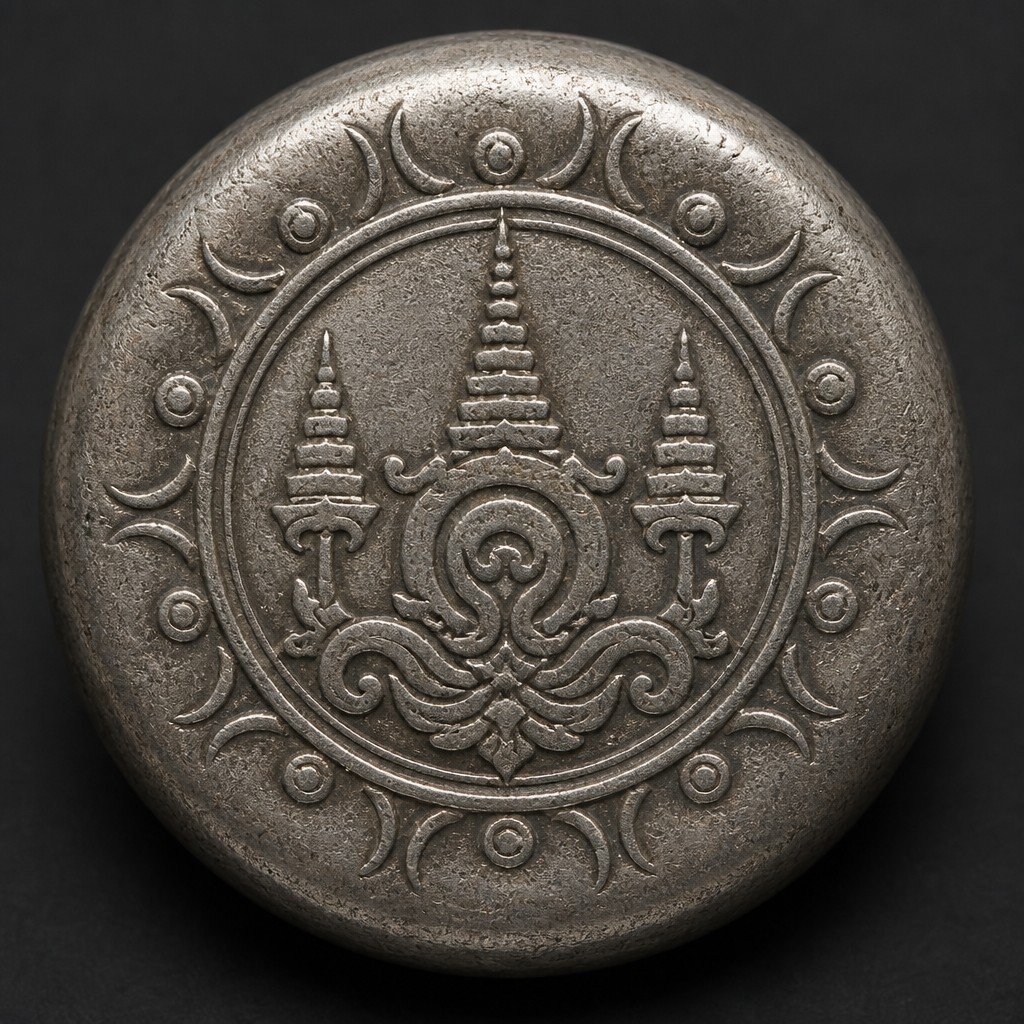
Thailand (Siam) Silver Baht 'Bullet Money' (Pod Duang)
c. 13th century – late 19th century
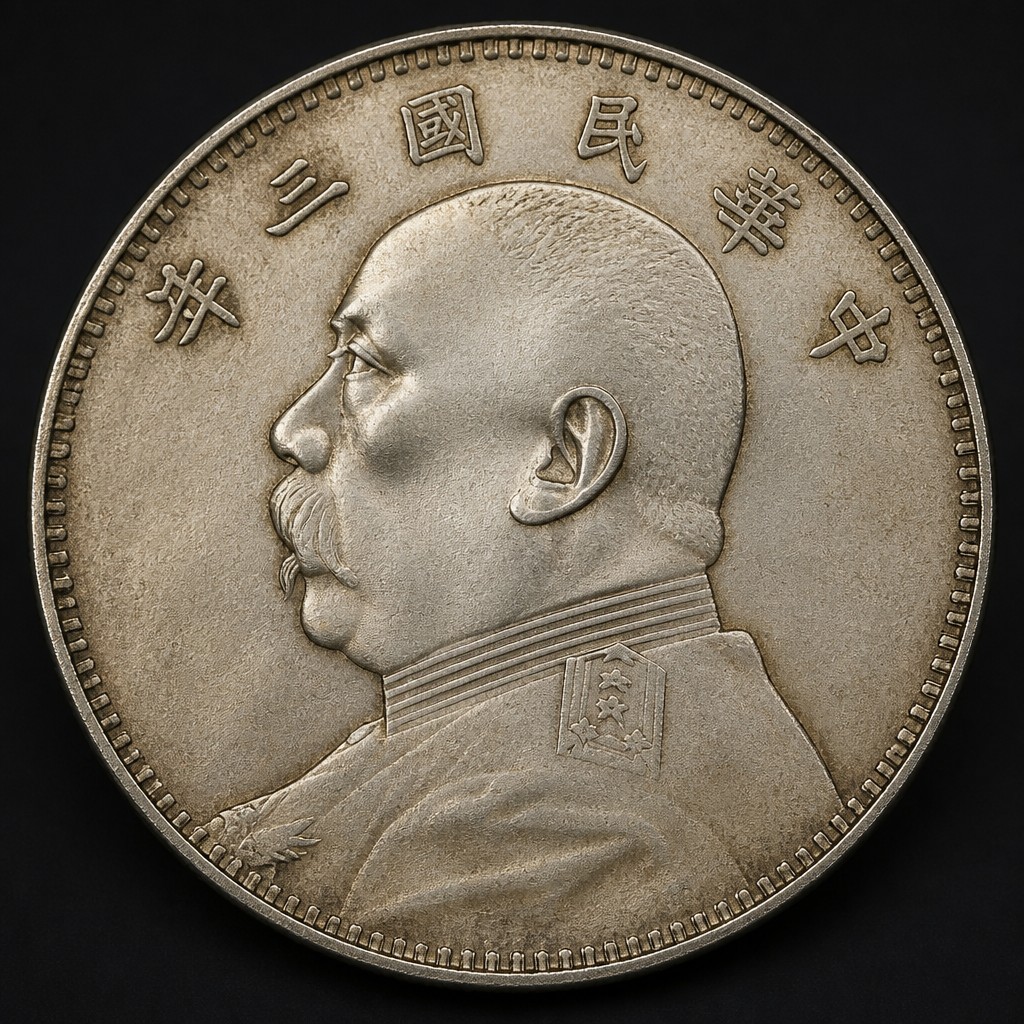
Yuan Shikai 'Fatman' Dollar (1914)
Dated 1914, struck into the early 1920s
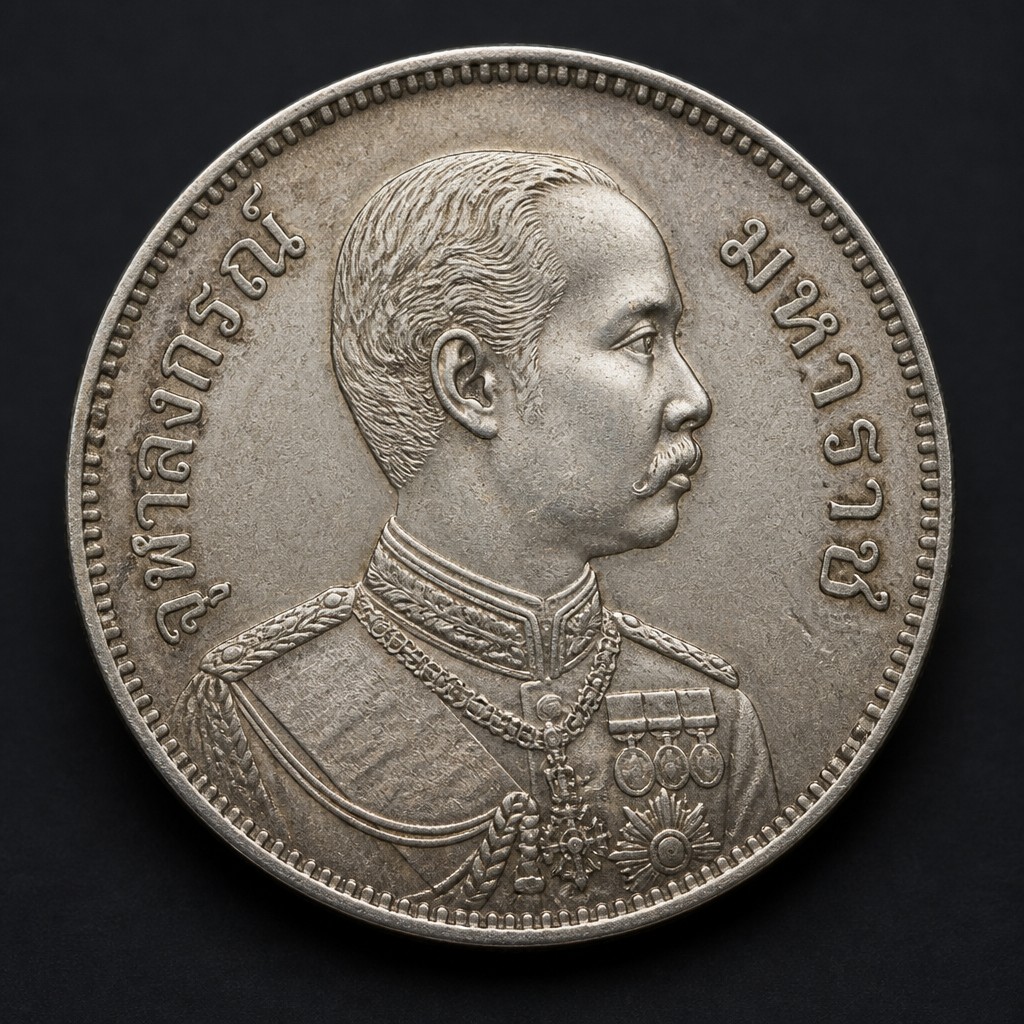
Siamese Rama V Silver Baht
c. 1876–1910