
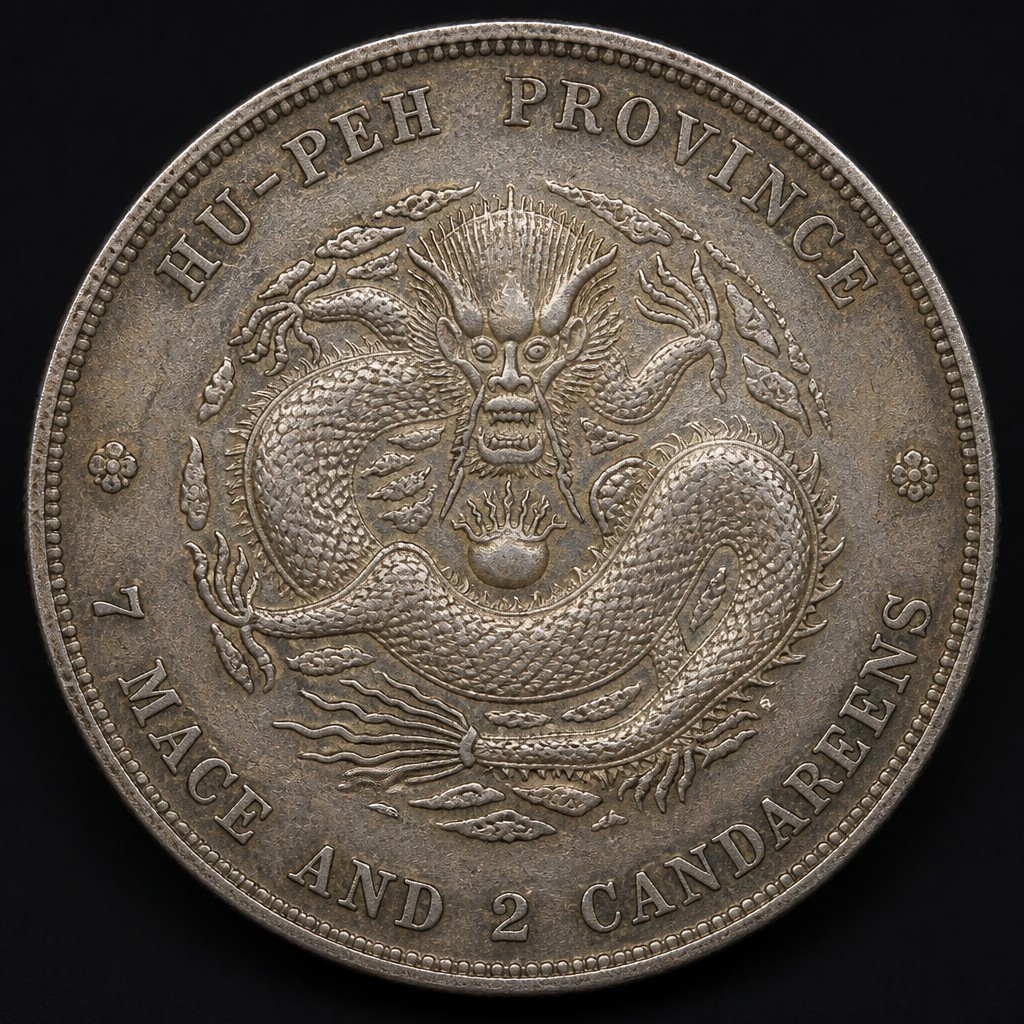
Chinese Hupeh Province Dragon Dollar
Silver dragon dollar struck by the Hupeh (Hubei) provincial mint in late Qing China, part of the wave of regional dragon-dollar coinage issued across the empire's provinces.
- Country
- China (Qing Dynasty, Hupeh Province)
- Denomination
- 7 Mace and 2 Candareens (One Dollar)
- Metal
- Silver (approx. .820–.900 fine)
Got a coin like this?
Identify any coin from a photo, free.
Overview
The Hupeh Province Dragon Dollar is one of many provincial silver dollar issues struck across late Qing China as the empire modernized its coinage using Western minting technology. Produced at the Wuchang mint in Hupeh (Hubei) province, it belongs to the broader "dragon dollar" family that has become iconic among collectors of Chinese numismatics.
These coins are popular for their artistic dragon reverse design, their connection to a pivotal era of Chinese modernization, and the fact that many provinces issued their own distinct varieties, giving specialists a rich field of mints, dates, and minor design differences to study.
History & Background
In the closing decades of the Qing Dynasty, provincial governments were authorized to establish their own mints and strike Western-style, machine-made silver dollar coins, moving away from centuries of cast cash-coin currency. The Hupeh provincial mint at Wuchang was among the more prolific of these regional mints, producing dragon dollars and fractional silver coinage from the mid-1890s through the early 1900s and into the early Republican transition.
This provincial minting system reflected both China's decentralized administrative structure at the time and its urgent need to modernize currency to compete commercially with foreign trade dollars, such as the Mexican and British trade dollars, already circulating heavily within China. The Hupeh dollar, along with similar issues from provinces like Kwangtung and Chihli, represents this transitional era before national currency was later standardized.
How to Identify
Obverse: Chinese characters, often reading "Kuang Hsu Yuan Bao" referencing the reigning emperor's era name, arranged around a central inscription identifying the issuing province (Hupeh) and the mint, with Manchu script sometimes also present.
Reverse: a coiled or striding dragon design, a common motif across Chinese provincial dollars of this era, surrounded by an English-language legend identifying the province ("HU-PEH PROVINCE") and the coin's weight, typically "7 MACE AND 2 CANDAREENS," equivalent to one dollar.
The coin is silver, close in size and weight to contemporary trade dollars (roughly 26-27 grams, about .820-.900 fine depending on date and type), with a milled edge distinguishing it from cast cash coins. Collectors distinguish Hupeh dollars from other provincial dragon dollars primarily by the English "HU-PEH PROVINCE" reverse legend and specific dragon design details, since many provinces issued visually similar dragon-dollar types.
Value & Collectibility
Common-date Hupeh dragon dollars are relatively accessible to collectors of Chinese coinage, though values vary considerably based on specific date, type or variety, and condition, with certain rarer dates or die varieties commanding significantly higher premiums. As with most Qing provincial dollars, well-struck, lustrous, problem-free examples are especially sought after.
Because the Chinese provincial dollar series has attracted extensive collector interest, and unfortunately counterfeiting, over the decades, authentication and careful variety attribution by reference to specialist catalogs are important considerations when assessing value.
Frequently asked questions
What does "Hupeh" refer to?
Hupeh (now spelled Hubei) is the Chinese province whose provincial mint at Wuchang produced this coin.
What is a "dragon dollar"?
A general term for Chinese silver dollar coins from this era featuring a dragon on the reverse, issued by the imperial government and various provinces.
What does "7 Mace and 2 Candareens" mean?
A traditional Chinese weight-based way of expressing the coin's silver content, equivalent to one dollar-sized unit.
How do I tell it apart from other provincial dollars?
By the English "HU-PEH PROVINCE" legend on the reverse and the specific dragon design details unique to this mint.
Is authentication important?
Yes, Chinese provincial dragon dollars are a popular target for counterfeits, so careful attribution and, ideally, professional authentication are advisable.
Other coins you may enjoy
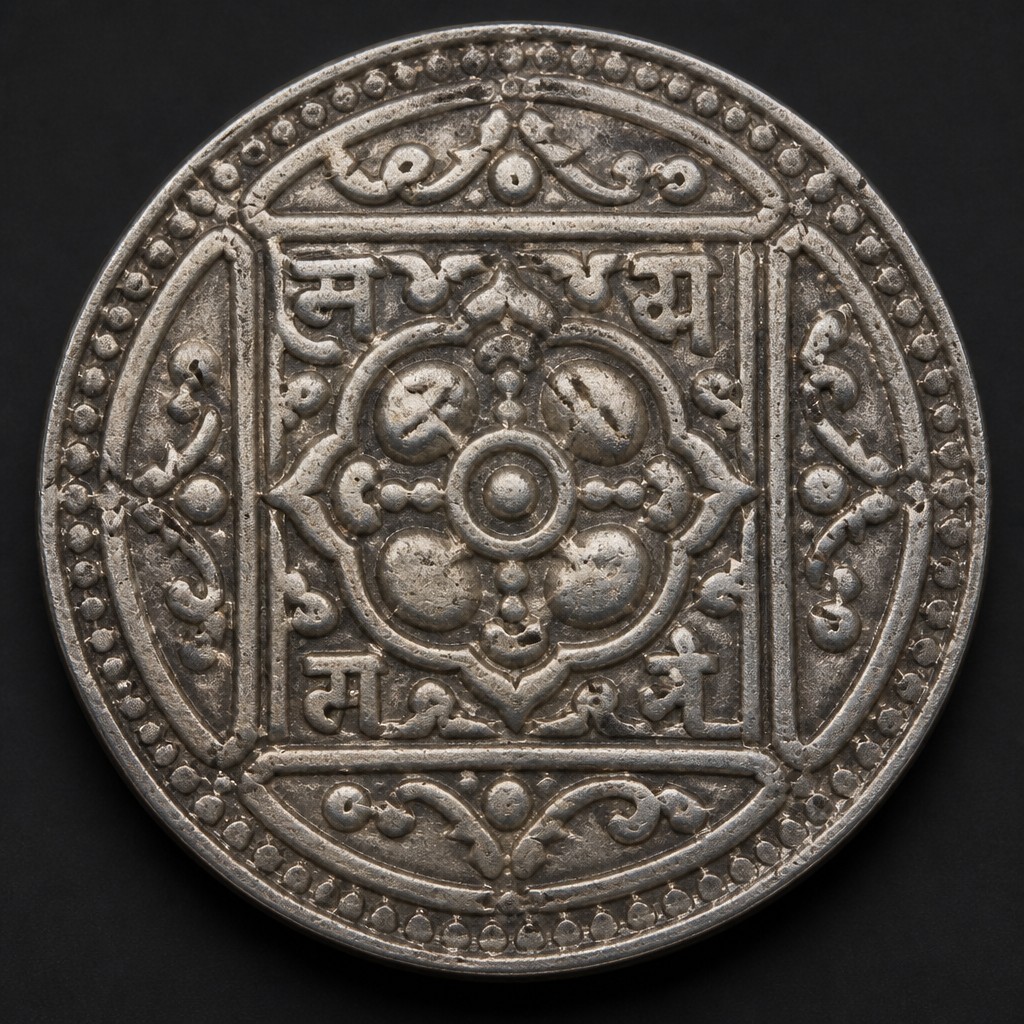
Nepal Silver Mohar
c. 16th–19th century
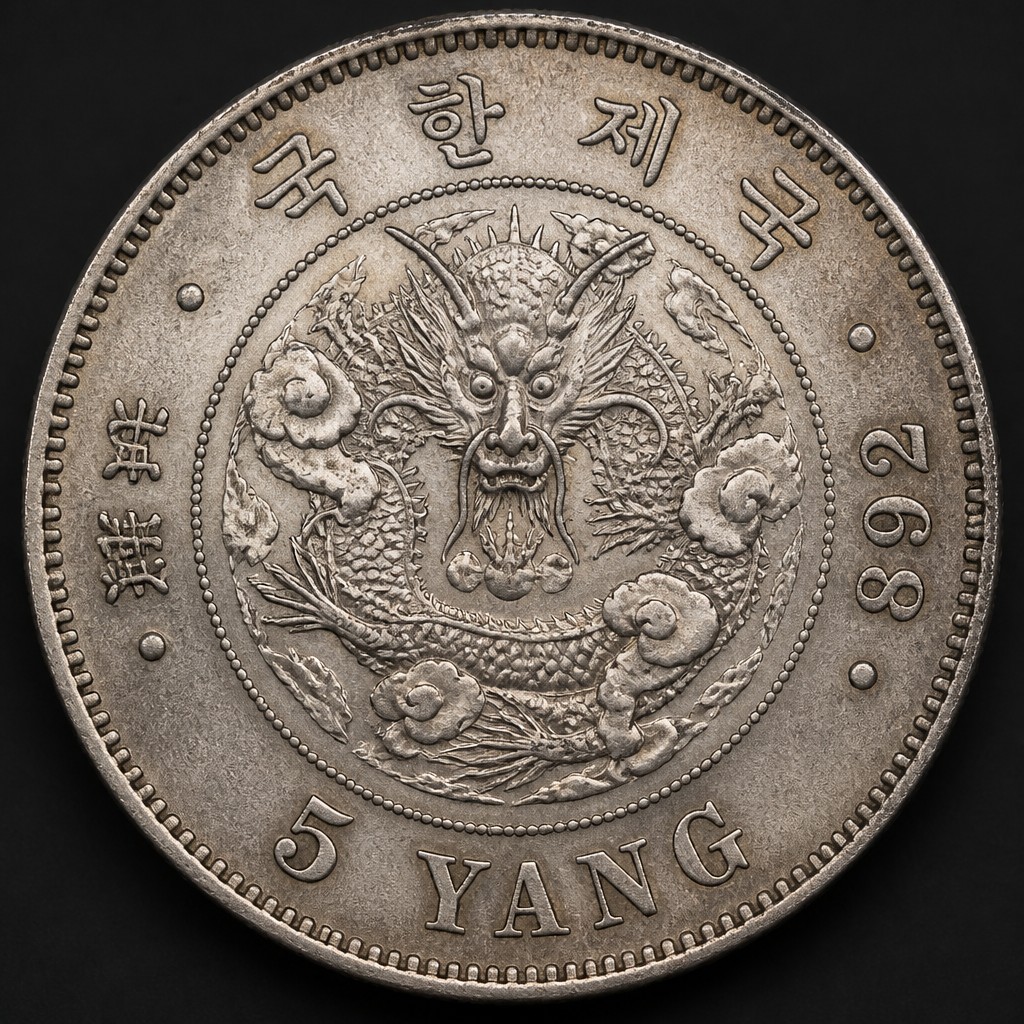
Korean 5 Yang Silver Dollar (1892)
1892
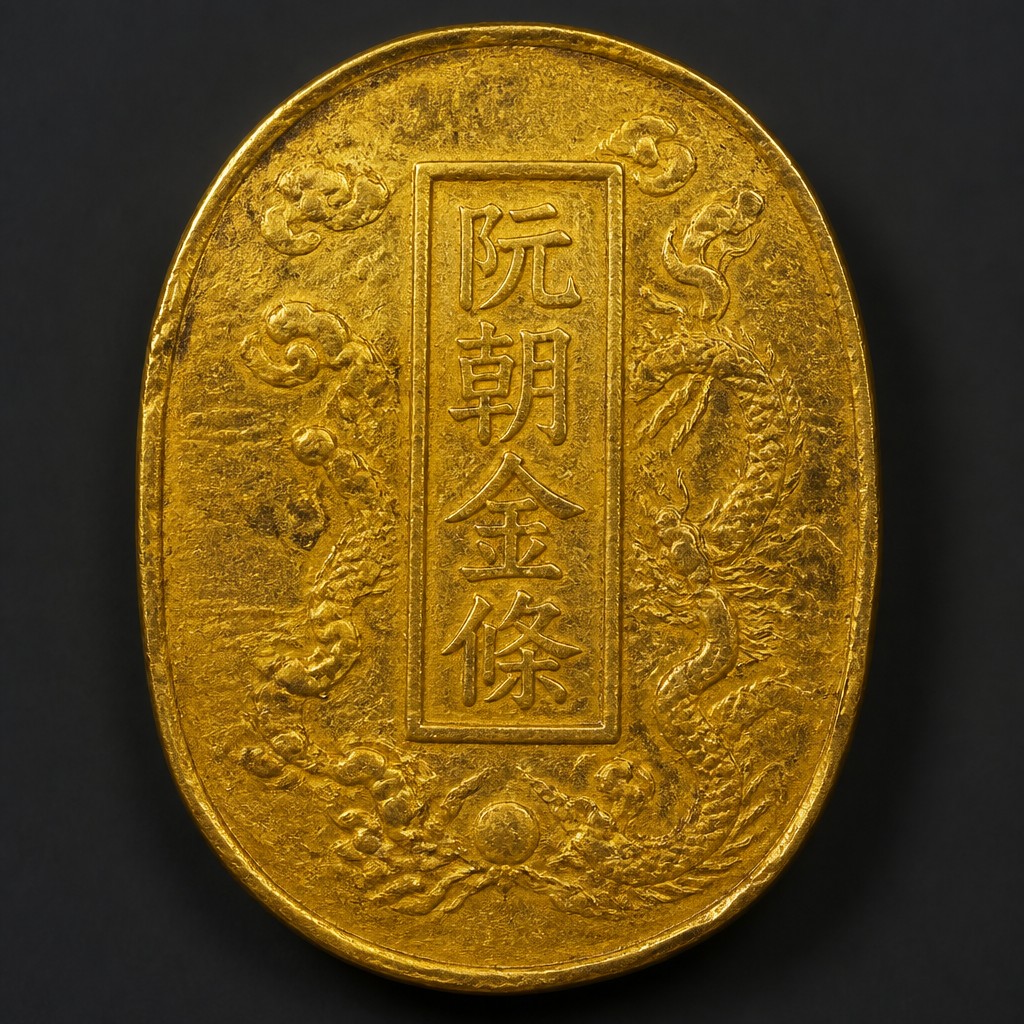
Nguyen Dynasty Gold Bar (Vietnam)
19th century
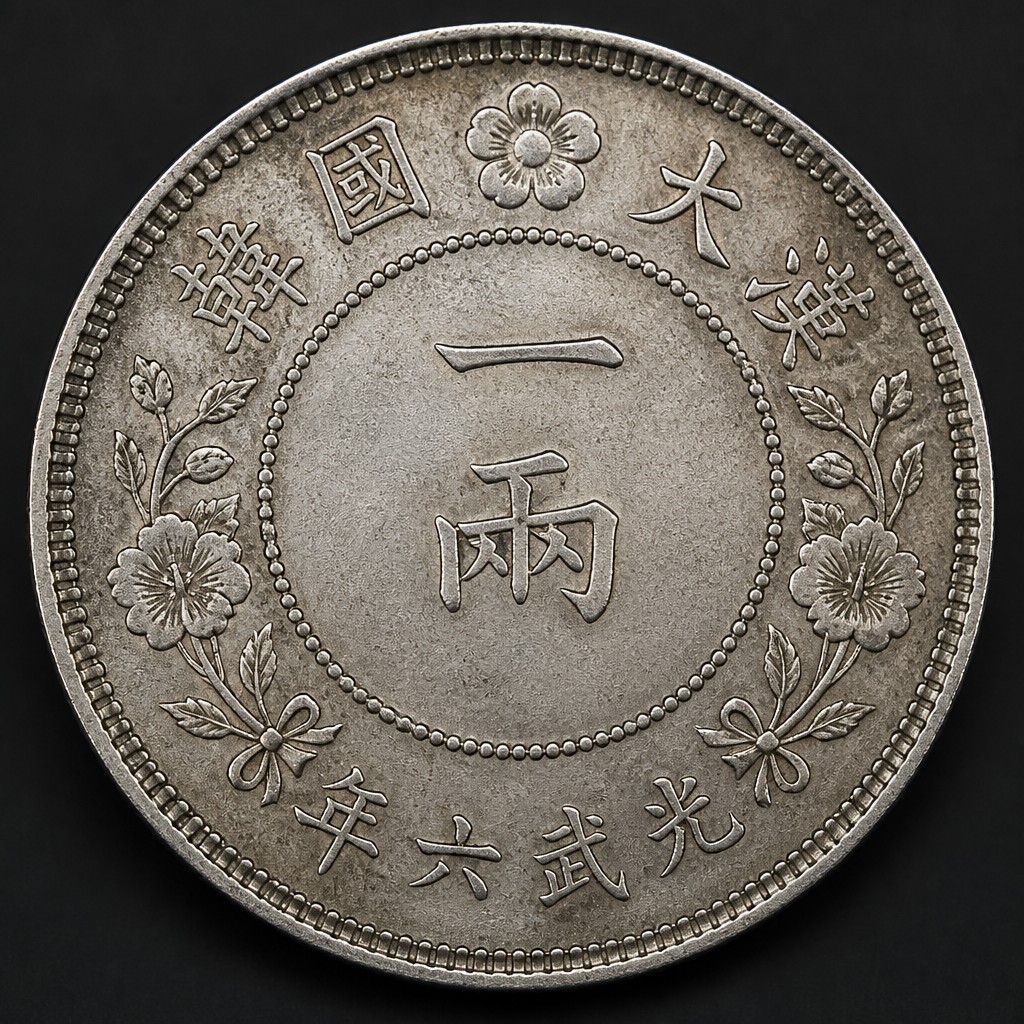
Korean 1 Yang Silver (Joseon/Great Han Empire)
1892–1902
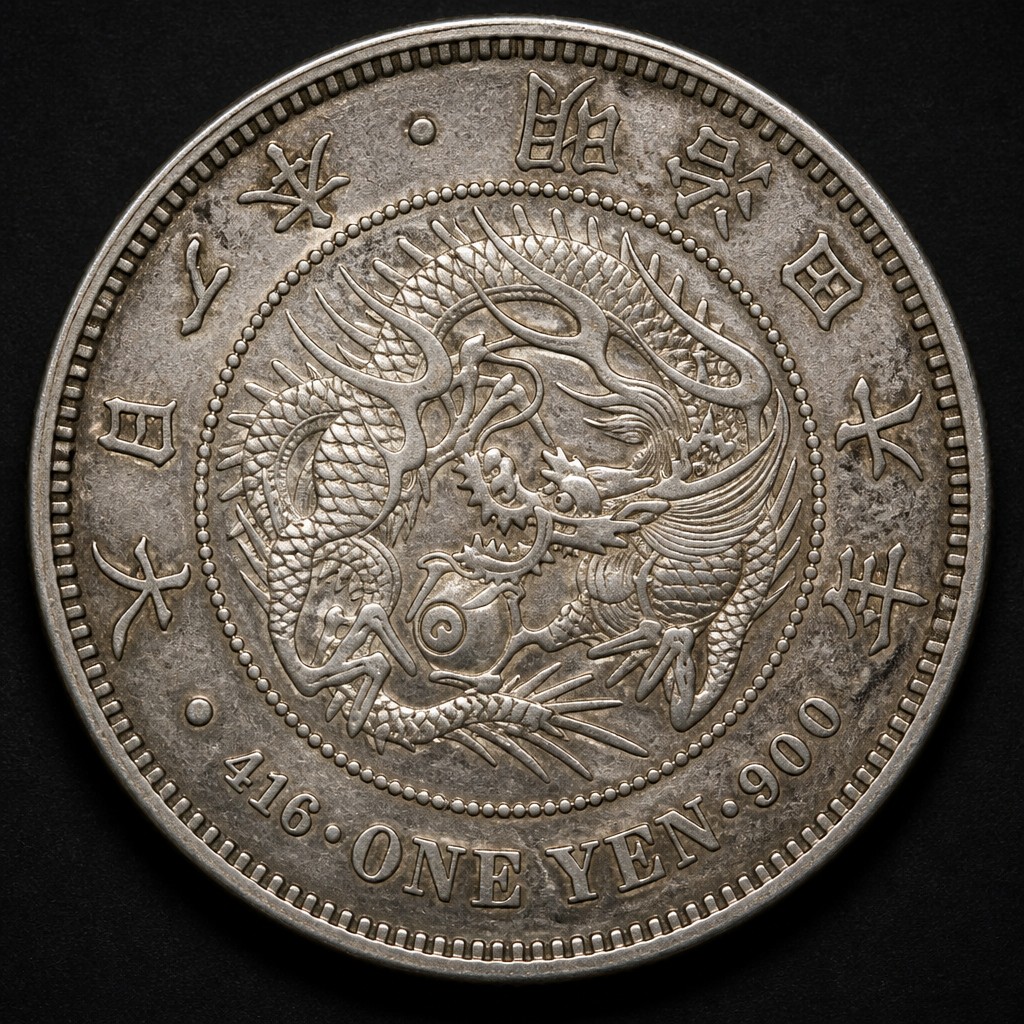
Japanese 1 Yen Silver 'Dragon' Trade Dollar
1870–1914 (trade dollar variant 1875–1877)
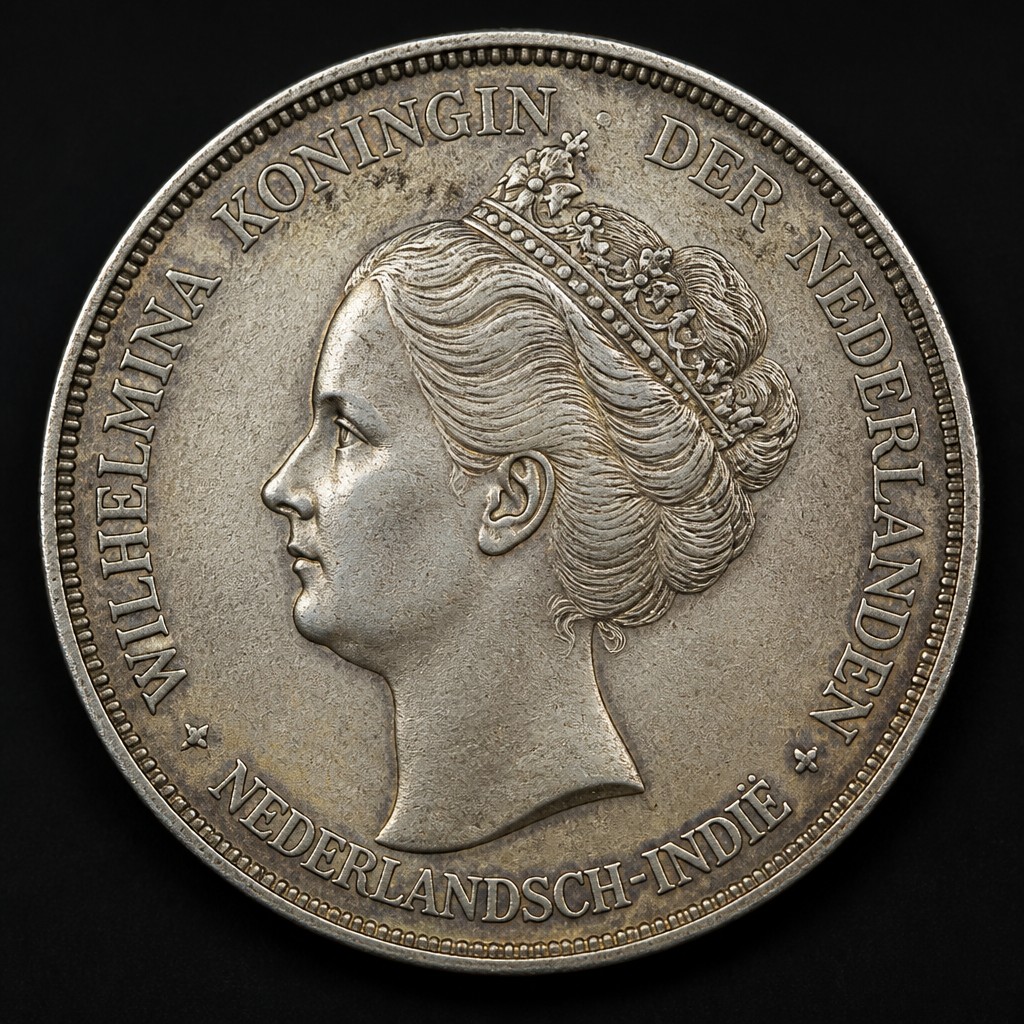
Netherlands East Indies Gulden (Wilhelmina)
1897–1945
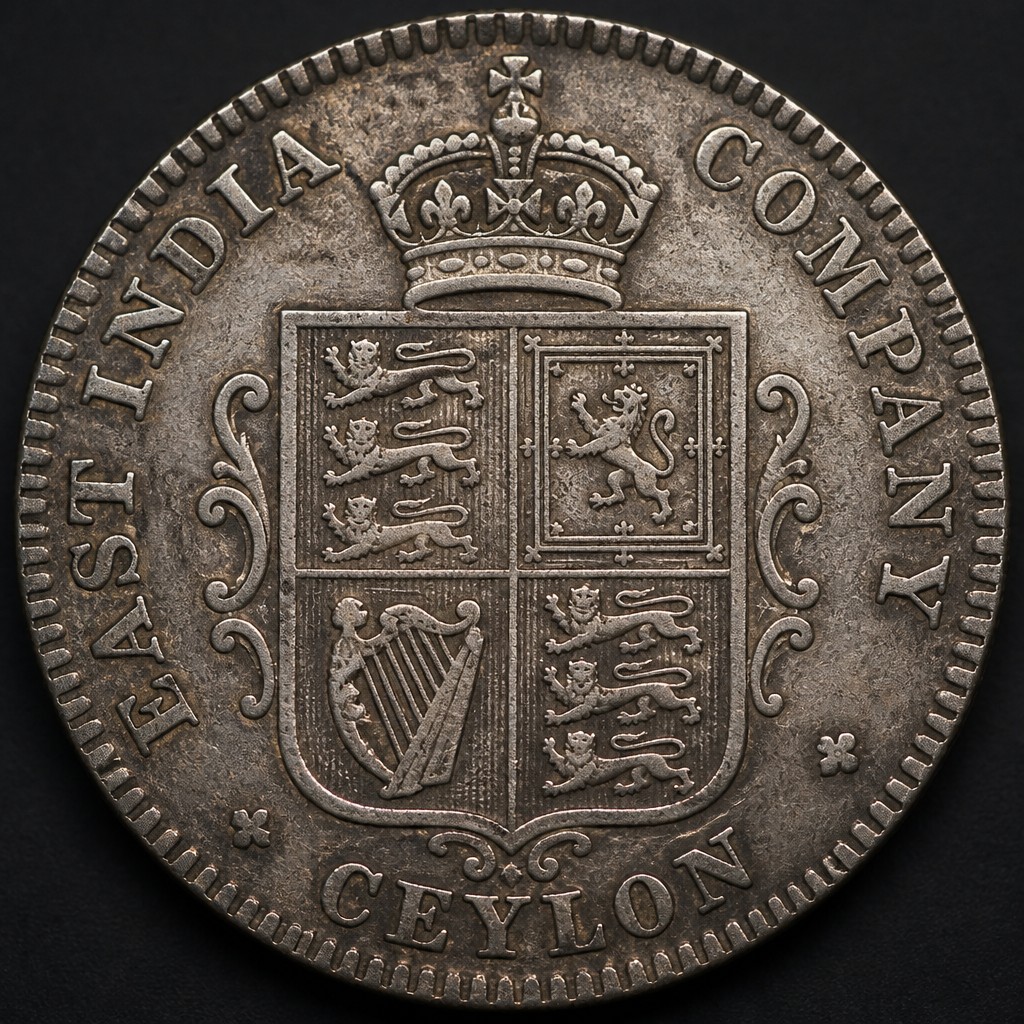
Ceylon (Sri Lanka) EIC Rixdollar
c. 1802–1821
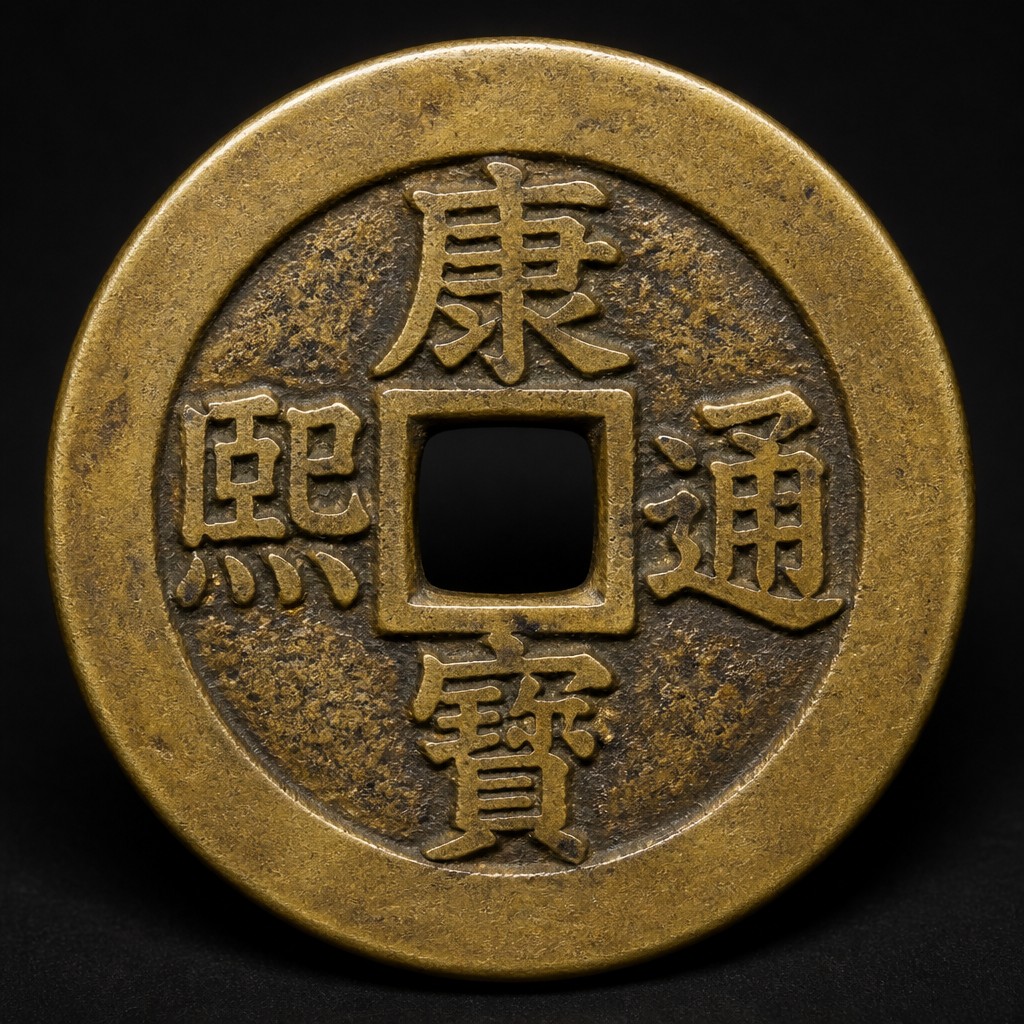
Chinese Cash Coin (Qing Dynasty 'Kangxi Tongbao')
1662–1722
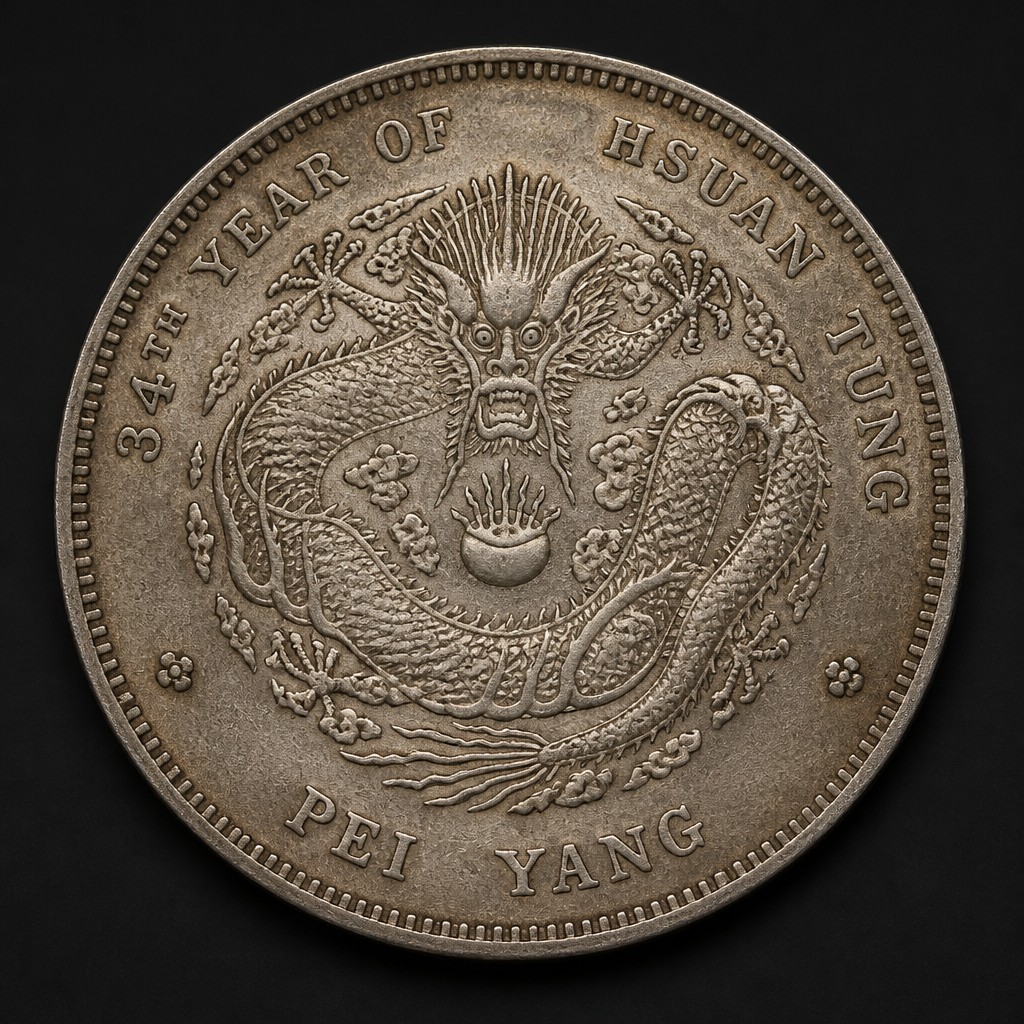
Chinese Empire Silver Dollar (Hsuan Tung Dragon)
1909–1911
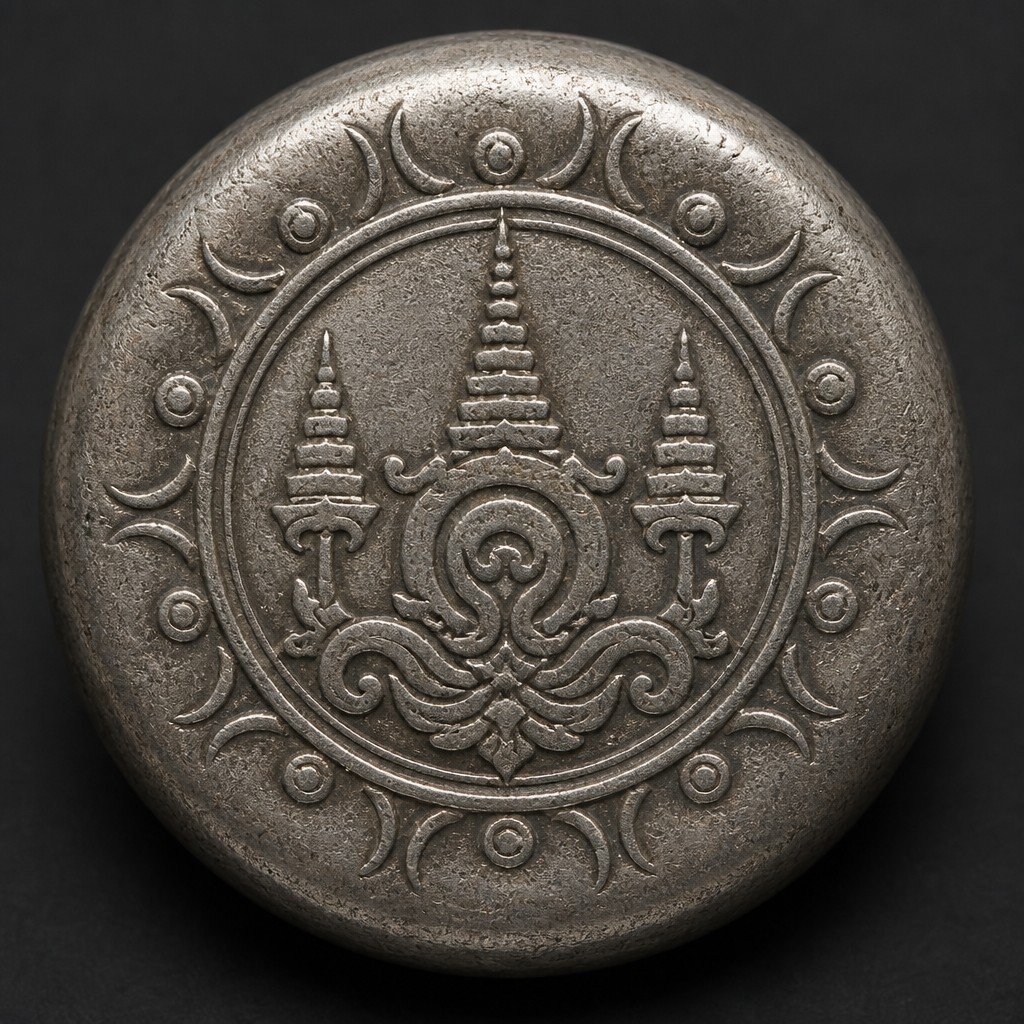
Thailand (Siam) Silver Baht 'Bullet Money' (Pod Duang)
c. 13th century – late 19th century
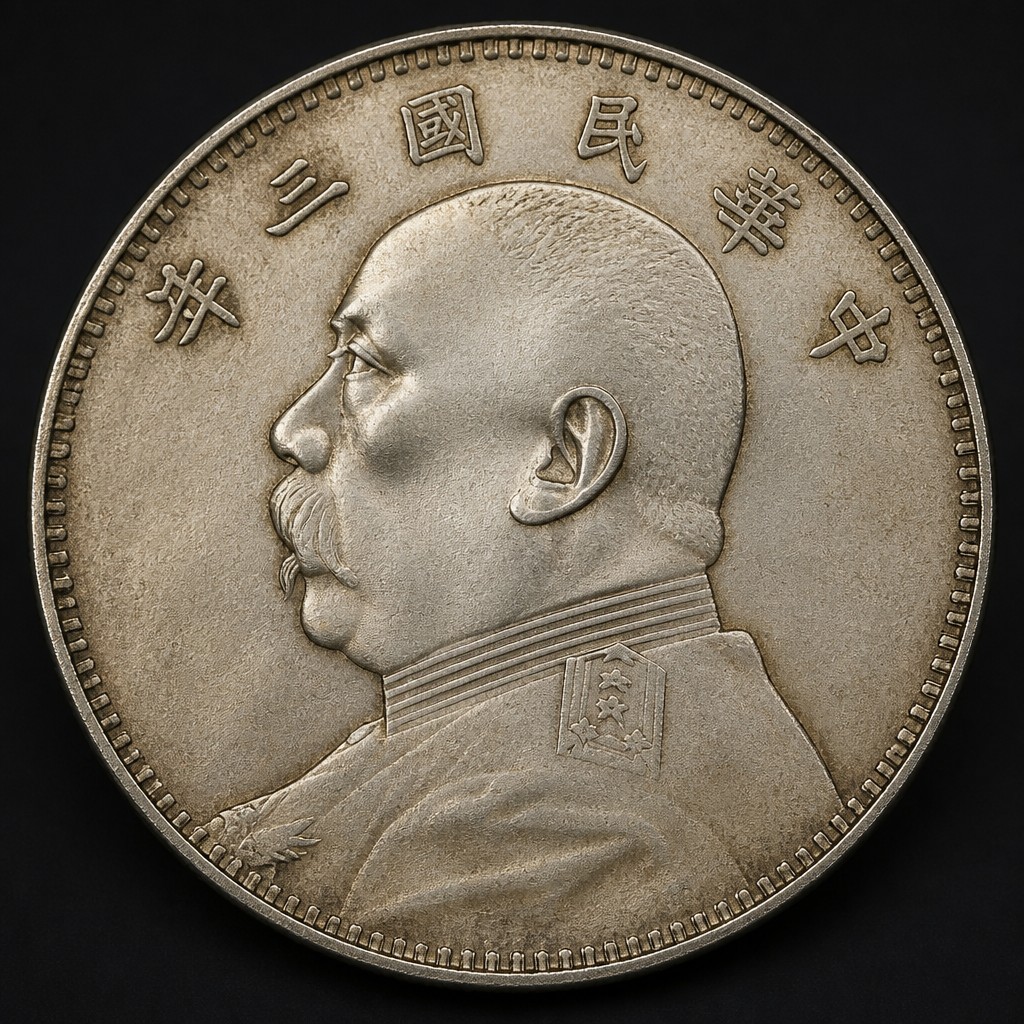
Yuan Shikai 'Fatman' Dollar (1914)
Dated 1914, struck into the early 1920s
Siamese Rama V Silver Baht
c. 1876–1910