
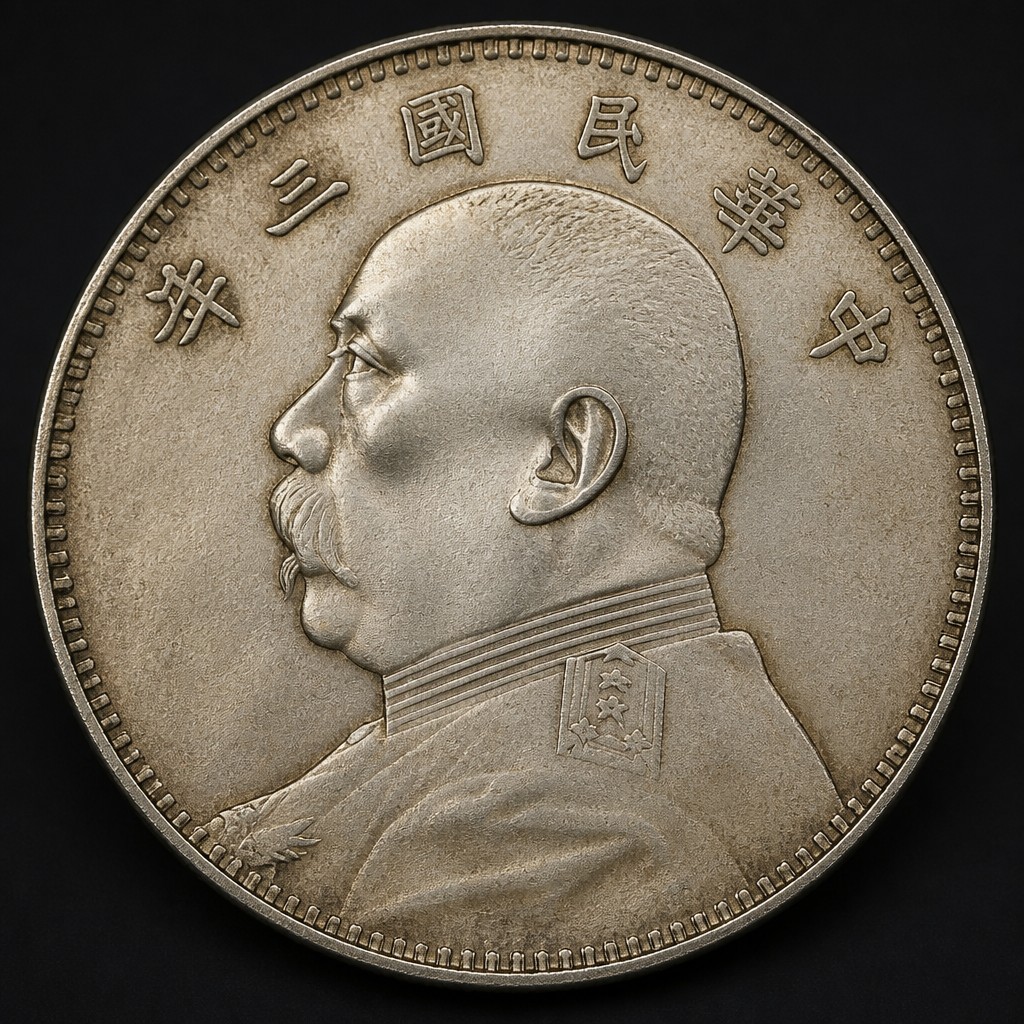
Yuan Shikai 'Fatman' Dollar (1914)
A widely produced Republic of China silver dollar bearing the portrait of President Yuan Shikai, nicknamed the fat man dollar for his portly likeness, one of the most common historic Chinese silver coins.
- Country
- China (Republic of China)
- Denomination
- Dollar (Yuan)
- Metal
- Silver (approx. .890)
Got a coin like this?
Identify any coin from a photo, free.
Overview
The Yuan Shikai dollar, universally nicknamed the fat man dollar among collectors, is among the most common historic Chinese silver dollars in existence, having been struck in enormous quantities to unify China's currency in the early Republican period. Its familiarity and affordability have made it a favorite starting point for collectors of Chinese numismatics.
Despite its abundance, the coin remains historically significant as a milestone in China's move toward a standardized national currency.
History & Background
Yuan Shikai, a powerful general who became the first formal President of the Republic of China after the fall of the Qing dynasty, ordered a standardized national silver dollar in 1914 as part of an effort to bring order to China's chaotic mix of provincial and foreign coinage.
Bearing his own portrait, the coin continued to be struck in large numbers at mints across the country for years after its initial 1914 date, even following Yuan's brief and unpopular attempt to declare himself emperor and his death in 1916.
How to Identify
The obverse shows a right-facing portrait bust of Yuan Shikai in military uniform with a plumed hat, surrounded by Chinese characters naming the Republic of China and giving the date, expressed as year 3 of the republic, corresponding to 1914.
The reverse depicts the denomination "ONE DOLLAR" within a wreath of grain stalks, with occasional small design differences, such as the shape of the letter O in dollar, distinguishing minor varieties tracked by specialists.
Value & Collectibility
Because so many millions were struck over several years, most Yuan Shikai dollars are inexpensive and easy to find in worn to moderate grades, making them a popular entry-level Chinese coin.
Sharp, high-grade uncirculated examples and certain scarcer die varieties, however, can be considerably more valuable, so condition and variety matter more to value than the basic rarity of the type itself.
Frequently asked questions
Why is it called the fat man dollar?
Collectors gave it this nickname because of Yuan Shikai's portly appearance in the portrait on the coin's obverse.
Is the Yuan Shikai dollar rare?
No, it was struck in very large quantities over several years and is one of the most common historic Chinese silver dollars.
Who was Yuan Shikai?
He was a powerful general who became the first formal President of the Republic of China after the fall of the Qing dynasty.
What makes some examples more valuable than others?
High-grade uncirculated condition and certain scarce die varieties command notably higher prices than typical circulated examples.
Other coins you may enjoy
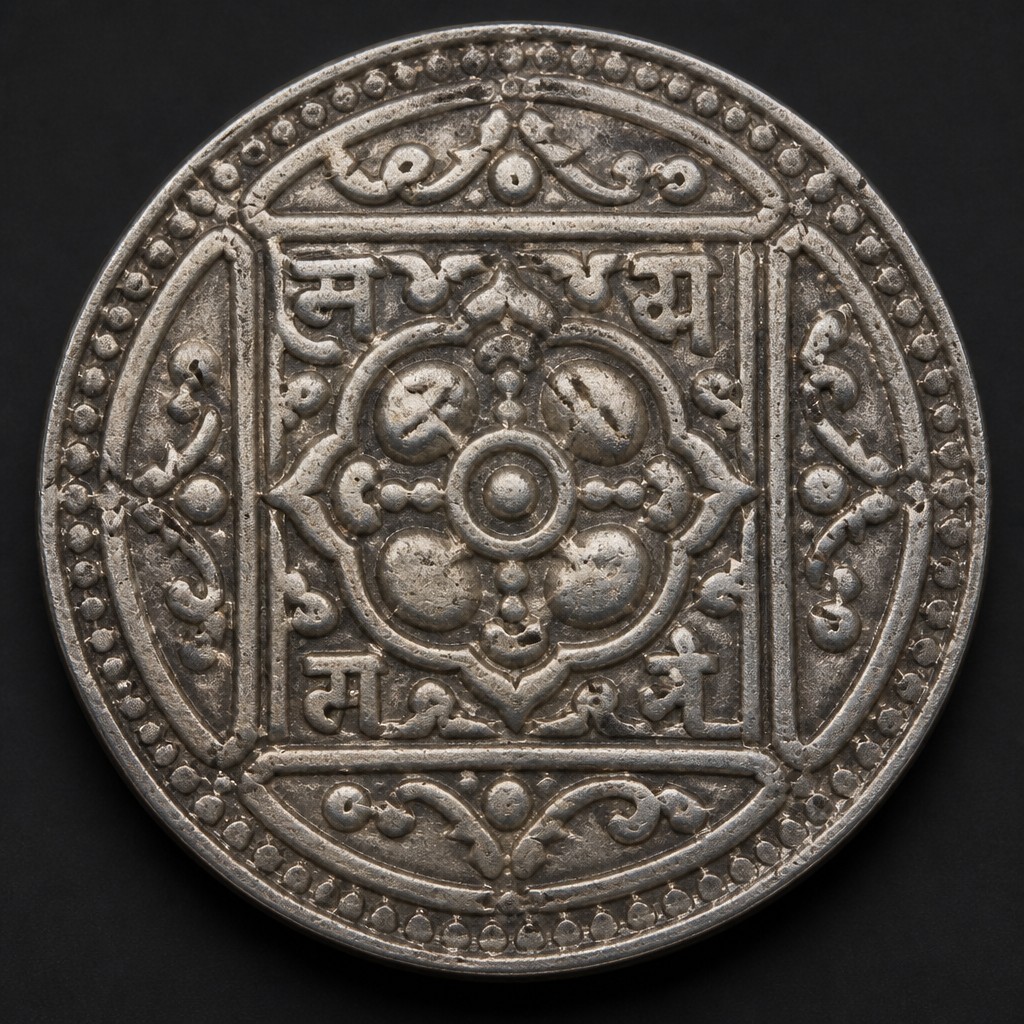
Nepal Silver Mohar
c. 16th–19th century
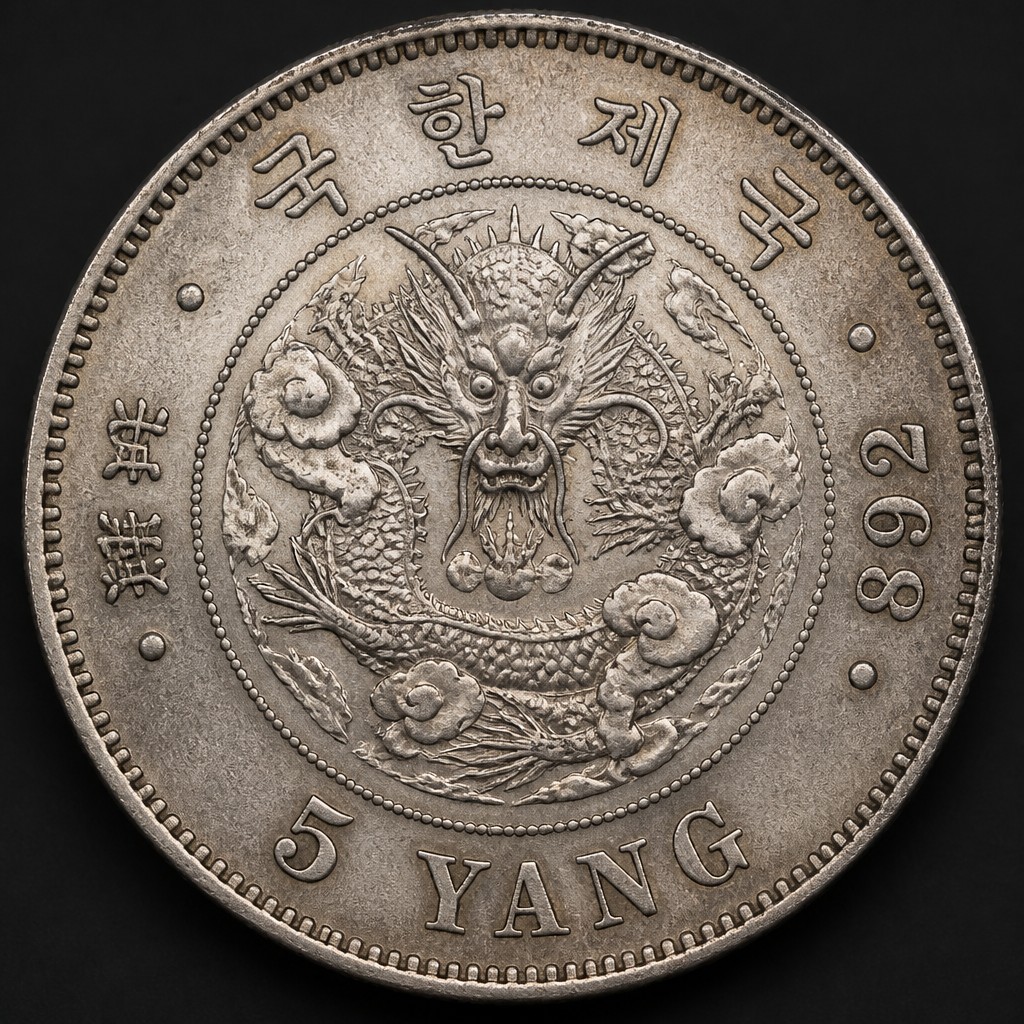
Korean 5 Yang Silver Dollar (1892)
1892
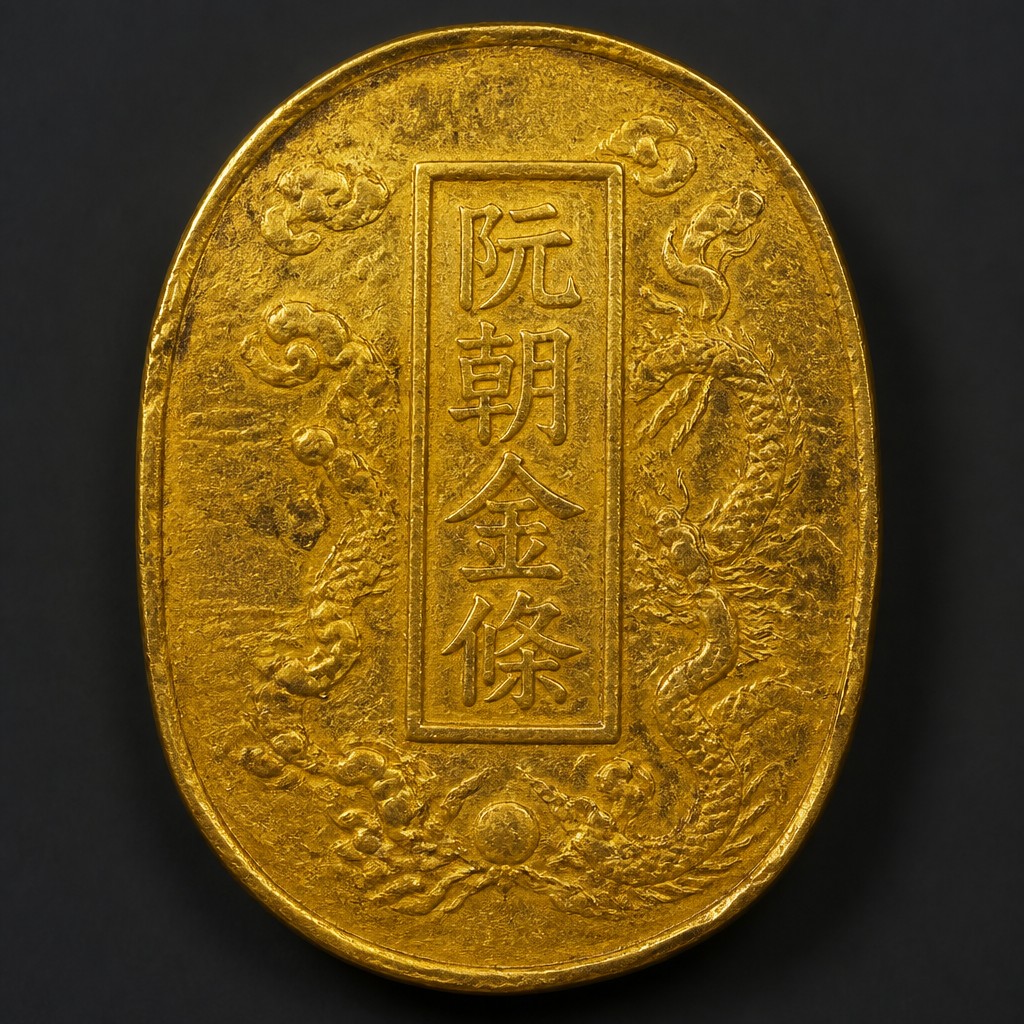
Nguyen Dynasty Gold Bar (Vietnam)
19th century
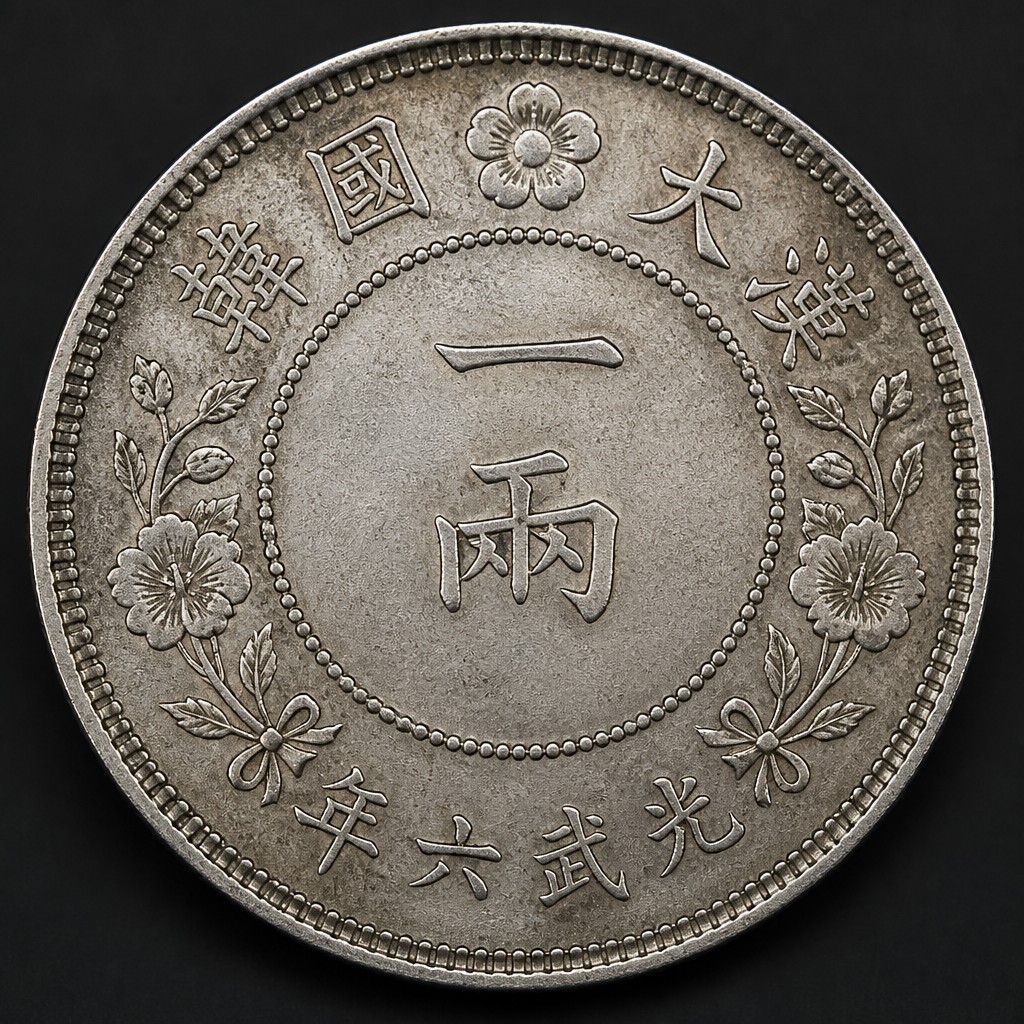
Korean 1 Yang Silver (Joseon/Great Han Empire)
1892–1902
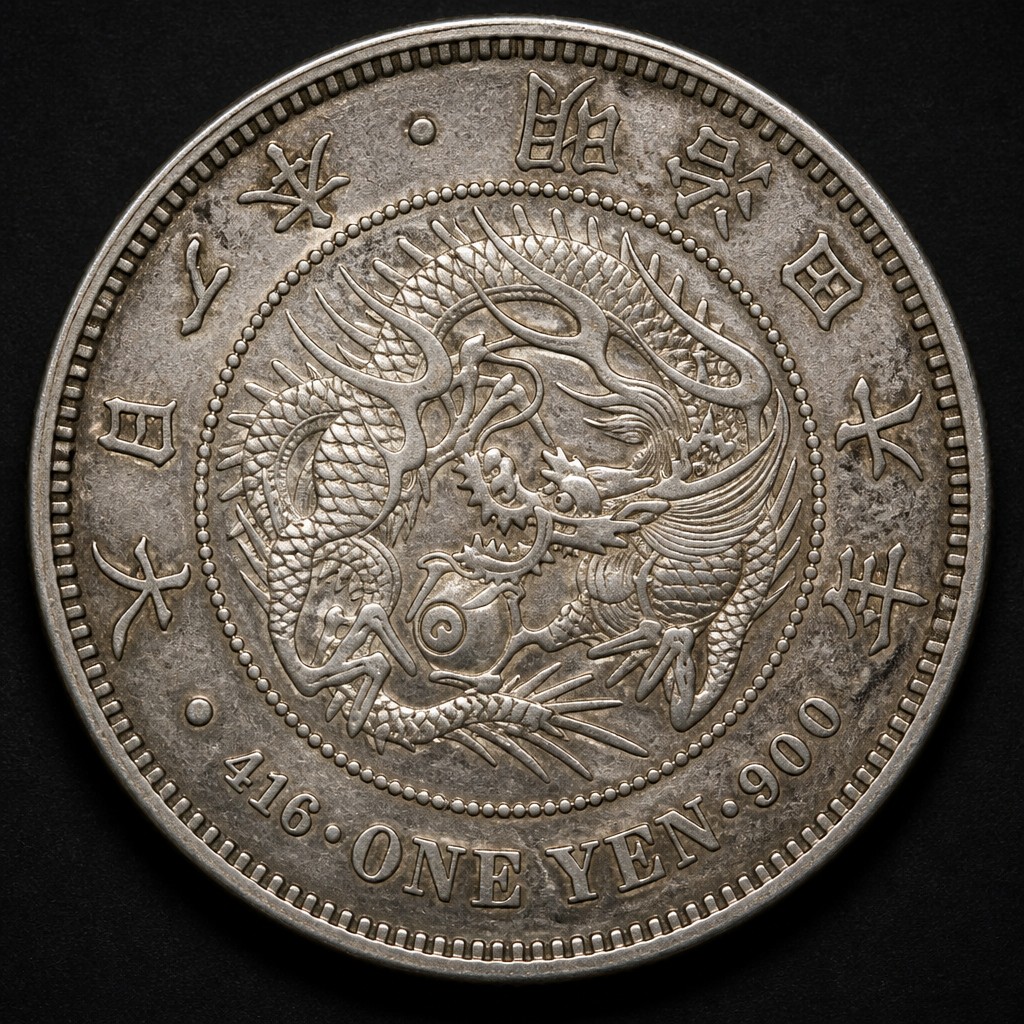
Japanese 1 Yen Silver 'Dragon' Trade Dollar
1870–1914 (trade dollar variant 1875–1877)
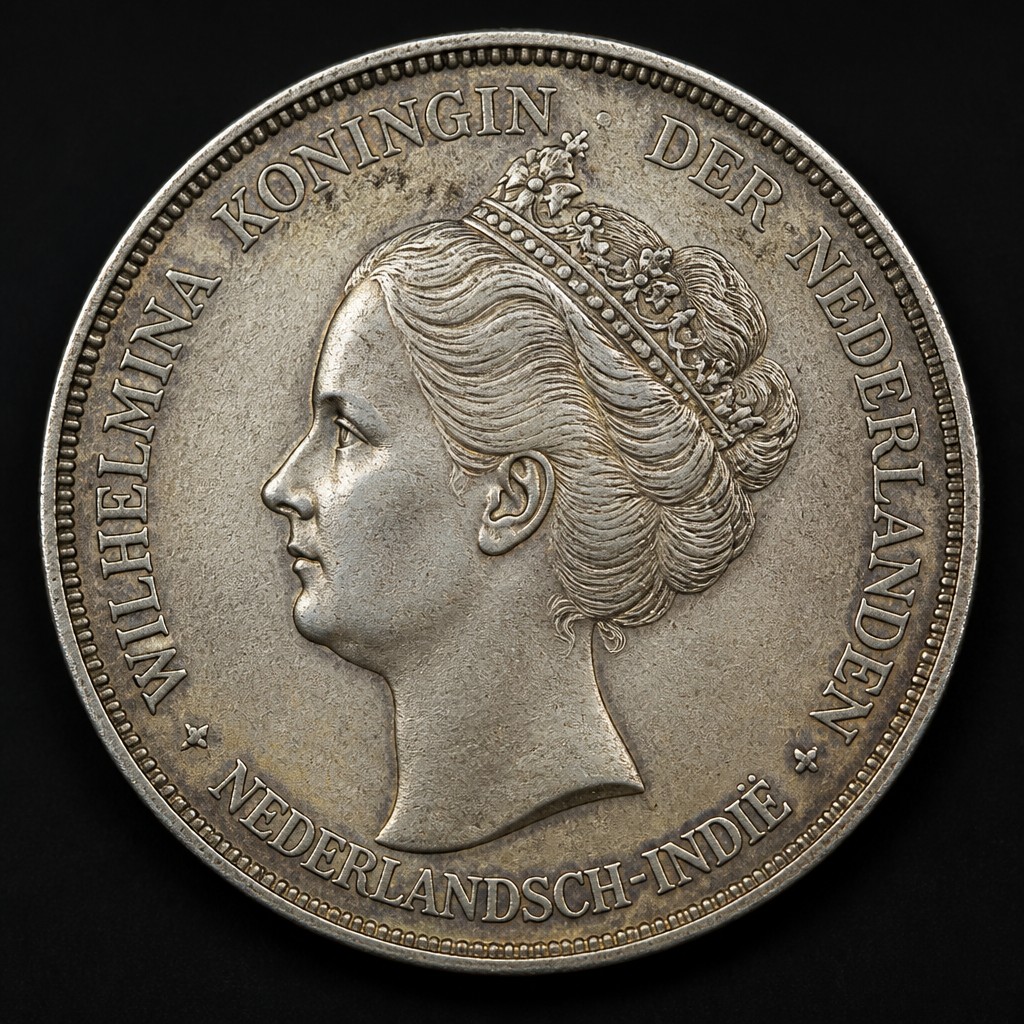
Netherlands East Indies Gulden (Wilhelmina)
1897–1945
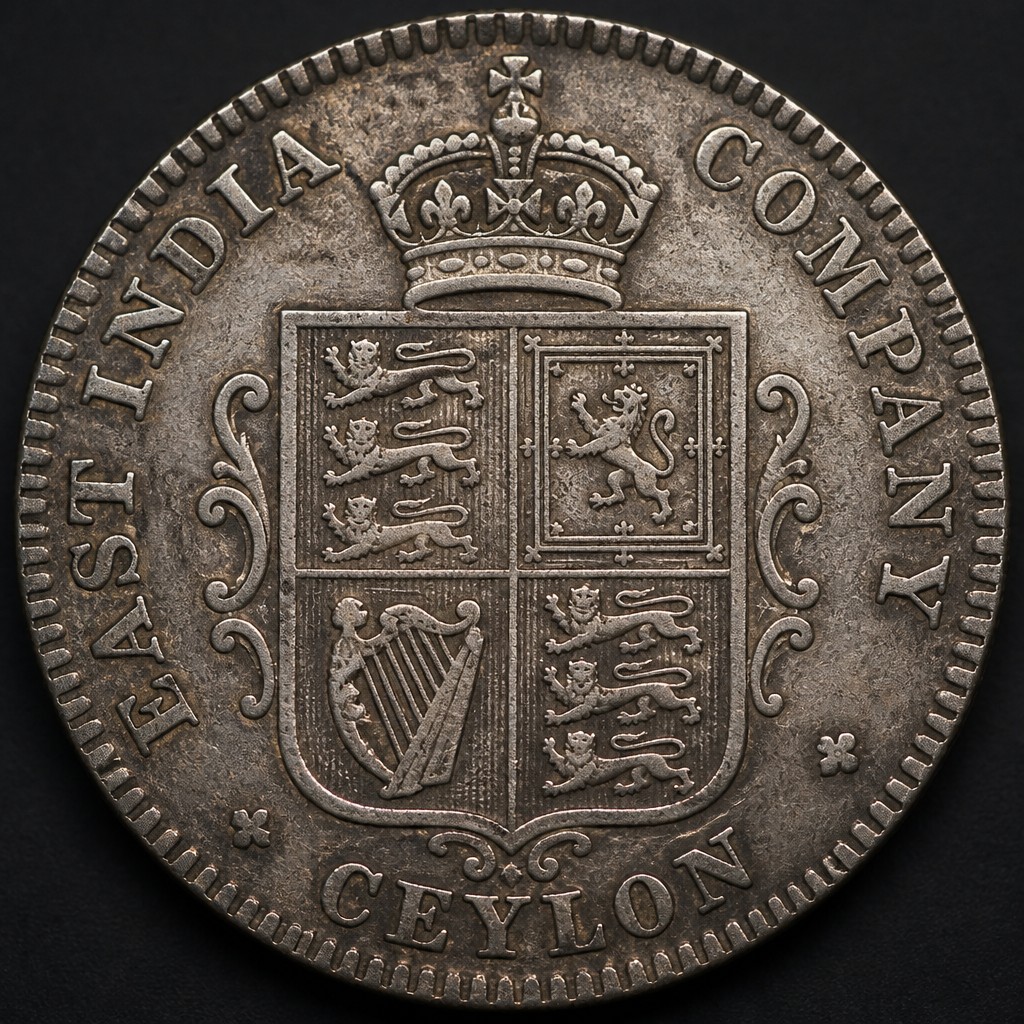
Ceylon (Sri Lanka) EIC Rixdollar
c. 1802–1821
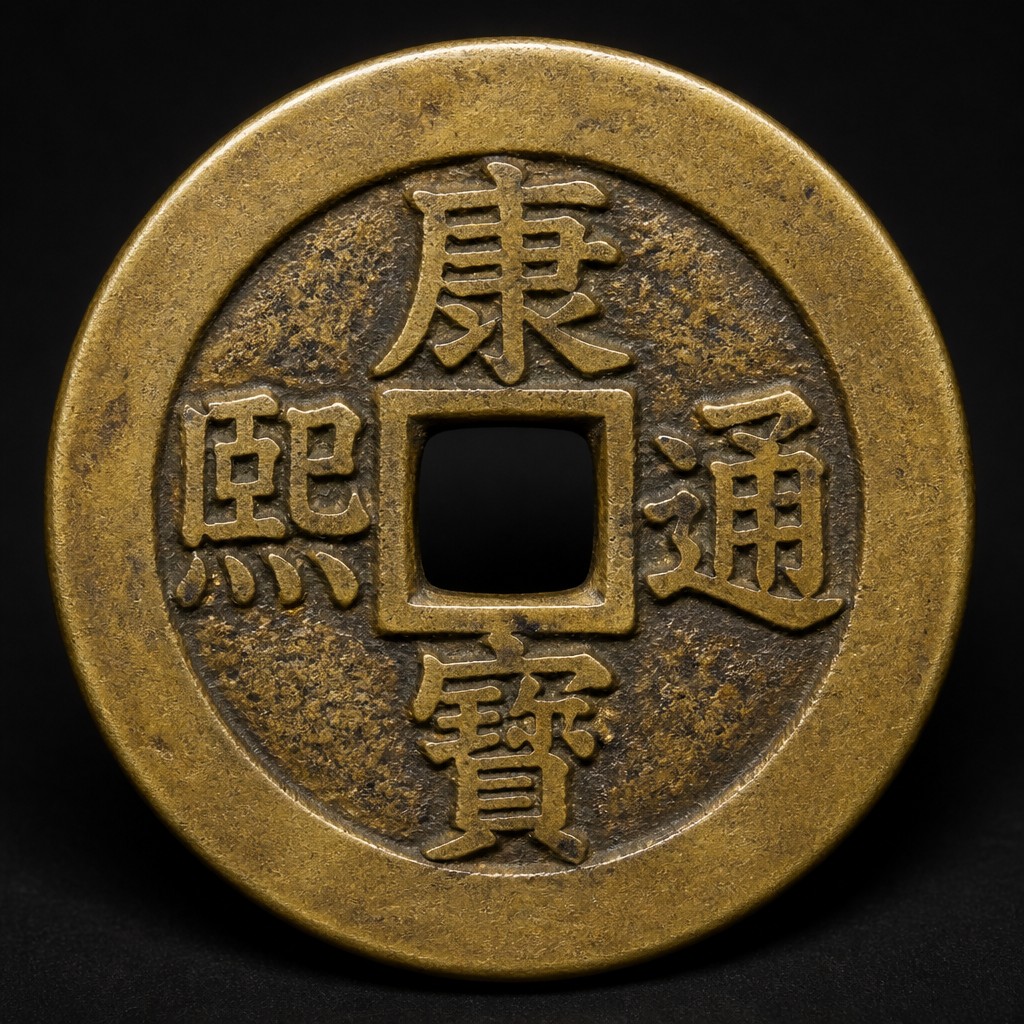
Chinese Cash Coin (Qing Dynasty 'Kangxi Tongbao')
1662–1722
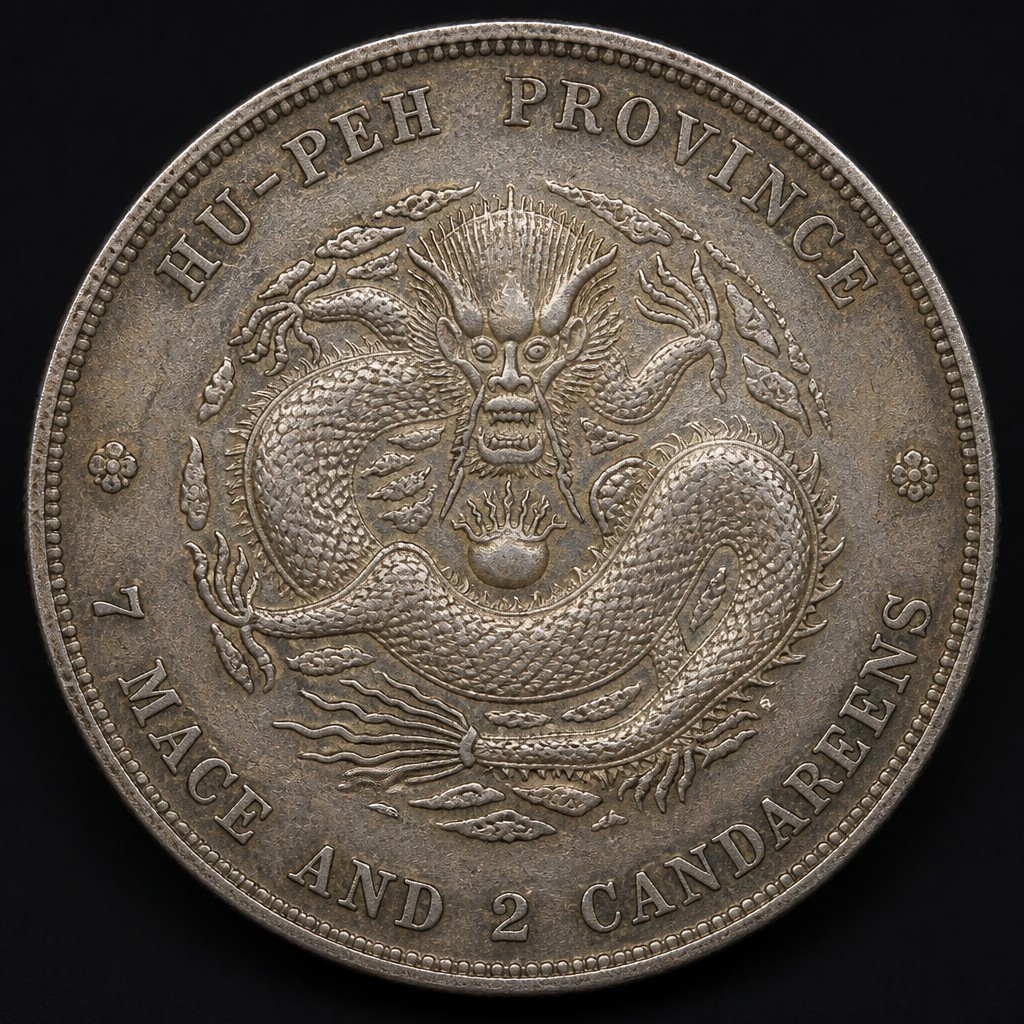
Chinese Hupeh Province Dragon Dollar
c. 1895–1909
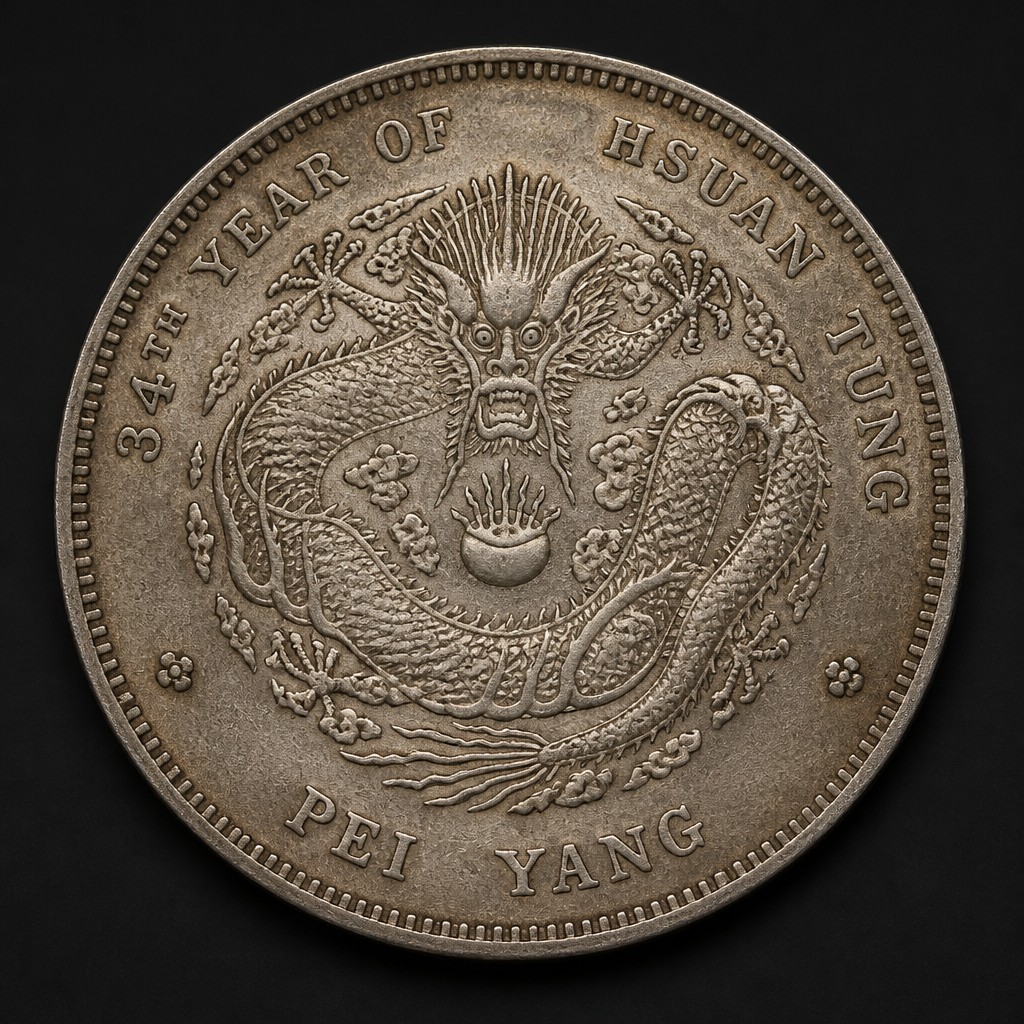
Chinese Empire Silver Dollar (Hsuan Tung Dragon)
1909–1911
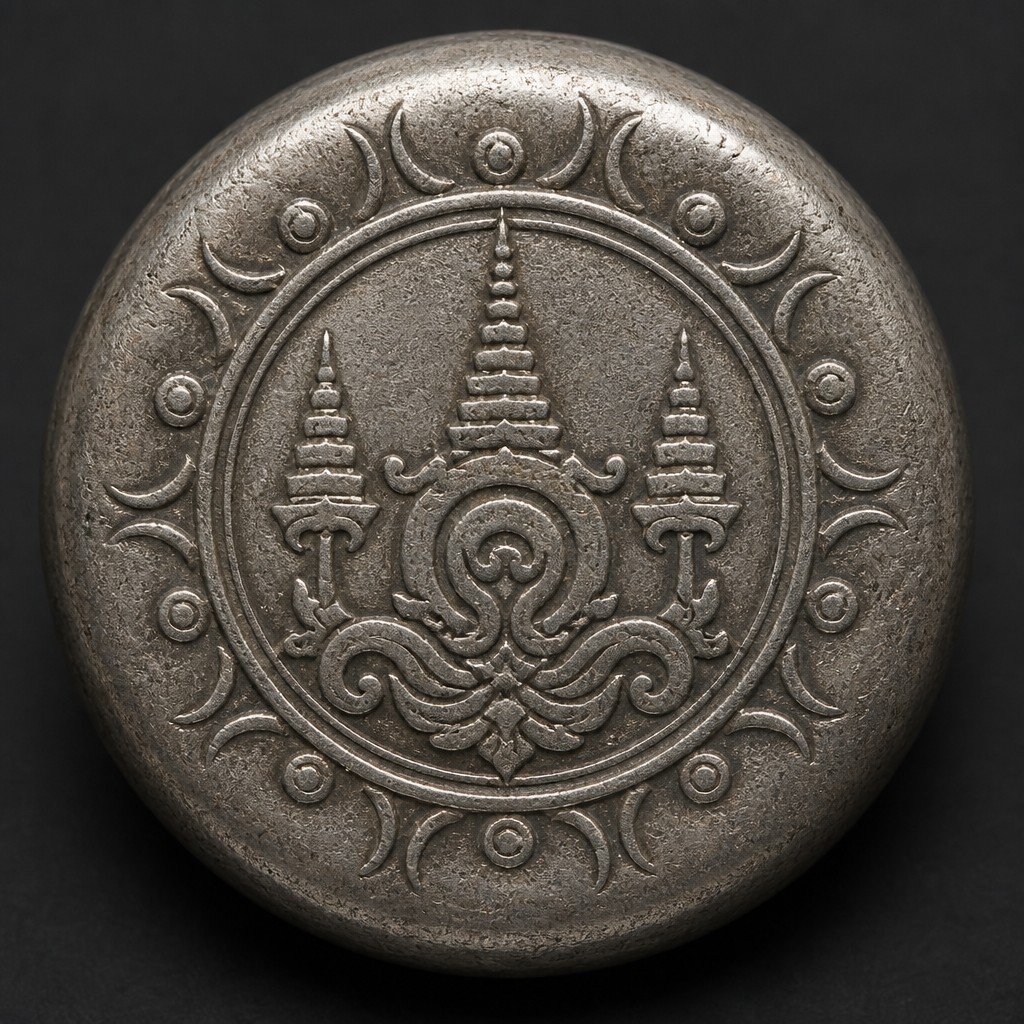
Thailand (Siam) Silver Baht 'Bullet Money' (Pod Duang)
c. 13th century – late 19th century
Siamese Rama V Silver Baht
c. 1876–1910