
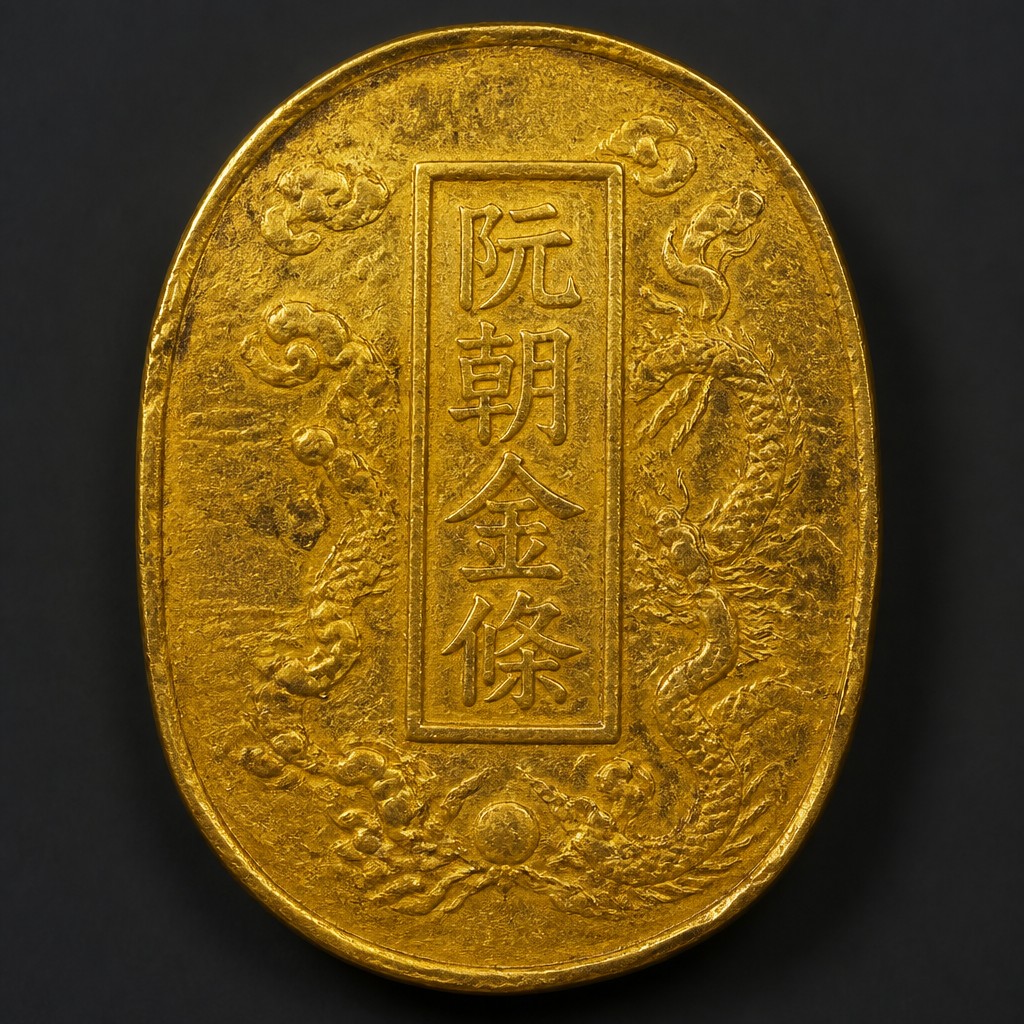
Nguyen Dynasty Gold Bar (Vietnam)
Imperial Vietnamese gold ingot from the Nguyen Dynasty, used for treasury reserves, tribute, and high-value transactions rather than everyday commerce.
- Country
- Vietnam (Nguyen Dynasty)
- Denomination
- Lang (Tael) of gold
- Metal
- Gold
Got a coin like this?
Identify any coin from a photo, free.
Overview
The Nguyen Dynasty gold bar, or thoi vang, was Vietnam's high-value counterpart to its silver ingots, reserved for major transactions, imperial gifts, tribute, and treasury storage. As gold ingot currency, it sat at the top of Vietnam's traditional monetary hierarchy, above both cash coins and silver bars.
For collectors, genuine imperial-era Vietnamese gold ingots are rare and historically evocative artifacts of the Nguyen court's economy, seen far less often than the more common cash coins or silver pieces of the same period.
History & Background
Throughout the Nguyen Dynasty (1802-1945), the imperial treasury maintained reserves of gold ingots, often produced under court supervision and stamped with marks denoting weight, purity, or the responsible workshop. Gold bars were used for major state expenditures, diplomatic gifts, and as a store of value for the royal treasury, rather than circulating widely among the general population.
As with silver ingots, the use of gold bars declined as French colonial authorities introduced standardized currency systems in Indochina during the later 19th and early 20th centuries, gradually supplanting traditional Vietnamese ingot money in official transactions.
How to Identify
Genuine Nguyen-era gold bars are typically small, elongated ingots, often stamped with Han-script characters denoting weight, fineness (frequently quite high purity), and sometimes the specific workshop or reign responsible for their production. Unlike coins, they lack a fixed obverse/reverse design, relying instead on stamped inscriptions for identification.
Because gold ingots were high-value items even in their own time, surviving examples are scarce, and identification depends heavily on the legibility and plausibility of stamped marks, consistent weight standards, and ideally documented provenance tied to known Nguyen court practices.
Value & Collectibility
Authentic Nguyen Dynasty gold bars are rare, and given the intrinsic value of gold combined with historical and cultural significance, they can command notable premiums over simple bullion value once authenticity is well established. This is a specialized and less standardized collecting field, so professional appraisal is particularly important.
Because reproductions and later imitation ingots exist, buyers should be especially cautious and seek expert verification; well-documented, clearly marked examples from credible sources are the most desirable.
Frequently asked questions
What is "thoi vang"?
The Vietnamese term for a gold ingot or gold bar, the highest tier of traditional Vietnamese ingot currency.
Who used these gold bars?
Primarily the imperial court and treasury, for major transactions, tribute, and reserves rather than everyday people.
How rare are they?
Quite rare; gold ingots were high-value even at the time of issue, and far fewer survive than cash coins or silver ingots.
What dynasty produced them?
The Nguyen Dynasty, Vietnam's final imperial dynasty (1802-1945).
Is authentication important?
Yes, given the value involved and the existence of reproductions, expert verification is strongly advised.
Other coins you may enjoy
Nepal Silver Mohar
c. 16th–19th century
Korean 5 Yang Silver Dollar (1892)
1892
Korean 1 Yang Silver (Joseon/Great Han Empire)
1892–1902
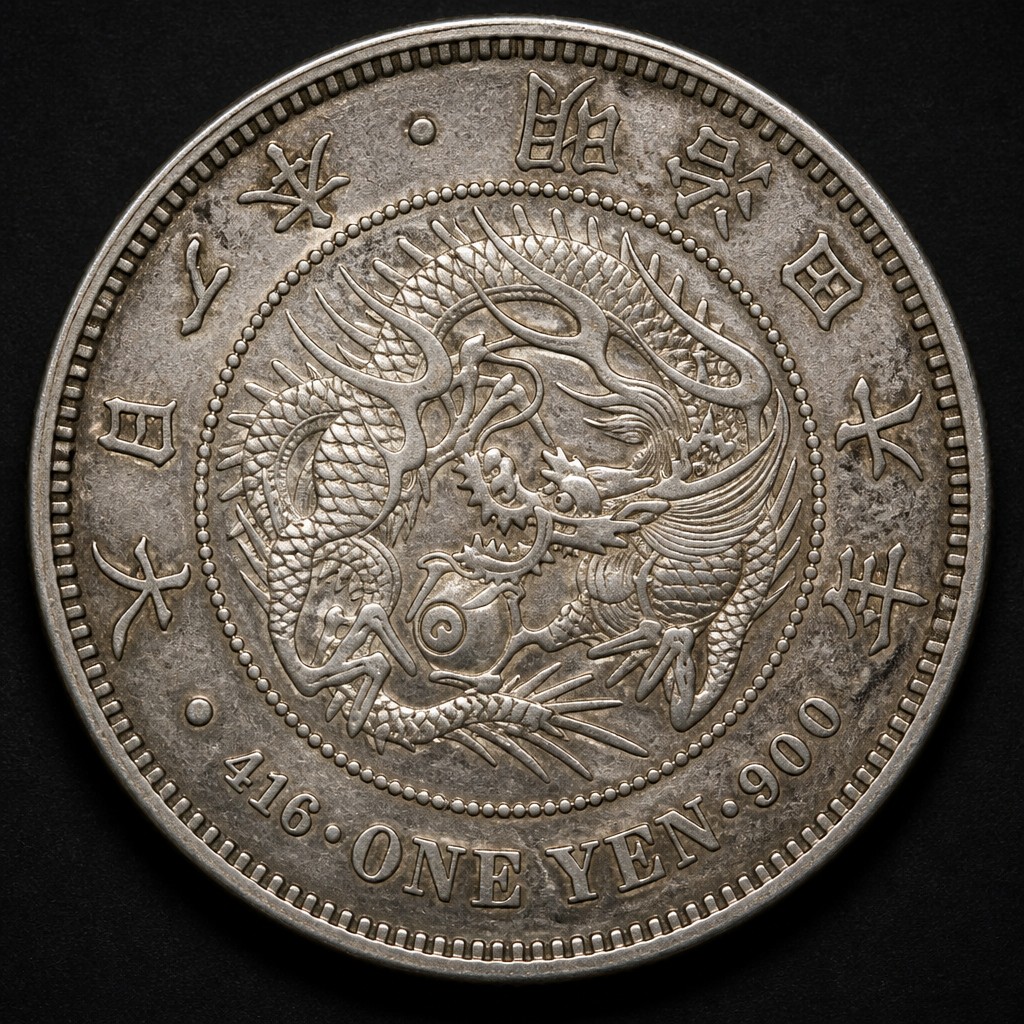
Japanese 1 Yen Silver 'Dragon' Trade Dollar
1870–1914 (trade dollar variant 1875–1877)
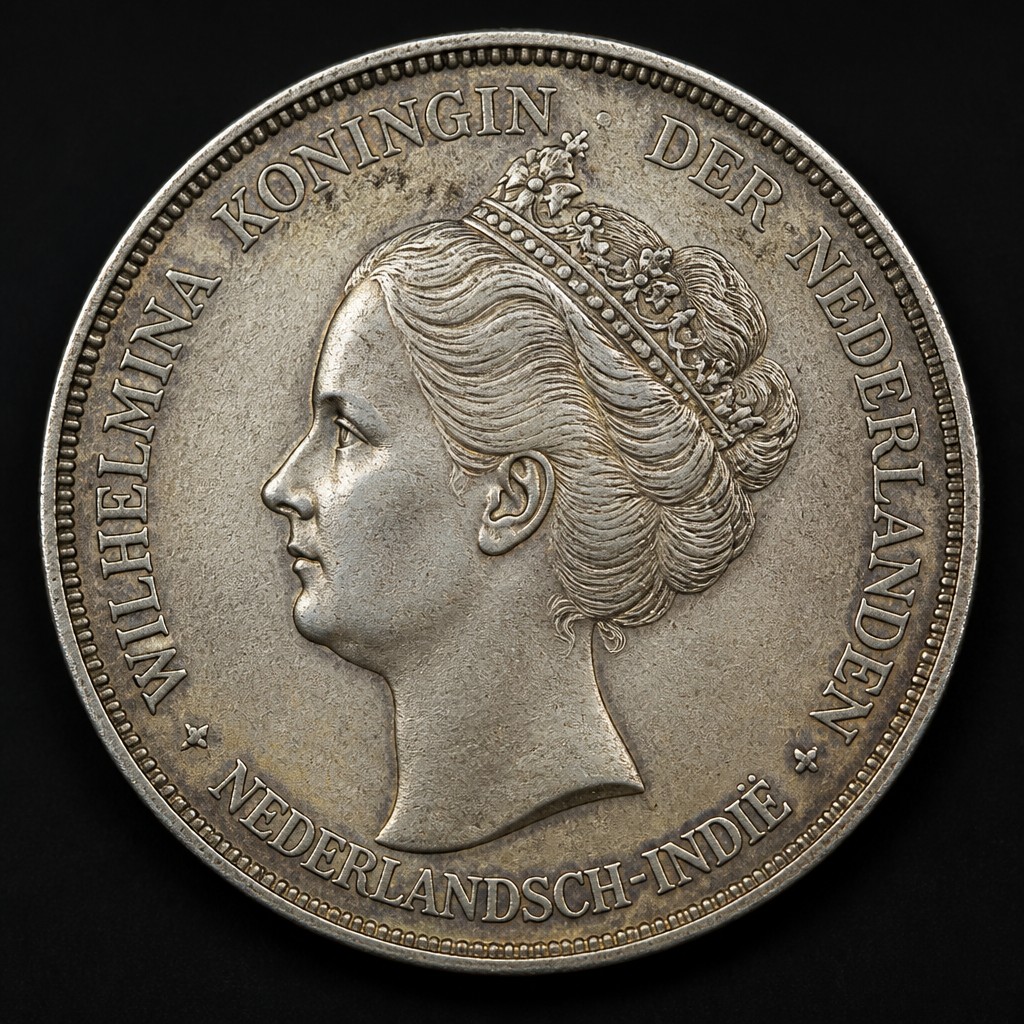
Netherlands East Indies Gulden (Wilhelmina)
1897–1945
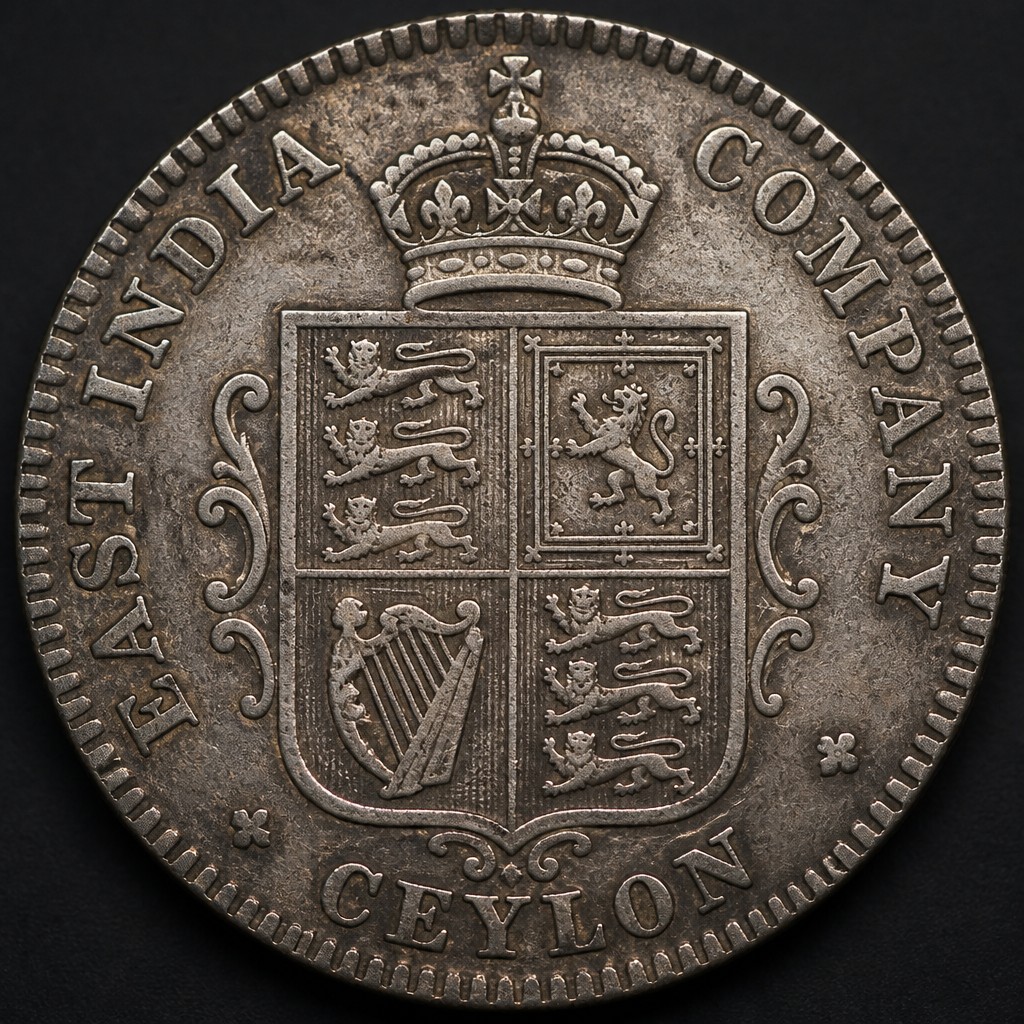
Ceylon (Sri Lanka) EIC Rixdollar
c. 1802–1821
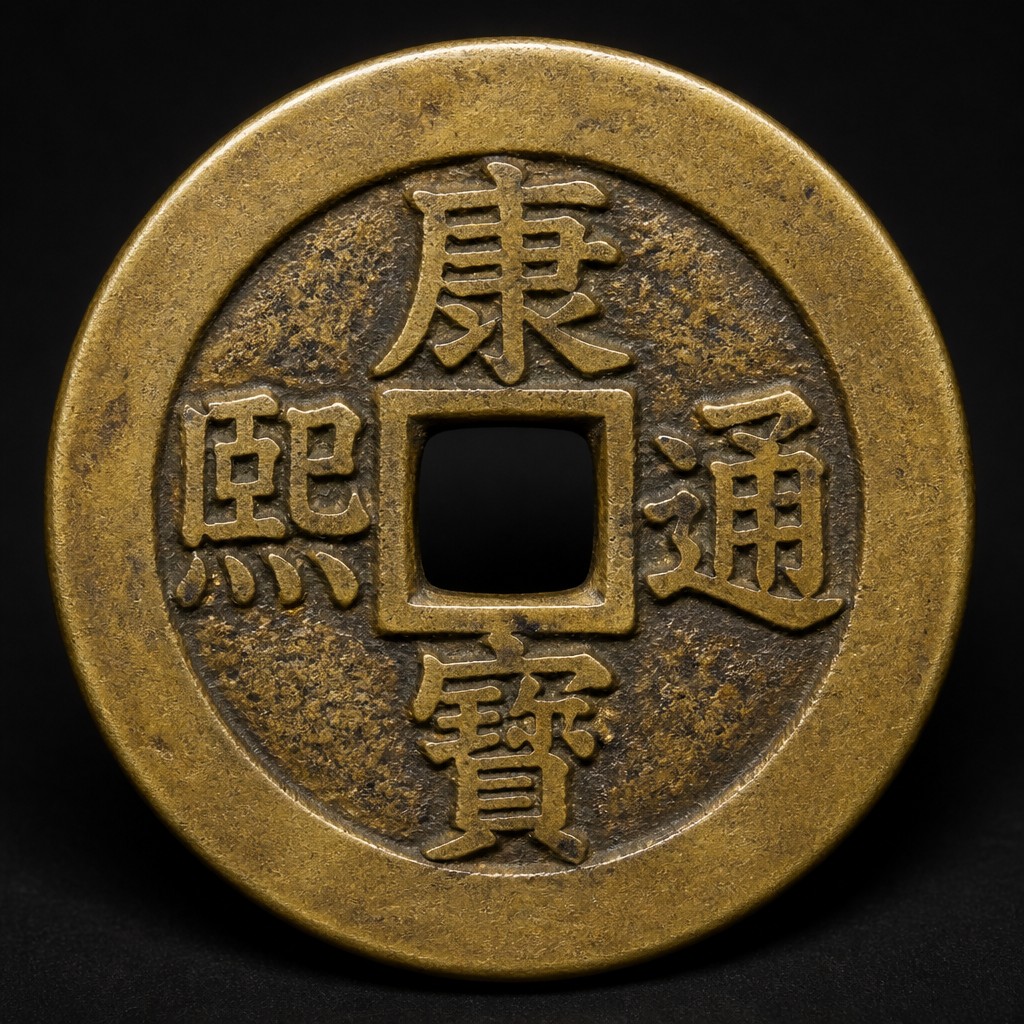
Chinese Cash Coin (Qing Dynasty 'Kangxi Tongbao')
1662–1722
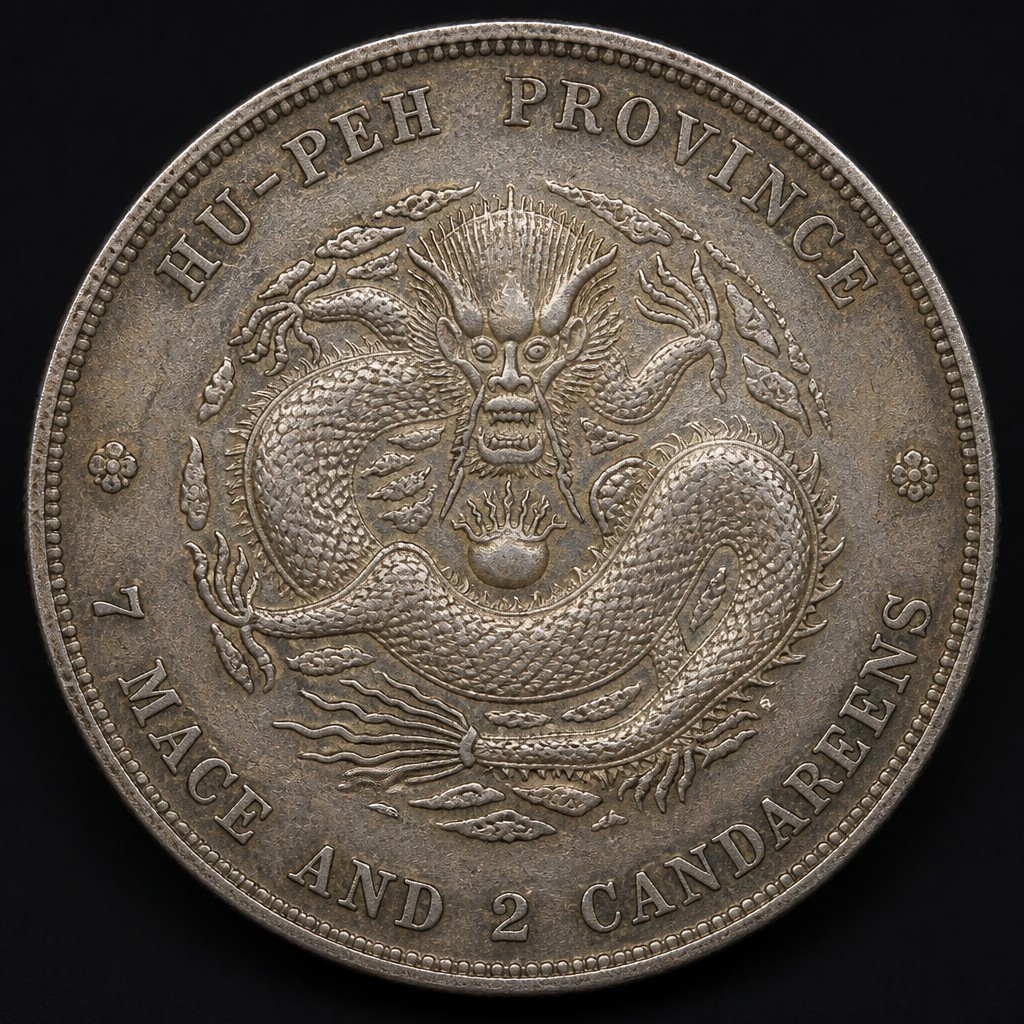
Chinese Hupeh Province Dragon Dollar
c. 1895–1909
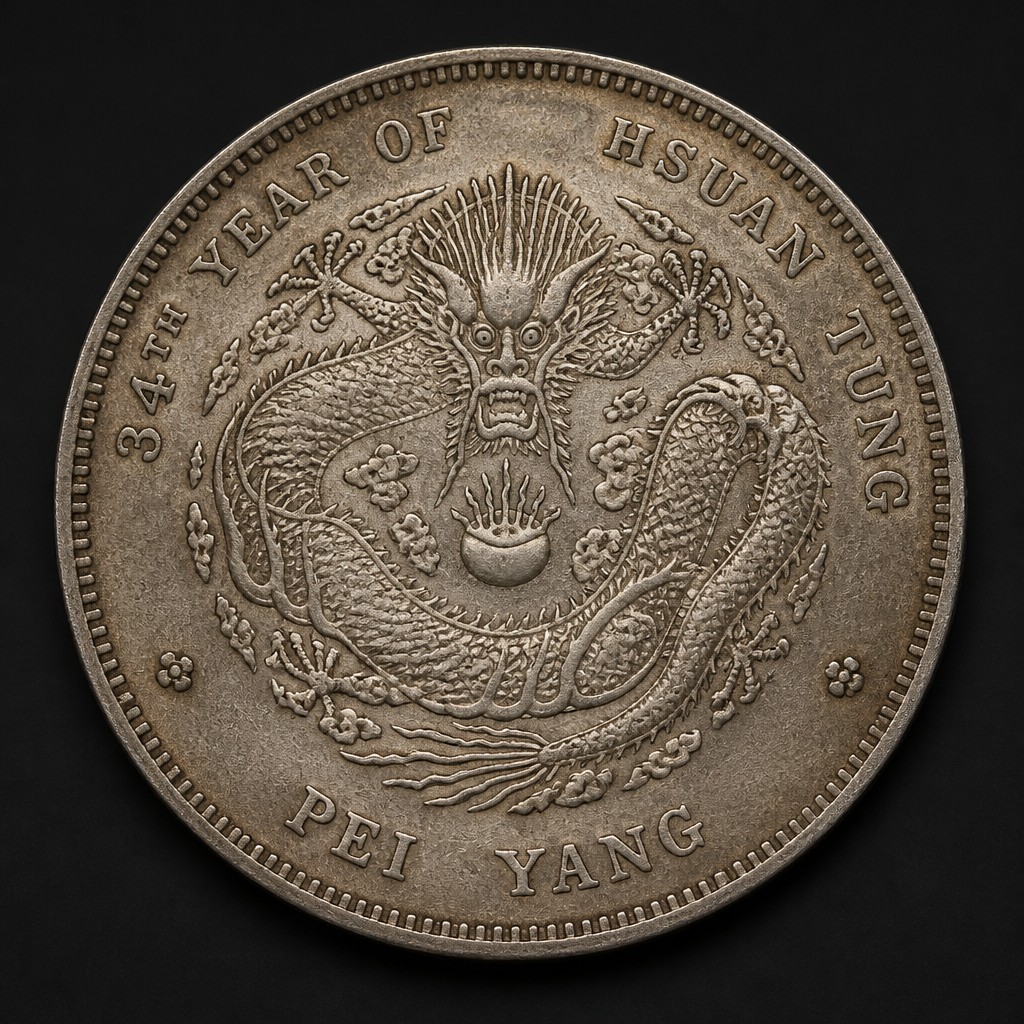
Chinese Empire Silver Dollar (Hsuan Tung Dragon)
1909–1911
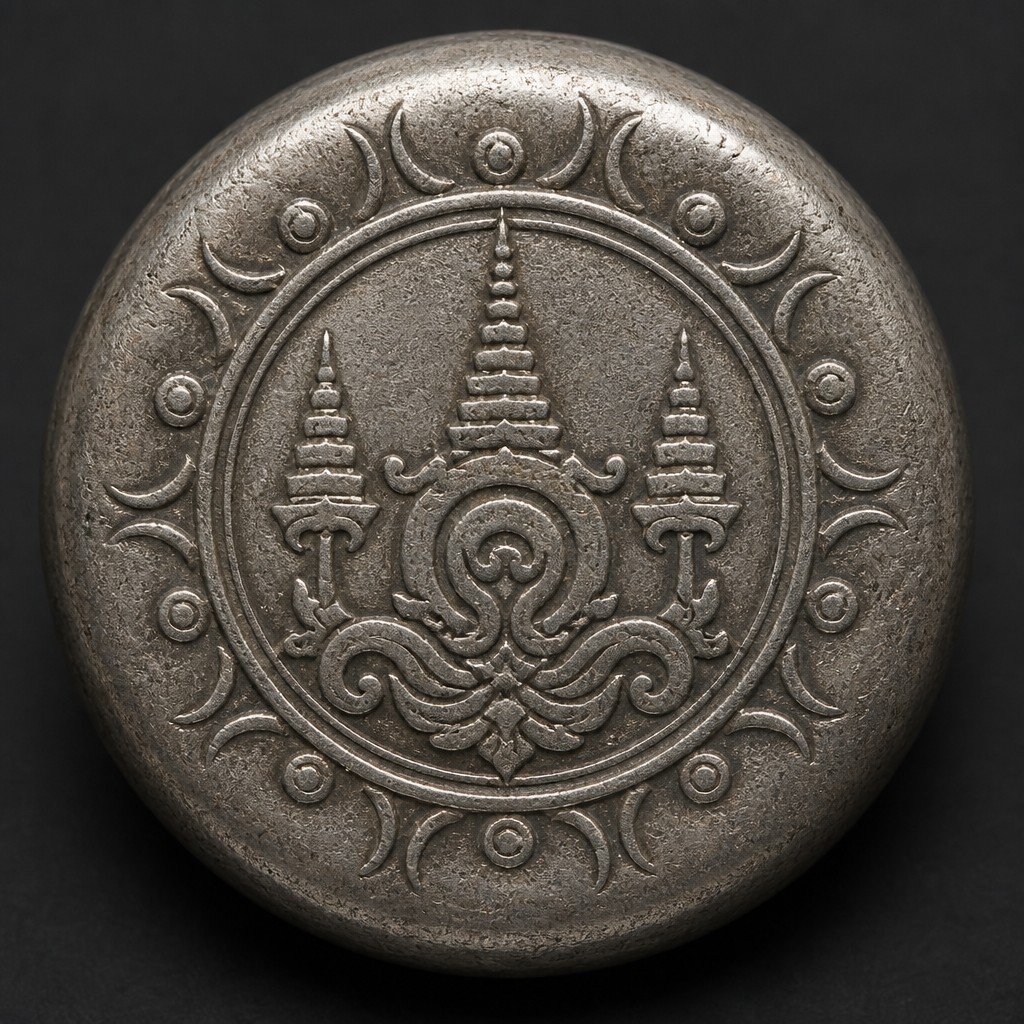
Thailand (Siam) Silver Baht 'Bullet Money' (Pod Duang)
c. 13th century – late 19th century
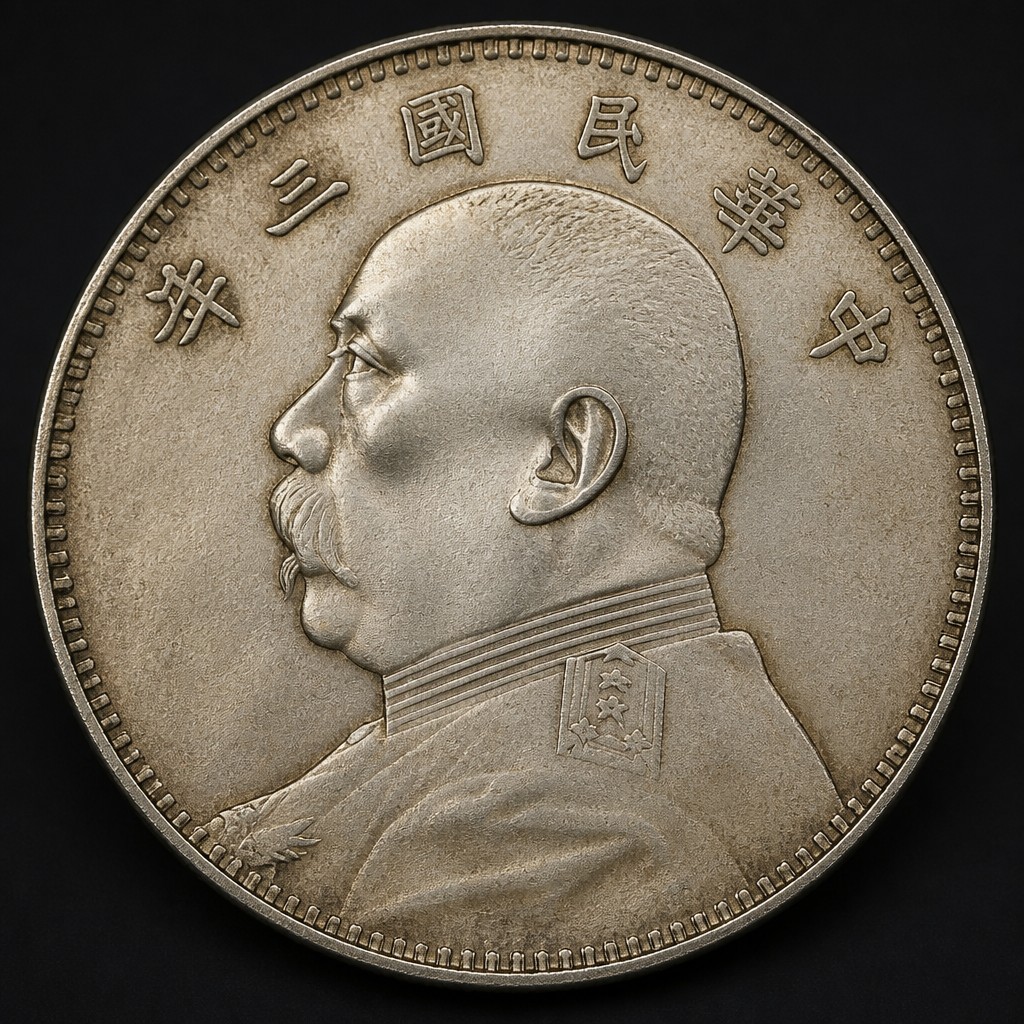
Yuan Shikai 'Fatman' Dollar (1914)
Dated 1914, struck into the early 1920s
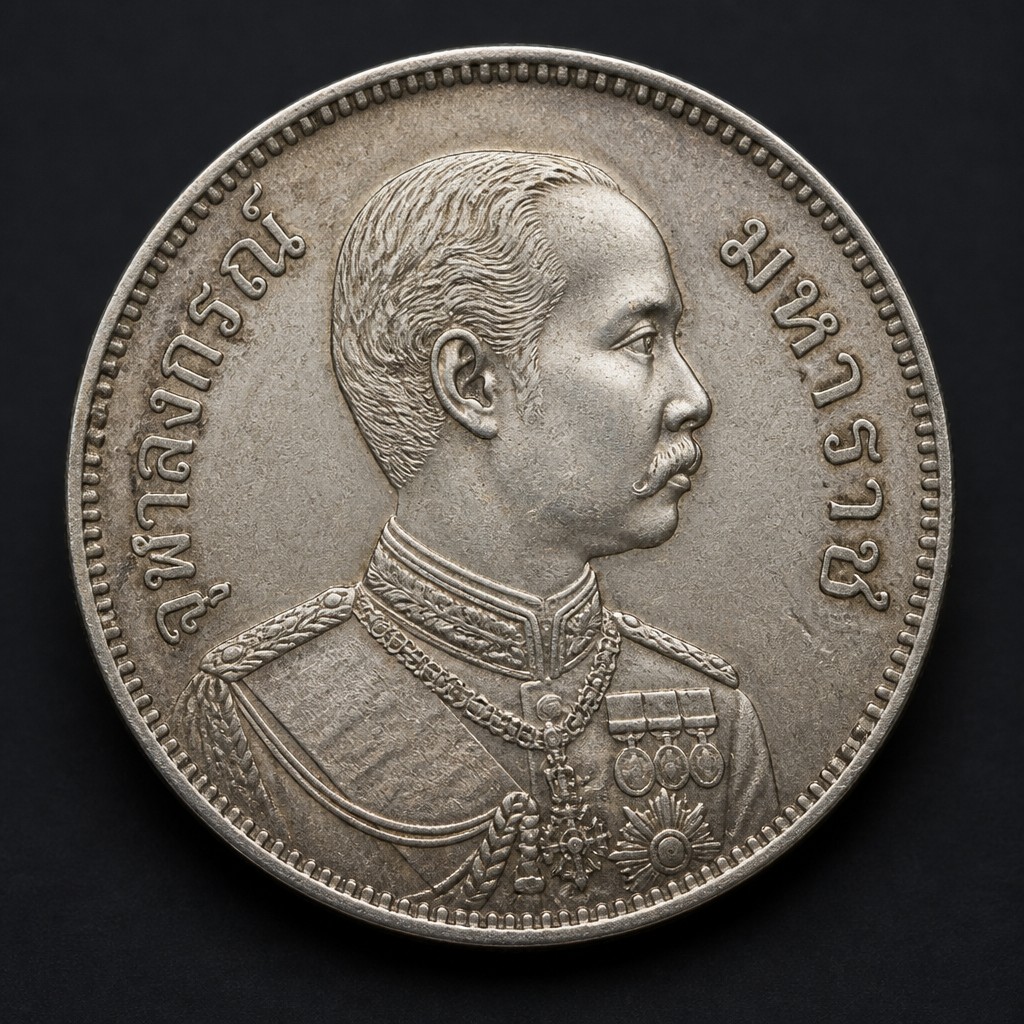
Siamese Rama V Silver Baht
c. 1876–1910