
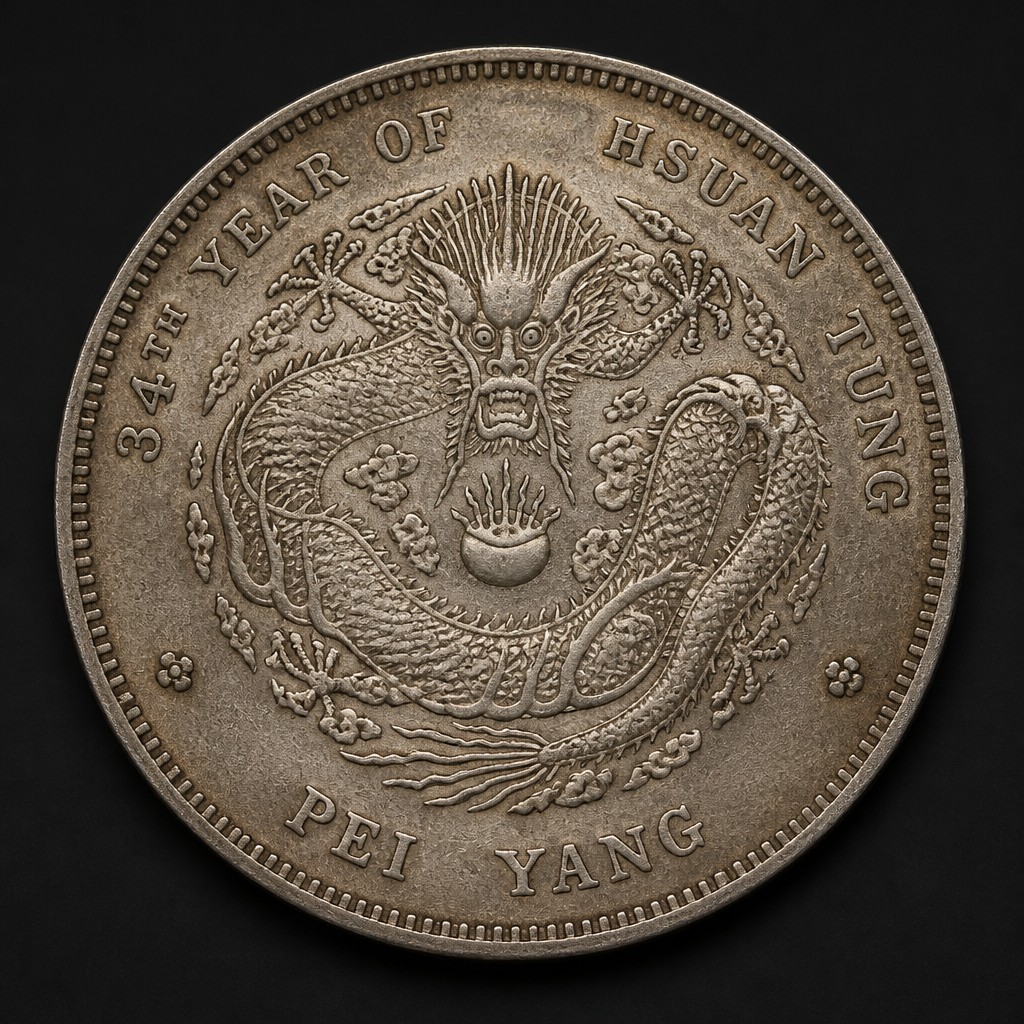
Chinese Empire Silver Dollar (Hsuan Tung Dragon)
A late Qing dynasty silver dollar issued during the brief Hsuan Tung (Xuantong) reign of the last emperor, featuring an imperial dragon design.
- Country
- Qing Dynasty China
- Denomination
- One Dollar (Yuan)
- Metal
- 90% Silver (approx.)
Got a coin like this?
Identify any coin from a photo, free.
Overview
The Hsuan Tung Dragon Dollar was one of the final silver dollar coinages issued under Chinese imperial rule, produced during the reign of the child emperor Puyi shortly before the fall of the Qing dynasty in 1911–1912. It represents an attempt by the Qing court to standardize a national silver dollar coinage at a time when China's currency system was a patchwork of provincial and foreign silver coins.
Collectors prize these coins for their connection to the very end of imperial China and for the variety of dragon design types produced in a short span of years, several of which are notably scarce.
History & Background
Throughout the late 19th century, China's silver coinage was fragmented among numerous provincial mints, each issuing dragon dollars of slightly different design and fineness, alongside widespread circulation of foreign trade dollars. The Qing central government sought to unify this system with a national standard silver dollar bearing the reign title of the emperor, and dies were prepared during the Hsuan Tung (Xuantong) reign, which began in 1908.
Production and pattern striking occurred primarily at the Tientsin mint in the final years before the 1911 Xinhai Revolution overthrew the dynasty. Because the reform effort coincided almost exactly with the collapse of imperial rule, several varieties exist as patterns or limited-production issues rather than large circulating coinages, and design changes (including different dragon renderings) were made in quick succession.
How to Identify
The obverse bears Chinese legends identifying the coin as an official Qing dynasty silver dollar issue, typically arranged around a central inscription, without a portrait, consistent with Qing dynasty numismatic tradition of avoiding depictions of the emperor on coinage.
The reverse is dominated by a large coiled or striding imperial dragon, a five-clawed dragon symbolizing the emperor, surrounded by the English legend and sometimes small differences in the dragon's whiskers, mane, or scale pattern that define the several known varieties (collectors commonly refer to "long whisker," "short whisker," and "flying dragon" types).
The coin is a large silver dollar, roughly 39mm in diameter and about 26–27 grams, similar in size to other Chinese and trade dollars of the period. Because numerous varieties, restrikes, and later copies exist, precise attribution of a given specimen typically requires close comparison of the dragon's details against reference varieties.
Value & Collectibility
Because several Hsuan Tung dragon dollar varieties were struck only as limited patterns or in small numbers before the dynasty fell, certain types are among the more desirable Chinese silver dollars for collectors, while other more common varieties are comparatively affordable.
Condition and correct variety attribution matter enormously to value; a well-preserved example of a scarce pattern type can bring prices into the thousands of dollars, while common circulated types trade for far more modest sums. Given the long history of counterfeiting and restriking of Chinese dragon dollars for the collector market, buyers should be cautious and rely on careful comparison and, where significant money is involved, professional grading and authentication.
Frequently asked questions
Who was the emperor during the Hsuan Tung reign?
Puyi, the last emperor of China, who ascended the throne as a young child in 1908 and reigned under the era name Hsuan Tung (Xuantong) until the Qing dynasty's fall in 1912.
Why doesn't the coin show the emperor's portrait?
Qing dynasty coinage traditionally avoided depicting the emperor's image, instead using reign-title inscriptions and symbolic imagery such as the imperial dragon.
Are all Hsuan Tung dragon dollars rare?
No, rarity varies significantly by variety; some types were struck in limited pattern quantities and are quite scarce, while others are more commonly encountered.
Are there fakes of this coin?
Yes, Chinese dragon dollars are among the most frequently counterfeited and restruck world coins, so careful examination or professional authentication is recommended for valuable examples.
Other coins you may enjoy
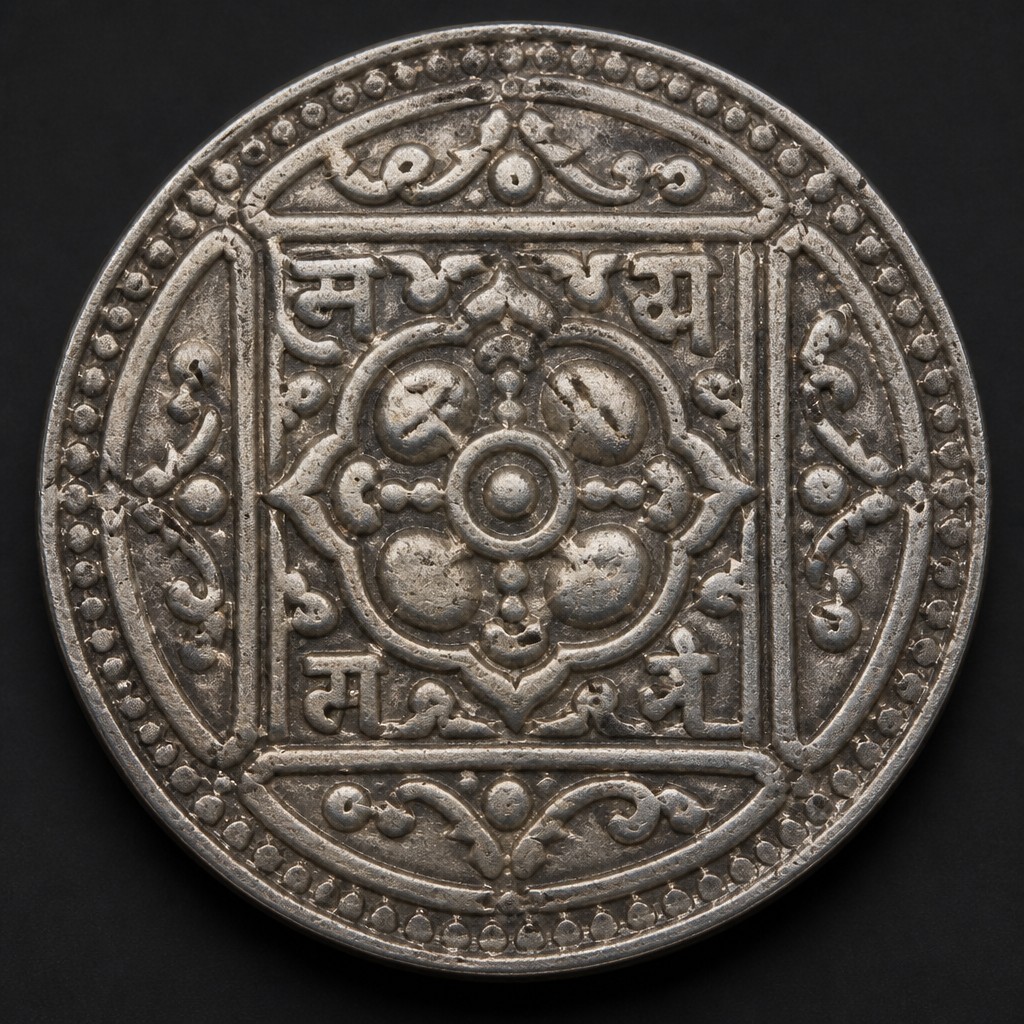
Nepal Silver Mohar
c. 16th–19th century
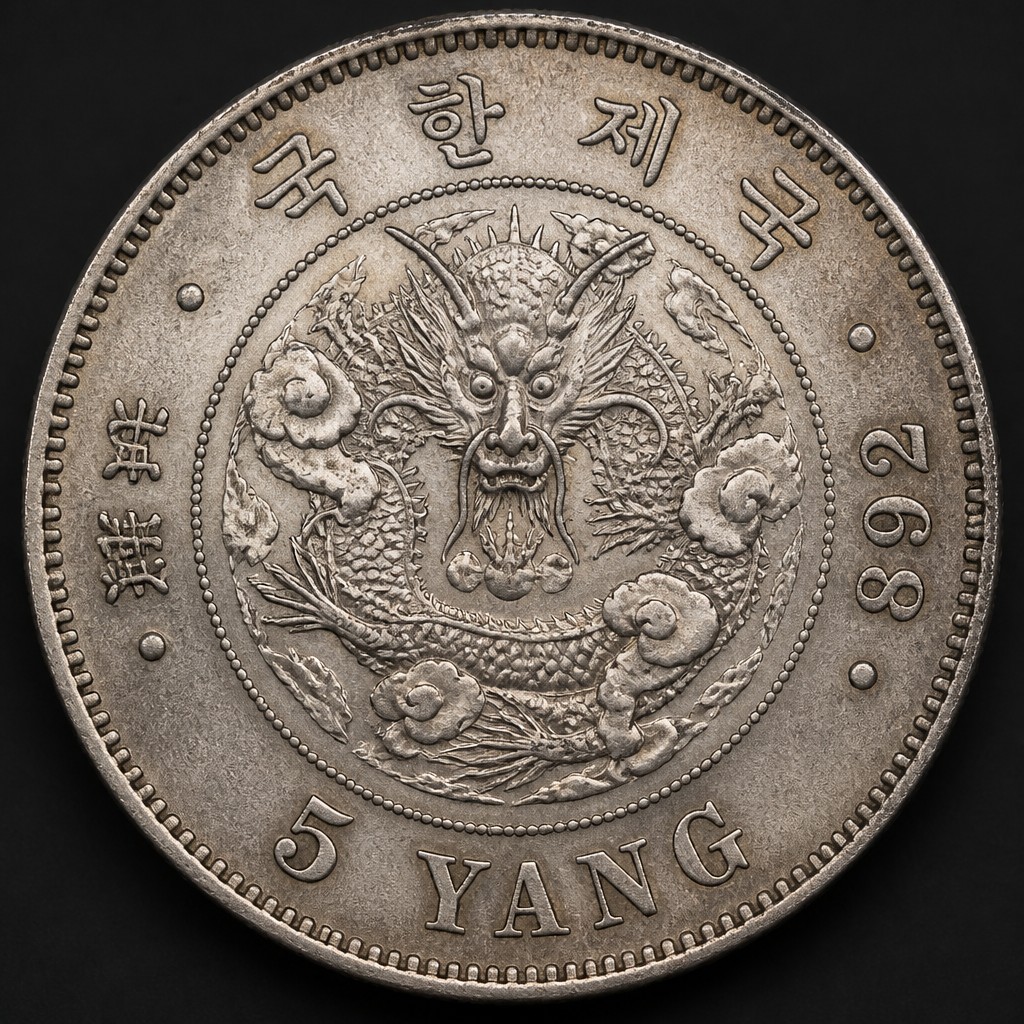
Korean 5 Yang Silver Dollar (1892)
1892
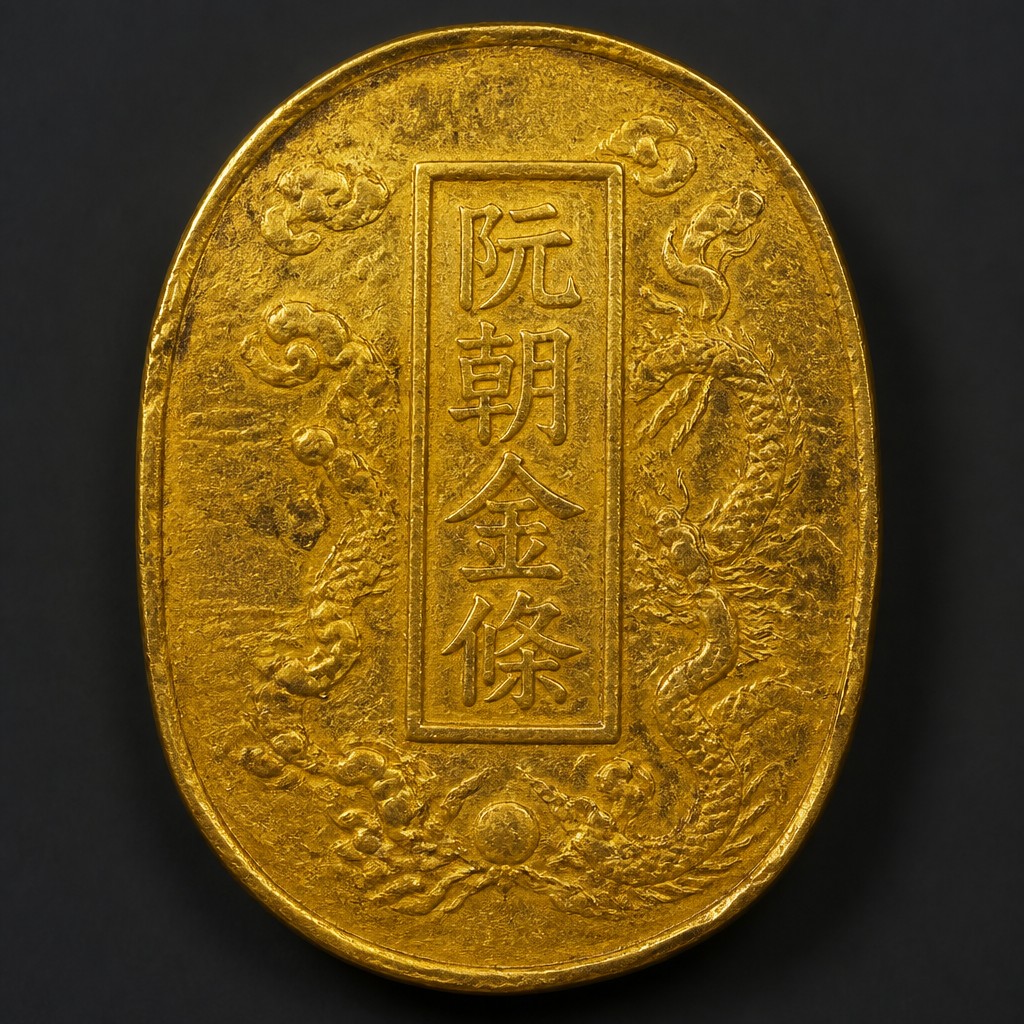
Nguyen Dynasty Gold Bar (Vietnam)
19th century
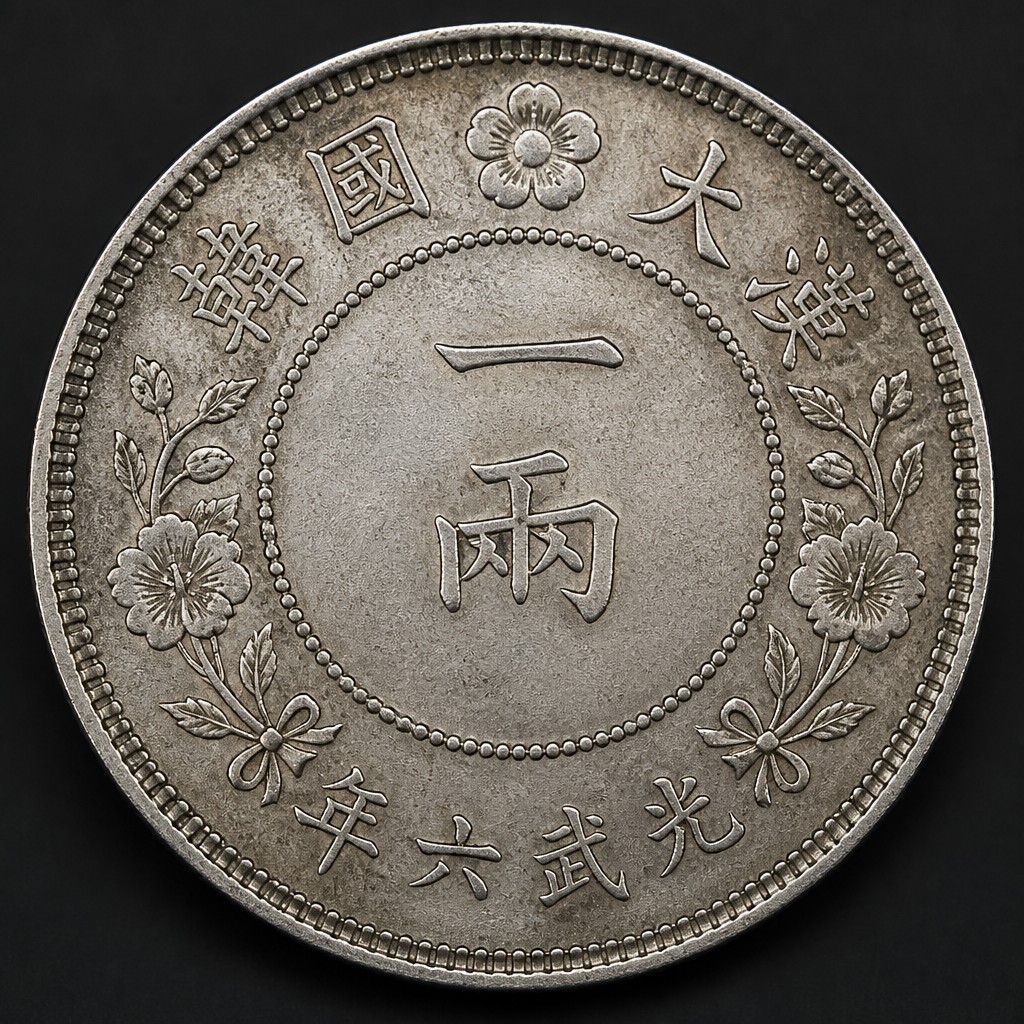
Korean 1 Yang Silver (Joseon/Great Han Empire)
1892–1902
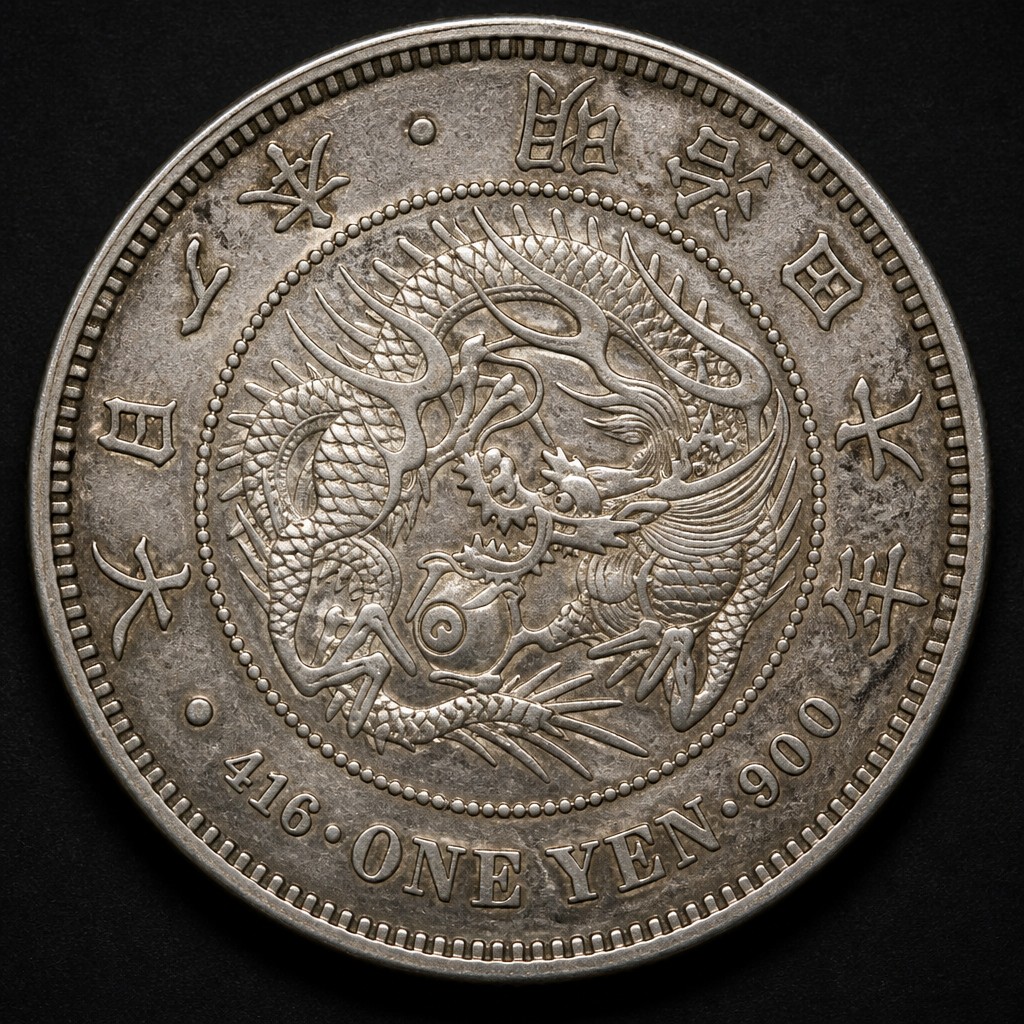
Japanese 1 Yen Silver 'Dragon' Trade Dollar
1870–1914 (trade dollar variant 1875–1877)
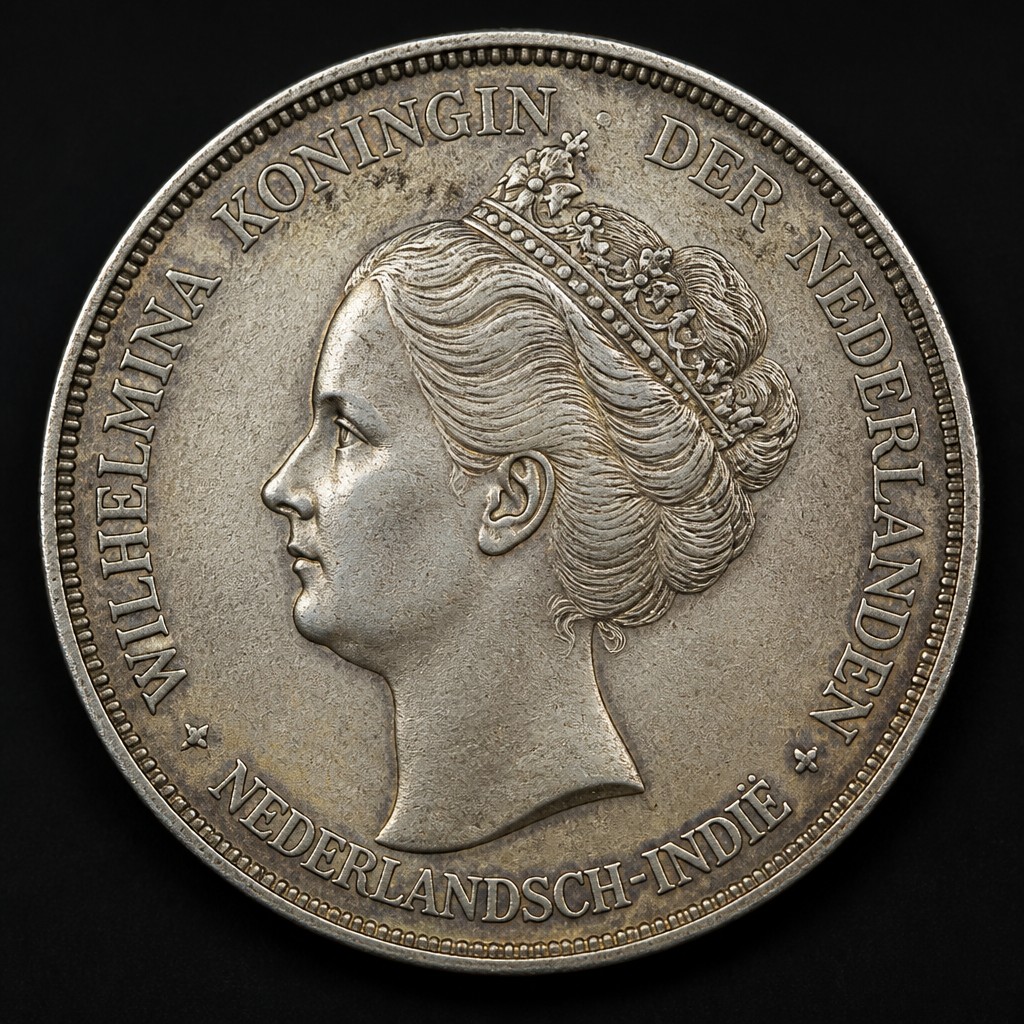
Netherlands East Indies Gulden (Wilhelmina)
1897–1945
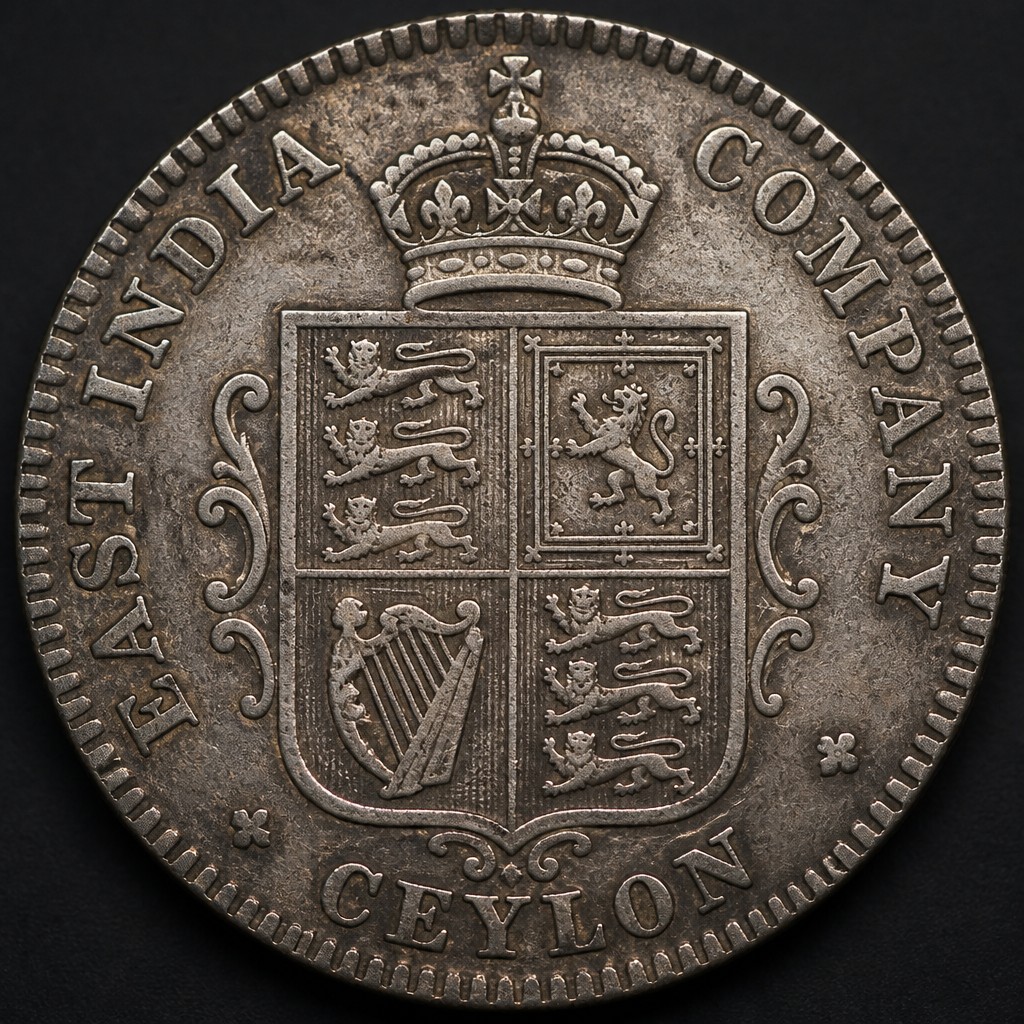
Ceylon (Sri Lanka) EIC Rixdollar
c. 1802–1821
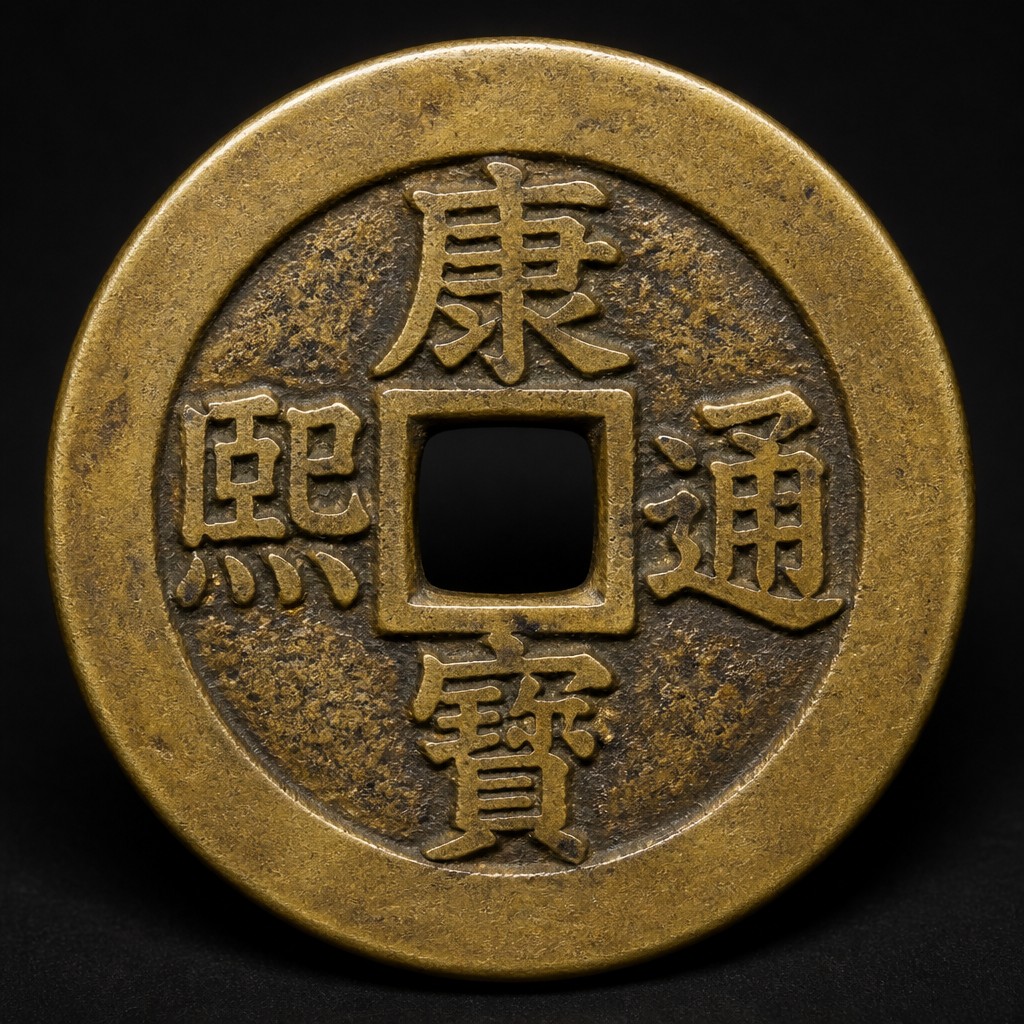
Chinese Cash Coin (Qing Dynasty 'Kangxi Tongbao')
1662–1722
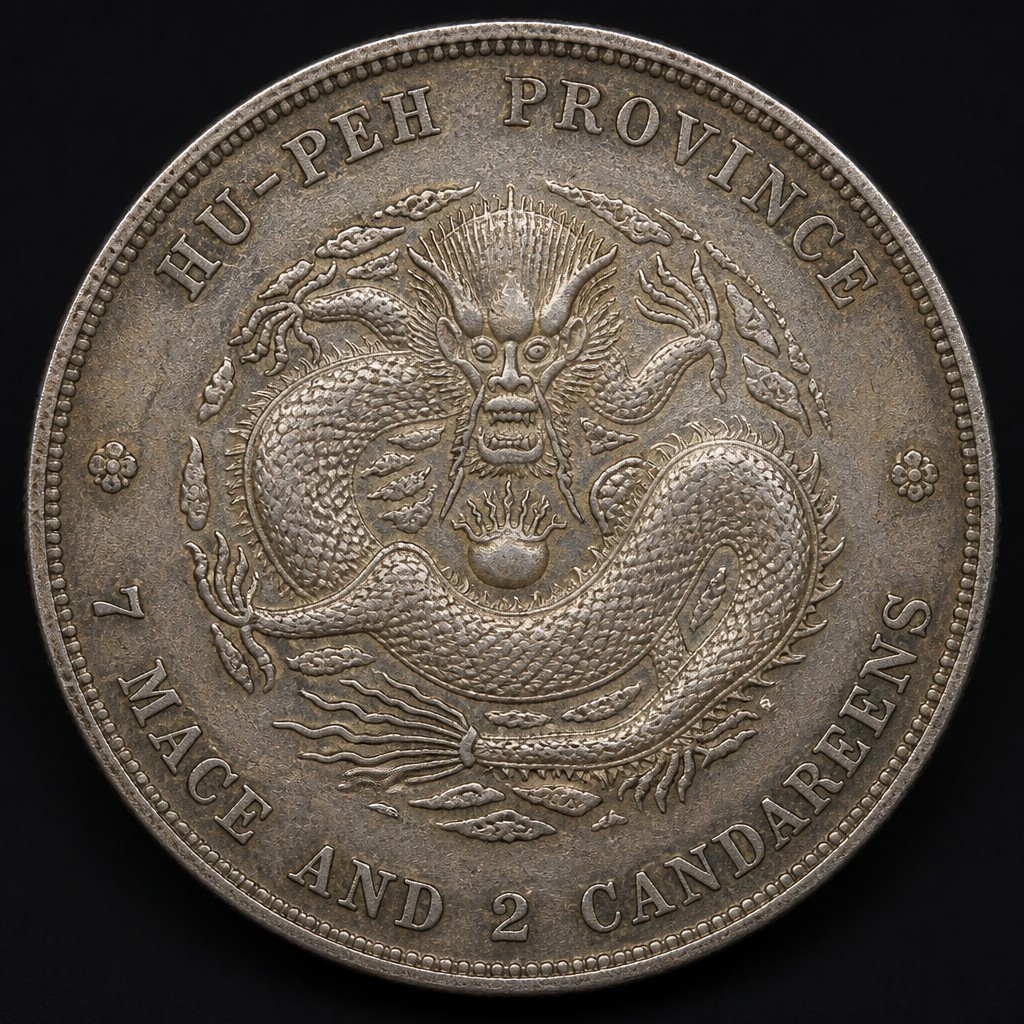
Chinese Hupeh Province Dragon Dollar
c. 1895–1909
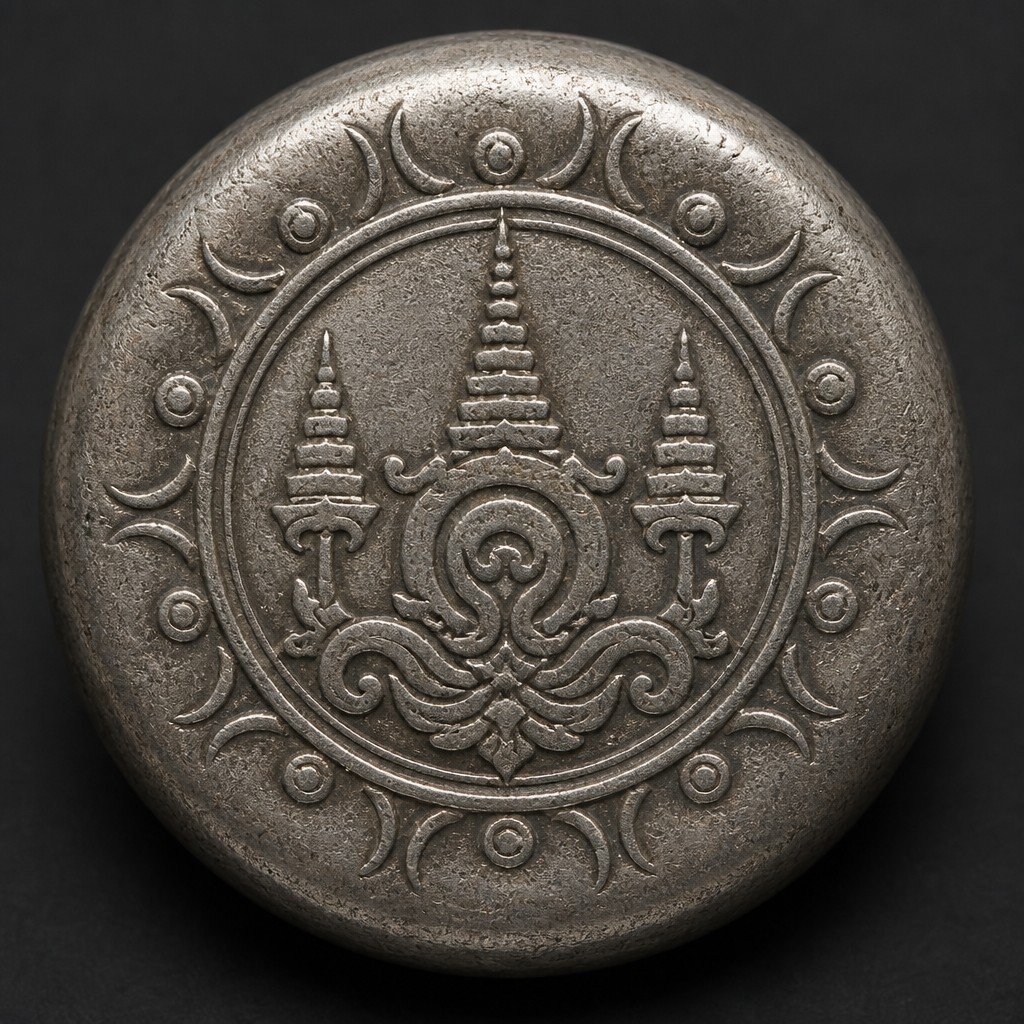
Thailand (Siam) Silver Baht 'Bullet Money' (Pod Duang)
c. 13th century – late 19th century
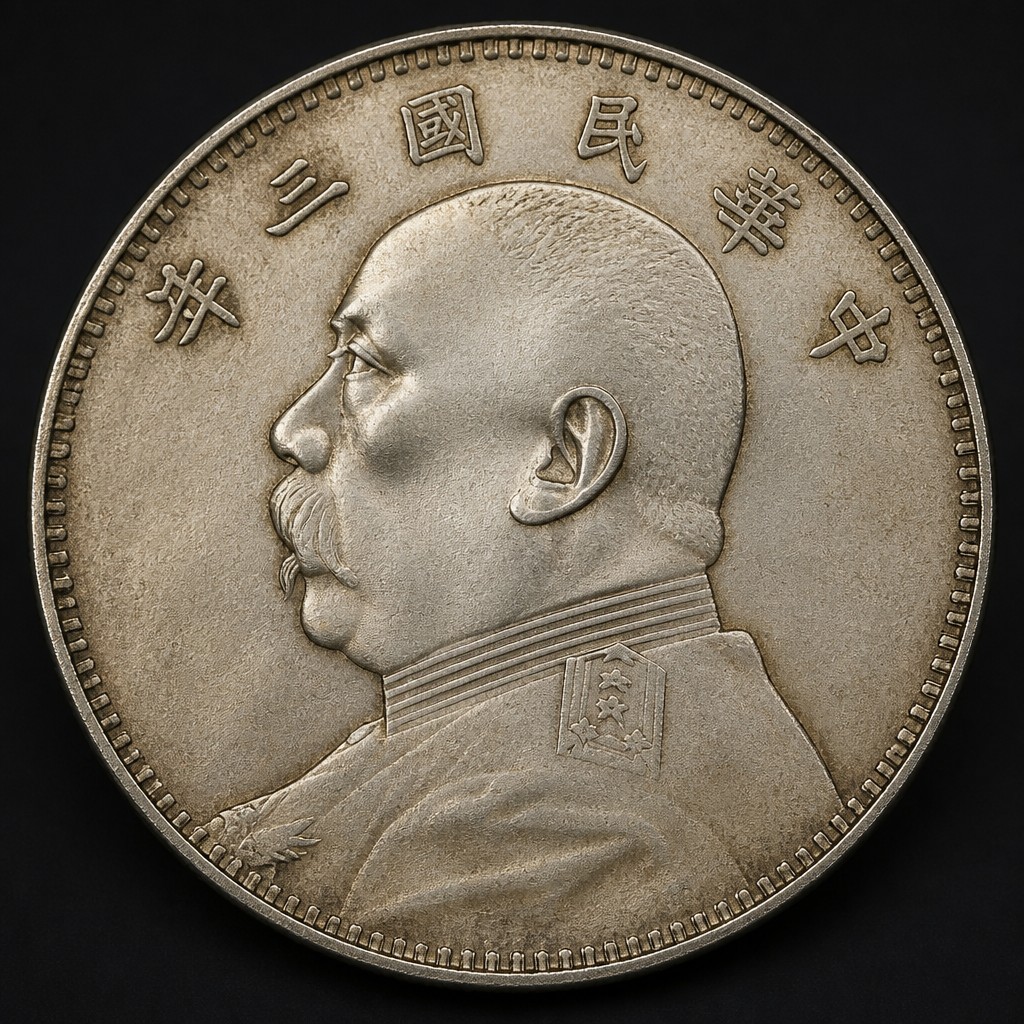
Yuan Shikai 'Fatman' Dollar (1914)
Dated 1914, struck into the early 1920s
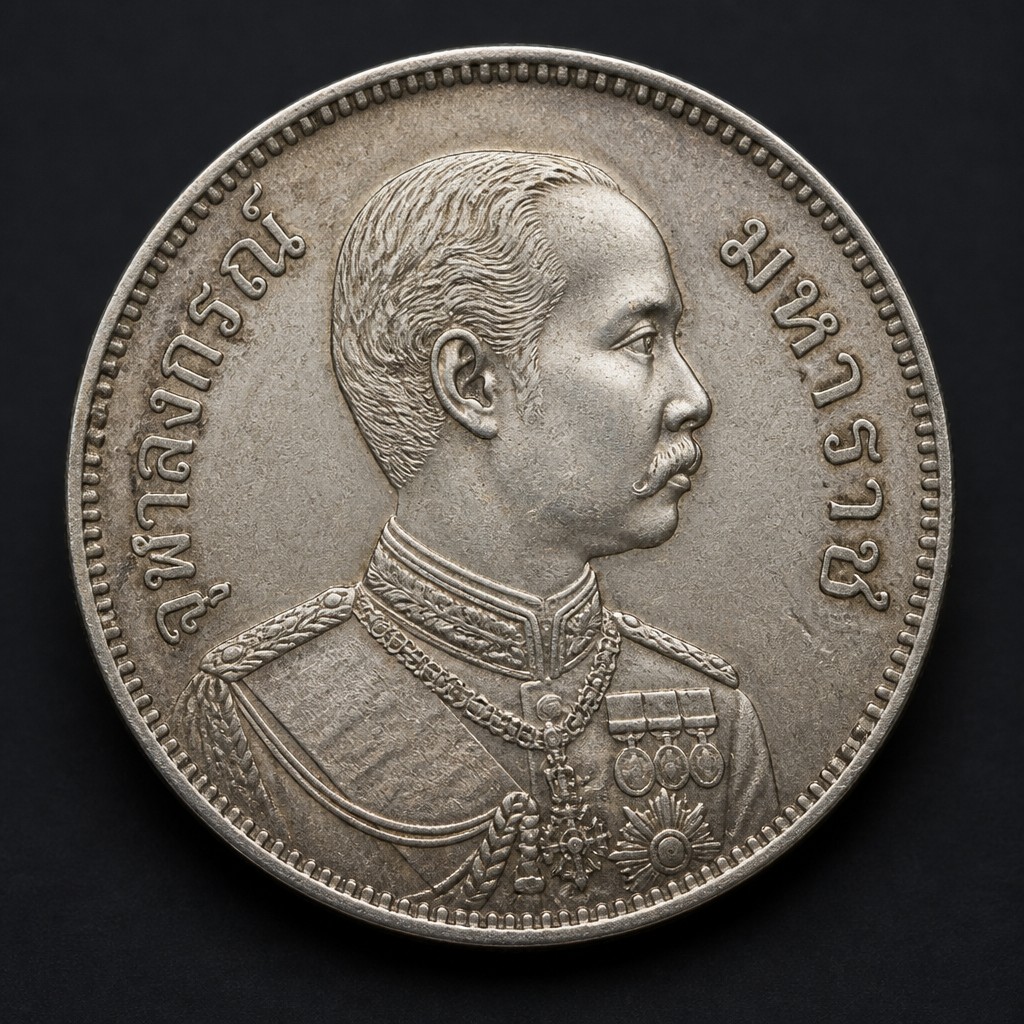
Siamese Rama V Silver Baht
c. 1876–1910