
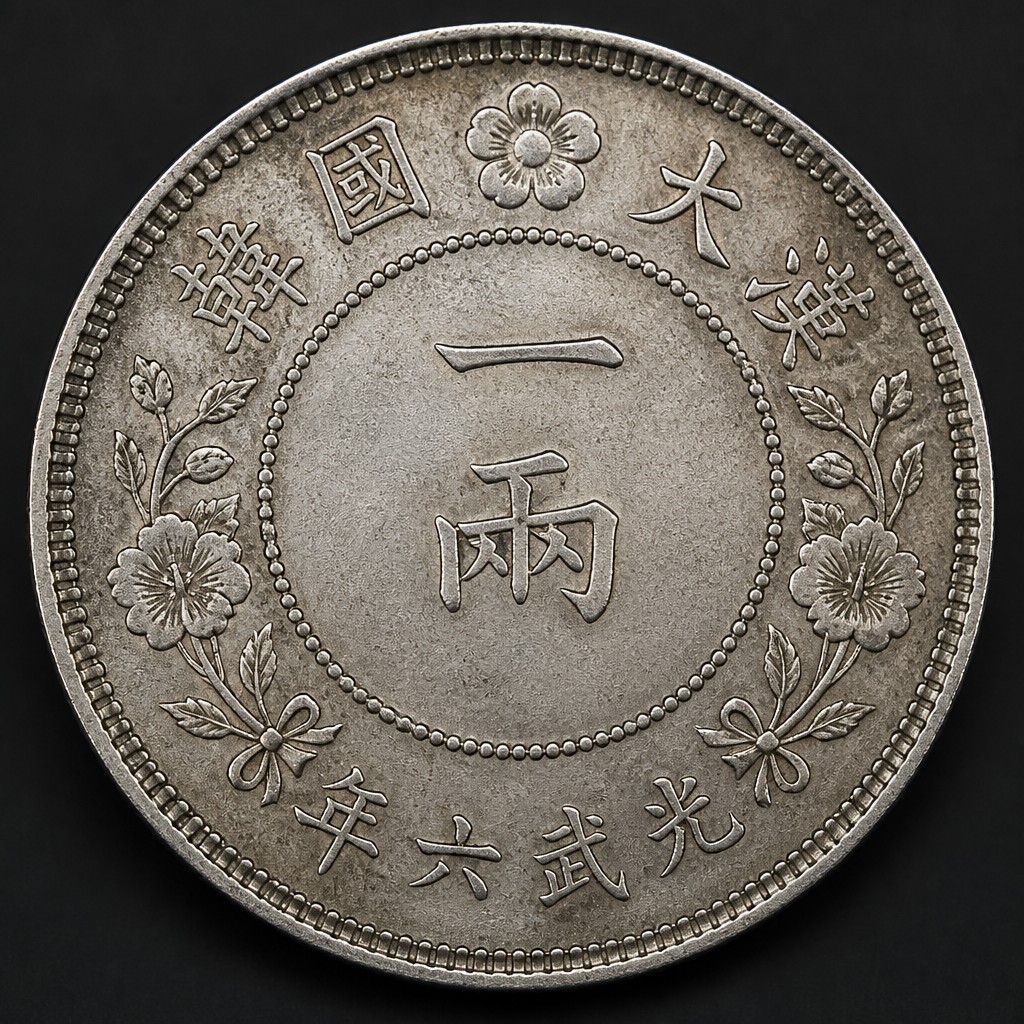
Korean 1 Yang Silver (Joseon/Great Han Empire)
Silver 1 Yang coin from Korea's late Joseon currency reform of the 1890s, part of the kingdom's first modern, machine-struck decimal coinage.
- Country
- Korea (Joseon Dynasty / Korean Empire)
- Denomination
- One Yang
- Metal
- Silver
Got a coin like this?
Identify any coin from a photo, free.
Overview
The 1 Yang silver coin was issued during Korea's push to modernize its currency in the final years of the Joseon Dynasty and into the short-lived Great Han (Daehan) Empire. It formed part of a new decimal system meant to replace older cast cash-coin currency and align Korea with international monetary practice.
For collectors, these coins mark a pivotal but brief chapter of Korean numismatics, bridging the traditional cash-coin economy and the coinage of the modern Korean state before Japanese-controlled currency reshaped the peninsula in the early 20th century.
History & Background
Facing pressure to modernize amid growing foreign influence, King Gojong's government established a new mint in the early 1890s to strike Western-style, machine-made coins using imported presses. The 1 Yang was one of several new denominations, alongside the 5 Yang and smaller fractional pieces, initially struck at Incheon and later at other facilities.
The reform coincided with a turbulent period -- the First Sino-Japanese War (1894-95), the Gabo Reforms, and the proclamation of the Korean Empire in 1897. The yang-based system was short-lived, replaced by a won-based decimal system in 1902.
How to Identify
Obverse: commonly shows the denomination rendered in Hanja (Chinese) characters within a plain or beaded border, often with floral or geometric motifs; dragon imagery is more typically reserved for the larger 5 Yang piece.
Reverse: legends identifying the issuing Korean authority, the value, and the date expressed using the traditional Korean reign-based calendar rather than the Western calendar.
The coin is struck in silver with a reeded edge typical of contemporary machine coinage, and is noticeably smaller and lighter than the 5 Yang. Because several similar small Korean denominations exist from this reform, comparing diameter, weight, and the specific Hanja value markings is essential for correct identification.
Value & Collectibility
Genuine Korean yang-period coins are scarce in the collector market and often command solid premiums over bullion value due to their short mintage window and historical significance. Condition, strike quality, and confirmed authenticity are major value factors, since this series has attracted reproductions over the years.
Because original mintages were comparatively limited, well-preserved and clearly authentic examples can range from moderate to quite high figures depending on exact denomination and date; buyers should be attentive to known copies circulating for this series.
Frequently asked questions
What does "yang" mean?
Yang was the main monetary unit in Korea's short-lived 1890s decimal coinage system, used before the won replaced it in 1902.
Is this the same as the 5 Yang dragon coin?
No, it is a smaller, lower denomination from the same reform-era series.
What dynasty issued it?
It was issued in the final years of the Joseon Dynasty, overlapping with the 1897 proclamation of the Korean Empire.
Why are these coins hard to find?
The yang system was short-lived, production was limited, and many coins were later melted or withdrawn.
Should I worry about fakes?
Yes, this series has known reproductions, so authentication is worthwhile before assuming high value.
Other coins you may enjoy
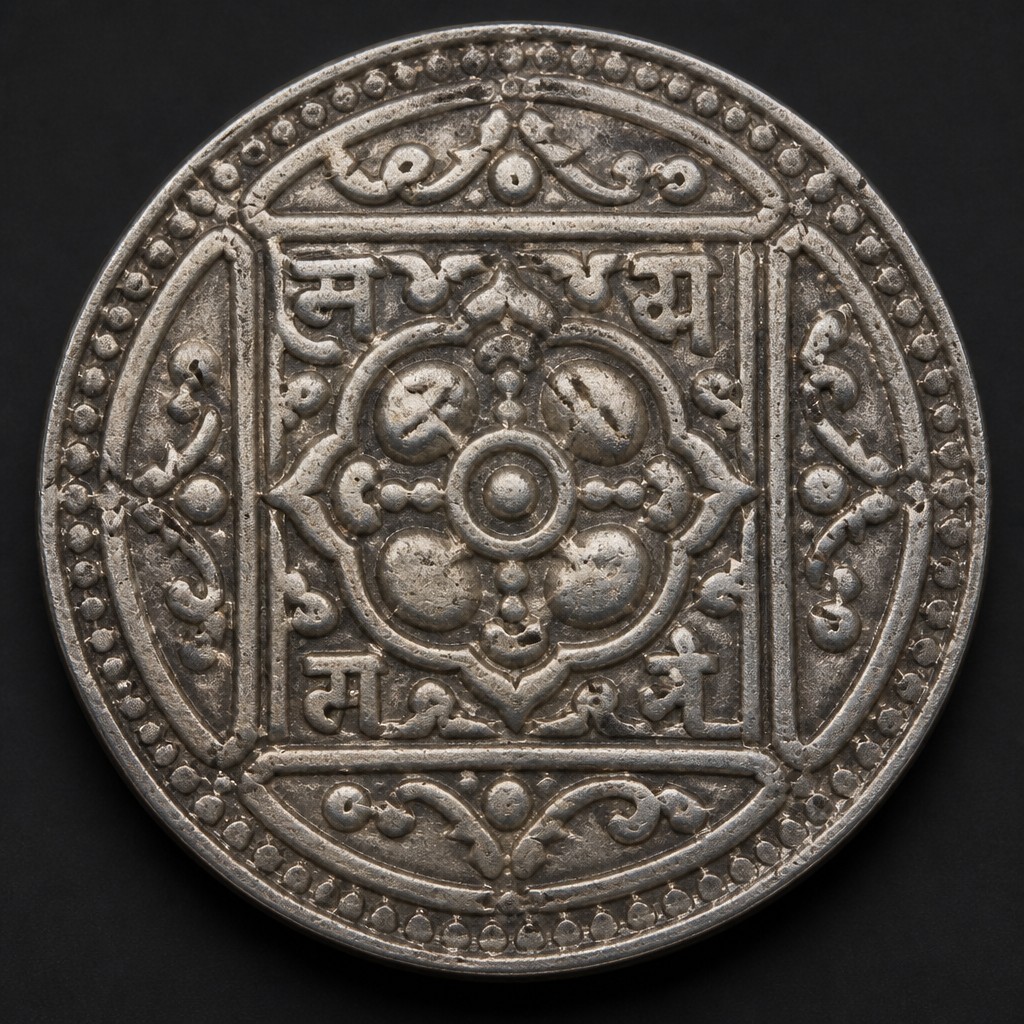
Nepal Silver Mohar
c. 16th–19th century
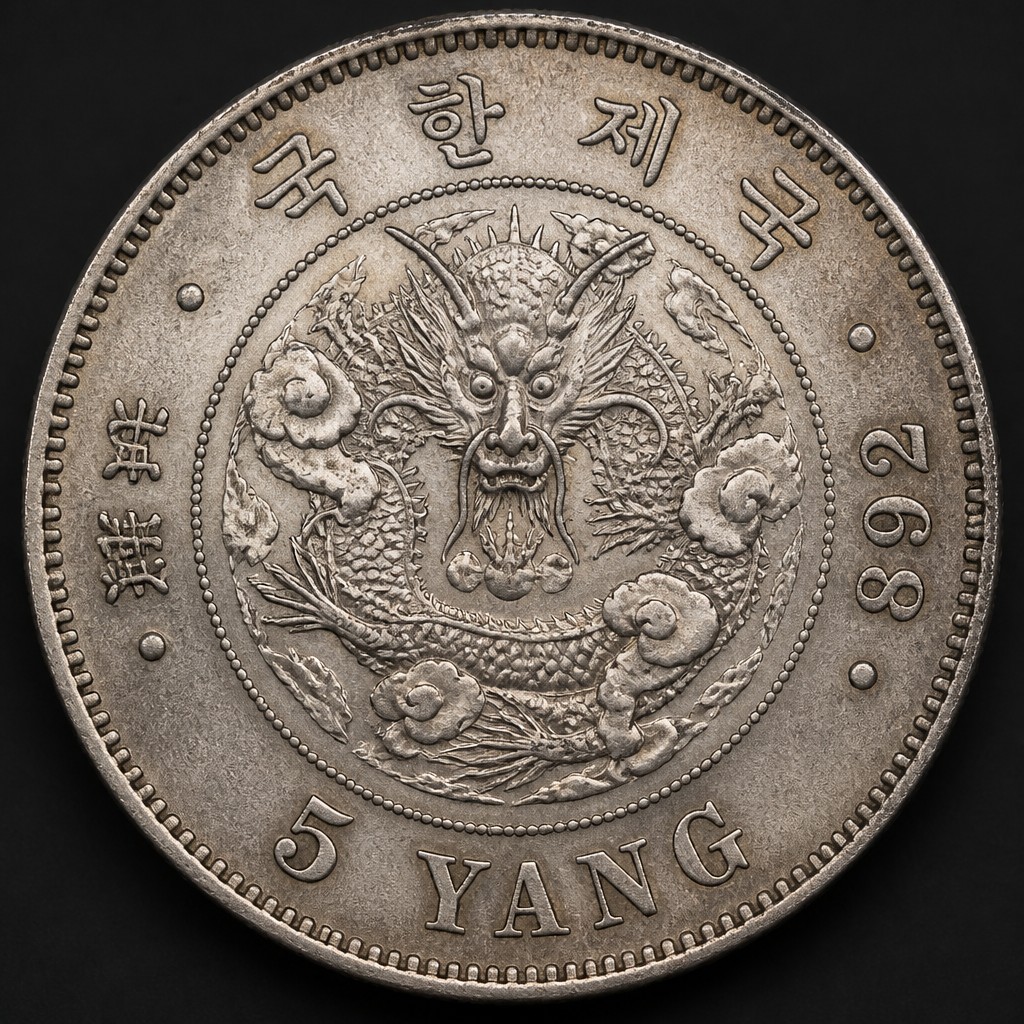
Korean 5 Yang Silver Dollar (1892)
1892
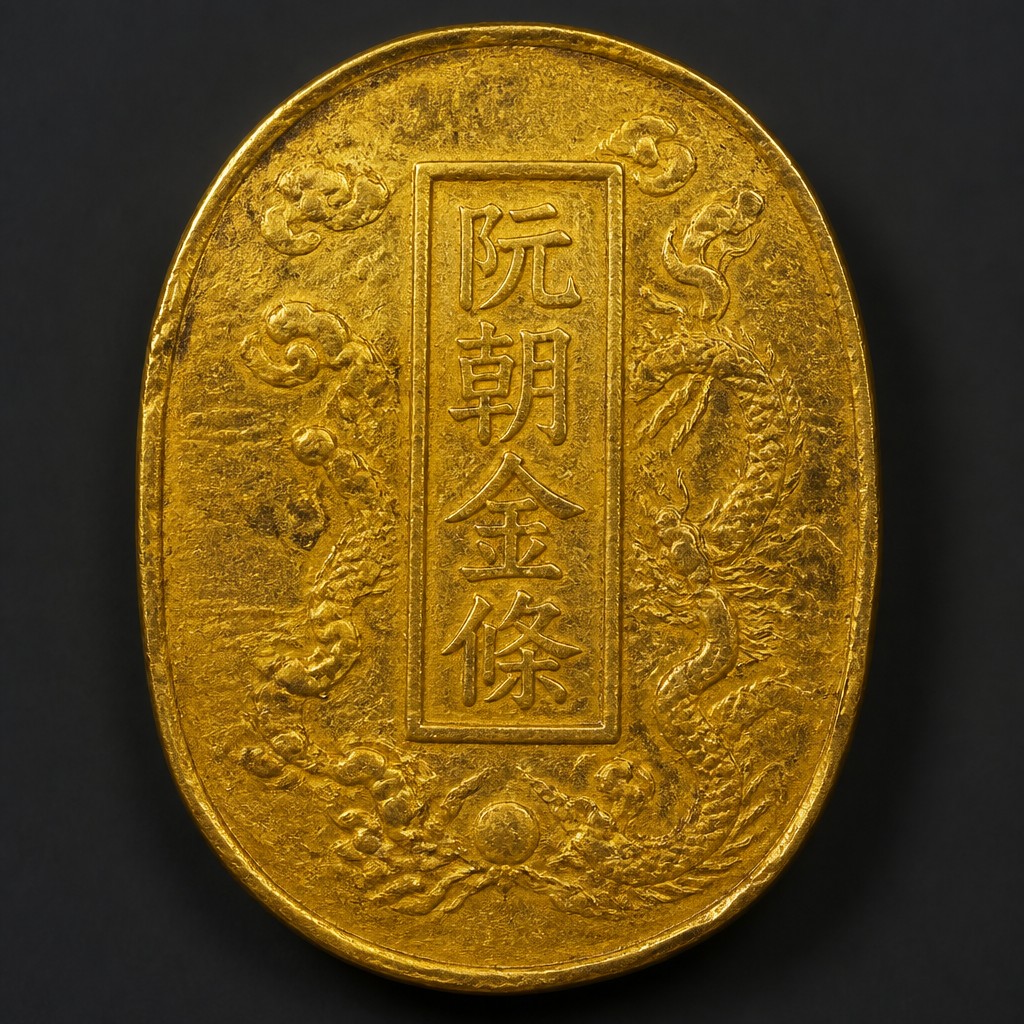
Nguyen Dynasty Gold Bar (Vietnam)
19th century
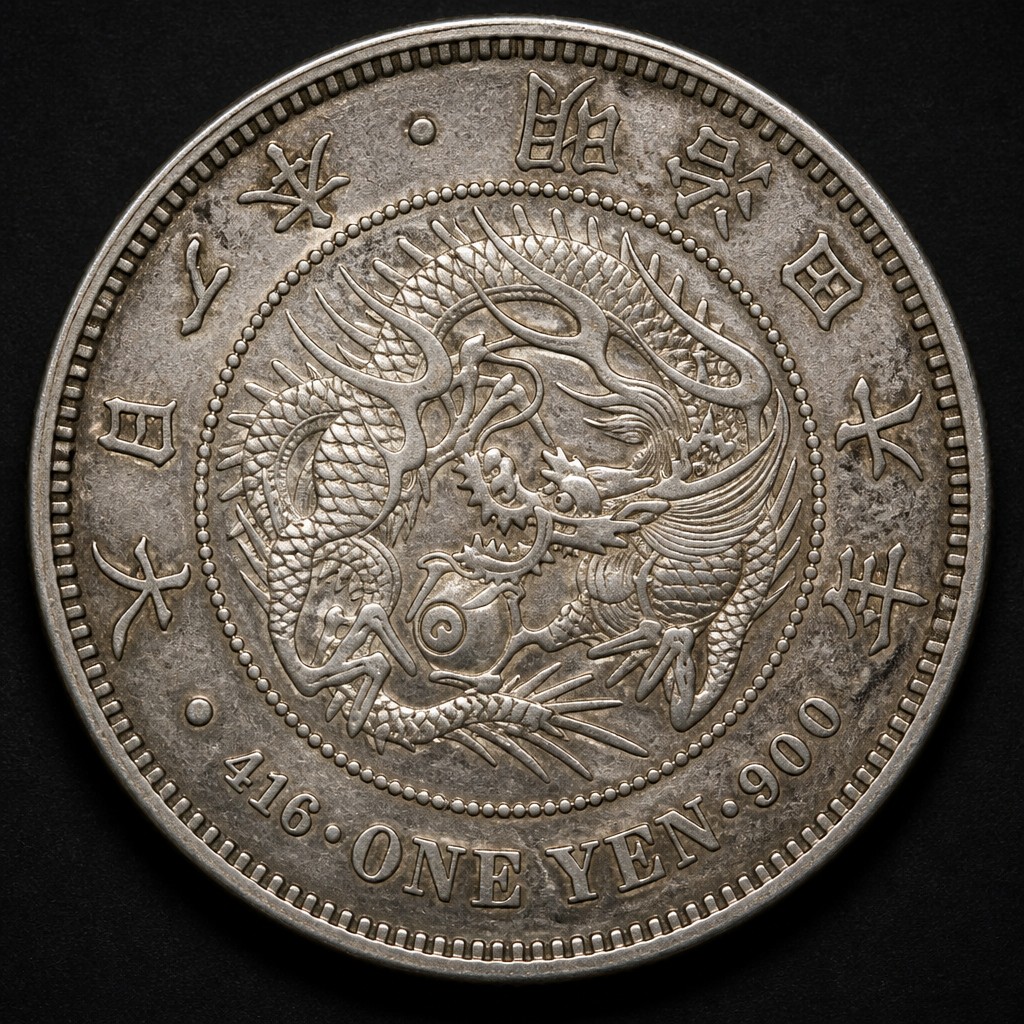
Japanese 1 Yen Silver 'Dragon' Trade Dollar
1870–1914 (trade dollar variant 1875–1877)
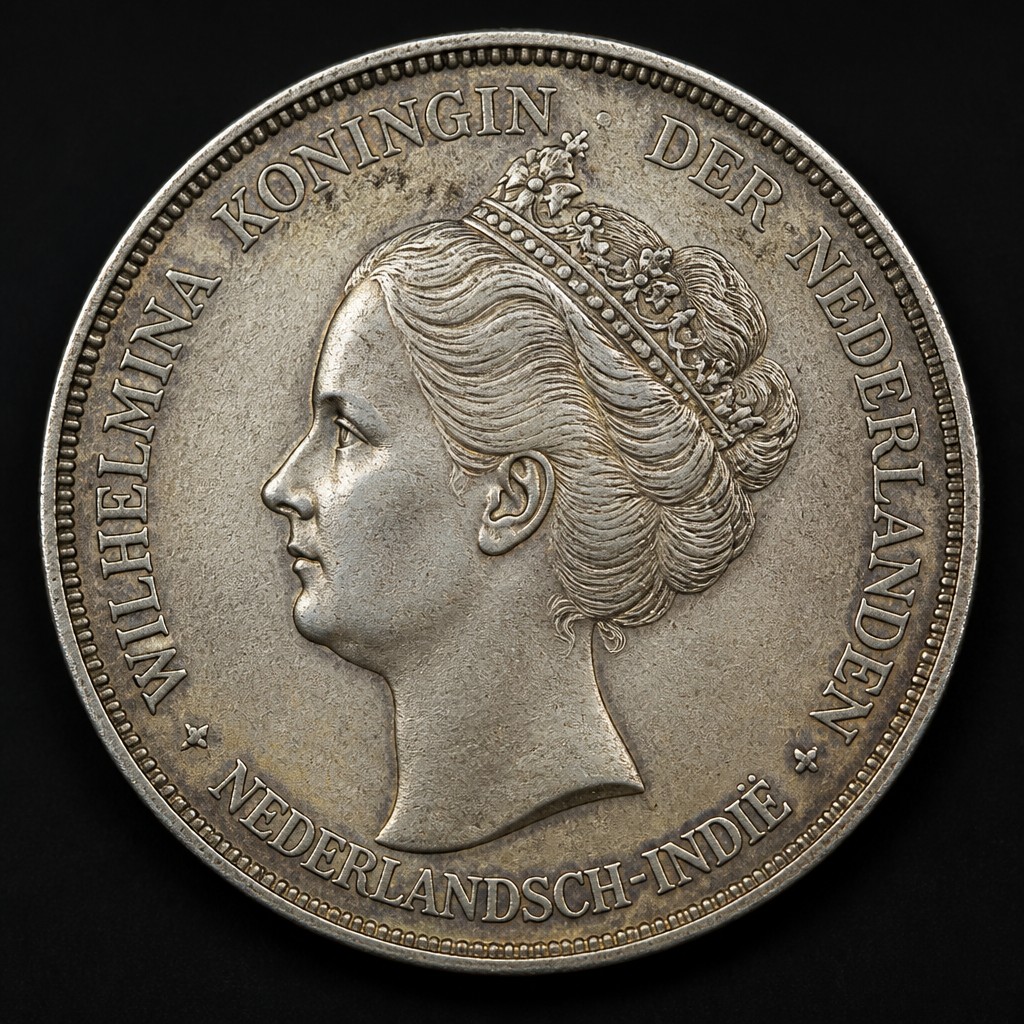
Netherlands East Indies Gulden (Wilhelmina)
1897–1945
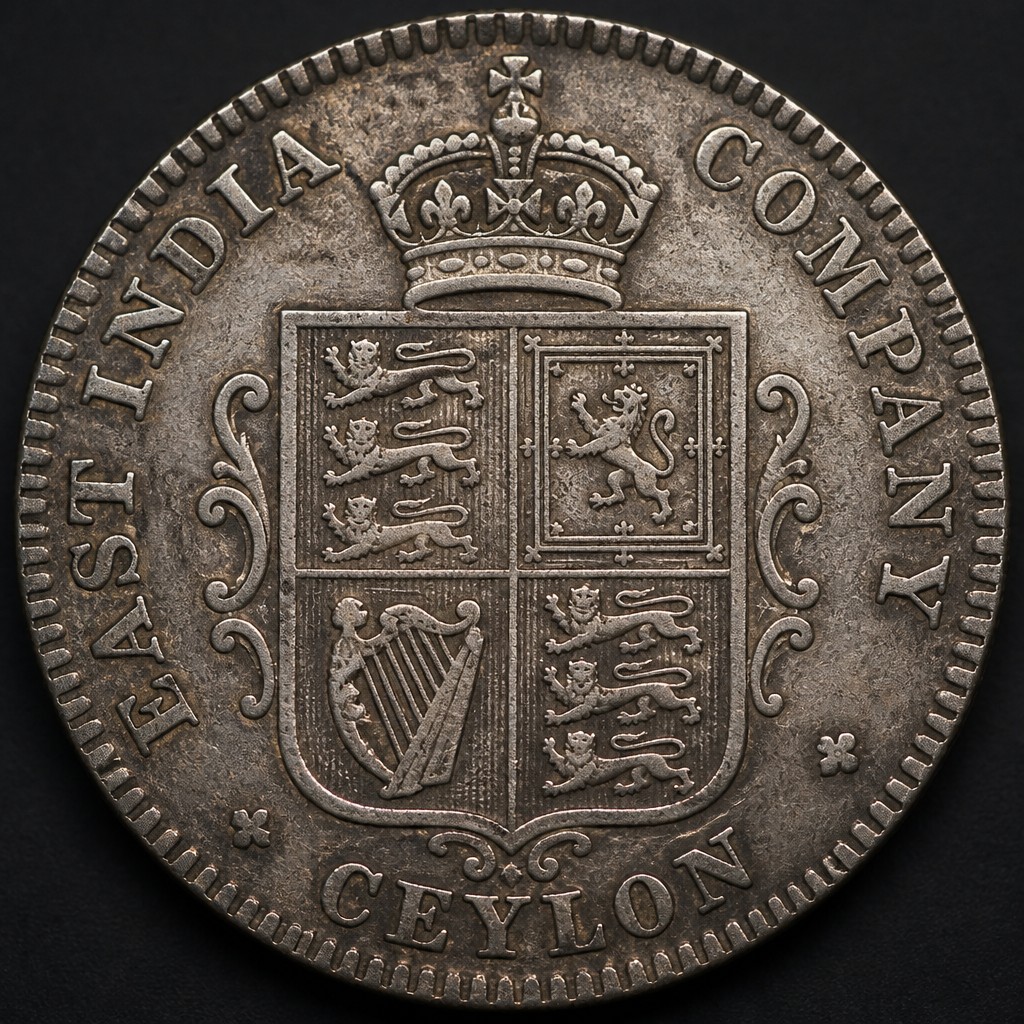
Ceylon (Sri Lanka) EIC Rixdollar
c. 1802–1821
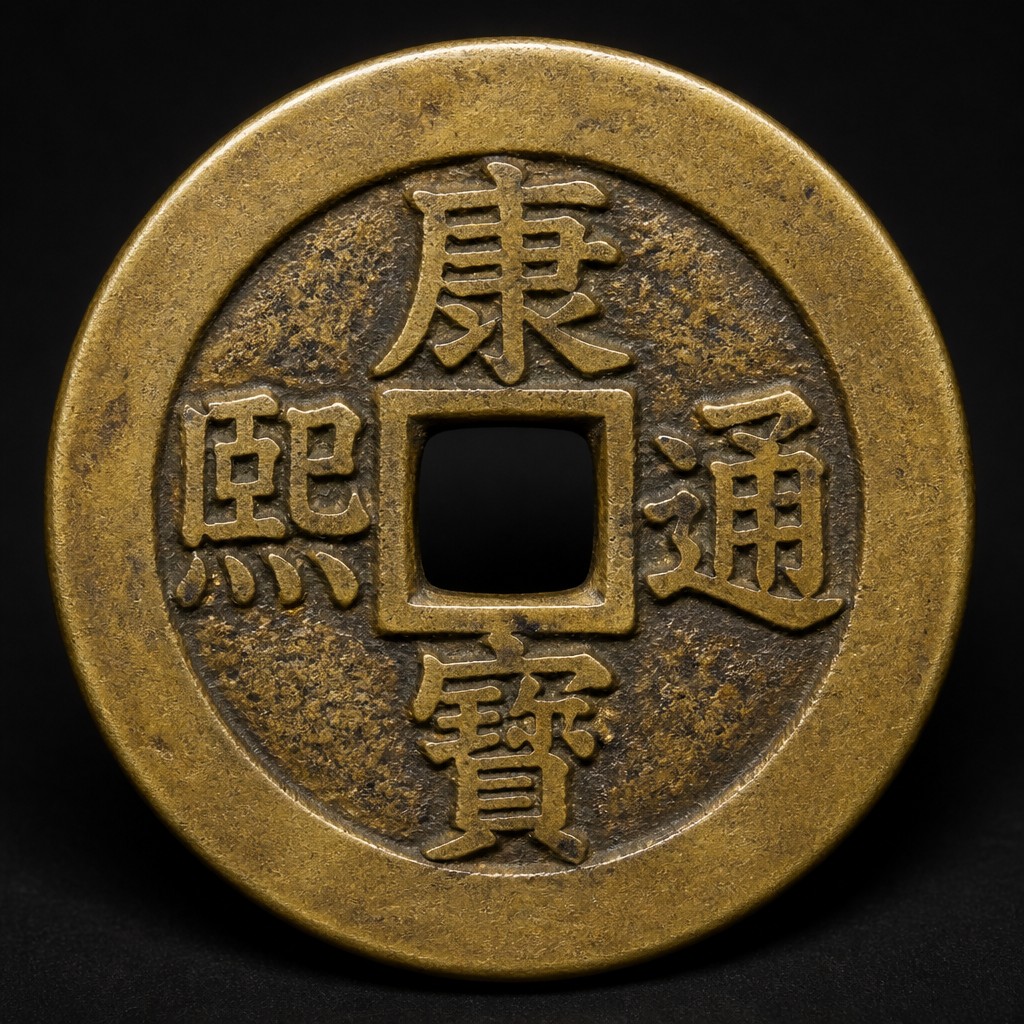
Chinese Cash Coin (Qing Dynasty 'Kangxi Tongbao')
1662–1722
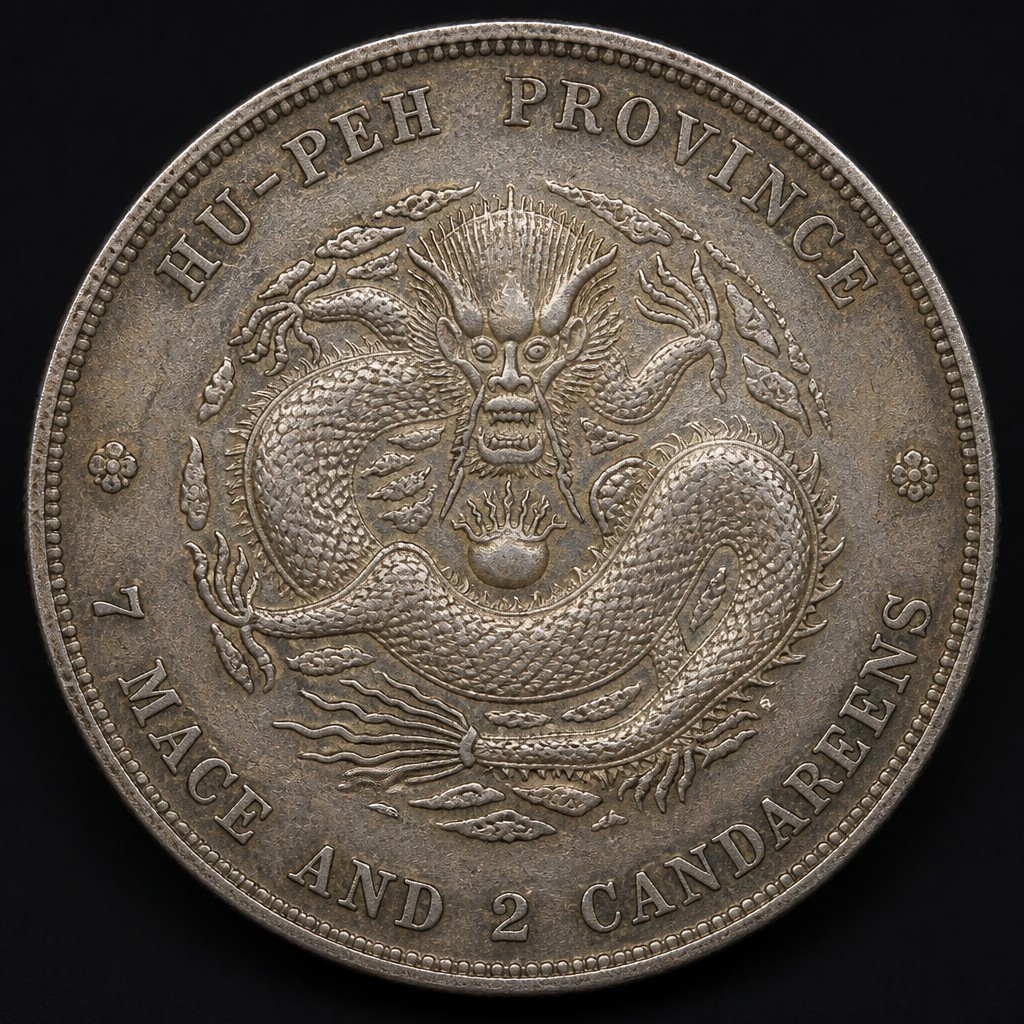
Chinese Hupeh Province Dragon Dollar
c. 1895–1909
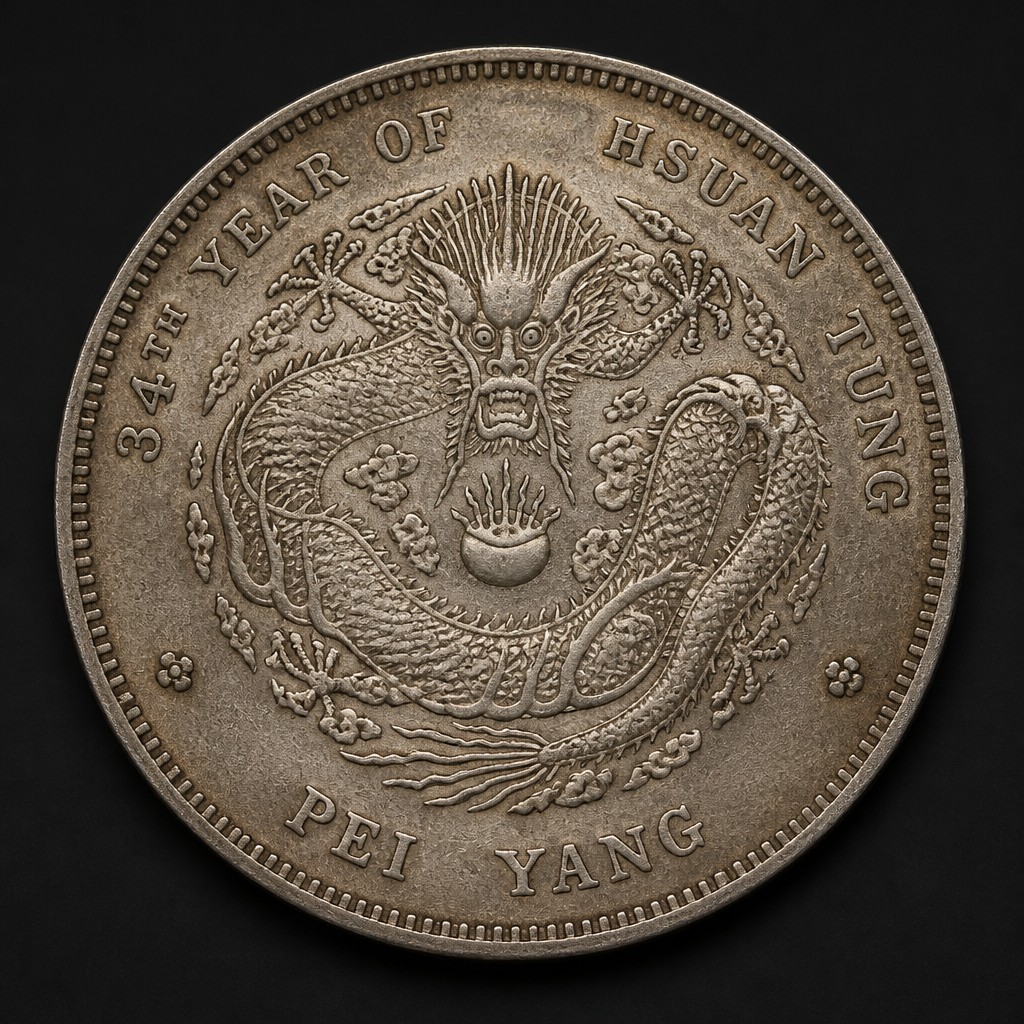
Chinese Empire Silver Dollar (Hsuan Tung Dragon)
1909–1911
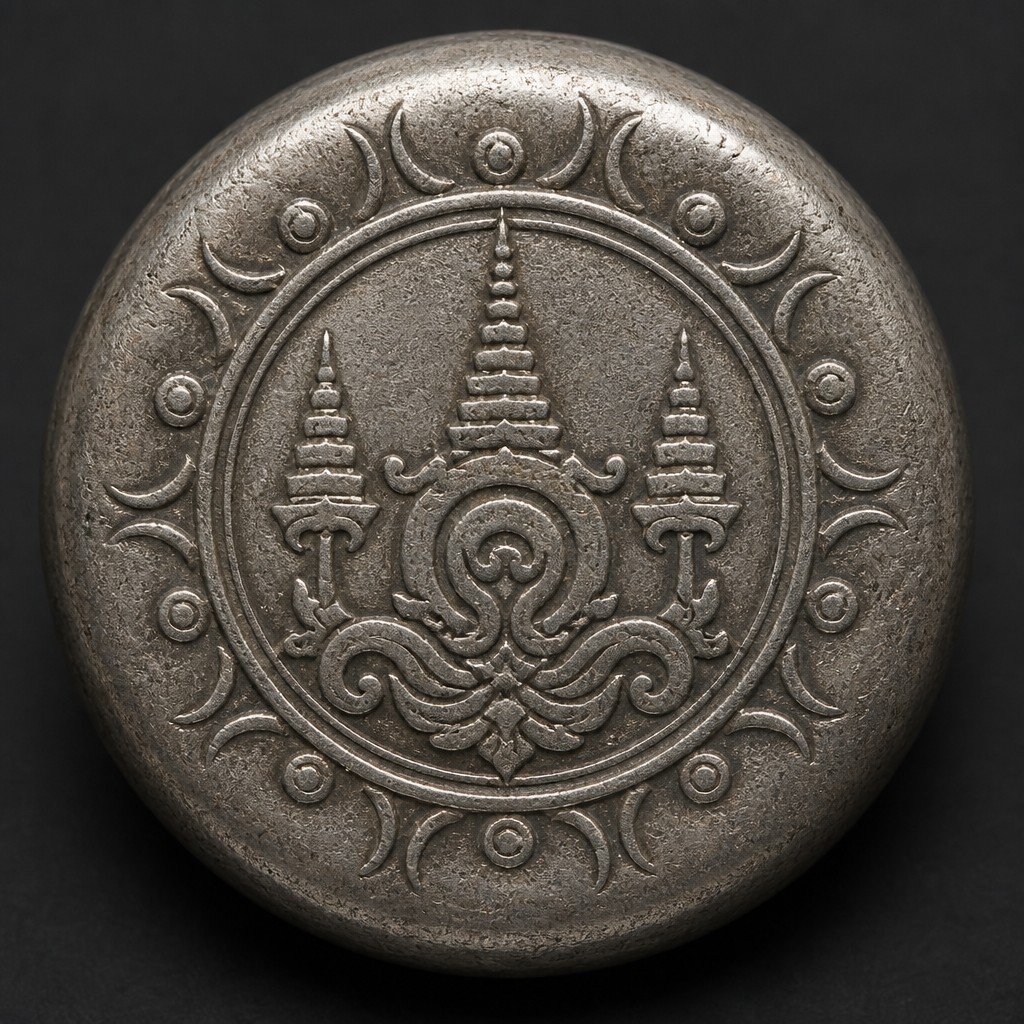
Thailand (Siam) Silver Baht 'Bullet Money' (Pod Duang)
c. 13th century – late 19th century
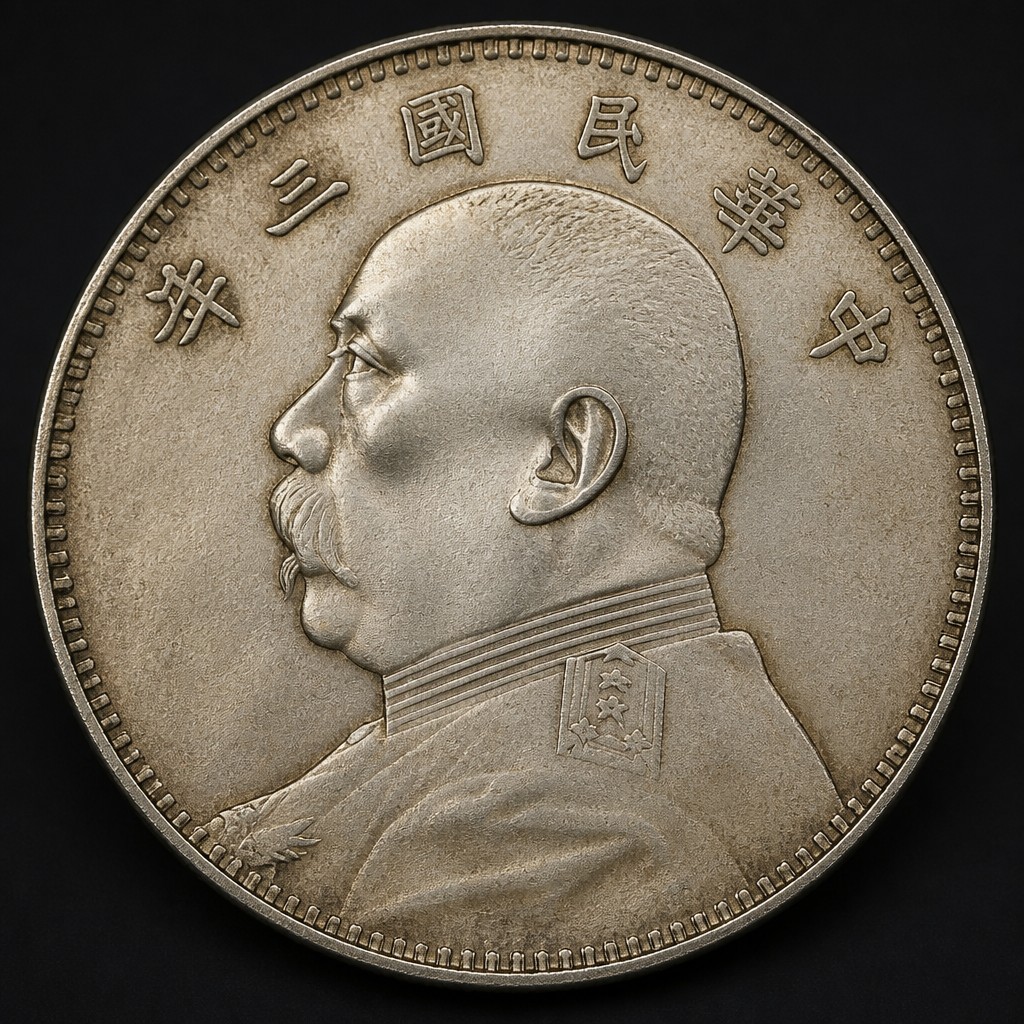
Yuan Shikai 'Fatman' Dollar (1914)
Dated 1914, struck into the early 1920s
Siamese Rama V Silver Baht
c. 1876–1910