
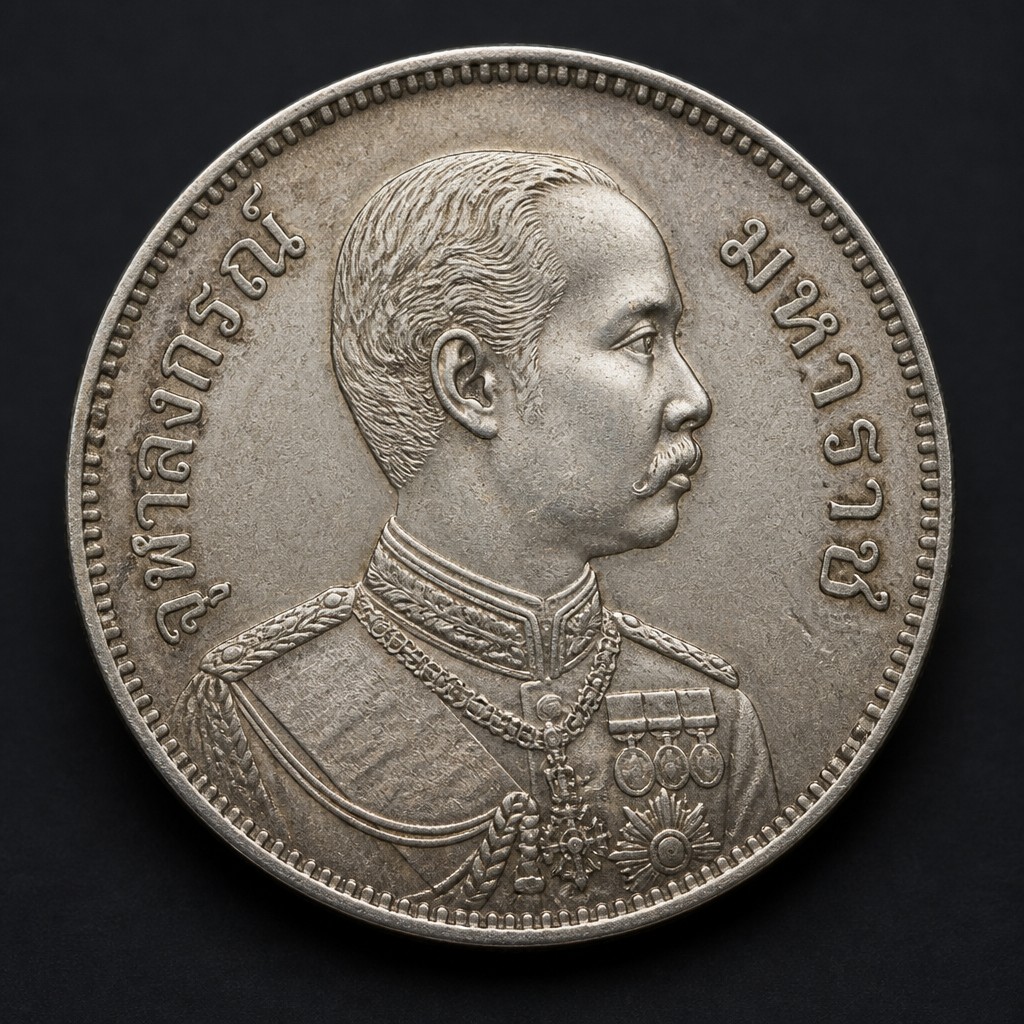
Siamese Rama V Silver Baht
Western-style silver baht introduced under King Chulalongkorn (Rama V) of Siam, replacing centuries-old bullet money with modern flat coinage.
- Country
- Siam (Thailand)
- Denomination
- One Baht
- Metal
- Silver (approx. .900 fine)
Got a coin like this?
Identify any coin from a photo, free.
Overview
The Rama V silver baht represents Siam's decisive move from traditional bullet money to modern, machine-struck flat coinage, part of King Chulalongkorn's broader modernization program. It became the standard coin of everyday commerce in Siam through the late 19th and early 20th centuries.
Collectors of Southeast Asian coinage value these baht pieces both for their historical role in Siam's modernization and for the royal portrait and elephant imagery associated with the reign of one of Thailand's most celebrated monarchs.
History & Background
King Chulalongkorn, who reigned from 1868 to 1910, undertook sweeping reforms to modernize Siam, including its currency. Beginning in the 1860s-1870s, Siam adopted Western coining machinery, gradually phasing out bullet money in favor of flat, round silver coins denominated in baht that aligned Siamese currency more closely with regional trade dollars.
Several types were issued across his long reign as designs and denominational systems evolved, including transitional tical-based issues before full decimalization. These reforms helped integrate Siam into global trade networks while preserving the kingdom's independence during an era when many neighboring territories fell under colonial control.
How to Identify
Obverse: typically bears the crowned profile portrait of King Chulalongkorn (Rama V) with Thai-script legends identifying the king and denomination.
Reverse: commonly features the royal Siamese elephant, often beneath a crown or within a decorative frame, a national emblem strongly associated with Siam at the time, along with the value and date rendered in the Thai era calendar.
The coin is struck in silver at roughly .900 fine with a milled edge, distinct from the earlier bullet money it replaced. Several types were issued across the reign, differing in portrait style, denomination markings, and reverse design, so comparing legends and imagery carefully helps identify the specific type and date.
Value & Collectibility
Common dates and denominations from Rama V's later, larger-mintage issues are generally affordable and accessible to new collectors of Southeast Asian coinage. Earlier types, higher denominations, and coins in higher states of preservation command meaningfully higher premiums.
As with most 19th-century world silver coinage, overall condition, luster, and freedom from cleaning or damage are the primary drivers of value beyond basic scarcity, and certain rare date/type combinations are considered key pieces for specialists.
Frequently asked questions
Who was Rama V?
King Chulalongkorn, Siam's monarch from 1868 to 1910, known for extensive modernization reforms, including currency.
What replaced bullet money?
Western-style flat, machine-struck silver baht coins introduced during his reign.
What symbol appears on the reverse?
The royal Siamese elephant is a common reverse motif on Rama V-era coinage.
What metal is it?
Silver, generally close to .900 fine, in various baht and fractional denominations.
Are all Rama V baht coins rare?
No, many later, larger-mintage issues are common and affordable; only certain types and dates are scarce.
Other coins you may enjoy
Nepal Silver Mohar
c. 16th–19th century
Korean 5 Yang Silver Dollar (1892)
1892
Nguyen Dynasty Gold Bar (Vietnam)
19th century
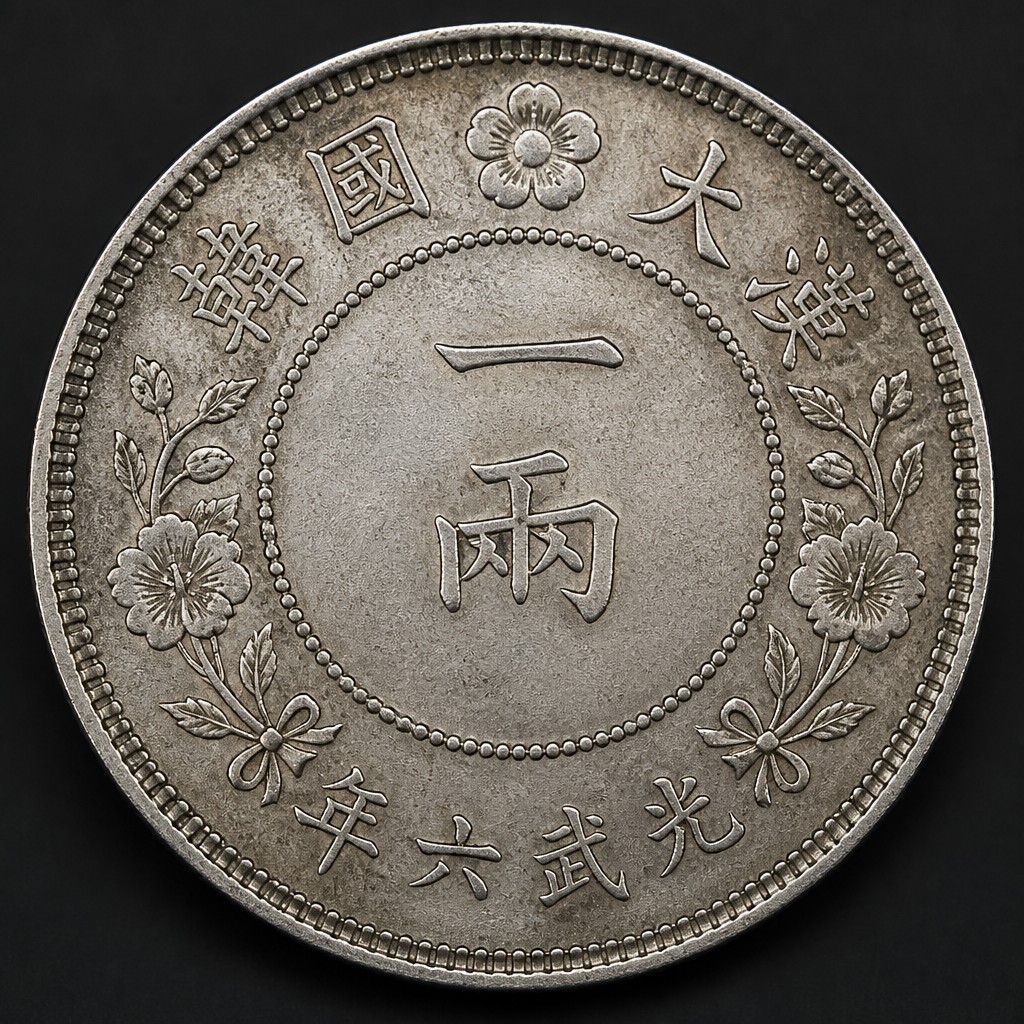
Korean 1 Yang Silver (Joseon/Great Han Empire)
1892–1902
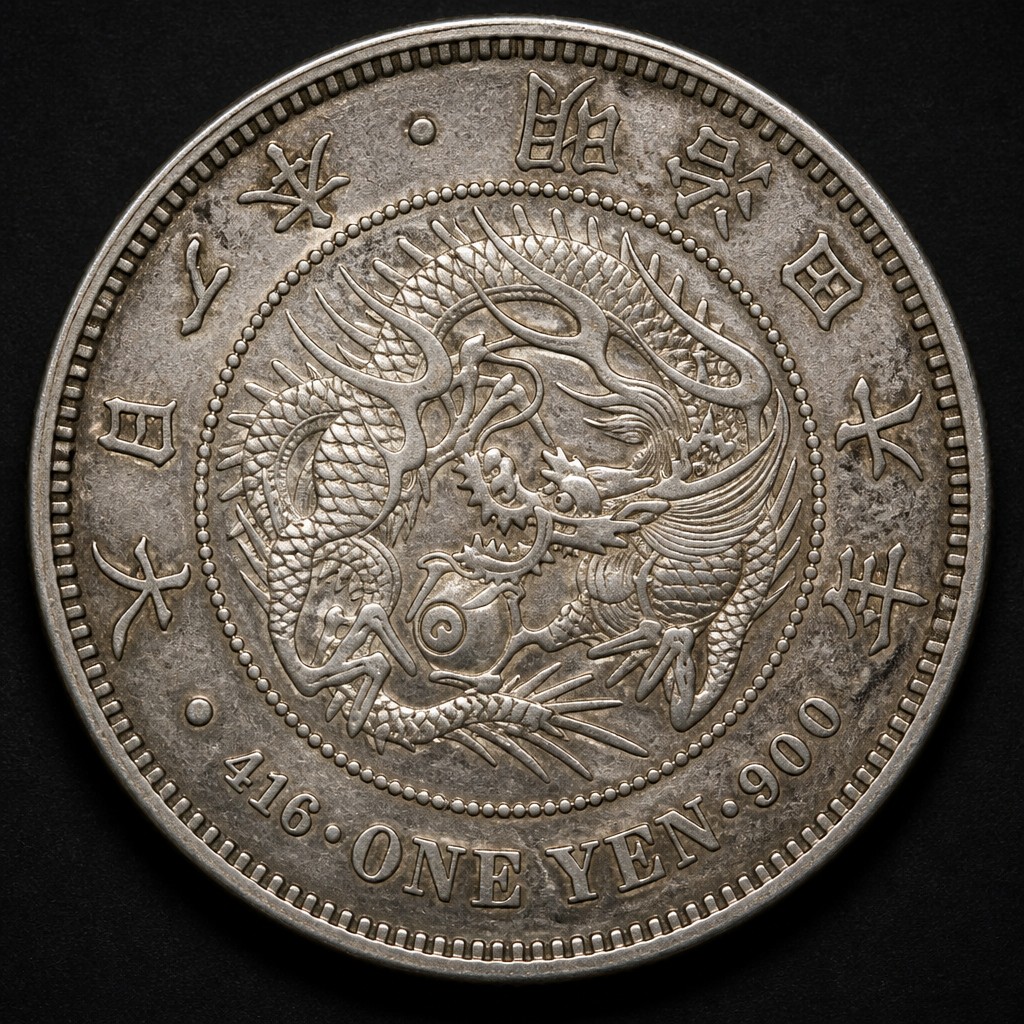
Japanese 1 Yen Silver 'Dragon' Trade Dollar
1870–1914 (trade dollar variant 1875–1877)
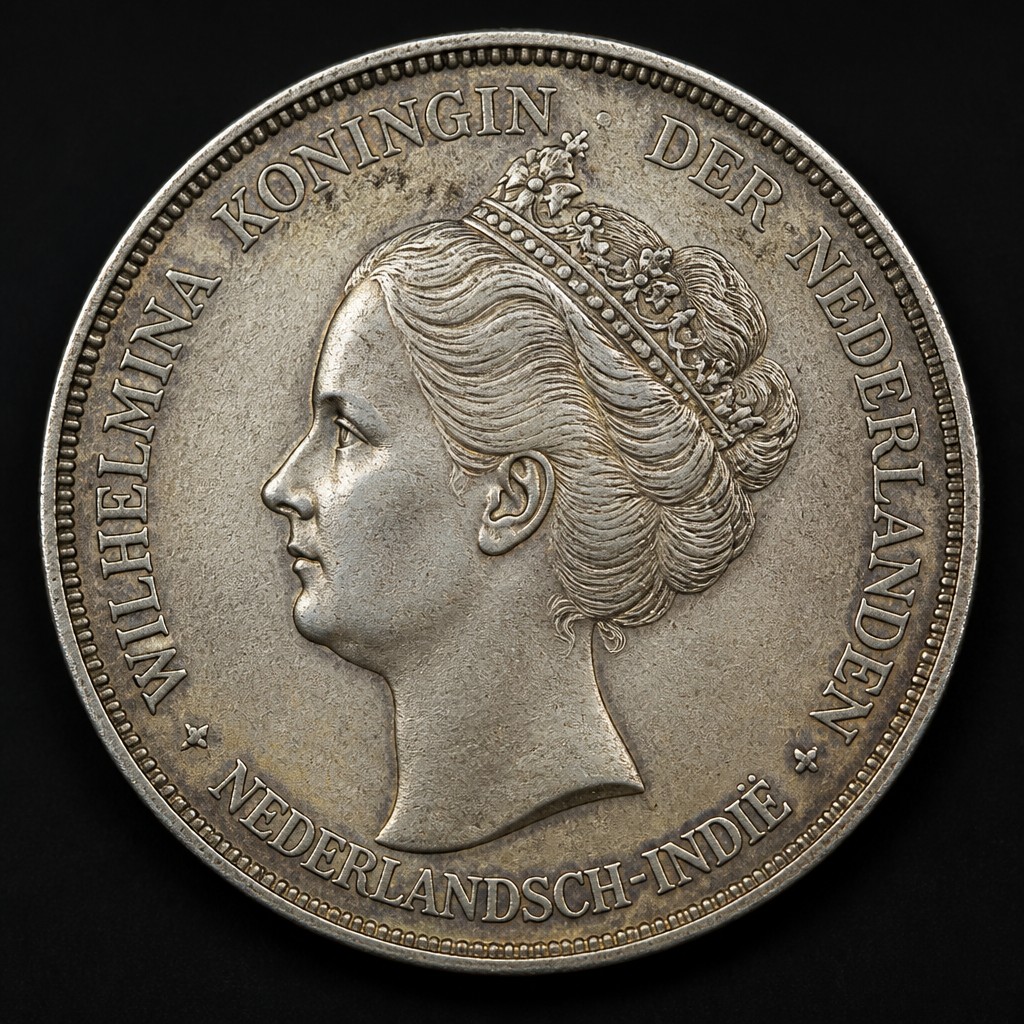
Netherlands East Indies Gulden (Wilhelmina)
1897–1945
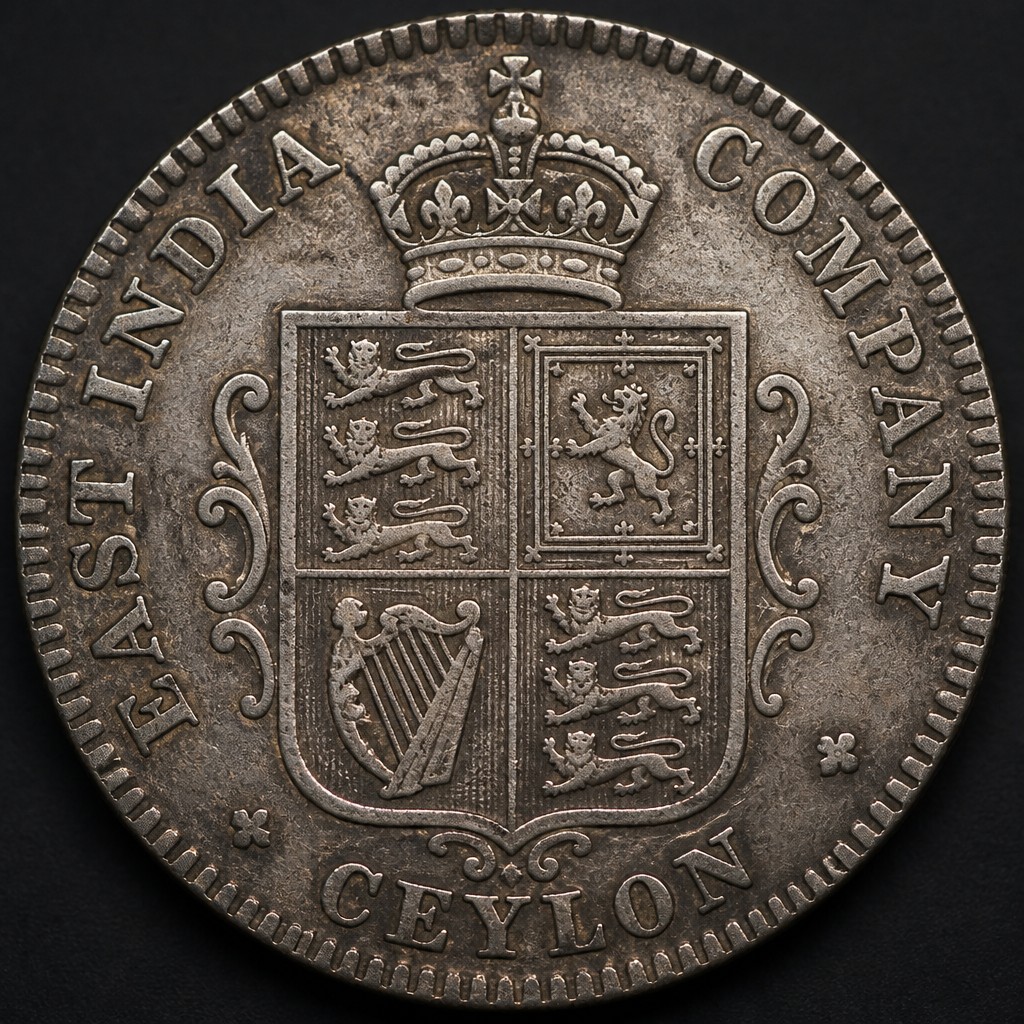
Ceylon (Sri Lanka) EIC Rixdollar
c. 1802–1821
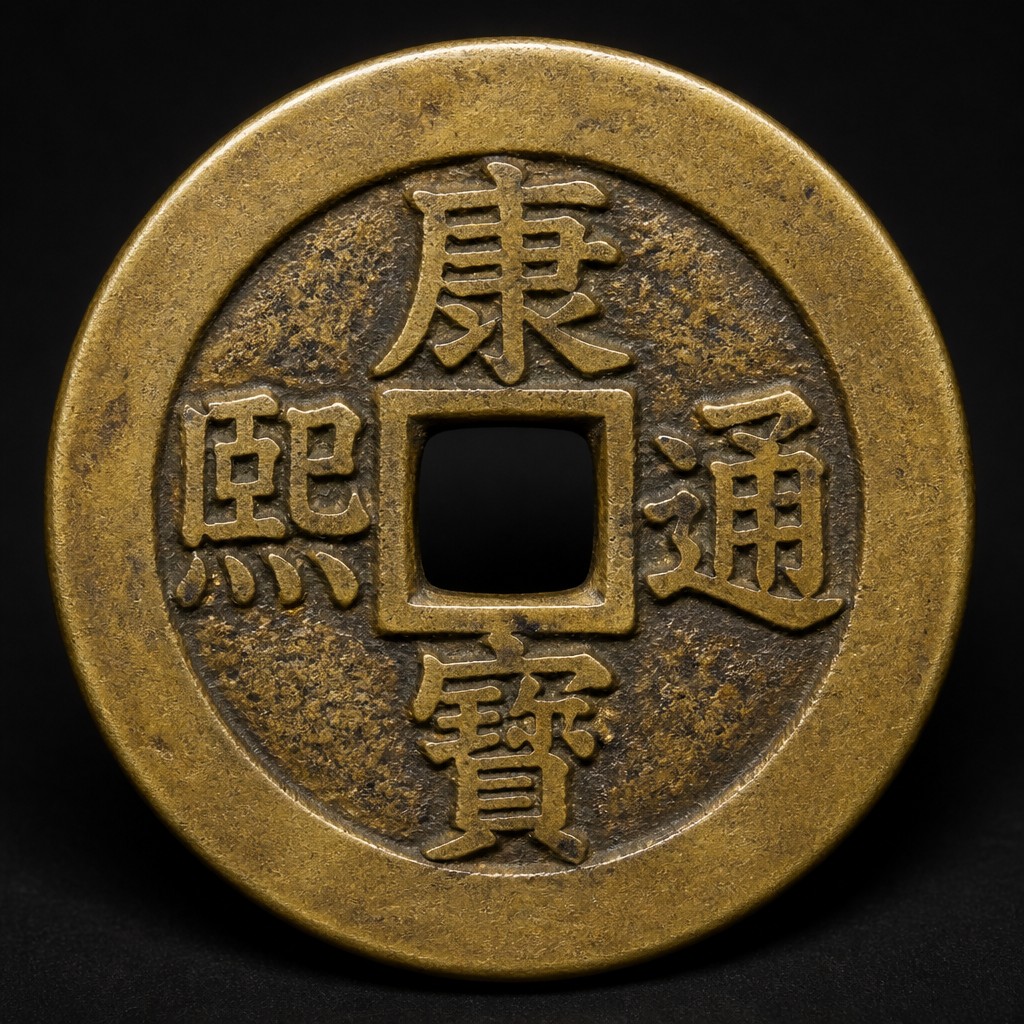
Chinese Cash Coin (Qing Dynasty 'Kangxi Tongbao')
1662–1722
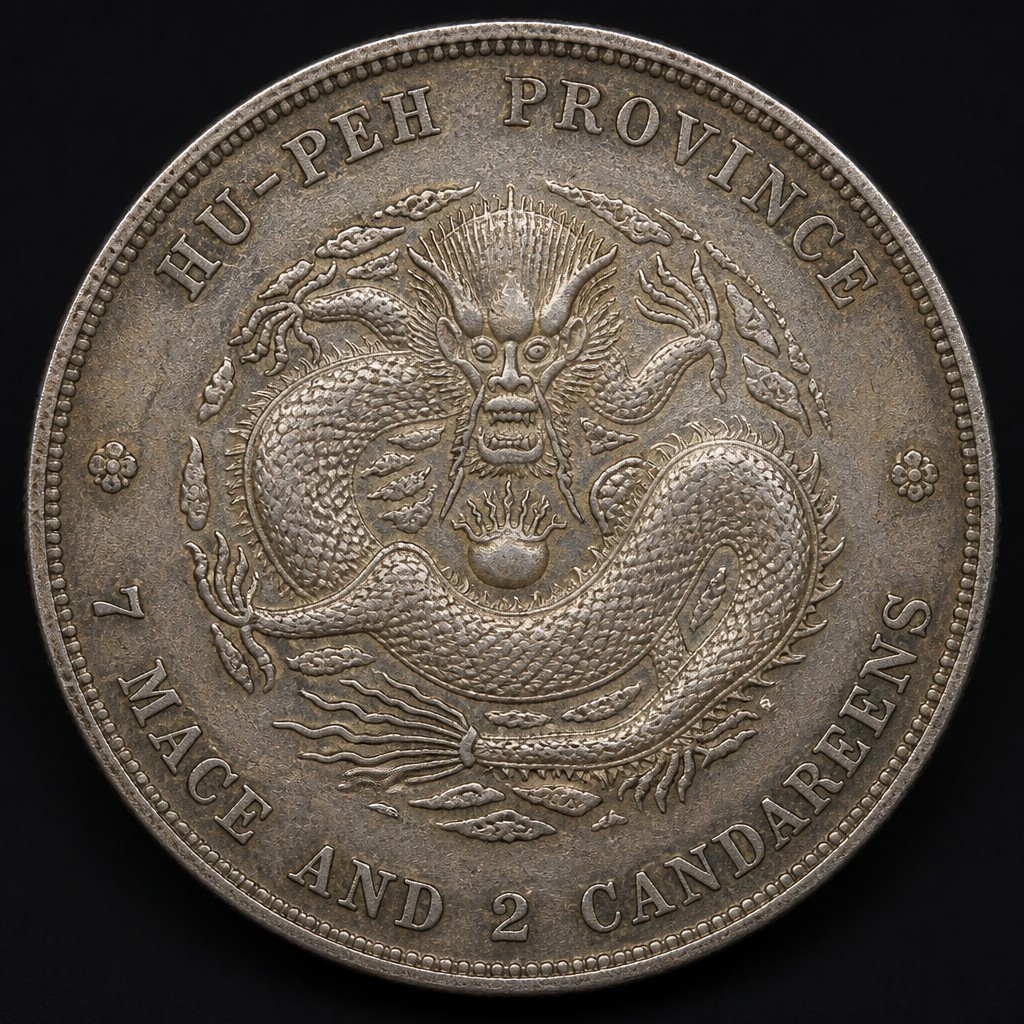
Chinese Hupeh Province Dragon Dollar
c. 1895–1909
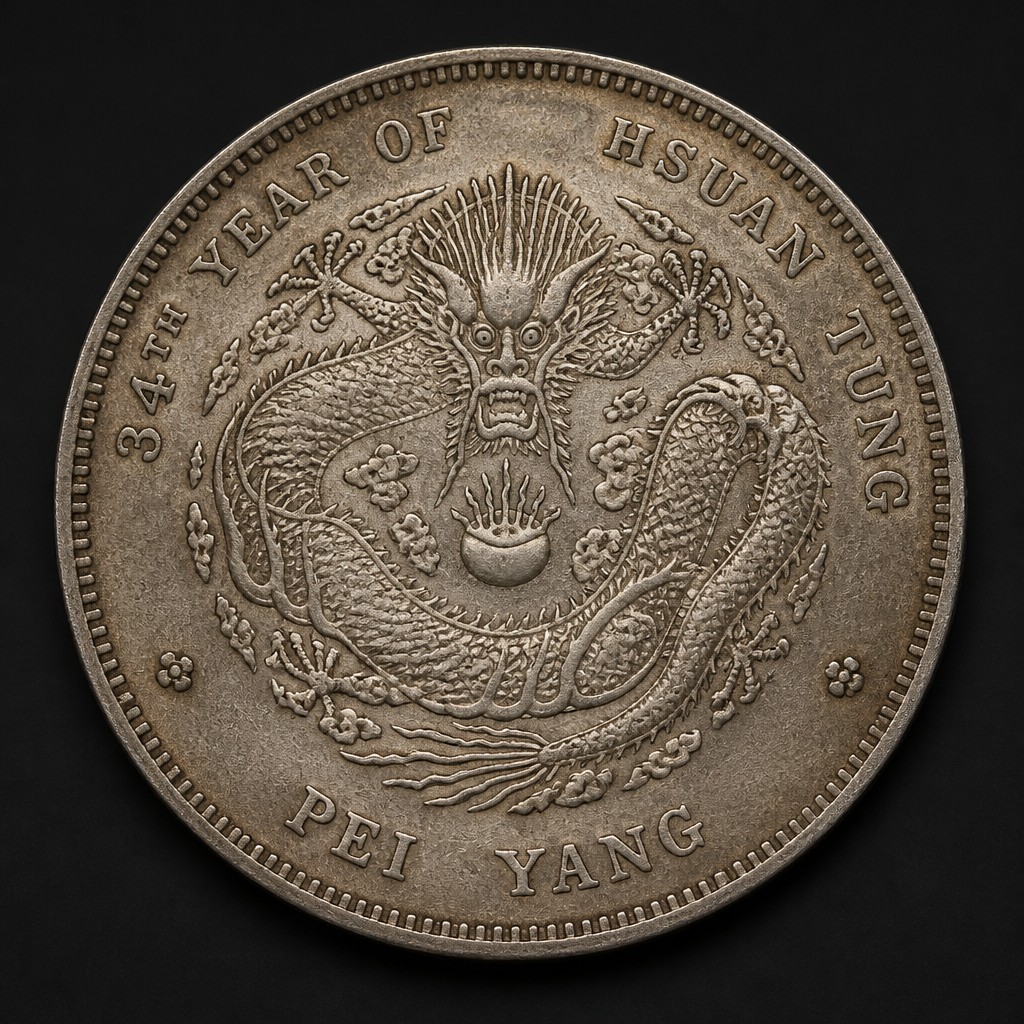
Chinese Empire Silver Dollar (Hsuan Tung Dragon)
1909–1911
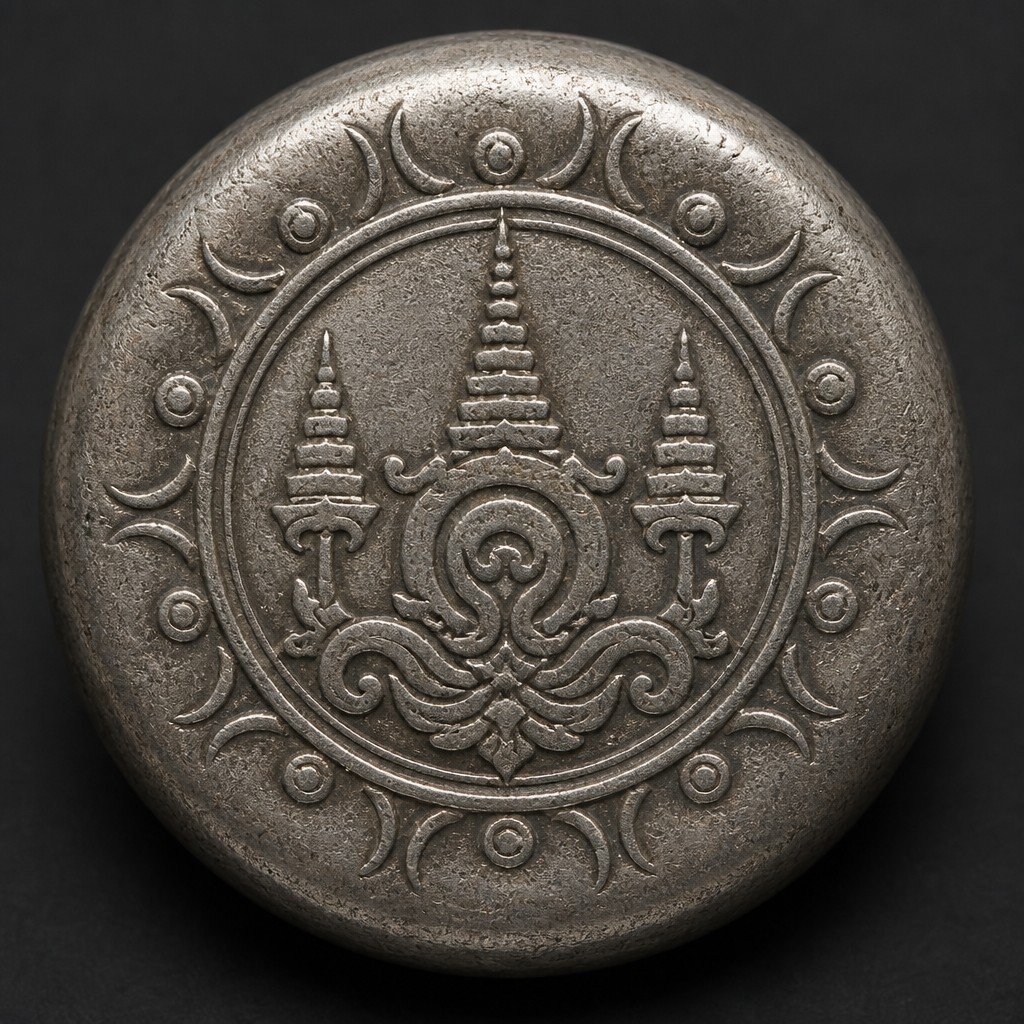
Thailand (Siam) Silver Baht 'Bullet Money' (Pod Duang)
c. 13th century – late 19th century
Yuan Shikai 'Fatman' Dollar (1914)
Dated 1914, struck into the early 1920s