
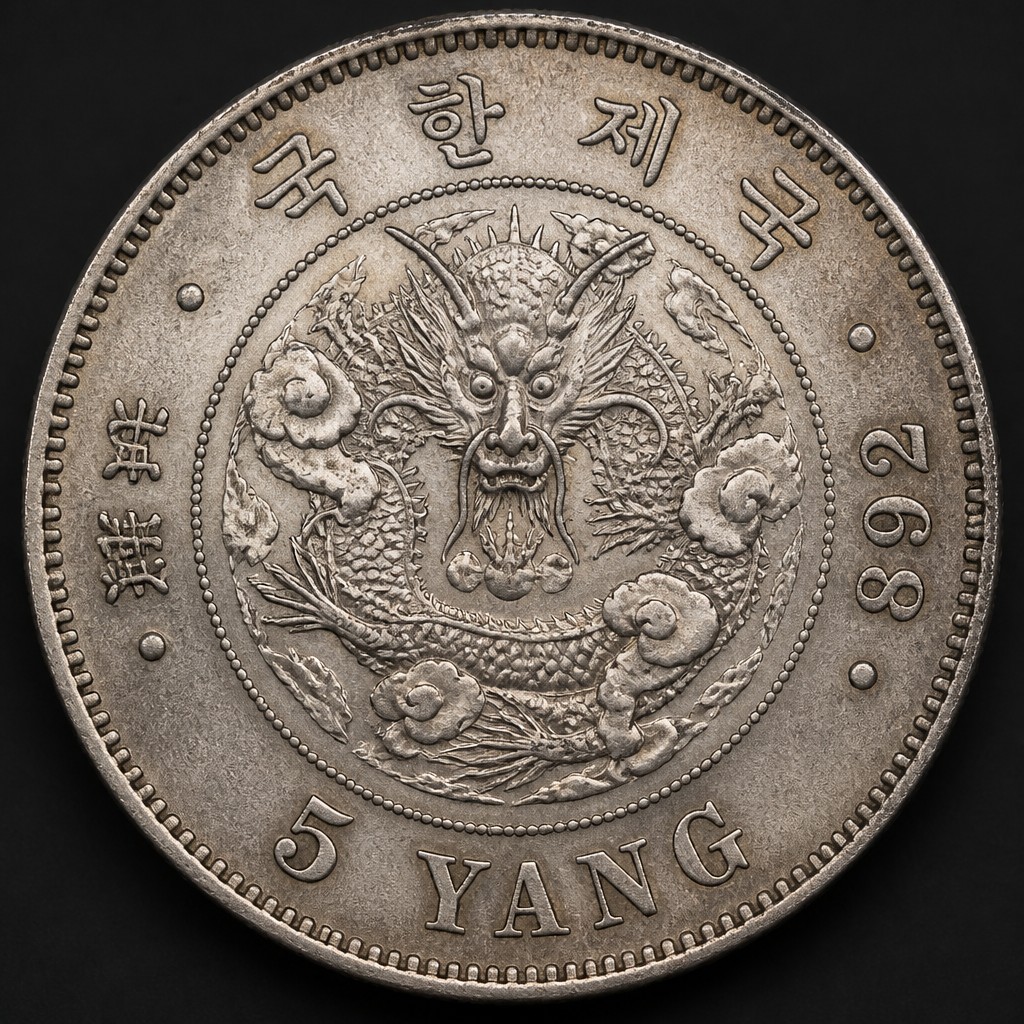
Korean 5 Yang Silver Dollar (1892)
Korea's first Western-style, dollar-sized silver coin, struck in 1892 with a coiled dragon design as part of King Gojong's currency modernization.
- Country
- Korea (Joseon Dynasty)
- Denomination
- Five Yang
- Metal
- Silver
Got a coin like this?
Identify any coin from a photo, free.
Overview
The 1892 5 Yang is often called Korea's first true "dollar" coin -- a large, machine-struck silver piece comparable in size to contemporary trade dollars of China and Japan. It served as the flagship denomination of the new coinage introduced under King Gojong to modernize Korea's money supply.
Its dragon design and dollar-sized format make it a landmark of Korean numismatics, symbolizing the kingdom's brief attempt at currency reform before later annexation-era changes reshaped Korean coinage. It is highly sought after by collectors of East Asian numismatics.
History & Background
In 1892, Korea established a modern mint at Incheon, then known as Jemulpo, equipped with imported coining machinery, broadly following the pattern set by China's and Japan's earlier adoption of Western minting technology. The 5 Yang was struck there in limited quantities as the top denomination of the new decimal currency system.
Its issuance came amid intense regional rivalry among China, Japan, and Western powers for influence in Korea, shortly before the First Sino-Japanese War. Production of the 5 Yang was brief, and the denomination was soon supplemented and eventually superseded by further currency reforms, leaving genuine 1892-dated examples comparatively scarce today.
How to Identify
Obverse: a large coiled dragon dominates the center, encircled by inscriptions identifying the Korean state and the denomination "5 Yang" rendered in Hanja.
Reverse: typically shows the value spelled out along with the date in the traditional Korean reign-based calendar, plus decorative elements consistent with the dragon-dollar style shared with neighboring China and Japan.
The coin is a large silver "trade dollar" format piece, comparable in diameter and weight to contemporary Chinese and Japanese silver dollars, with a milled or reeded edge from machine striking. Collectors should compare it carefully against Japanese and Chinese dragon dollars of the same era, since the general dragon-and-legend format is a regional convention; the specific Korean legends and denomination set it apart.
Value & Collectibility
Because the 1892 5 Yang had a short and limited production run, genuine examples are true rarities and can command strong premiums, particularly in higher grades or with original luster. It is regarded as one of the key coins of Korean numismatics.
Given its rarity and historical importance, well-documented, professionally graded examples have realized substantial sums at auction. Values vary widely by grade and confirmed authenticity, and collectors are strongly encouraged to seek certified or expertly vetted pieces given the coin's appeal to counterfeiters.
Frequently asked questions
Why is this called Korea's first dollar?
It was the first large, Western-format, machine-struck silver coin issued by Korea, matching the "trade dollar" size used across East Asia.
Where was it minted?
At the newly established mint in Incheon (Jemulpo), using imported coining machinery.
Is it rare?
Yes, it had a limited, short production run and is considered a key coin for Korean collectors.
What is depicted on it?
A large coiled dragon on one side, with Korean/Chinese-character legends and the date on the other.
Are counterfeits a concern?
Yes, due to its high value and desirability, authentication by a reputable grading service is recommended.
Other coins you may enjoy
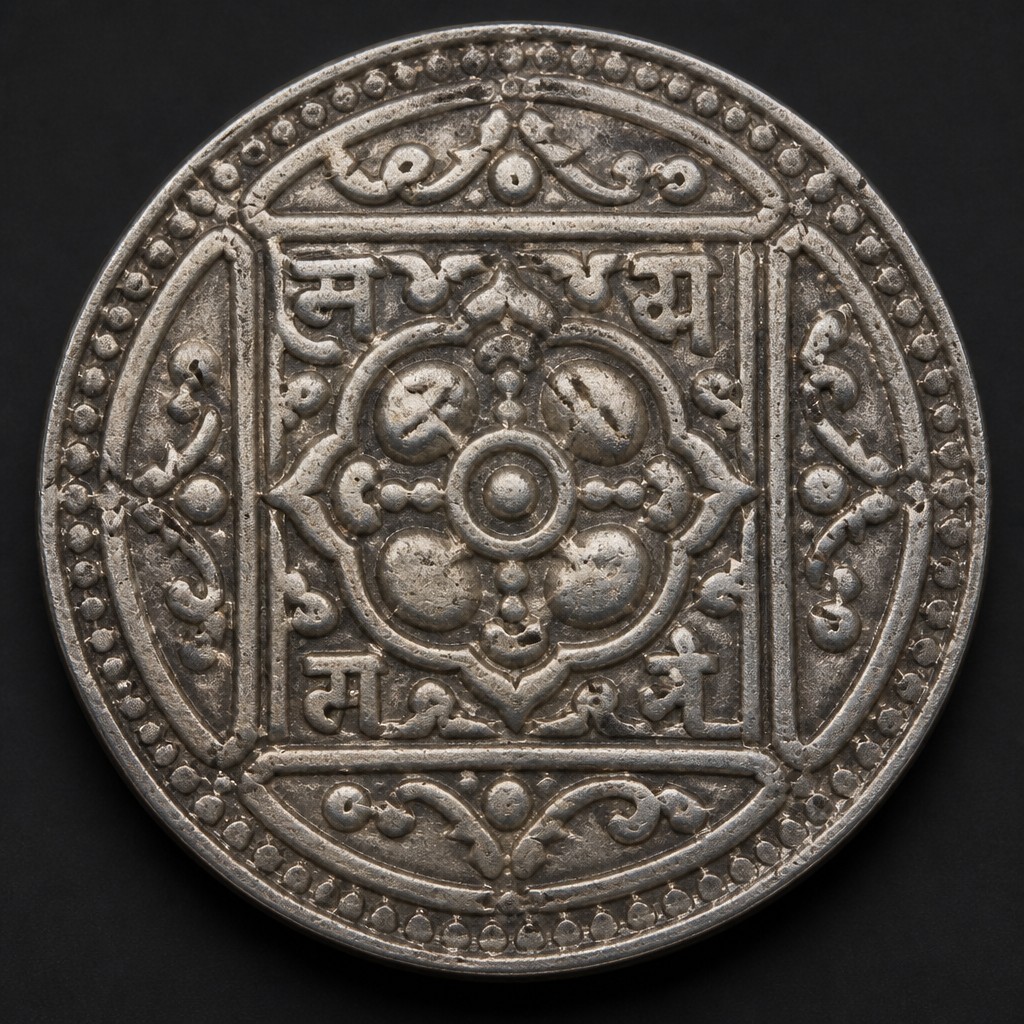
Nepal Silver Mohar
c. 16th–19th century
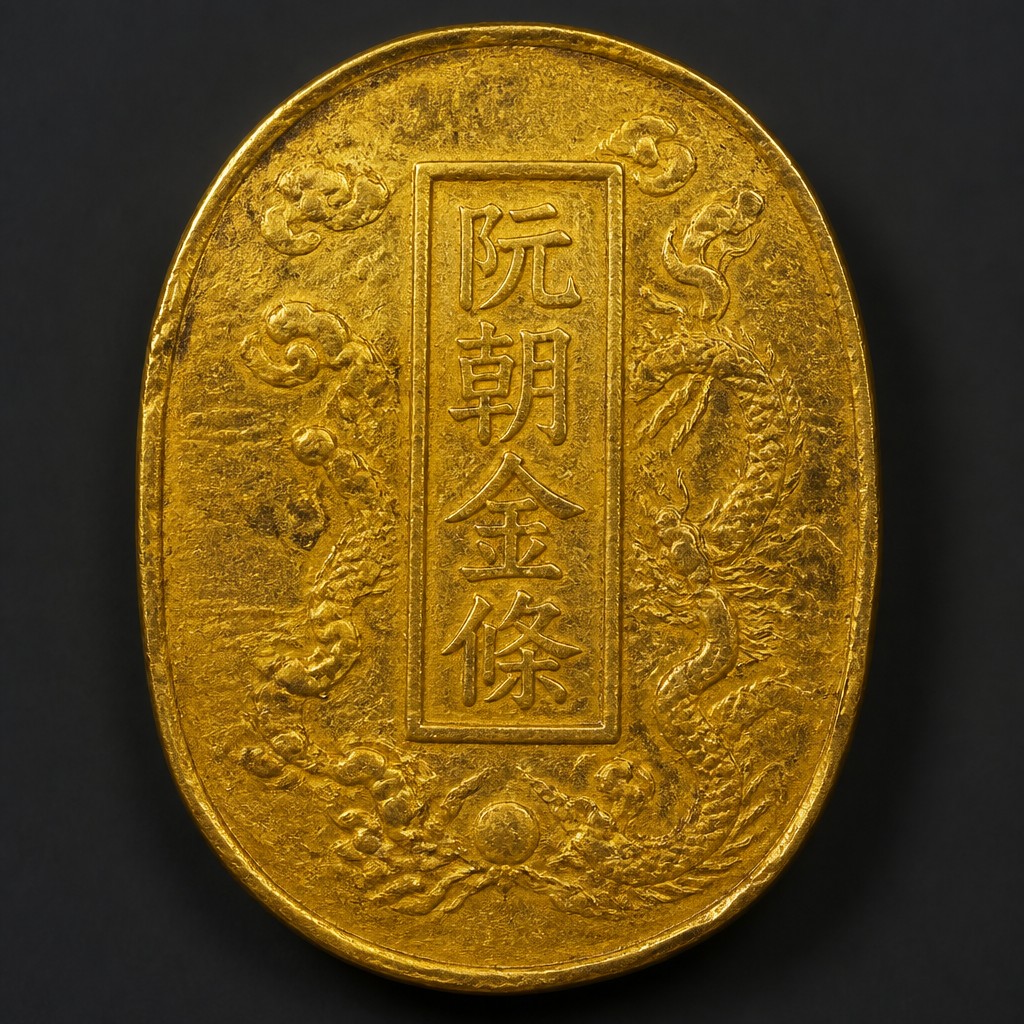
Nguyen Dynasty Gold Bar (Vietnam)
19th century
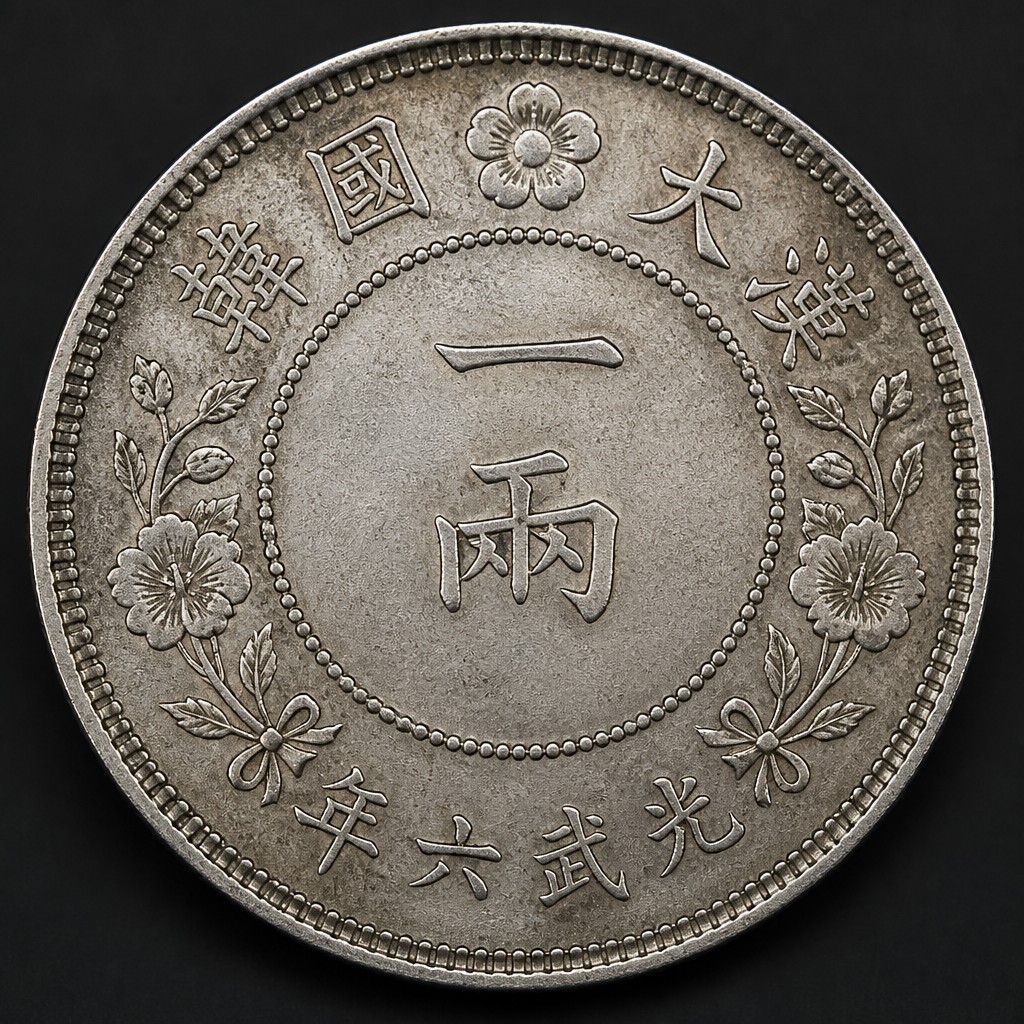
Korean 1 Yang Silver (Joseon/Great Han Empire)
1892–1902
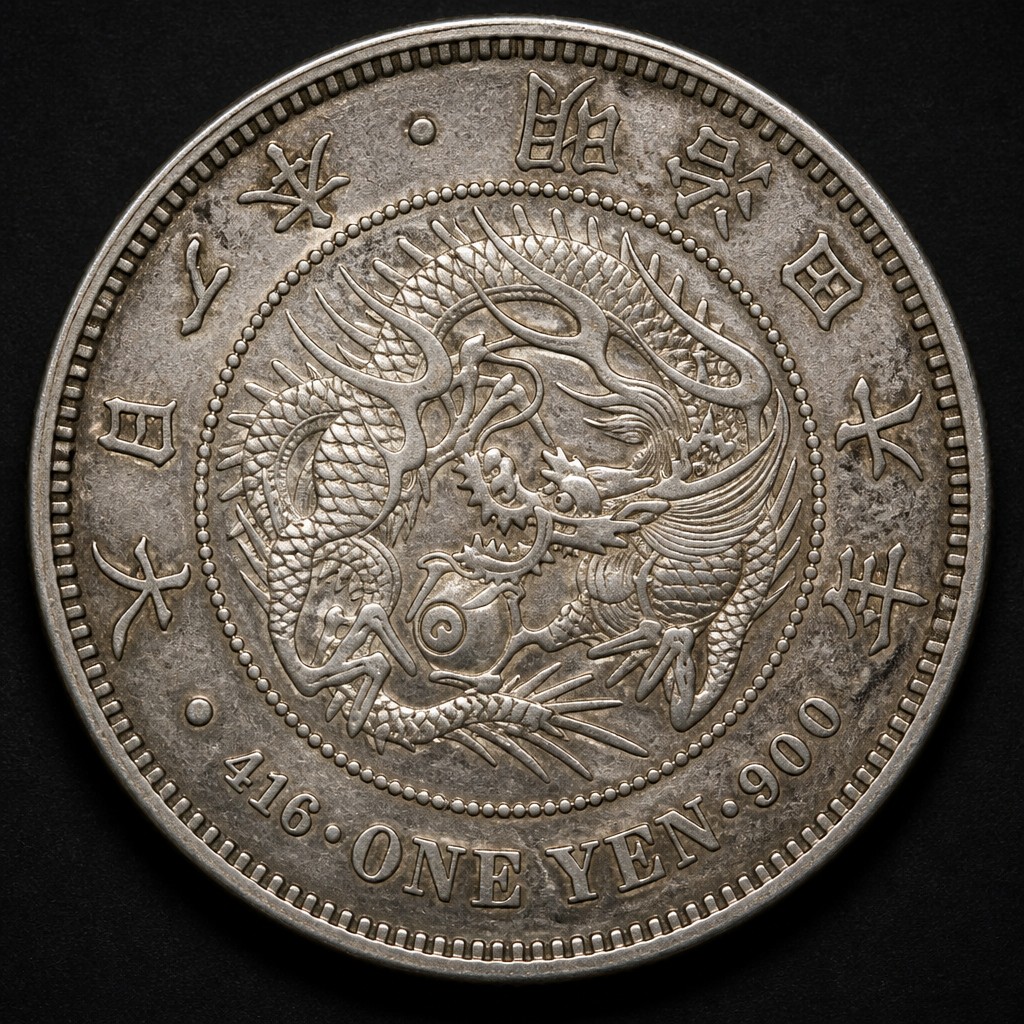
Japanese 1 Yen Silver 'Dragon' Trade Dollar
1870–1914 (trade dollar variant 1875–1877)
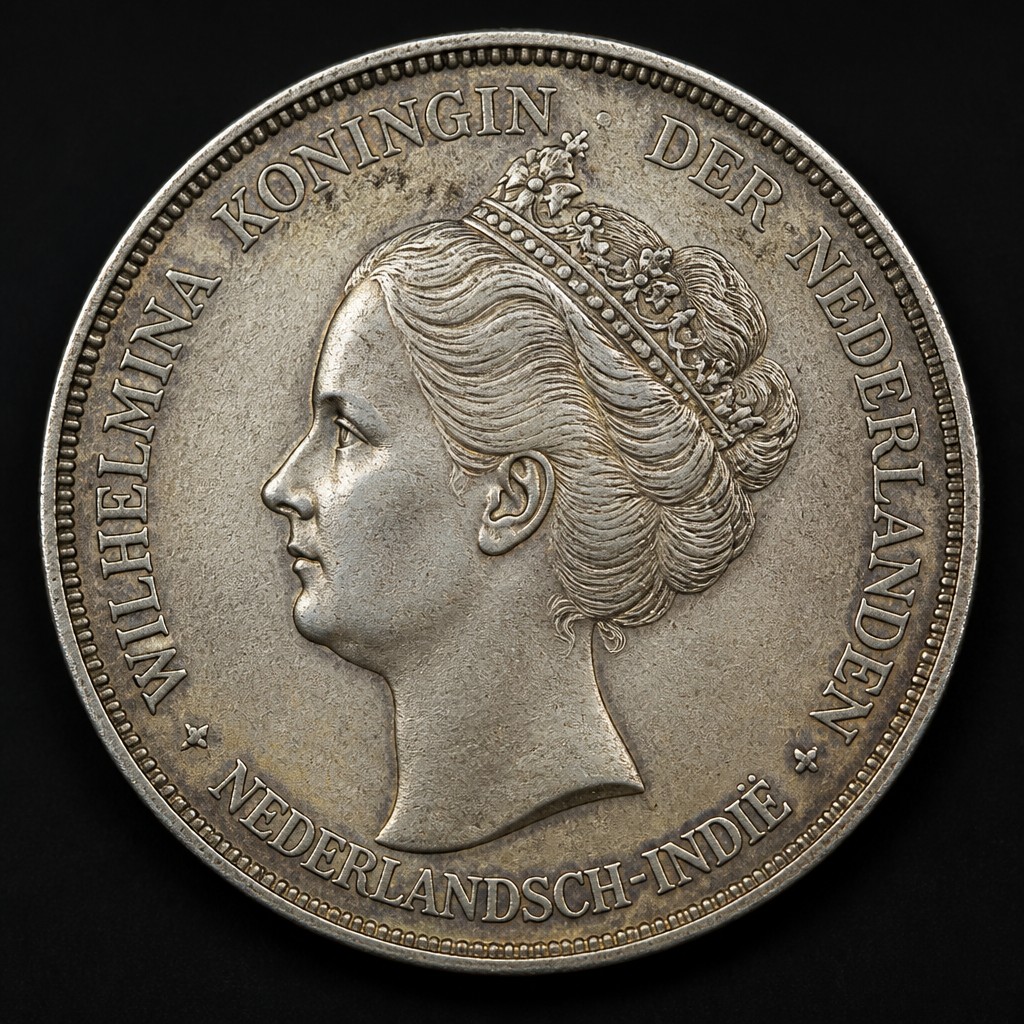
Netherlands East Indies Gulden (Wilhelmina)
1897–1945
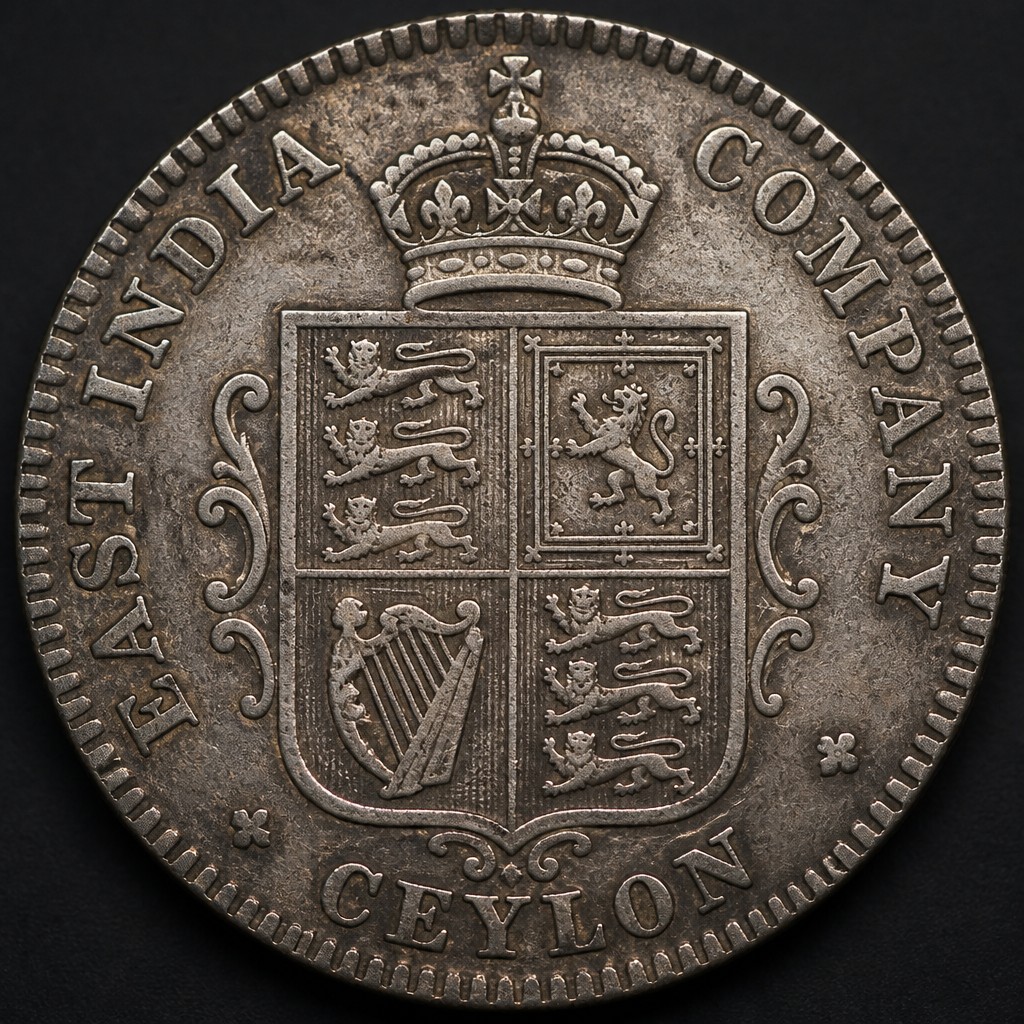
Ceylon (Sri Lanka) EIC Rixdollar
c. 1802–1821
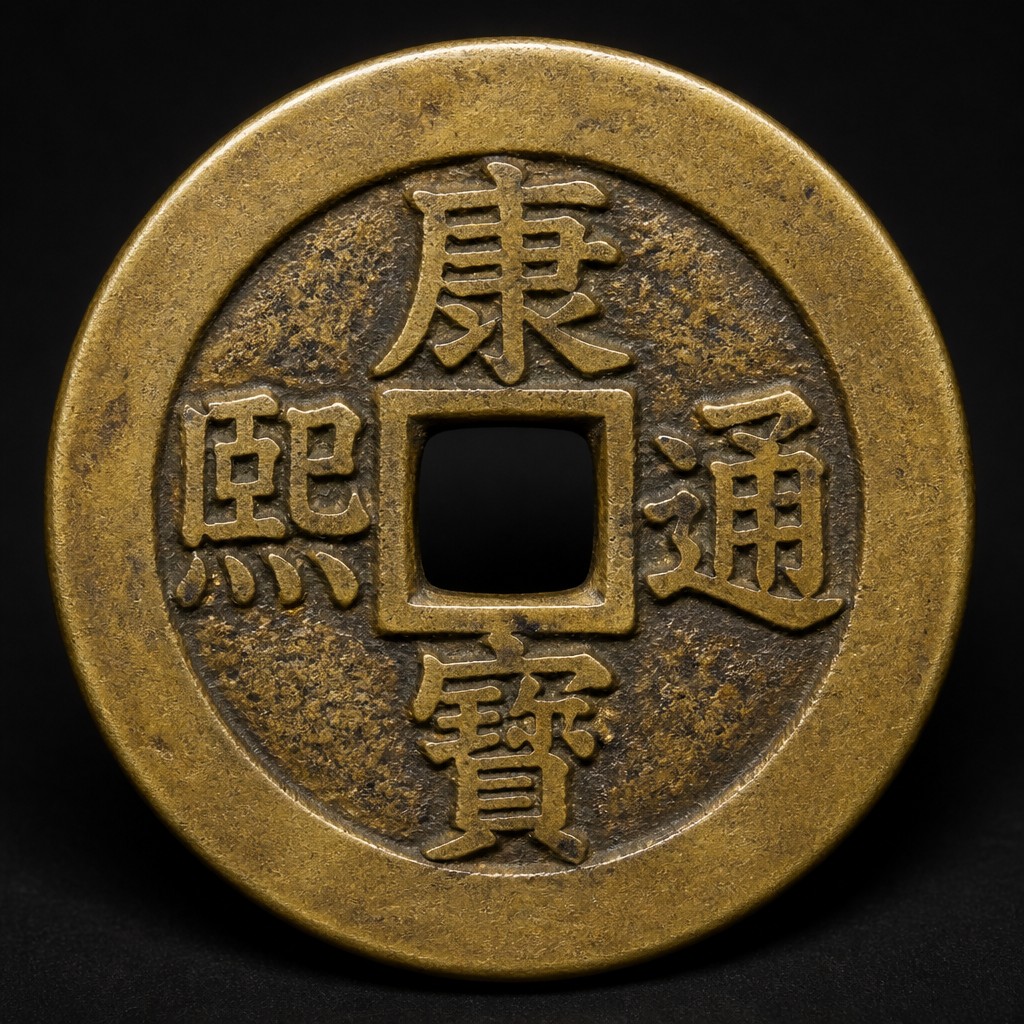
Chinese Cash Coin (Qing Dynasty 'Kangxi Tongbao')
1662–1722
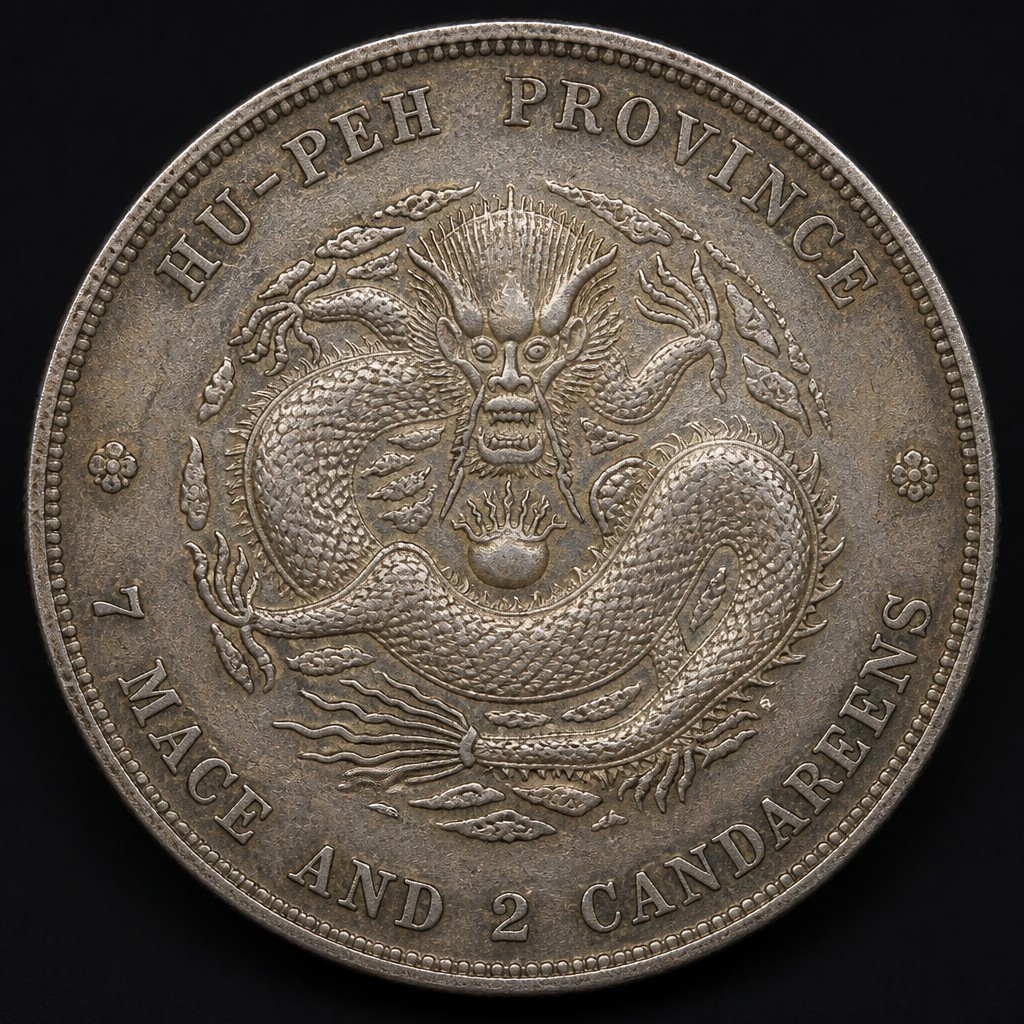
Chinese Hupeh Province Dragon Dollar
c. 1895–1909
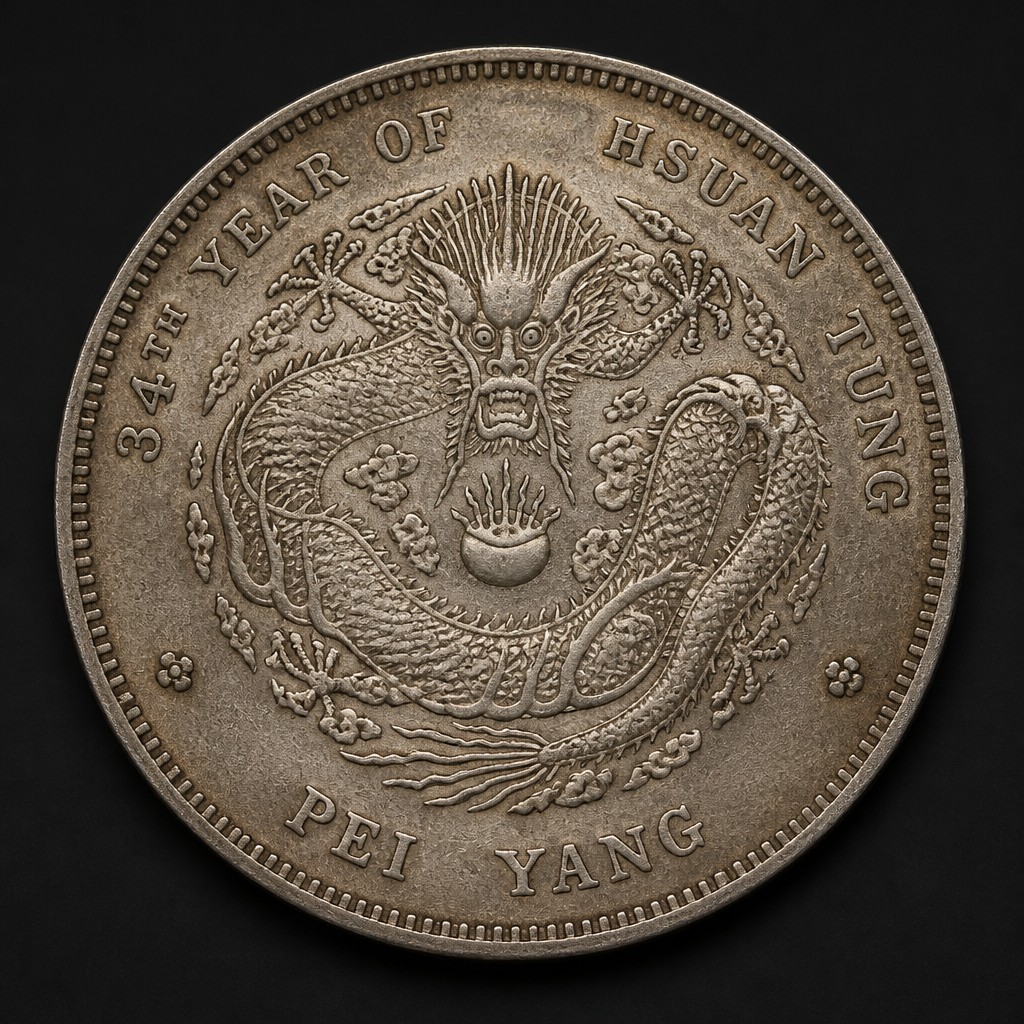
Chinese Empire Silver Dollar (Hsuan Tung Dragon)
1909–1911
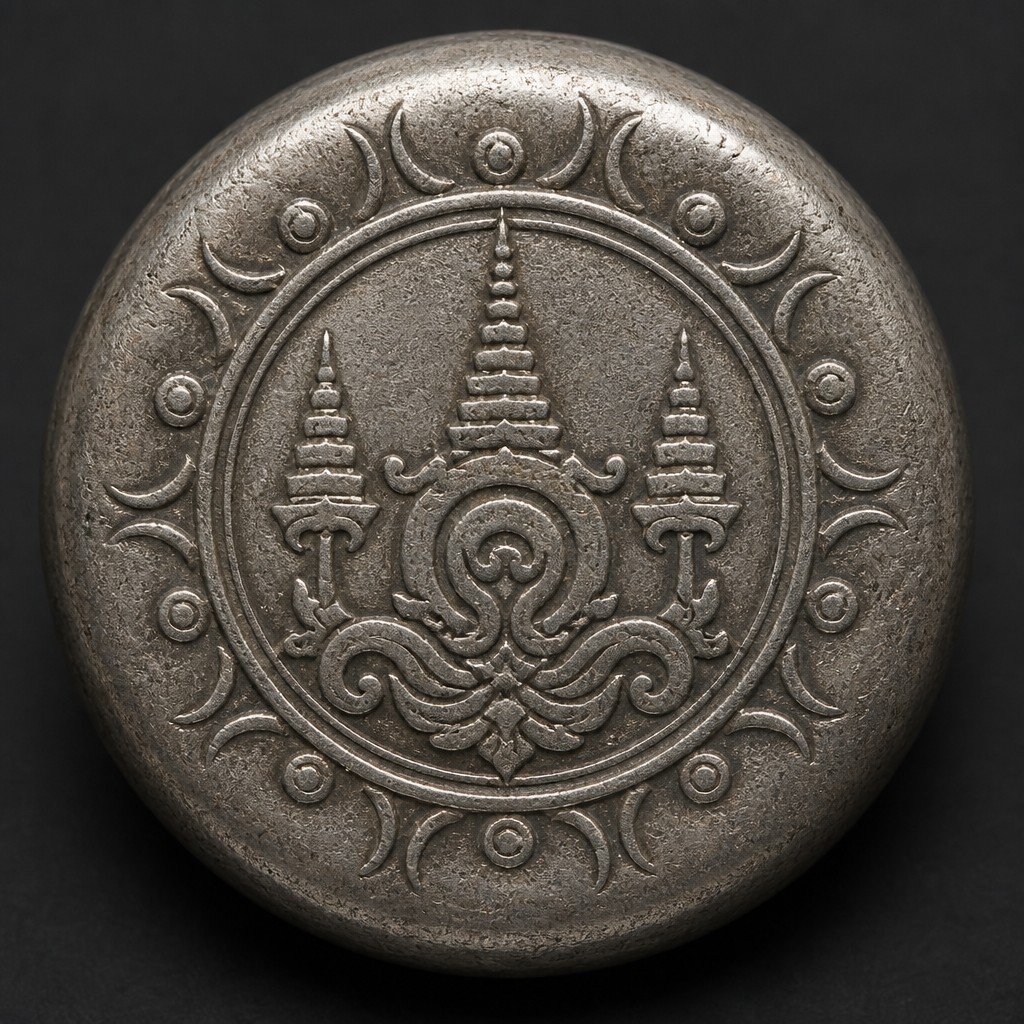
Thailand (Siam) Silver Baht 'Bullet Money' (Pod Duang)
c. 13th century – late 19th century
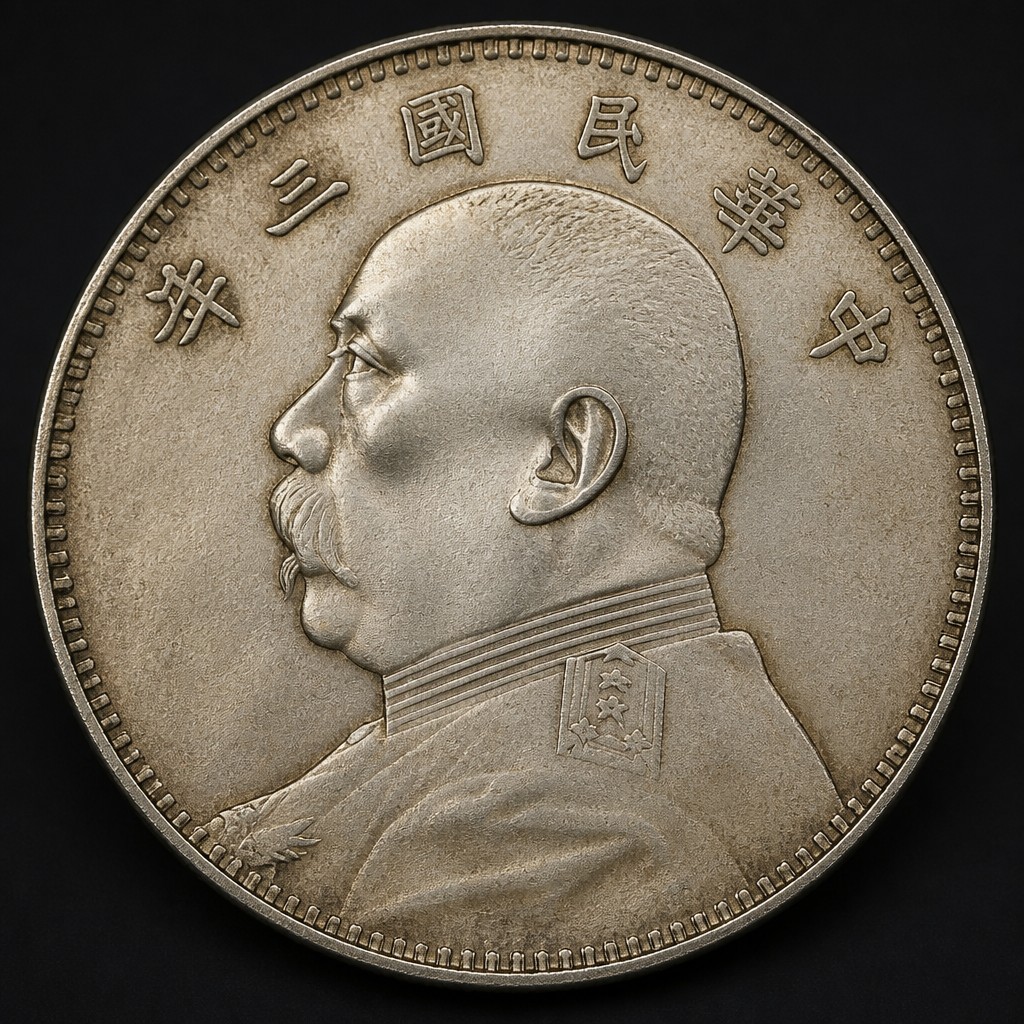
Yuan Shikai 'Fatman' Dollar (1914)
Dated 1914, struck into the early 1920s
Siamese Rama V Silver Baht
c. 1876–1910