
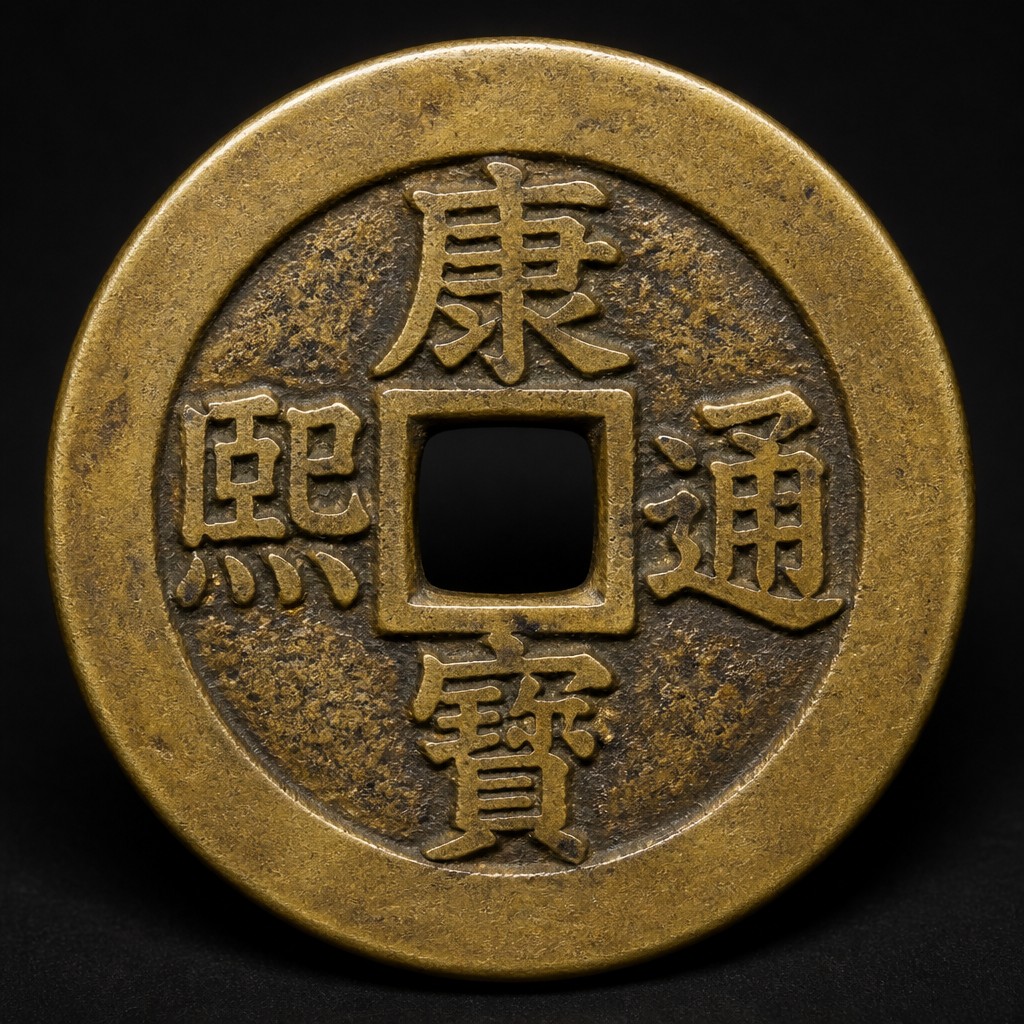
Chinese Cash Coin (Qing Dynasty 'Kangxi Tongbao')
Classic cast bronze cash coin bearing the reign title of Emperor Kangxi, struck across many provincial mints during one of the longest reigns in Chinese history.
- Country
- China (Qing Dynasty)
- Denomination
- 1 Cash (Wen)
- Metal
- Bronze/Brass (cast)
Got a coin like this?
Identify any coin from a photo, free.
Overview
The Kangxi Tongbao is a cast bronze "cash" coin issued during the reign of the Kangxi Emperor (1662-1722) of the Qing Dynasty, one of the longest and most stable reigns in Chinese imperial history. Round with a square central hole, it follows the traditional format used in Chinese coinage for roughly two millennia.
Collectors value Kangxi cash coins for their connection to a celebrated emperor, the wide variety of mint marks rendered in Manchu script representing different provincial mints, and their affordability and availability, which make them a popular entry point into Chinese numismatics.
History & Background
Emperor Kangxi ruled the Qing Dynasty from 1662 to 1722, presiding over a period of consolidation, expansion, and relative prosperity following the Manchu conquest of China. As with earlier and later Chinese emperors, coinage bearing his reign title, "Kangxi Tongbao" (circulating currency of Kangxi), was cast at the central Board of Revenue and Board of Works mints in Beijing as well as numerous provincial mints throughout the empire.
These cash coins were the backbone of everyday Chinese commerce, produced in large quantities and remaining in circulation for generations, often alongside coins of subsequent reigns. The practice of marking the reverse with Manchu (and sometimes Chinese) characters identifying the specific provincial mint makes Kangxi cash coins a rich subject for mint-mark specialization.
How to Identify
Obverse: the four Chinese characters "Kang Xi Tong Bao" arranged around the square central hole, read top-bottom-right-left in the traditional manner, cast in low relief typical of Chinese cash coinage.
Reverse: typically blank or bearing one or two Manchu script characters (and occasionally a Chinese character) identifying the specific mint that produced the piece, such as the Board of Revenue (Boo Ciowan) or Board of Works (Boo Yuwan) mints, or various provincial mint abbreviations.
The coin is small and round, typically around 25-27mm in diameter, cast rather than struck, with a square center hole for stringing on cords. Because many Qing-era reign coins share this general format, the key identifying feature is the reign-title inscription on the obverse, while individual mint varieties require reading the reverse's Manchu characters.
Value & Collectibility
Common Kangxi Tongbao cash coins, given the long reign and extensive production, are generally quite affordable and widely available, often selling for modest sums even in worn condition, making them accessible collectibles. Certain rarer mint marks, larger "cash" denominations (some Kangxi coins were issued in multiples), or exceptionally well-preserved examples can be considerably more valuable.
Because the series is vast and well studied by specialists, mint-mark identification and rarity within that framework, rather than the base coin type itself, tend to be the main drivers of any premium value.
Frequently asked questions
What does "Tongbao" mean?
A standard term on Chinese cash coins meaning "circulating currency," paired with the reign title of the issuing emperor.
How do I identify the mint?
By reading the Manchu, and sometimes Chinese, characters on the reverse, which denote the specific provincial or central mint.
What metal is it made of?
Bronze or brass, cast rather than struck, in keeping with traditional Chinese coin production methods.
Are Kangxi cash coins rare?
Most common varieties are quite common and inexpensive; only specific mint marks or larger denominations are notably scarcer.
Why is there a square hole?
It allowed coins to be strung together on cords for handling and carrying large quantities, a longstanding feature of Chinese cash coinage.
Other coins you may enjoy
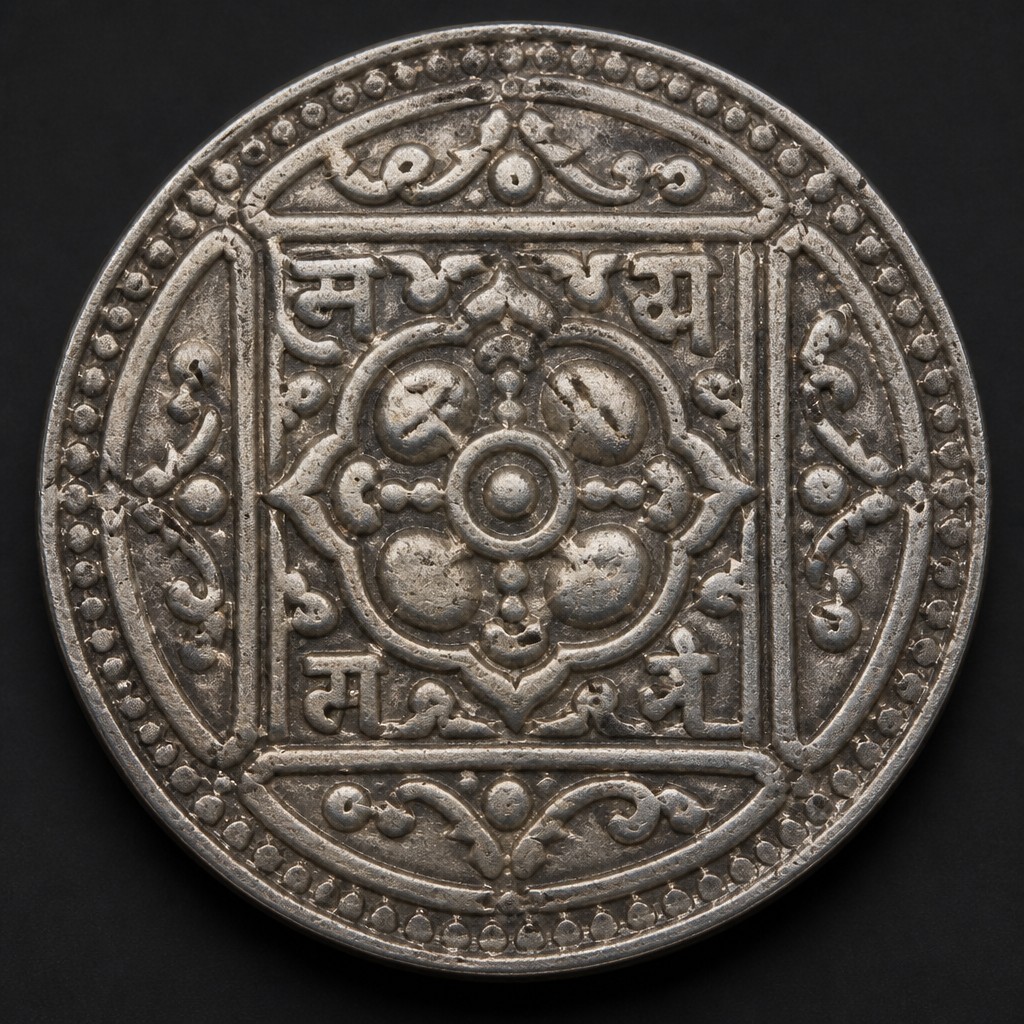
Nepal Silver Mohar
c. 16th–19th century
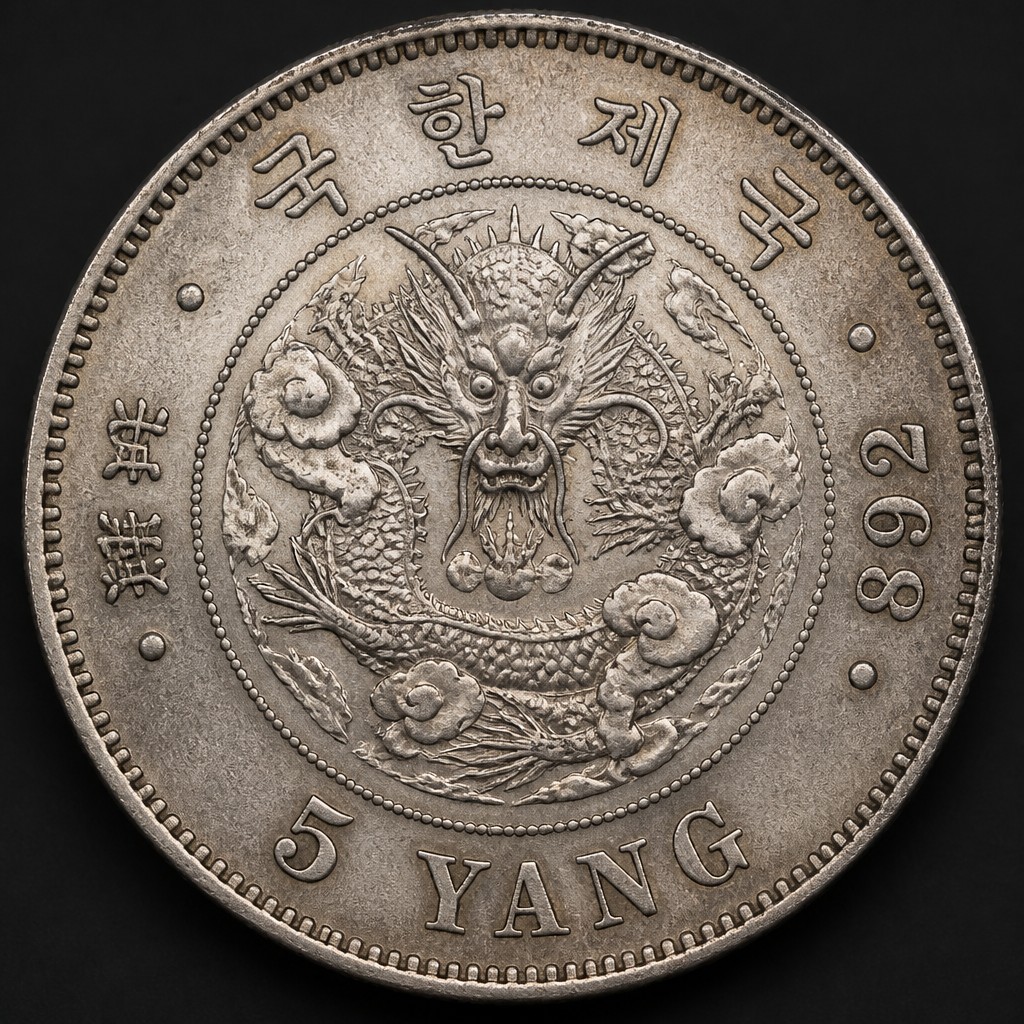
Korean 5 Yang Silver Dollar (1892)
1892
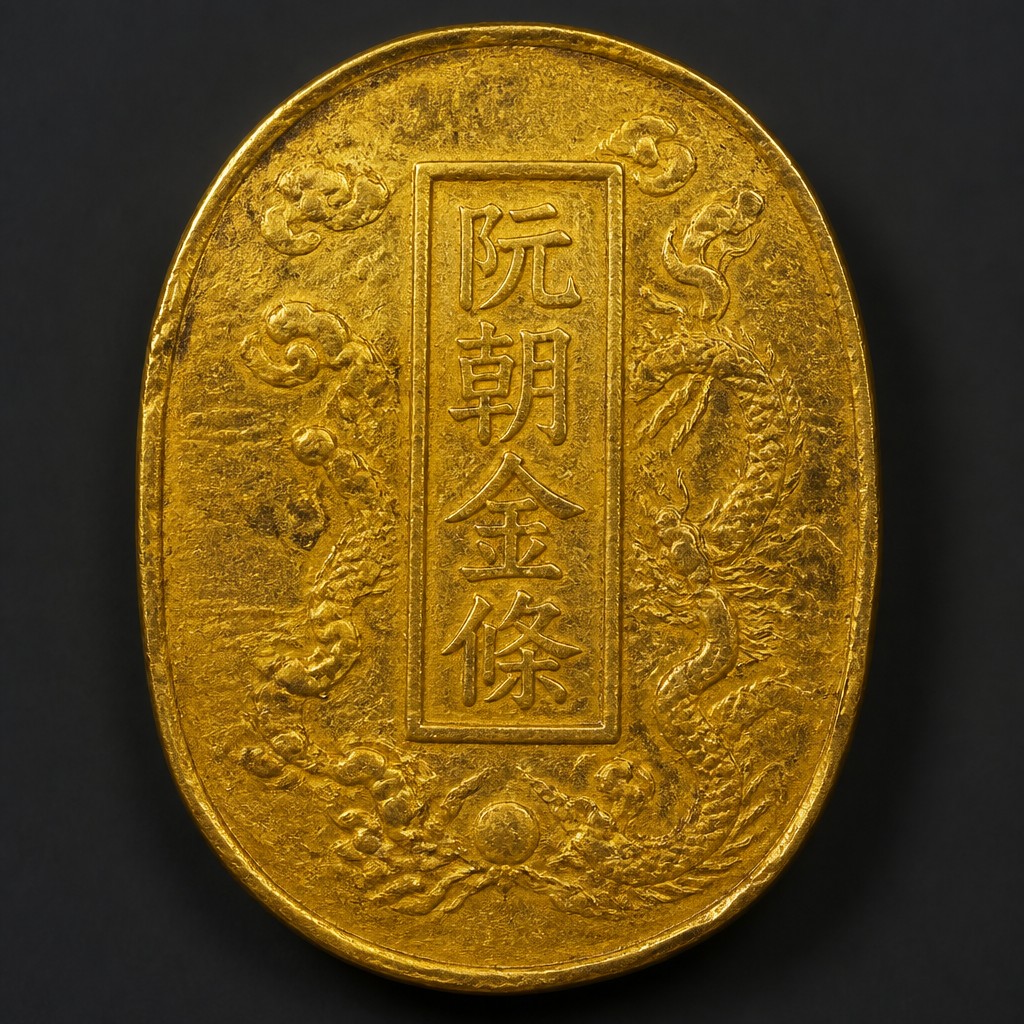
Nguyen Dynasty Gold Bar (Vietnam)
19th century
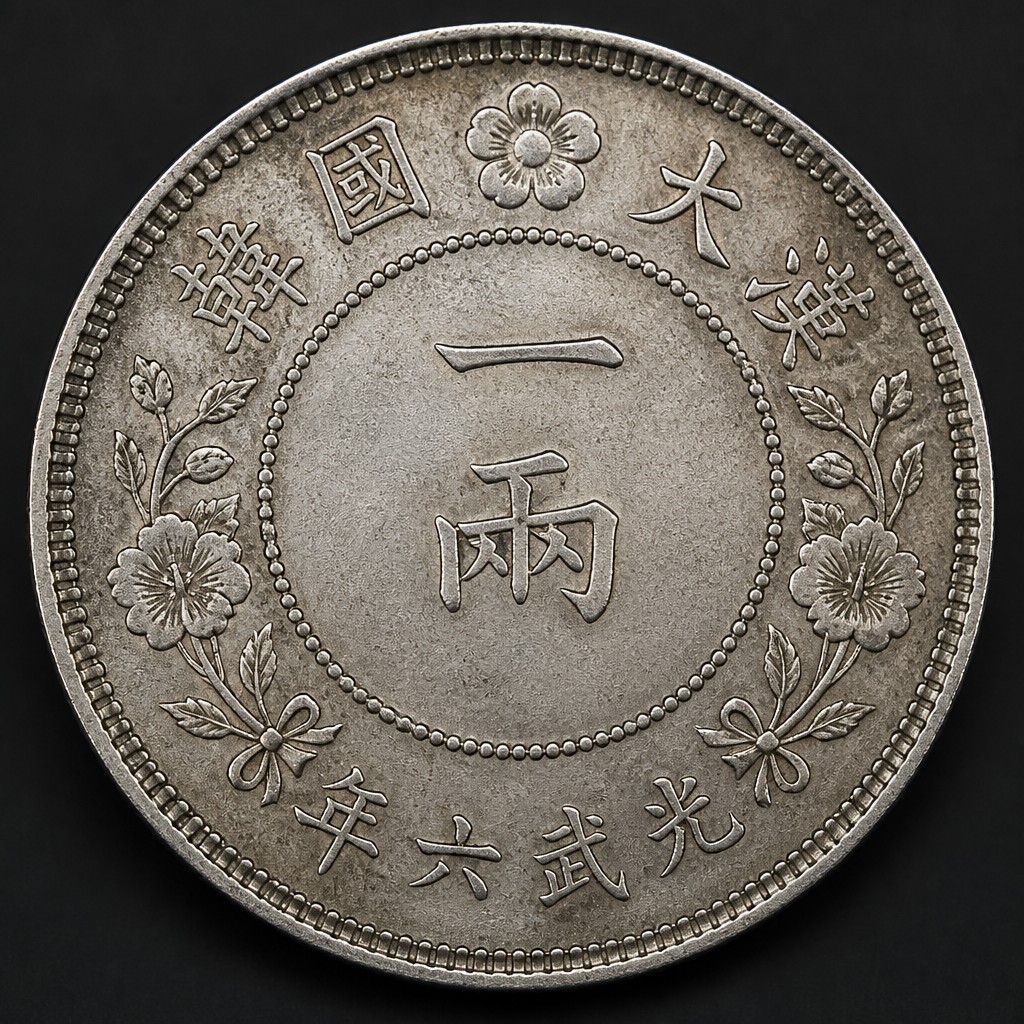
Korean 1 Yang Silver (Joseon/Great Han Empire)
1892–1902
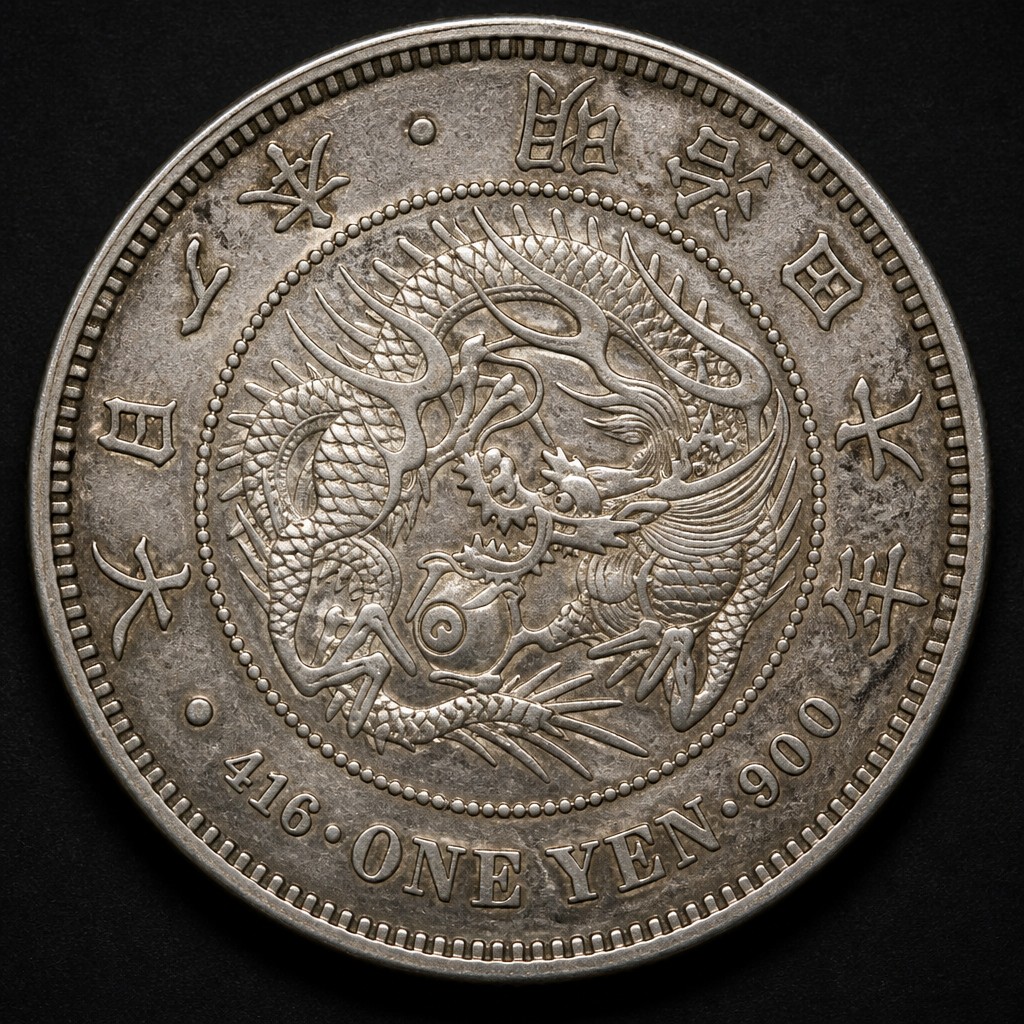
Japanese 1 Yen Silver 'Dragon' Trade Dollar
1870–1914 (trade dollar variant 1875–1877)
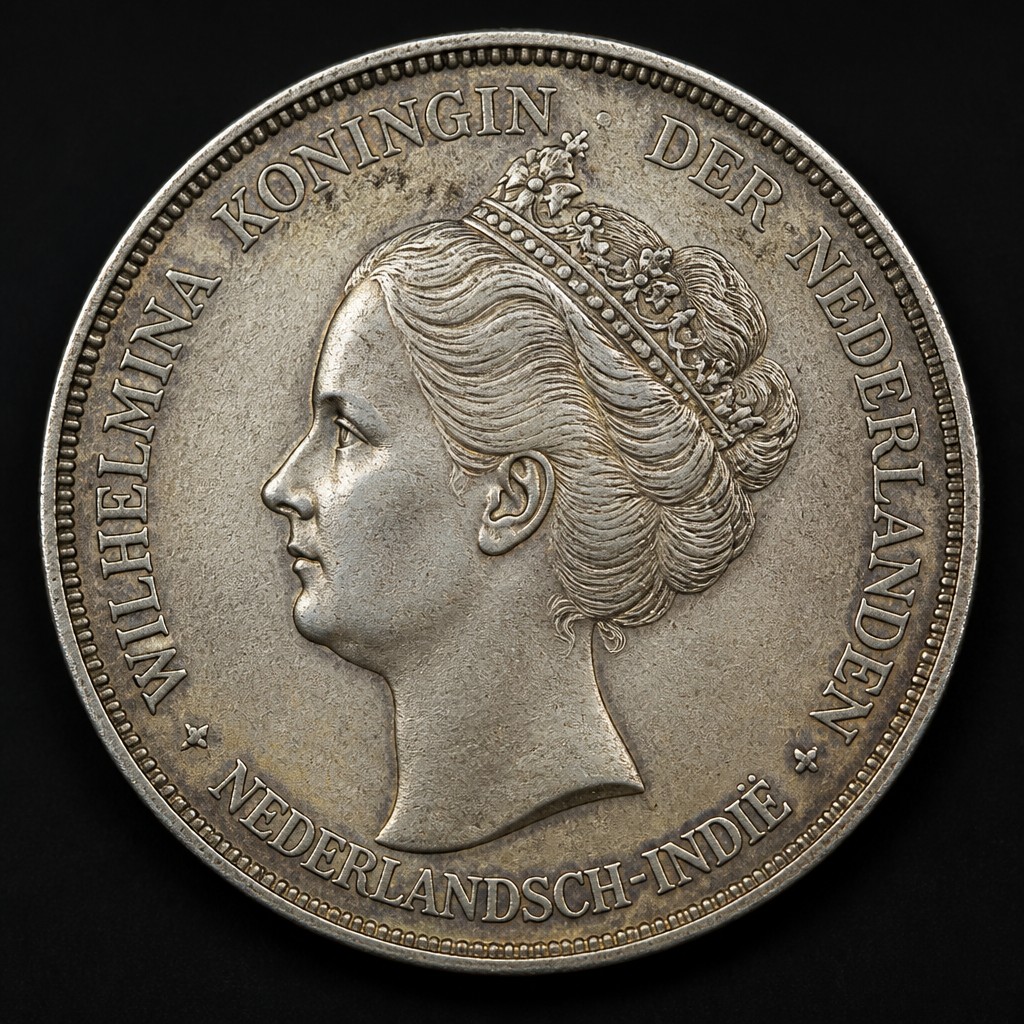
Netherlands East Indies Gulden (Wilhelmina)
1897–1945
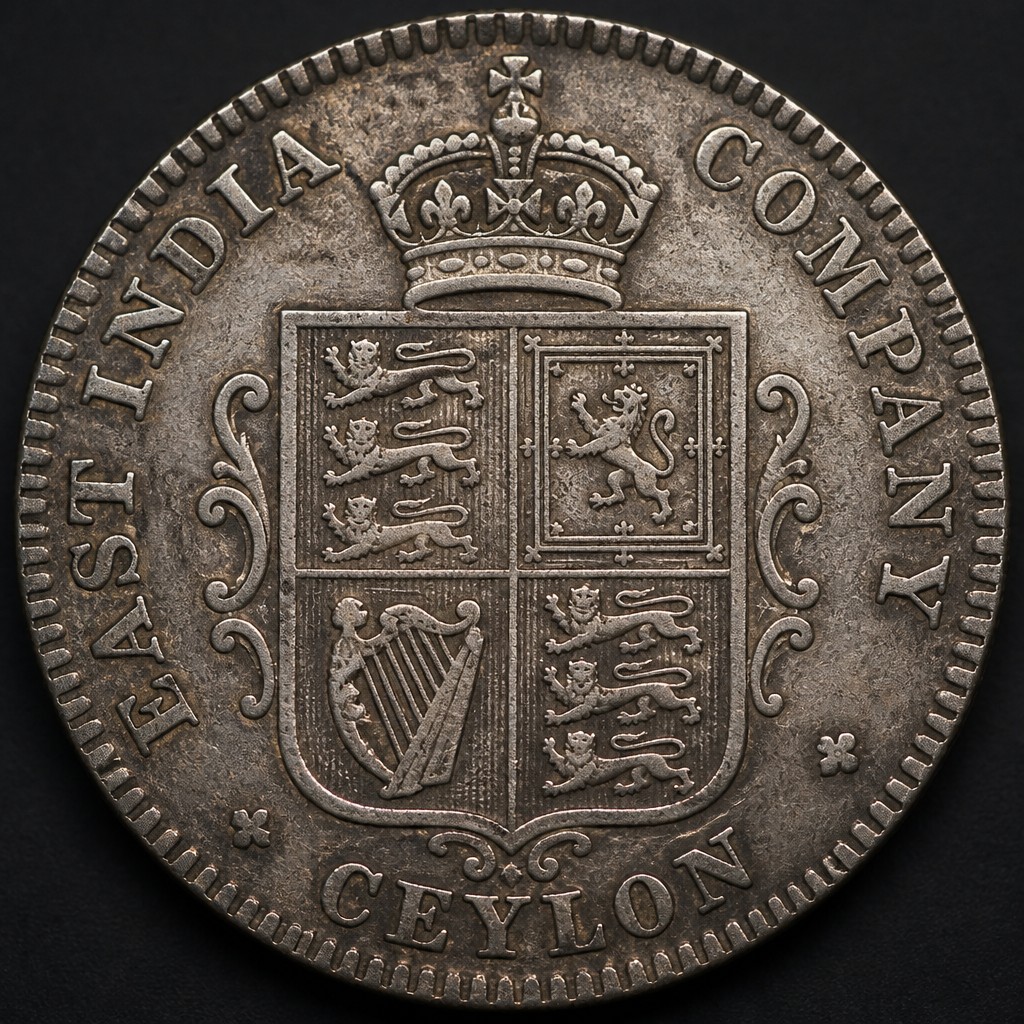
Ceylon (Sri Lanka) EIC Rixdollar
c. 1802–1821
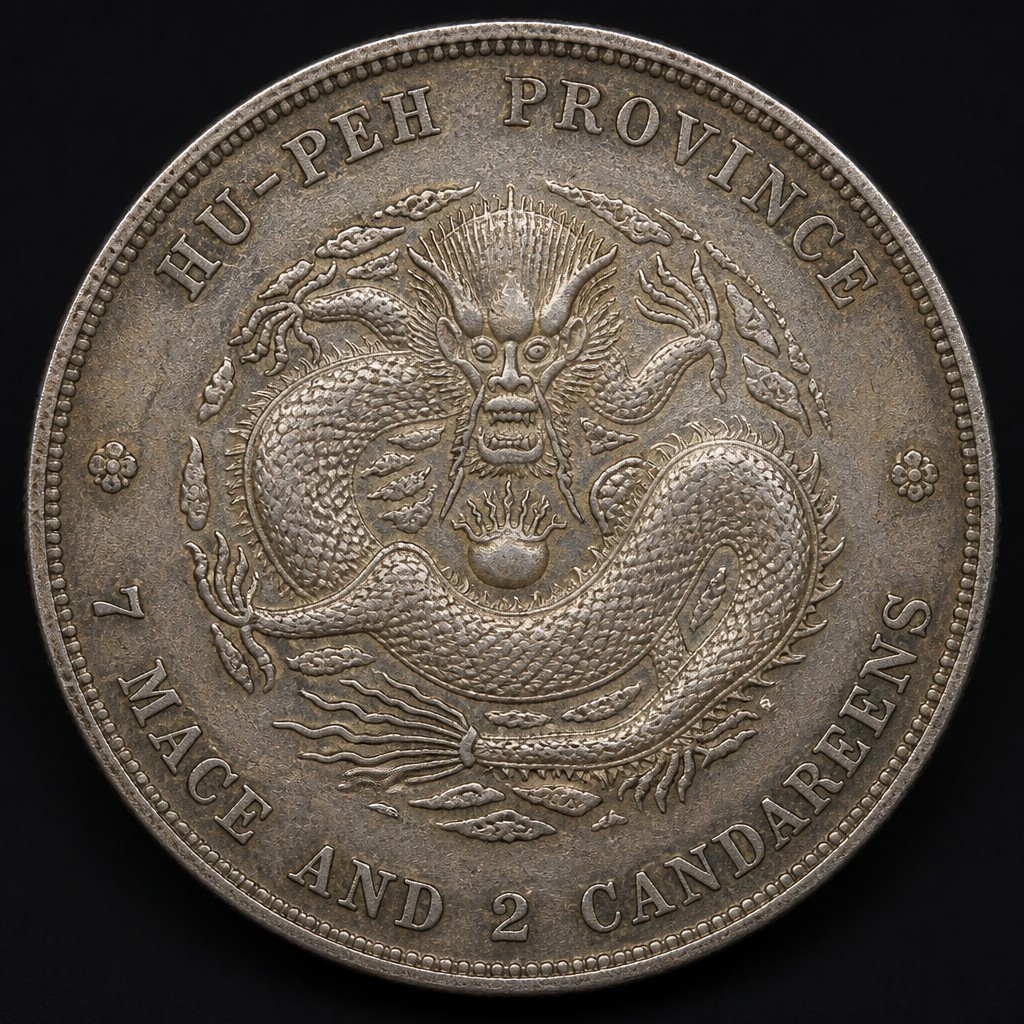
Chinese Hupeh Province Dragon Dollar
c. 1895–1909
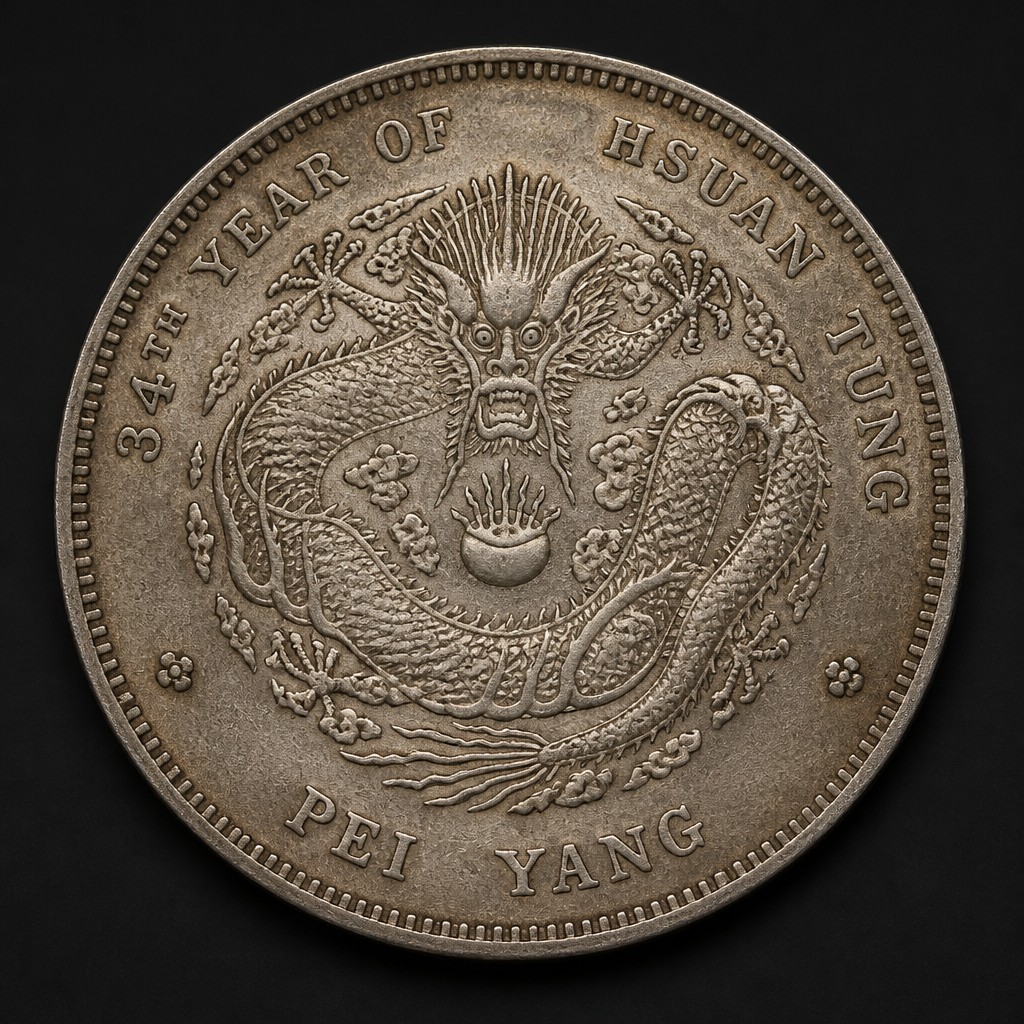
Chinese Empire Silver Dollar (Hsuan Tung Dragon)
1909–1911
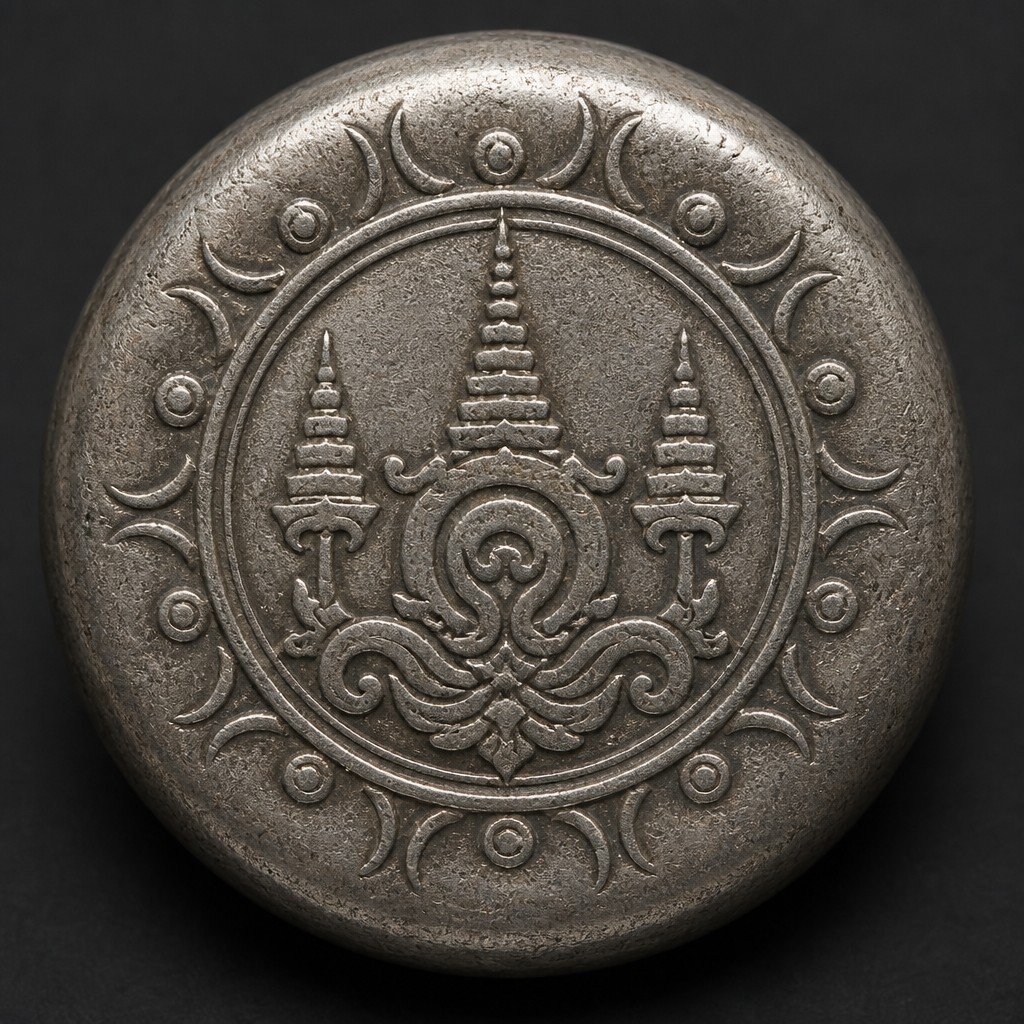
Thailand (Siam) Silver Baht 'Bullet Money' (Pod Duang)
c. 13th century – late 19th century
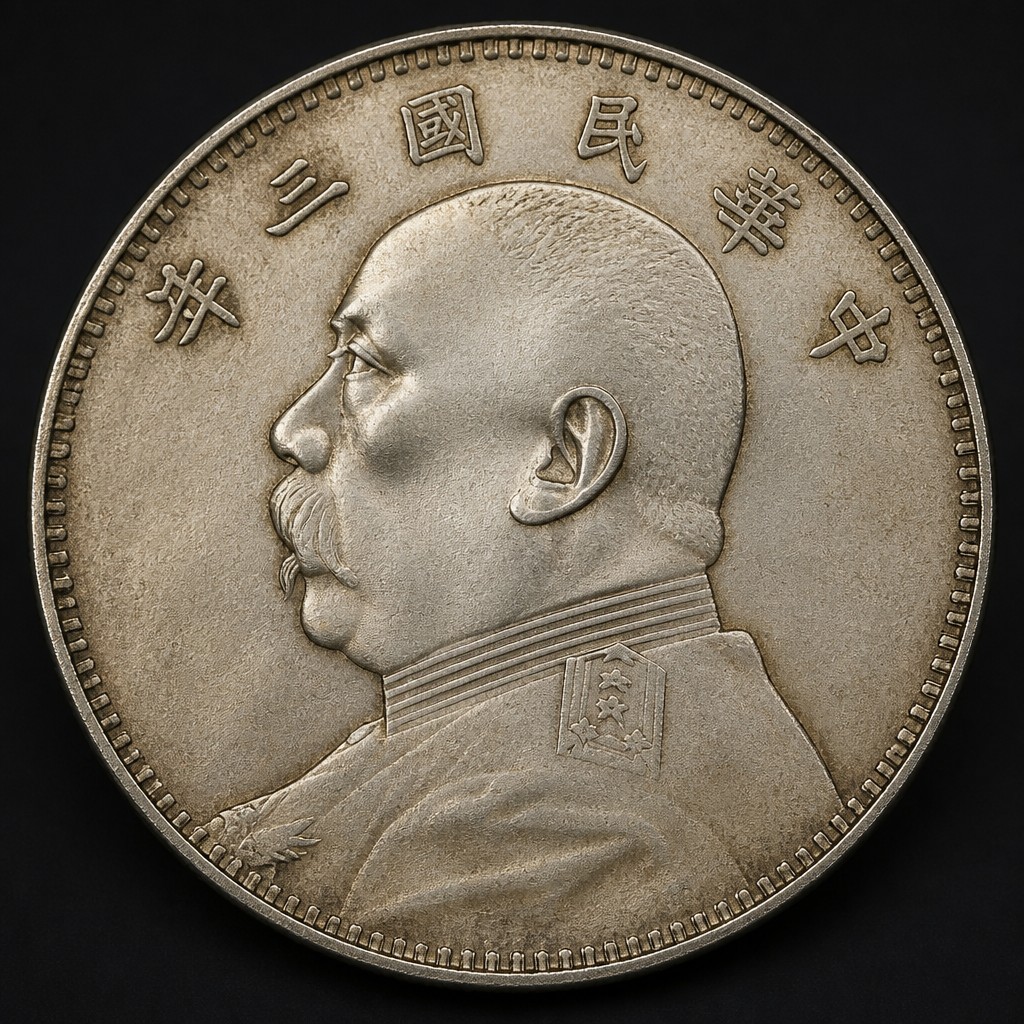
Yuan Shikai 'Fatman' Dollar (1914)
Dated 1914, struck into the early 1920s
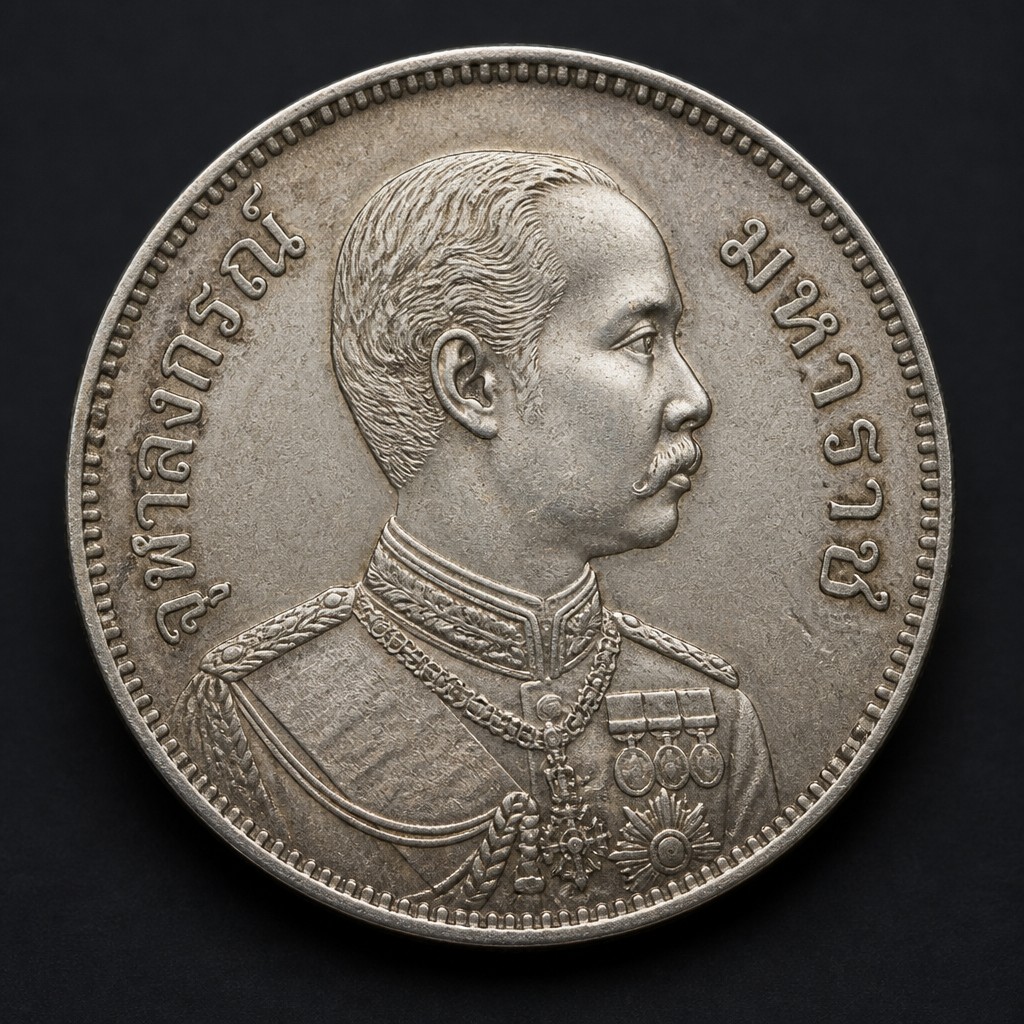
Siamese Rama V Silver Baht
c. 1876–1910