
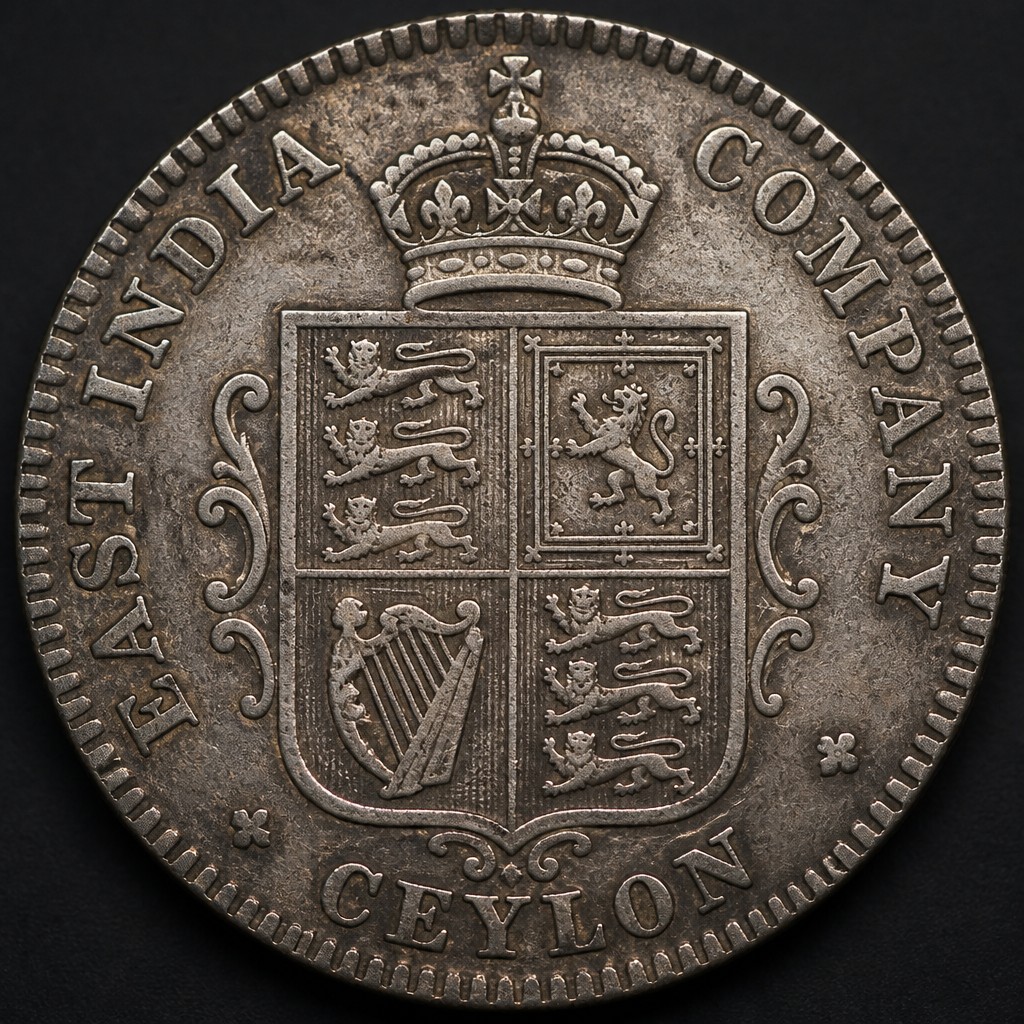
Ceylon (Sri Lanka) EIC Rixdollar
A colonial currency unit continued by the British East India Company administration in Ceylon, inherited from earlier Dutch VOC rule and featuring an elephant design.
- Country
- British Ceylon (Sri Lanka)
- Denomination
- Rixdollar
- Metal
- Copper / Silver (varies by denomination)
Got a coin like this?
Identify any coin from a photo, free.
Overview
The Ceylon Rixdollar was a currency denomination used in British-administered Ceylon in the early 19th century, carried over from the Dutch colonial monetary system that preceded British control of the island. It reflects the layered colonial history of Sri Lanka, where Portuguese, Dutch, and British administrations each left their mark on local coinage.
Collectors of British colonial and South Asian coinage are drawn to the series for its distinctive elephant reverse design and its role as a transitional currency between Dutch and later British sterling-based coinage on the island.
History & Background
The rixdollar (a term derived from the Dutch "rijksdaalder") was the standard currency unit used by the Dutch East India Company (VOC) in Ceylon before the British took control of the island's coastal regions in 1796 and formally in 1802. Rather than immediately replacing the familiar currency, British colonial authorities, acting through Ceylon's own colonial mint arrangements, continued to issue rixdollar-denominated coins to maintain continuity in local commerce.
These issues, struck in various fractional denominations in copper and occasionally silver, circulated through the early decades of the 19th century until Ceylon's currency was eventually reformed and tied more directly to the British sterling system, with the rixdollar phased out in favor of a rupee-based system later in the 1800s.
How to Identify
Designs vary somewhat by denomination and year, but a common and recognizable British Ceylon type shows the reigning British monarch's bust (such as George III) on the obverse with the royal title in Latin, while other lower-denomination coppers are aniconic, showing only numerals and legends.
The reverse of the higher-profile rixdollar-related issues typically features a standing elephant, a longstanding symbol of Ceylon, along with the denomination spelled out (such as "1/96TH RIXDOLLAR" or similar fractional values reflecting the awkward Dutch-derived denominational system that the British initially retained).
Sizes and metals vary widely across the series since it includes multiple fractional copper denominations as well as occasional silver pieces; collectors should check the exact numeral and fraction stated on the coin to determine which denomination they hold.
Value & Collectibility
Common low-denomination copper rixdollar fractions are generally affordable and available in worn grades, making them accessible entry points into British colonial coinage from Ceylon. Higher denominations and well-preserved examples with strong detail are notably scarcer.
Value is driven primarily by denomination, condition, and date, with well-struck, lightly circulated pieces bringing meaningfully more than heavily worn examples. As with most colonial copper, corrosion and porosity from long circulation in a tropical climate are common issues that can significantly affect price.
Frequently asked questions
What does 'rixdollar' mean?
It derives from the Dutch 'rijksdaalder,' a currency unit used by the Dutch East India Company that the British continued to use in Ceylon after taking control of the island.
Why does the coin show an elephant?
The elephant has long been a national symbol of Ceylon (Sri Lanka) and was used on colonial coinage to represent the island.
When did Ceylon stop using the rixdollar system?
The rixdollar was eventually phased out during the 19th century as British colonial authorities moved Ceylon toward a rupee-based currency system aligned with British India.
Are these coins made of silver or copper?
Most surviving rixdollar-denominated pieces from this period are copper fractional denominations, though some higher-value silver issues also exist.
Other coins you may enjoy
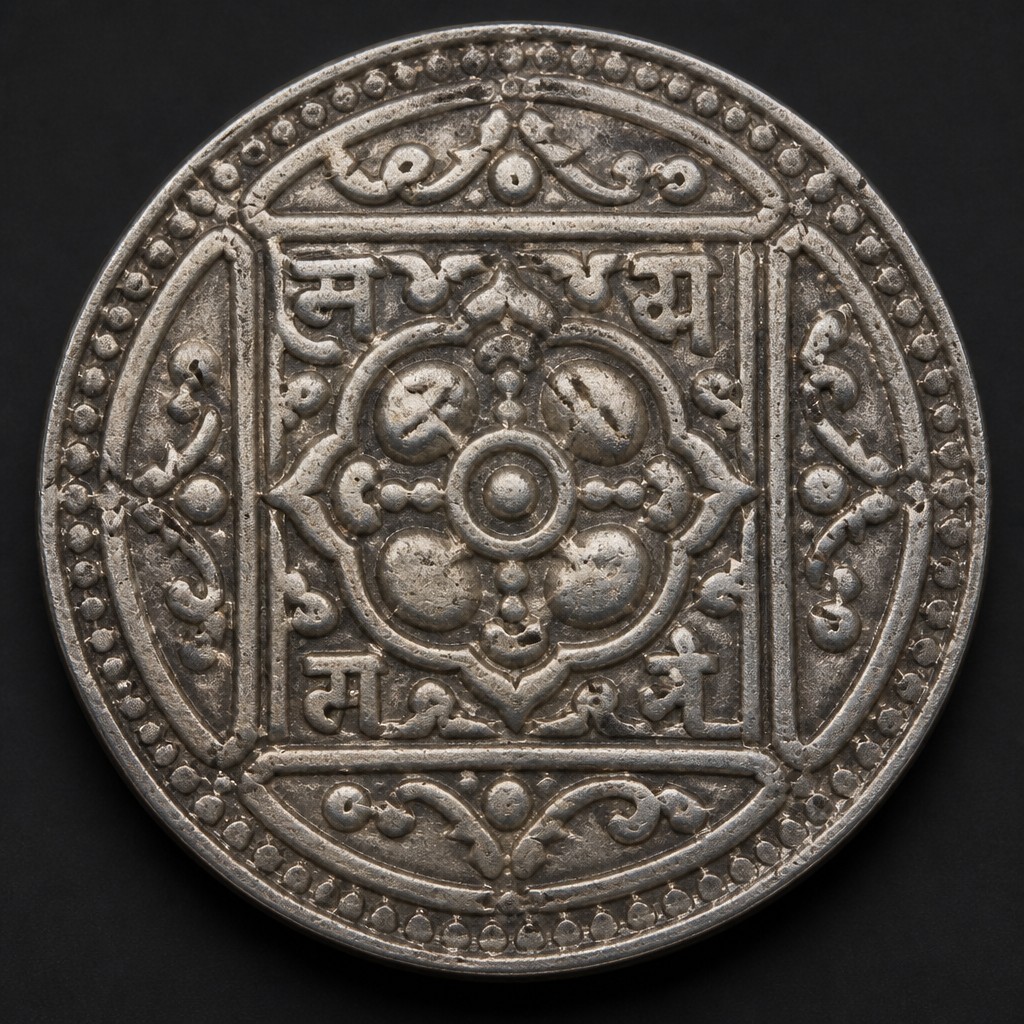
Nepal Silver Mohar
c. 16th–19th century
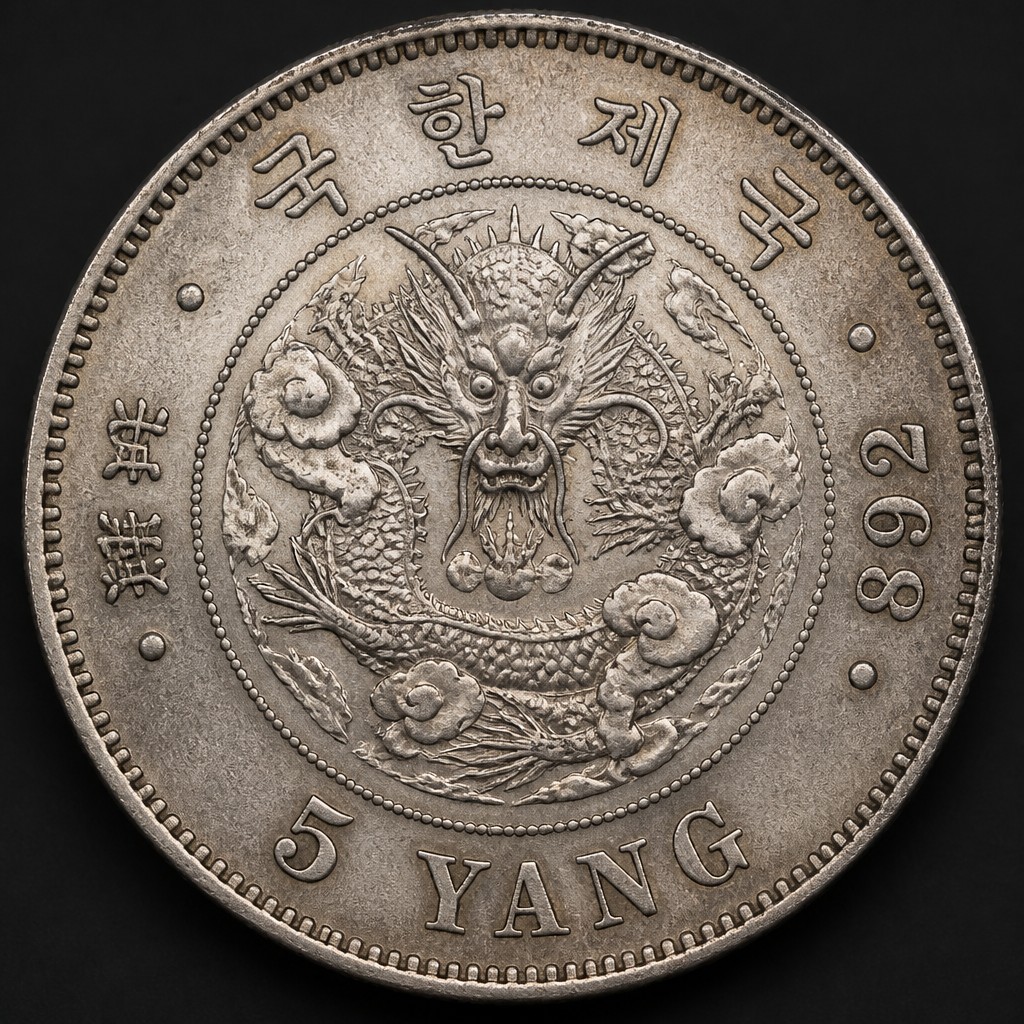
Korean 5 Yang Silver Dollar (1892)
1892
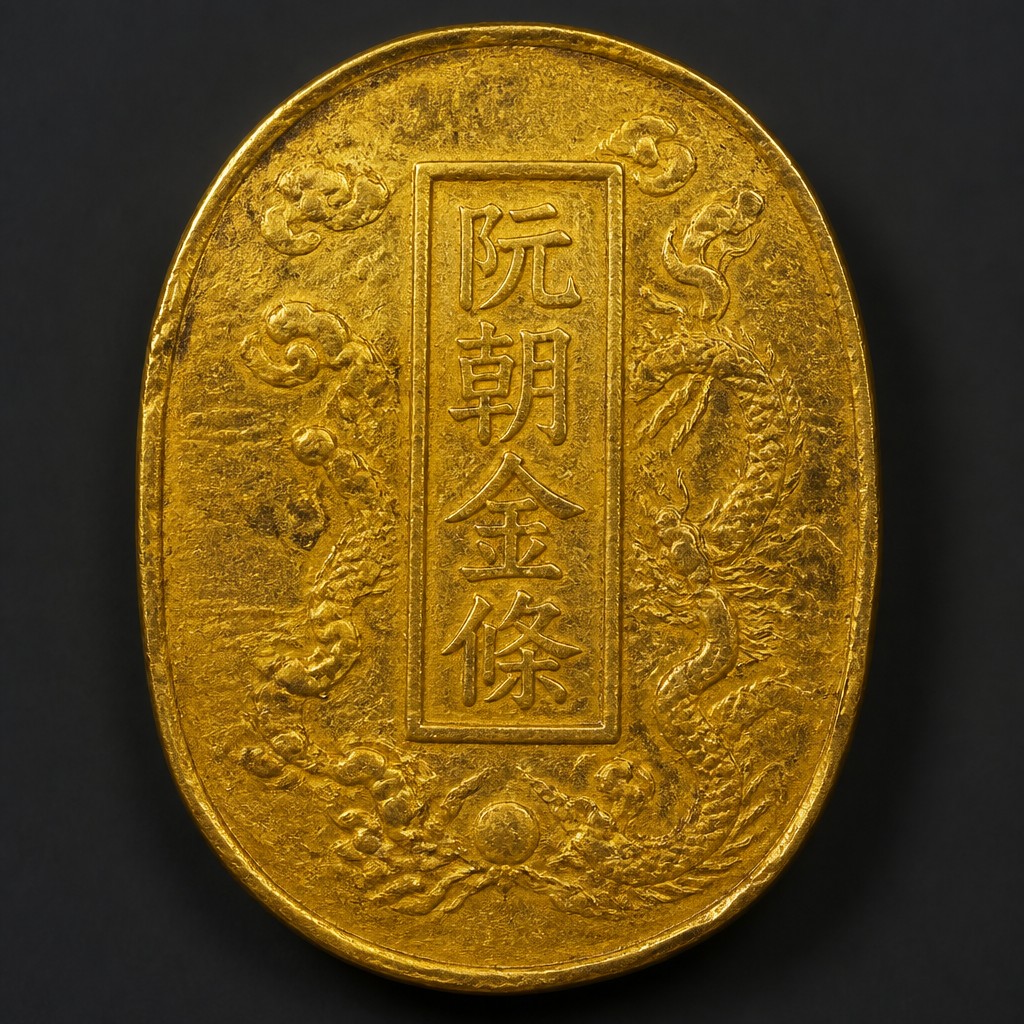
Nguyen Dynasty Gold Bar (Vietnam)
19th century
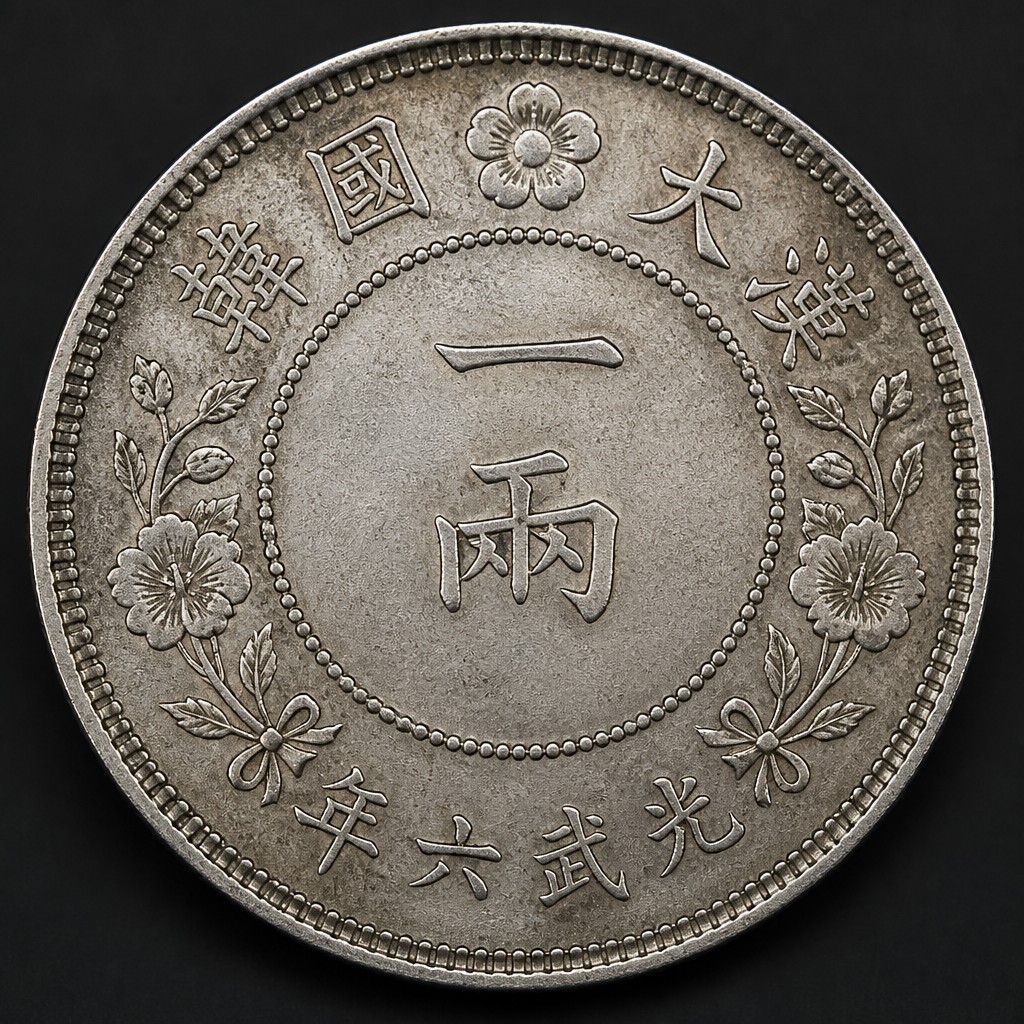
Korean 1 Yang Silver (Joseon/Great Han Empire)
1892–1902
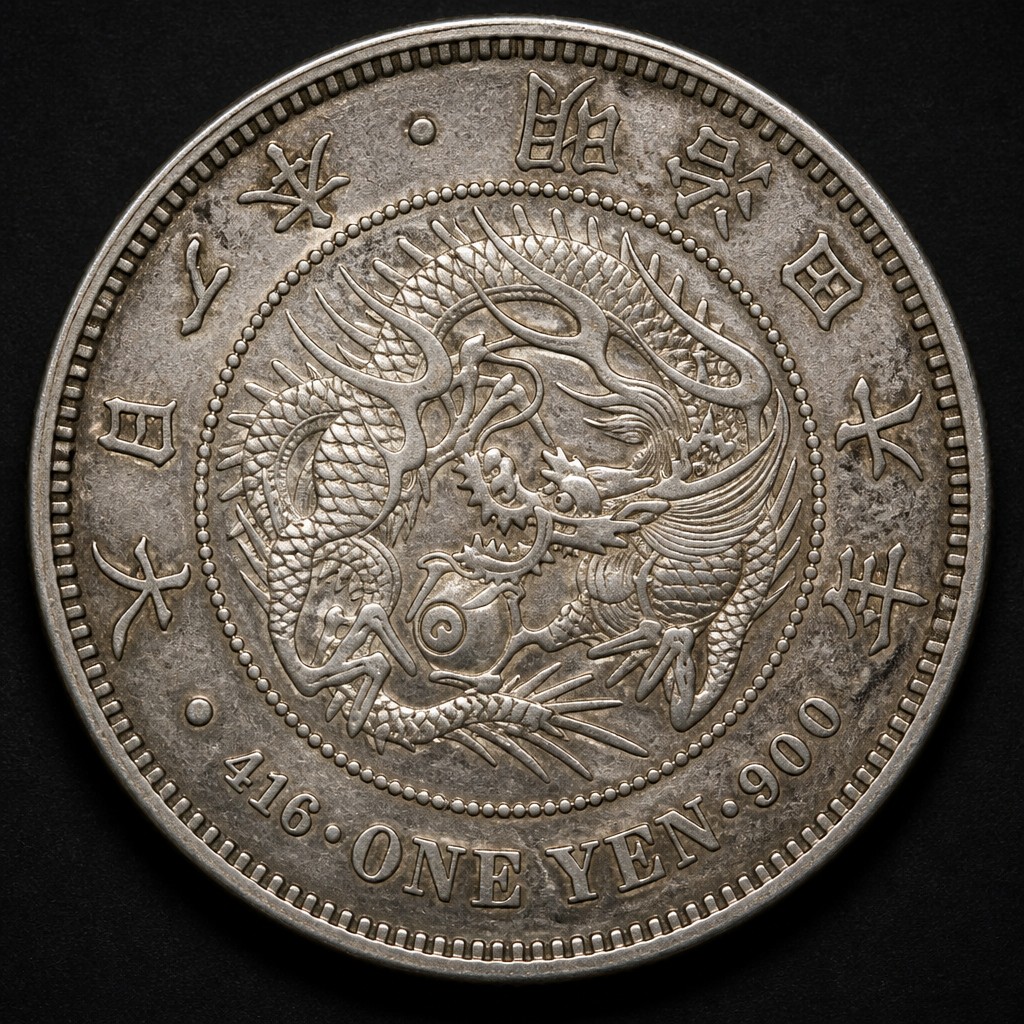
Japanese 1 Yen Silver 'Dragon' Trade Dollar
1870–1914 (trade dollar variant 1875–1877)
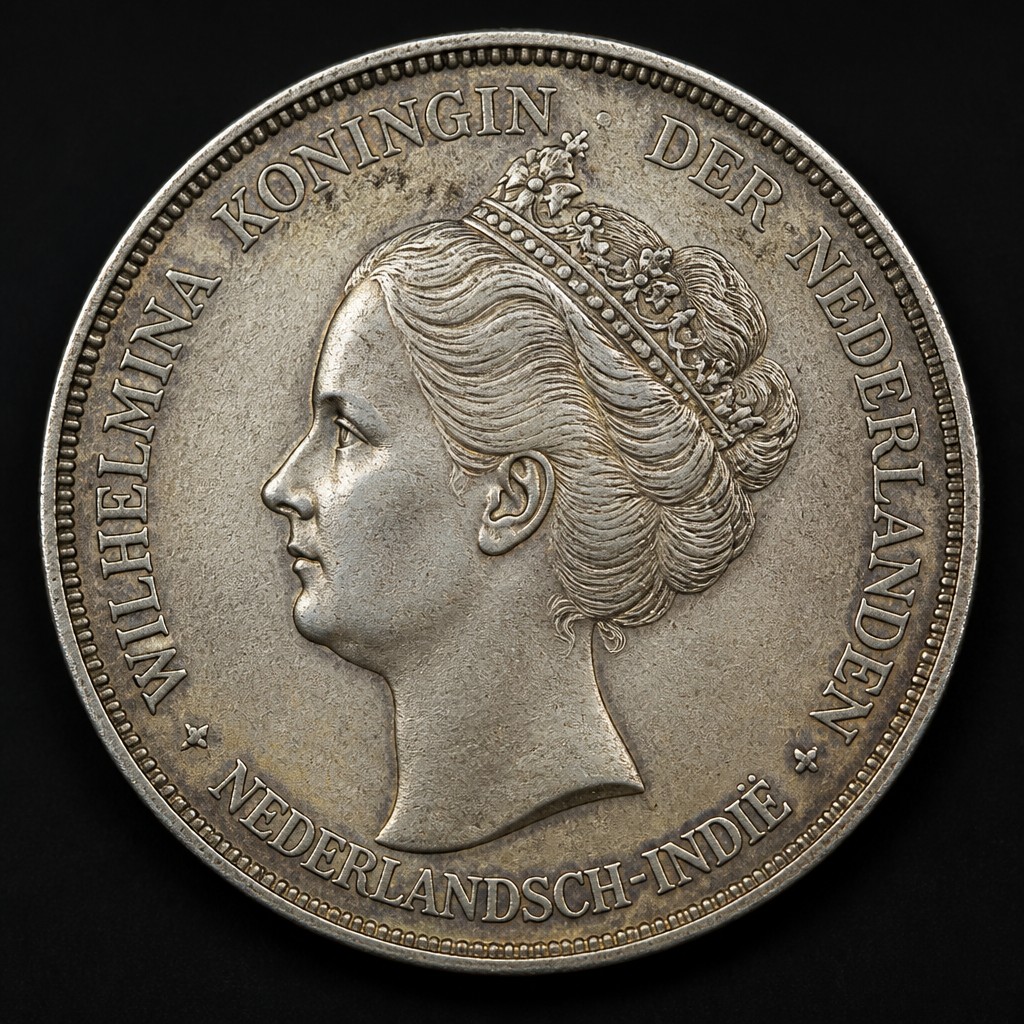
Netherlands East Indies Gulden (Wilhelmina)
1897–1945
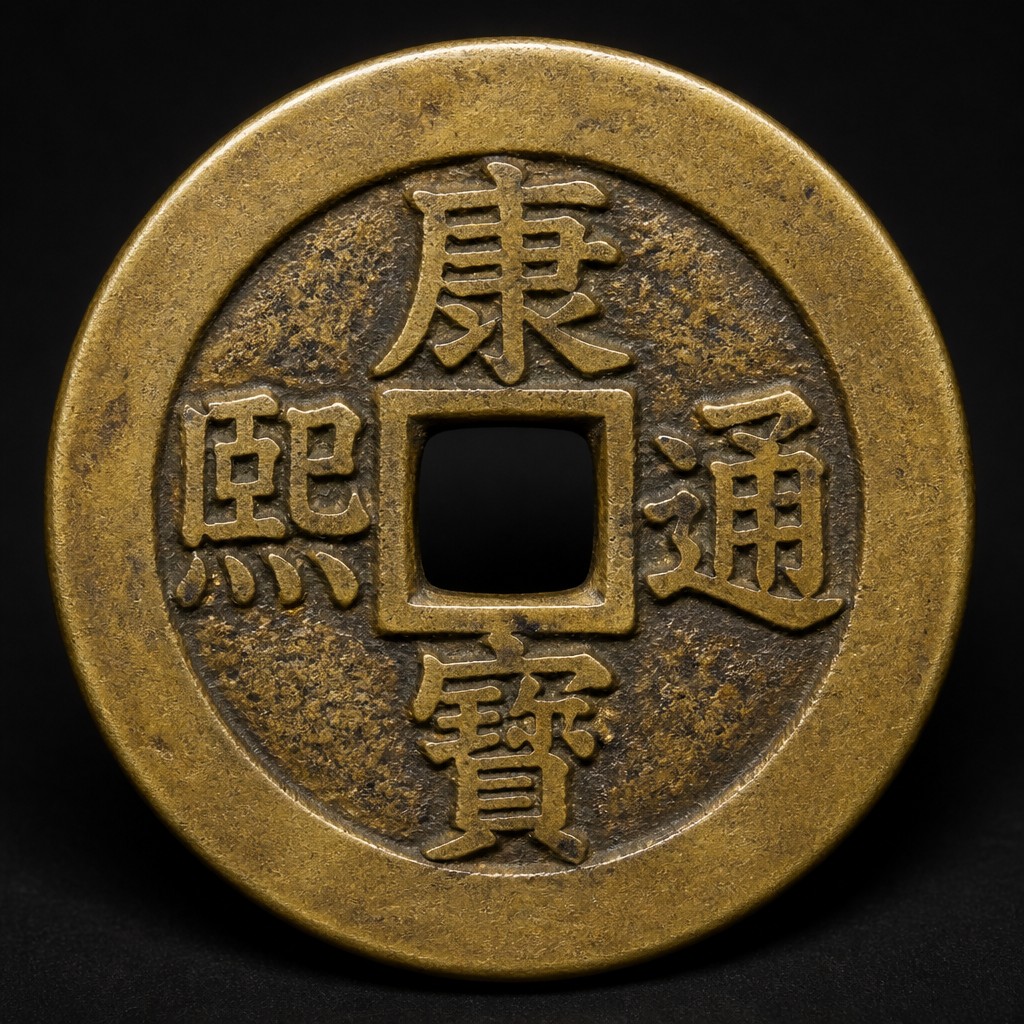
Chinese Cash Coin (Qing Dynasty 'Kangxi Tongbao')
1662–1722
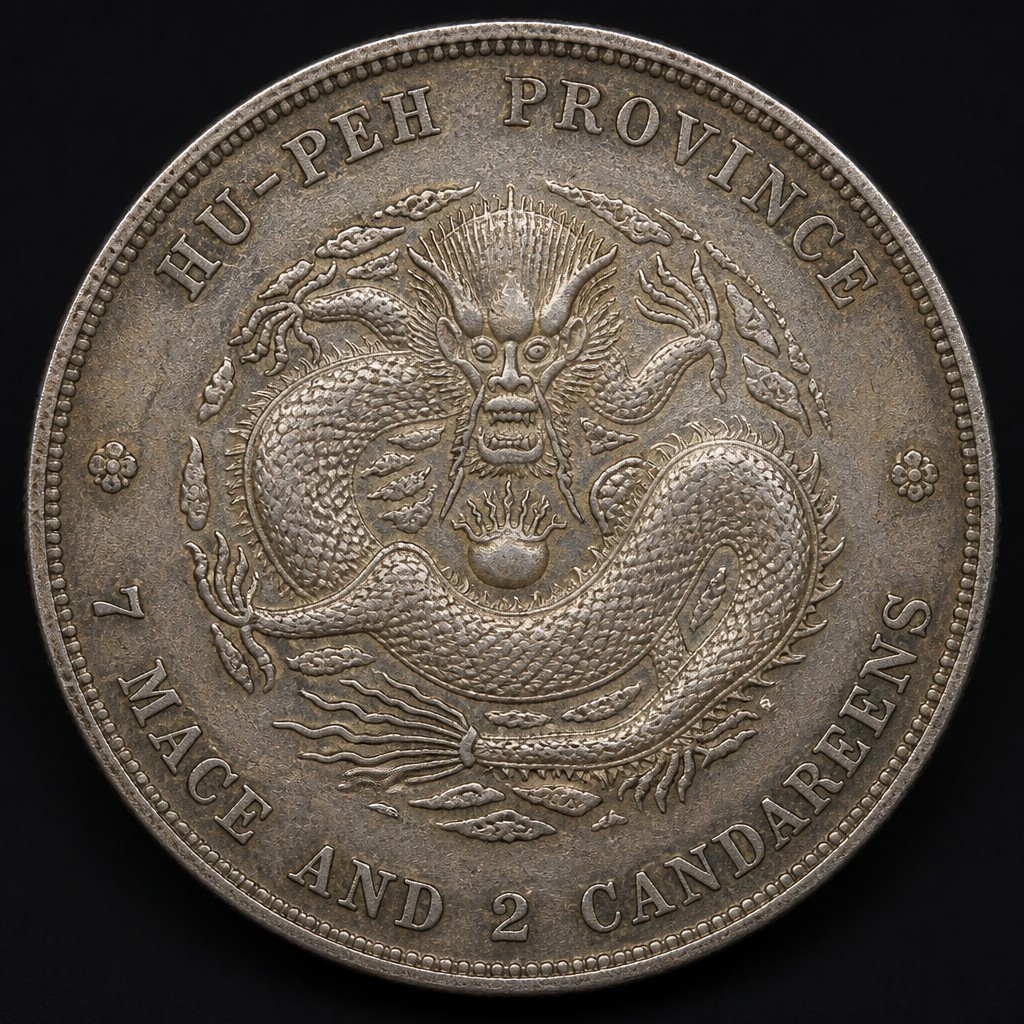
Chinese Hupeh Province Dragon Dollar
c. 1895–1909
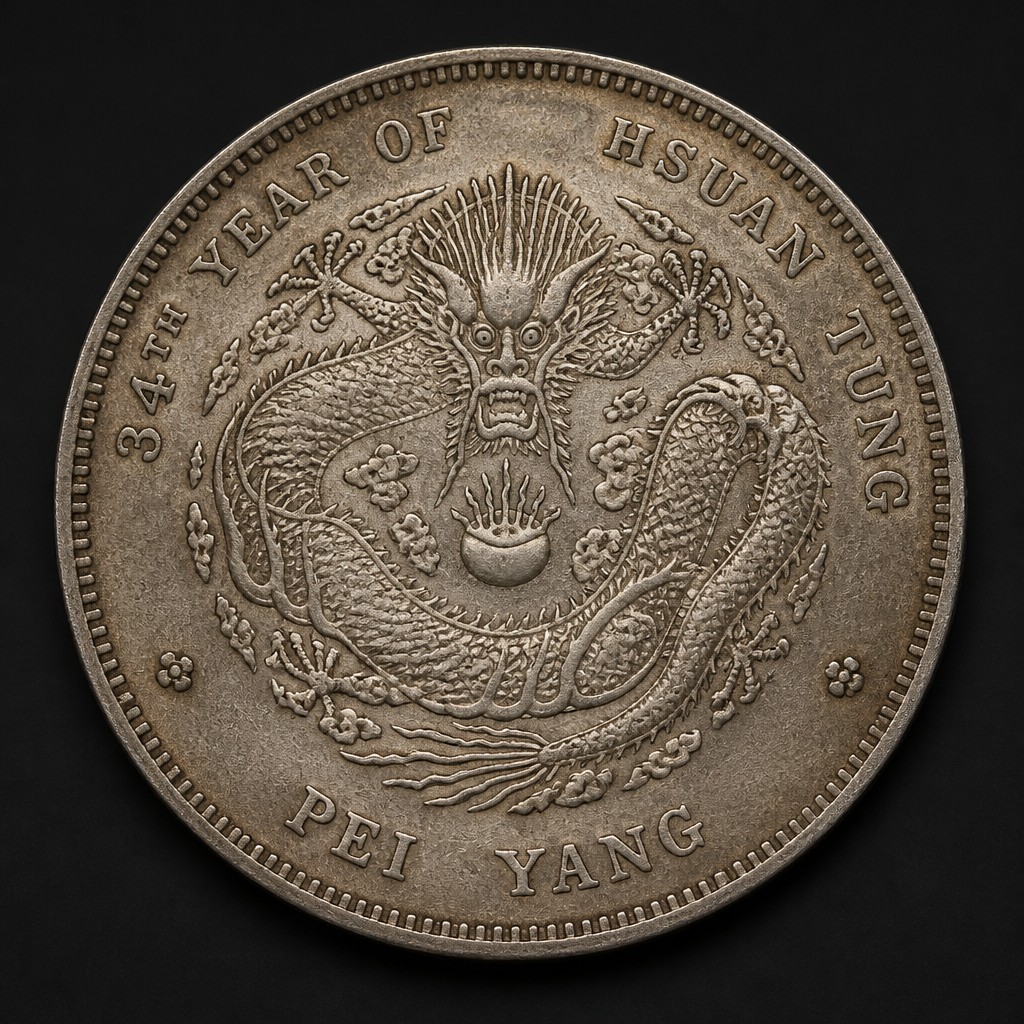
Chinese Empire Silver Dollar (Hsuan Tung Dragon)
1909–1911
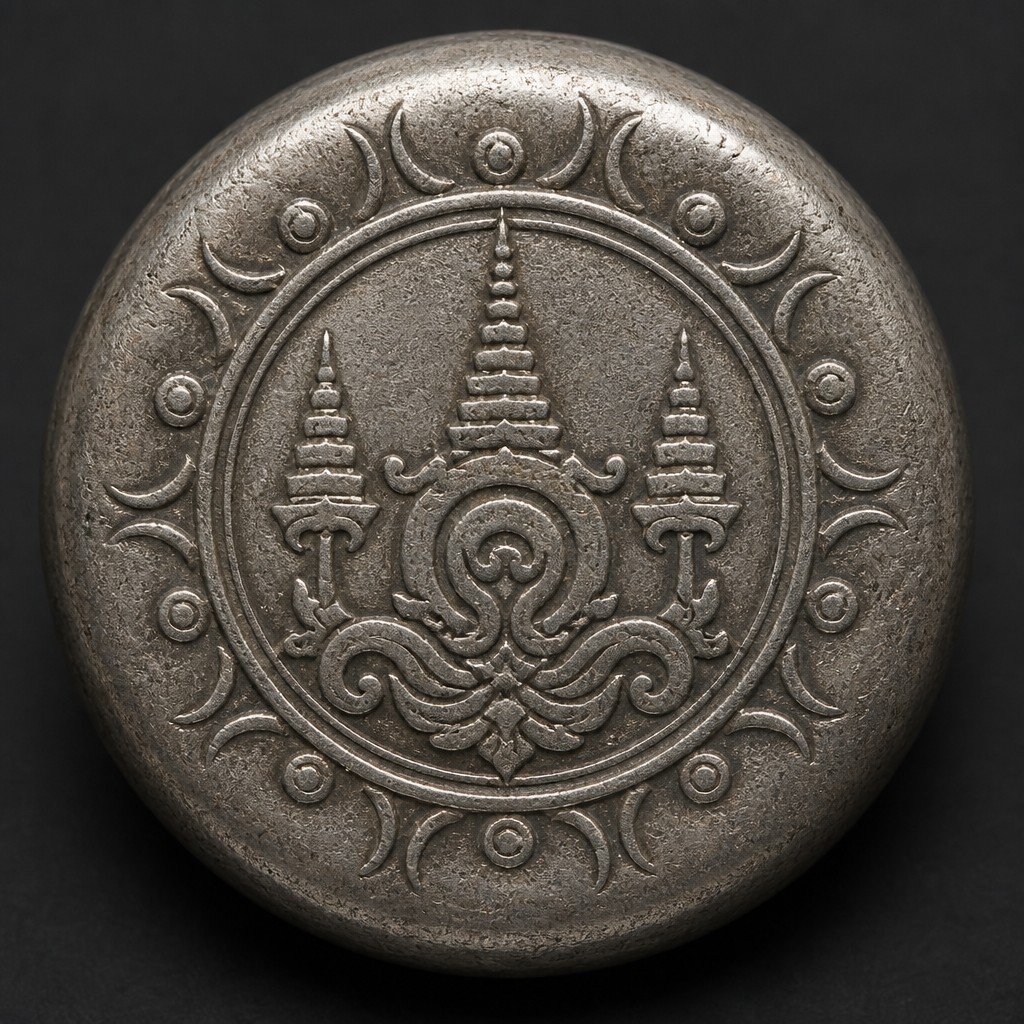
Thailand (Siam) Silver Baht 'Bullet Money' (Pod Duang)
c. 13th century – late 19th century
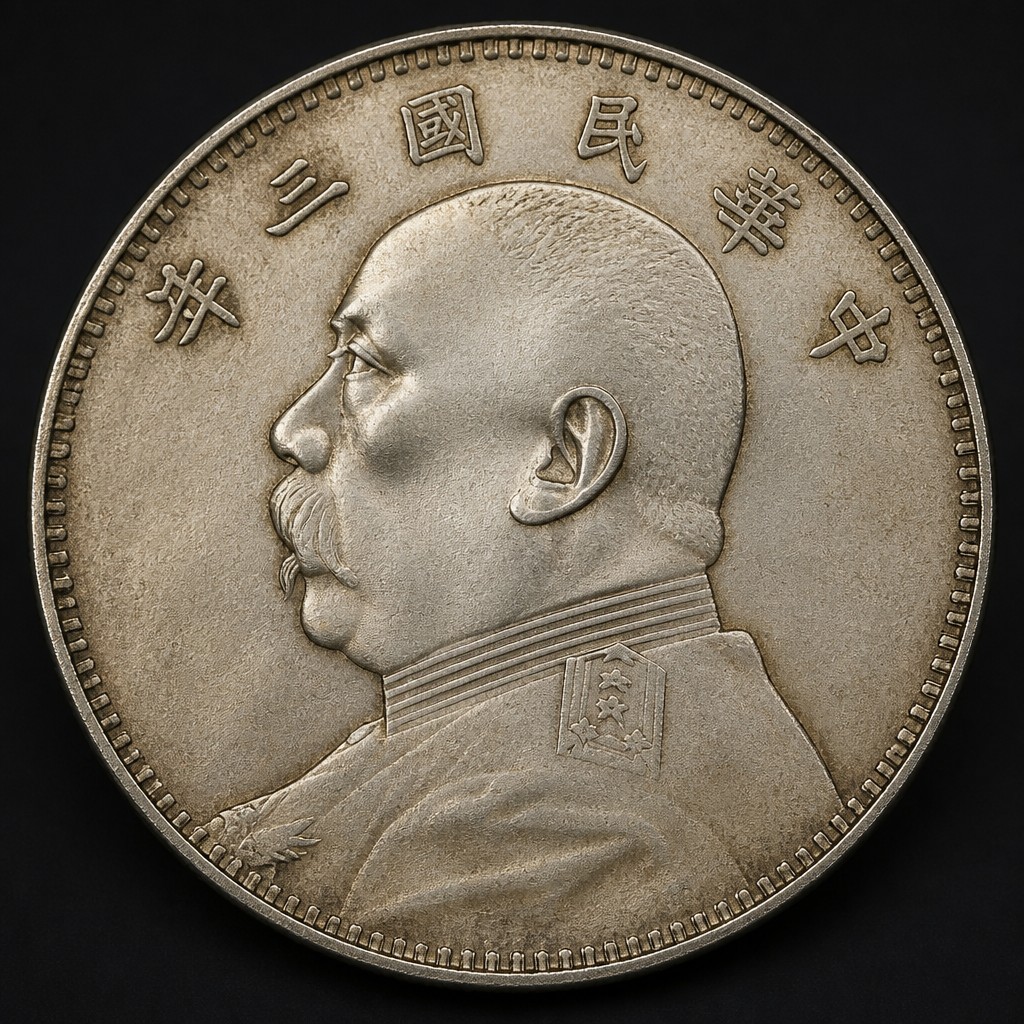
Yuan Shikai 'Fatman' Dollar (1914)
Dated 1914, struck into the early 1920s
Siamese Rama V Silver Baht
c. 1876–1910