
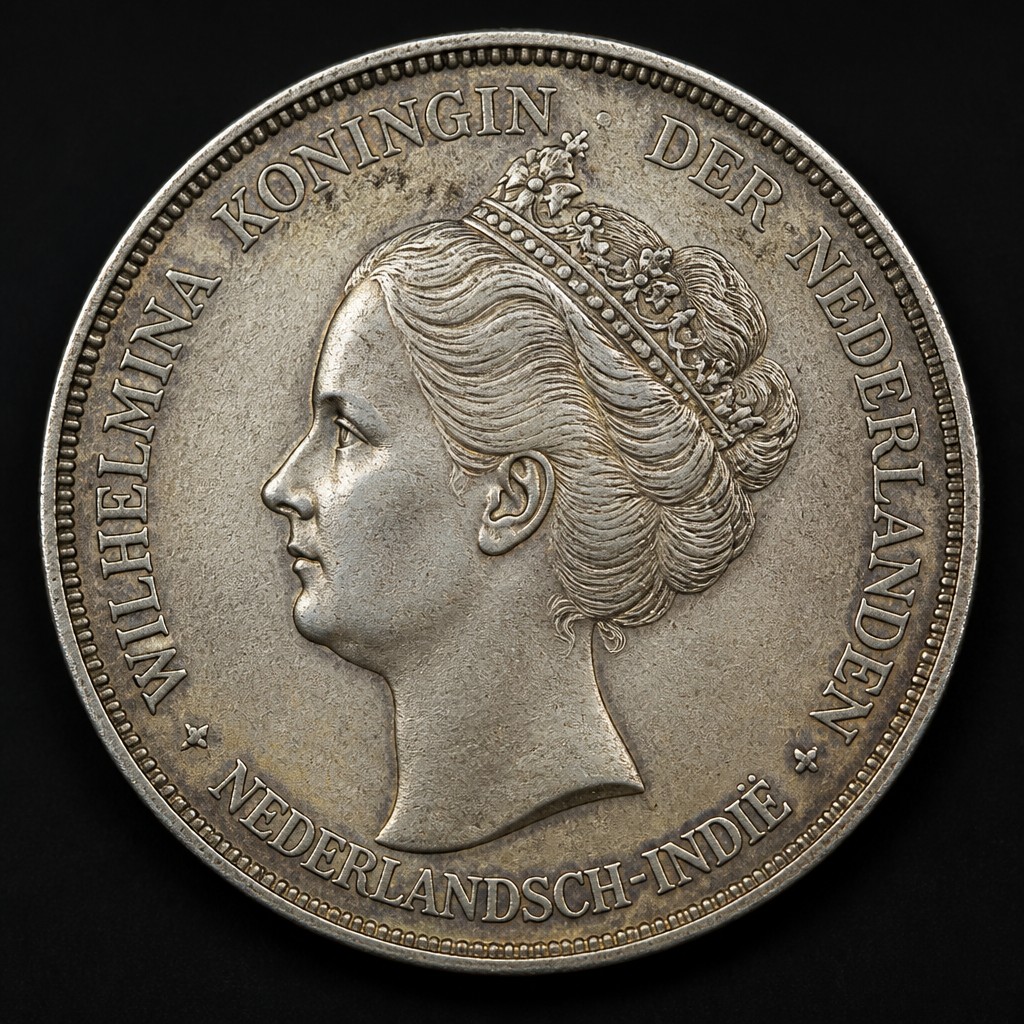
Netherlands East Indies Gulden (Wilhelmina)
Dutch colonial silver gulden struck for the Netherlands East Indies bearing the portrait of Queen Wilhelmina, the standard coin of Dutch-ruled Indonesia.
- Country
- Netherlands East Indies
- Denomination
- One Gulden
- Metal
- Silver (approx. .640–.720 fine)
Got a coin like this?
Identify any coin from a photo, free.
Overview
The Netherlands East Indies gulden was the principal silver coin circulating in the Dutch colonial territories of present-day Indonesia during Queen Wilhelmina's long reign (1890-1948). It reflects the monetary link between the Netherlands and its most valuable colonial possession.
Collectors find Wilhelmina-era East Indies coinage a natural bridge between Dutch and Southeast Asian numismatics, popular with Netherlands specialists and Indonesian colonial-era collectors alike, and it offers an accessible way to collect colonial-portrait coinage from a major European empire.
History & Background
The Dutch East Indies operated under a colonial currency system tied to, but distinct from, the currency of the Netherlands itself, with coins struck specifically for the colony bearing the reigning monarch's portrait. Under Queen Wilhelmina, gulden and fractional silver coins were issued for the colony, generally produced at the Royal Dutch Mint in Utrecht for shipment overseas.
Coinage continued through the early 20th century, with metal content adjusted periodically in response to silver prices and colonial monetary policy, until Japanese occupation during World War II disrupted the colonial currency system. Indonesian independence afterward ultimately ended Dutch colonial coinage entirely.
How to Identify
Obverse: a portrait of Queen Wilhelmina, shown as a young queen, an adult, or an older monarch depending on the coin's date, with a legend identifying her as Queen of the Netherlands.
Reverse: the denomination ("1 GULDEN" or a fractional equivalent) together with "NEDERLANDSCH INDIE" (Netherlands Indies), confirming colonial issue distinct from coinage struck for the Netherlands proper, generally within a wreath or decorative border alongside the date.
The coin is struck in silver, with fineness varying somewhat by date (roughly .640 to .720 fine for later issues) and a milled edge. The key distinguishing feature from a home-country Dutch gulden of the same era is the "NEDERLANDSCH INDIE" reverse inscription.
Value & Collectibility
Common dates of the Wilhelmina East Indies gulden and its fractional coins are widely available and generally inexpensive in circulated grades, making them approachable for beginning collectors of Dutch colonial coinage. Scarcer dates, mint varieties, and higher mint-state grades bring proportionally more.
As with most circulated colonial silver, condition, originality of surfaces, and absence of cleaning are important value factors; a handful of lower-mintage dates are recognized as tougher to locate in top grades.
Frequently asked questions
Who is depicted on the coin?
Queen Wilhelmina of the Netherlands, whose portrait appears in different styles across her long reign.
How do I know it's a colonial coin, not a Dutch coin?
Look for "NEDERLANDSCH INDIE" on the reverse, distinguishing it from coins struck for the Netherlands itself.
What is the metal content?
Silver, with fineness varying by date, generally in the .640 to .720 range for later issues.
Where was it minted?
Typically at the Royal Dutch Mint in Utrecht, for shipment to the East Indies colony.
When did this coinage end?
Japanese occupation during World War II disrupted it, and Indonesian independence afterward ended Dutch colonial coinage.
Other coins you may enjoy
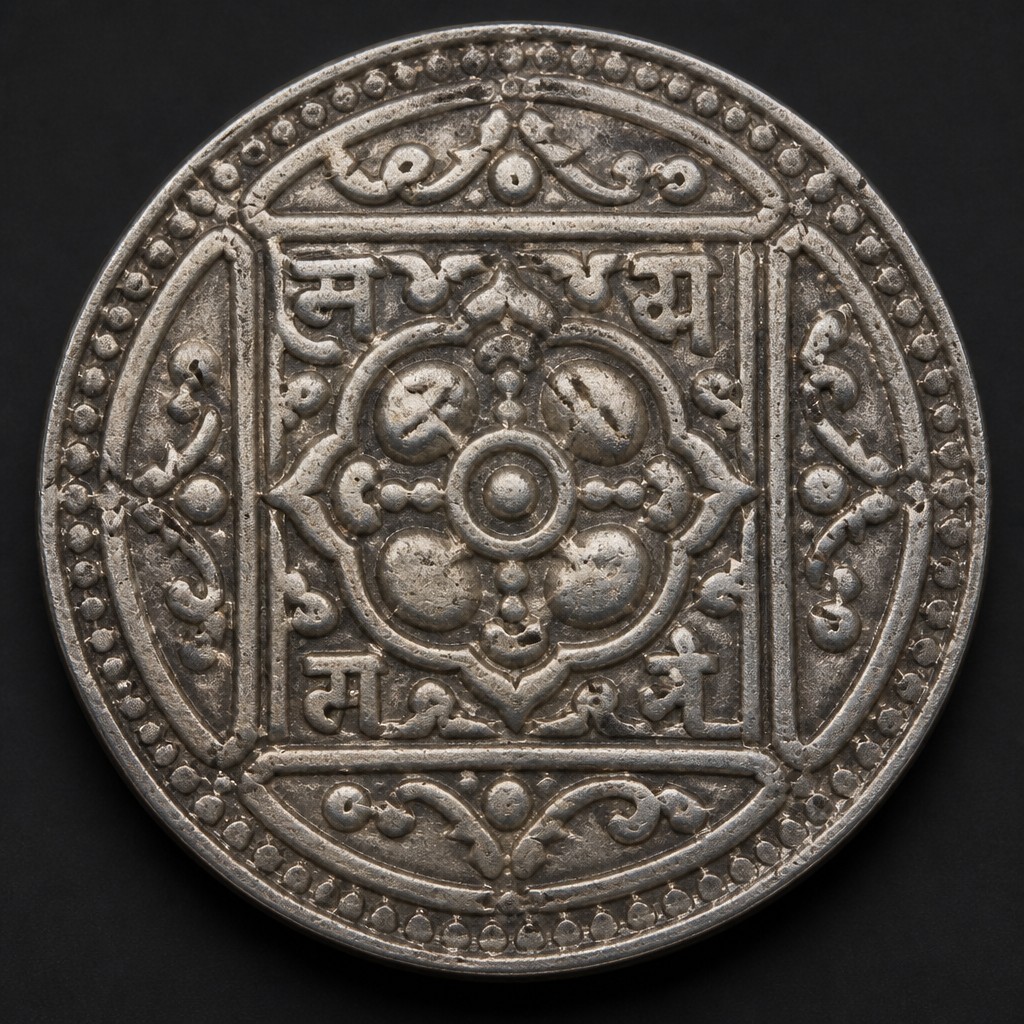
Nepal Silver Mohar
c. 16th–19th century
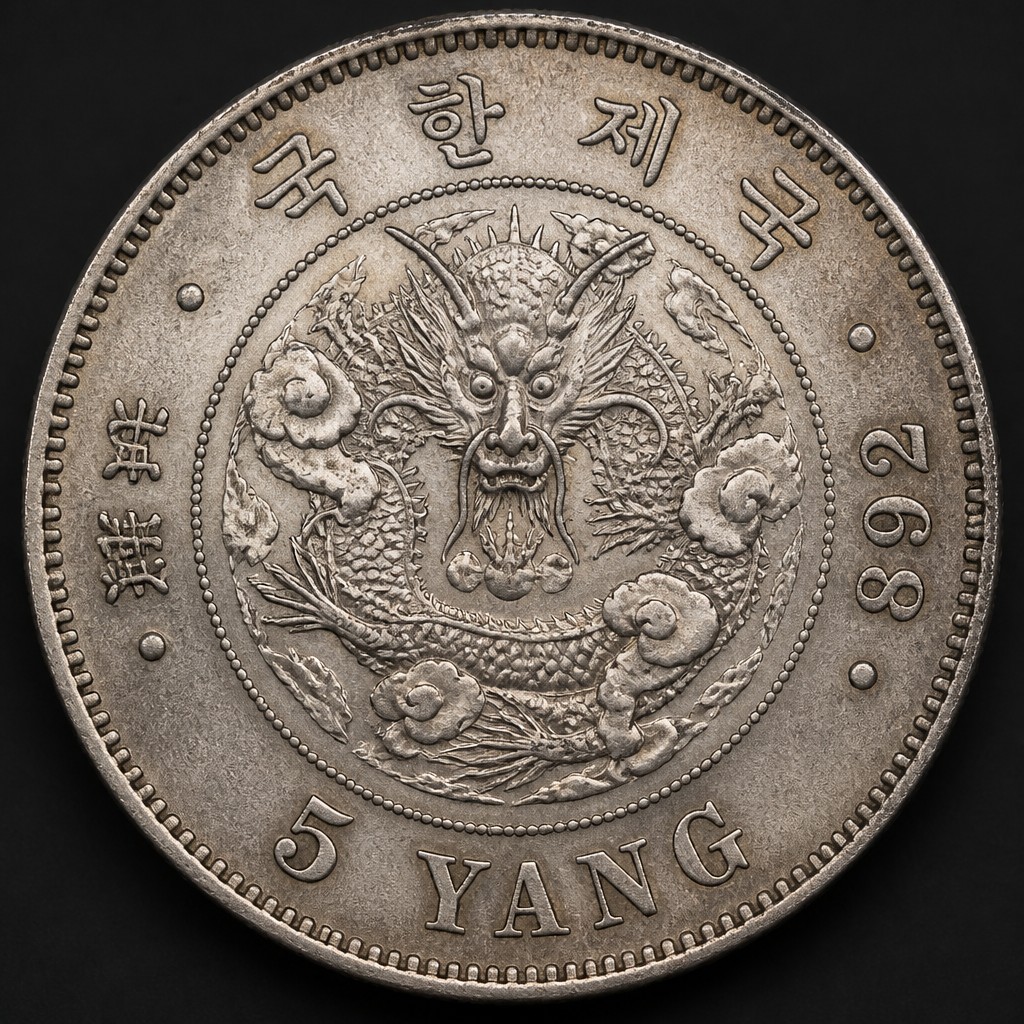
Korean 5 Yang Silver Dollar (1892)
1892
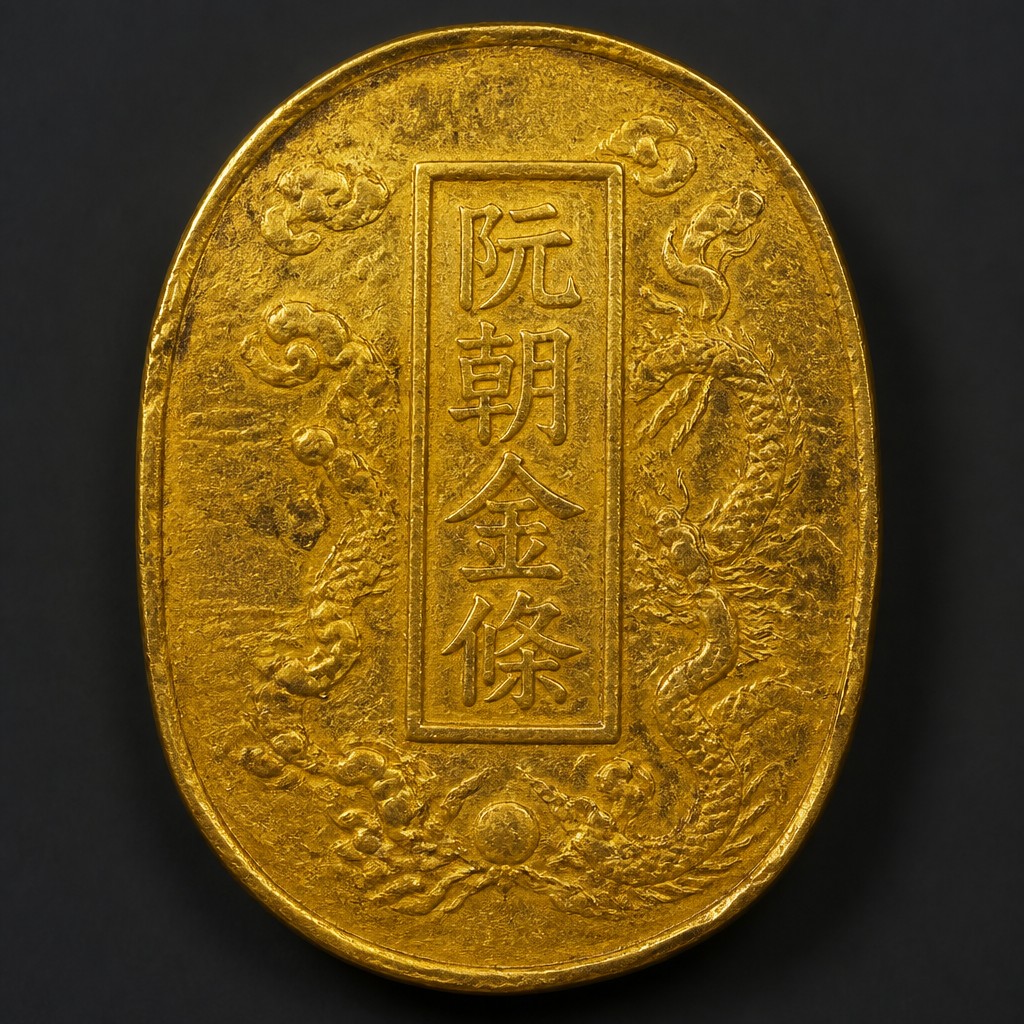
Nguyen Dynasty Gold Bar (Vietnam)
19th century
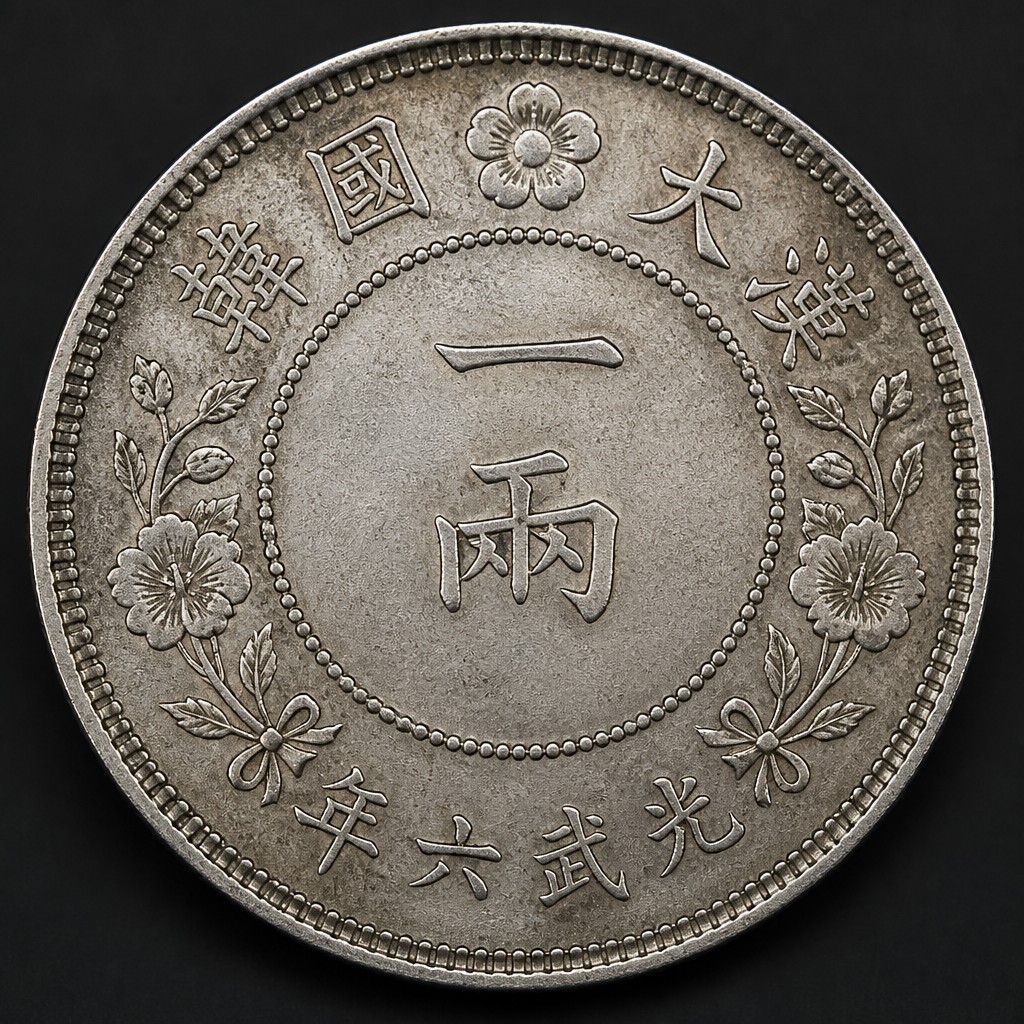
Korean 1 Yang Silver (Joseon/Great Han Empire)
1892–1902
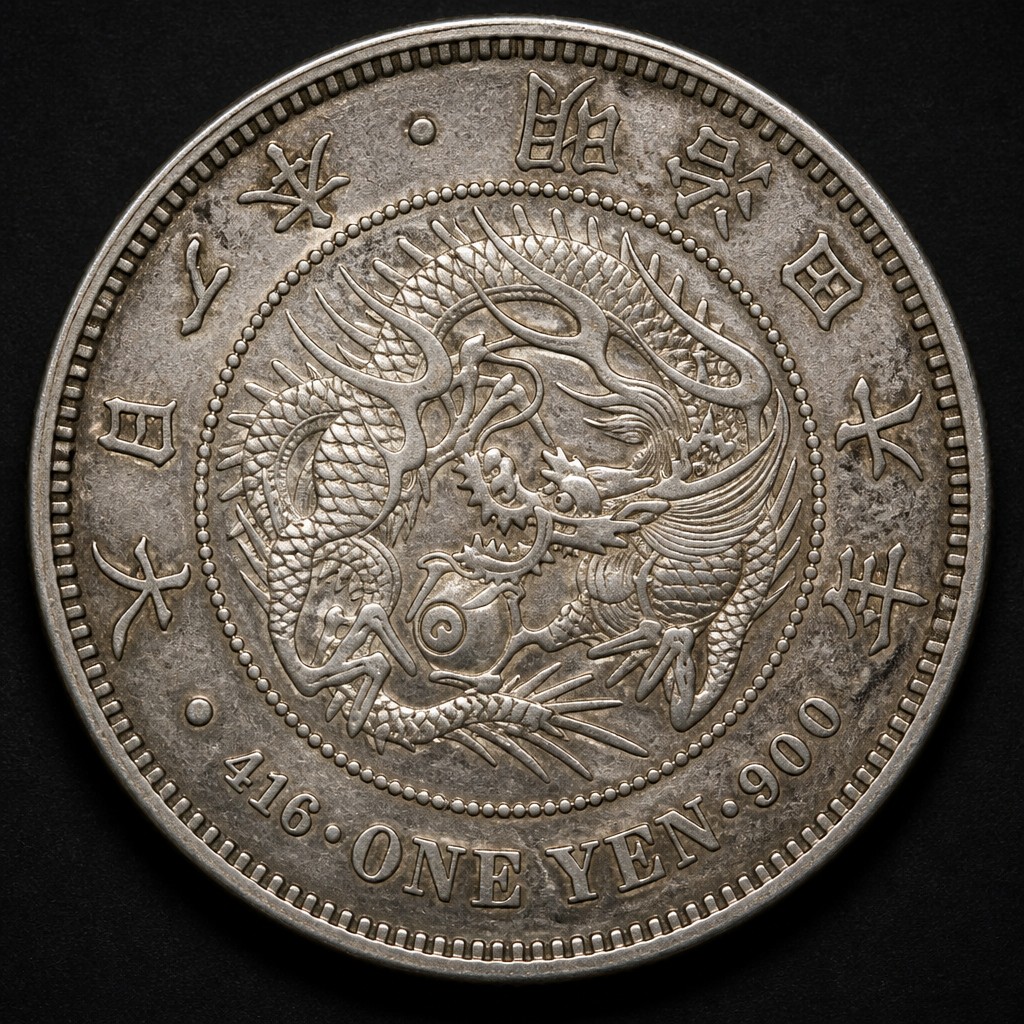
Japanese 1 Yen Silver 'Dragon' Trade Dollar
1870–1914 (trade dollar variant 1875–1877)
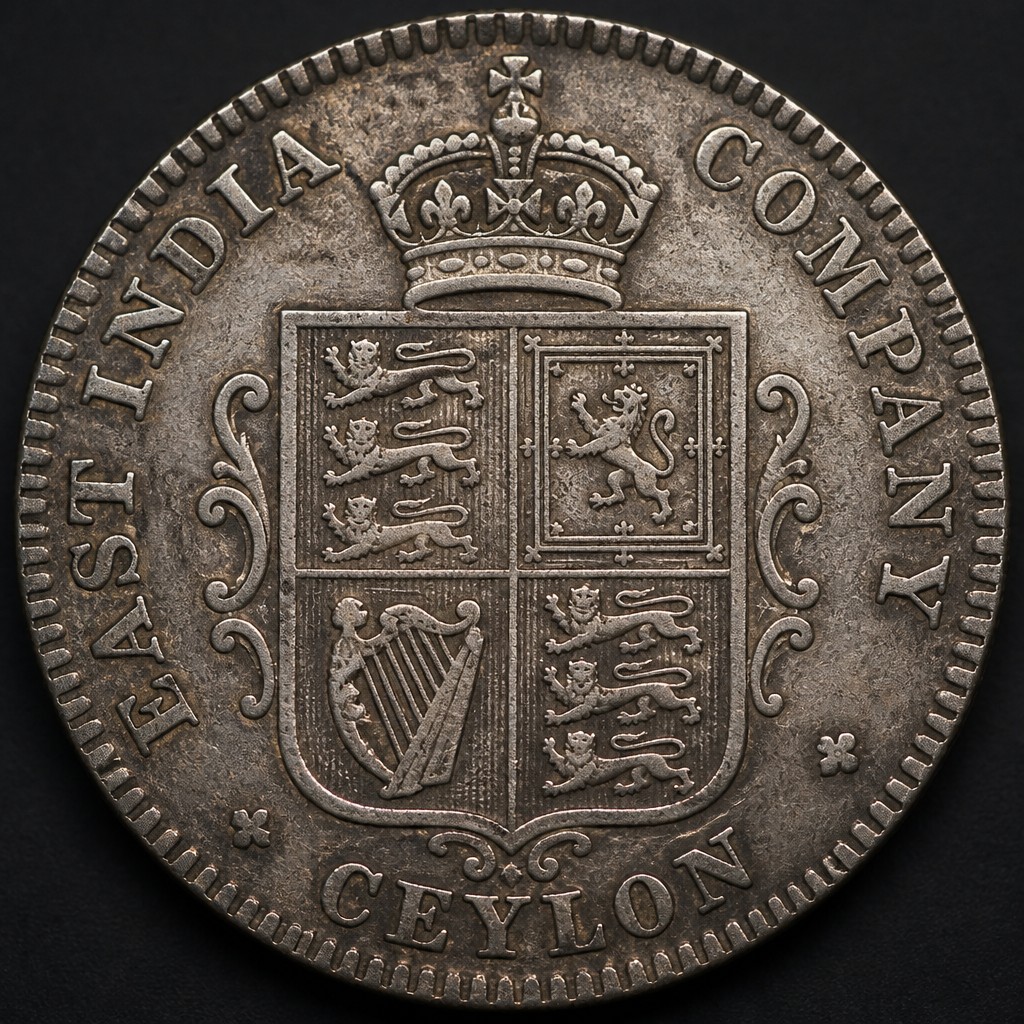
Ceylon (Sri Lanka) EIC Rixdollar
c. 1802–1821
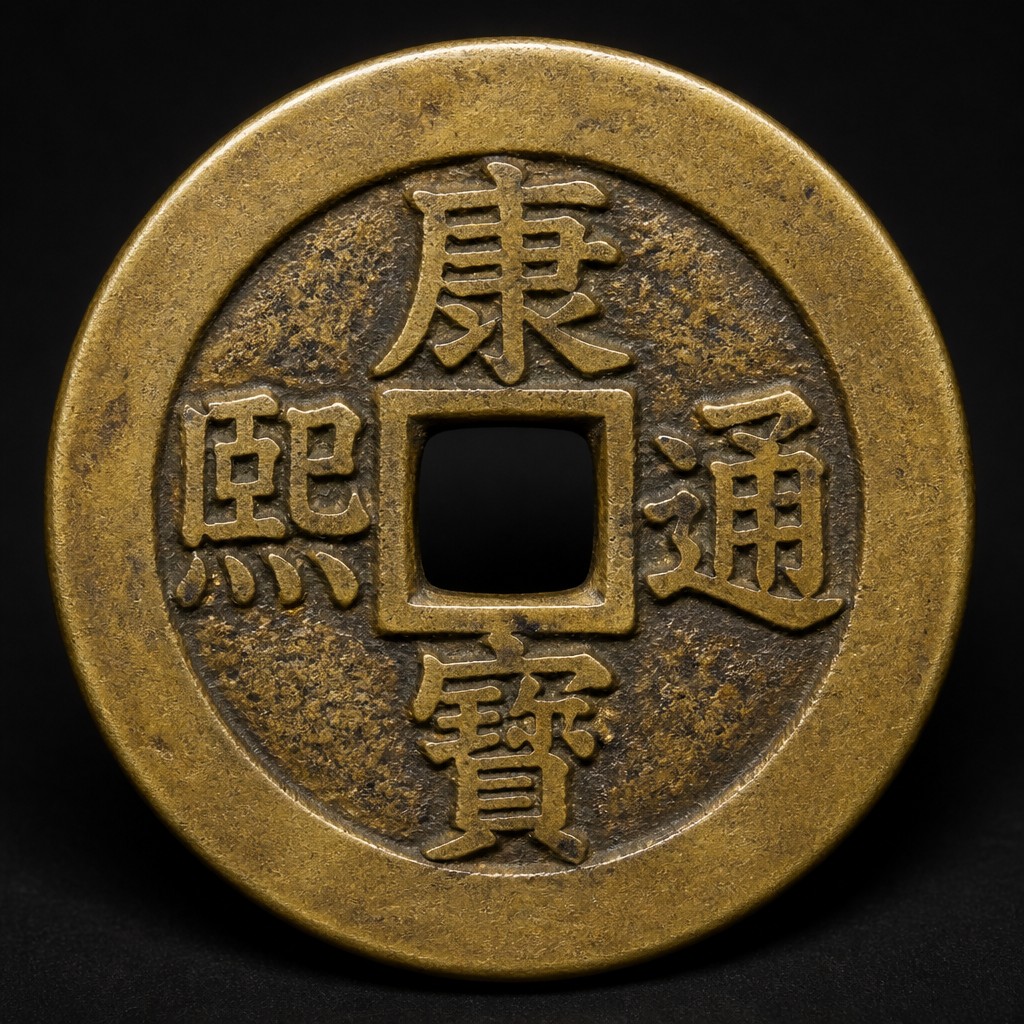
Chinese Cash Coin (Qing Dynasty 'Kangxi Tongbao')
1662–1722
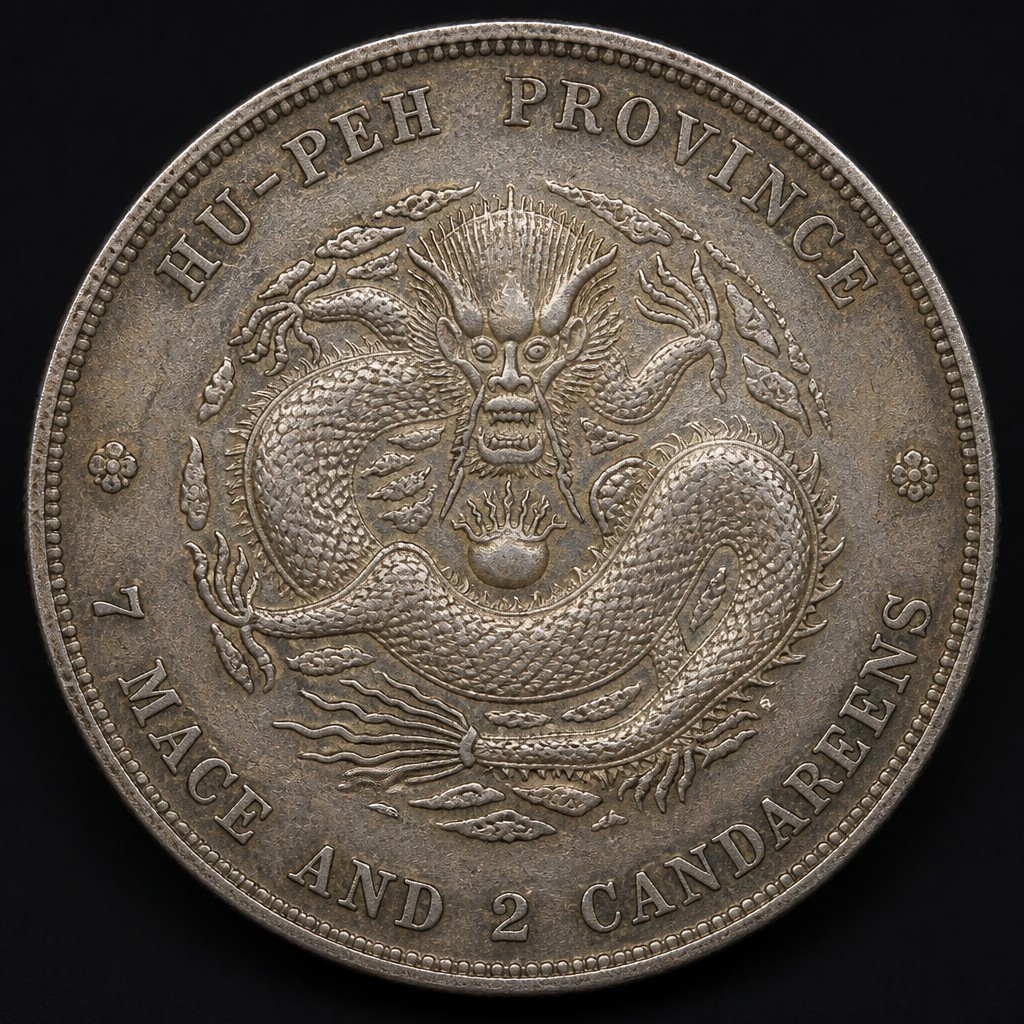
Chinese Hupeh Province Dragon Dollar
c. 1895–1909
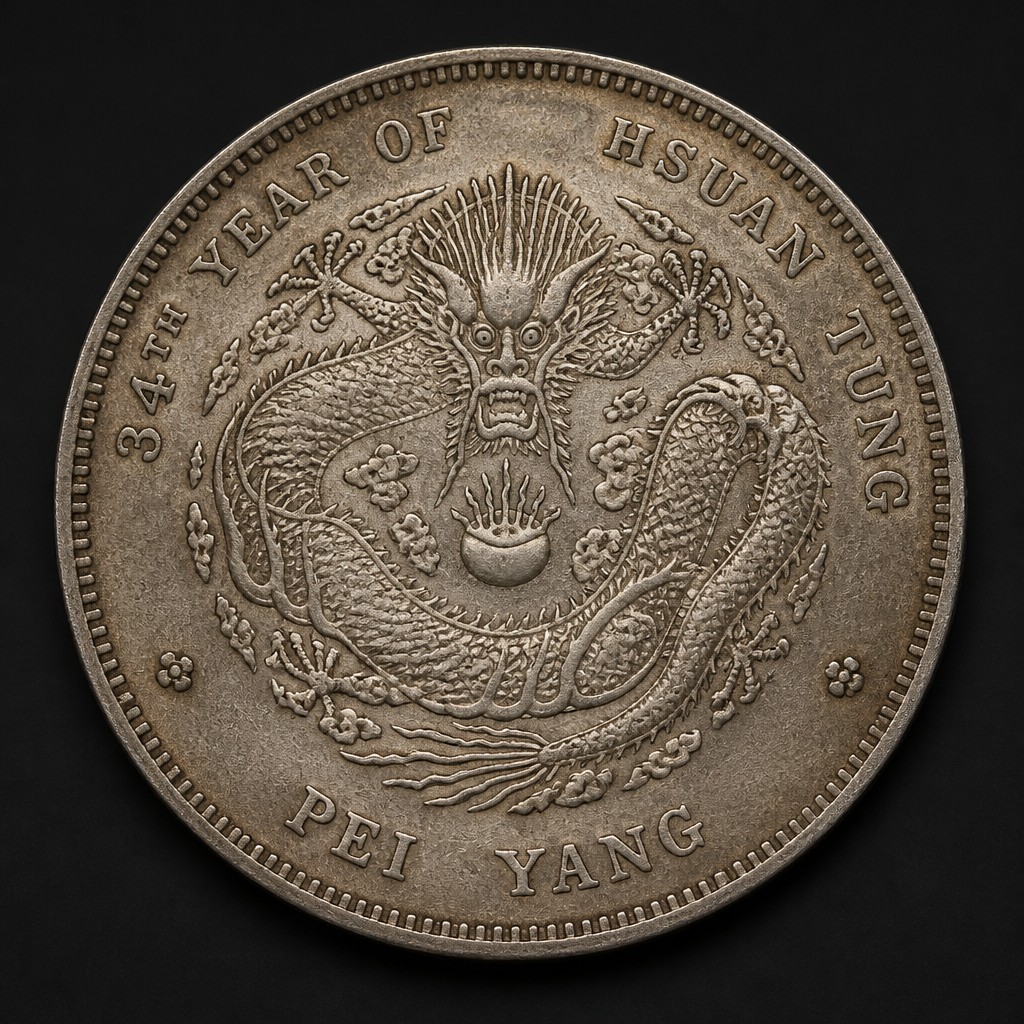
Chinese Empire Silver Dollar (Hsuan Tung Dragon)
1909–1911
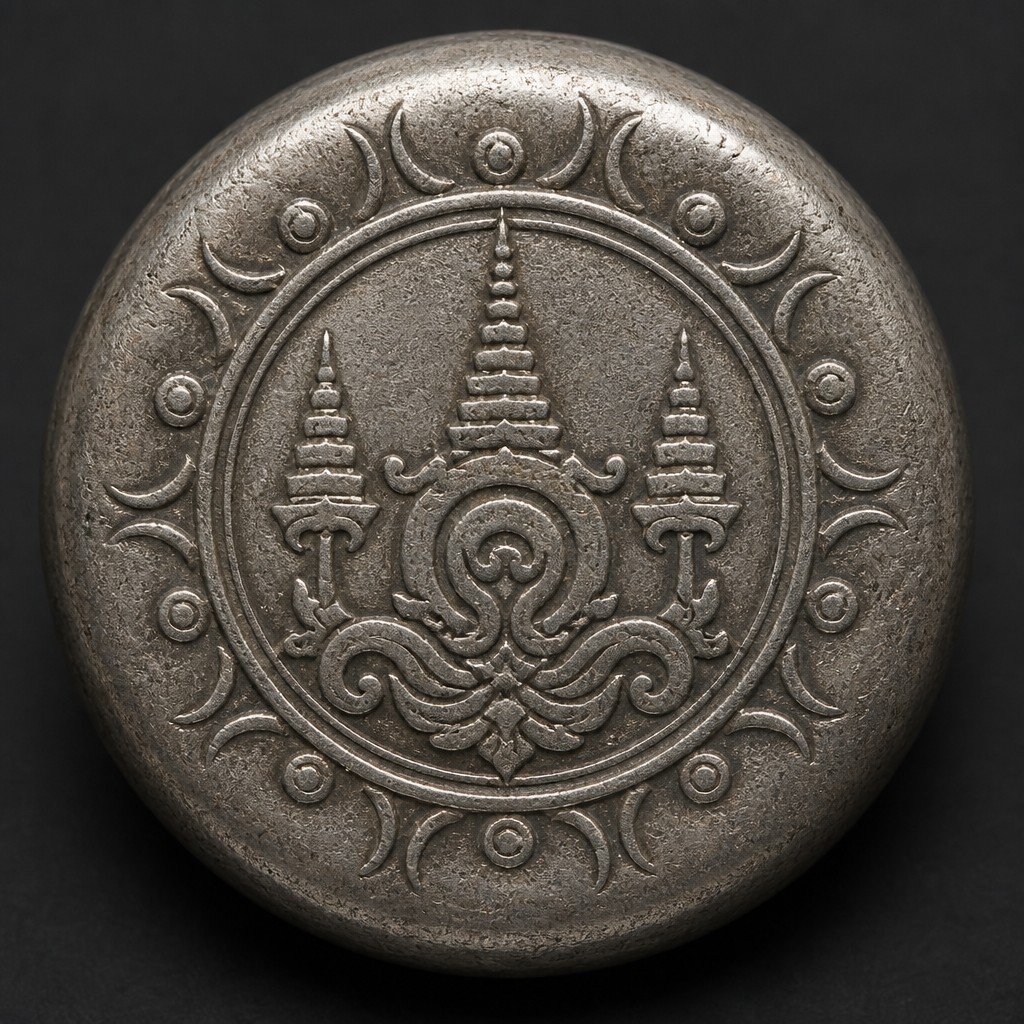
Thailand (Siam) Silver Baht 'Bullet Money' (Pod Duang)
c. 13th century – late 19th century
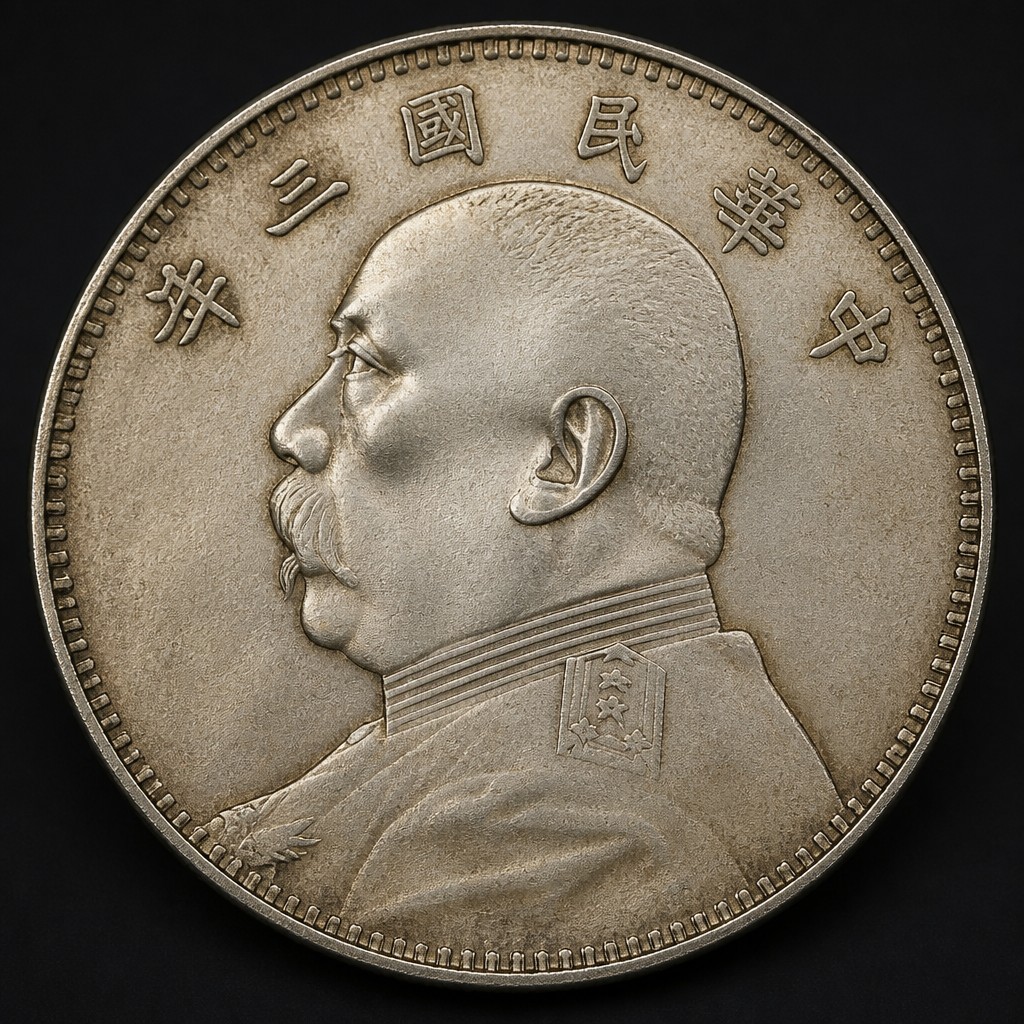
Yuan Shikai 'Fatman' Dollar (1914)
Dated 1914, struck into the early 1920s
Siamese Rama V Silver Baht
c. 1876–1910