
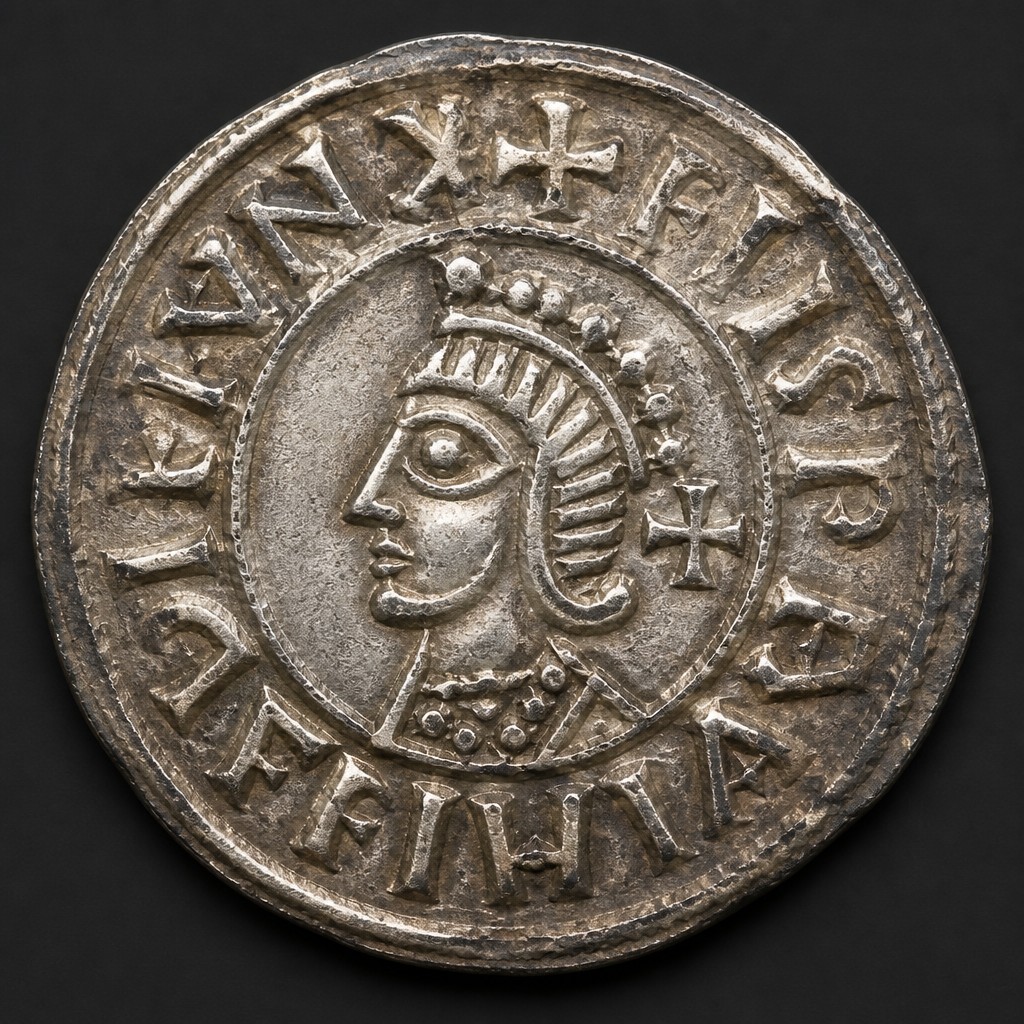
Anglo-Saxon Silver Penny
The standard silver coin of Anglo-Saxon England from the 8th century to the Norman Conquest, naming the issuing king and the moneyer who struck it.
- Country
- Anglo-Saxon England
- Denomination
- Penny
- Metal
- Silver (varying fineness)
Got a coin like this?
Identify any coin from a photo, free.
Overview
The silver penny was the workhorse coin of Anglo-Saxon England for more than three centuries, forming the backbone of the kingdom's monetary economy long before England was unified under a single crown. It replaced the earlier, cruder "sceattas" and became the near-universal denomination across the Anglo-Saxon kingdoms and, later, a unified England.
For collectors, Anglo-Saxon pennies are prized as tangible links to specific, often colorfully documented kings, from Offa of Mercia to Alfred the Great to Aethelred II "the Unready," and for the decentralized minting system that named both a moneyer and a mint town on nearly every coin.
History & Background
The silver penny is generally credited to King Offa of Mercia in the later 8th century, who introduced a broader, thinner, more standardized coin modeled loosely on Carolingian reforms on the continent. Over the following centuries, most Anglo-Saxon kingdoms, and later the unified kingdom of England, issued their own penny types bearing the reigning monarch's name and portrait.
By the 10th and 11th centuries, English kings such as Edgar, Aethelred II, and Cnut had developed a sophisticated system of periodic coinage renewal, recalling old pennies and reissuing new types to control the money supply and generate revenue, administered through dozens of local mints across the kingdom.
The penny remained England's principal coin through the Norman Conquest of 1066 and well beyond, with the basic format, a single silver denomination naming king, moneyer, and mint, persisting for generations after Anglo-Saxon rule ended.
How to Identify
Obverse designs generally feature a stylized bust or head of the issuing king in profile, surrounded by a Latin legend giving his name and title (for example, OFFA REX or AELFRED REX).
Reverse designs vary widely by period and moneyer but commonly include a cross, a stylized building or monogram, or geometric ornament, with a surrounding legend naming the moneyer and the mint town where the coin was struck, an unusually detailed practice for the era.
Anglo-Saxon pennies are small, thin, hand-hammered silver flans, typically weighing a little over a gram, with irregular, slightly uneven edges. Attribution depends heavily on reading the worn legends carefully, as similar cross-and-bust designs were used by multiple kings and moneyers across different mints.
Value & Collectibility
Values vary enormously by ruler, mint, and moneyer. Common types from well-documented, longer-reigning kings such as Aethelred II or Cnut can be found in modest condition for a few hundred dollars, while pennies of earlier, shorter-reigning, or historically significant kings, such as Offa or Alfred the Great, command significantly higher prices, often well into the thousands for clear, well-centered examples.
Because these coins are struck by hand and often unevenly, sharpness of legend and portrait, rather than mint-state surfaces, is usually the primary value driver. Coins from rare mints or moneyers, or with unusual legends, can carry a substantial premium over common types of the same king.
Frequently asked questions
Who introduced the silver penny?
It is generally credited to King Offa of Mercia in the later 8th century.
What information appears on Anglo-Saxon pennies?
The obverse names the king, while the reverse typically names the moneyer and the mint town where the coin was struck.
Are all Anglo-Saxon pennies rare?
No; pennies of long-reigning kings like Aethelred II and Cnut survive in relatively larger numbers than those of earlier or shorter reigns.
What metal are they made of?
Silver, though fineness and weight standards varied somewhat over the centuries.
Other coins you may enjoy
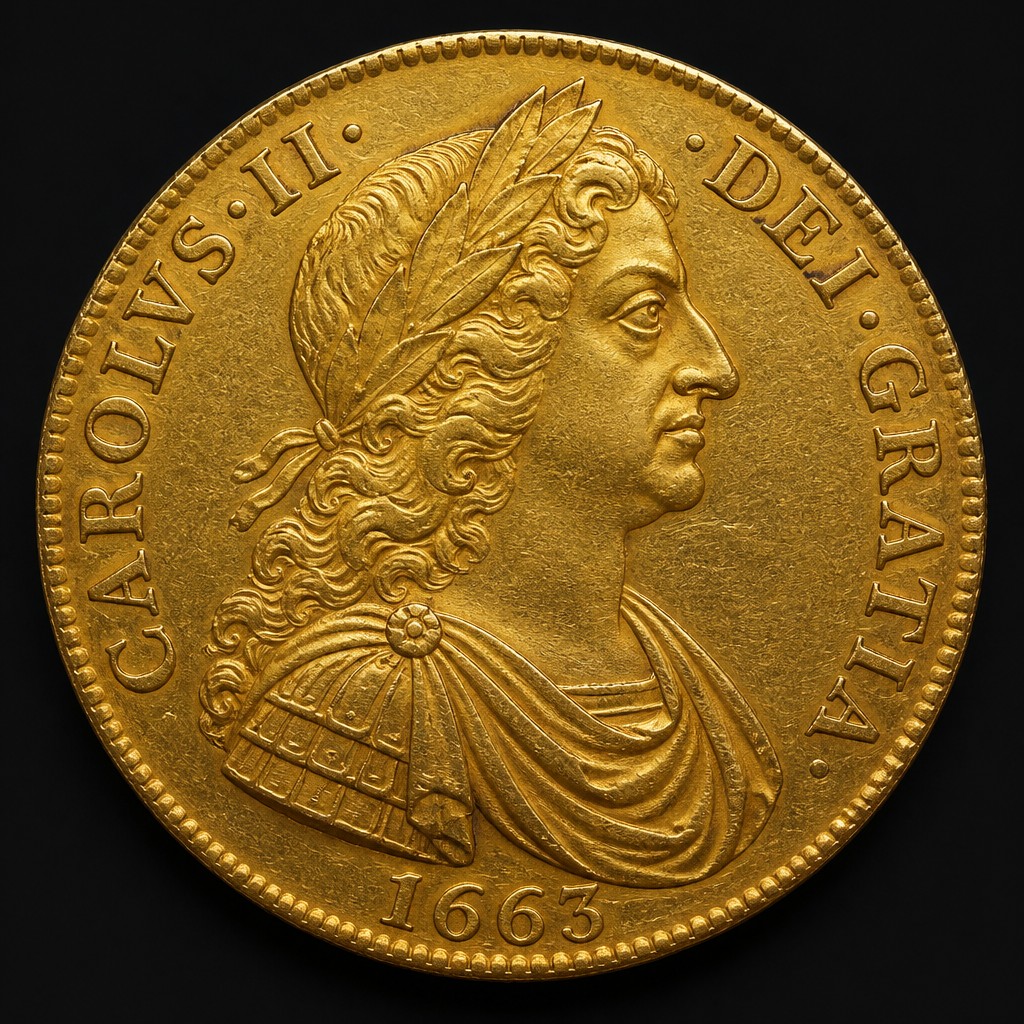
British Guinea
1663–1814
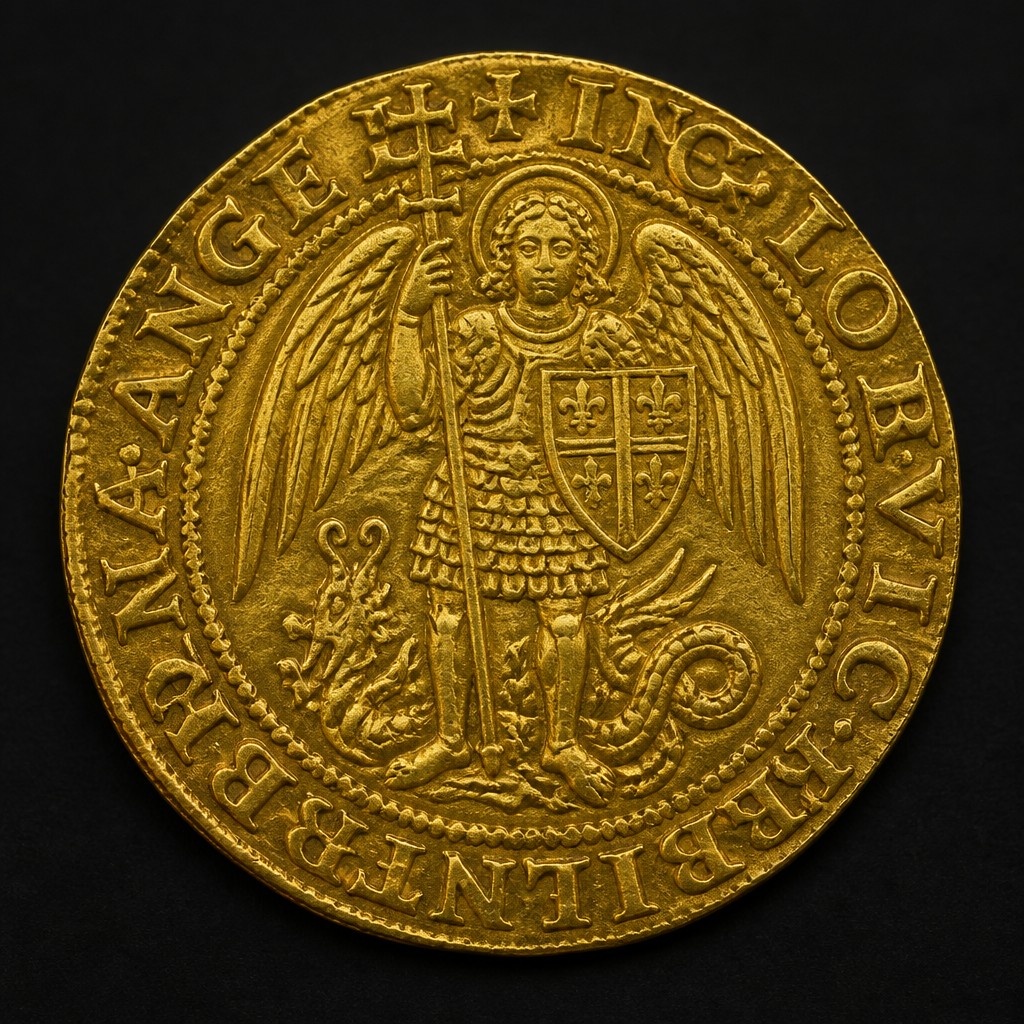
English Angel
1465–1642
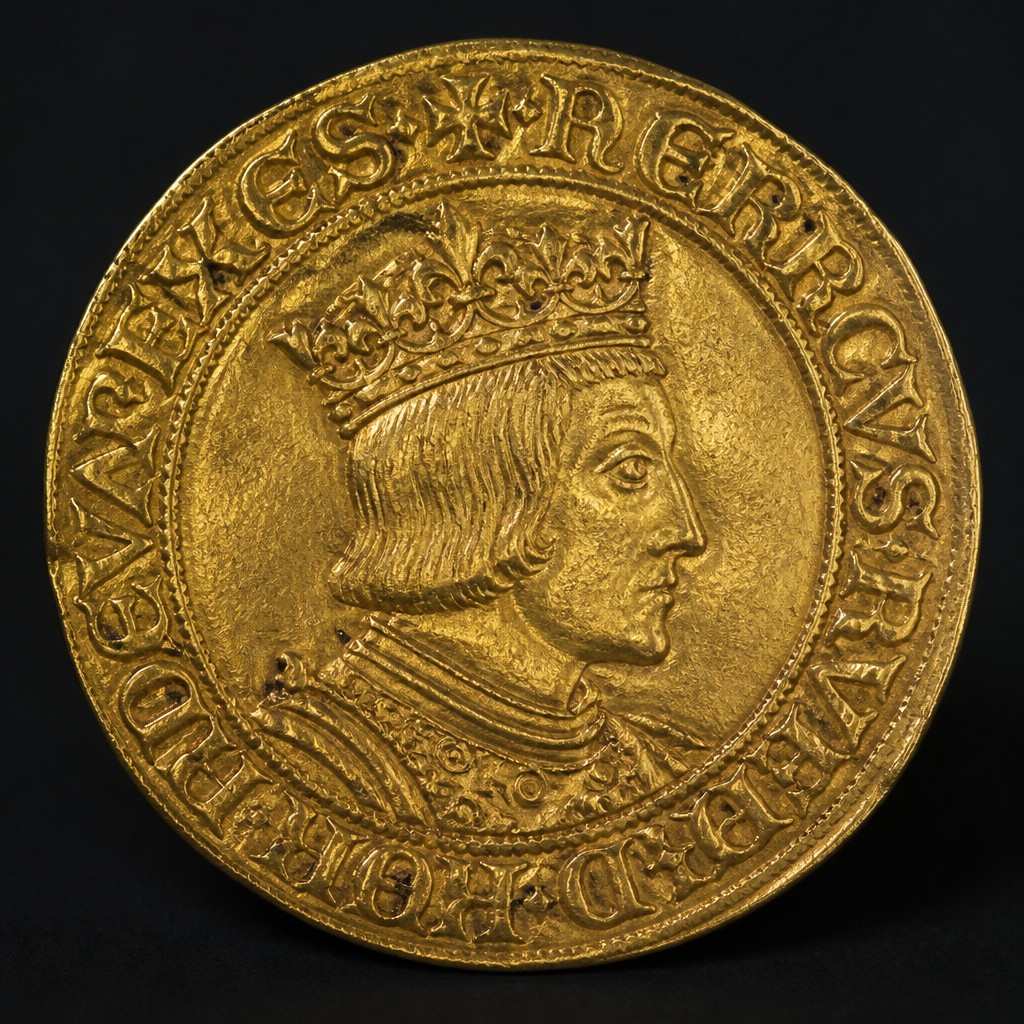
English Sovereign of Henry VII
1489–1509
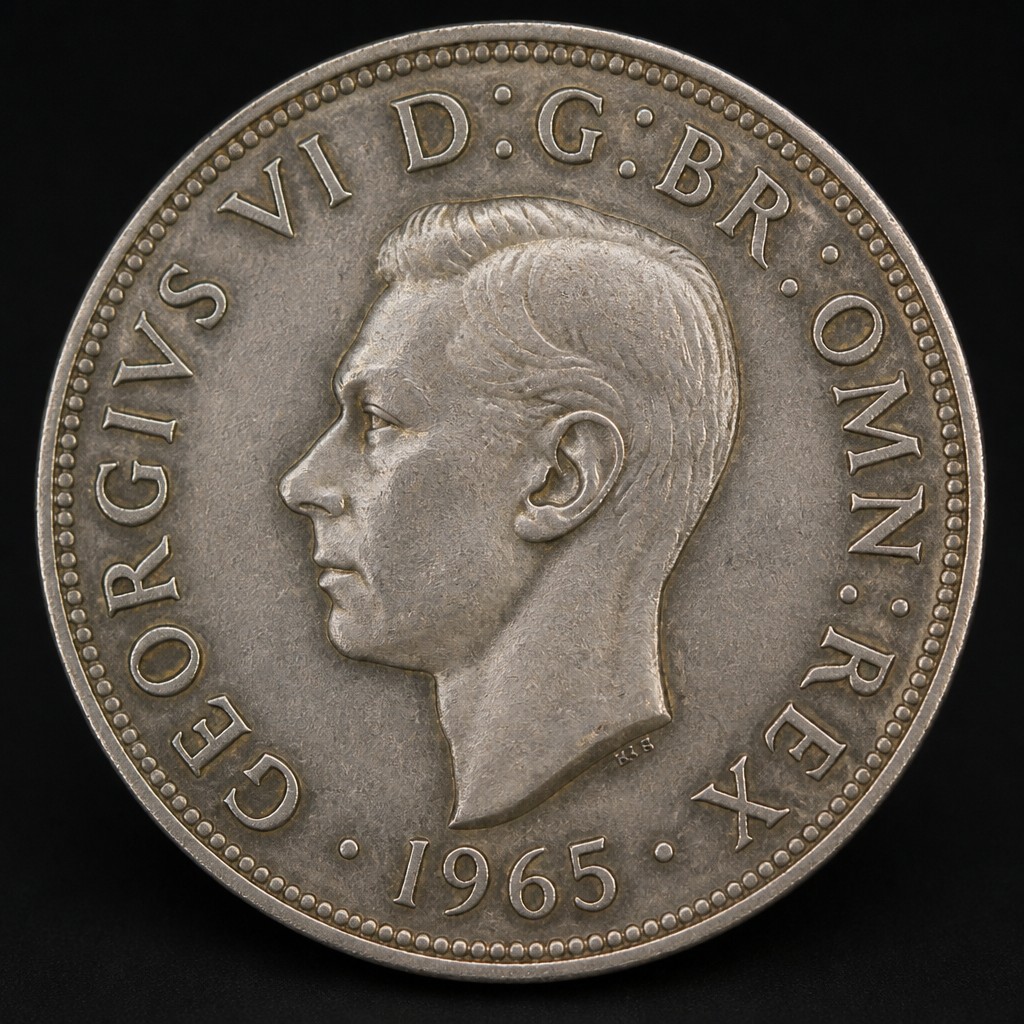
English Crown
1526–1965 (pre-decimal; commemorative crown-sized coins continue as five pound coins)
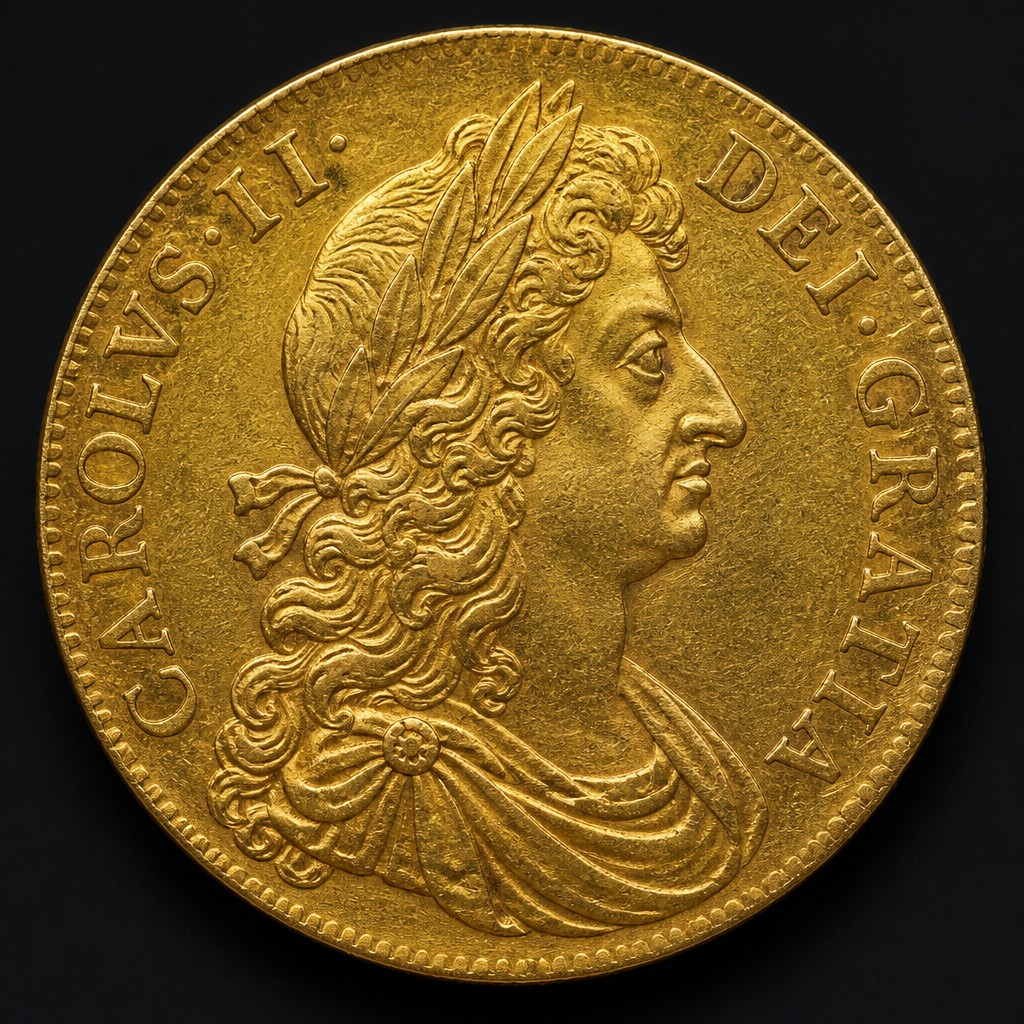
British Gold Guinea
1663–1814
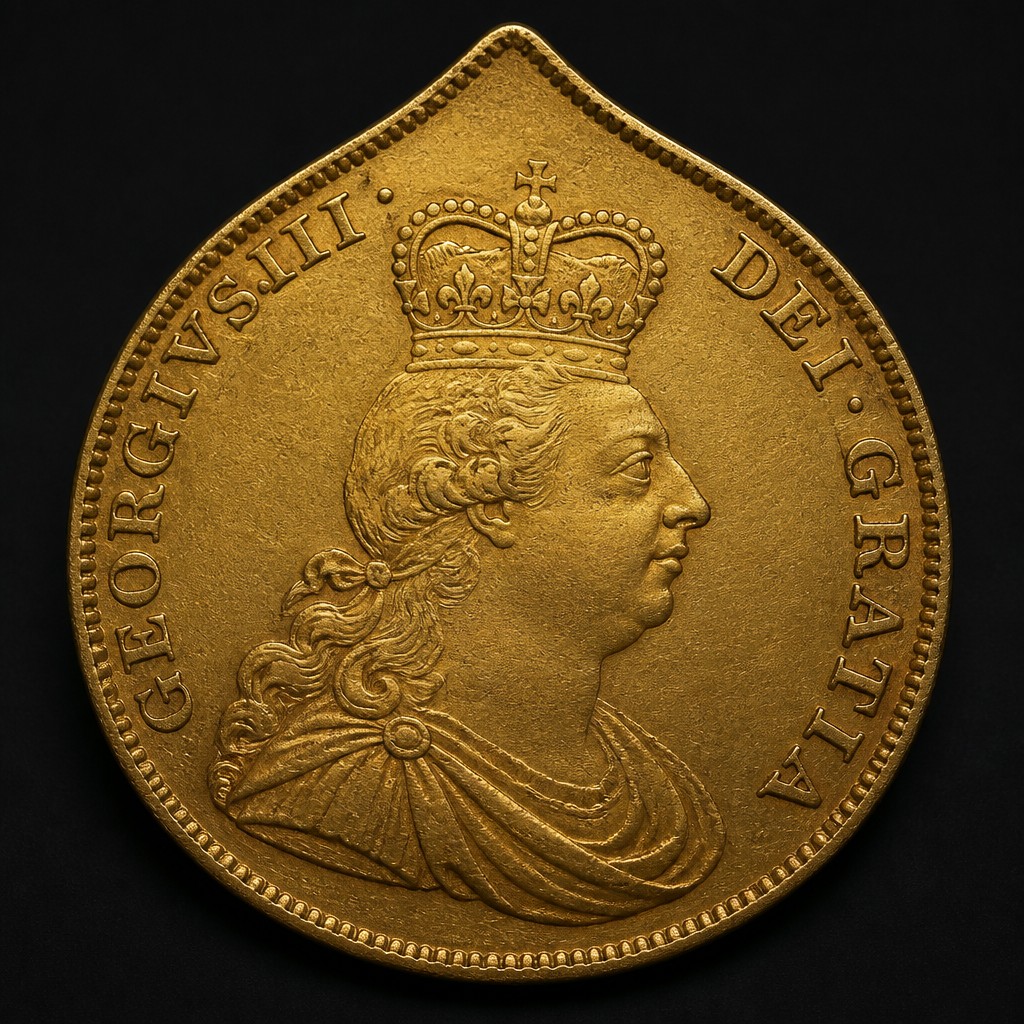
Spade Guinea
1787–1799
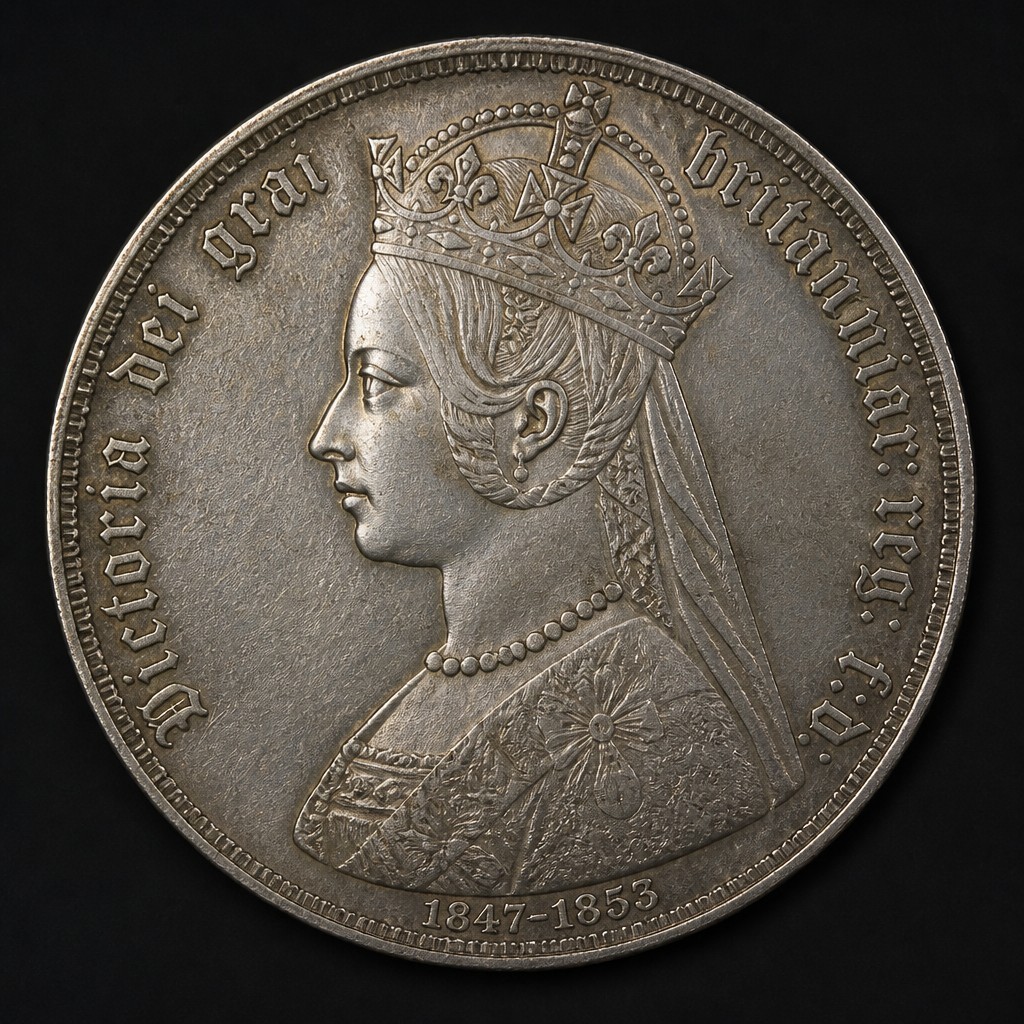
Gothic Crown
1847–1853
Groat (Fourpence)
1279–1888 (various revivals)
Farthing
13th century–1956
Halfpenny
c. 800s–1969
Five Pound Gold (Quintuple Sovereign)
1820–present (intermittent)
Threepence
1547–1970