
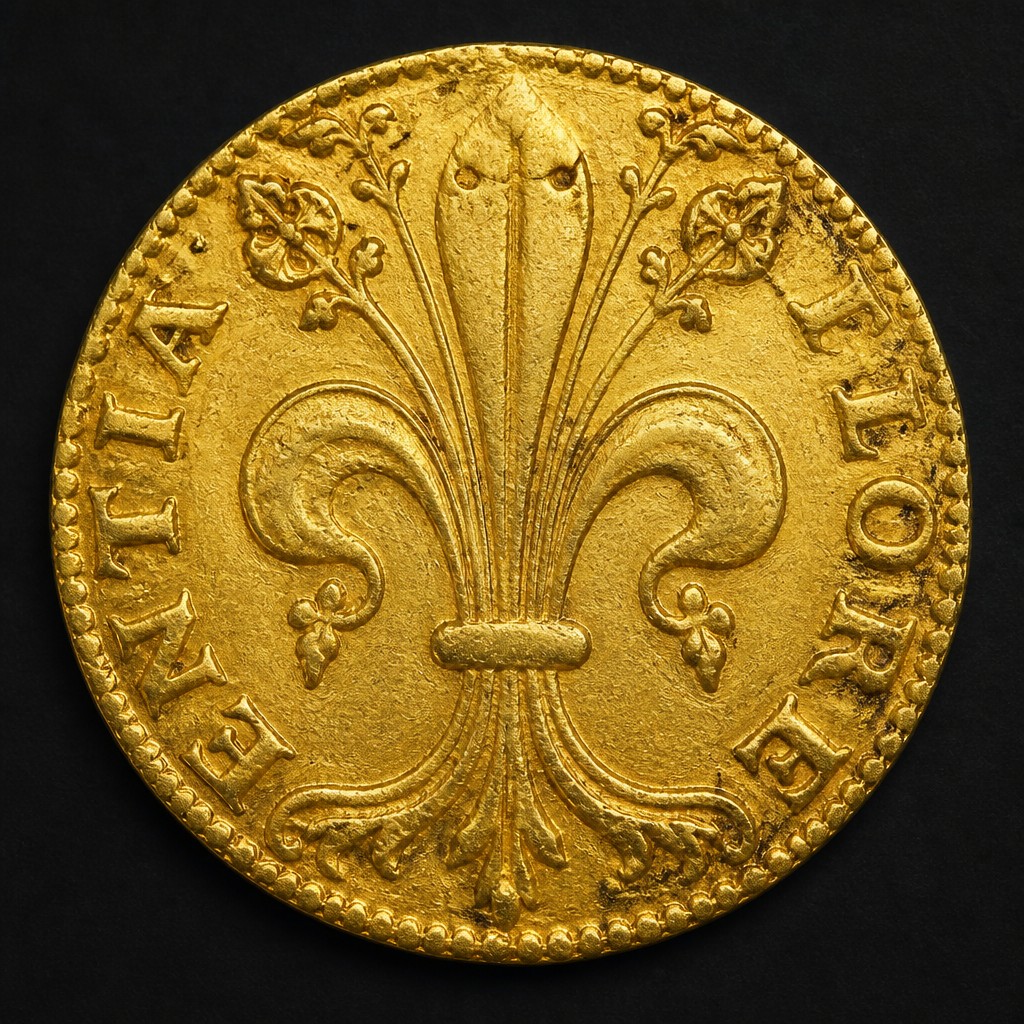
Florentine Florin
Introduced in 1252, the gold florin of Florence became medieval Europe's leading trade coin, its lily emblem and fixed gold standard copied by dozens of other mints.
- Country
- Republic of Florence (Italy)
- Denomination
- Florin
- Metal
- Gold (near 24 karat, approx. 3.5g)
Got a coin like this?
Identify any coin from a photo, free.
Overview
The florin was one of the first major gold coins struck in Western Europe after centuries in which gold coinage had been rare, and it quickly became the dominant currency for international trade across late medieval Europe. Its introduction reflected Florence's growing wealth as a banking and textile center.
Collectors prize the florin both as a landmark in monetary history and for its clean, recognizable design featuring the city's heraldic lily on one side and its patron saint on the other. Because the florin's success led many other cities and kingdoms to strike near-identical imitations, the type also opens a window into the broader story of medieval European commerce.
The coin's name lives on today in the general term 'florin' used historically for various later gold and silver coins across Europe, a testament to how influential the original Florentine issue became.
History & Background
The Republic of Florence began striking the florin in 1252, a period when the city's merchants and bankers were expanding trade networks across Europe and needed a reliable gold coin to facilitate large transactions. The florin's high, consistent gold content quickly earned it trust well beyond Tuscany.
As Florentine banking houses, including the Medici, expanded their influence, the florin followed, becoming a standard unit of account and payment in trade fairs and financial centers across Western Europe. Many other Italian city-states and even foreign kingdoms, including Hungary and various German and English successors, issued their own coins closely modeled on the florin's weight and design.
Florence continued minting florins for centuries, with the design remaining remarkably stable, showing the enduring authority of the coin as a benchmark of gold currency until it was eventually eclipsed by other trade coins and later, decimal currency reforms.
How to Identify
The obverse of the florin shows a stylized fleur-de-lis, or lily, the heraldic symbol of Florence, along with the Latin legend FLORENTIA. The reverse depicts a standing figure of Saint John the Baptist, the patron saint of Florence, holding a staff and dressed in a hair shirt, with an abbreviated legend naming the saint.
The coin is small, roughly 20mm in diameter, and struck in high-purity gold at a standard weight close to 3.5 grams, giving early examples a rich yellow color typical of near-24-karat gold. Because so many other mints imitated the florin's design closely, distinguishing a genuine Florentine issue from a foreign imitation often requires close attention to the legend, lettering style, and any small mint-identifying marks or symbols added by the copying authority.
Collectors should also note that later Florentine florins sometimes carry small privy marks identifying the specific mint official responsible, useful for more precise dating within the coin's long production span.
Value & Collectibility
Common florins from Florence's long production run are reasonably available to collectors, typically trading in the low hundreds of dollars for average worn examples. Sharper, better-struck examples, earlier issues, or florins tied to notable historical periods can bring meaningfully more, sometimes into four figures.
As with many long-running medieval gold types, condition, strike quality, and correct attribution to Florence rather than to one of the many imitative issues struck elsewhere all factor heavily into value.
Frequently asked questions
What is a Florentine florin?
It is a gold coin first struck by the Republic of Florence in 1252, featuring a lily on one side and Saint John the Baptist on the other, that became a leading trade coin of medieval Europe.
Why is Saint John the Baptist on the coin?
Saint John the Baptist was the patron saint of Florence, so his image represented the city's civic and religious identity.
Were florins copied by other places?
Yes, many cities and kingdoms across Europe struck close imitations of the florin's design and weight to benefit from its trusted reputation.
How pure is the gold in a florin?
Florins were struck in high-purity gold close to 24 karats, at a standard weight of roughly 3.5 grams.
Is a florin the same as later coins called 'florin'?
No, the name was later reused for different silver and gold coins in other countries, but those are distinct denominations from the original Florentine gold florin.
Other coins you may enjoy
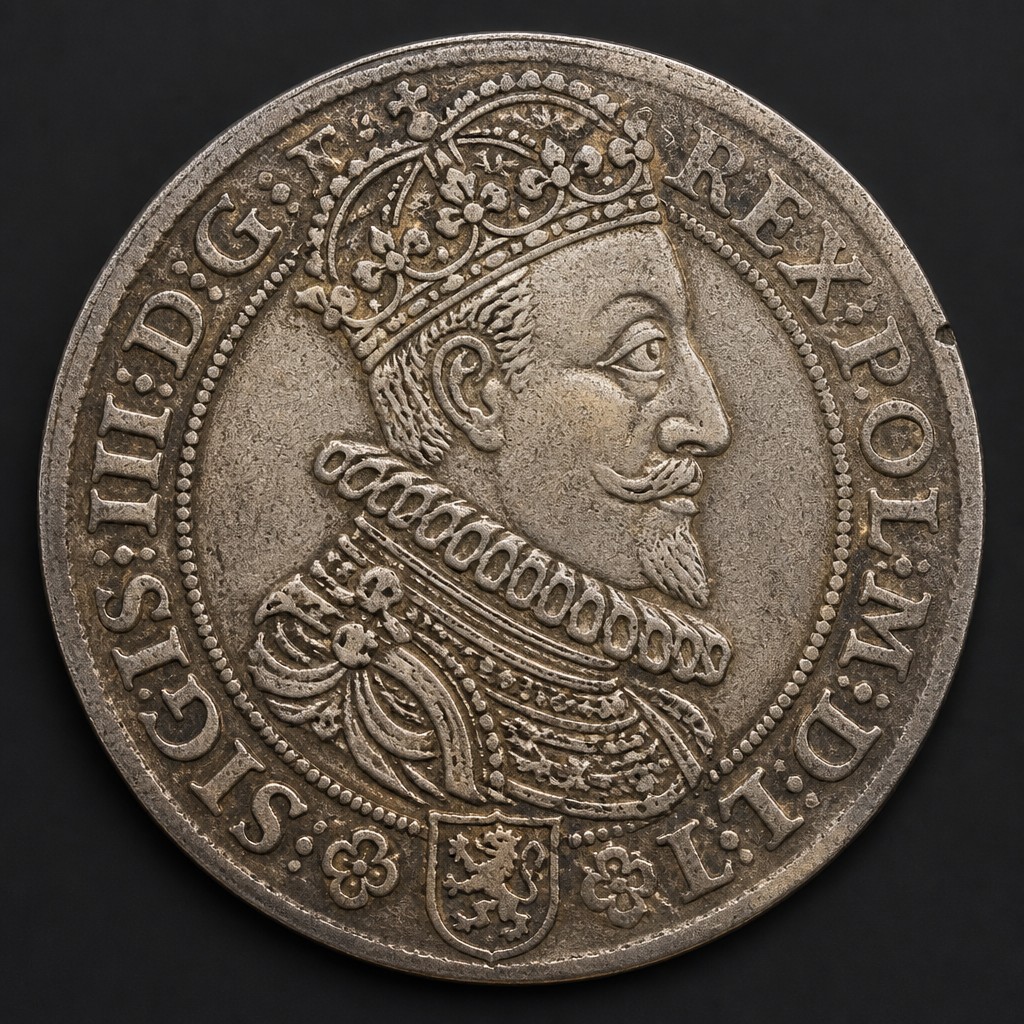
Polish-Lithuanian Thaler
circa 16th–18th century
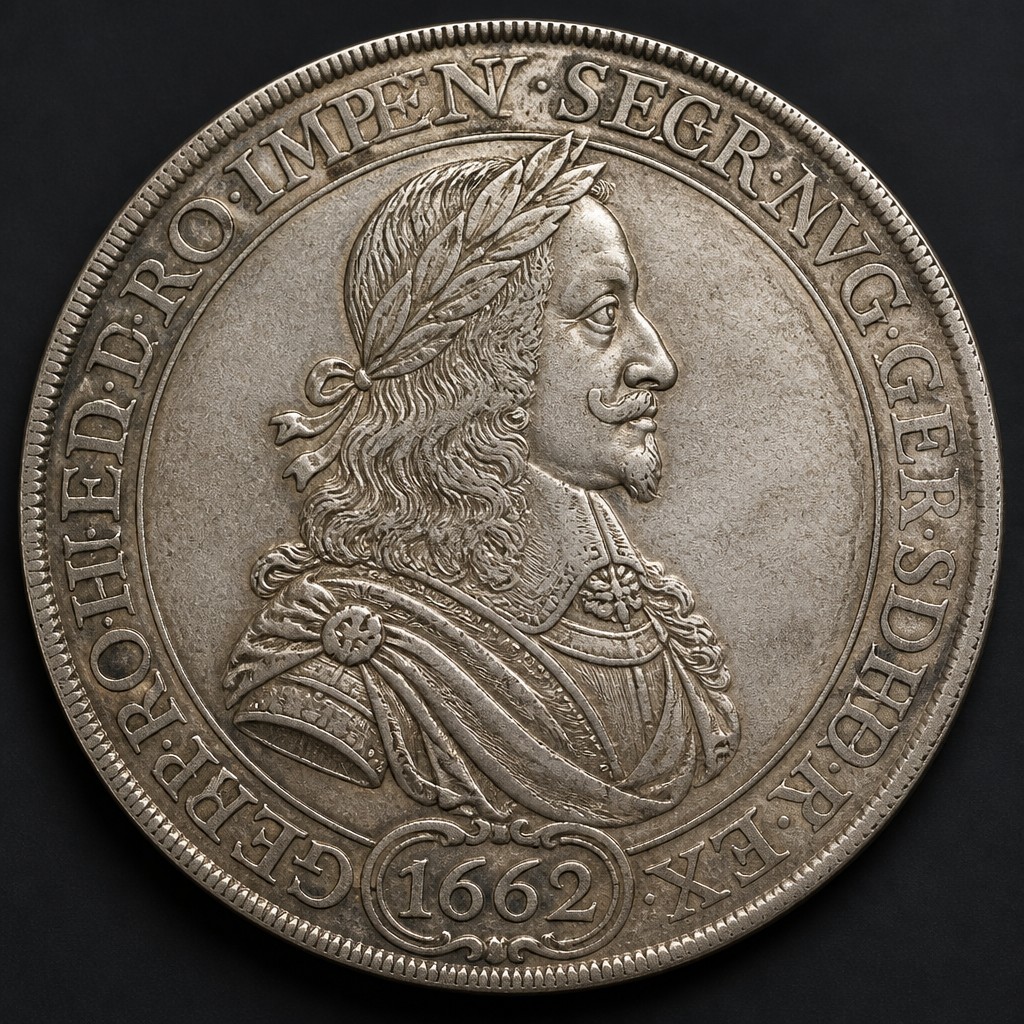
Reichsthaler
circa 1566–early 19th century
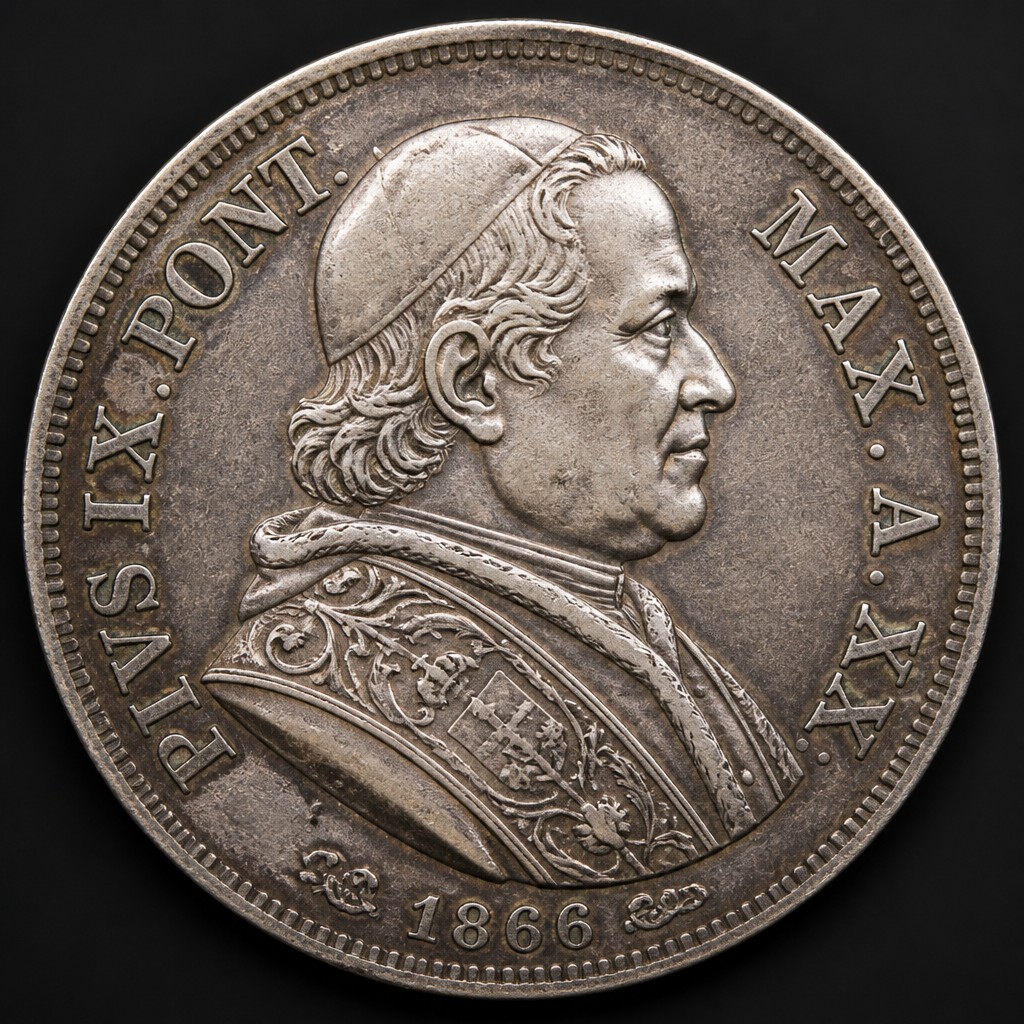
Papal States Scudo
16th century–1866
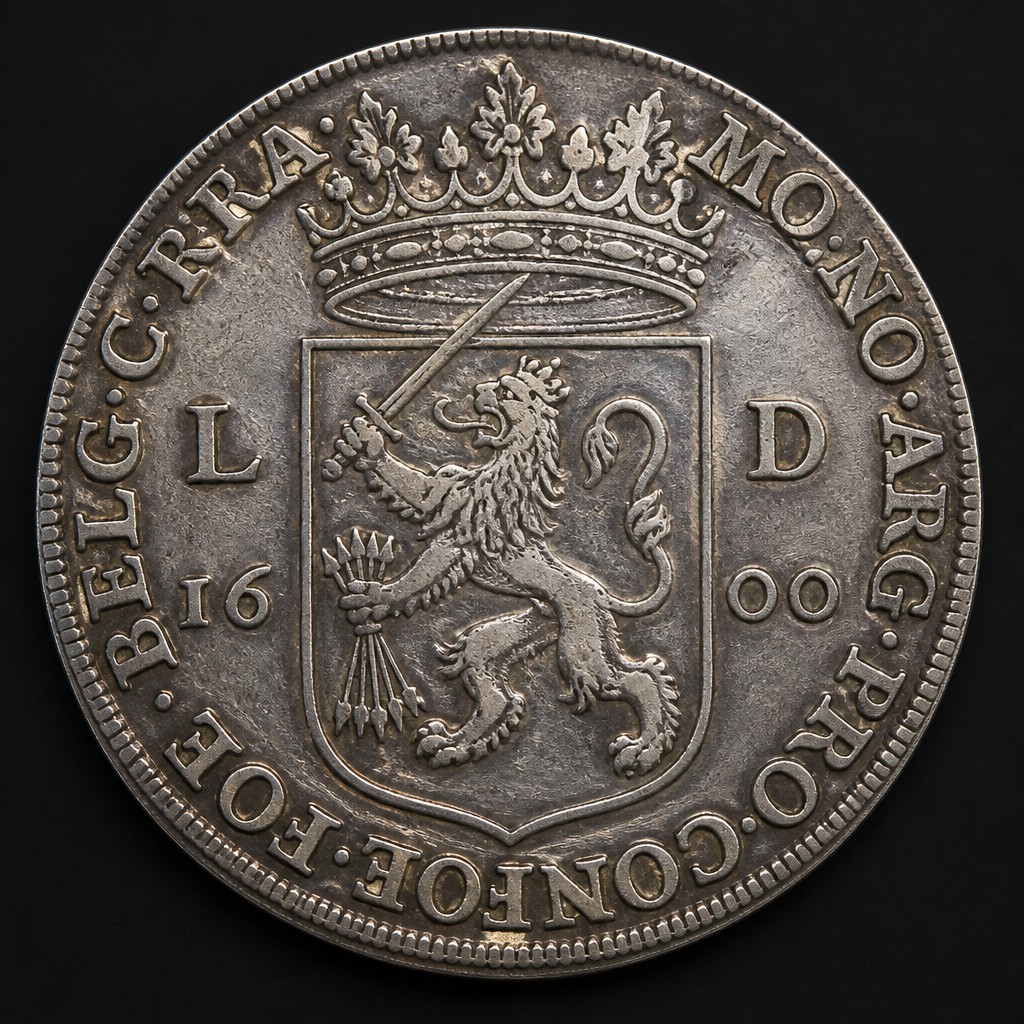
Netherlands Lion Daalder (Leeuwendaalder)
1575–1713
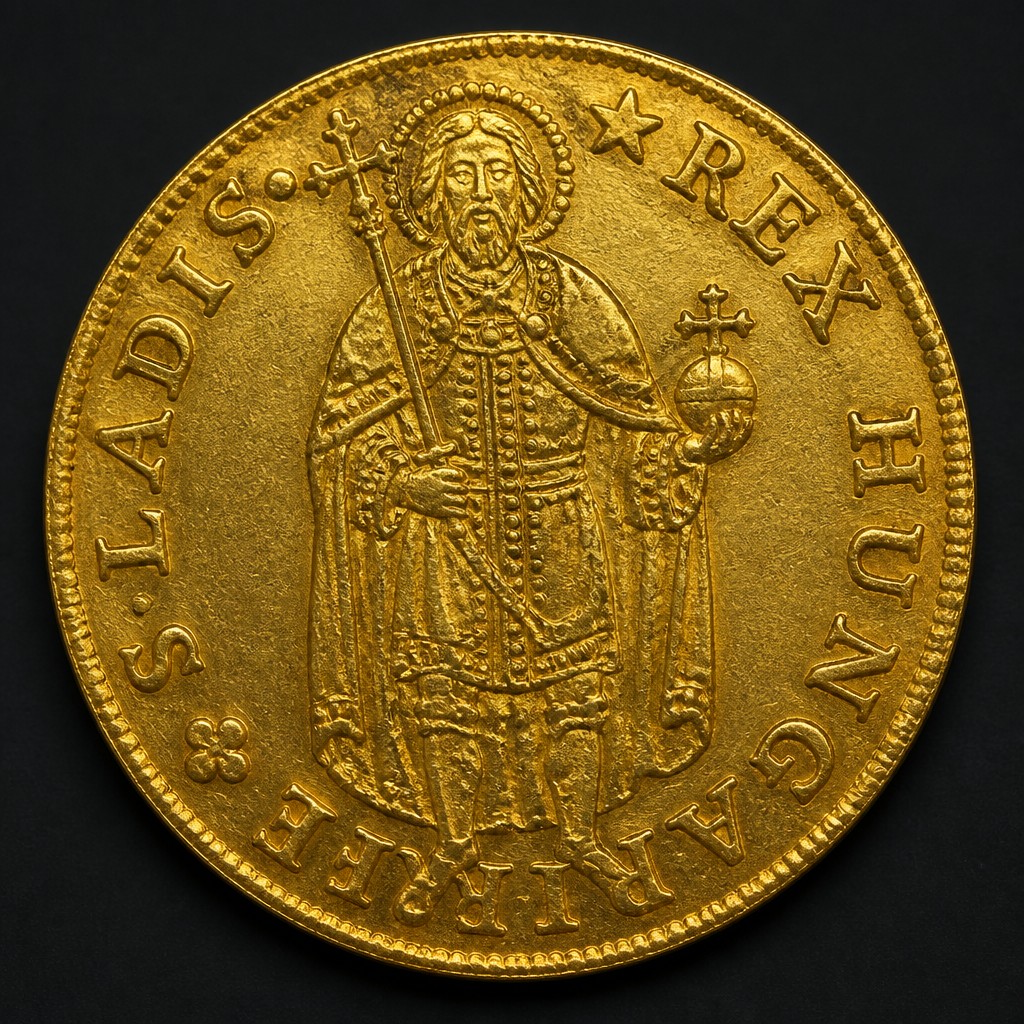
Hungarian Ducat
c. 1325–1918
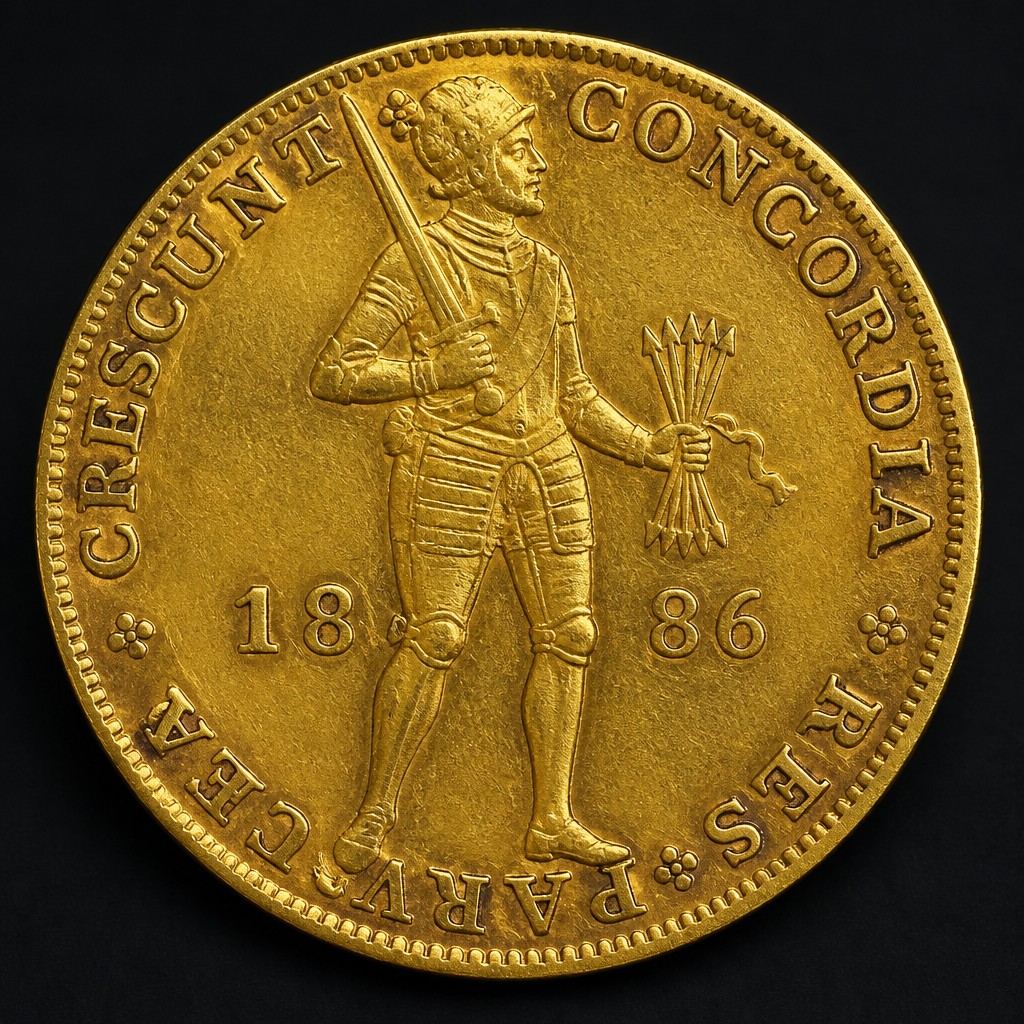
Dutch Ducat
c. 1586–present (classic type standardized after 1817)
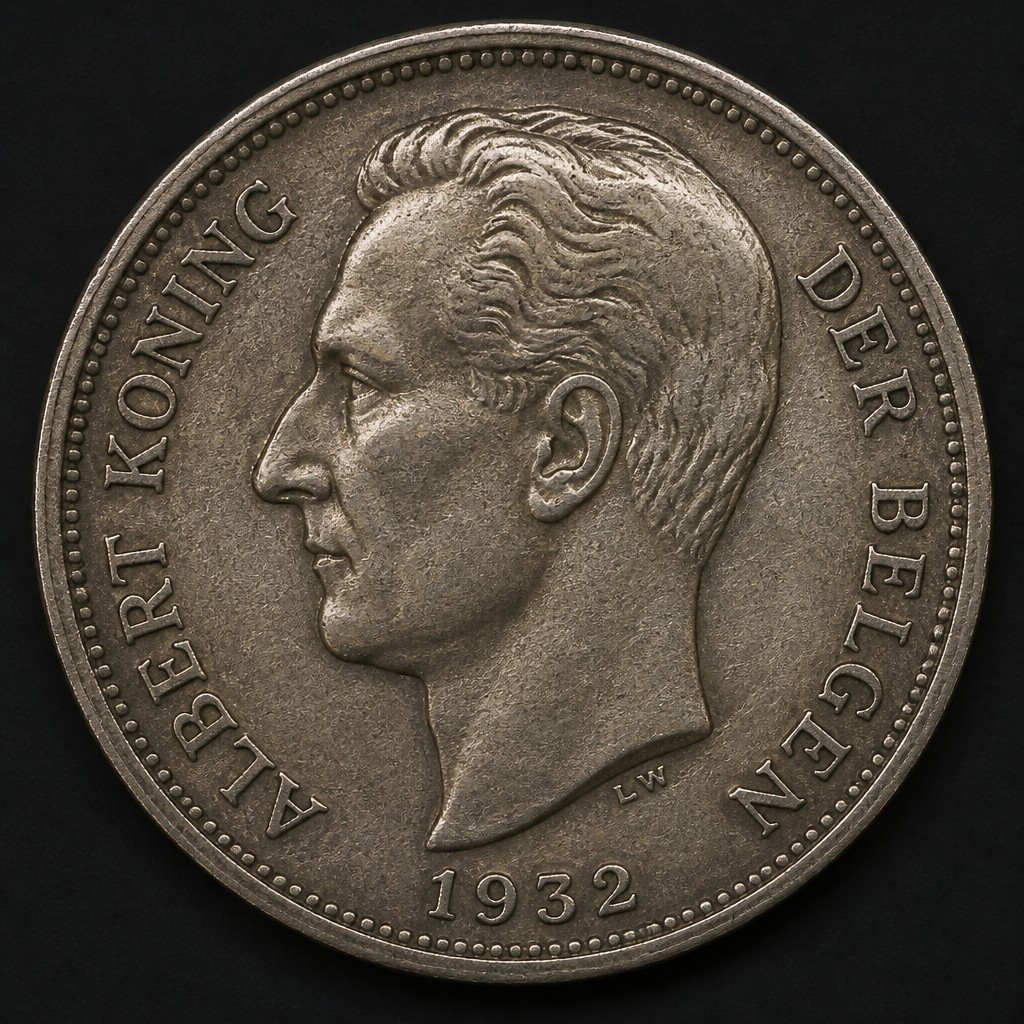
Belgian Franc
1832–2002
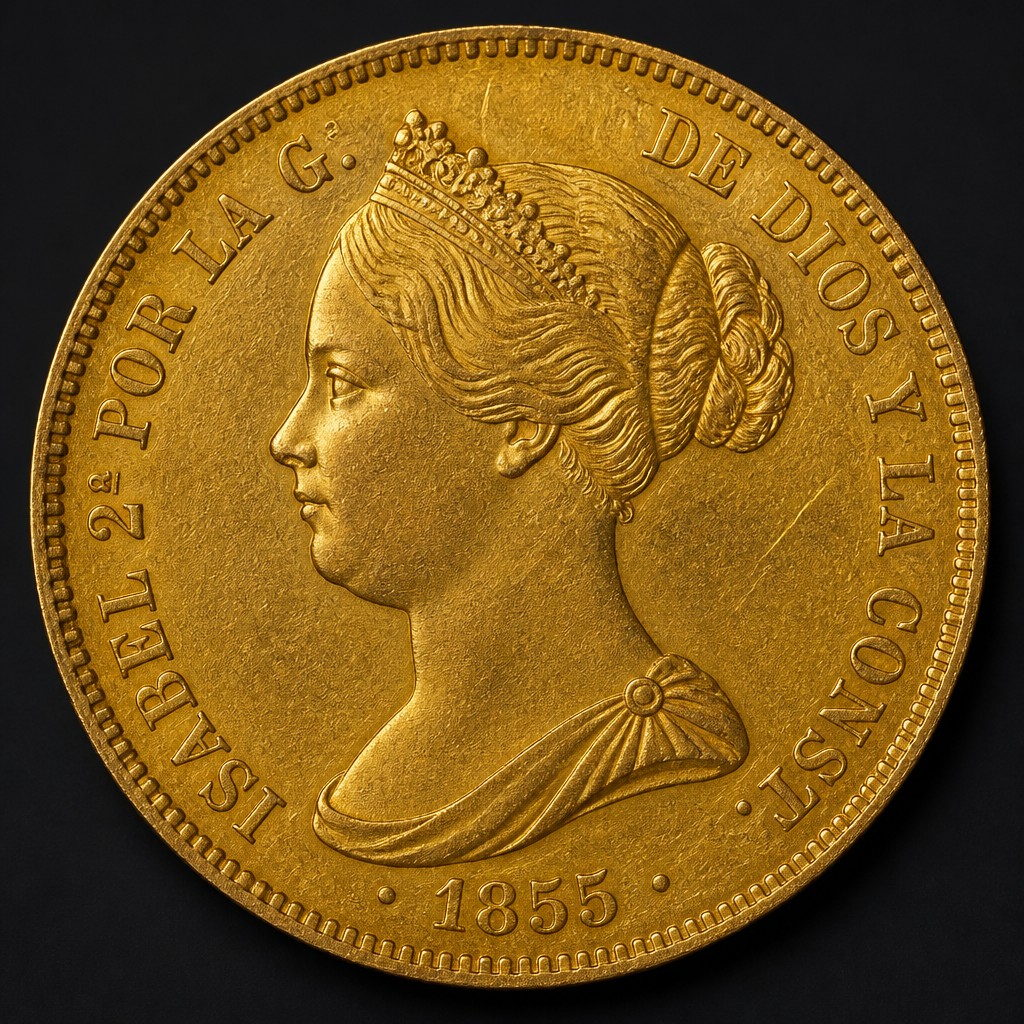
Spanish 100 Reales Gold (Isabel II)
1850s–1868
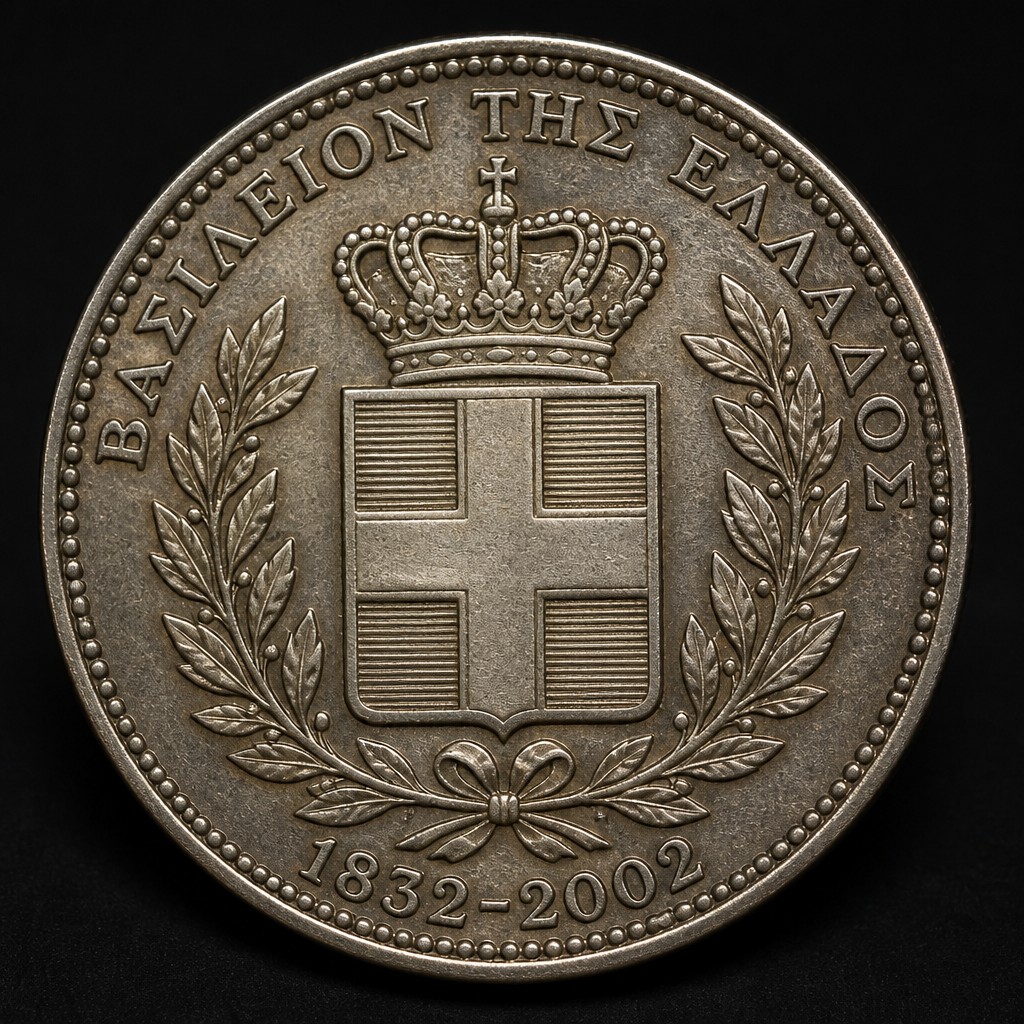
Greek Drachma
1832–2002
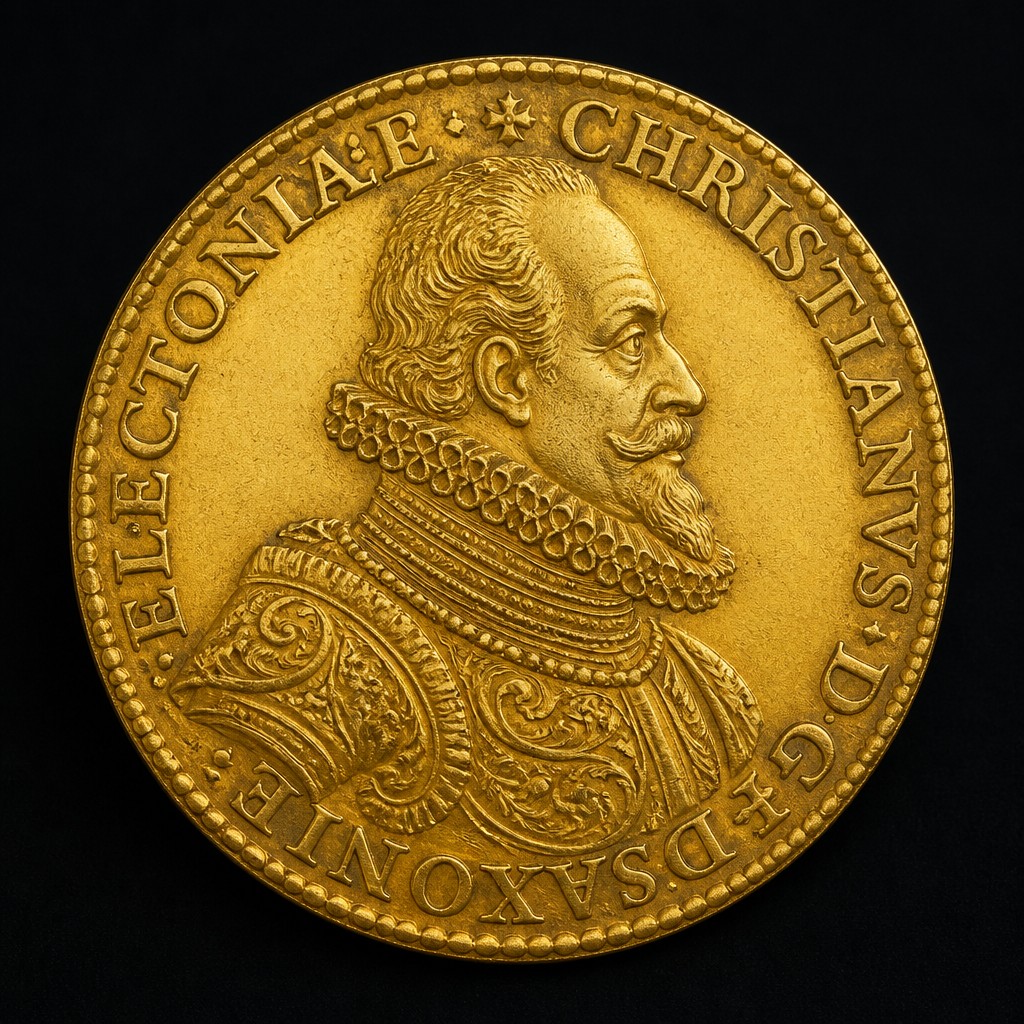
German Saxony Ducat
16th century–19th century
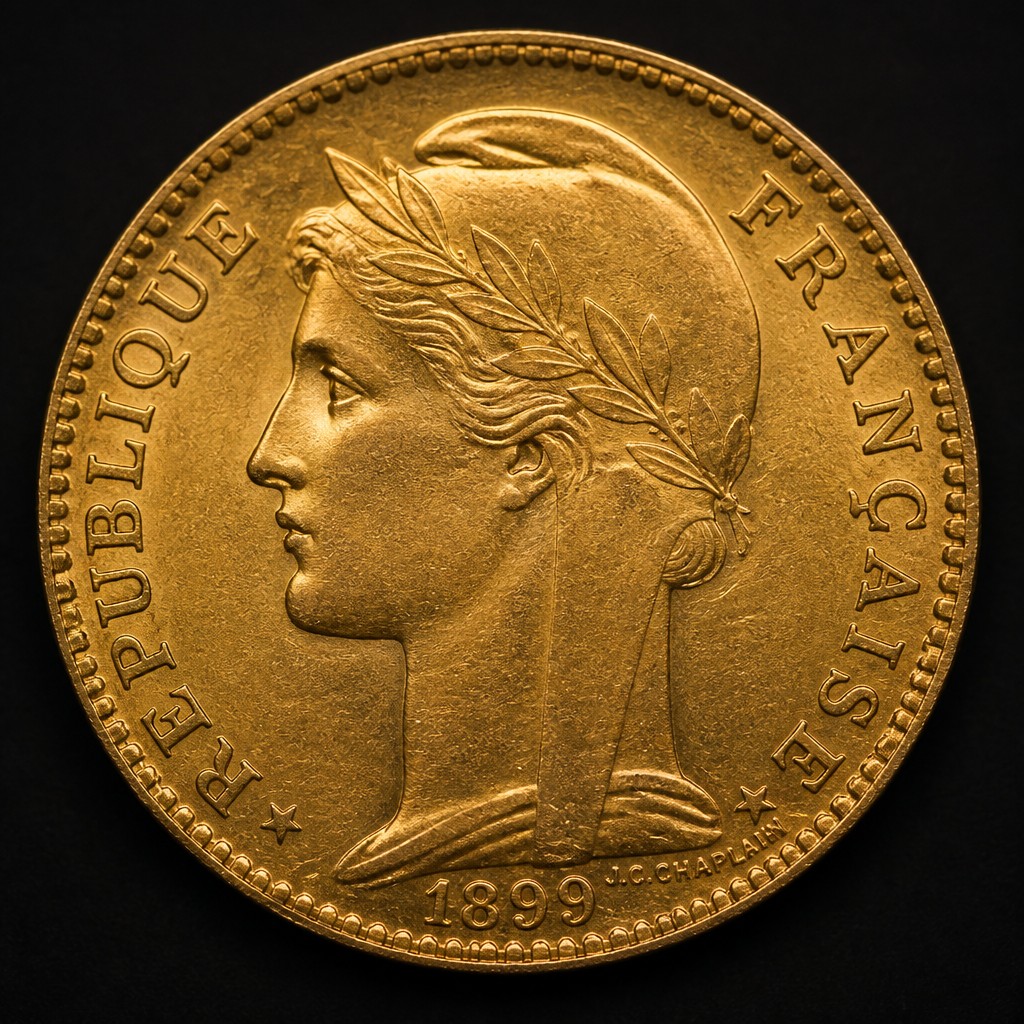
French 10 Francs Gold (Napoleon Rooster)
1899–1914
Netherlands 5 Gulden Gold
1826–1912 (intermittent)