
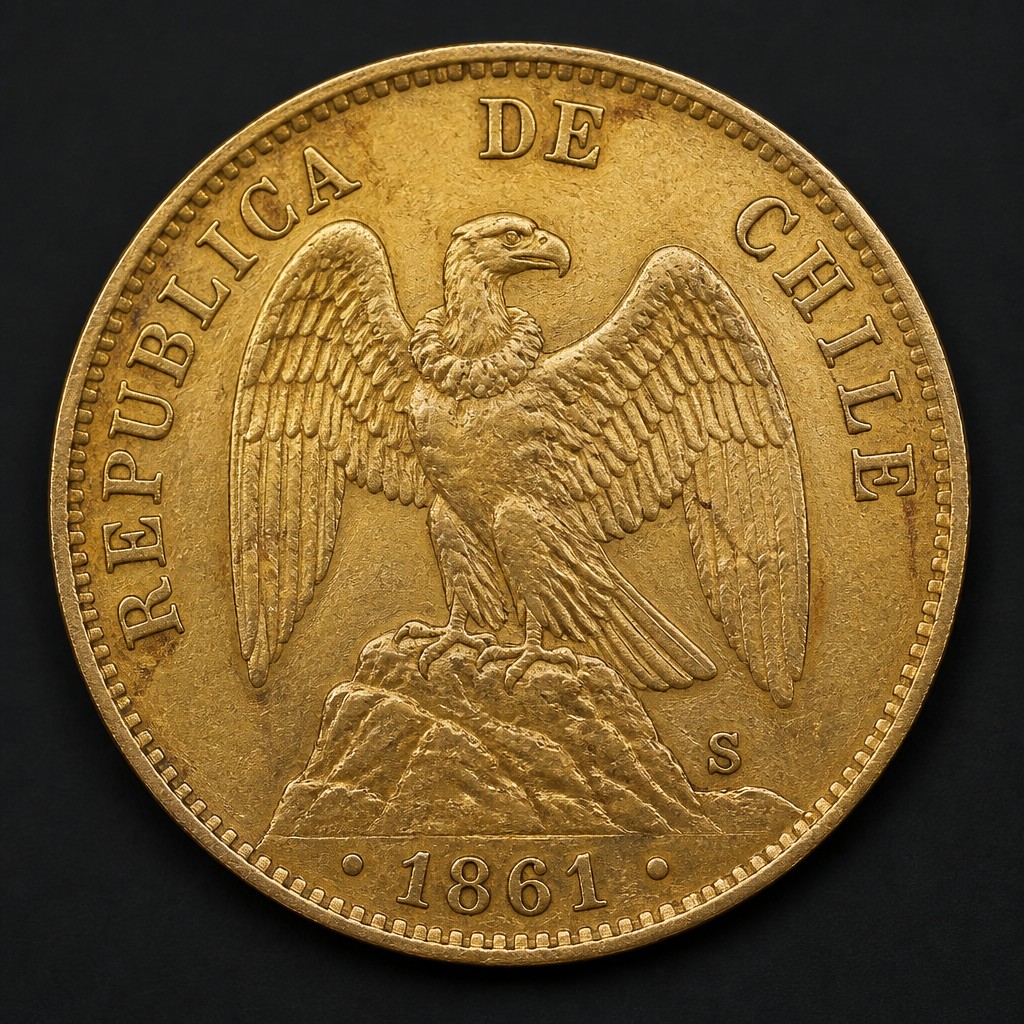
Chile Peso (Condor)
Chilean coinage featuring the Andean condor perched or in flight, first seen on 19th-century gold pesos and later on the everyday circulating peso coin.
- Country
- Chile
- Denomination
- Peso (and multiples: 2, 5, 10 Pesos)
- Metal
- Gold (.900 fine, 19th-century issues); copper-nickel or aluminum-bronze on modern circulating pesos
Got a coin like this?
Identify any coin from a photo, free.
Overview
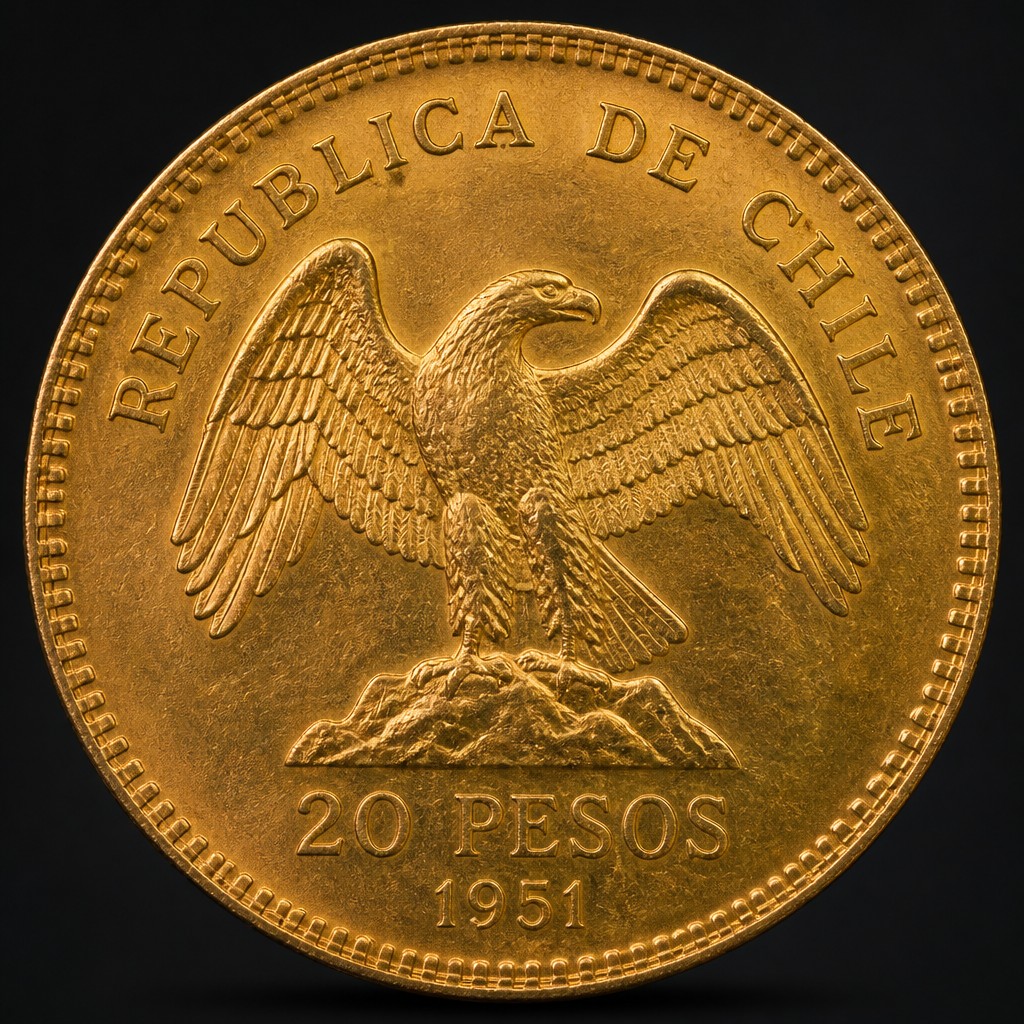
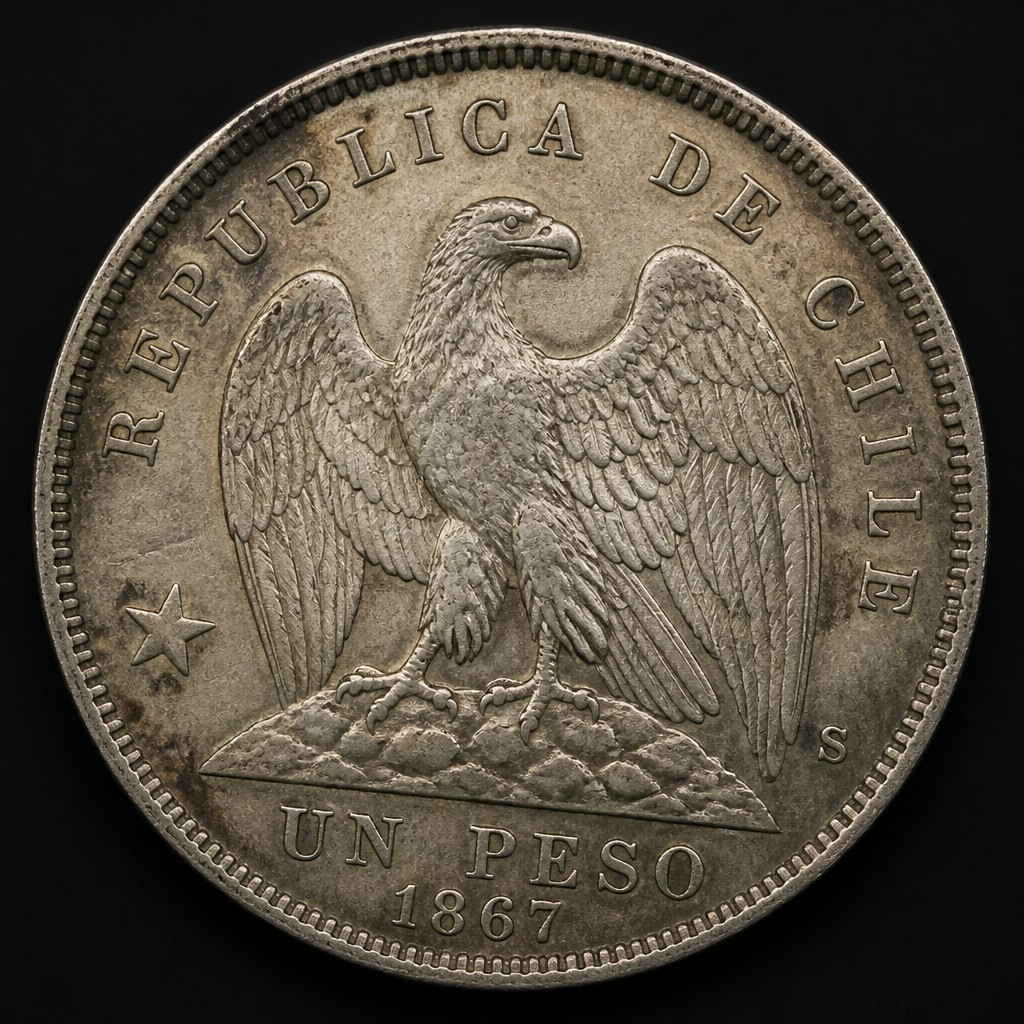
The condor, a soaring symbol of the Andes and a supporter on Chile's national coat of arms, has appeared on Chilean coinage in various forms since the mid-19th century. The best-known historical version is the gold peso series struck at the Santiago Mint beginning in 1851, which shows a condor standing with wings raised above the denomination and date.
The condor motif reappeared much later on Chile's modern base-metal peso coins, which today are the everyday pocket change of Chile, linking a 19th-century gold coinage tradition to a wholly different 20th/21st-century monetary context.
History & Background
After independence, Chile reorganized its coinage away from Spanish colonial designs, adopting new emblems tied to its republic. The gold peso series with the condor design was struck from 1851 into the 1870s at the Santiago Mint, part of a broader effort to issue gold coinage suited to international trade and reflecting national imagery rather than a monarch's portrait.
Chile's currency was later reformed several times, moving through the escudo (1960–1975) and back to the peso in 1975. The modern peso, introduced in its current form in the late 20th century, revived the condor as a design element on certain circulating denominations, continuing the bird's long association with Chilean coinage and heraldry.
How to Identify
On the 19th-century gold pesos, the obverse typically shows the condor standing on a rock or perched with wings partly spread, with "REPUBLICA DE CHILE" around the border and the date below; the reverse carries the denomination within a wreath. These coins are small, dense, and made of .900 fine gold.
On modern Chilean peso coins, the condor appears in a simpler stylized form alongside the national coat of arms, struck in base metal (copper-nickel or aluminum-bronze blends depending on denomination) rather than gold. Collectors distinguish the two eras chiefly by metal, weight, and overall design complexity — the gold issues are ornate and small, while the modern coins are plain, larger, and worth only their face value in commerce.
Value & Collectibility
The historic 19th-century gold condor pesos are scarce collector coins today; their value is driven mainly by gold content plus a numismatic premium that rises sharply for higher grades and any surviving mint-state examples. Because mintages and survival rates from this era are not always precisely documented, buyers should expect a wide price range and rely on grade and gold weight rather than assumed rarity.
Modern base-metal Chilean pesos with the condor design have essentially no collector premium and circulate at face value; only certain low-mintage commemorative issues might carry modest interest. As with all pre-modern Latin American gold, authentication and weighing are important before assuming a coin is a genuine 19th-century strike.
Frequently asked questions
Why does the condor appear on Chilean coins?
The Andean condor is one of the supporters on Chile's national coat of arms and has long symbolized the country's Andean geography and independence.
Are all Chilean 'condor pesos' gold?
No. The historic 19th-century condor peso series was gold, but the condor design was later revived on modern base-metal circulating pesos, which have no precious metal content.
Where were the gold condor pesos minted?
They were struck at the Santiago Mint in Chile.
How can I tell a genuine gold condor peso from a modern coin?
Check the metal, weight, and design detail; 19th-century gold issues are small, dense, and finely detailed, while modern pesos are lightweight base metal.
Other coins you may enjoy
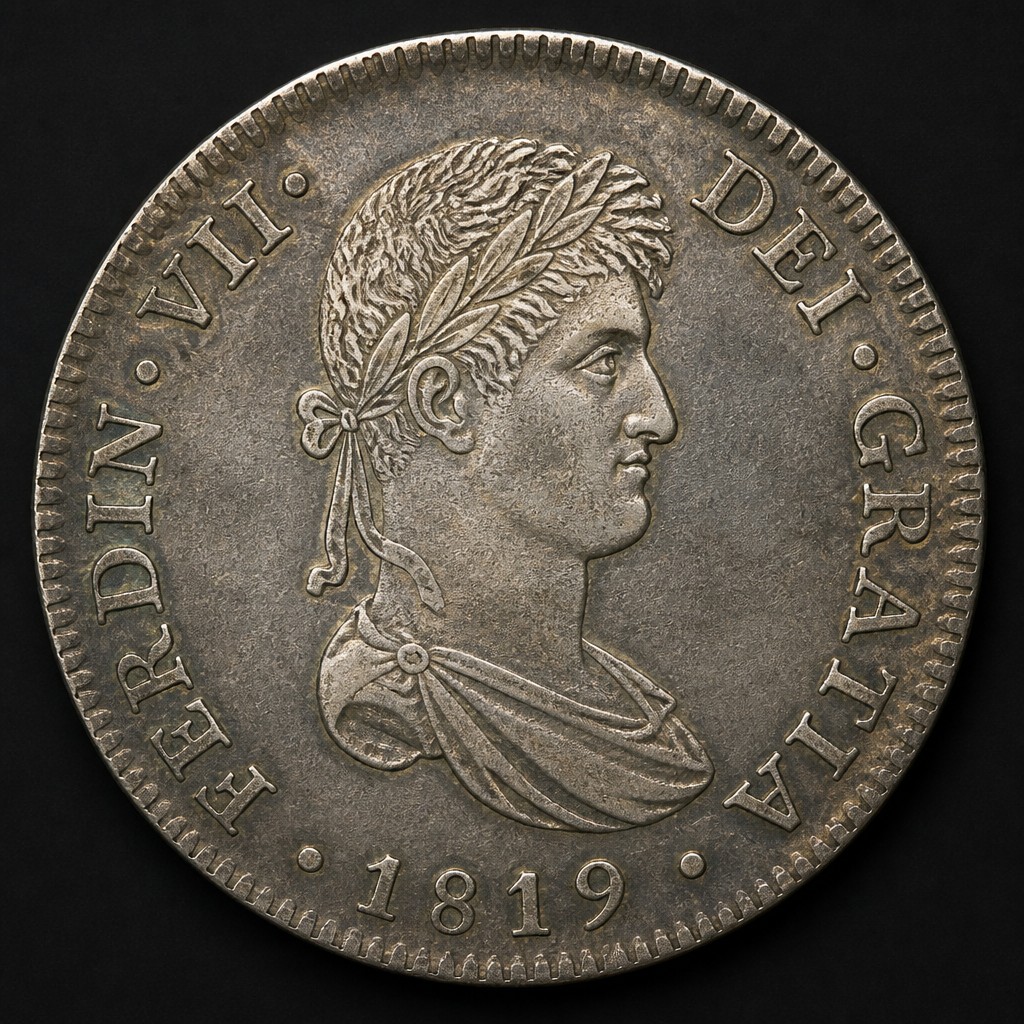
Colombia 8 Reales
Colonial issues through late 18th/early 19th century; republican issues 1820s–1830s
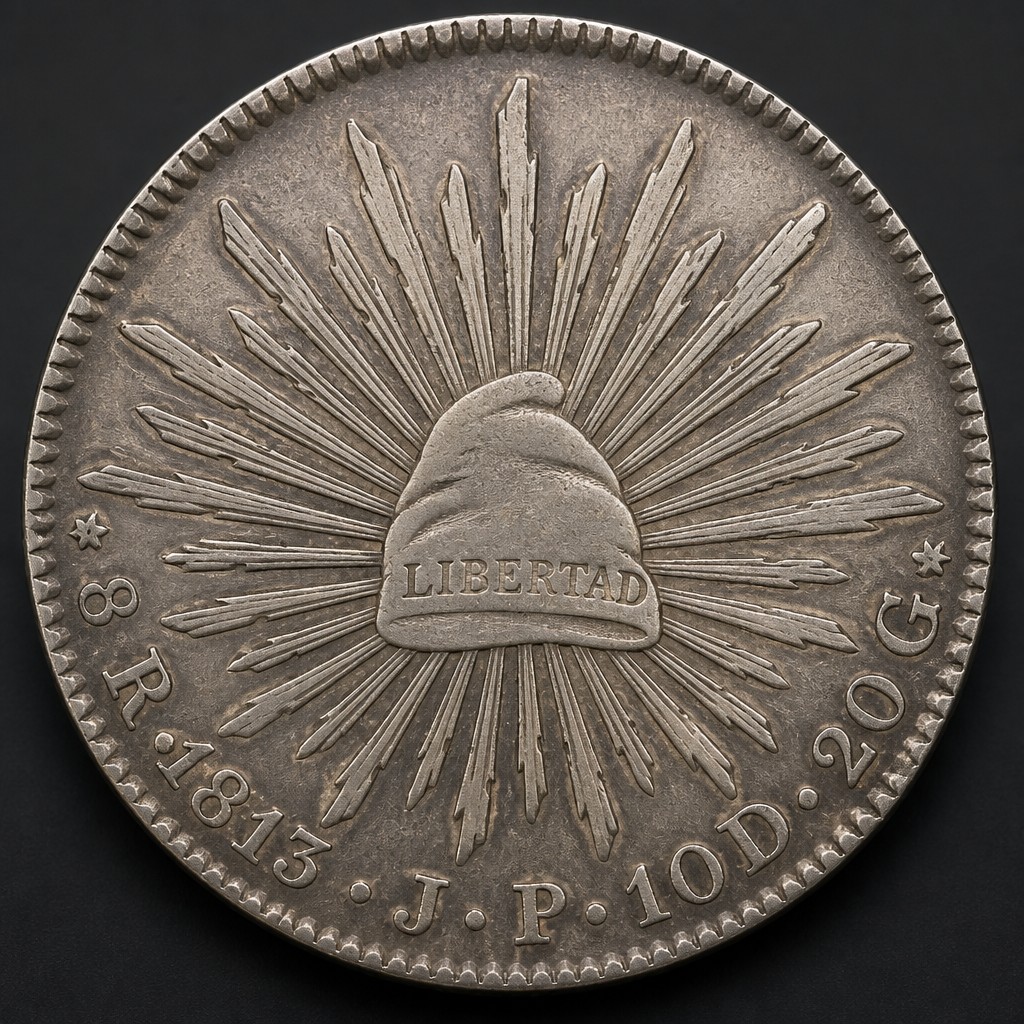
Argentina 8 Reales
c. 1813–1836
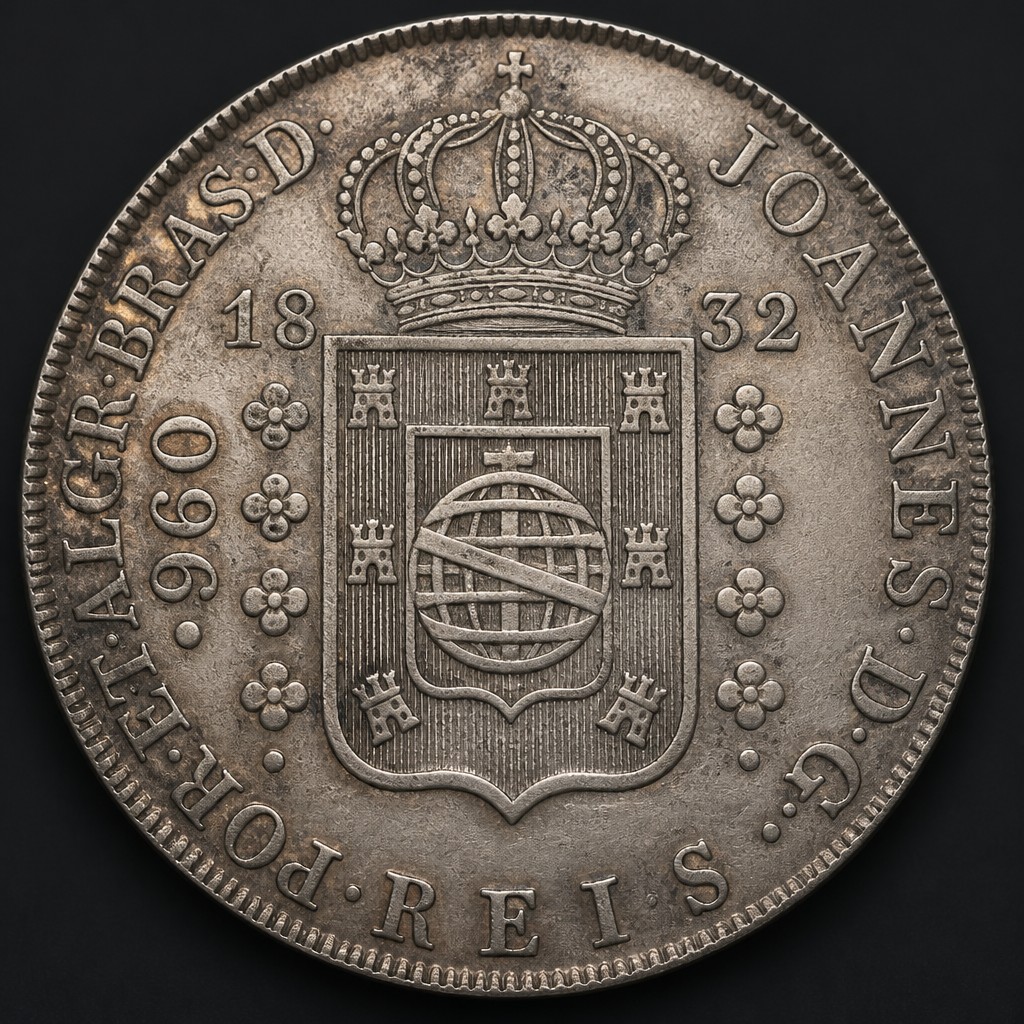
Brazil 960 Reis
1809–1832
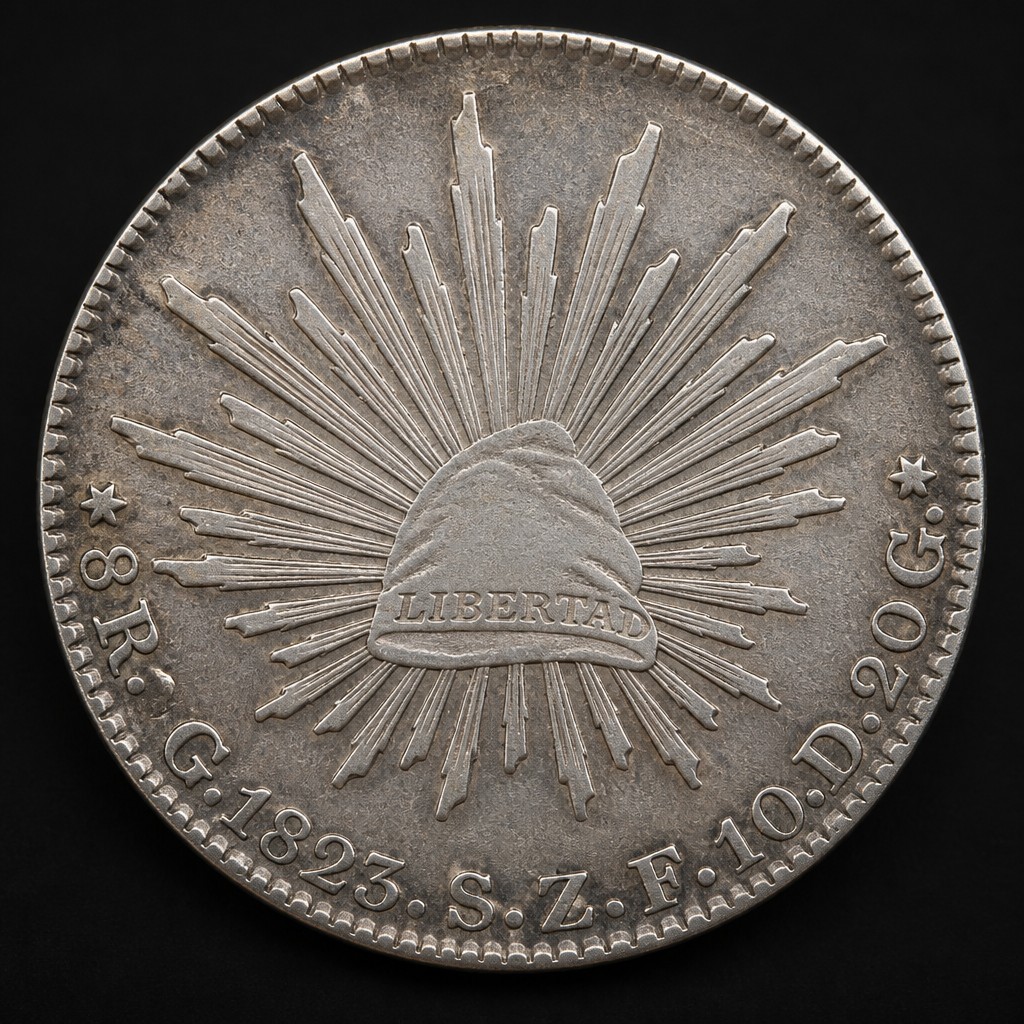
Mexican 8 Reales Cap and Rays
1823-1897
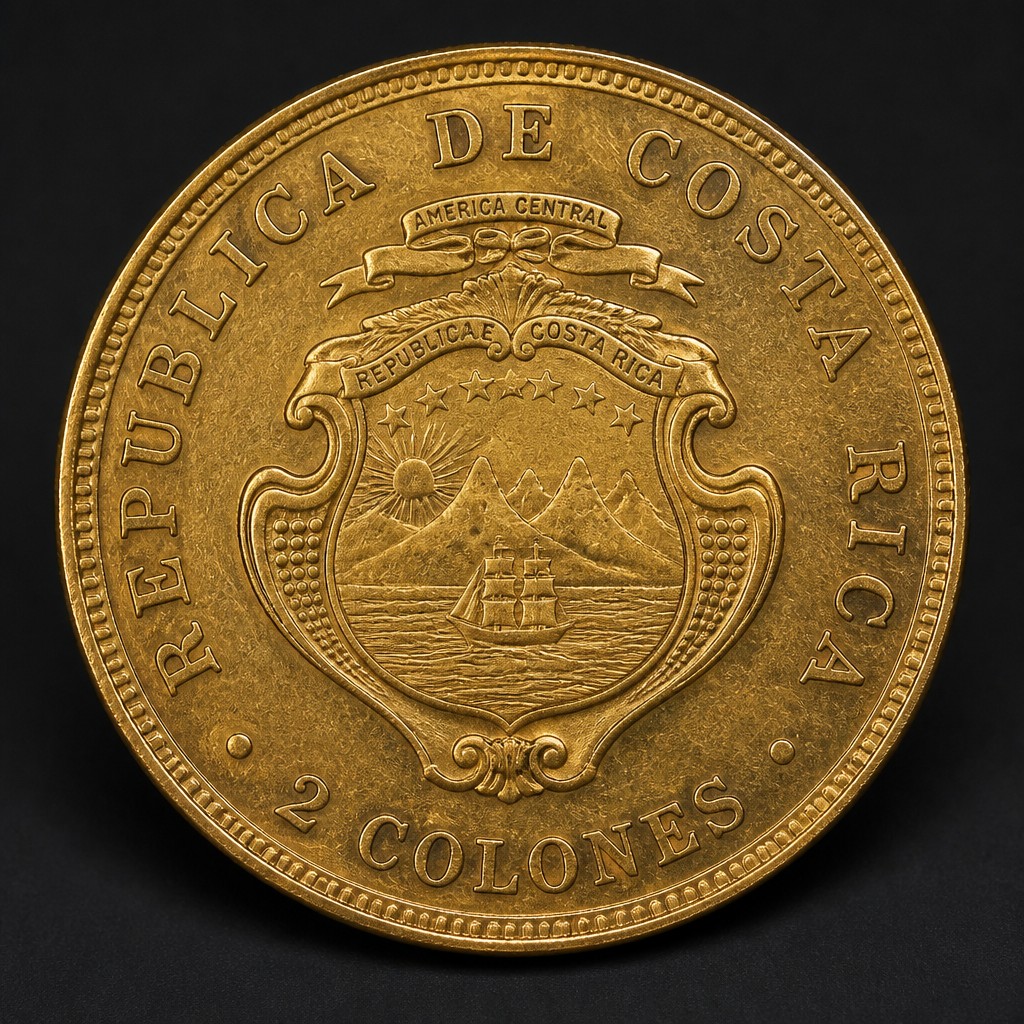
Costa Rica 2 Colones Gold
Late 1890s–early 1900s
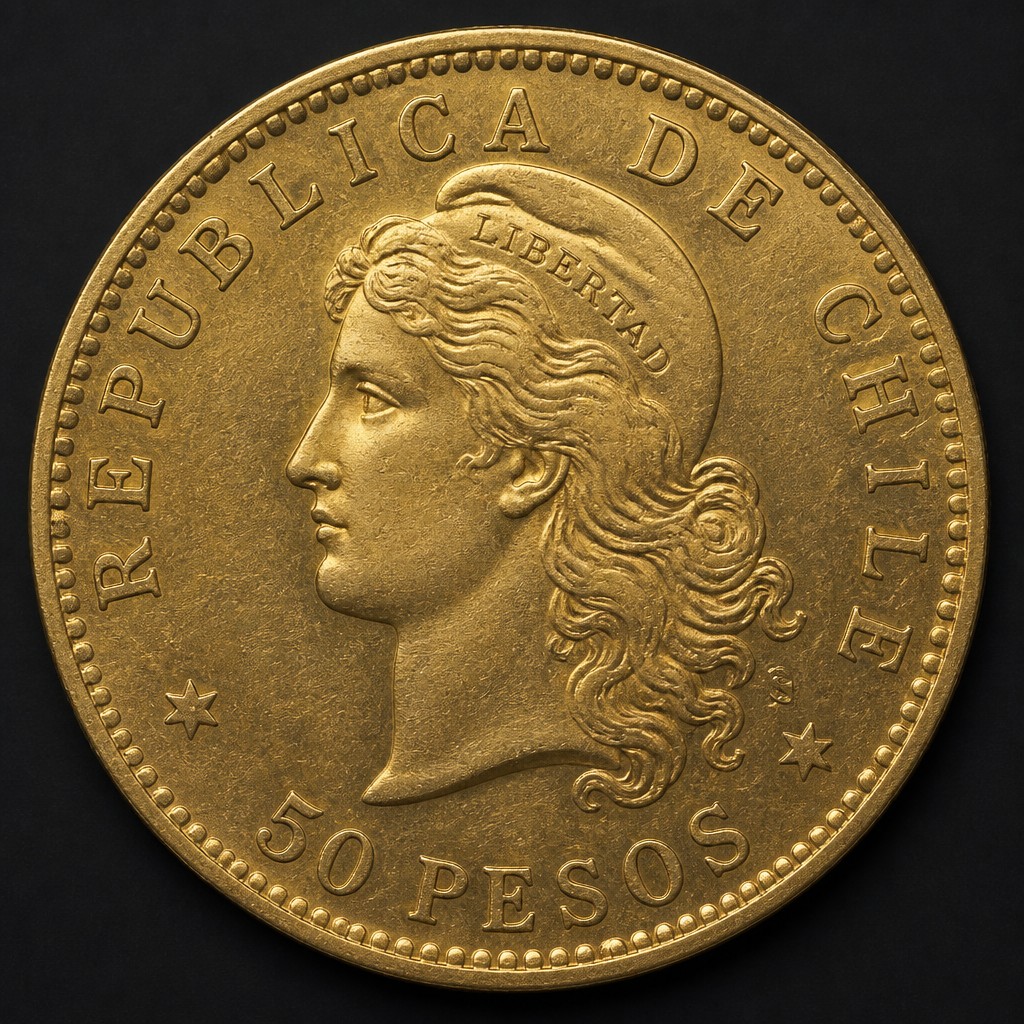
Chilean 50 Pesos Gold
1926–1980 (with interruptions)
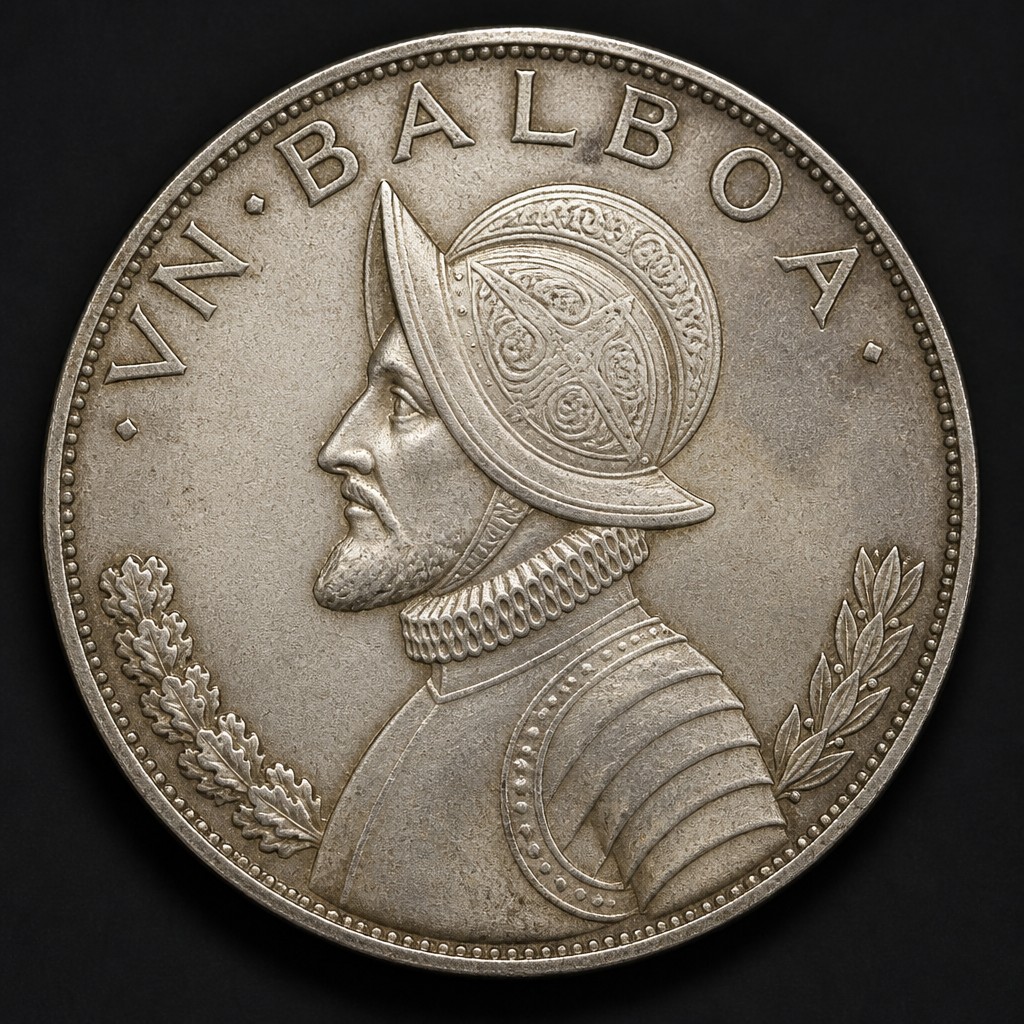
Panama Balboa Silver
1904, 1931, 1934, 1947, 1953, 1966 (various dates)
Uruguay Peso Silver 'Artigas'
1917–1920 (with related commemorative issues in later decades)
Mexican Emperor Maximilian Peso
1866–1867
Cuba 4 Pesos Gold Jose Marti
1915–1916
Chilean 20 Pesos Gold
19th century issues and 1926–1980 condor series
Chilean Peso Silver 'Condor'
1867–early 20th century