
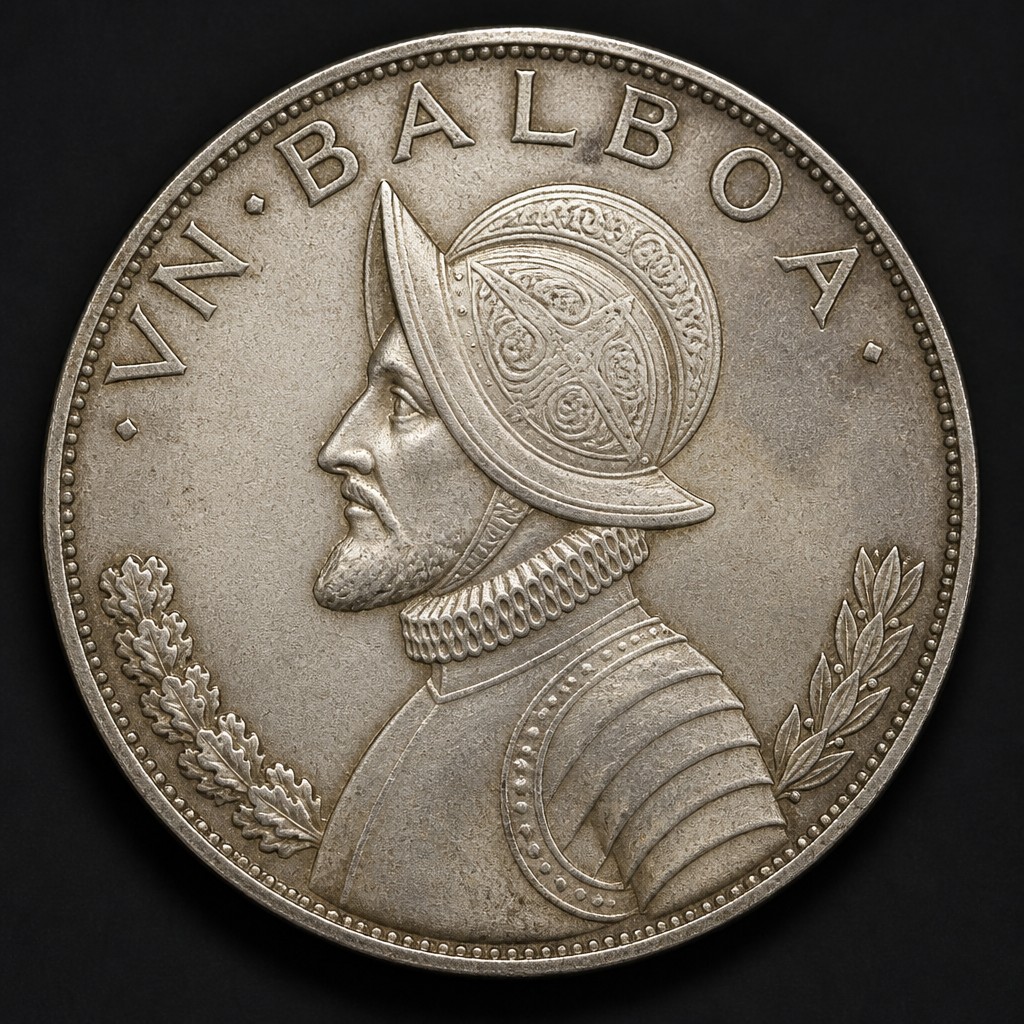
Panama Balboa Silver
Panama's dollar-sized silver crown, named for explorer Vasco Nunez de Balboa and pegged 1:1 to the US dollar throughout its history.
- Country
- Panama
- Denomination
- 1 Balboa
- Metal
- .900 fine silver
Got a coin like this?
Identify any coin from a photo, free.
Overview
The silver balboa is Panama's flagship large-denomination coin, named after the Spanish explorer Vasco Nunez de Balboa, who is credited with being the first European to sight the Pacific Ocean from the Americas. Since Panama's independence in 1903, the balboa has served as the country's official currency unit while being pegged at par with the US dollar, and US currency has long circulated alongside it.
The silver balboa was struck at various points across the twentieth century, generally matching the size and fineness of the contemporary US silver dollar or half dollar depending on the denomination in question. It is a favorite among collectors of Latin American crowns for its clean design and direct historical tie to Panama's independence and the construction of the Panama Canal era.
Because Panama's currency system relies so heavily on the US dollar, these coins are unusual among world coinage in having always maintained equal legal exchange value with US coinage of the same denomination.
History & Background
Panama gained independence from Colombia in 1903 with strong support from the United States, and the following year it adopted the balboa as its national currency unit, tied at a fixed one-to-one rate with the US dollar. The first silver balboa coins were struck in 1904 at the Philadelphia Mint.
Subsequent silver balboa coins were issued periodically over the following decades, including well-known dates in the 1930s, 1940s, 1950s, and 1960s, each continuing the tradition of pegging Panamanian coinage directly to US monetary standards.
As silver prices rose in the mid-twentieth century, later balboa issues transitioned to base metal compositions, ending the silver balboa tradition, though the coin's historical silver issues remain popular collectibles reflecting the close and enduring economic relationship between Panama and the United States.
How to Identify
The obverse of the silver balboa features a bust of Vasco Nunez de Balboa in profile, with the legend REPUBLICA DE PANAMA and the date.
The reverse displays the Panamanian coat of arms, which includes a shield with symbols of peace and prosperity flanked by a rising sun, tools, and a cornucopia, topped by an eagle, with the denomination 'UN BALBOA' below.
The coin is silver dollar-sized with a reeded edge for the full balboa denomination, closely matching a US silver dollar in diameter and weight; collectors identify specific dates by checking the numeral below Balboa's portrait, as design elements remained broadly consistent across issue years.
Value & Collectibility
Common dates of the silver balboa in worn condition generally trade close to their silver melt value with a modest numismatic premium, making them accessible to most collectors.
Certain dates, particularly earlier issues or those with lower original mintages, can command noticeably higher premiums, especially in higher circulated or uncirculated grades.
As with most silver crowns, originality of surface and strike quality significantly affect price, and collectors should consult current silver spot prices as a baseline before evaluating any premium for date or condition.
Frequently asked questions
Who was Balboa?
Vasco Nunez de Balboa was a Spanish explorer credited as the first European to see the Pacific Ocean from the Americas, and Panama's currency is named in his honor.
Why is the balboa tied to the US dollar?
Panama adopted a fixed one-to-one exchange rate with the US dollar from the start of its independent currency system in the early twentieth century, and US currency circulates alongside the balboa to this day.
Where were the silver balboas minted?
They were struck under contract at the Philadelphia Mint in the United States.
Are silver balboas still made today?
No, circulating balboa coinage later switched to base metals; silver balboas are now primarily collector items.
Other coins you may enjoy
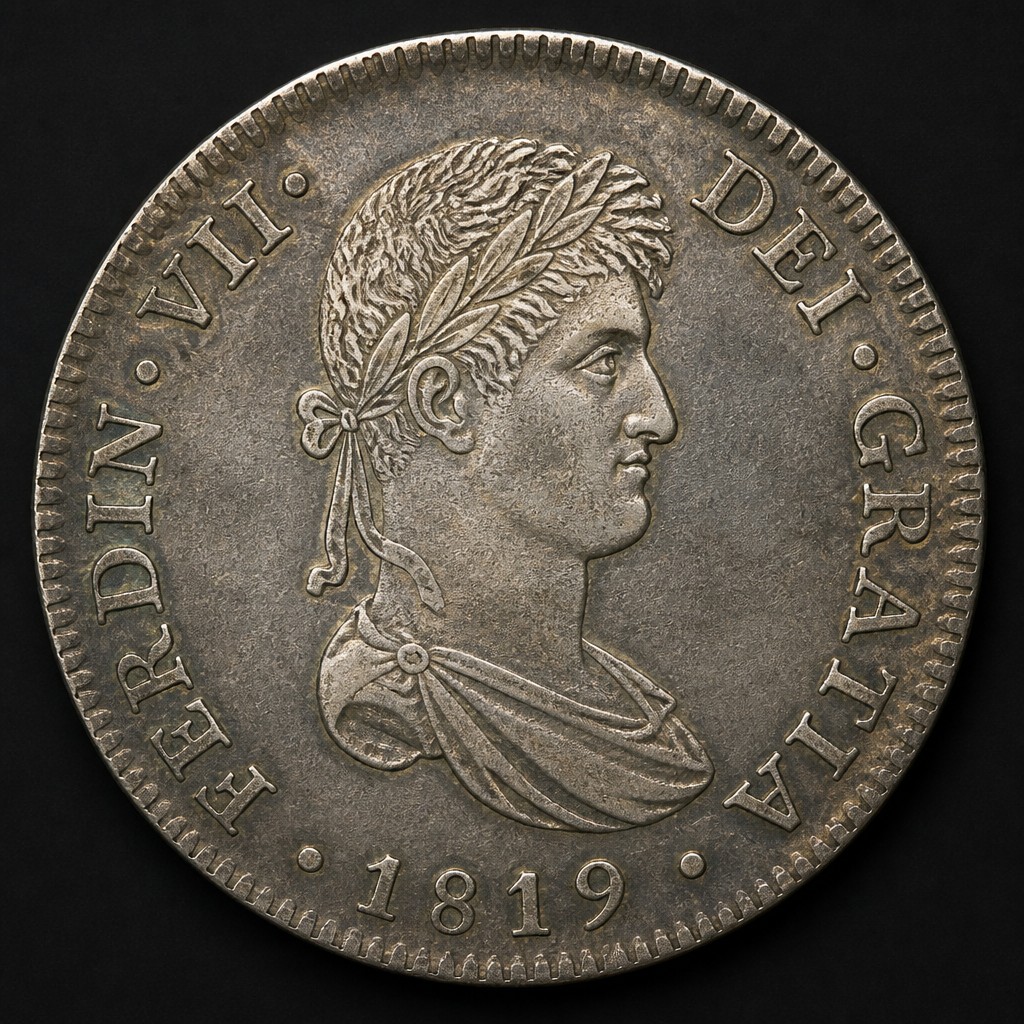
Colombia 8 Reales
Colonial issues through late 18th/early 19th century; republican issues 1820s–1830s
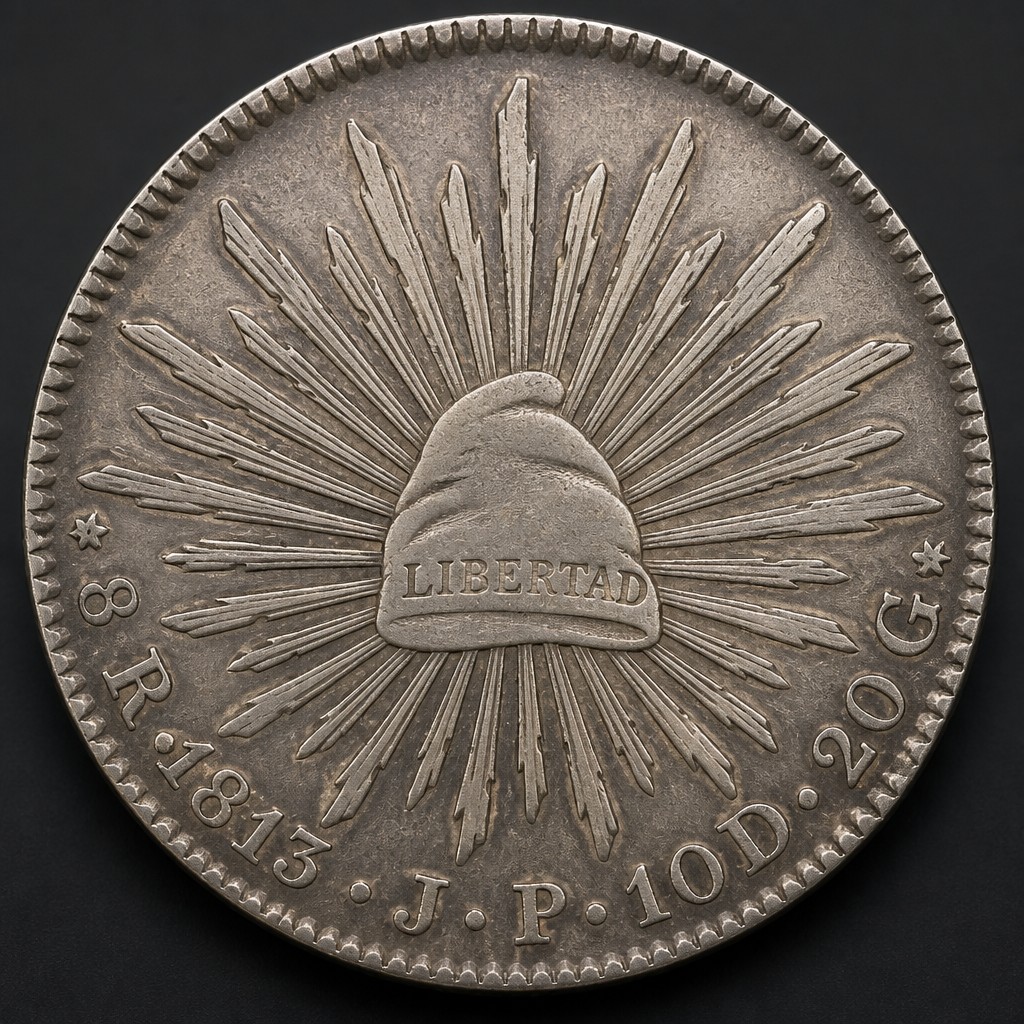
Argentina 8 Reales
c. 1813–1836
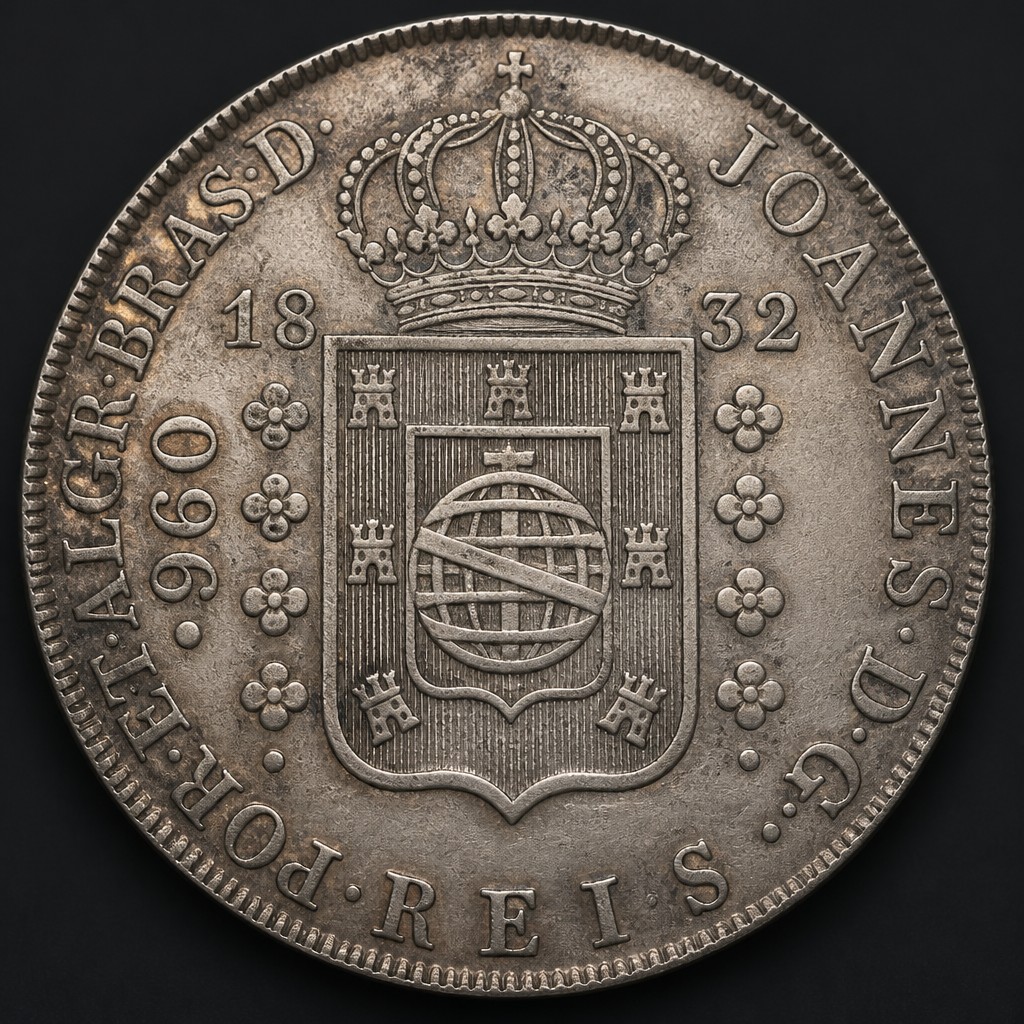
Brazil 960 Reis
1809–1832
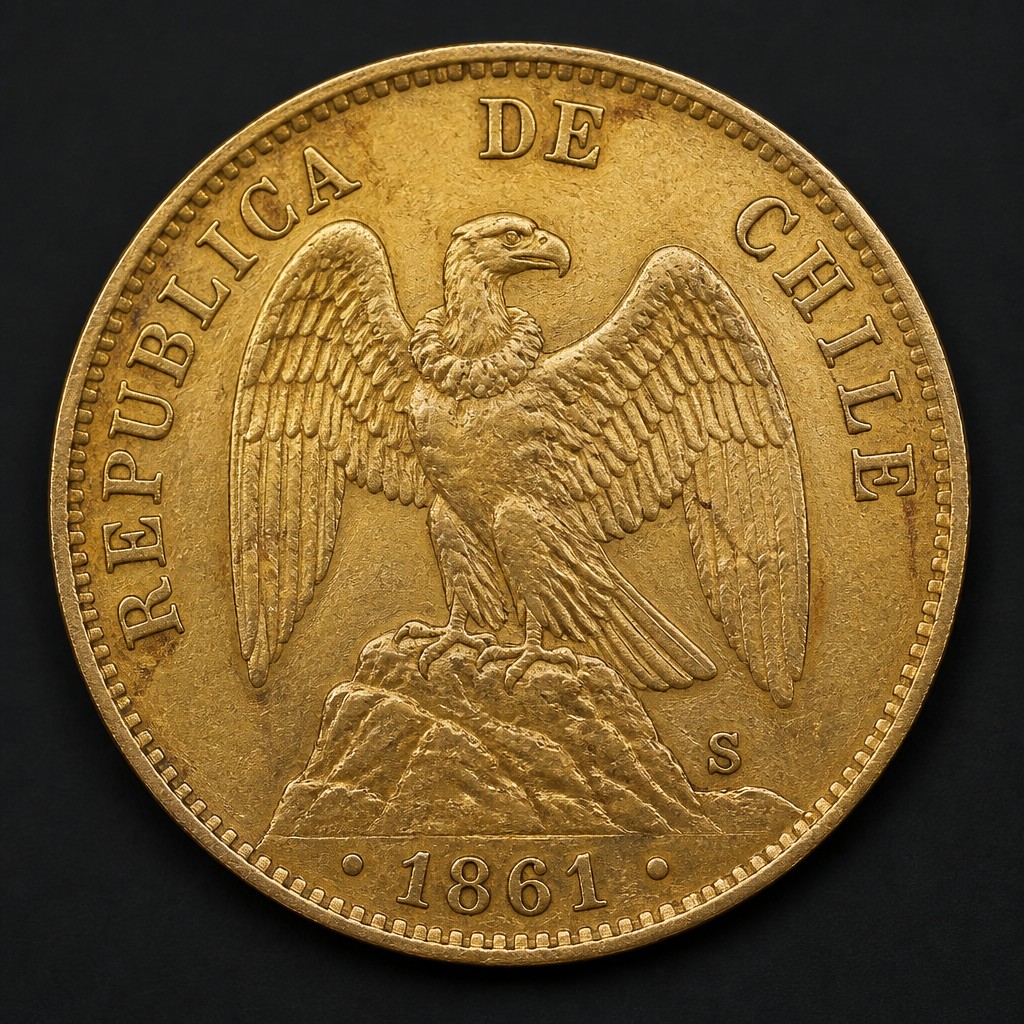
Chile Peso (Condor)
1851–1873 (gold condor series); modern base-metal peso 1990s–present
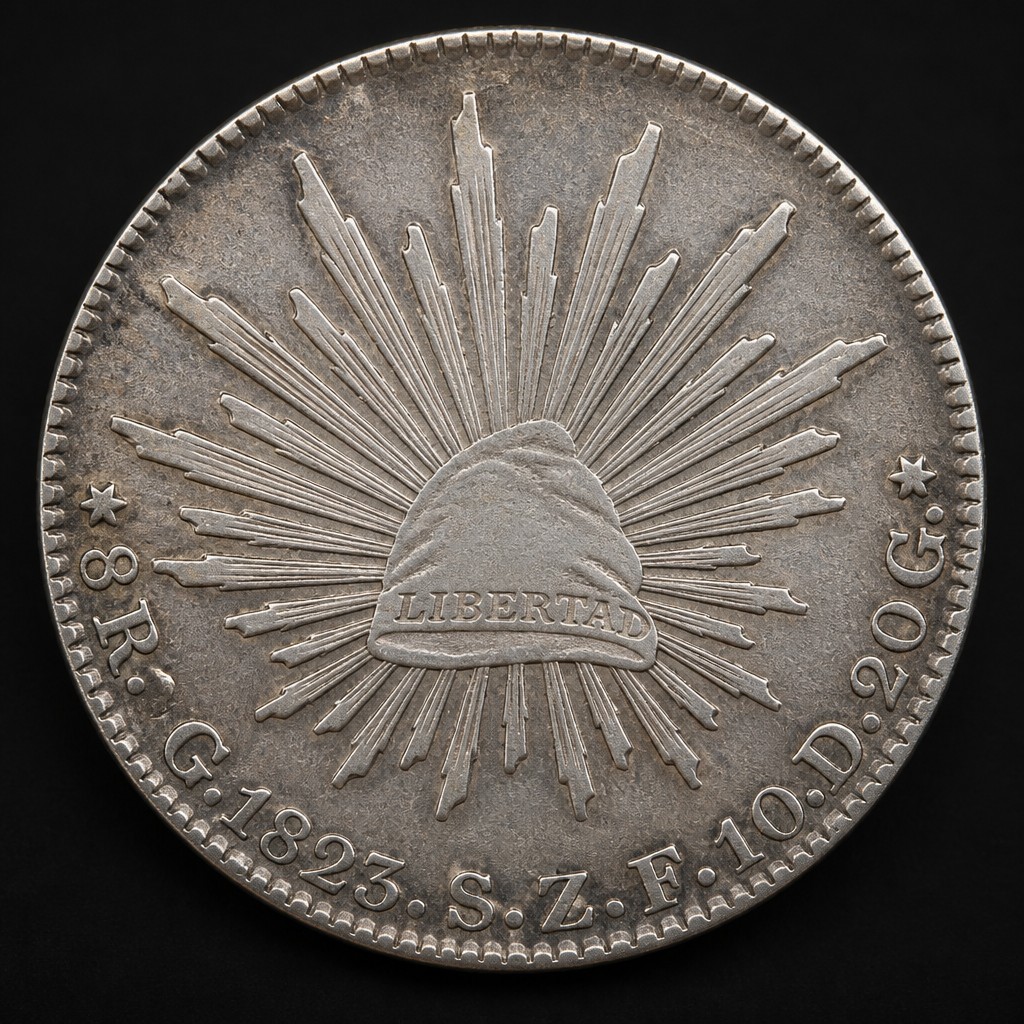
Mexican 8 Reales Cap and Rays
1823-1897
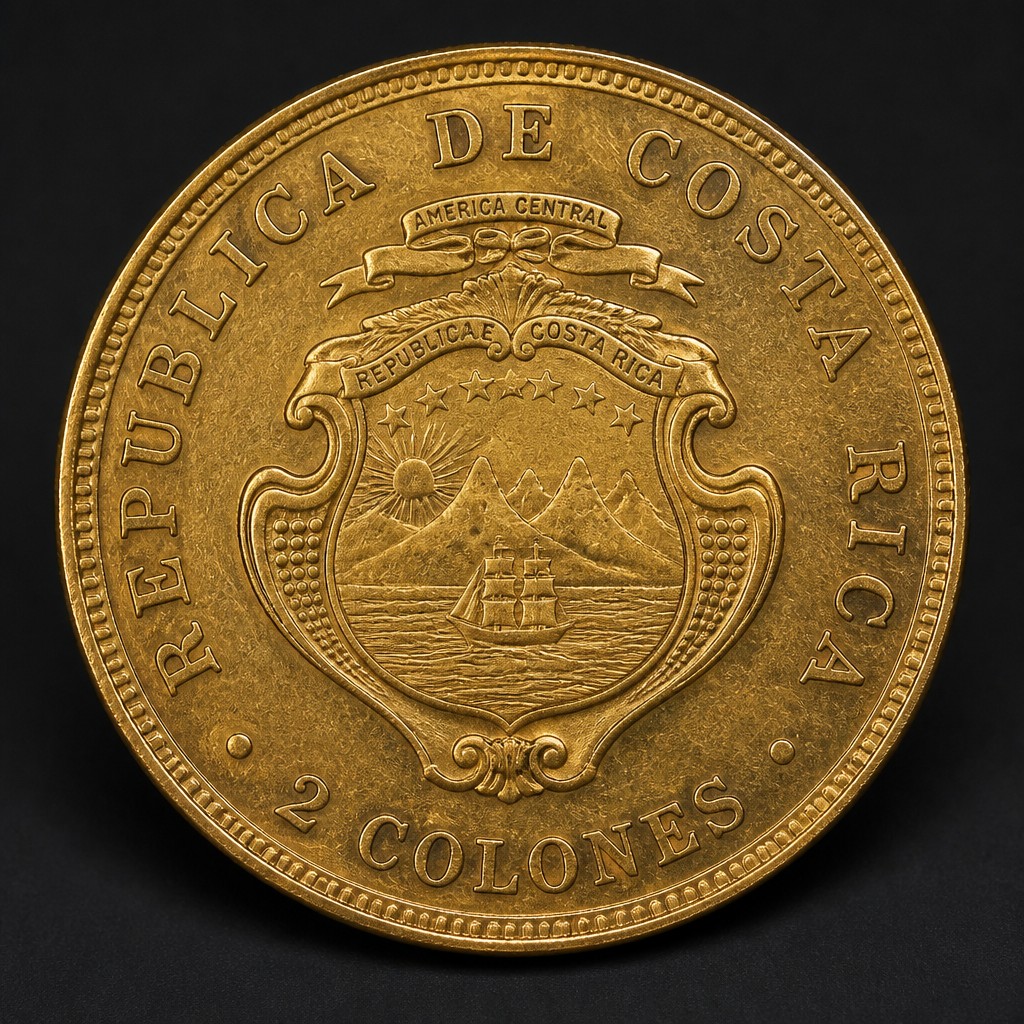
Costa Rica 2 Colones Gold
Late 1890s–early 1900s
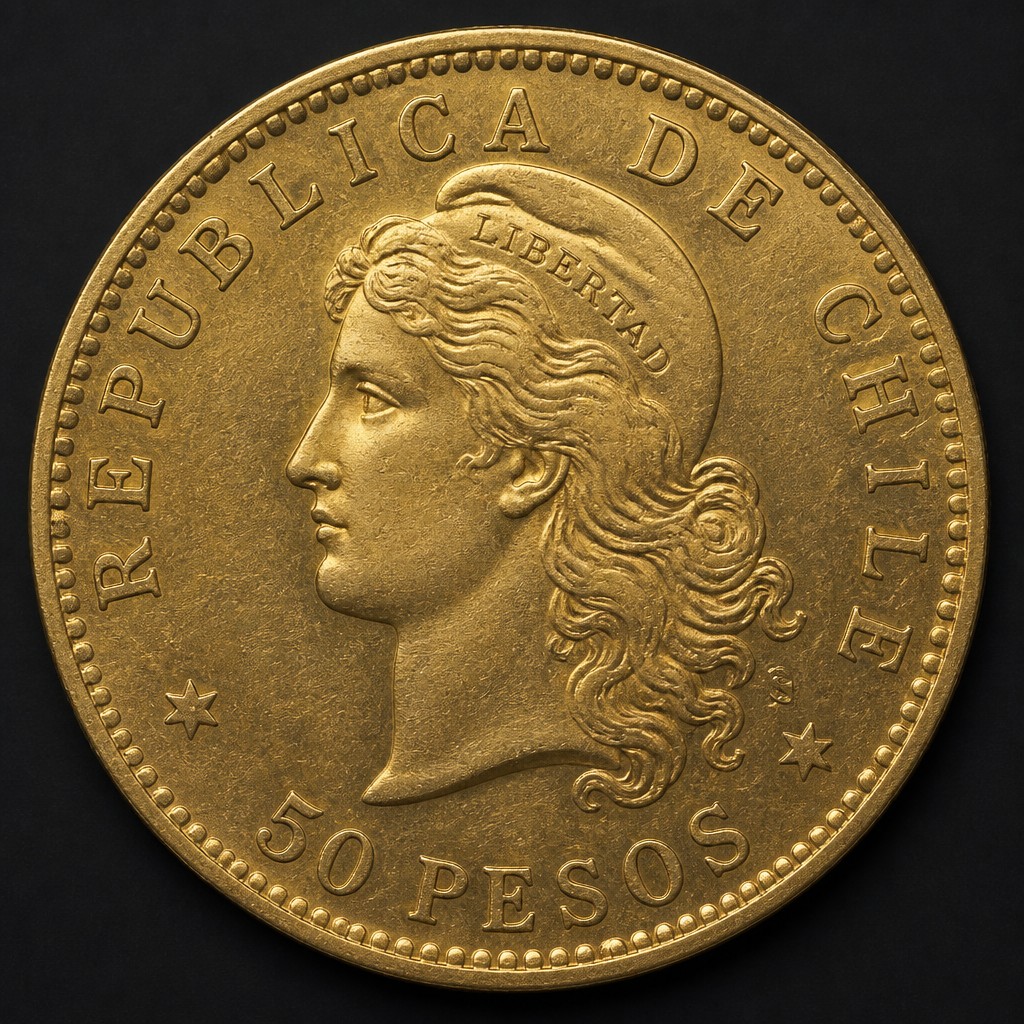
Chilean 50 Pesos Gold
1926–1980 (with interruptions)
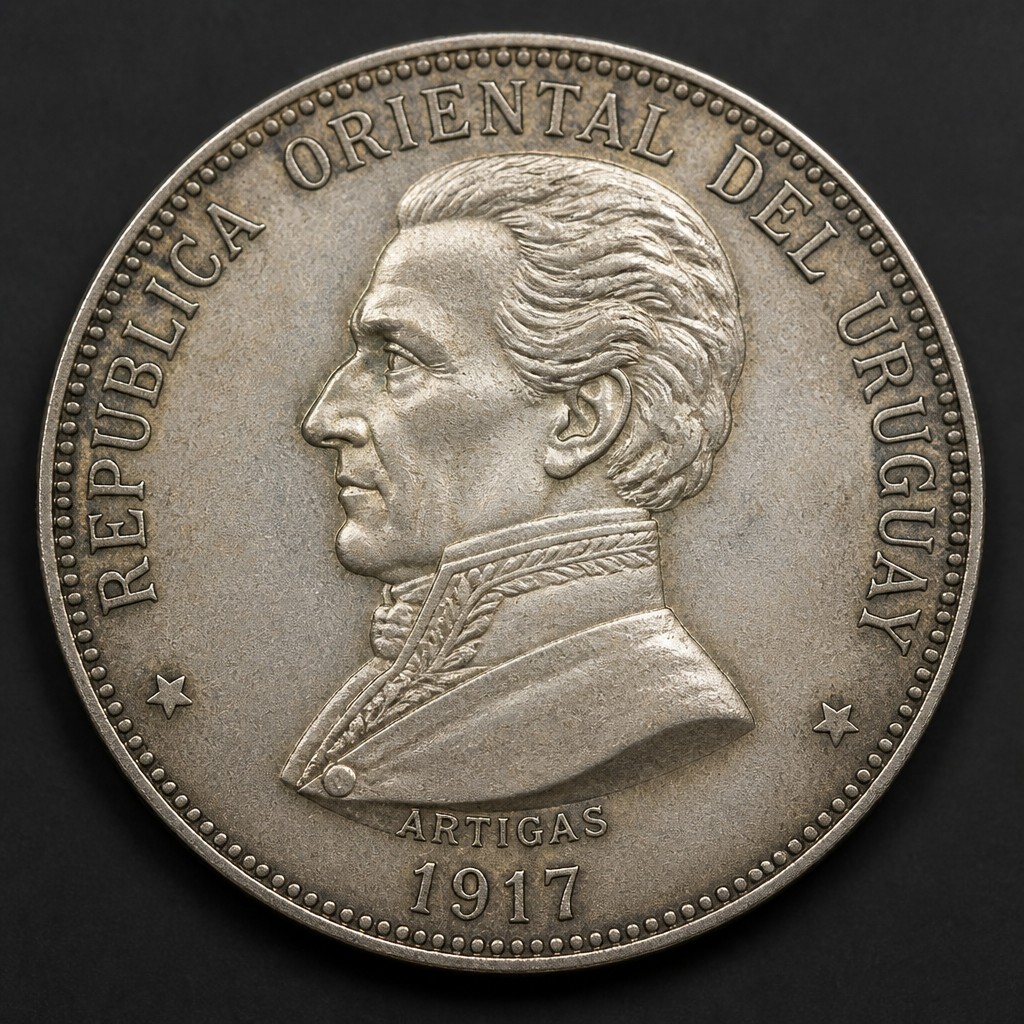
Uruguay Peso Silver 'Artigas'
1917–1920 (with related commemorative issues in later decades)
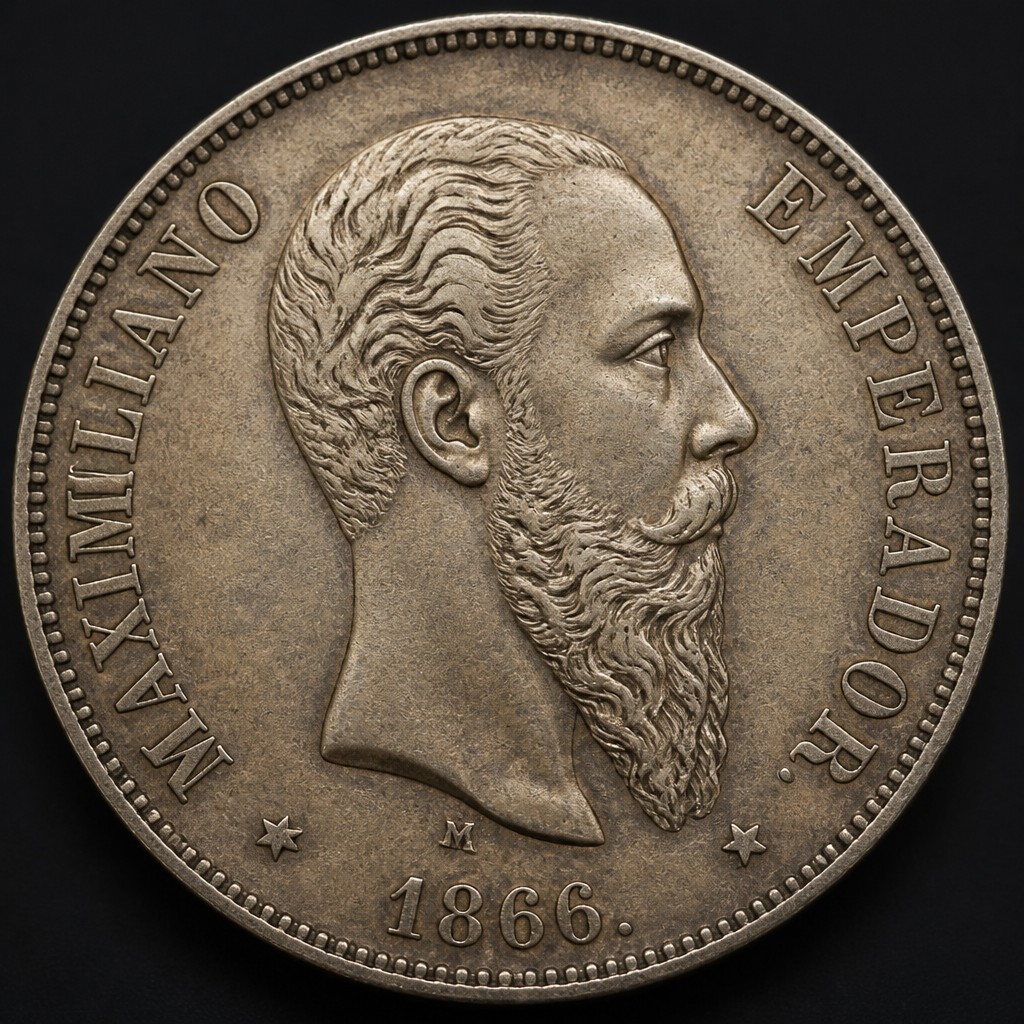
Mexican Emperor Maximilian Peso
1866–1867
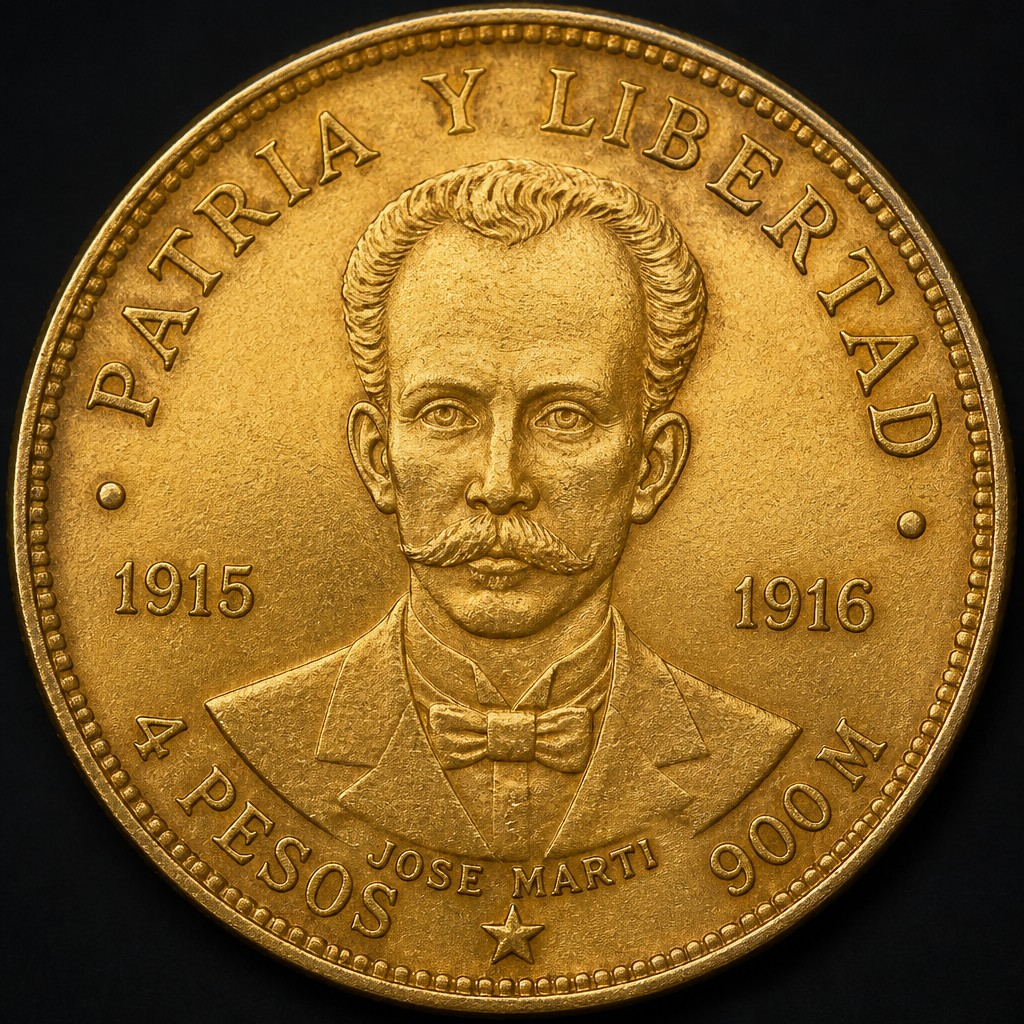
Cuba 4 Pesos Gold Jose Marti
1915–1916
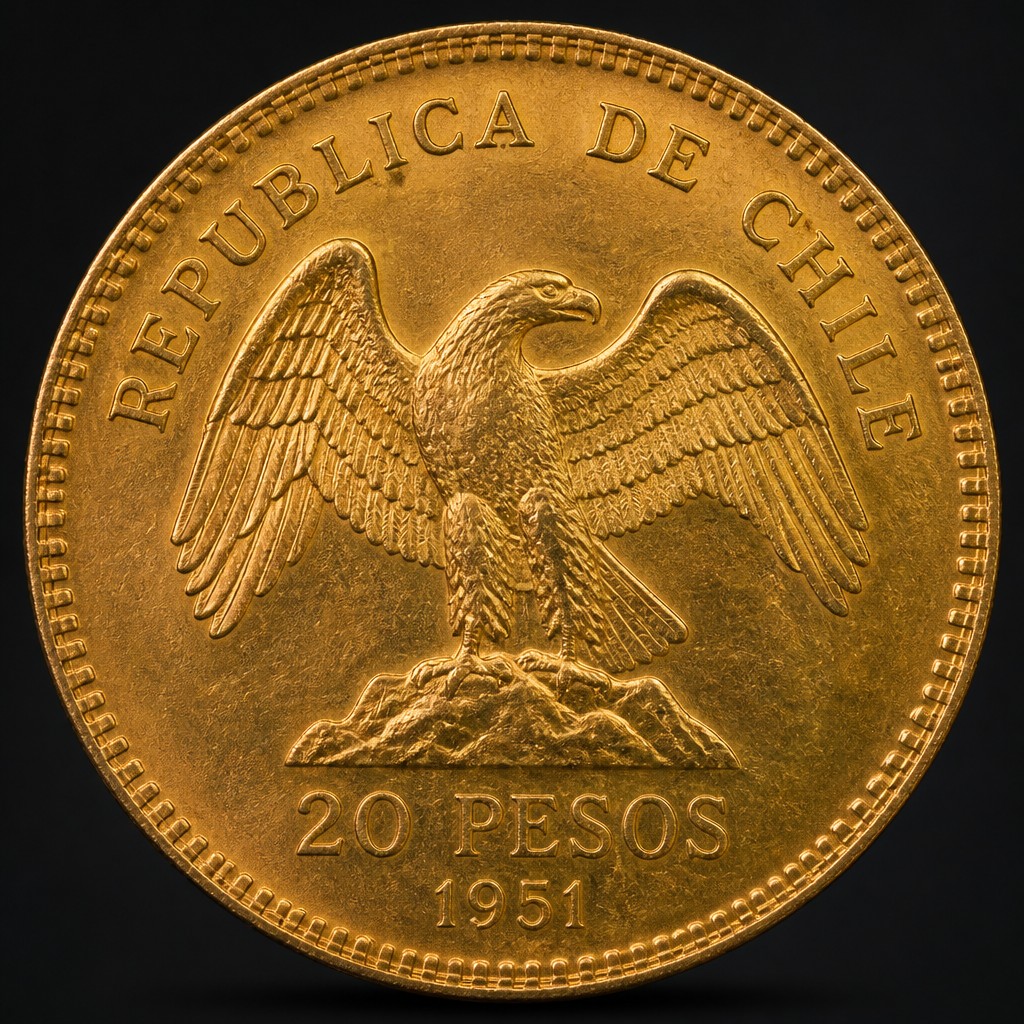
Chilean 20 Pesos Gold
19th century issues and 1926–1980 condor series
Chilean Peso Silver 'Condor'
1867–early 20th century