
Argentina 8 Reales
Silver 8 reales struck after Argentina's 1810 independence movement, replacing the Spanish king's portrait with the revolutionary Sun of May and clasped hands design.
- Country
- Argentina (United Provinces of the Río de la Plata)
- Denomination
- 8 Reales
- Metal
- Silver
Got a coin like this?
Identify any coin from a photo, free.
Overview
Following the May Revolution of 1810, the United Provinces of the Río de la Plata began striking their own 8 reales coins to replace Spanish colonial issues bearing the king's bust. These "Sol" 8 reales are notable for abandoning royal portraiture entirely in favor of republican and revolutionary symbols.
Production continued through the 1820s and into the 1830s at various provincial mints as Argentina's political structure remained loosely federated, resulting in a range of regional die varieties before more centralized national coinage emerged later in the 19th century.
History & Background
After the 1810 revolution against Spanish rule, the Potosí mint (still under revolutionary control in its early years) struck silver 8 reales in the name of the Provincias Unidas rather than King Ferdinand VII, marking a clear break from colonial monetary tradition. When royalist forces later regained Potosí, minting of this patriotic coinage shifted to mints within present-day Argentine territory.
Throughout the 1820s and 1830s, provinces such as La Rioja, San Juan, and Córdoba struck their own versions of the 8 reales, reflecting the decentralized political landscape of the era before Argentina's eventual national consolidation and later currency reforms.
How to Identify
The obverse typically shows the Sun of May (a radiant sun face, the same emblem later placed on Argentina's flag) with the legend referencing the Provincias Unidas or the specific issuing province. The reverse commonly depicts clasped hands within a wreath, symbolizing unity, along with the denomination "8 R" and date.
These coins are struck in silver, roughly the same size and weight as the Spanish colonial 8 reales they replaced (approximately 38–39 mm, around 27 grams), reflecting continuity of the "piece of eight" trade coin standard even as the political imagery changed. Mint origin can often be identified by subtle differences in the sun's rays, lettering style, or small mint initials, and collectors should compare die varieties carefully since many provincial issues are scarce and closely resemble one another.
Value & Collectibility
Values vary widely by mint, date, and condition, with certain provincial issues being considerably scarcer than the more common Potosí-era Sol coinage. Well-preserved, clearly struck examples with strong sun and clasped-hands detail command a premium over worn or weakly struck pieces.
Because many of these coins are unevenly documented and easily confused with similar Spanish American revolutionary-era issues, collectors should seek pieces attributed by recognized reference catalogs and be cautious of generic "provincial 8 reales" offered without specific mint attribution.
Frequently asked questions
What replaced the king's portrait on these coins?
The Sun of May, a radiant sun emblem symbolizing Argentina's independence, along with a clasped-hands design representing unity.
Were these coins minted only in Argentina?
The earliest issues came from the Potosí mint (in modern Bolivia) while it remained under revolutionary control, before minting shifted to mints within Argentine territory.
How big are Argentina's 8 reales coins?
They follow the traditional Spanish colonial 8 reales silver standard, roughly 38–39 mm in diameter.
Why are there so many varieties?
Several Argentine provinces struck their own versions independently during a period of decentralized governance, producing many local die varieties.
Other coins you may enjoy
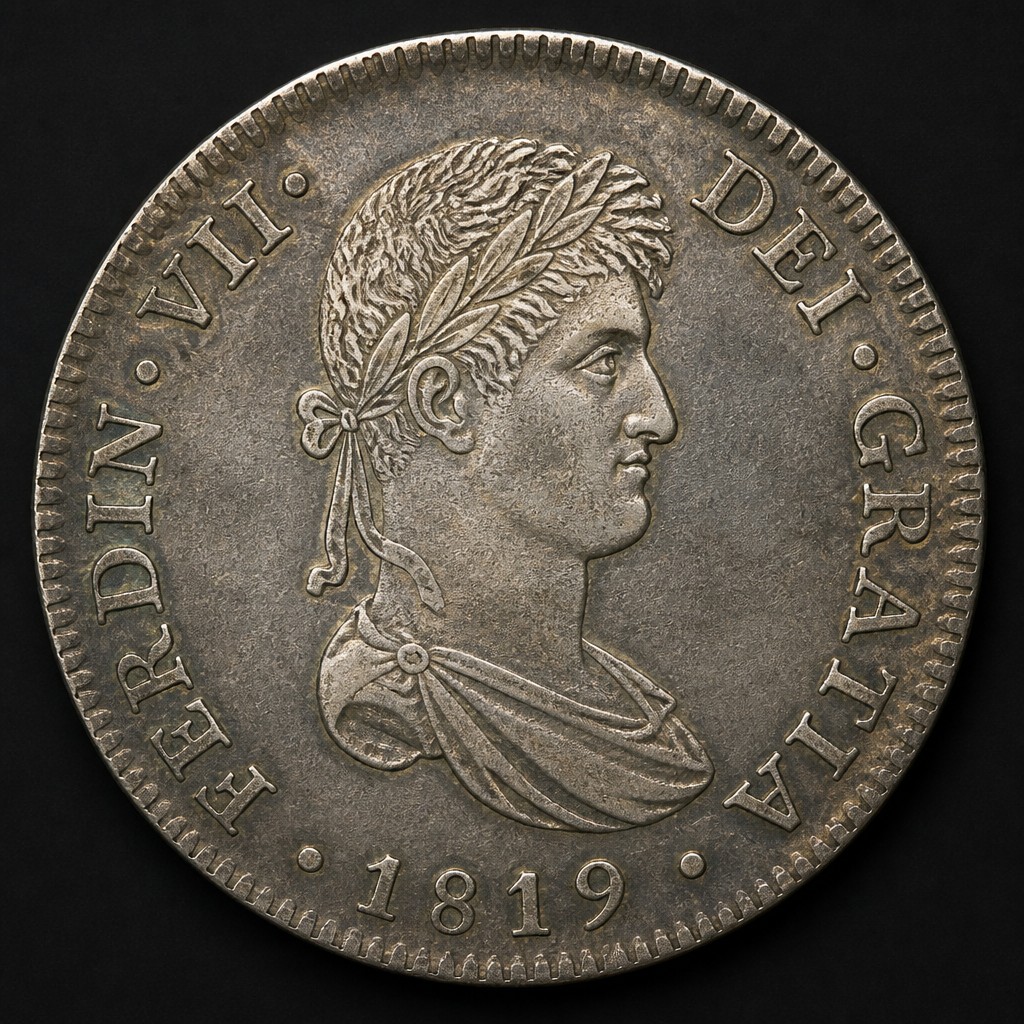
Colombia 8 Reales
Colonial issues through late 18th/early 19th century; republican issues 1820s–1830s
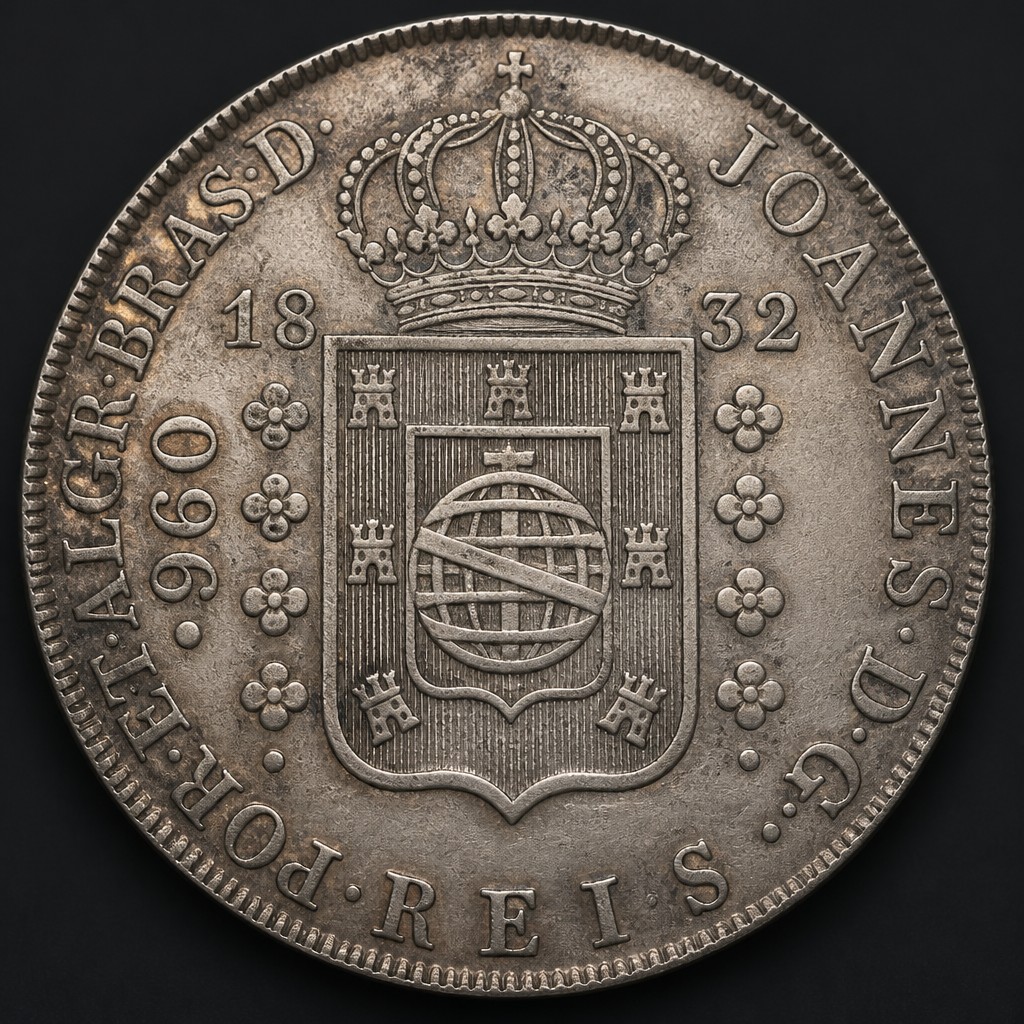
Brazil 960 Reis
1809–1832
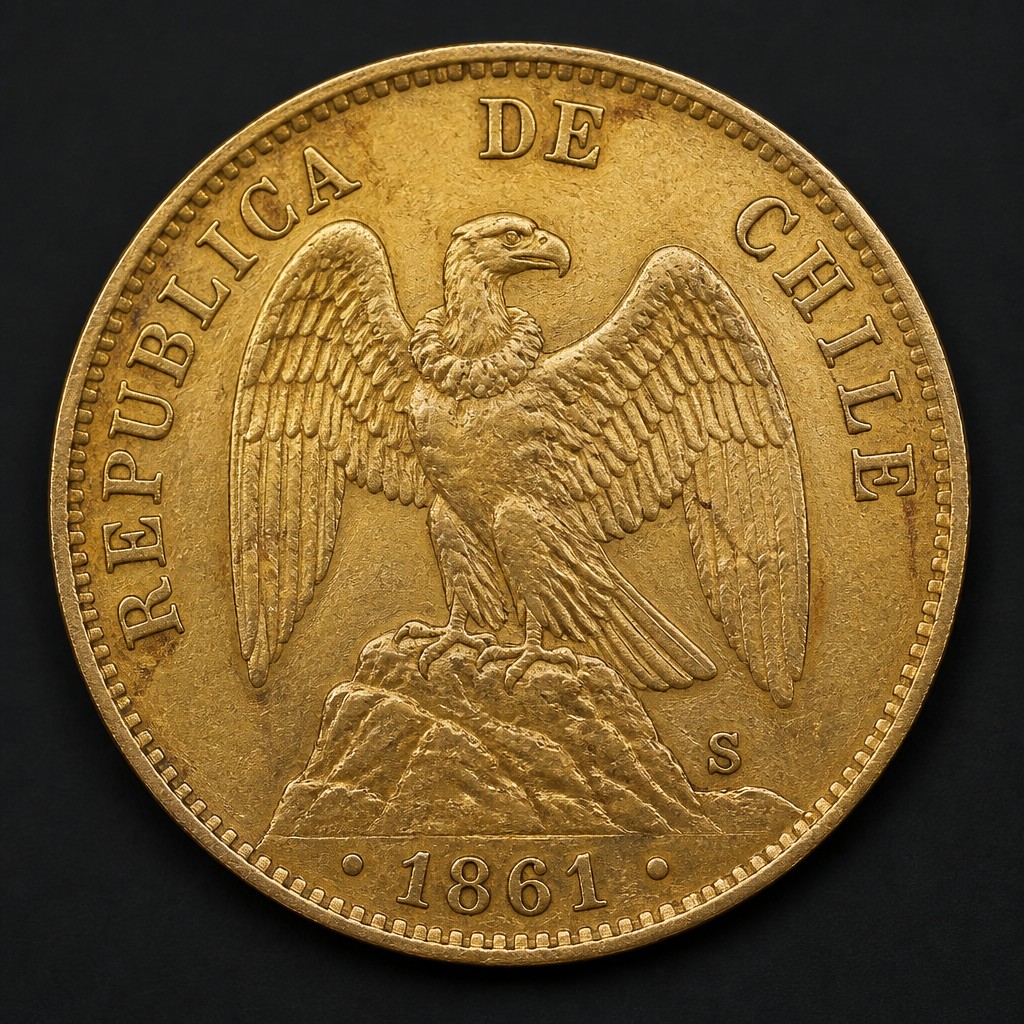
Chile Peso (Condor)
1851–1873 (gold condor series); modern base-metal peso 1990s–present
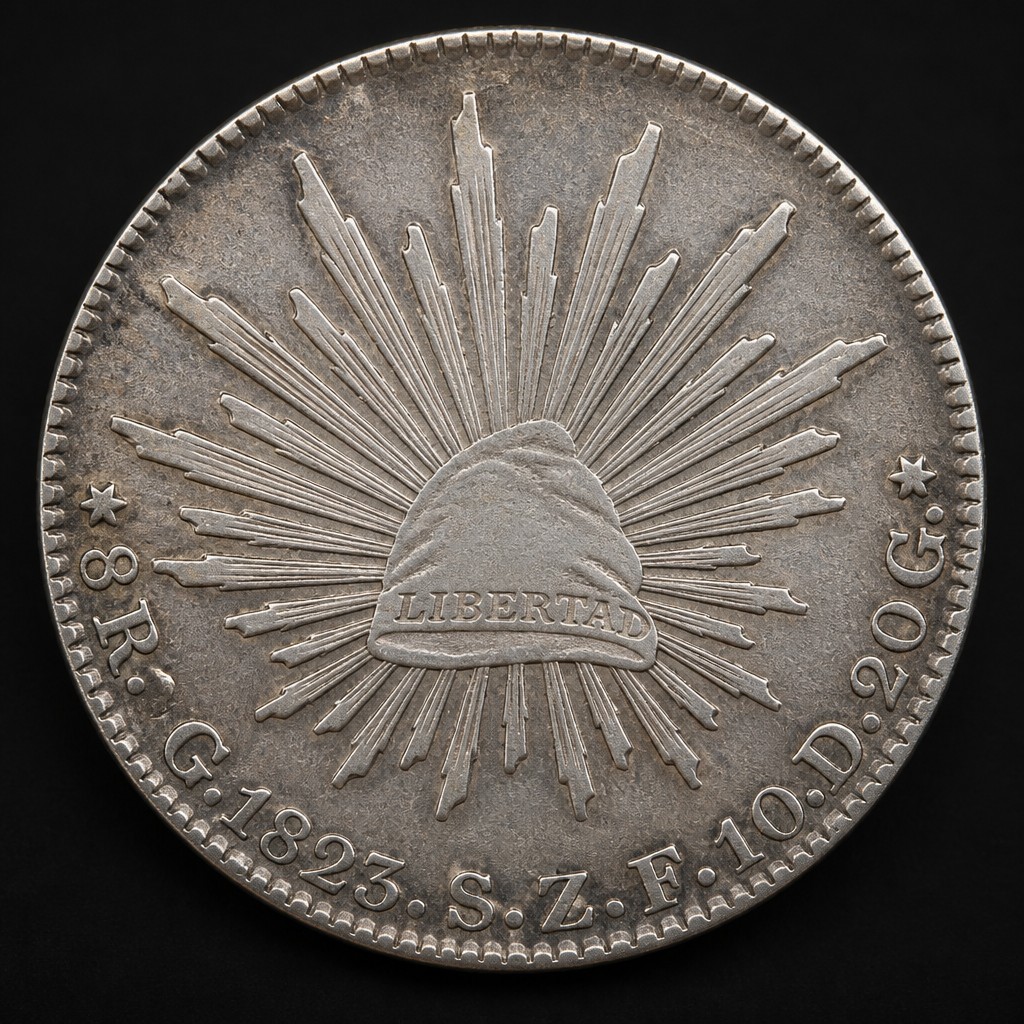
Mexican 8 Reales Cap and Rays
1823-1897
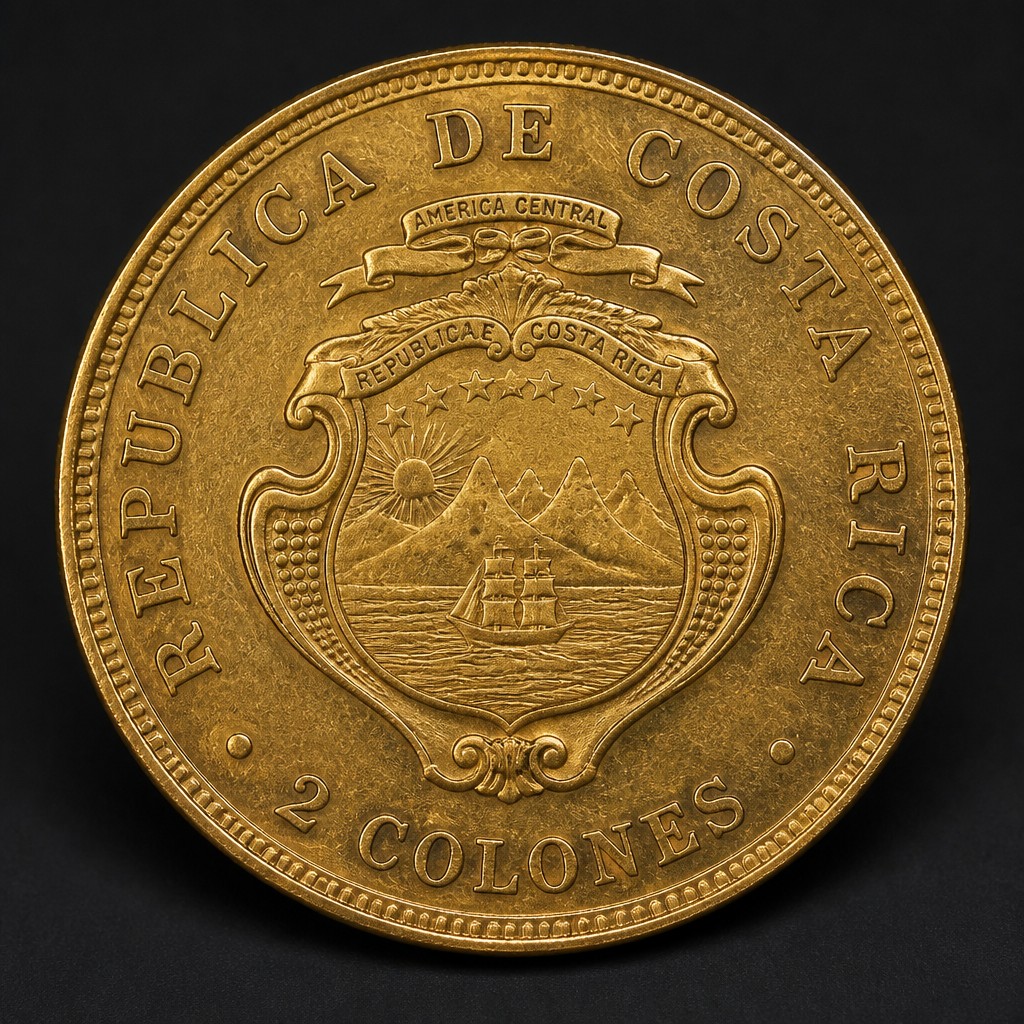
Costa Rica 2 Colones Gold
Late 1890s–early 1900s
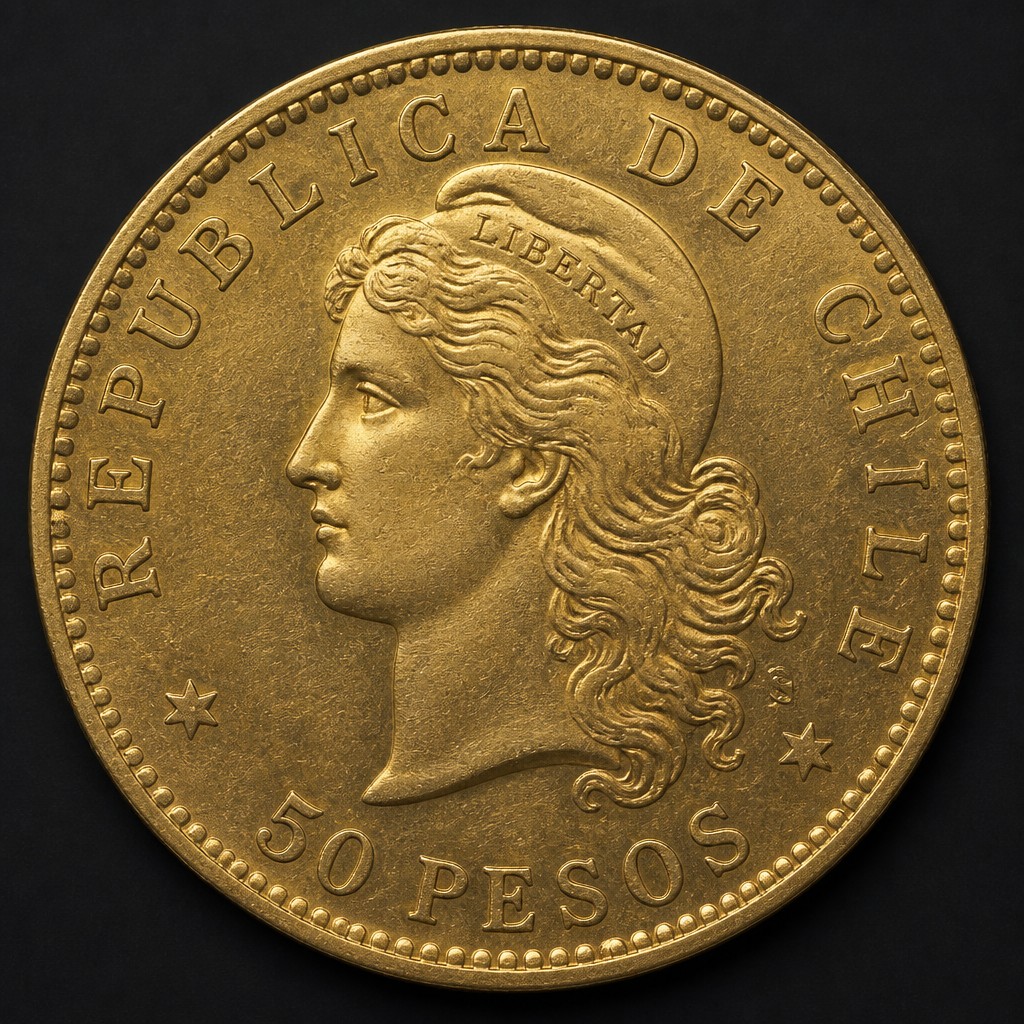
Chilean 50 Pesos Gold
1926–1980 (with interruptions)
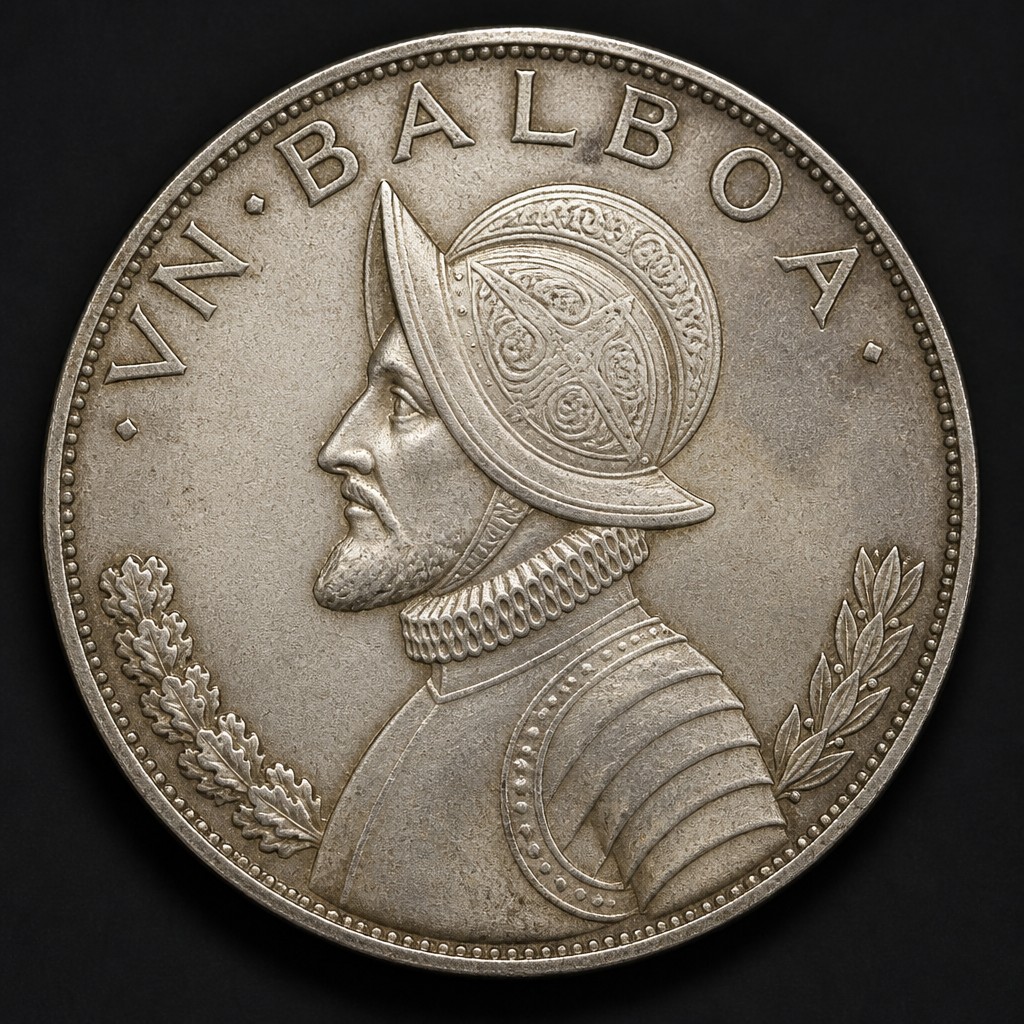
Panama Balboa Silver
1904, 1931, 1934, 1947, 1953, 1966 (various dates)
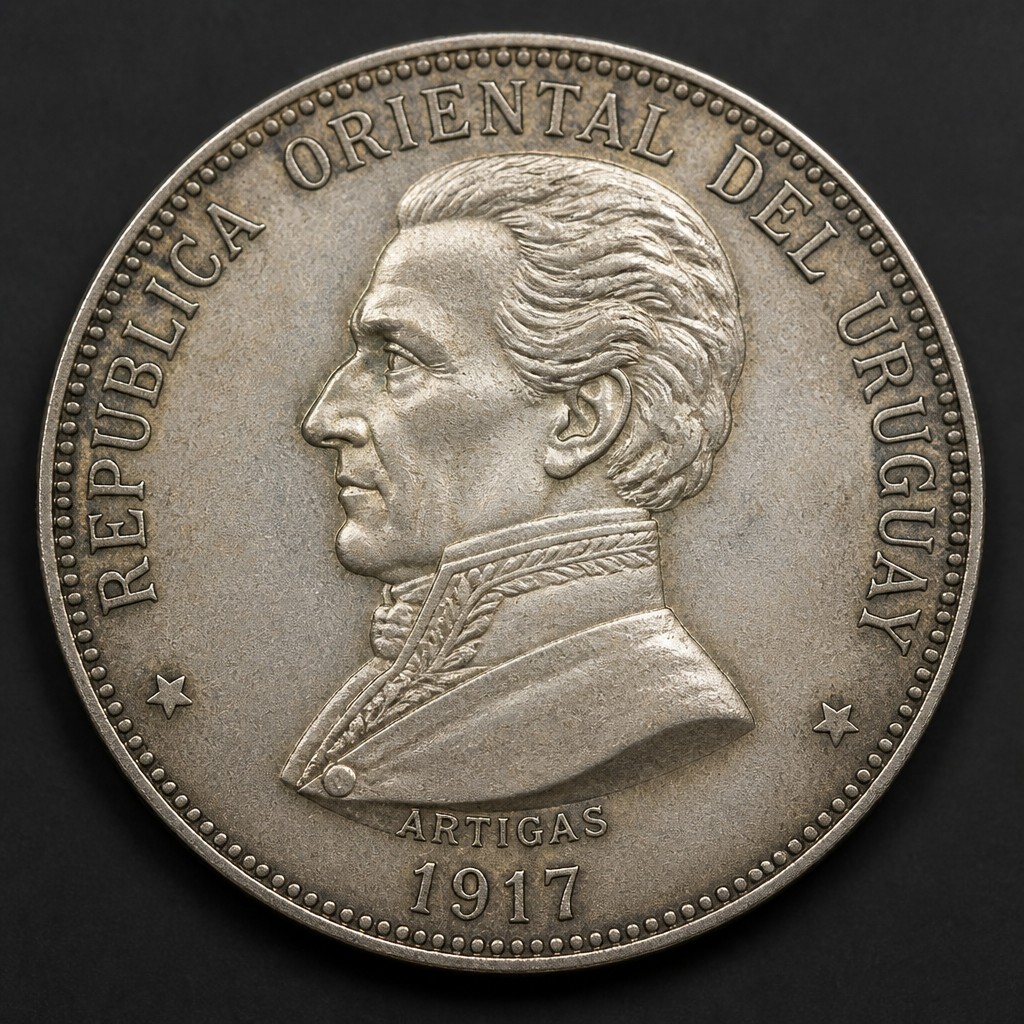
Uruguay Peso Silver 'Artigas'
1917–1920 (with related commemorative issues in later decades)
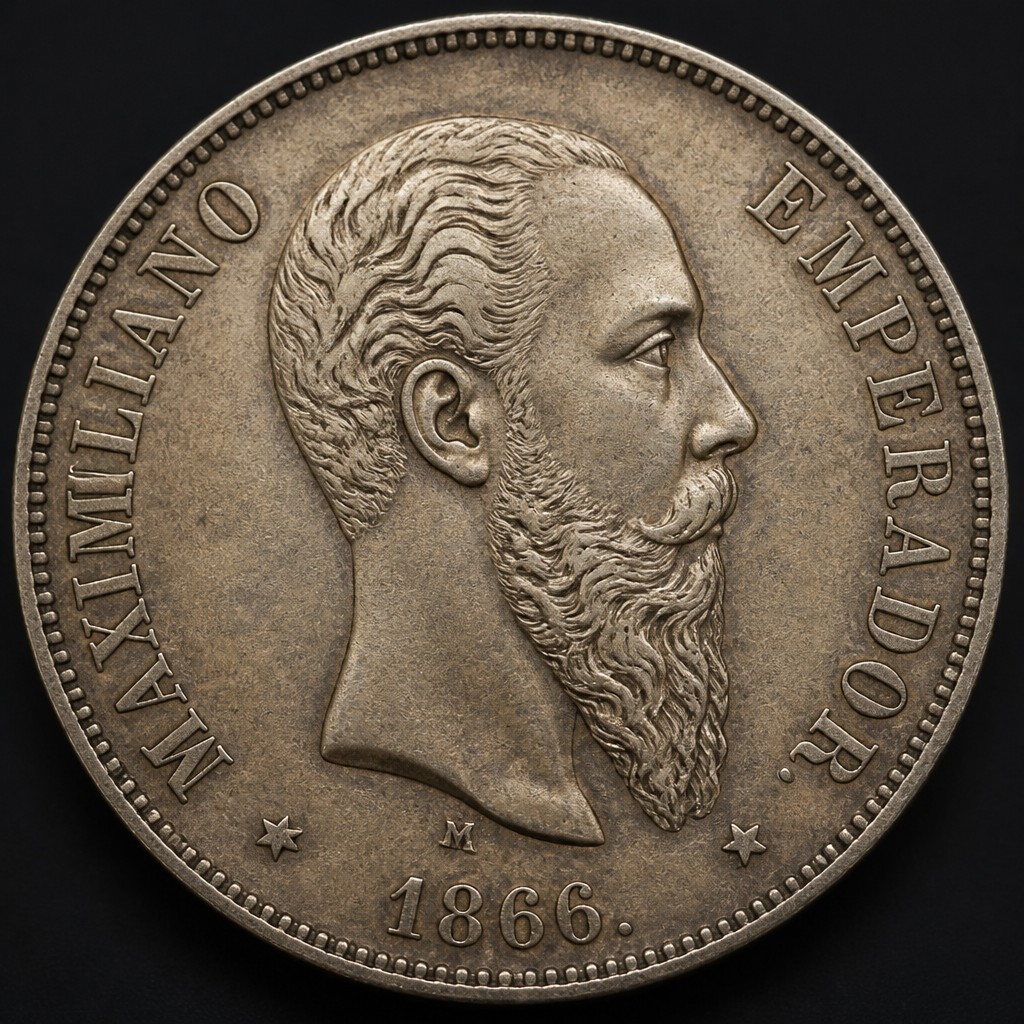
Mexican Emperor Maximilian Peso
1866–1867
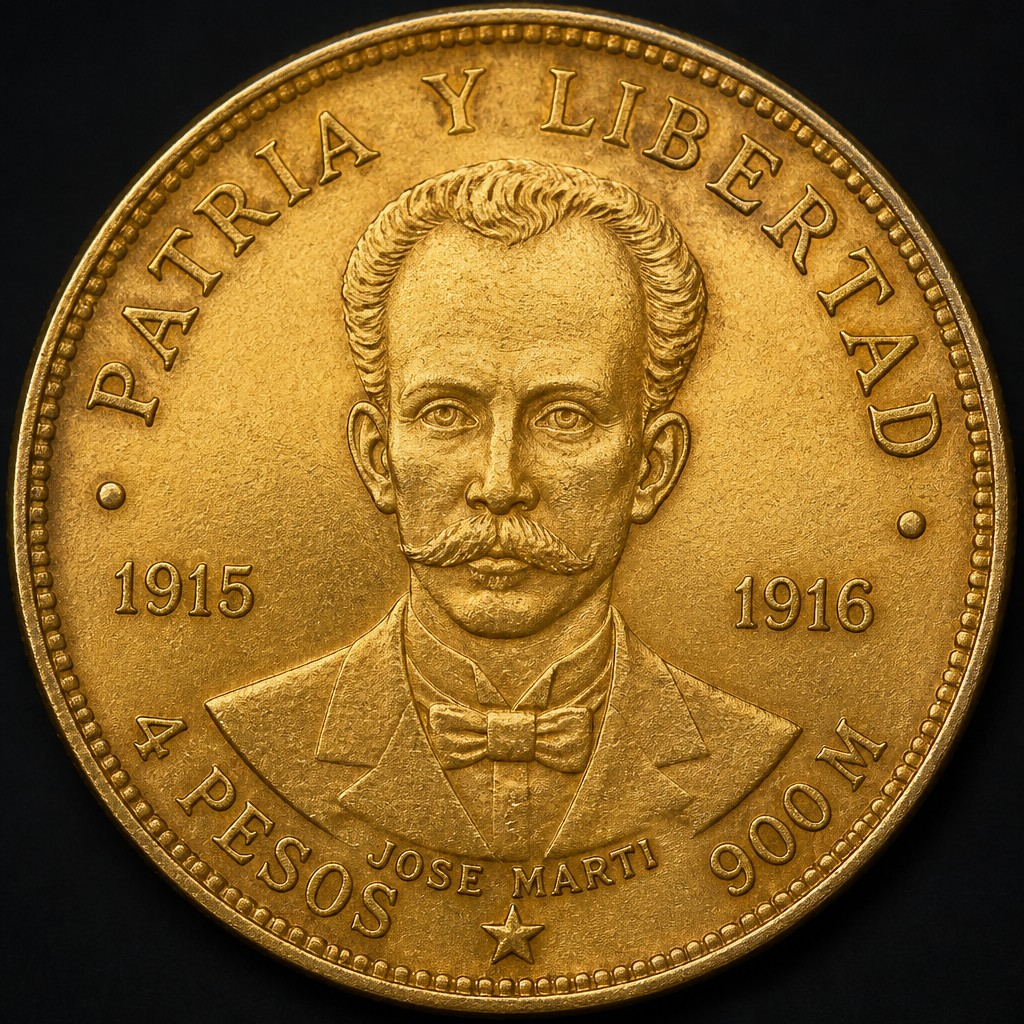
Cuba 4 Pesos Gold Jose Marti
1915–1916
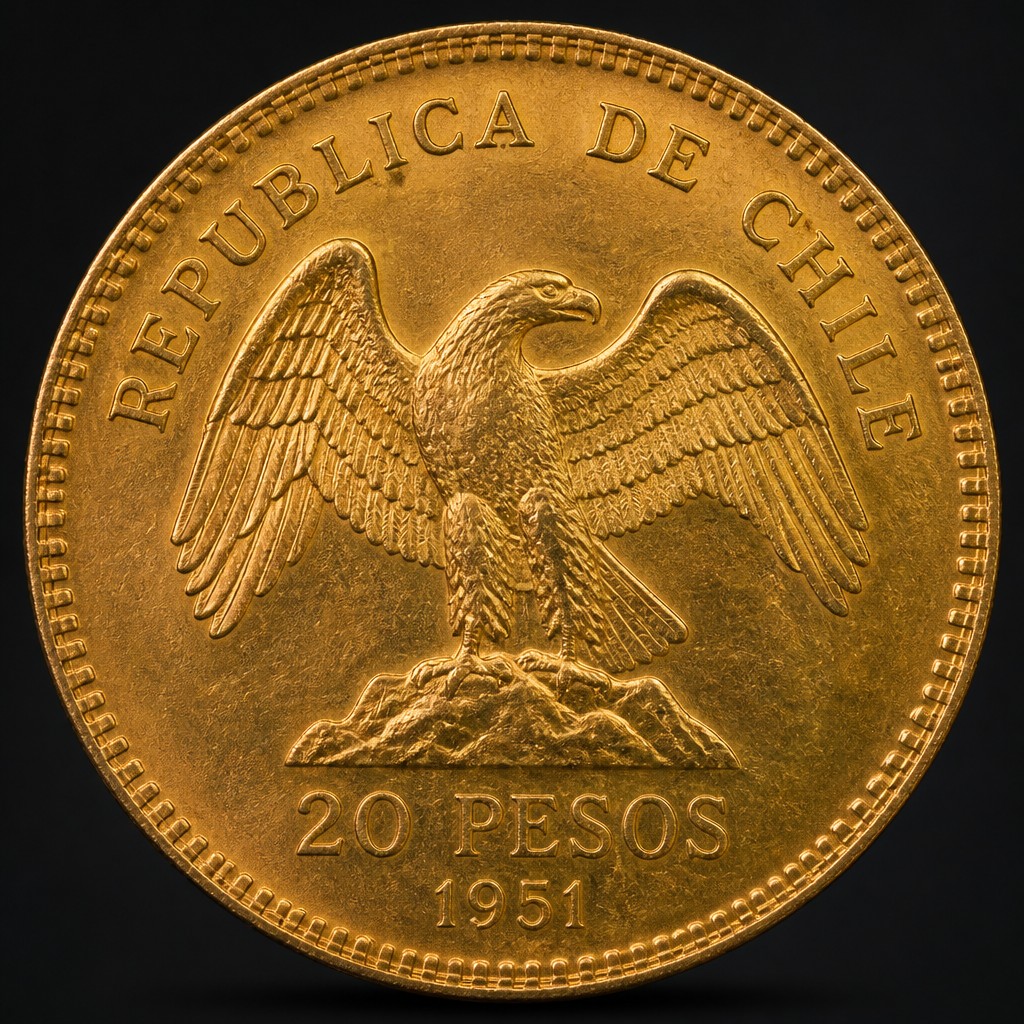
Chilean 20 Pesos Gold
19th century issues and 1926–1980 condor series
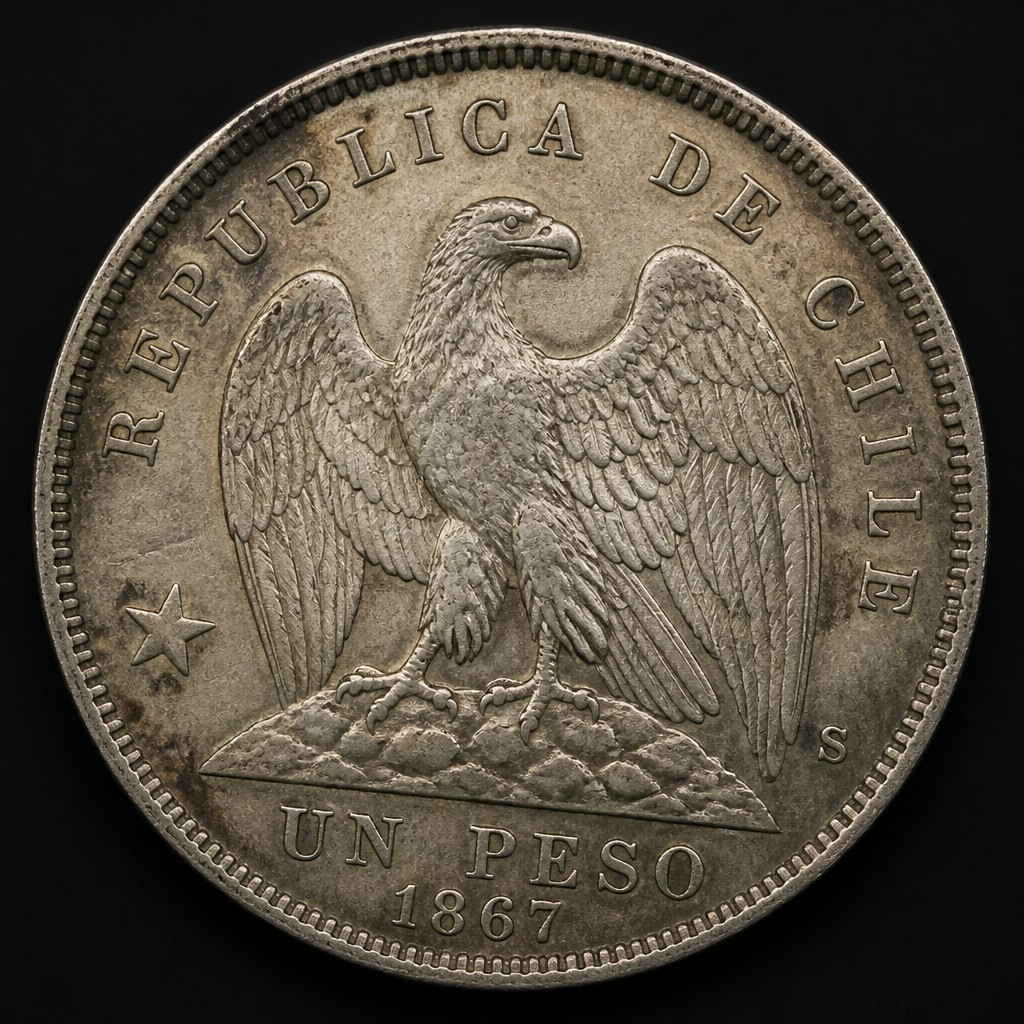
Chilean Peso Silver 'Condor'
1867–early 20th century