
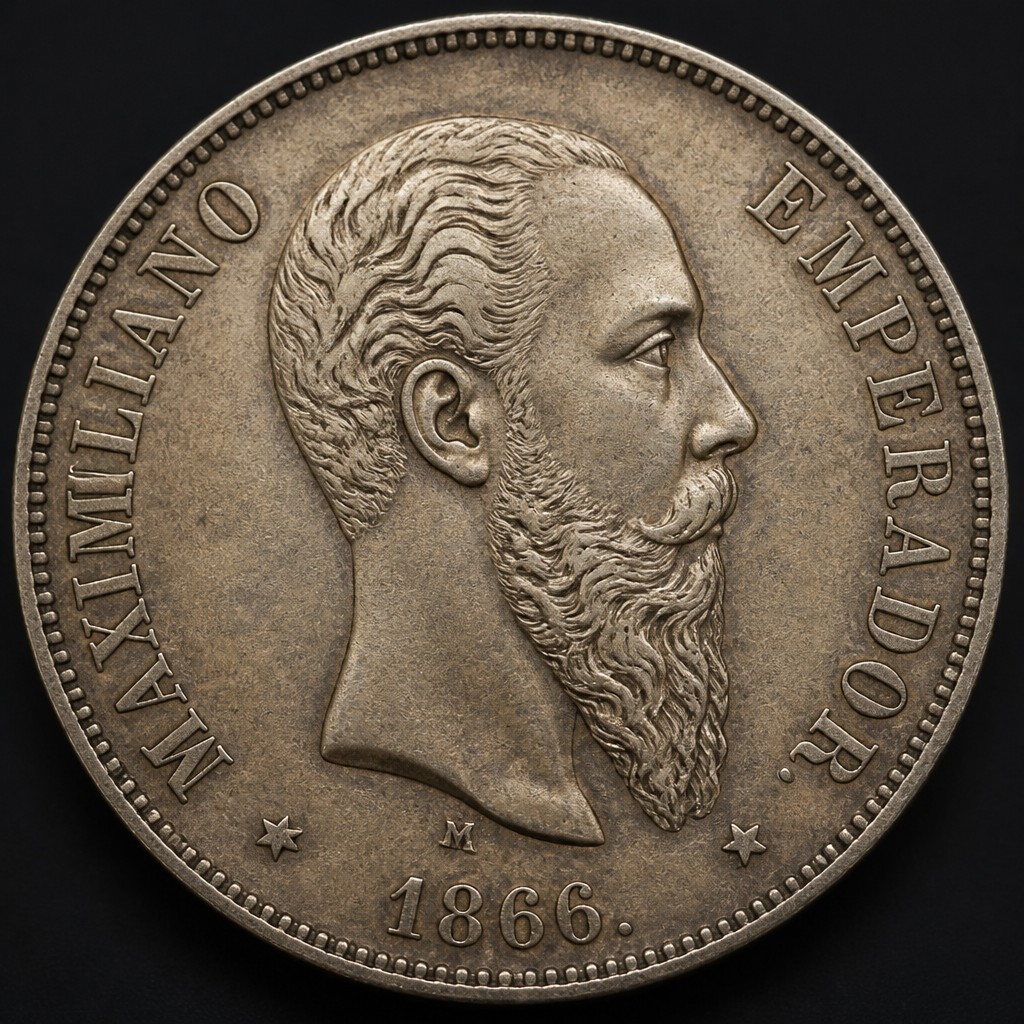
Mexican Emperor Maximilian Peso
A silver peso struck during the brief reign of Emperor Maximilian I of Mexico, whose short-lived Second Mexican Empire ended with his execution in 1867.
- Country
- Mexico (Second Mexican Empire)
- Denomination
- 1 Peso
- Metal
- .903 fine silver
Got a coin like this?
Identify any coin from a photo, free.
Overview
The Maximilian peso is a silver coin struck during the brief and turbulent reign of Emperor Maximilian I, the Austrian archduke installed as Emperor of Mexico with French backing during the Second Mexican Empire. Its short window of production, combined with the dramatic historical circumstances surrounding Maximilian's rule and downfall, make it one of the more historically evocative coins in Mexican numismatics.
Unlike the eagle-and-cactus design familiar from Mexico's republican coinage, the Maximilian peso bears the emperor's own portrait, a striking departure that reflects the imperial ambitions of the regime installed by Napoleon III of France during a period of American Civil War-era distraction that limited US intervention under the Monroe Doctrine.
Because the empire collapsed so quickly, surviving coins from this brief reign are treated by collectors as a distinct and desirable subset within the broader history of Mexican silver coinage.
History & Background
Maximilian I, an Austrian archduke of the Habsburg family, was installed as Emperor of Mexico in 1864 with the military backing of French Emperor Napoleon III, who sought to establish a friendly monarchy in the Americas at a time when the United States was consumed by its own Civil War. Maximilian's government issued its own currency to assert the legitimacy of his rule, including silver peso coins struck at the Mexico City mint in 1866 and 1867.
Maximilian's empire faced fierce resistance from Mexican republican forces loyal to Benito Juarez, and once French troops withdrew their support in 1866–1867, the empire's position became untenable. Maximilian was captured by republican forces and executed by firing squad in 1867, bringing an abrupt end to the Second Mexican Empire and its coinage.
Because of the brief and contested nature of Maximilian's rule, his coinage was produced for only a very short window, making these pesos a compact but historically rich chapter within Mexican coin history, distinct from both the preceding and following republican-era peso designs.
How to Identify
The obverse of the Maximilian peso features a laureate profile portrait of Emperor Maximilian I, with the legend MAXIMILIANO EMPERADOR and the date.
The reverse displays the imperial Mexican eagle, crowned and holding a serpent, perched upon a cactus, with the legend IMPERIO MEXICANO and the denomination.
The coin is silver, similar in general size to contemporary Mexican republican pesos, with a reeded edge; it is easily distinguished from standard Mexican eagle pesos of other eras by the presence of Maximilian's portrait on the obverse rather than the more typical eagle-only design, and by the imperial crown atop the eagle on the reverse.
Value & Collectibility
Because of the brief production window and the historical drama surrounding Maximilian's reign, genuine examples of this peso are considerably scarcer and more sought after than typical circulating Mexican pesos of neighboring years, commanding meaningful premiums even in worn condition.
Higher-grade examples with strong detail and original surfaces are especially prized by collectors specializing in Mexican or imperial history, and prices can range widely from moderate sums for well-worn coins to substantial amounts for choice, well-preserved pieces.
Given the coin's historical importance and the existence of counterfeits and restrikes in the broader market for Maximilian coinage, buyers should have any purchase authenticated by a knowledgeable dealer or professional grading service.
Frequently asked questions
Who was Maximilian I?
He was an Austrian archduke installed as Emperor of Mexico in 1864 with French military support, ruling briefly before his capture and execution in 1867.
Why did his empire fail?
French support withdrew under international pressure, and Mexican republican forces loyal to Benito Juarez ultimately defeated imperial forces, leading to Maximilian's capture and execution.
How is this peso different from other Mexican pesos?
It bears Maximilian's own portrait and a crowned imperial eagle, unlike the standard republican eagle-and-cactus design used before and after his reign.
Is this coin rare?
Yes, relative to typical circulating Mexican pesos, it is considerably scarcer due to its very short production period.
Other coins you may enjoy
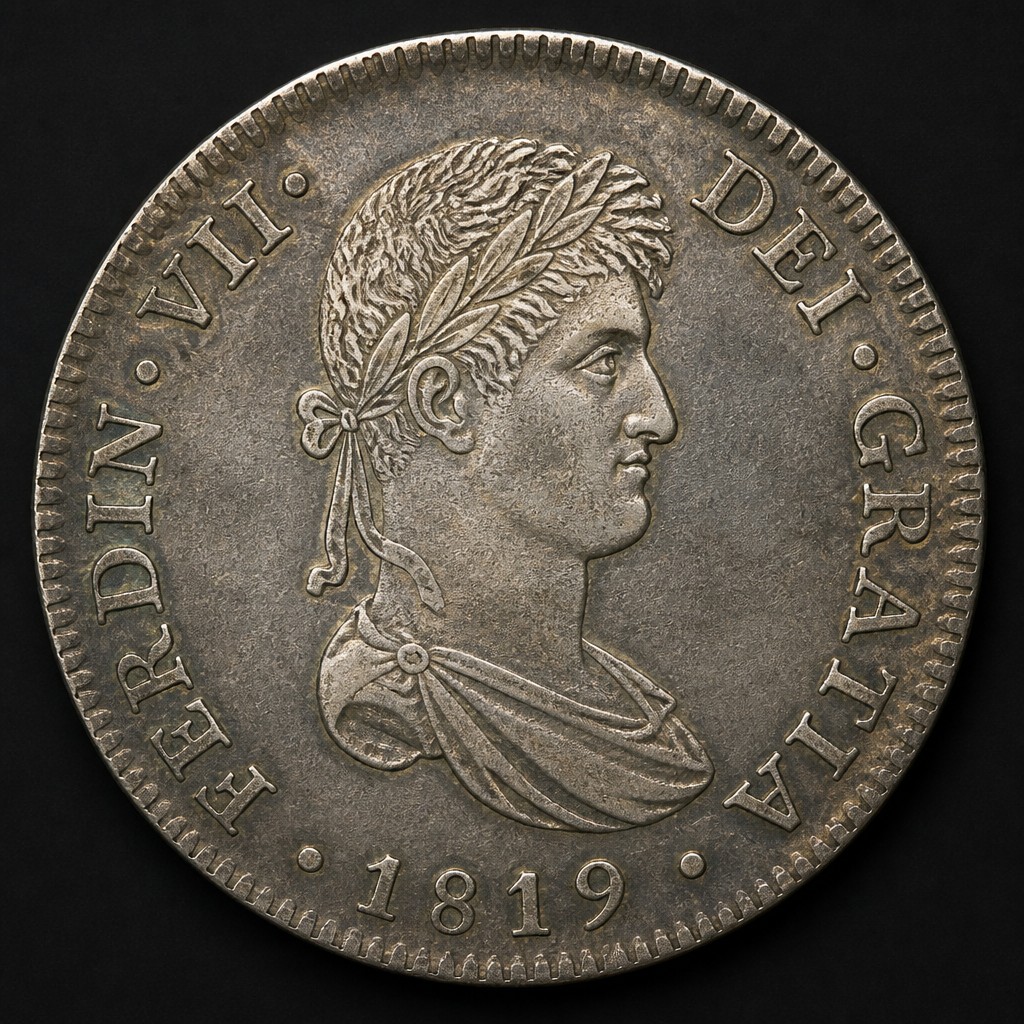
Colombia 8 Reales
Colonial issues through late 18th/early 19th century; republican issues 1820s–1830s
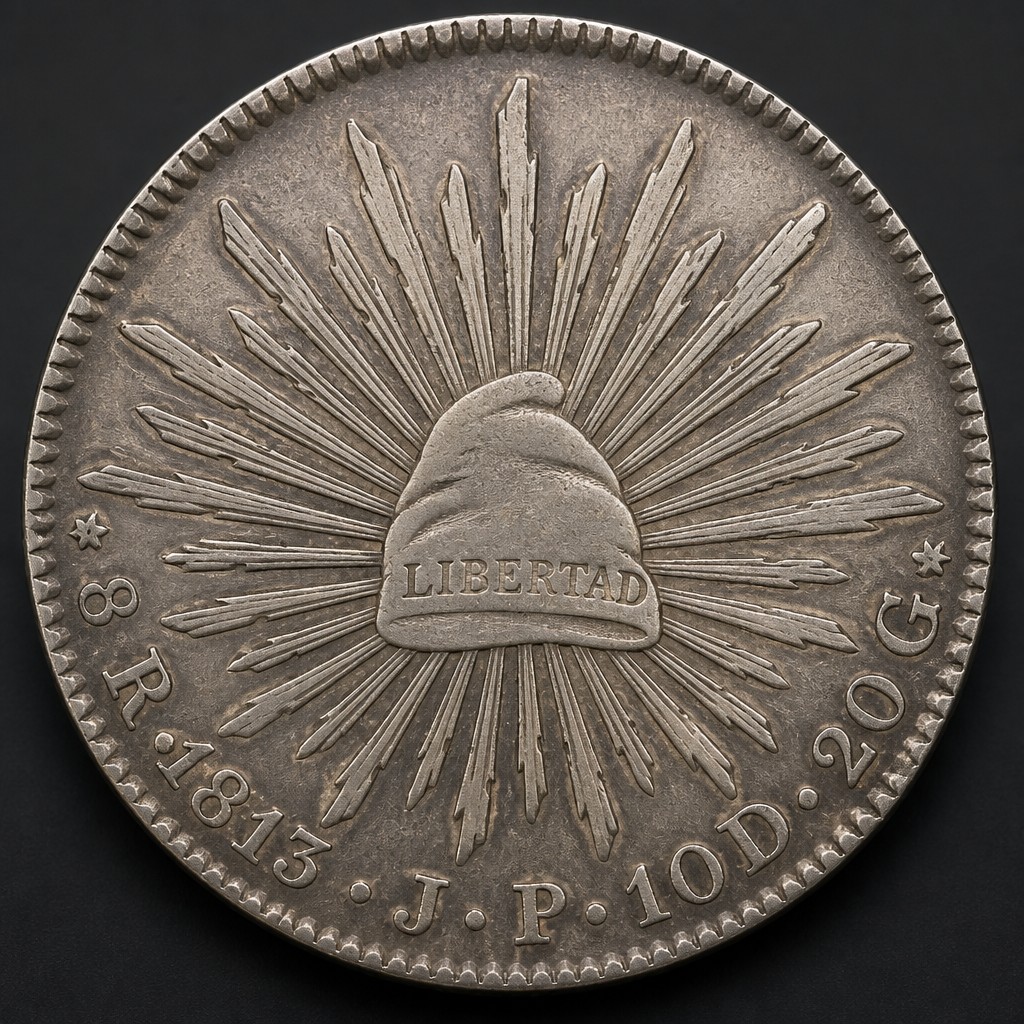
Argentina 8 Reales
c. 1813–1836
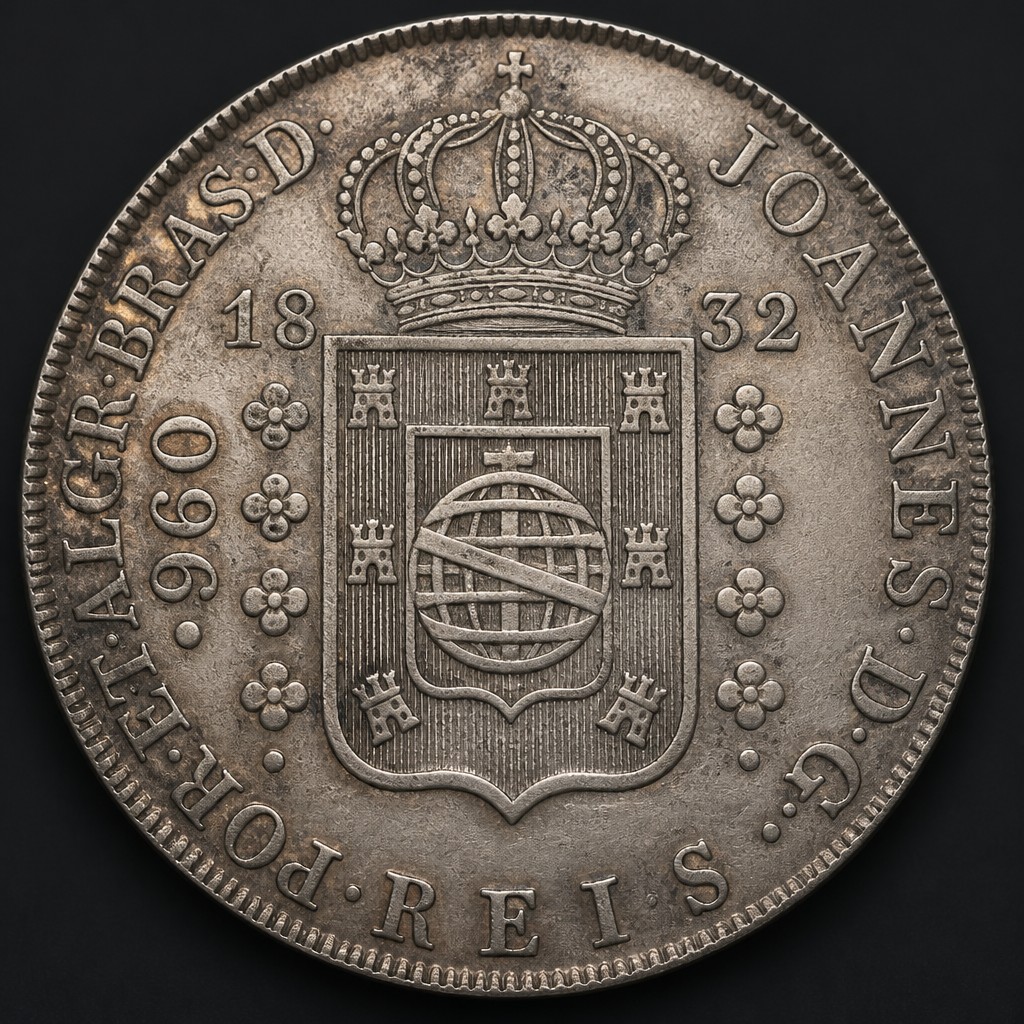
Brazil 960 Reis
1809–1832
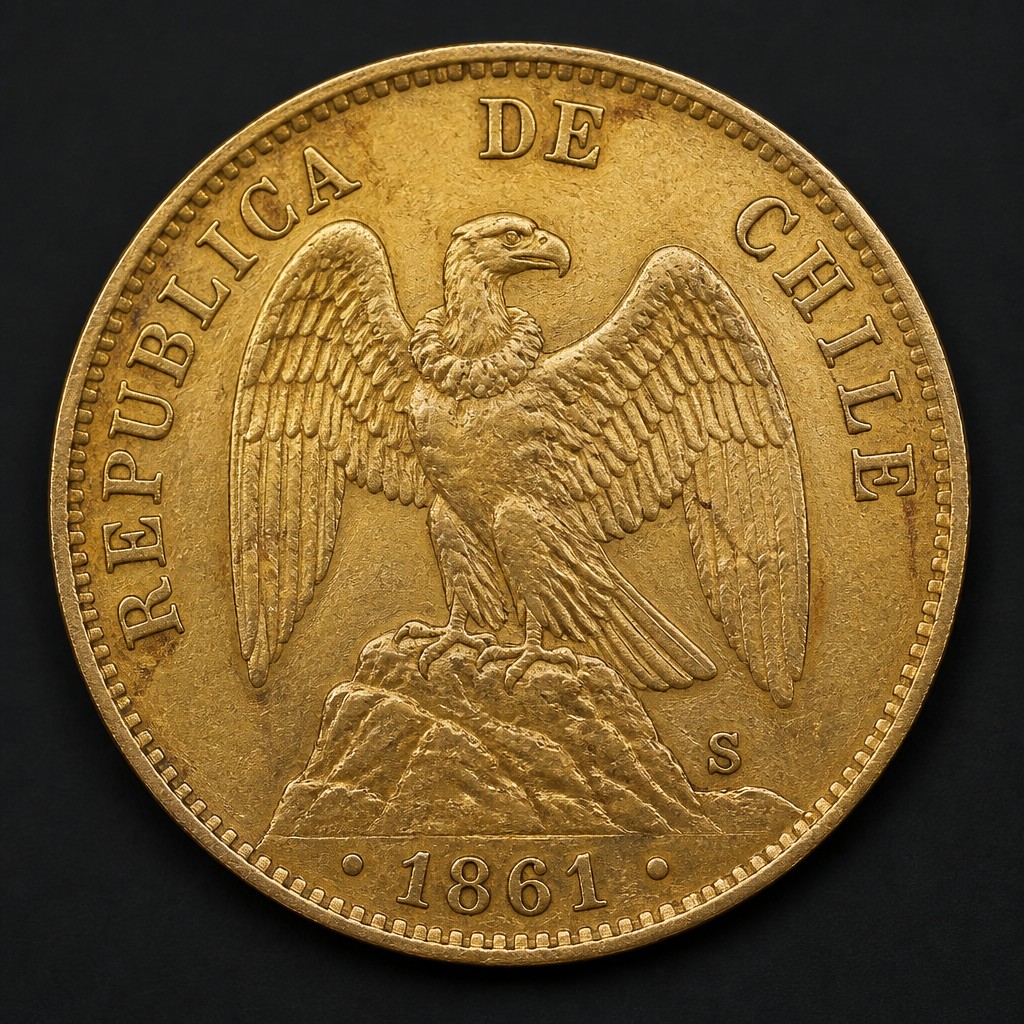
Chile Peso (Condor)
1851–1873 (gold condor series); modern base-metal peso 1990s–present
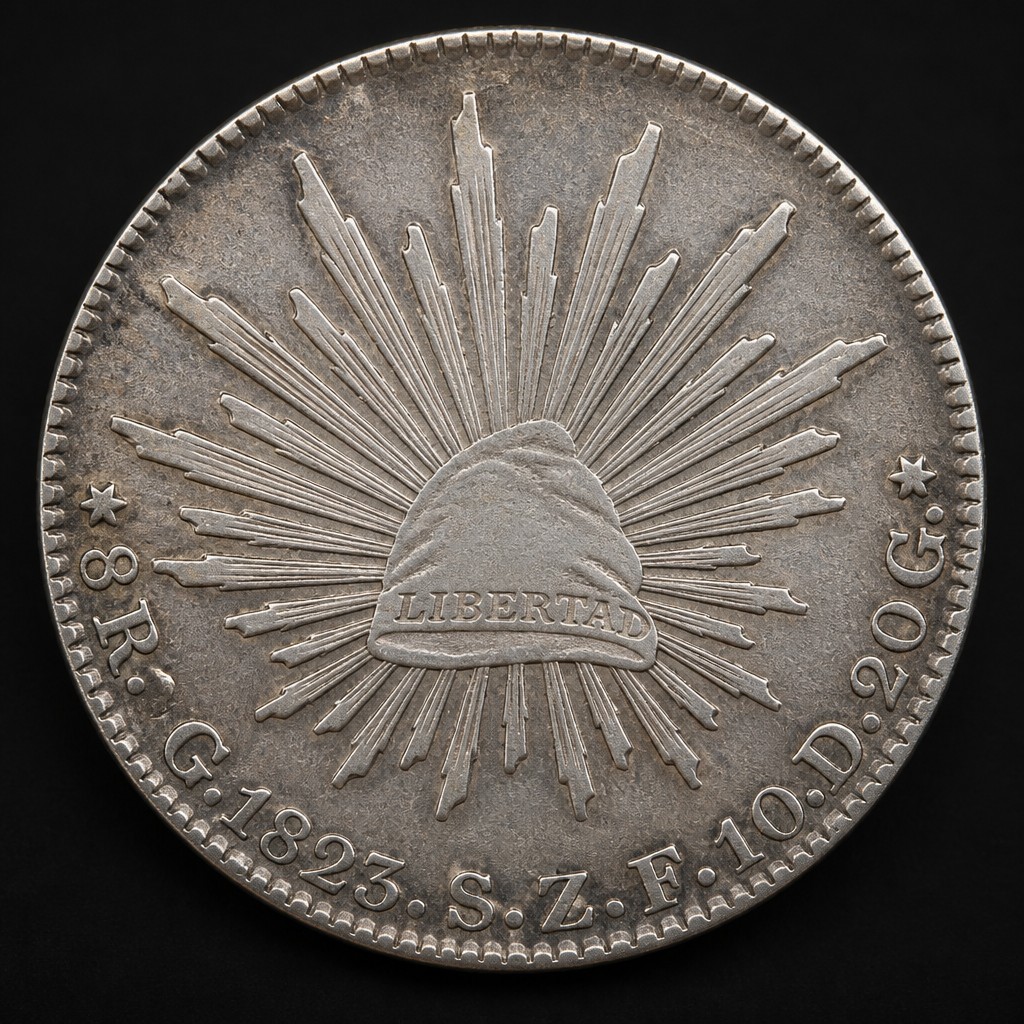
Mexican 8 Reales Cap and Rays
1823-1897
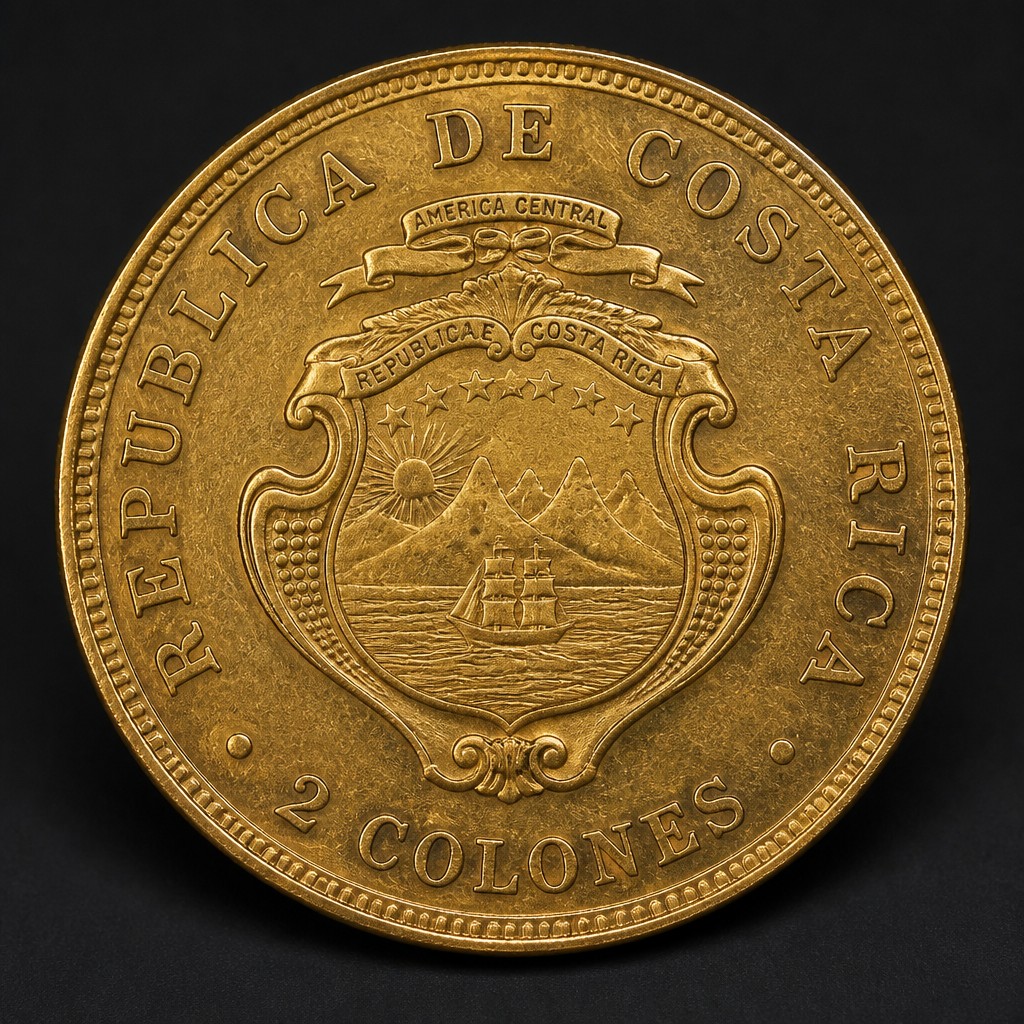
Costa Rica 2 Colones Gold
Late 1890s–early 1900s
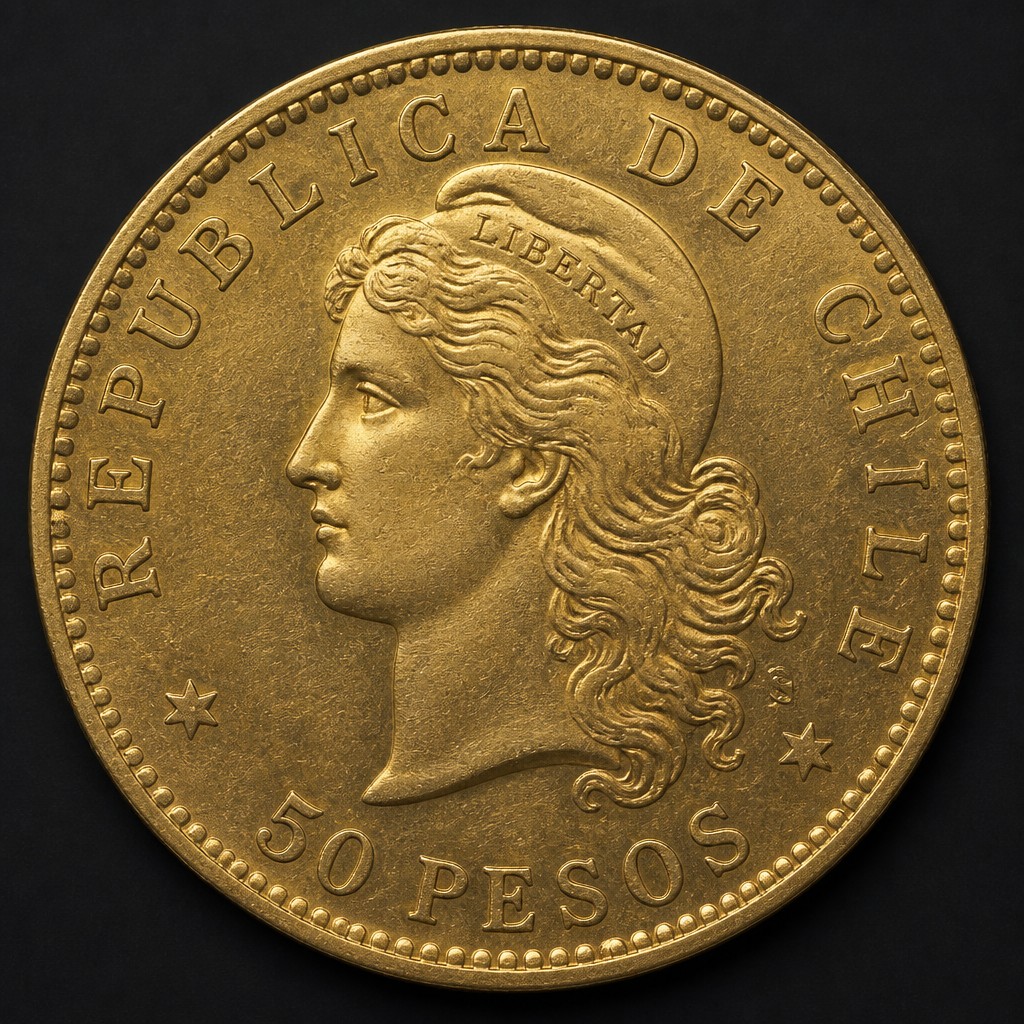
Chilean 50 Pesos Gold
1926–1980 (with interruptions)
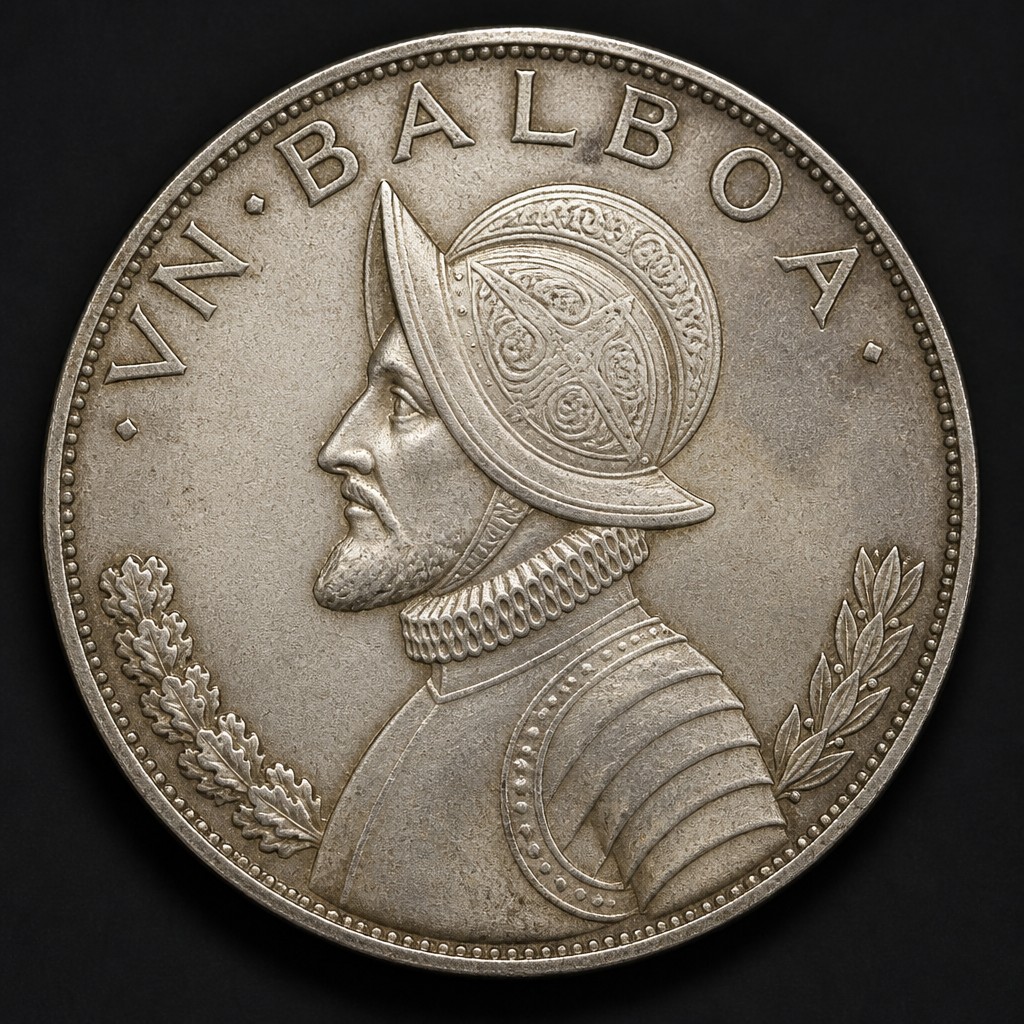
Panama Balboa Silver
1904, 1931, 1934, 1947, 1953, 1966 (various dates)
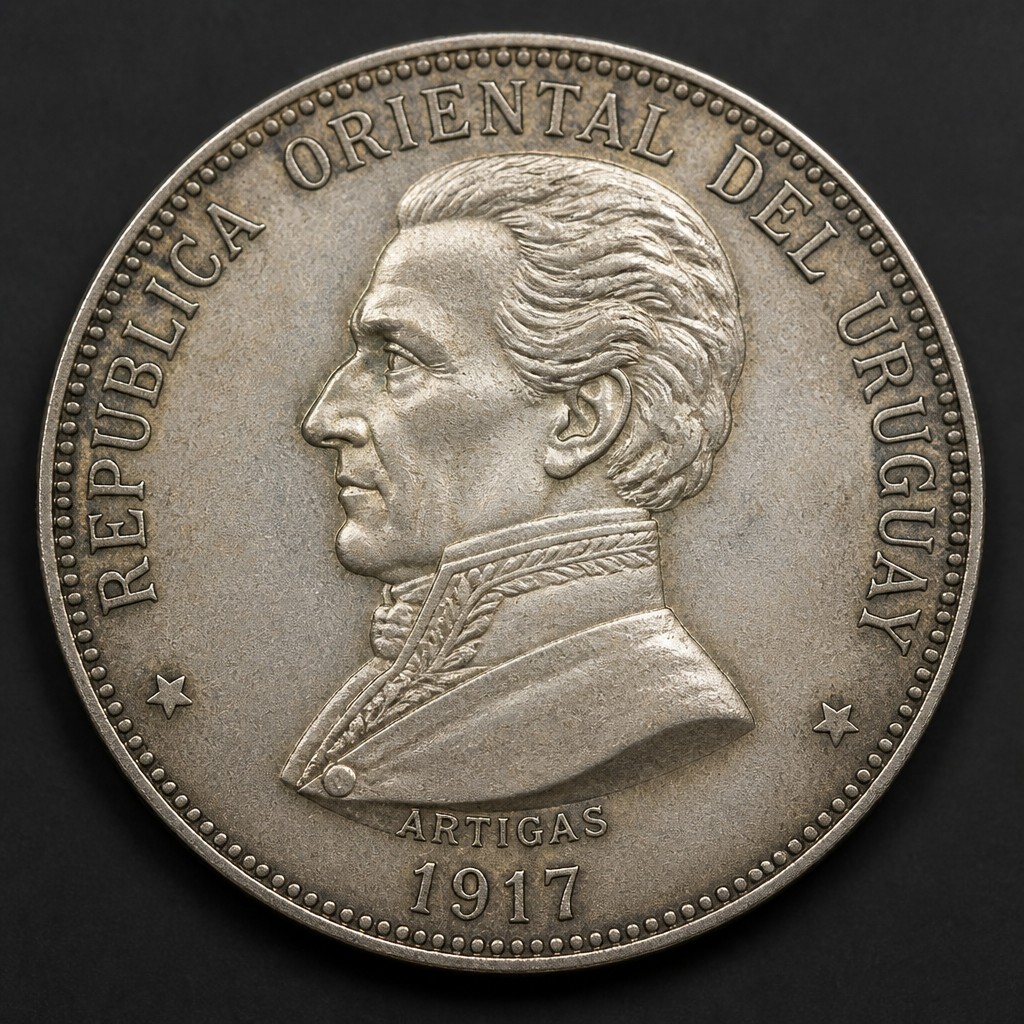
Uruguay Peso Silver 'Artigas'
1917–1920 (with related commemorative issues in later decades)
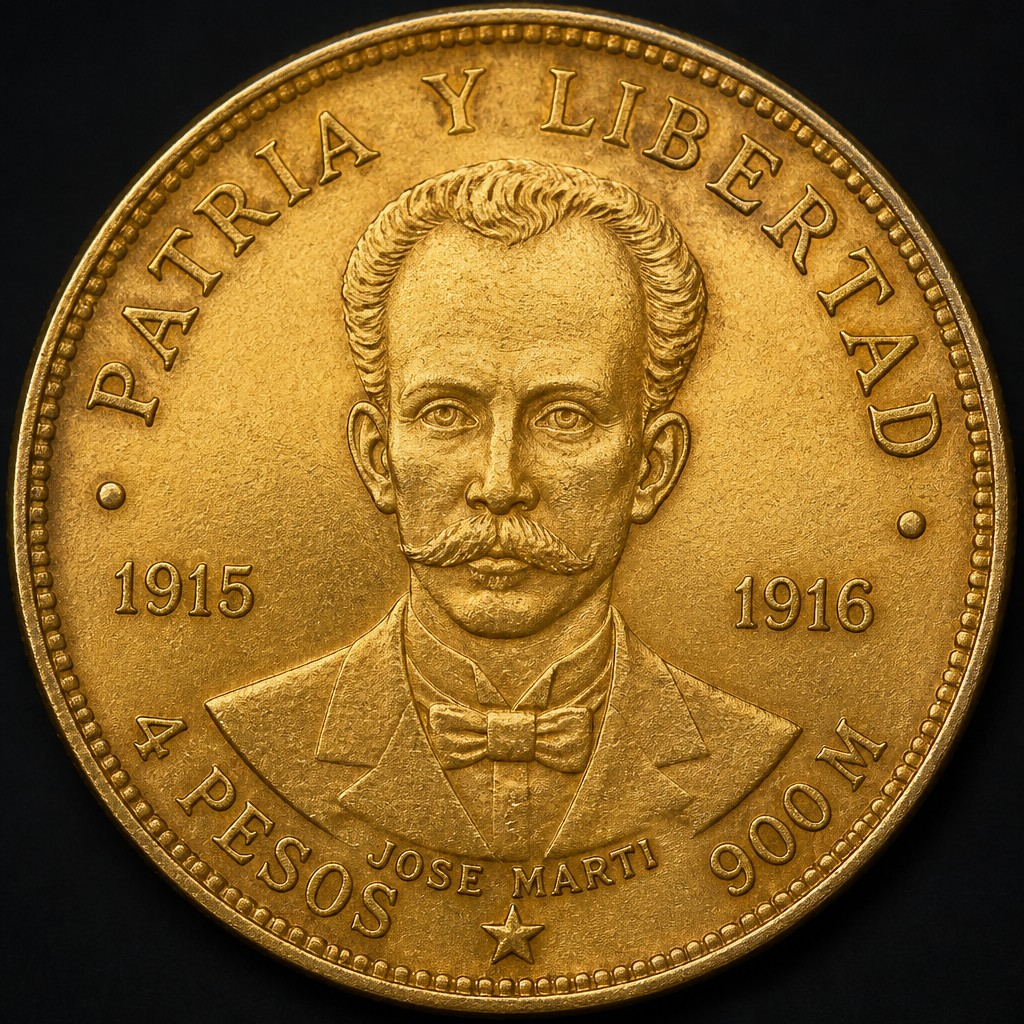
Cuba 4 Pesos Gold Jose Marti
1915–1916
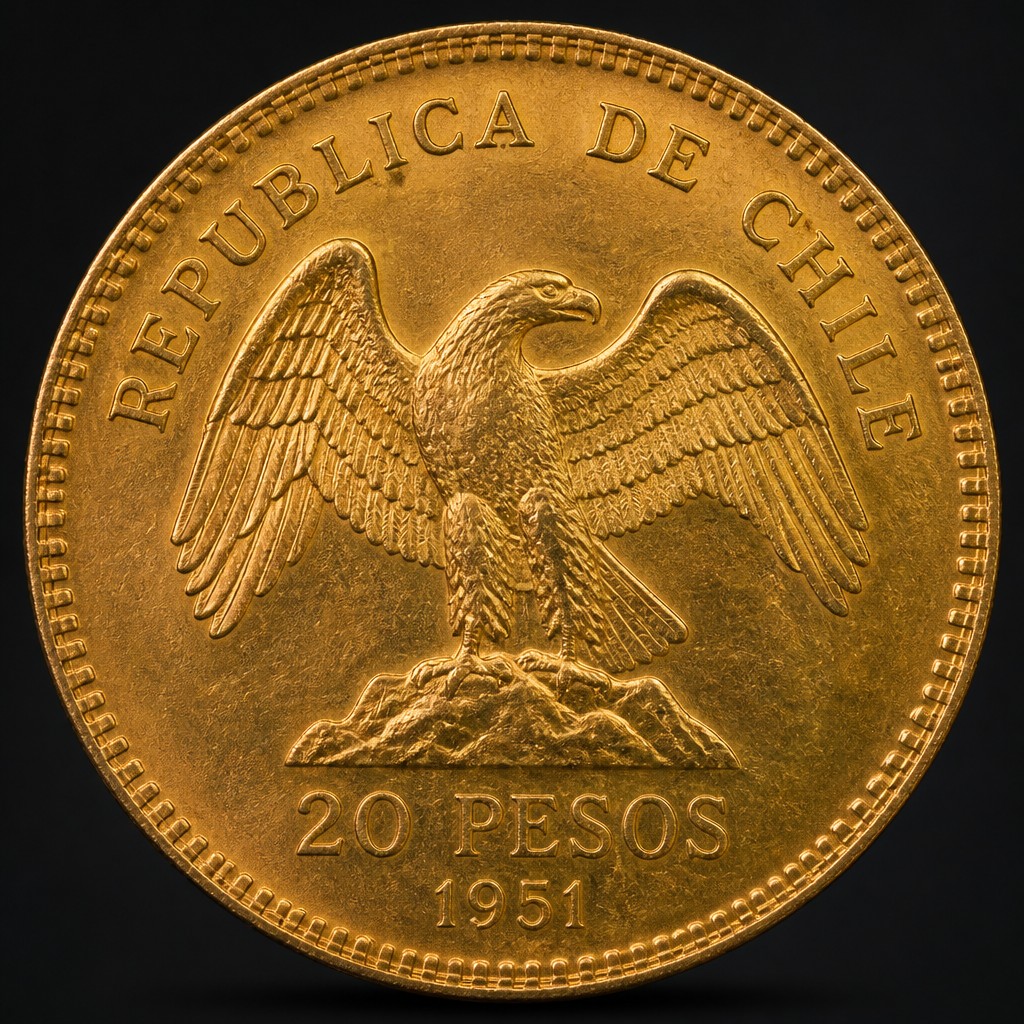
Chilean 20 Pesos Gold
19th century issues and 1926–1980 condor series
Chilean Peso Silver 'Condor'
1867–early 20th century