
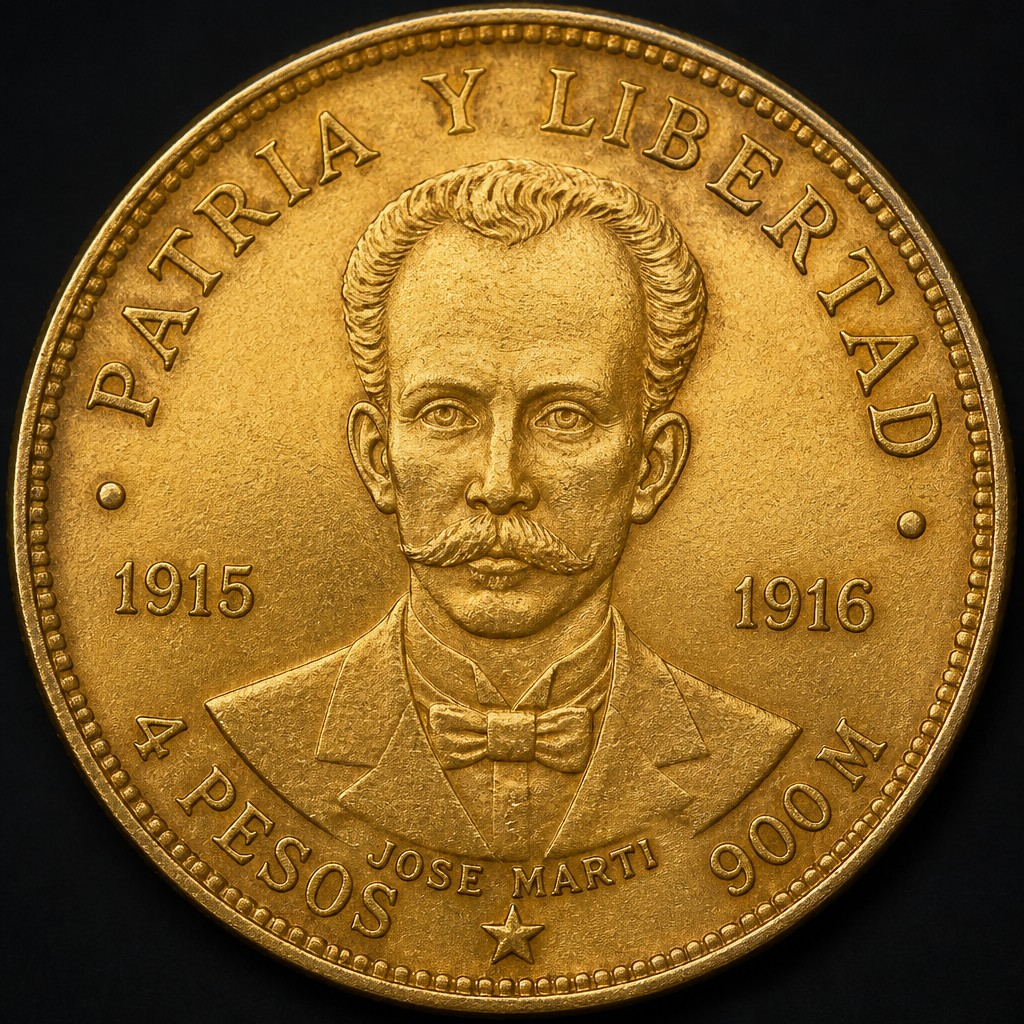
Cuba 4 Pesos Gold Jose Marti
A small gold denomination from Cuba's early republican-era gold coinage, part of a 1915–1916 series (1 through 20 pesos) struck to circulate on par with US gold currency.
- Country
- Cuba
- Denomination
- 4 Pesos
- Metal
- Gold (.900 fine, matching US gold standard weight)
Got a coin like this?
Identify any coin from a photo, free.
Overview
The Cuban 4 pesos gold coin belongs to a short run of gold denominations issued by the young Cuban republic in the mid-1910s, part of a broader family that included 1, 2, 4, 5, 10, and 20 peso gold pieces. These coins were struck to be interchangeable in value with US gold coinage of the same era, reflecting Cuba's close monetary ties to the United States following independence.
The series shares design themes with Cuba's contemporary silver 'Estrella' (star) peso, and the coins are often referenced by collectors alongside Cuban national heroes of the independence era, including Jose Marti, whose legacy loomed large over Cuban national identity at the time these coins were produced.
Because gold coins of this size and era were frequently melted for their bullion value over the following decades, surviving examples are relatively scarce today and are sought after both as bullion and as pieces of early Cuban republican history.
History & Background
Following Cuban independence in the early twentieth century, the new republic sought to establish its own national coinage system while maintaining close monetary alignment with the United States, on whose gold-backed dollar the Cuban peso was pegged. Gold coinage in denominations from 1 to 20 pesos was struck primarily in 1915 and 1916 to serve this purpose.
The coins were produced under contract at the Philadelphia Mint, a common arrangement for Latin American nations without large-scale domestic gold minting facilities. This era coincided with a strong sense of nationalism in Cuba, commemorating the sacrifices of independence leaders such as Jose Marti, whose name and image remain closely tied to Cuban coinage and currency traditions more broadly.
Gold coinage of this type saw limited further production after this initial run, and much of the original mintage was later melted during periods of gold recalls and bullion demand, making well-preserved survivors a relatively scarce link to Cuba's early monetary independence.
How to Identify
The coins in this gold series generally carry the Cuban national coat of arms or a Liberty-style allegorical bust on the obverse, with the legend REPUBLICA DE CUBA and the date, echoing design elements found on the contemporary Cuban silver peso series.
The reverse typically displays the denomination within a wreath, for example '4 PESOS,' with the date and mint details as applicable.
Being a small gold coin, the 4 pesos denomination is compact in diameter and modest in weight compared to larger gold coins of the era; collectors should compare the coin carefully to reference images of the full 1, 2, 4, 5, 10, and 20 peso Cuban gold series to correctly identify the denomination, as family resemblance across the series can make similar smaller and larger pieces easy to confuse at a glance.
Value & Collectibility
As a genuine gold coin, the 4 pesos carries a value strongly tied to its gold content, which forms the base value regardless of condition, with numismatic premiums added for scarcity, condition, and eye appeal.
Because much of the original mintage of this era's Cuban gold was melted over time, well-preserved examples in higher grades can command a meaningful premium over simple bullion value, particularly for less common dates within the short 1915–1916 range.
Buyers should be especially cautious to verify authenticity and weight on any gold coin of this type through a reputable dealer or grading service, given the coin's genuine intrinsic value and the existence of counterfeits in the wider gold coin market.
Frequently asked questions
When was this coin issued?
It was part of a Cuban gold coinage series struck primarily in 1915 and 1916, shortly after Cuban independence.
Where was it minted?
Like much of Cuba's early coinage, it was struck under contract at the Philadelphia Mint in the United States.
Why is it associated with Jose Marti?
Marti was Cuba's foremost independence hero, and his legacy is closely tied to the nationalist coinage tradition of this era, though collectors should confirm exact design details against reference images.
Why are surviving examples scarce?
Many gold coins from this series were melted for their bullion value over subsequent decades, reducing the surviving population.
Other coins you may enjoy
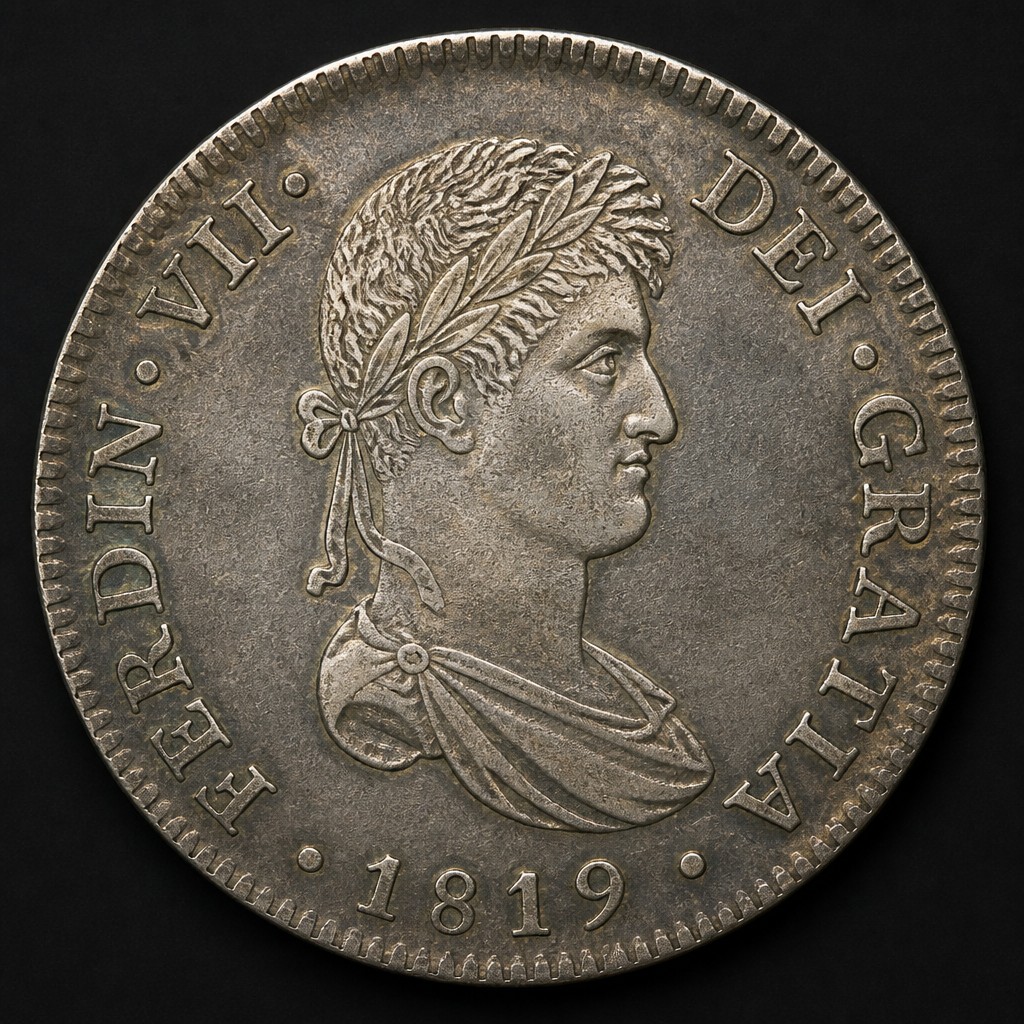
Colombia 8 Reales
Colonial issues through late 18th/early 19th century; republican issues 1820s–1830s
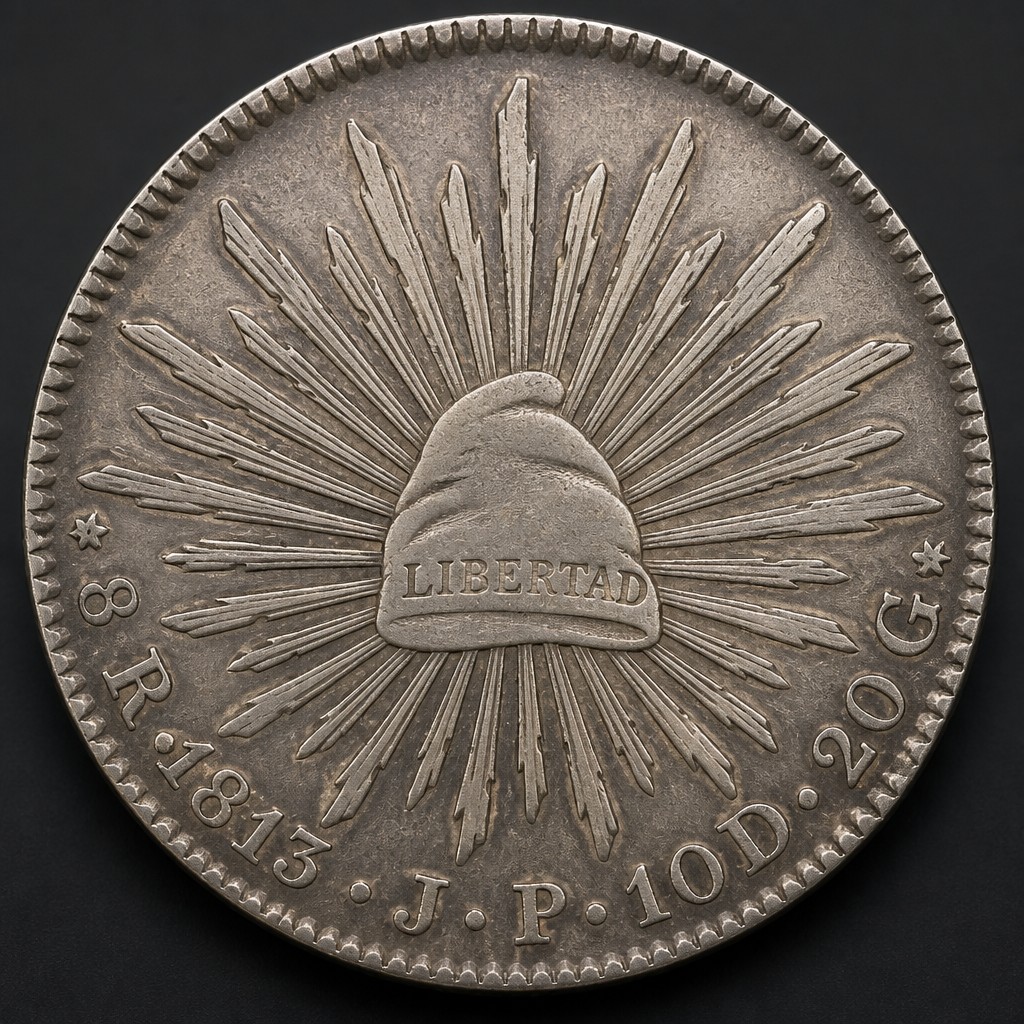
Argentina 8 Reales
c. 1813–1836
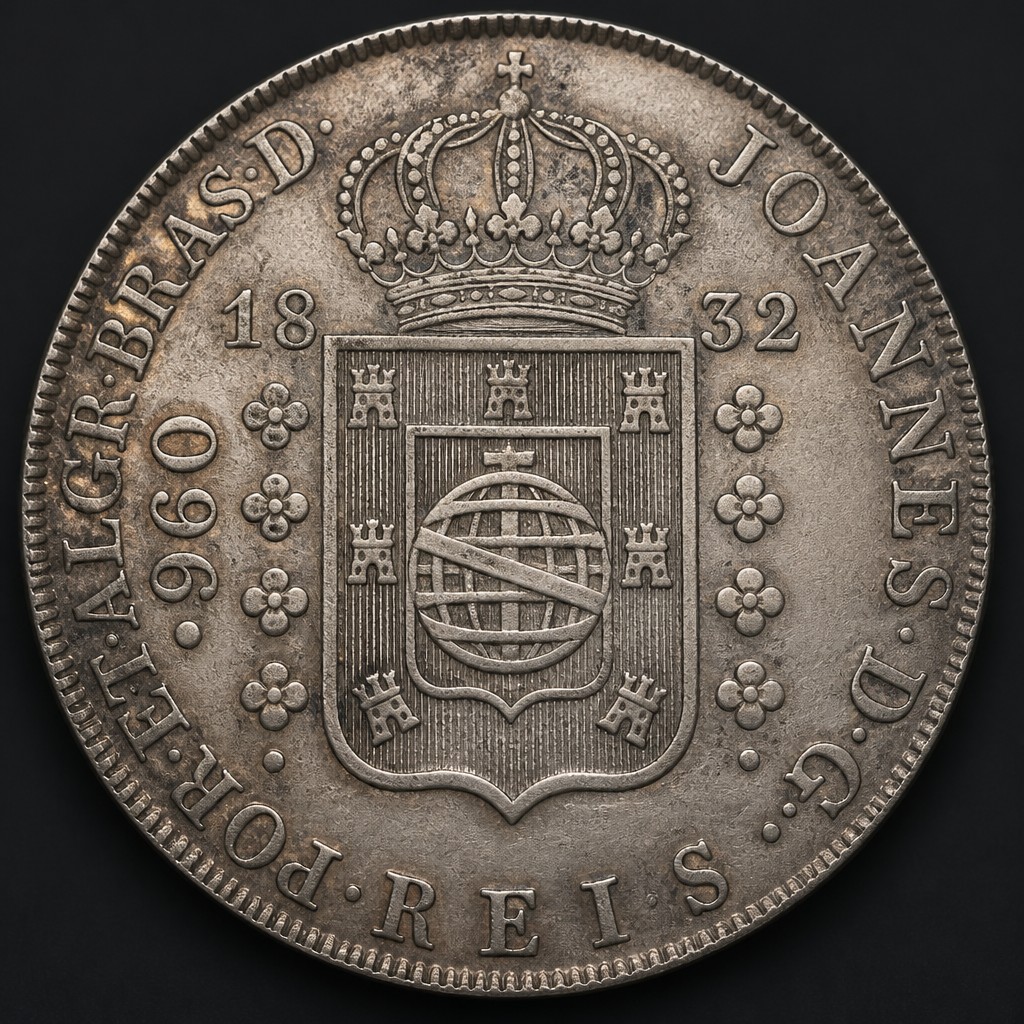
Brazil 960 Reis
1809–1832
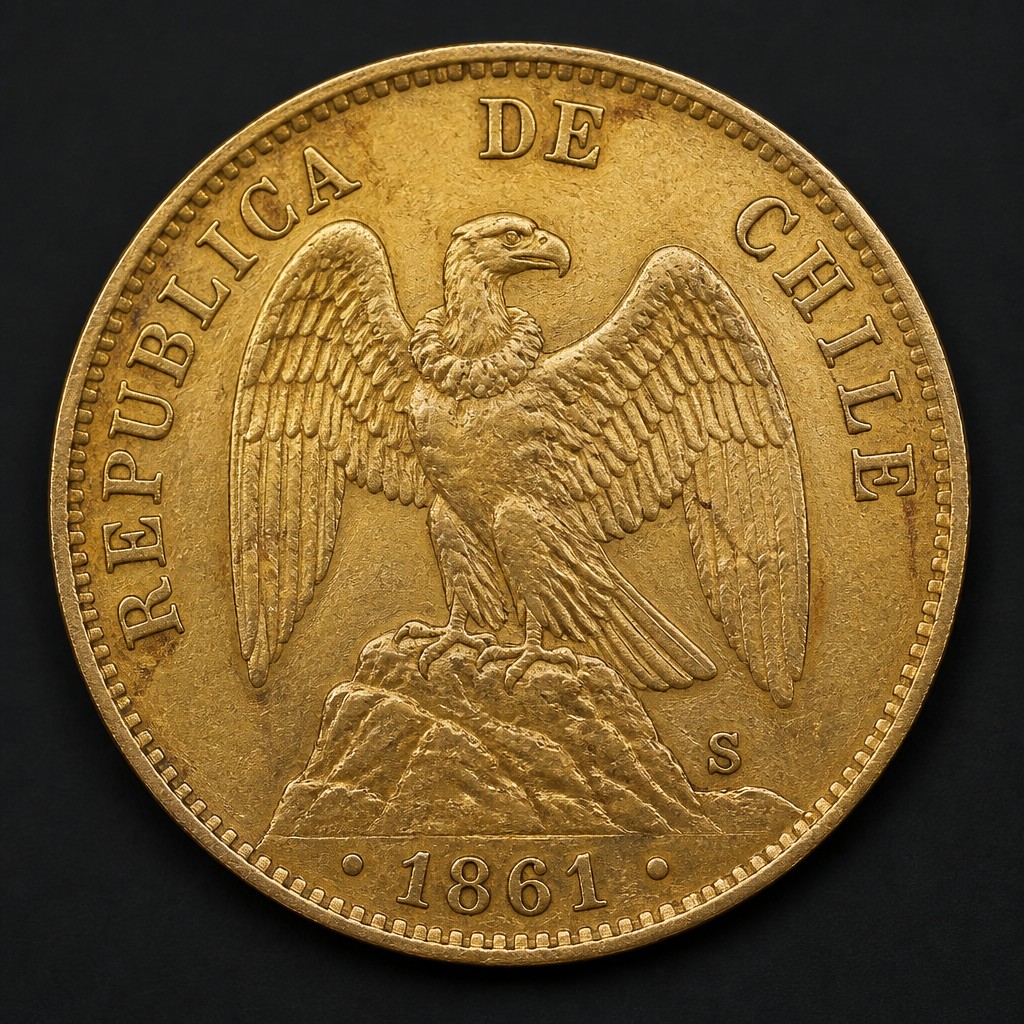
Chile Peso (Condor)
1851–1873 (gold condor series); modern base-metal peso 1990s–present
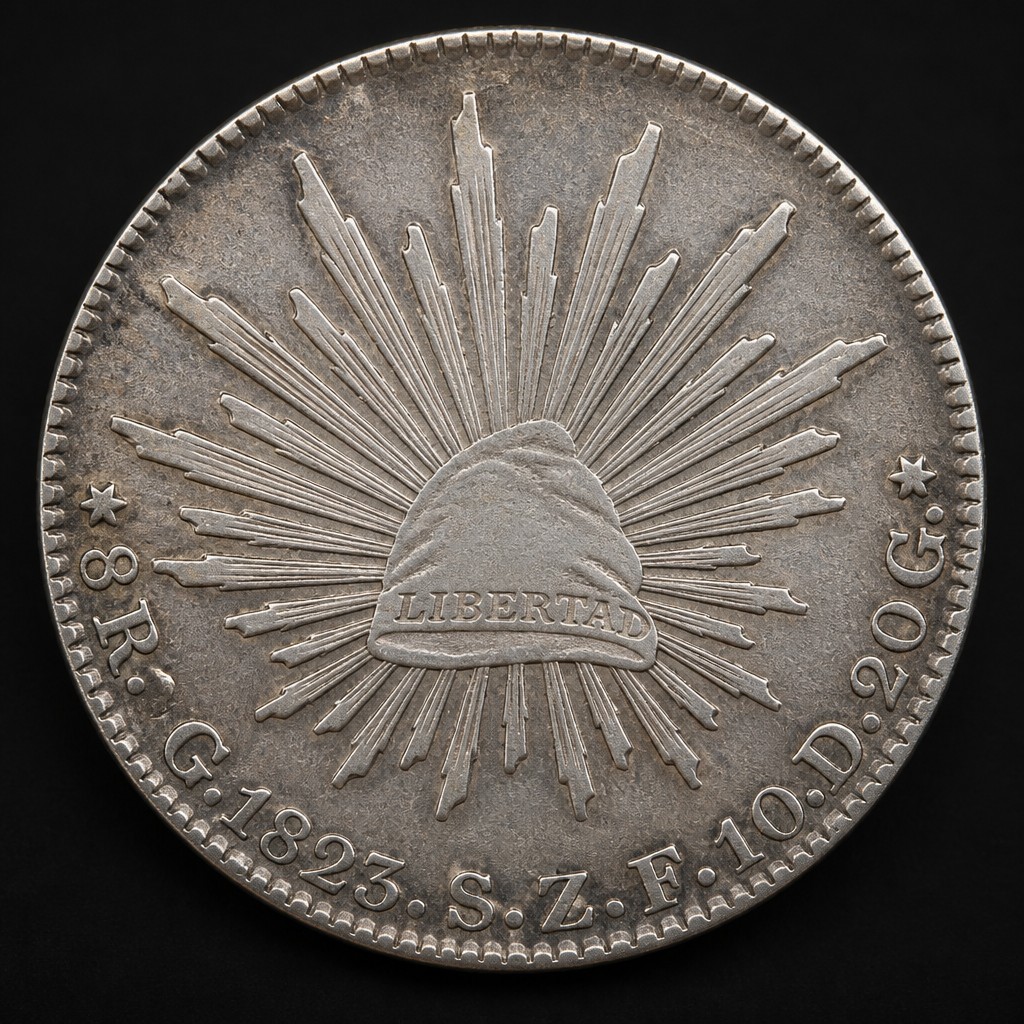
Mexican 8 Reales Cap and Rays
1823-1897
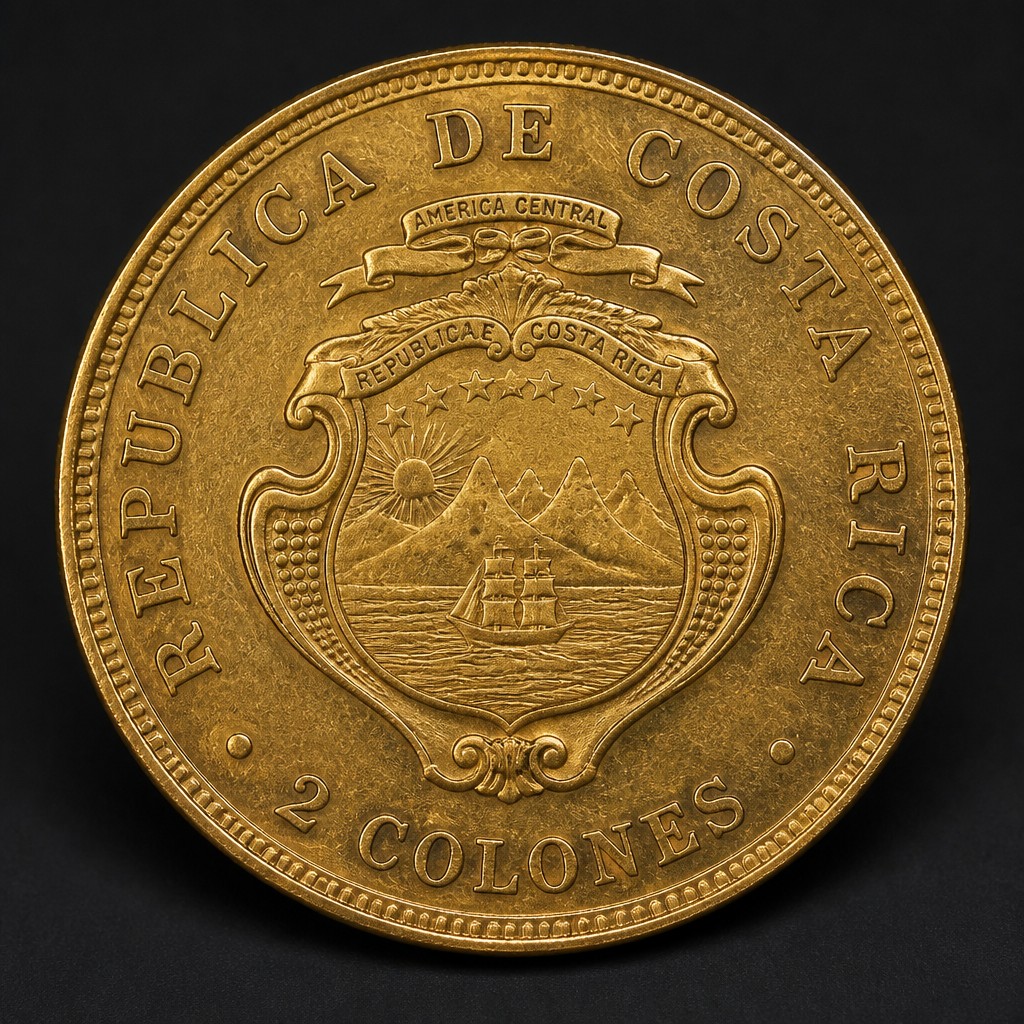
Costa Rica 2 Colones Gold
Late 1890s–early 1900s
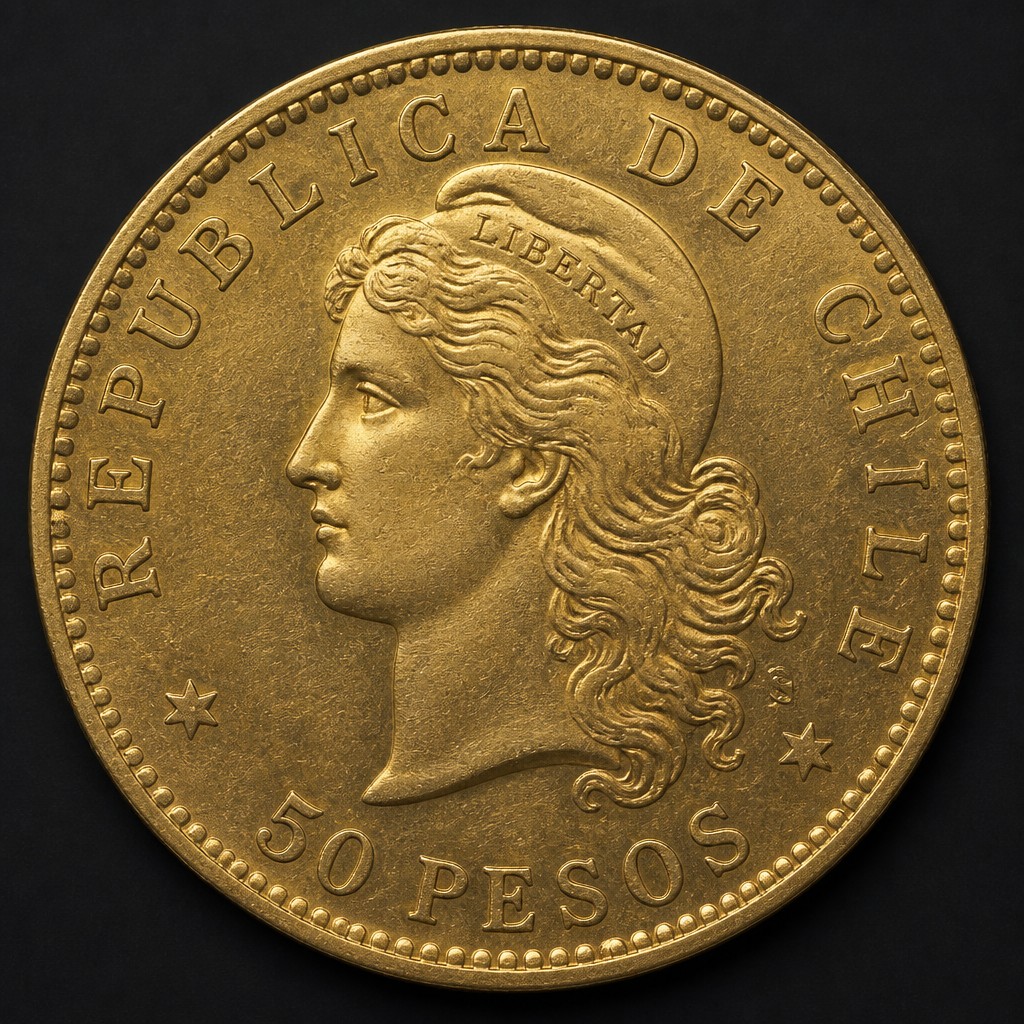
Chilean 50 Pesos Gold
1926–1980 (with interruptions)
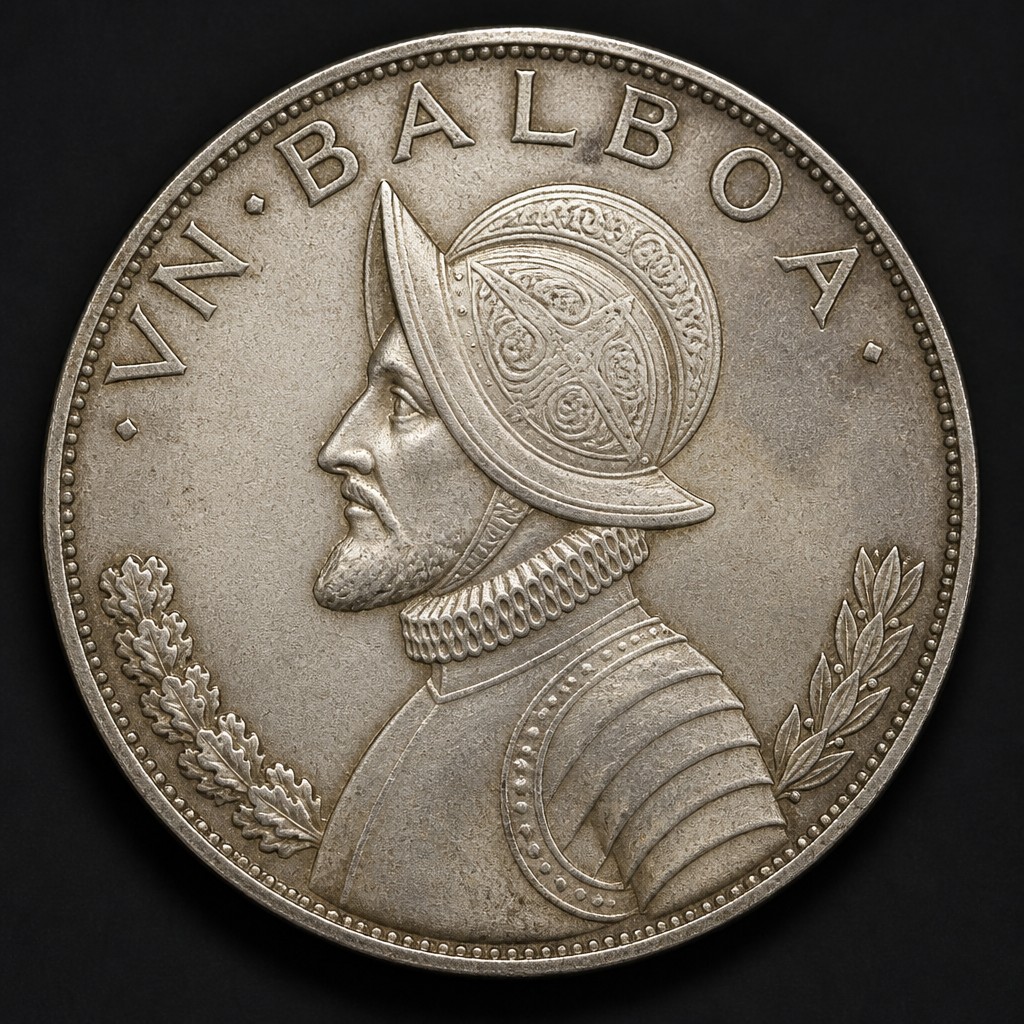
Panama Balboa Silver
1904, 1931, 1934, 1947, 1953, 1966 (various dates)
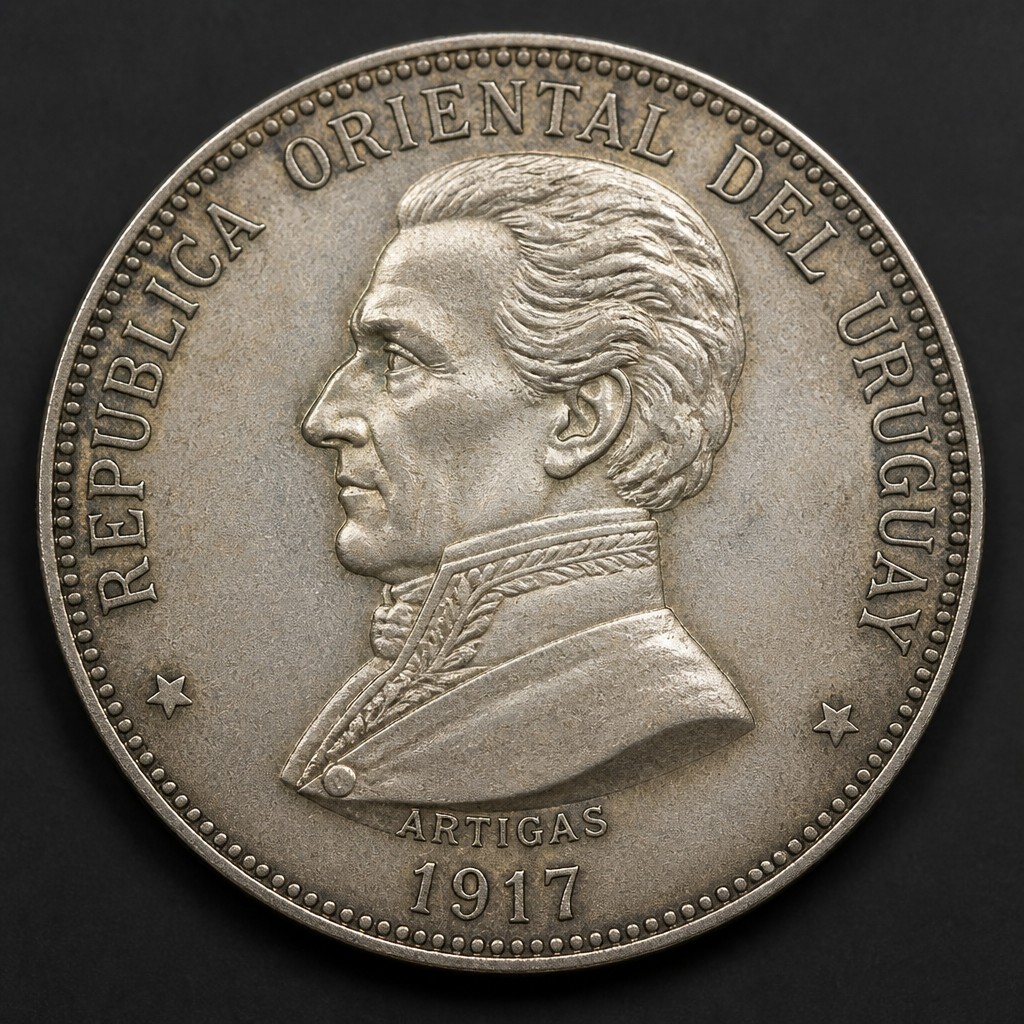
Uruguay Peso Silver 'Artigas'
1917–1920 (with related commemorative issues in later decades)
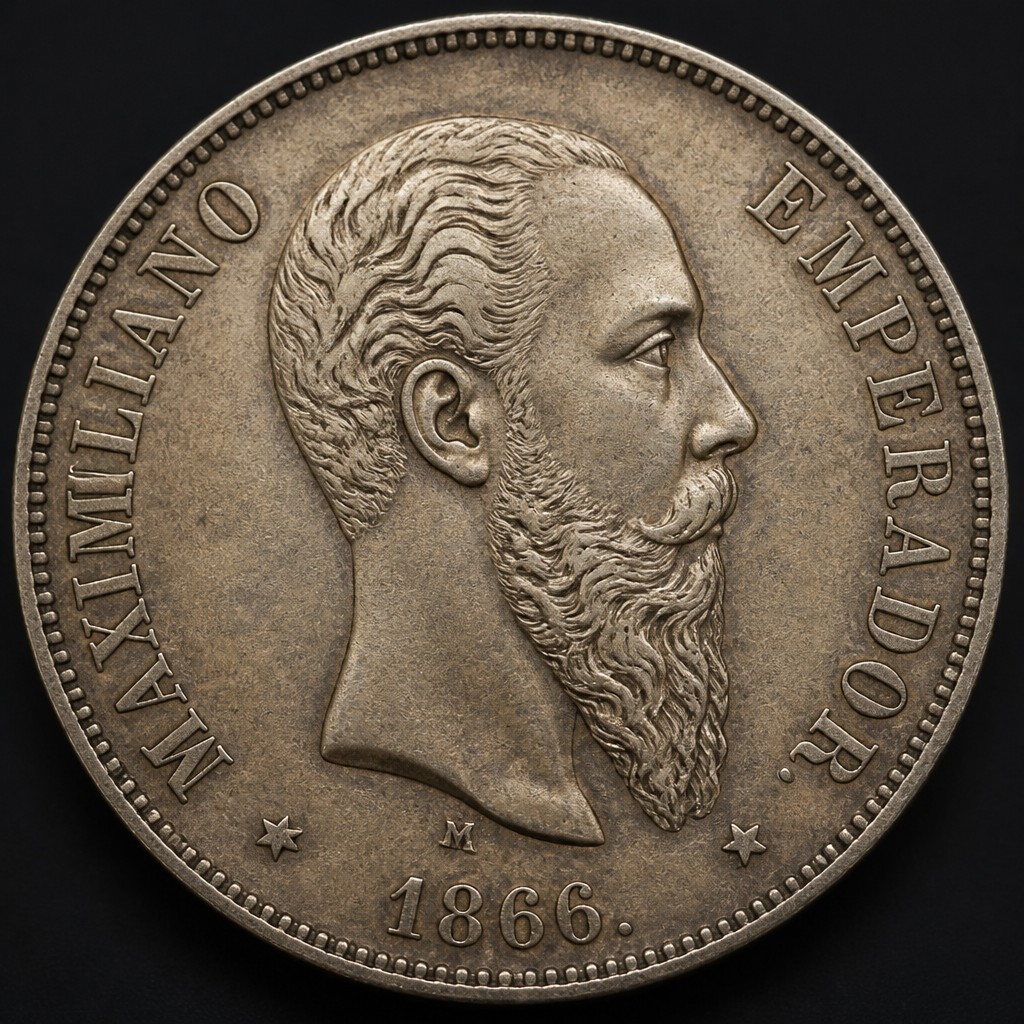
Mexican Emperor Maximilian Peso
1866–1867
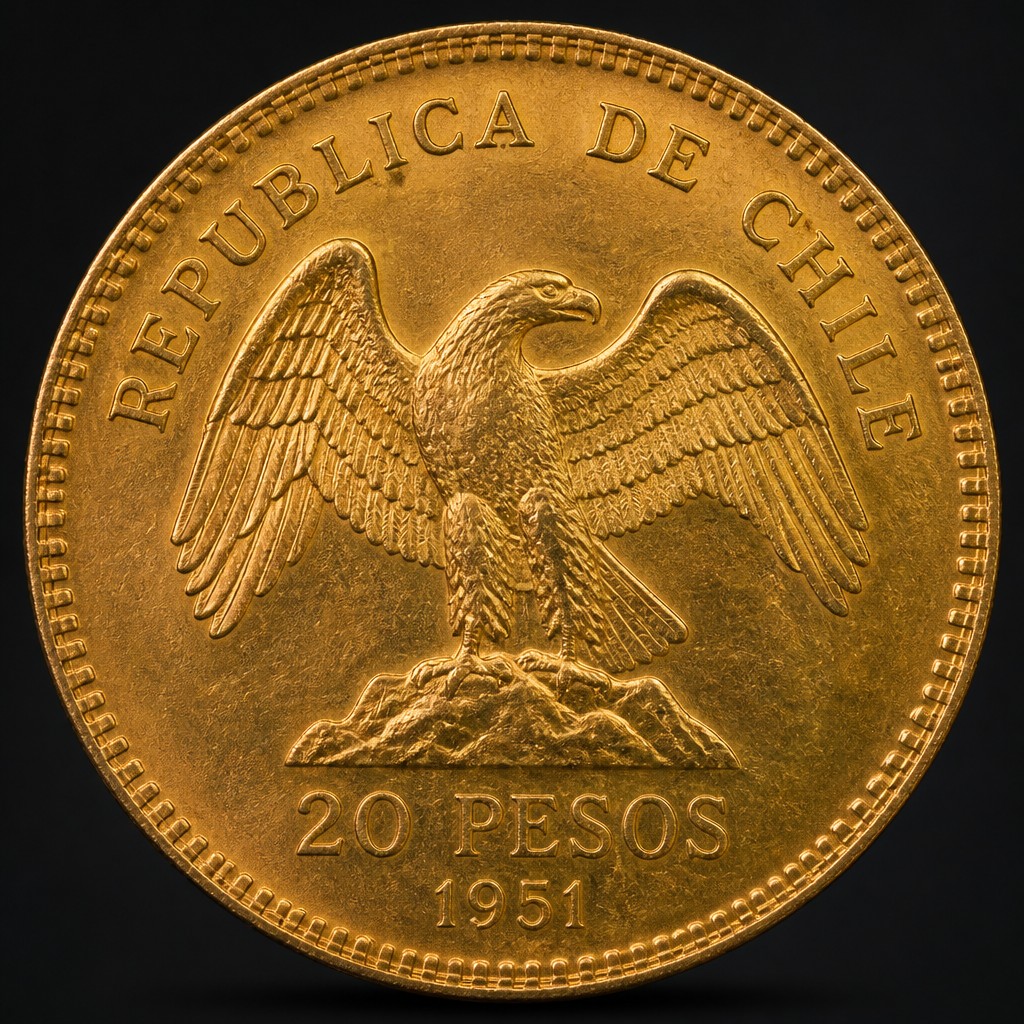
Chilean 20 Pesos Gold
19th century issues and 1926–1980 condor series
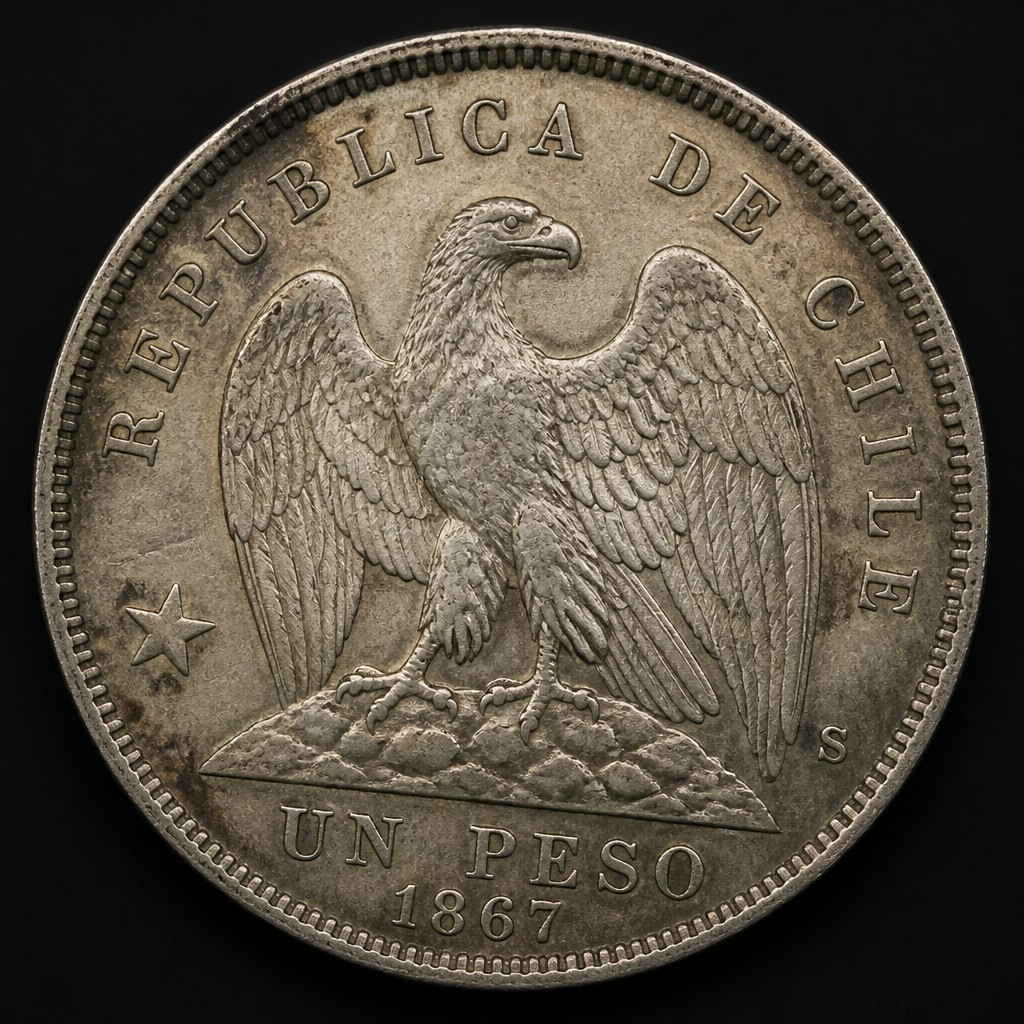
Chilean Peso Silver 'Condor'
1867–early 20th century