
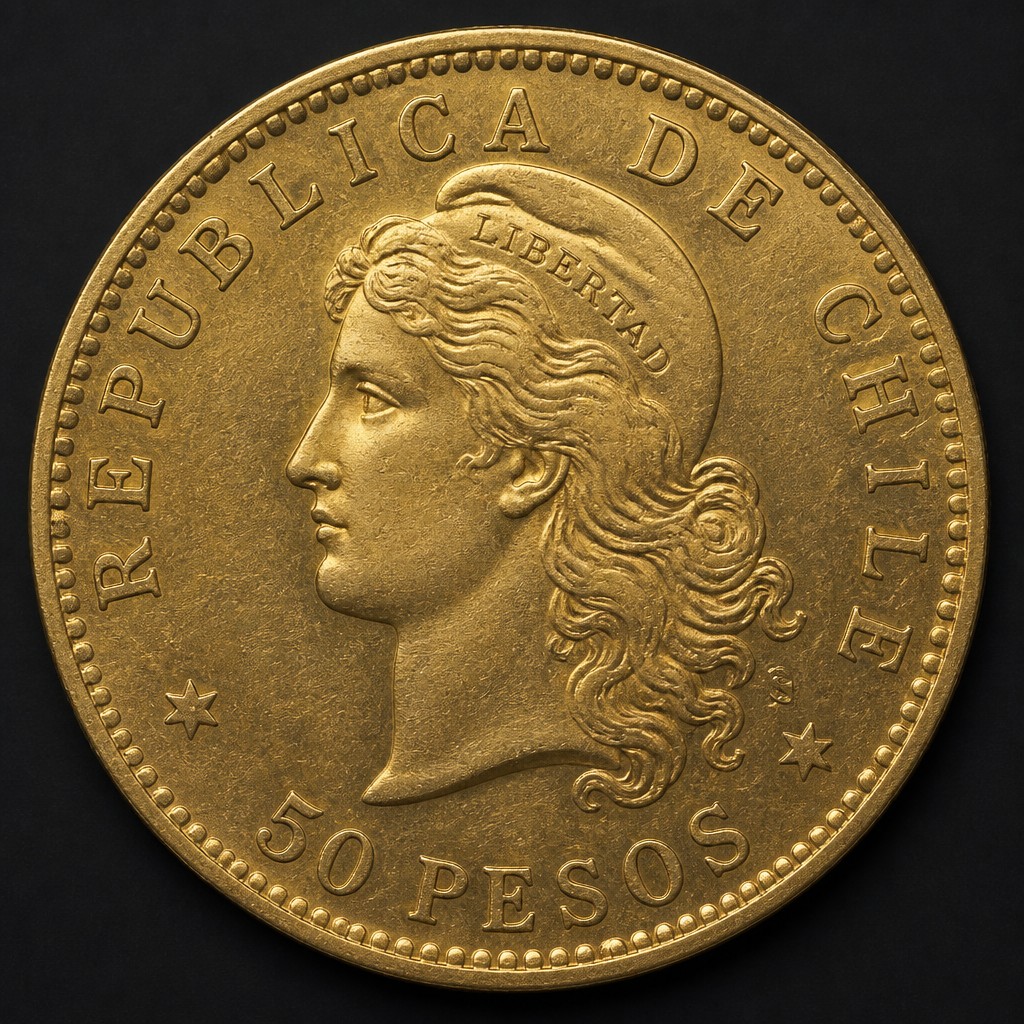
Chilean 50 Pesos Gold
A mid-sized Chilean gold coin issued as part of the 1926 gold standard reform, sharing the condor design theme with its larger and smaller companion denominations.
- Country
- Chile
- Denomination
- 50 Pesos
- Metal
- Gold, .900 fine
Got a coin like this?
Identify any coin from a photo, free.
Overview
The 50 pesos gold coin was struck as the intermediate denomination in Chile's condor-themed gold coinage series established under the 1926 monetary reforms, sitting between the larger 100 pesos and smaller 20 pesos pieces. It provided a more affordable gold coin option than the 100 pesos while still carrying meaningful bullion weight.
Like its companion denominations, the coin combined national symbolism with genuine monetary utility, and its production, though intermittent, spanned much of the mid-to-late 20th century, giving collectors and bullion buyers a range of dates to pursue.
History & Background
Introduced alongside the 100 pesos and 20 pesos coins as part of Chile's 1926 gold standard, the 50 pesos denomination was intended to offer a smaller, more accessible unit of gold currency for both domestic transactions and international settlement. All three denominations shared essentially the same condor design, differing mainly in size and weight.
As with the other condor gold coins, striking was not continuous, occurring across scattered years through the mid and later 20th century, including issues aimed more at collectors and bullion buyers once gold coins had largely left active circulation elsewhere in the world.
How to Identify
The coin follows the same design as its larger counterpart: an Andean condor rendered prominently on one side, with the Chilean arms or value and date on the other, encircled by the national name. Legends and general layout mirror the 100 pesos piece at a reduced scale.
It weighs approximately 10.2 grams at .900 fine gold (about 0.2943 troy ounces of pure gold), with a diameter smaller than the 100 pesos coin, and carries a reeded edge along with the Santiago "So" mint mark and date.
Buyers should confirm weight and diameter against catalog references before purchase, as with any gold coin, and should be aware that because the design was struck over many decades, correct date attribution is important for both identification and any potential numismatic premium.
Value & Collectibility
The 50 pesos gold coin generally trades close to its gold bullion value for common dates, given the moderate but genuine gold content and long production run, with melt value serving as a reliable price floor for circulated examples.
Earlier dates and higher-grade uncirculated examples can command a modest premium above bullion value, but as with the 100 pesos denomination, most collectors approach this coin as an accessible historic gold piece rather than a scarce key-date rarity.
Frequently asked questions
How does the 50 pesos compare to the 100 pesos coin?
It shares the same condor design and gold fineness but is roughly half the weight and physical size.
How much pure gold does it contain?
Approximately 0.2943 troy ounces of pure gold, based on a total weight of about 10.2 grams at .900 fine.
When was it minted?
It was introduced in 1926 as part of Chile's gold standard reform and struck intermittently through the later 20th century.
Is it a good way to hold gold bullion?
Many buyers treat it as a convenient historic gold piece, though as with any coin purchase, value should be judged by weighing melt content against any numismatic premium.
Other coins you may enjoy
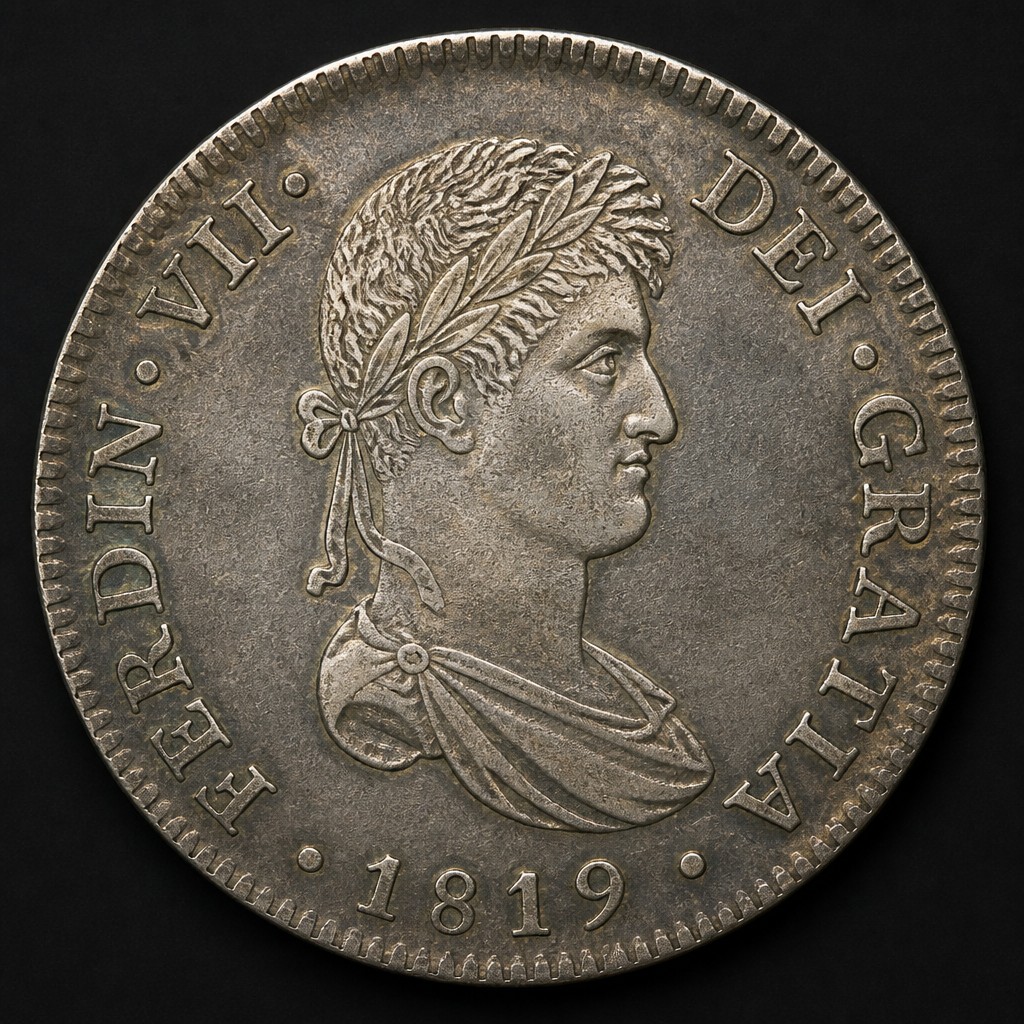
Colombia 8 Reales
Colonial issues through late 18th/early 19th century; republican issues 1820s–1830s
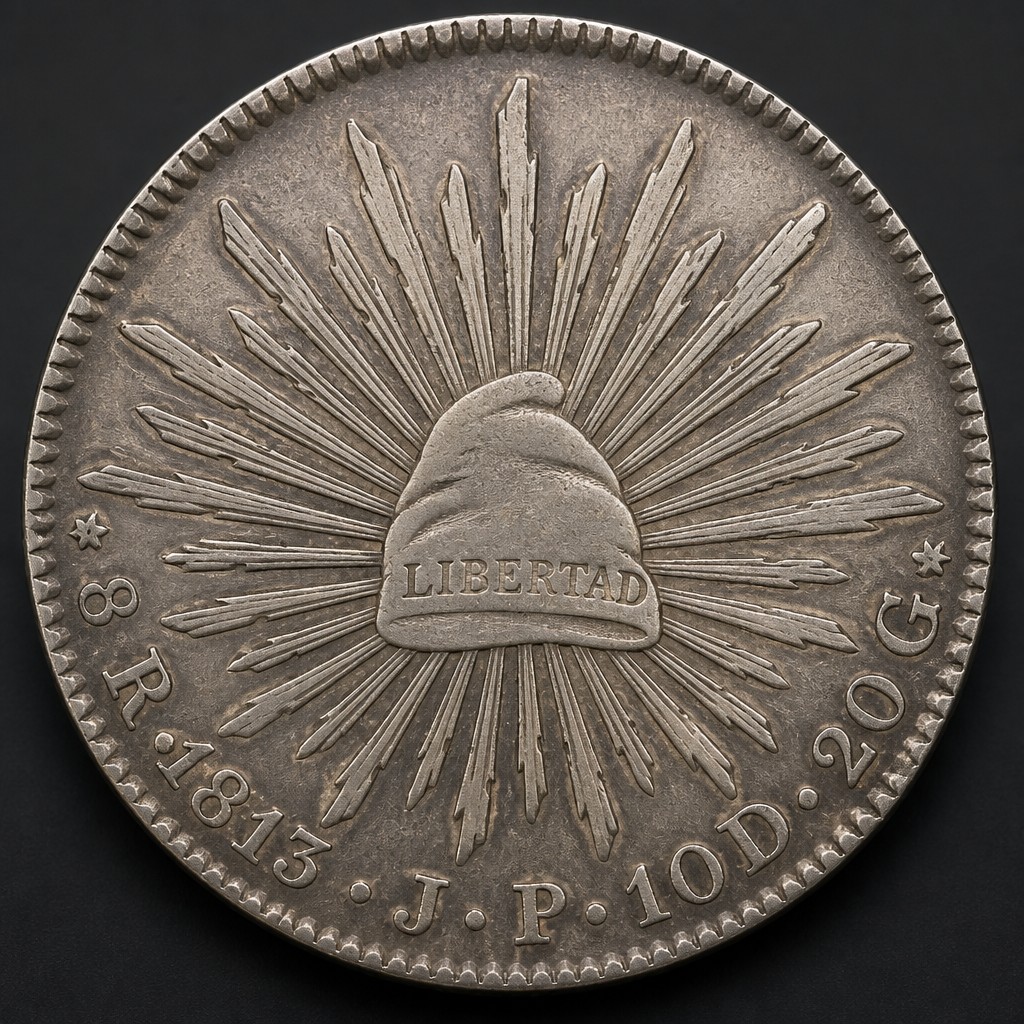
Argentina 8 Reales
c. 1813–1836
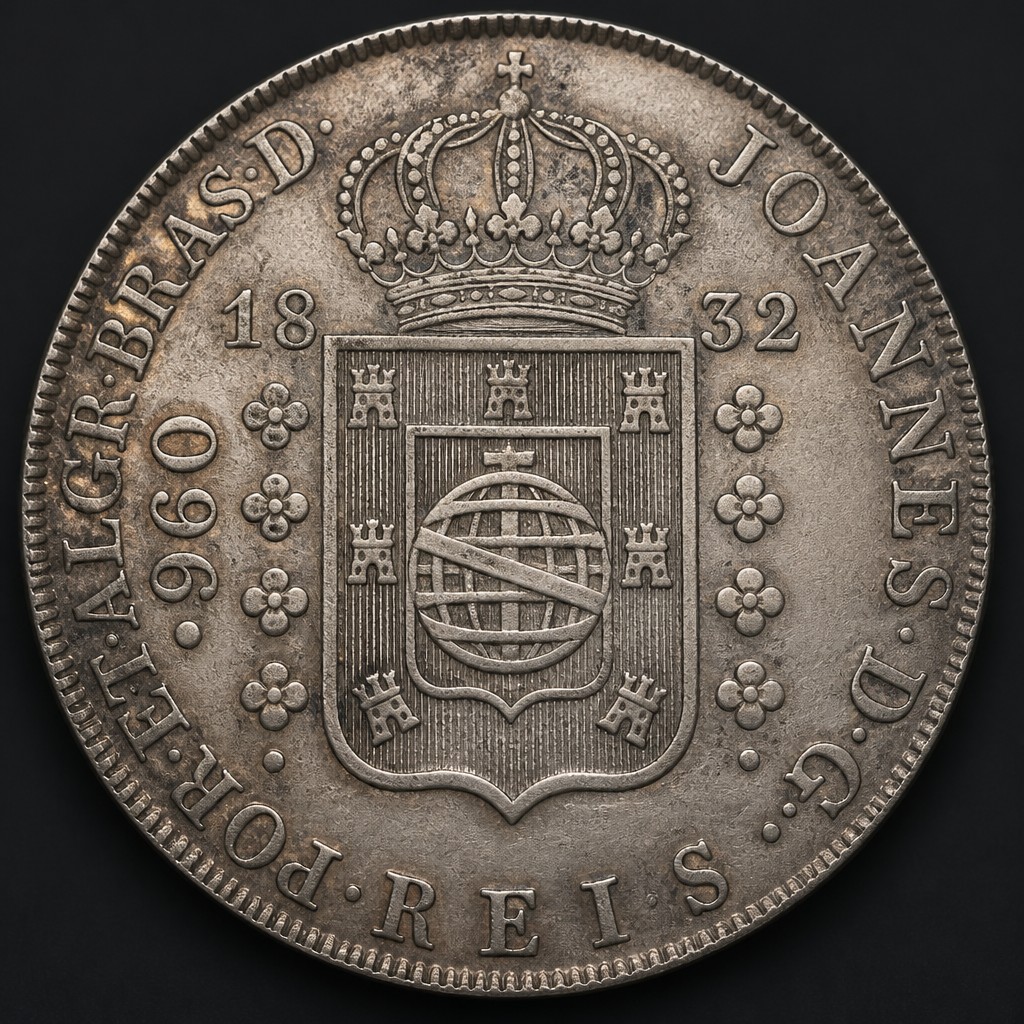
Brazil 960 Reis
1809–1832
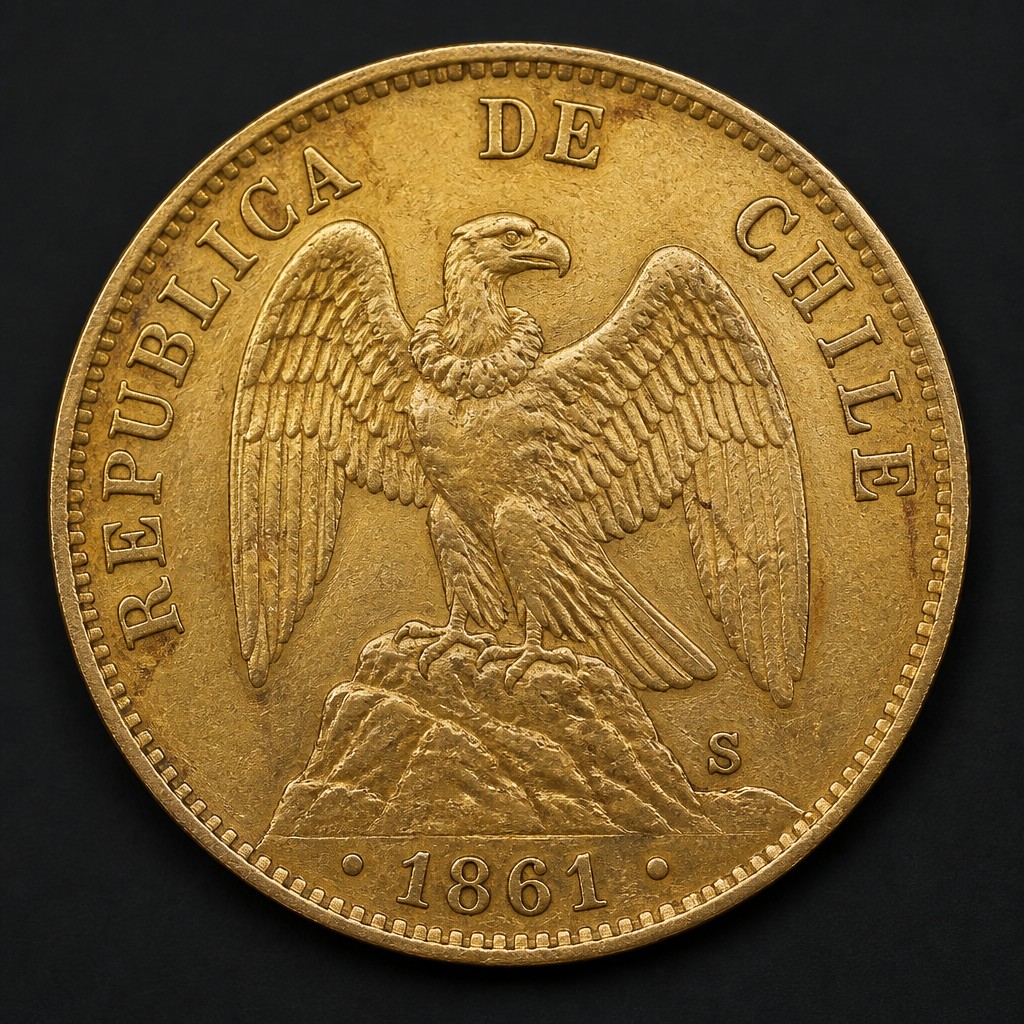
Chile Peso (Condor)
1851–1873 (gold condor series); modern base-metal peso 1990s–present
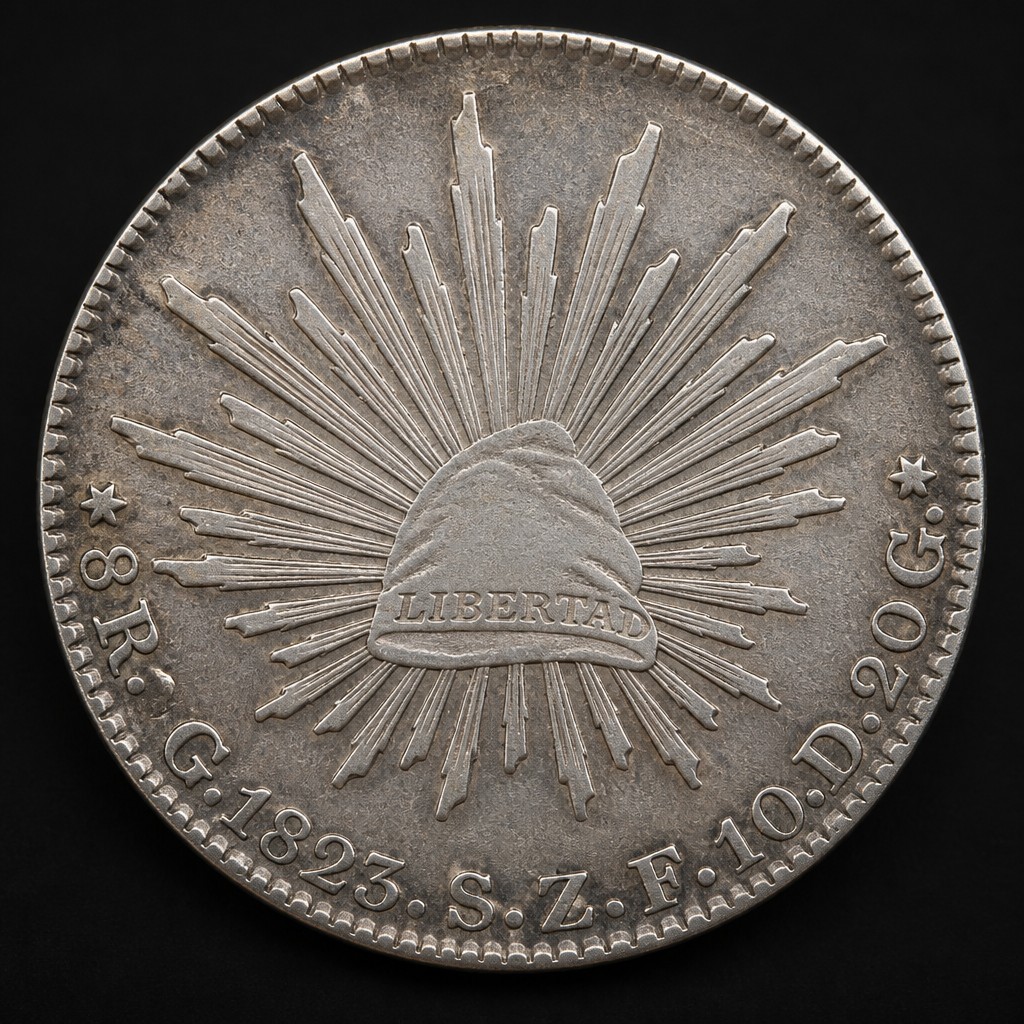
Mexican 8 Reales Cap and Rays
1823-1897
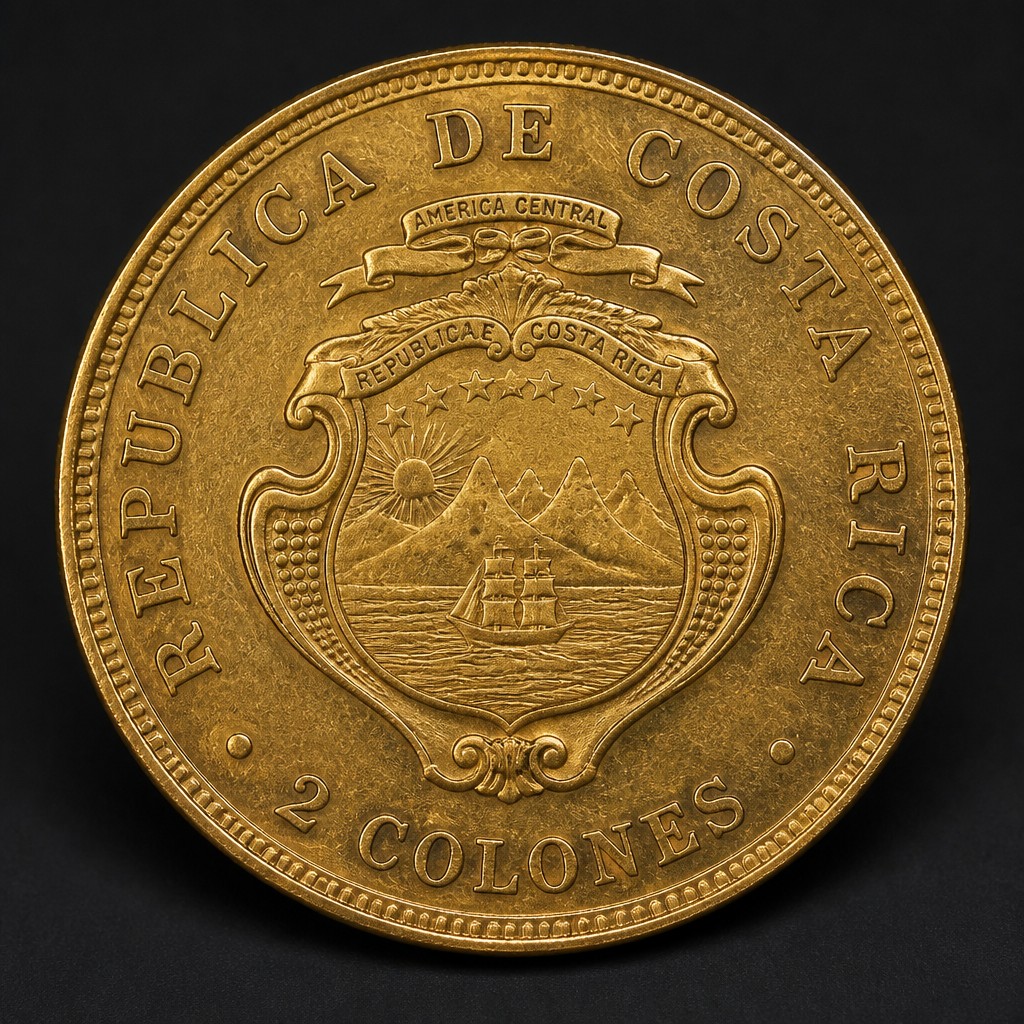
Costa Rica 2 Colones Gold
Late 1890s–early 1900s
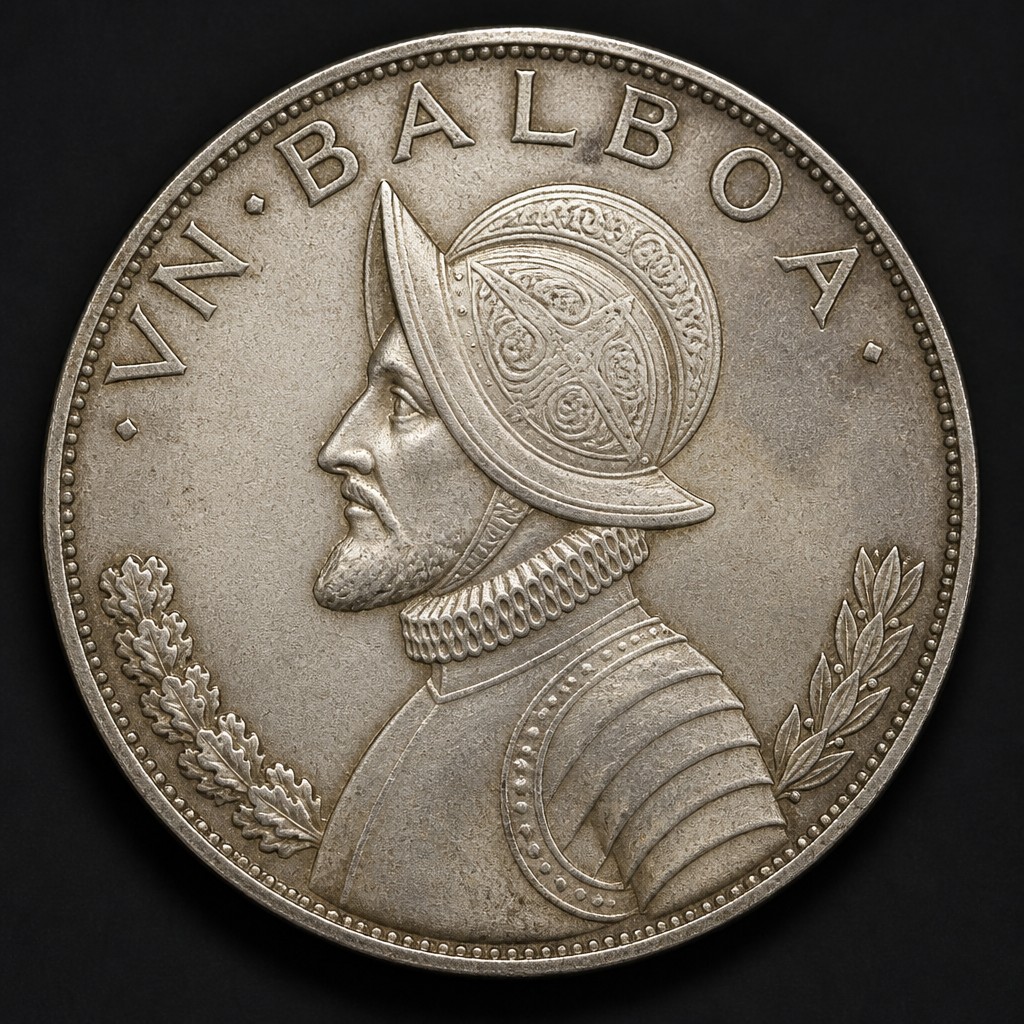
Panama Balboa Silver
1904, 1931, 1934, 1947, 1953, 1966 (various dates)
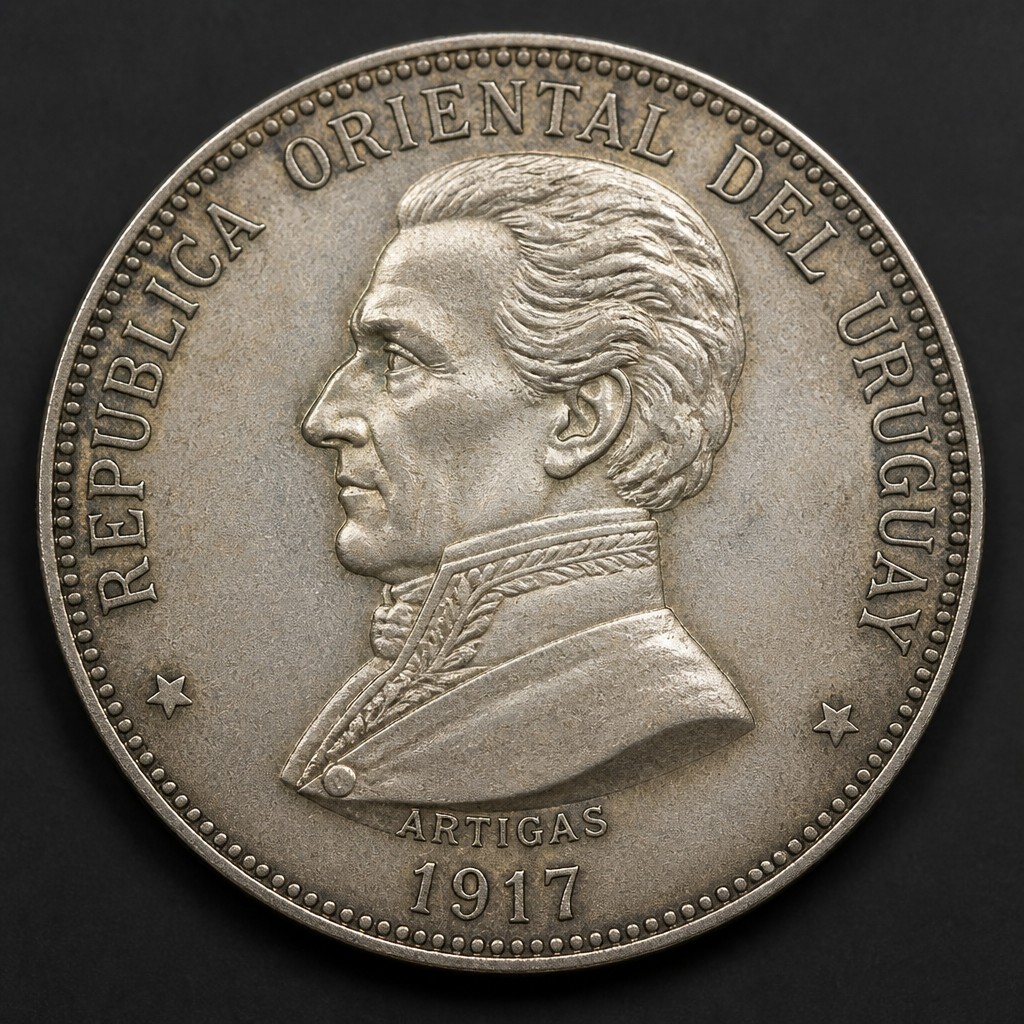
Uruguay Peso Silver 'Artigas'
1917–1920 (with related commemorative issues in later decades)
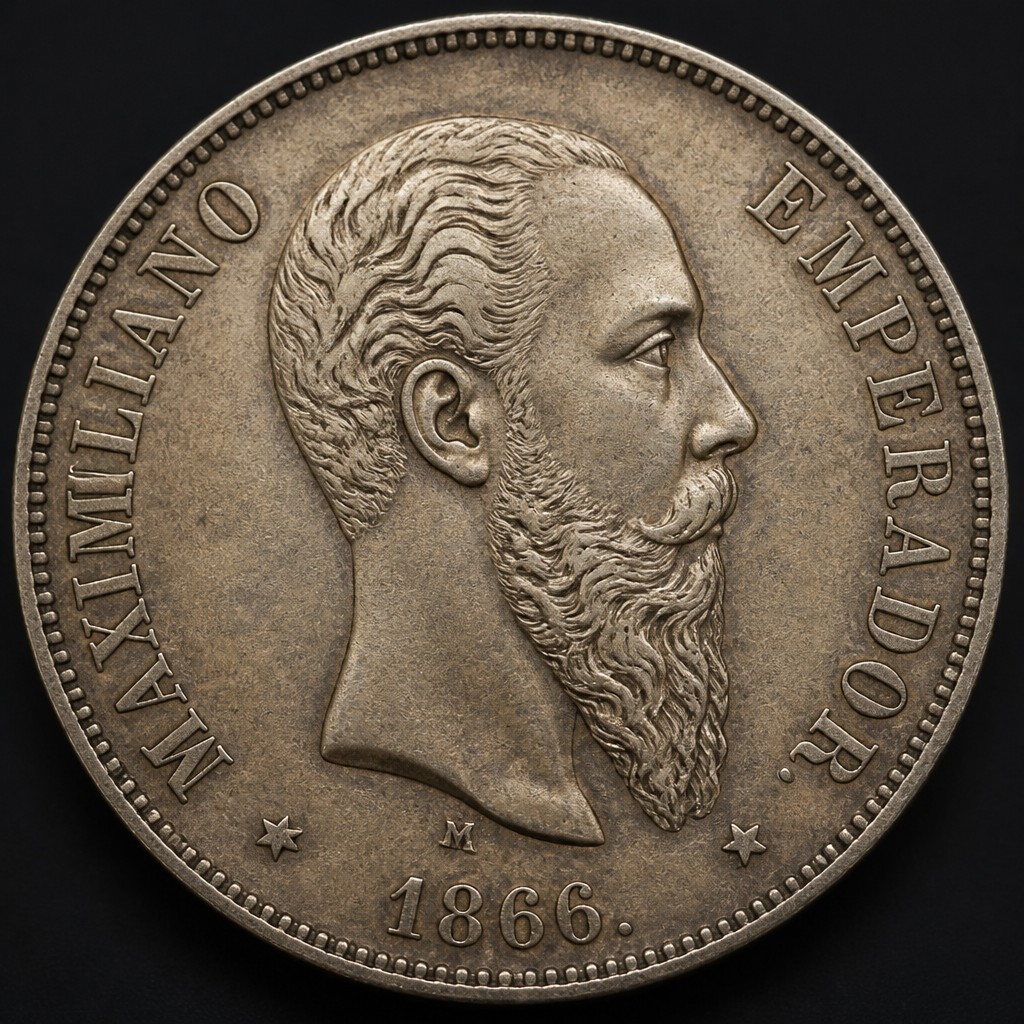
Mexican Emperor Maximilian Peso
1866–1867
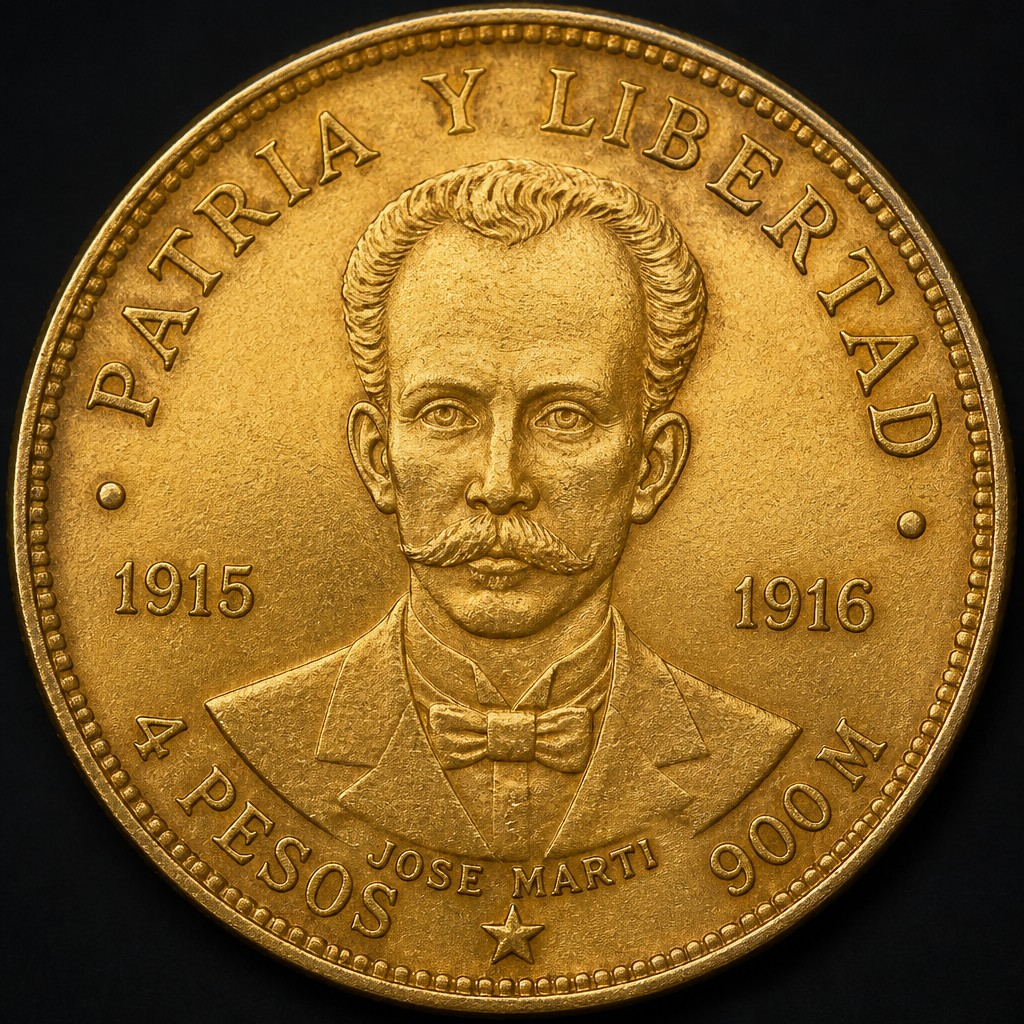
Cuba 4 Pesos Gold Jose Marti
1915–1916
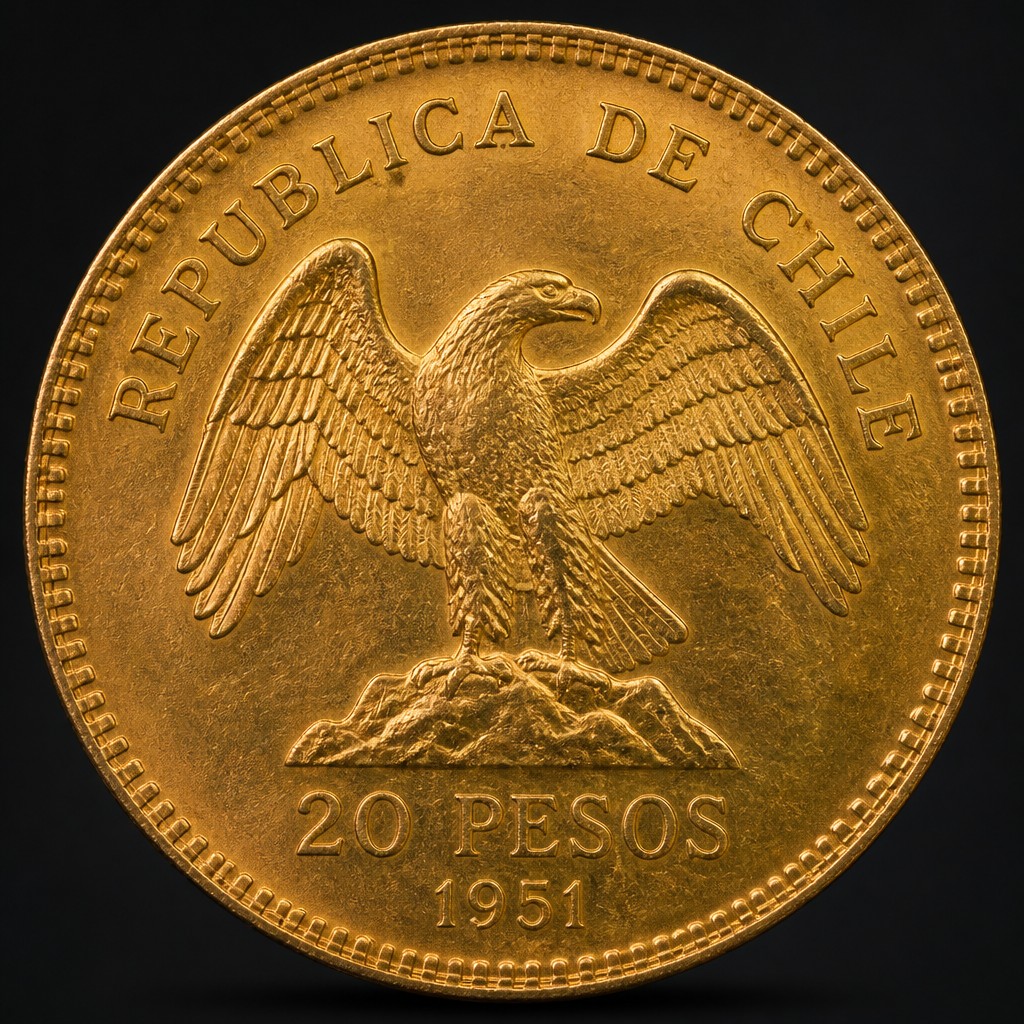
Chilean 20 Pesos Gold
19th century issues and 1926–1980 condor series
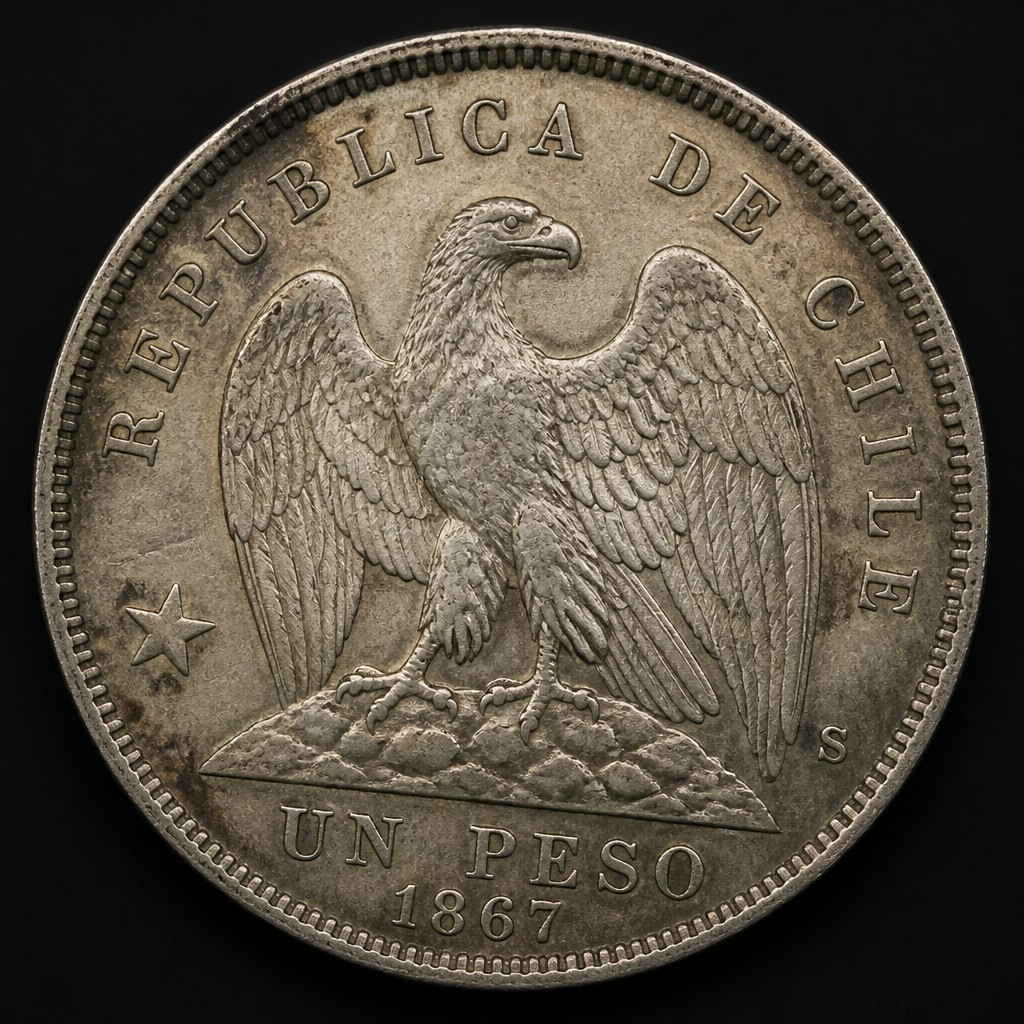
Chilean Peso Silver 'Condor'
1867–early 20th century