
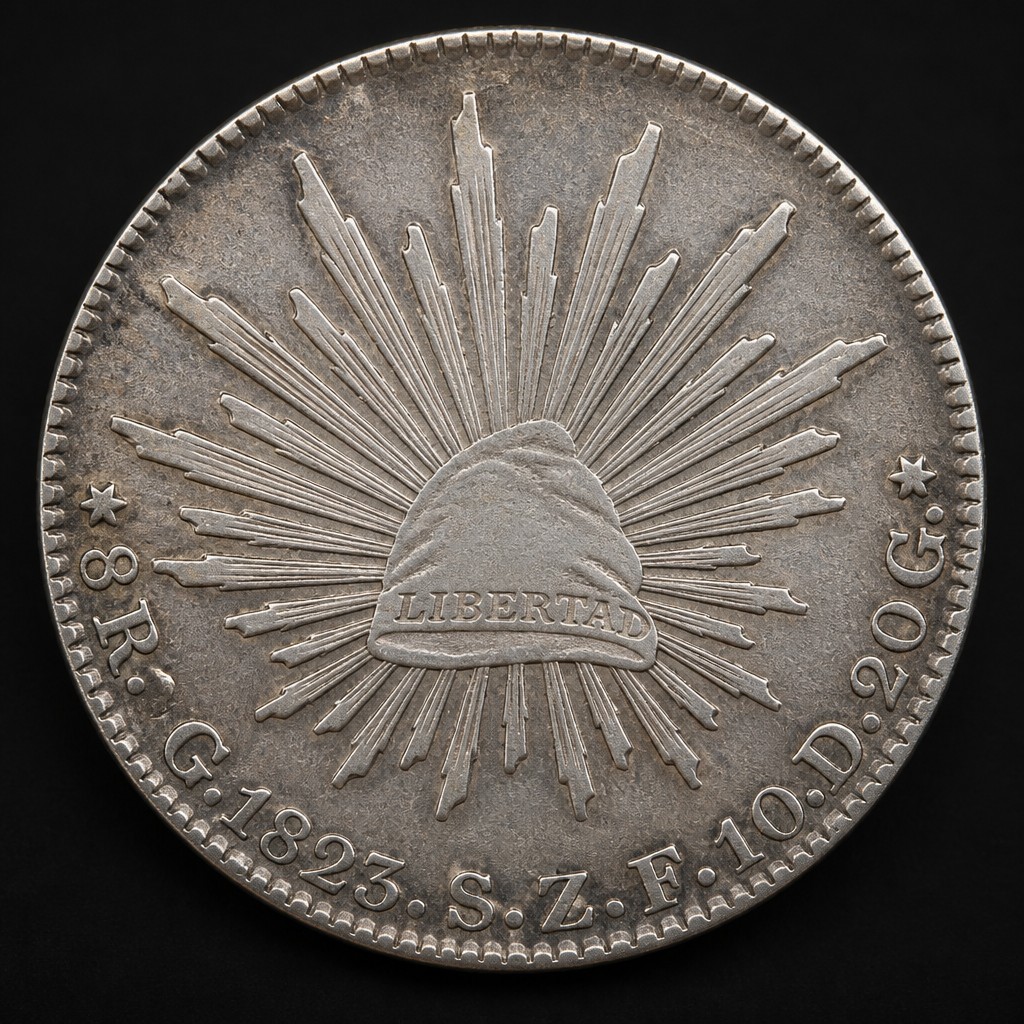
Mexican 8 Reales Cap and Rays
The classic silver dollar of independent Mexico, showing a radiant Phrygian liberty cap over mountains, widely trusted and traded across the Americas and Asia for most of the 19th century.
- Country
- Mexico
- Denomination
- 8 Reales
- Metal
- Approximately .903 silver
Got a coin like this?
Identify any coin from a photo, free.
Overview
The "Cap and Rays" 8 Reales is the signature large silver coin of the newly independent Mexican Republic, replacing Spanish colonial portrait coinage after Mexico won independence in 1821. Its obverse design, a radiant Phrygian liberty cap perched atop a mountain peak with rays of light emanating outward, became one of the most recognizable and widely trusted coin images of the 19th century, symbolizing the new republic's break from colonial monarchy.
Struck for decades at numerous regional mints across Mexico, the coin varied slightly in artistic detail and fineness from mint to mint but maintained a broadly consistent weight and silver standard that made it acceptable as a de facto international trade currency, circulating heavily not only throughout Latin America and the United States but also across the Pacific in Chinese and Southeast Asian commerce, much like the earlier Spanish colonial 8 reales it replaced.
Because of its long production run and many mint variations, the Cap and Rays 8 reales offers collectors an accessible way to explore an entire era of Mexican monetary history through a single, consistent design theme.
History & Background
Following Mexico's independence from Spain in 1821, the new government sought a coinage that broke visually from the Spanish monarch's portrait while retaining the trusted weight and fineness of the old 8 reales "piece of eight" that had anchored international trade for centuries. The Liberty Cap design, adopted in the 1820s, replaced the king's bust with republican symbolism drawn from broader revolutionary-era iconography seen in other newly independent American nations.
Mexico's decentralized mint system, a legacy of colonial-era silver mining regions, meant that cities such as Mexico City, Zacatecas, Guanajuato, and Durango each struck their own dies bearing local mintmarks and assayer initials, resulting in considerable die variety even though the overall design stayed consistent for roughly seven decades.
The coin's reliability made it one of the most internationally circulated silver coins of the 19th century, competing directly with the U.S. Trade Dollar in Asian markets and even influencing the design and standard of coins like the Japanese and American trade dollars, before Mexico eventually modernized its coinage toward the century's end.
How to Identify
The obverse shows a Phrygian liberty cap radiating triangular rays of light above a mountain range flanked by scrollwork, with "REPUBLICA MEXICANA" arcing around the top and the mintmark, assayer initials, denomination "8 R.", and fineness numerals arranged around the lower border. The reverse depicts an eagle grasping a snake in its beak while perched on a cactus (the Mexican national emblem), encircled by a wreath, with "LIBERTAD" and additional legends around the border.
The coin is large, roughly 39mm in diameter, struck in silver of approximately .903 fineness, with a reeded edge. Mintmarks (such as Mo for Mexico City, Zs for Zacatecas, Go for Guanajuato, and others) along with assayer initials appear on the obverse just below the rays, and these details are essential for cataloging specific varieties and mints.
Collectors distinguish this type from the earlier Spanish colonial portrait 8 reales by the absence of a monarch's bust and presence of the liberty cap design, and from later Mexican "Balanza" (scales) design 8 reales, which replaced the Cap and Rays motif near the century's end. Because so many mints and assayers produced this type over decades, careful attention to mintmark and date combinations is needed to identify scarcer varieties.
Value & Collectibility
Common dates and mints from the mid-to-late 19th century are widely available in worn to moderately circulated grades and are affordable entry points into Mexican numismatics, while well-struck, high-grade examples or coins from smaller, lower-mintage regional mints can bring substantially more. As with most large trade silver coins, certain mint-and-date combinations are notably scarcer than others, and specialists maintain detailed reference works cataloging relative rarity by mint.
Because millions of these coins circulated internationally and were subject to chopping, holing, and wear from heavy trade use, problem-free, well-centered strikes command a premium over typical worn or damaged survivors. Overall value is driven primarily by mint rarity, condition, and strike quality rather than by the coin being scarce as a type overall.
Frequently asked questions
What does the "cap and rays" design represent?
It symbolizes liberty and independence, showing a Phrygian cap (a classic liberty symbol) radiating light above mountains, replacing the Spanish king's portrait after Mexican independence.
Why were there so many different mints for this coin?
Mexico inherited a decentralized colonial mining and minting infrastructure, so several regional mints each struck their own dies with local mintmarks.
How does this compare to the earlier Spanish colonial 8 reales?
It replaced the Spanish monarch's portrait with republican liberty symbolism after independence but kept a similar size, weight, and trade role.
Are all Cap and Rays 8 reales valuable?
Common dates and mints are generally affordable in worn grades; value rises significantly for scarcer mints, better condition, or well-struck examples.
Other coins you may enjoy
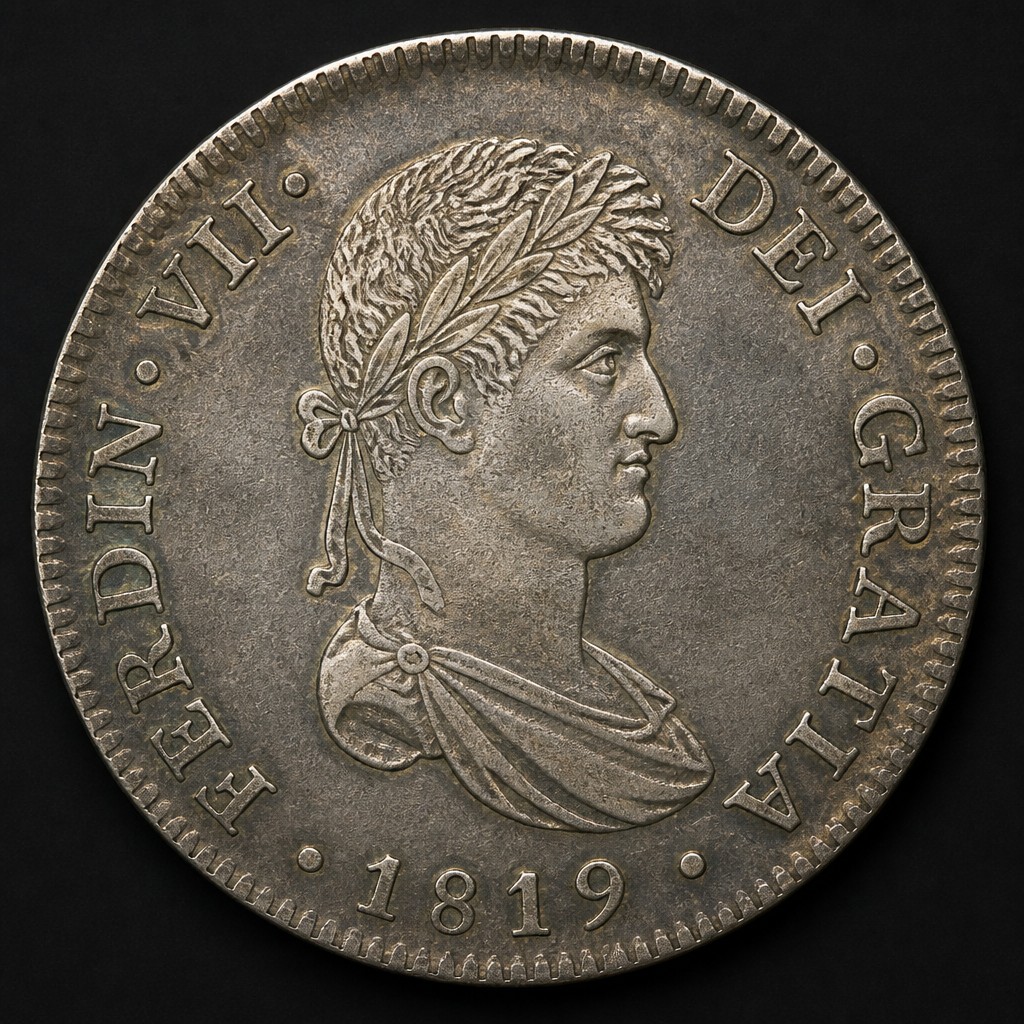
Colombia 8 Reales
Colonial issues through late 18th/early 19th century; republican issues 1820s–1830s
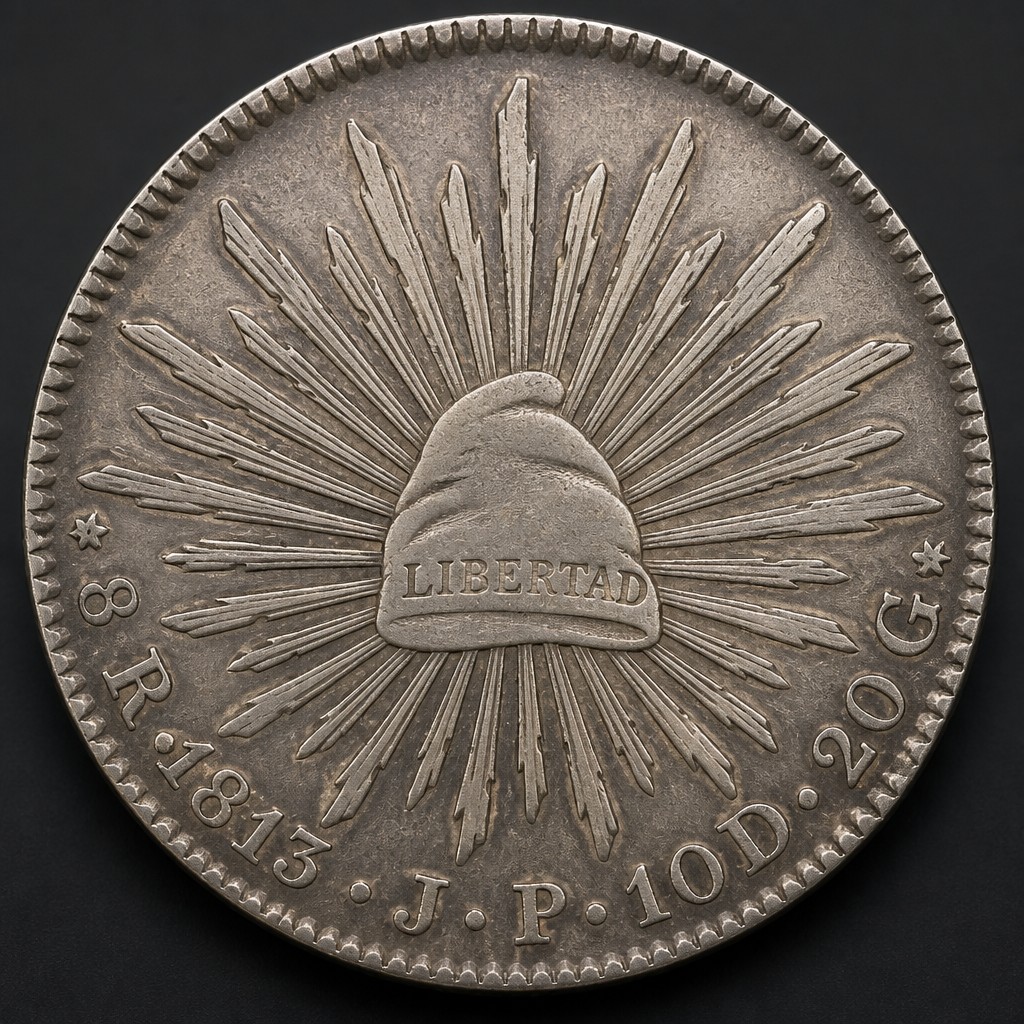
Argentina 8 Reales
c. 1813–1836
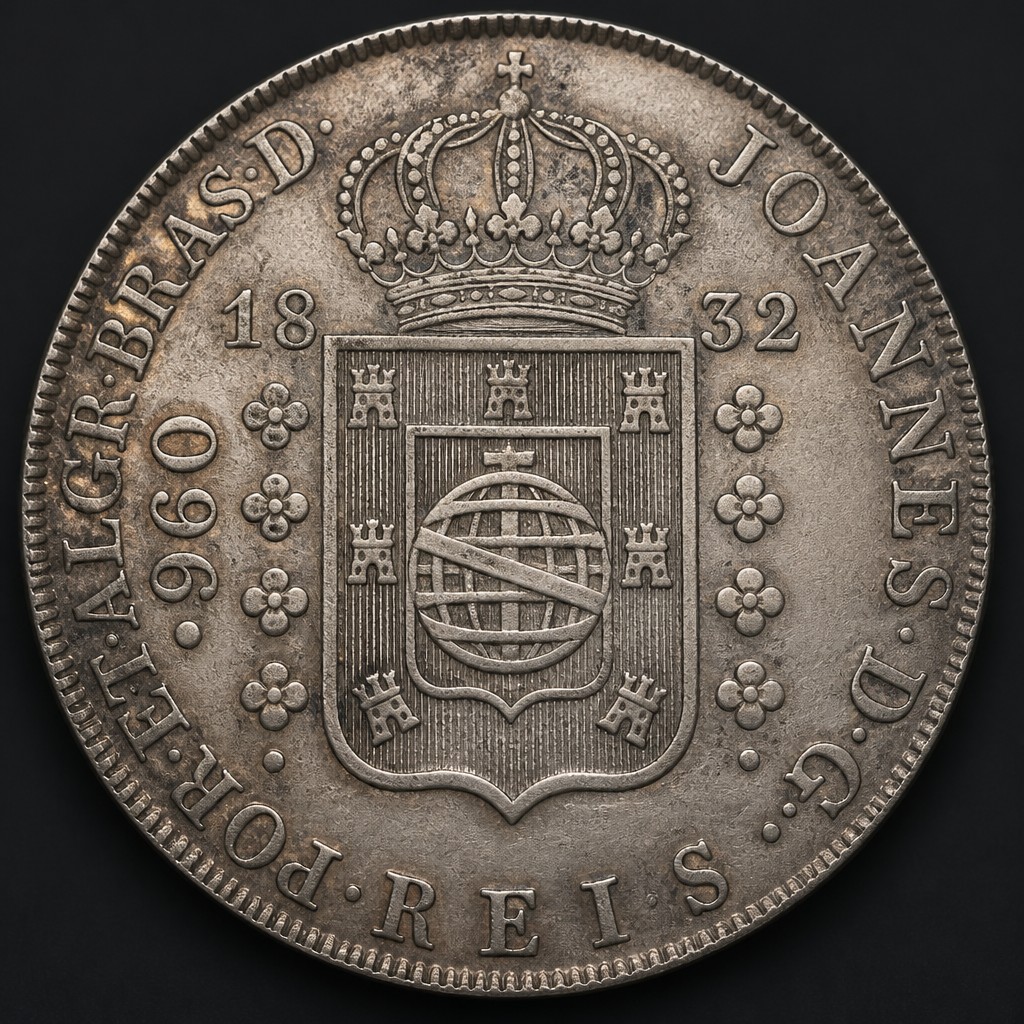
Brazil 960 Reis
1809–1832
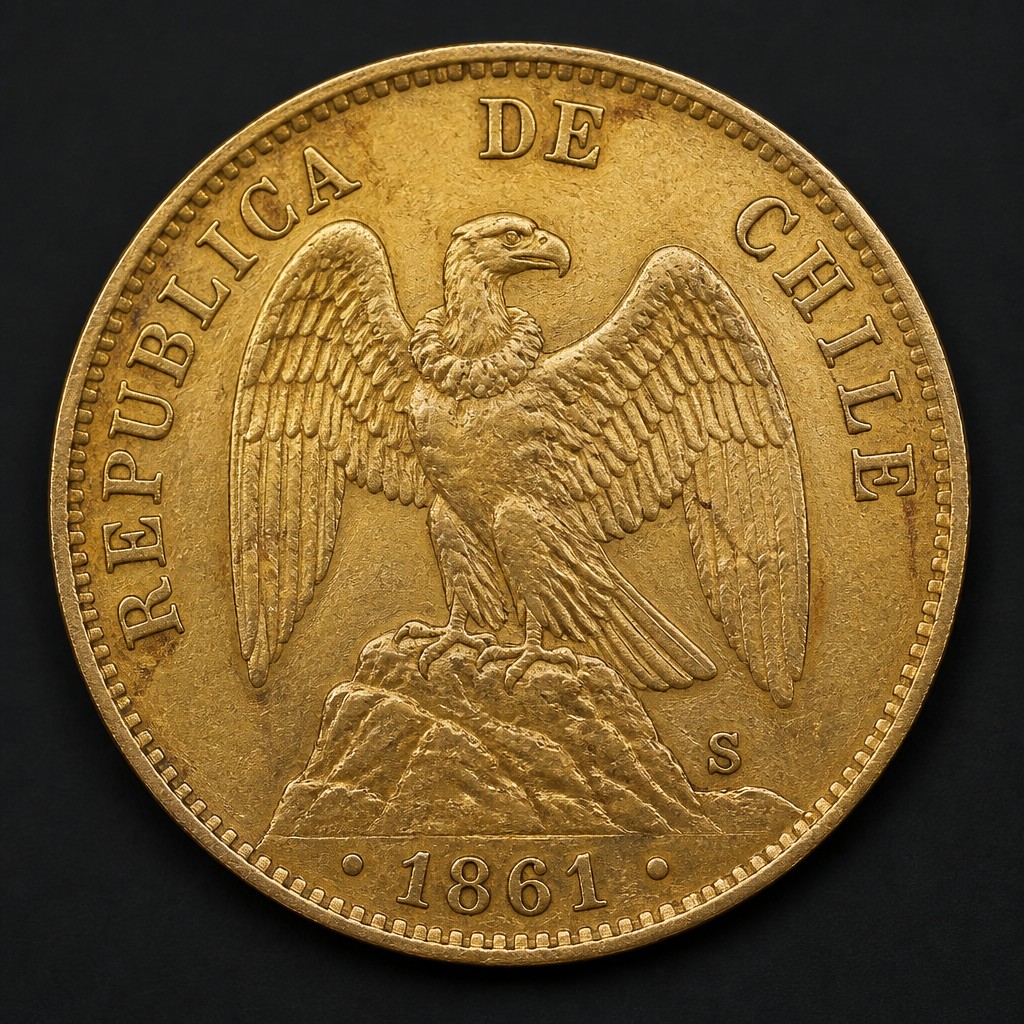
Chile Peso (Condor)
1851–1873 (gold condor series); modern base-metal peso 1990s–present
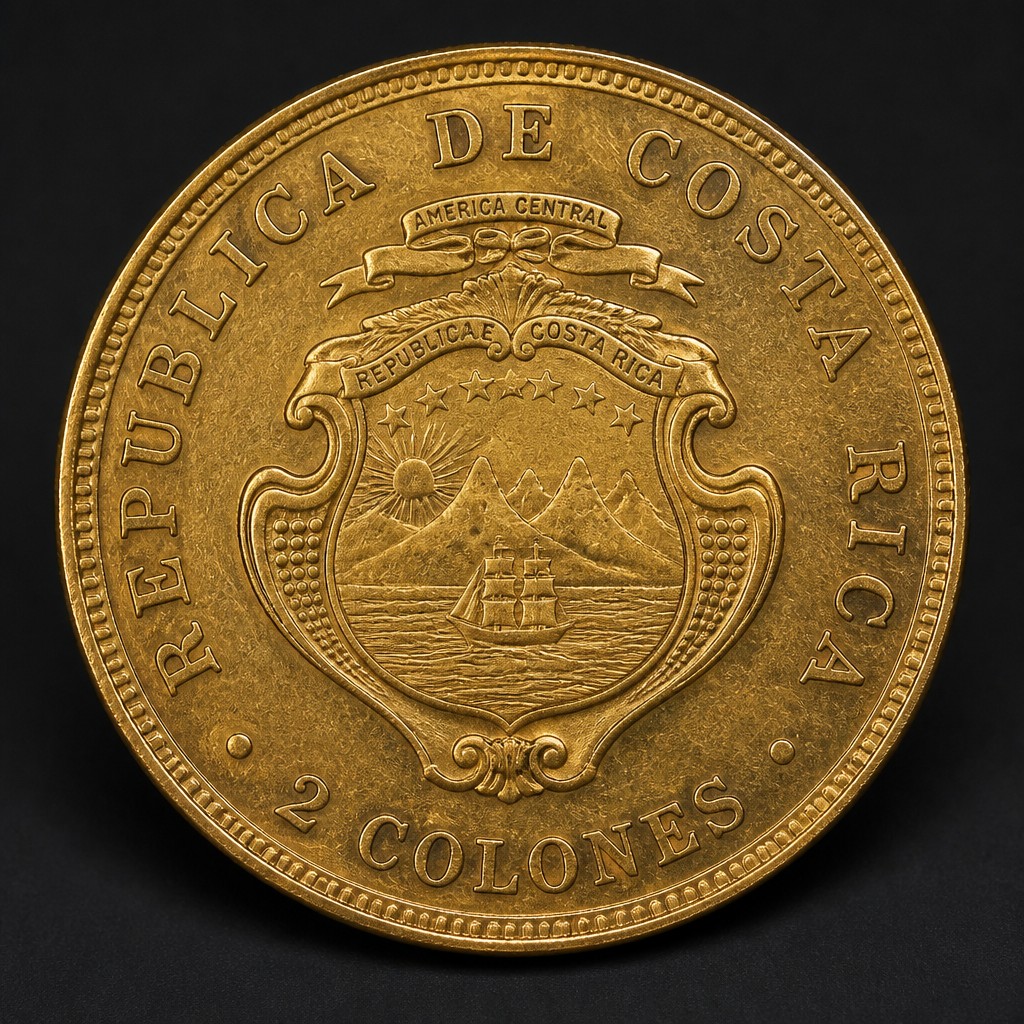
Costa Rica 2 Colones Gold
Late 1890s–early 1900s
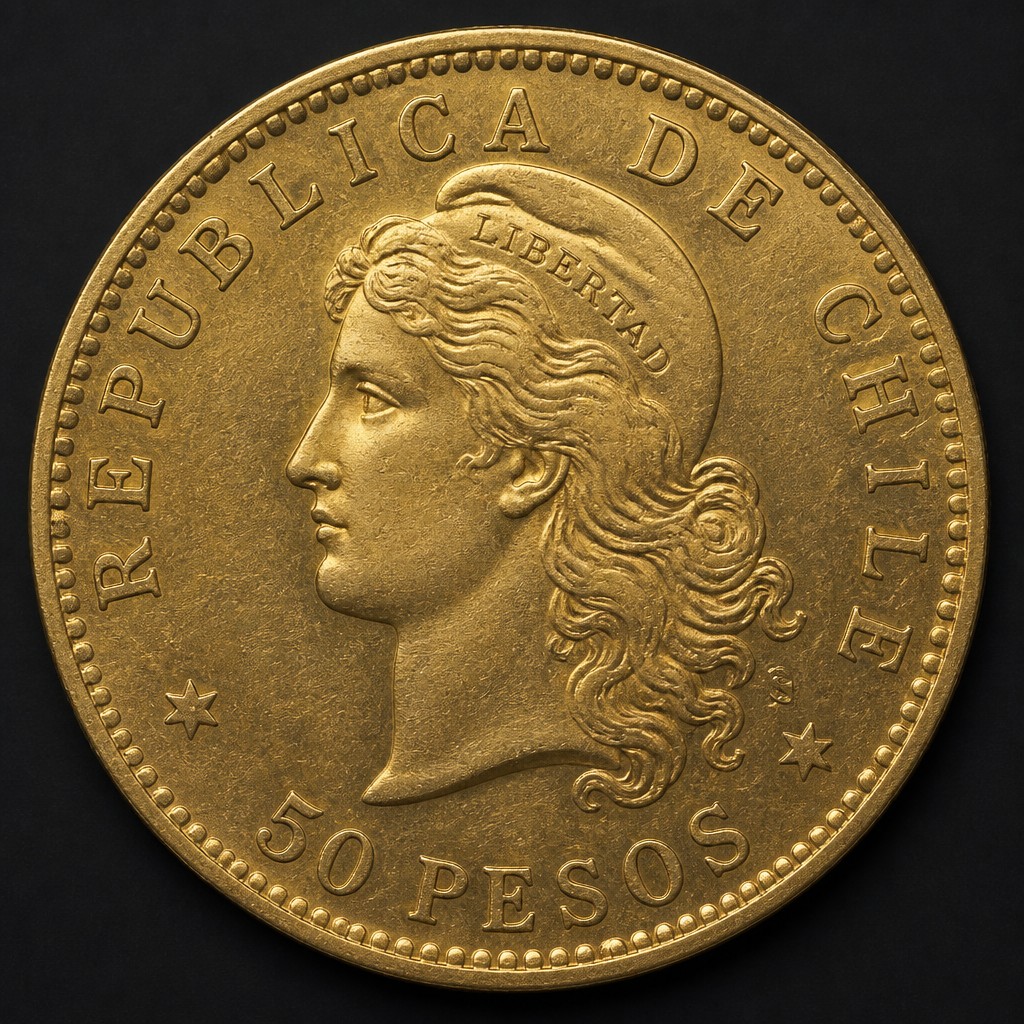
Chilean 50 Pesos Gold
1926–1980 (with interruptions)
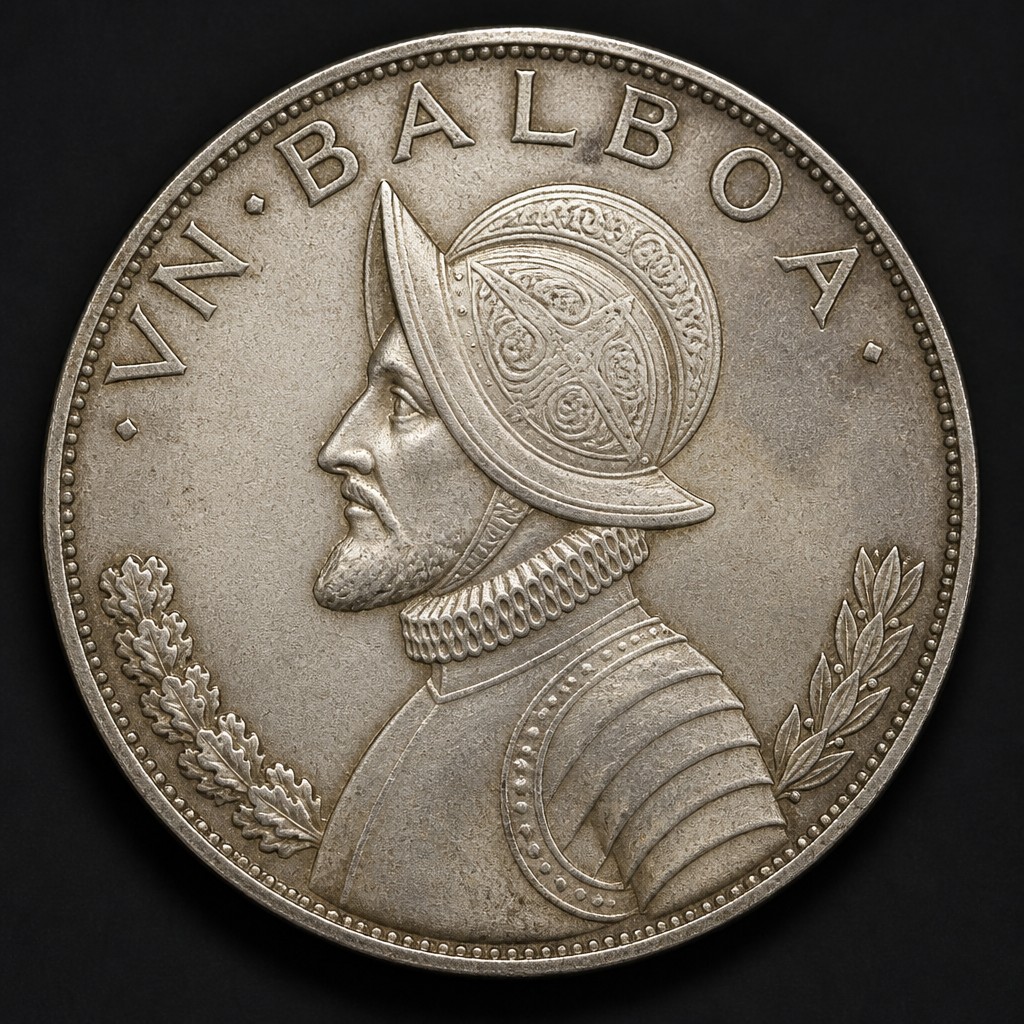
Panama Balboa Silver
1904, 1931, 1934, 1947, 1953, 1966 (various dates)
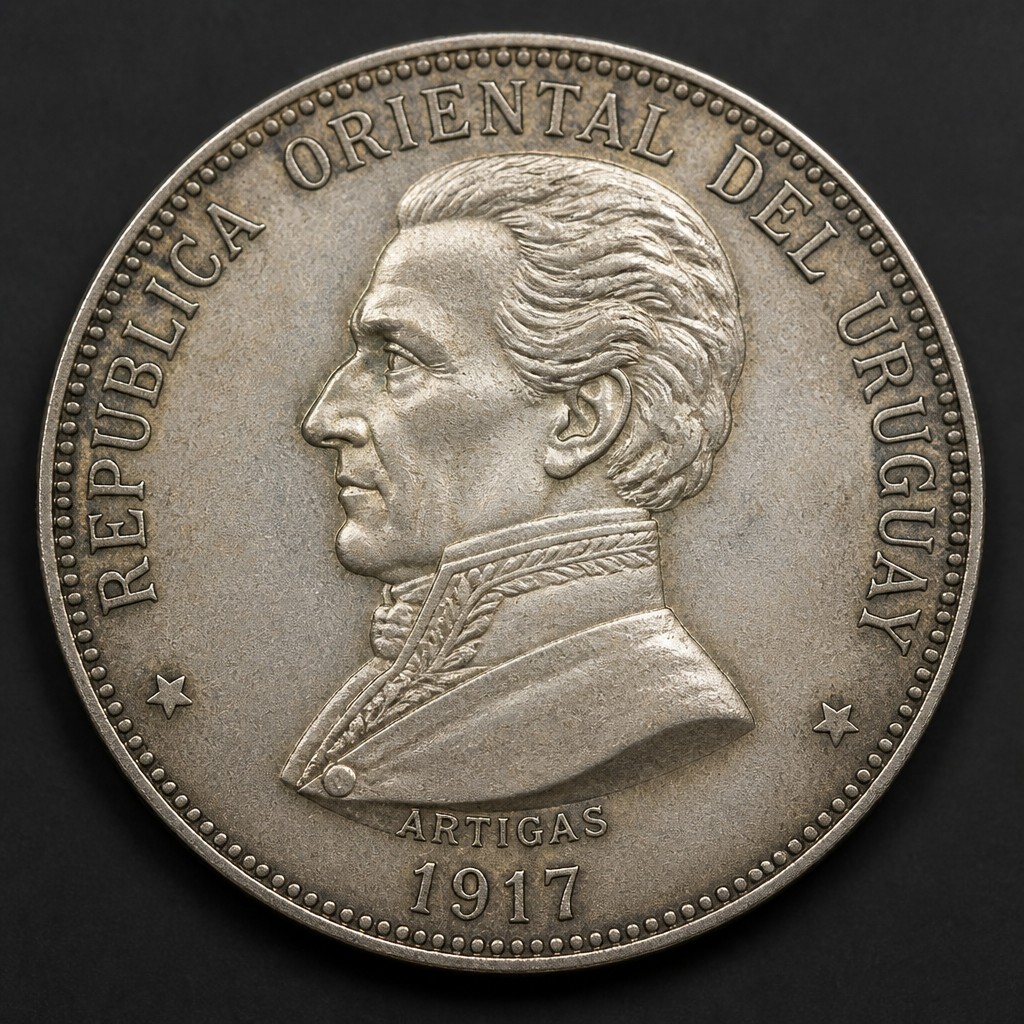
Uruguay Peso Silver 'Artigas'
1917–1920 (with related commemorative issues in later decades)
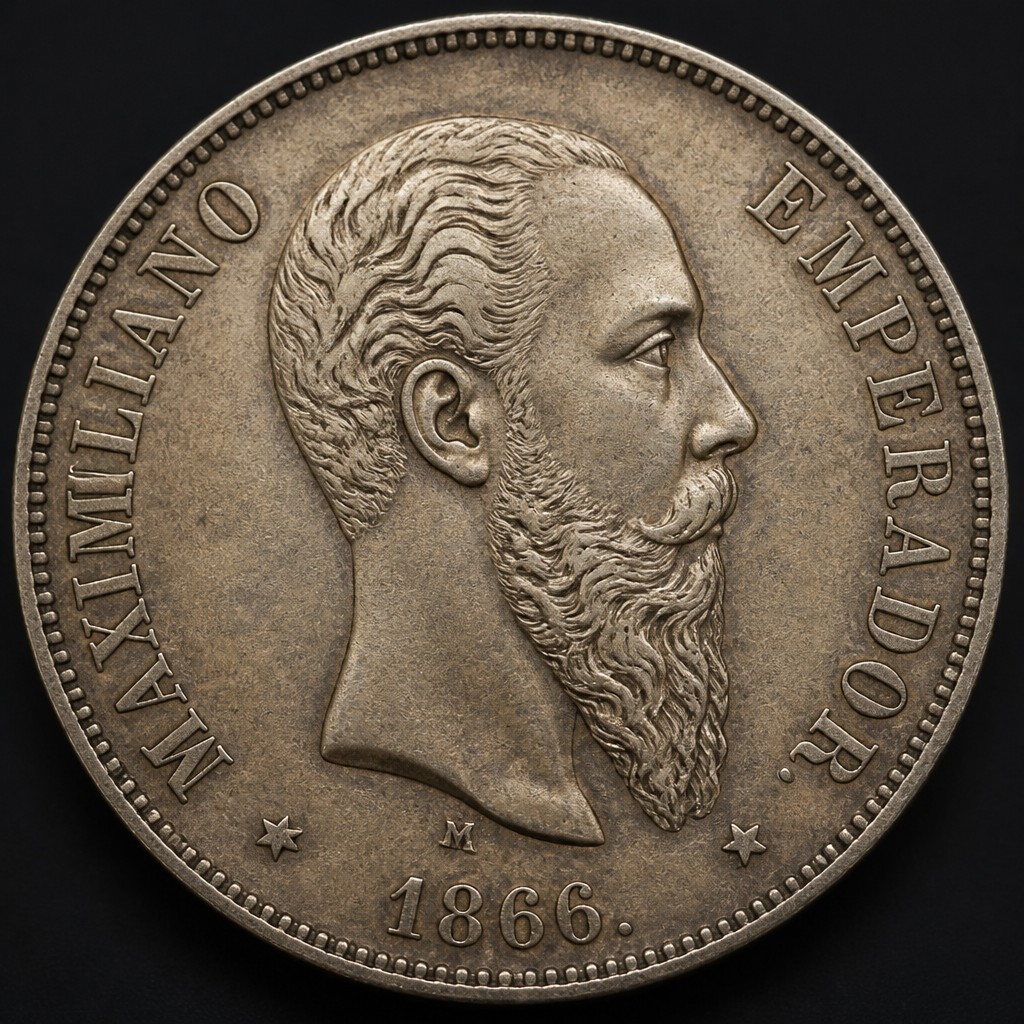
Mexican Emperor Maximilian Peso
1866–1867
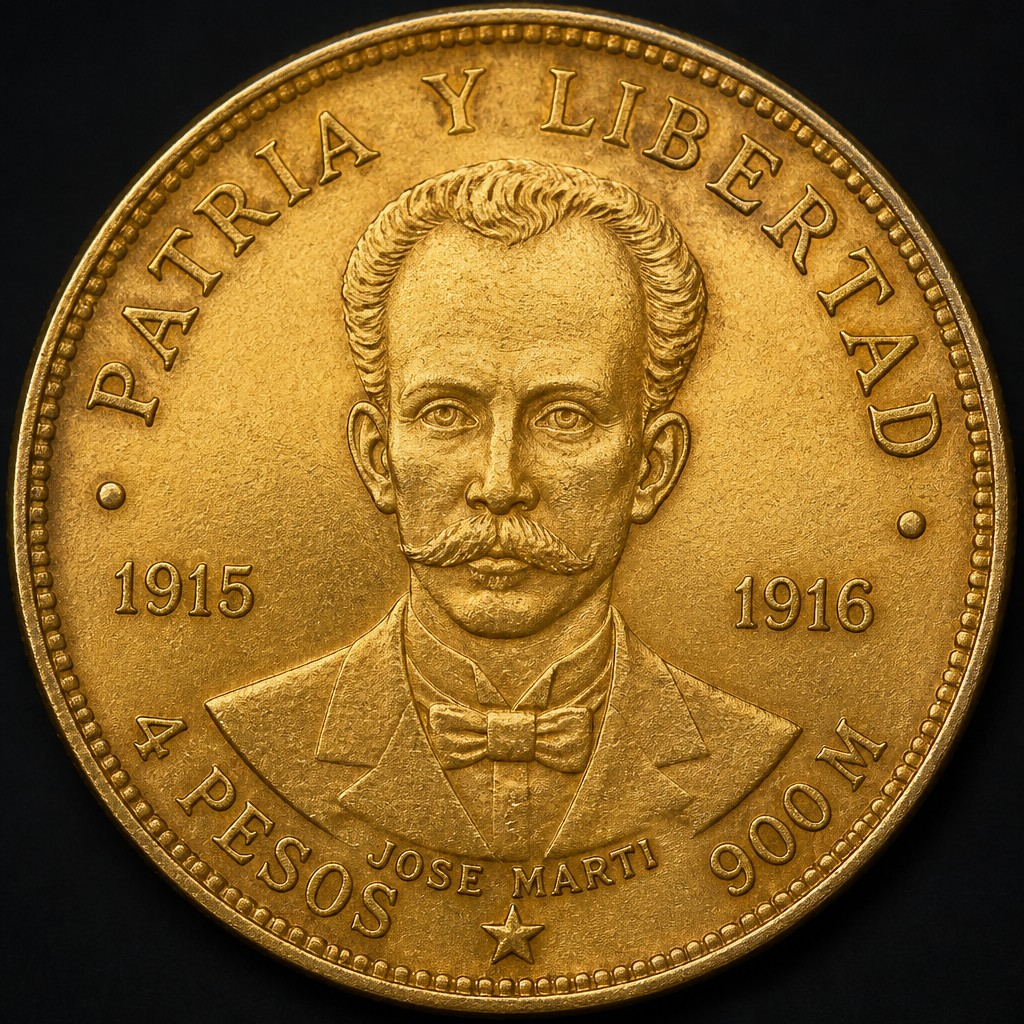
Cuba 4 Pesos Gold Jose Marti
1915–1916
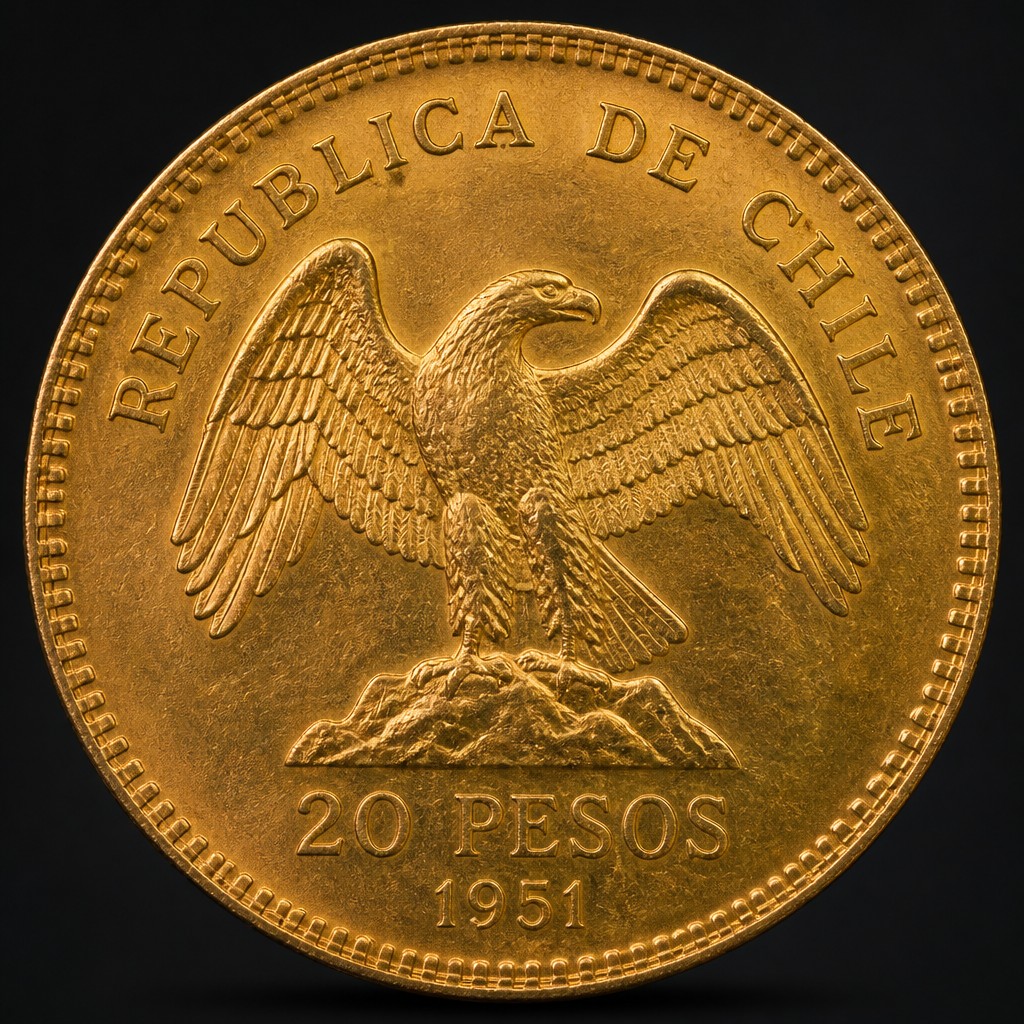
Chilean 20 Pesos Gold
19th century issues and 1926–1980 condor series
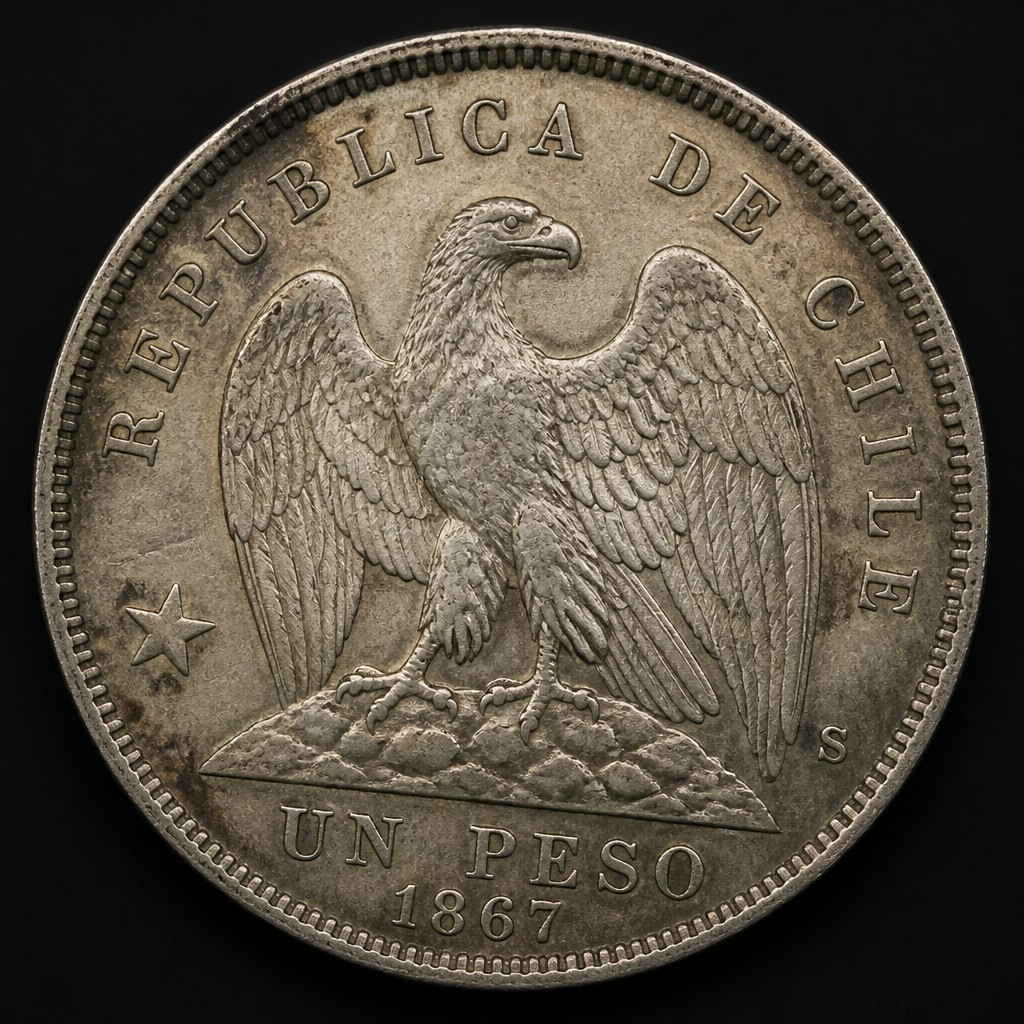
Chilean Peso Silver 'Condor'
1867–early 20th century