
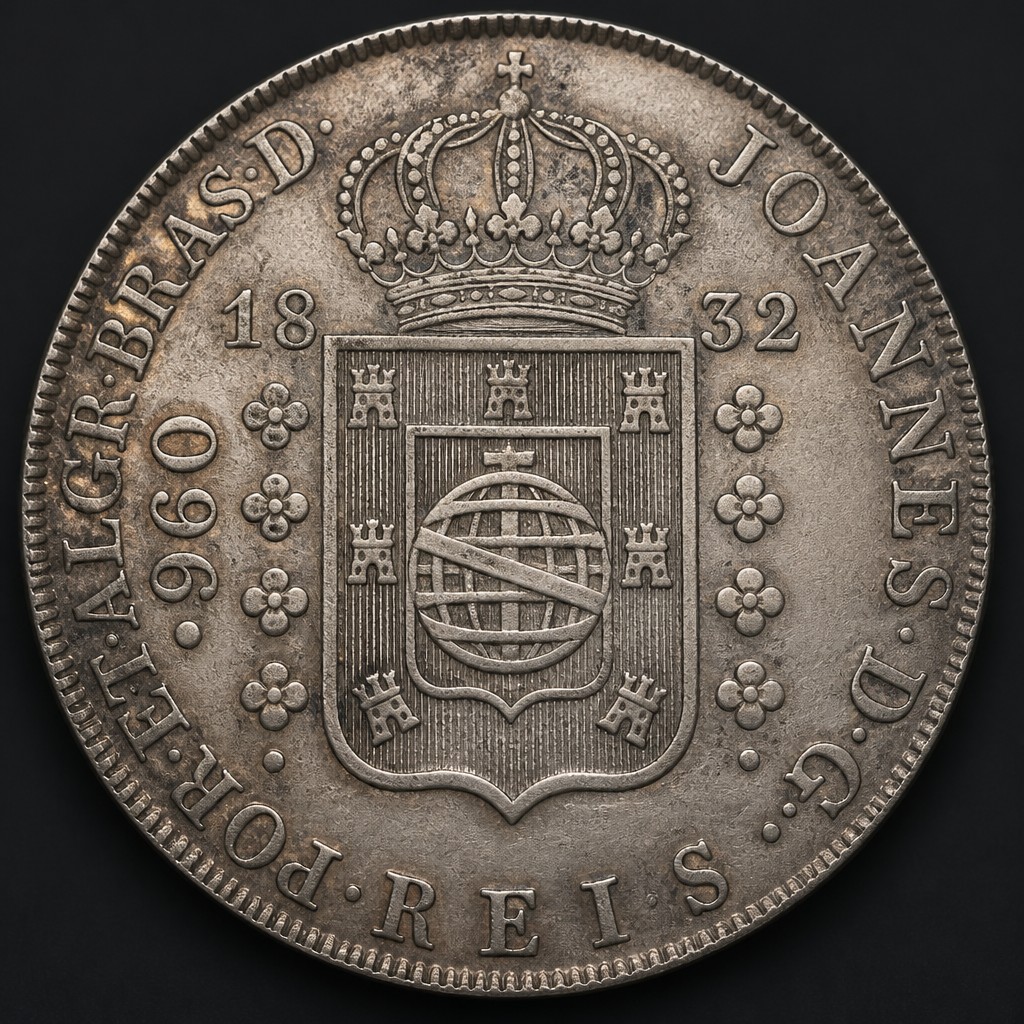
Brazil 960 Reis
Brazilian silver coin created by overstriking Spanish colonial 8 reales with new Portuguese royal dies, issued after the Portuguese royal court relocated to Brazil.
- Country
- Brazil (Portuguese colony, later Empire of Brazil)
- Denomination
- 960 Réis
- Metal
- Silver (often overstruck on Spanish American 8 reales)
Got a coin like this?
Identify any coin from a photo, free.
Overview
The 960 réis is a distinctive Brazilian silver coin best known for being struck directly over existing Spanish American 8 reales coins rather than on fresh blanks. This unusual practice arose from the sudden need for large-denomination silver coinage in Rio de Janeiro after the Portuguese royal family fled there in 1808.
Because the host coins were valued below the new 960 réis denomination assigned to them, the Portuguese crown profited from the reminting, and many surviving examples still show faint traces of the original Spanish design beneath the new Portuguese motifs.
History & Background
In 1807, fleeing Napoleon's invasion of Portugal, the Portuguese royal court relocated to Rio de Janeiro, effectively making Brazil the seat of the Portuguese empire. To meet the colony's coinage needs quickly, the Rio de Janeiro mint began overstriking abundant Spanish American 8 reales (arriving via regional trade) with new dies bearing the Portuguese crown and the value 960 réis, starting around 1809.
This practice continued after Brazilian independence in 1822 under Emperor Pedro I, with 960 réis coins still produced by overstriking or newly struck with Brazilian imperial imagery, before later coinage reforms replaced the denomination structure entirely.
How to Identify
The obverse generally shows the crowned arms of Portugal (or later the Brazilian imperial arms) with the ruler's name and title in the legend, while the reverse displays a crown above the value "960" or "960 REIS." Because many examples are overstrikes, careful examination under raking light or magnification often reveals ghost outlines of the original Spanish colonial design, such as remnants of the pillars or a bust, beneath the new devices.
The coins retain the approximate size and silver weight of the host 8 reales pieces (around 38–39 mm and near 27 grams of silver), since they were struck onto that existing planchet rather than melted down and re-cast. Genuine overstrikes are prized precisely for showing this dual-coin history, distinguishing them from ordinary Brazilian silver coinage struck on blank planchets.
Value & Collectibility
Value depends heavily on how clearly the underlying host coin can be identified, the overall strike quality, and general condition; overstrikes with a legible "ghost" of a well-known original host coin can carry added collector interest. Common, weakly struck examples are comparatively affordable, while sharp, well-centered overstrikes with clear dual imagery bring stronger premiums.
Because the series spans both the colonial and early imperial periods, date and ruler also affect desirability, and collectors specializing in Brazilian colonial numismatics often pay close attention to specific overstrike combinations that are documented as scarcer.
Frequently asked questions
Why were these coins struck over other coins?
Rio de Janeiro urgently needed large-denomination silver coinage after the Portuguese court relocated there, so the mint overstruck plentiful Spanish American 8 reales rather than producing new blanks.
How can I tell if my coin is an overstrike?
Look for faint traces of the original coin's design, such as pillar or bust outlines, peeking out from under the newer Portuguese or Brazilian devices, especially at the rim.
Did this practice continue after Brazil's independence?
Yes, 960 réis coinage continued for a time under Emperor Pedro I after 1822 before later monetary reforms changed the denomination system.
What is the coin's approximate silver content?
Since it was struck on the existing 8 reales planchet, it retains roughly the same silver weight, about 27 grams, as the original host coin.
Brazil 960 Reis identified by the community
Real coins identified with Coin Identifier.
Other coins you may enjoy
Colombia 8 Reales
Colonial issues through late 18th/early 19th century; republican issues 1820s–1830s
Argentina 8 Reales
c. 1813–1836
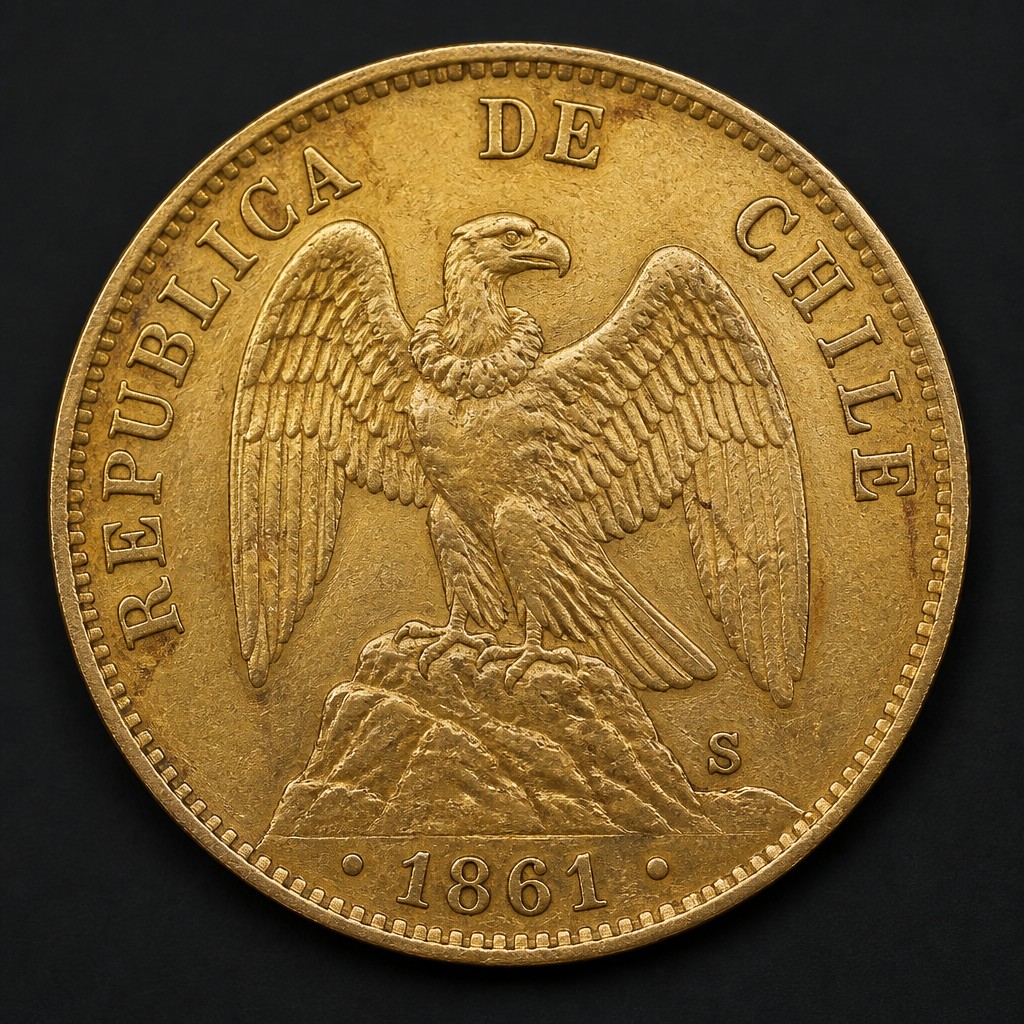
Chile Peso (Condor)
1851–1873 (gold condor series); modern base-metal peso 1990s–present
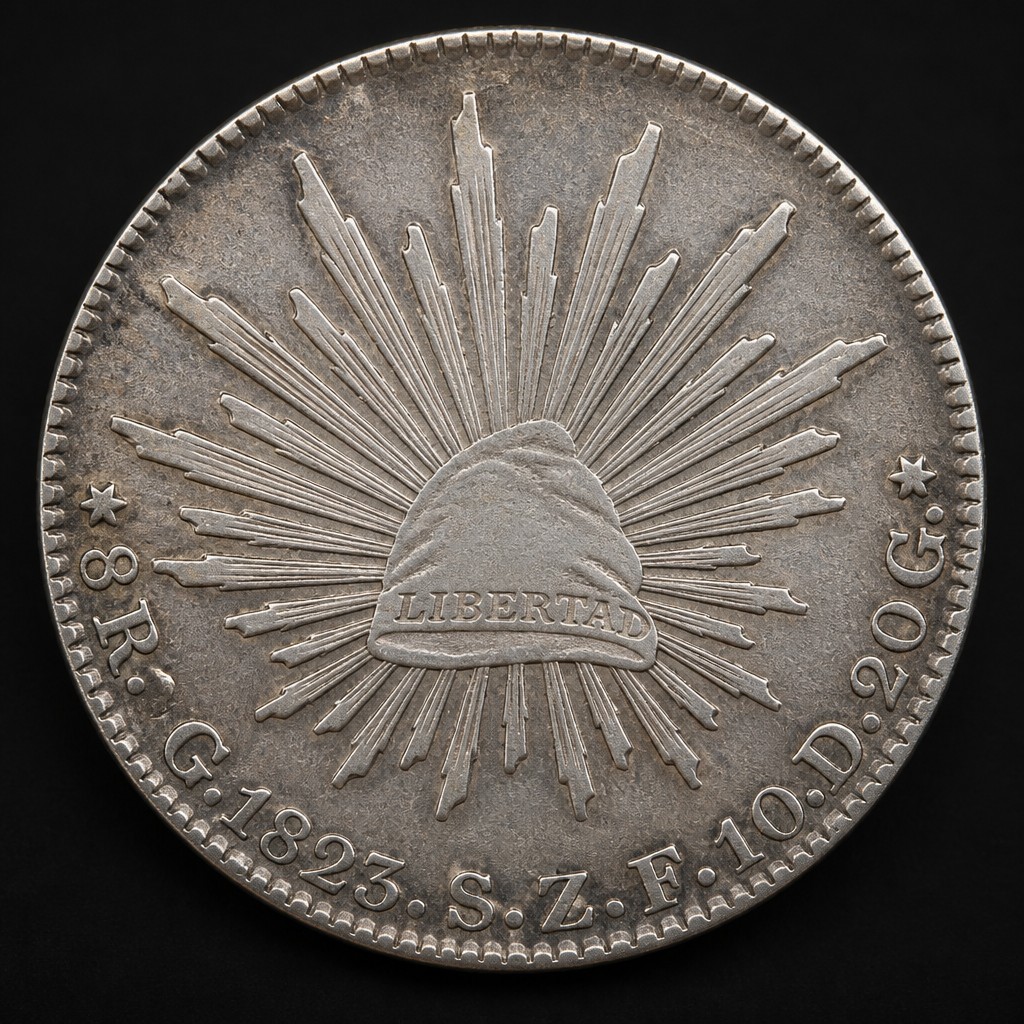
Mexican 8 Reales Cap and Rays
1823-1897
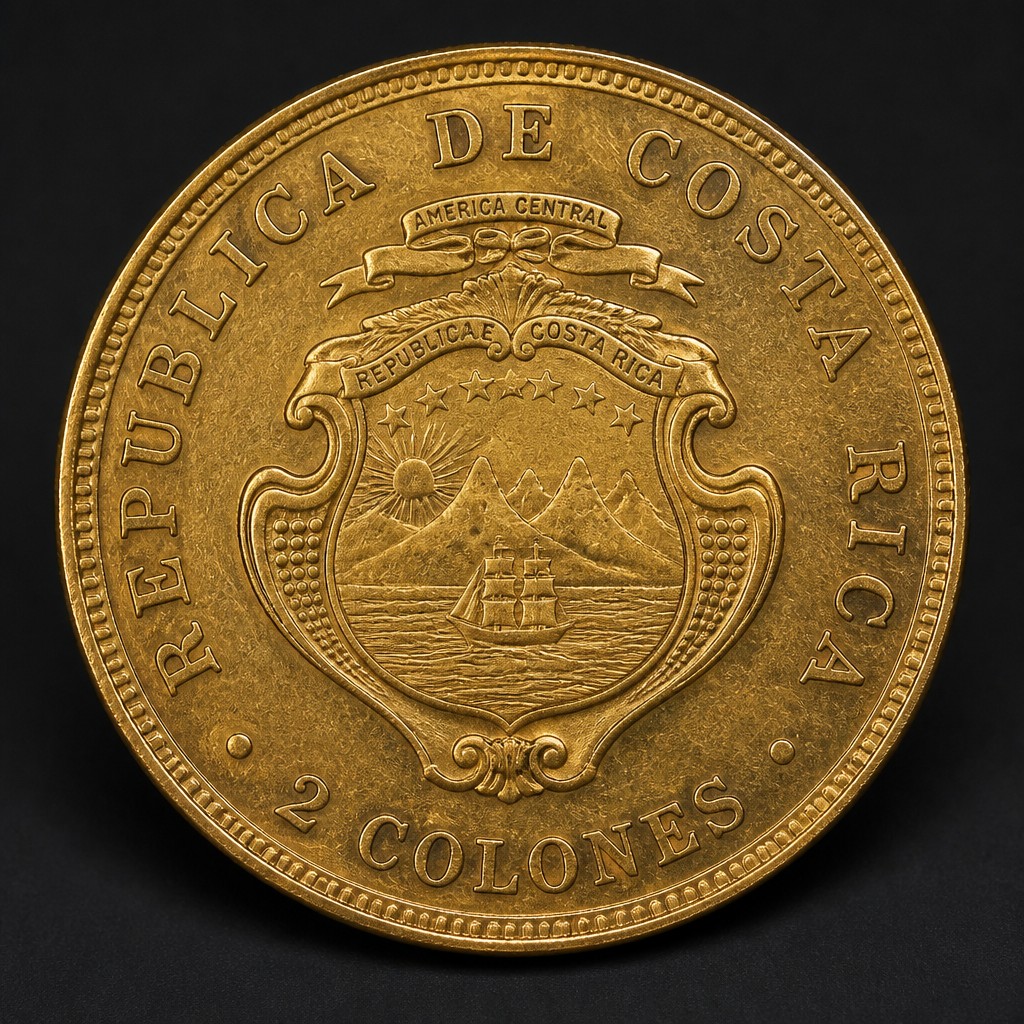
Costa Rica 2 Colones Gold
Late 1890s–early 1900s
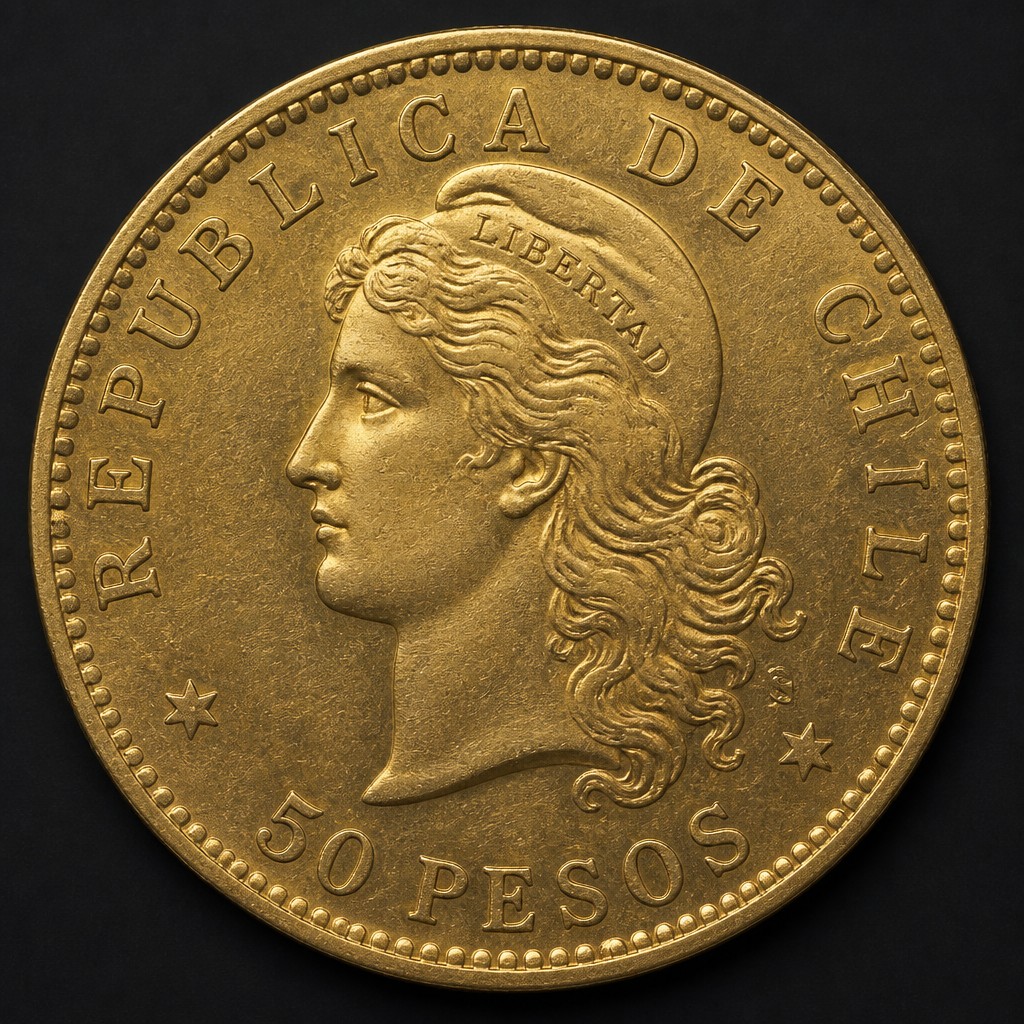
Chilean 50 Pesos Gold
1926–1980 (with interruptions)
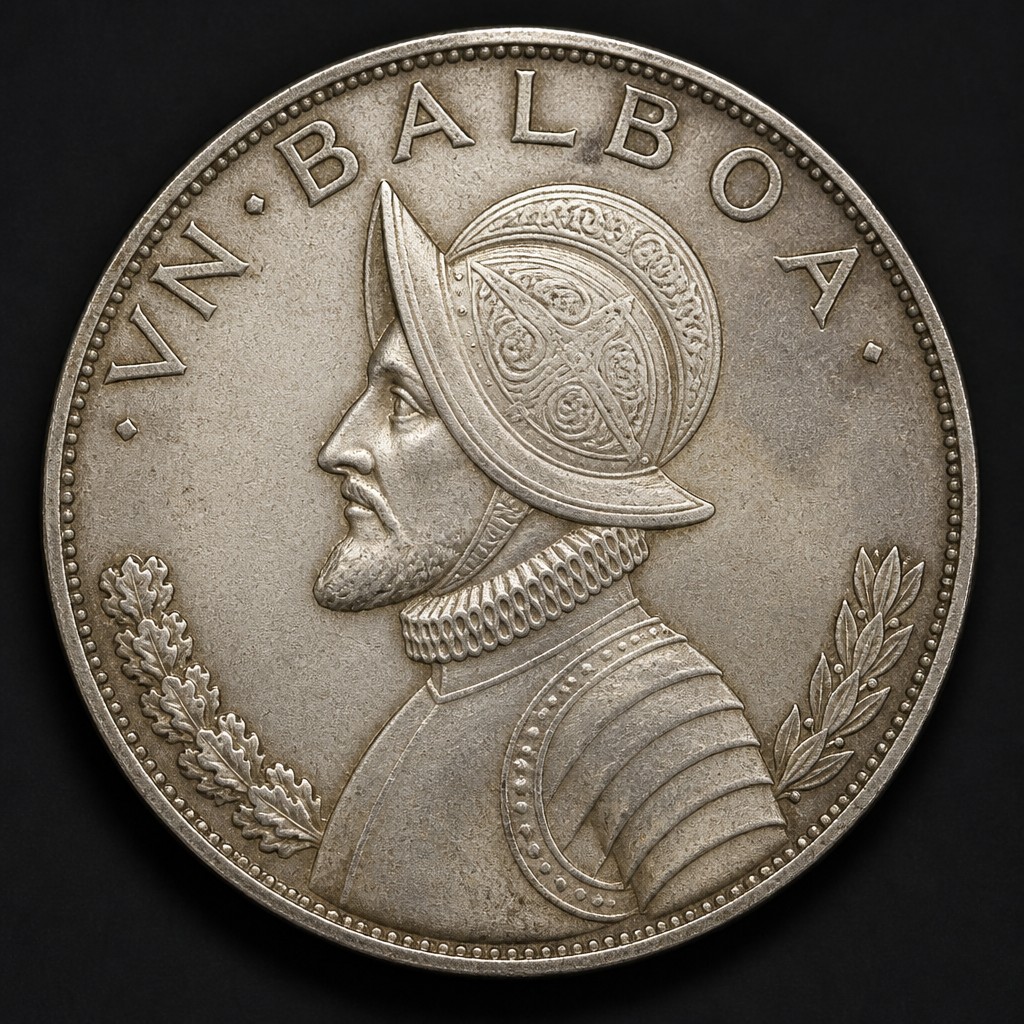
Panama Balboa Silver
1904, 1931, 1934, 1947, 1953, 1966 (various dates)
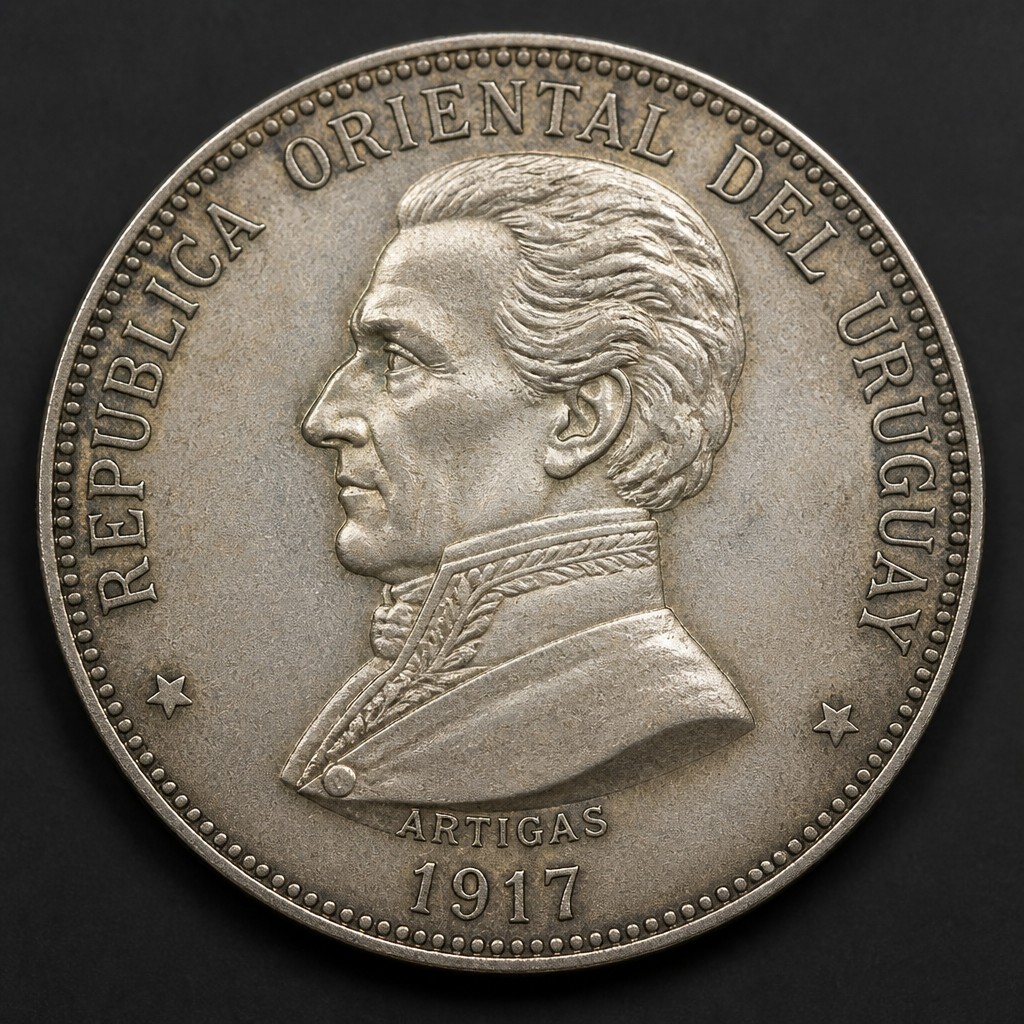
Uruguay Peso Silver 'Artigas'
1917–1920 (with related commemorative issues in later decades)
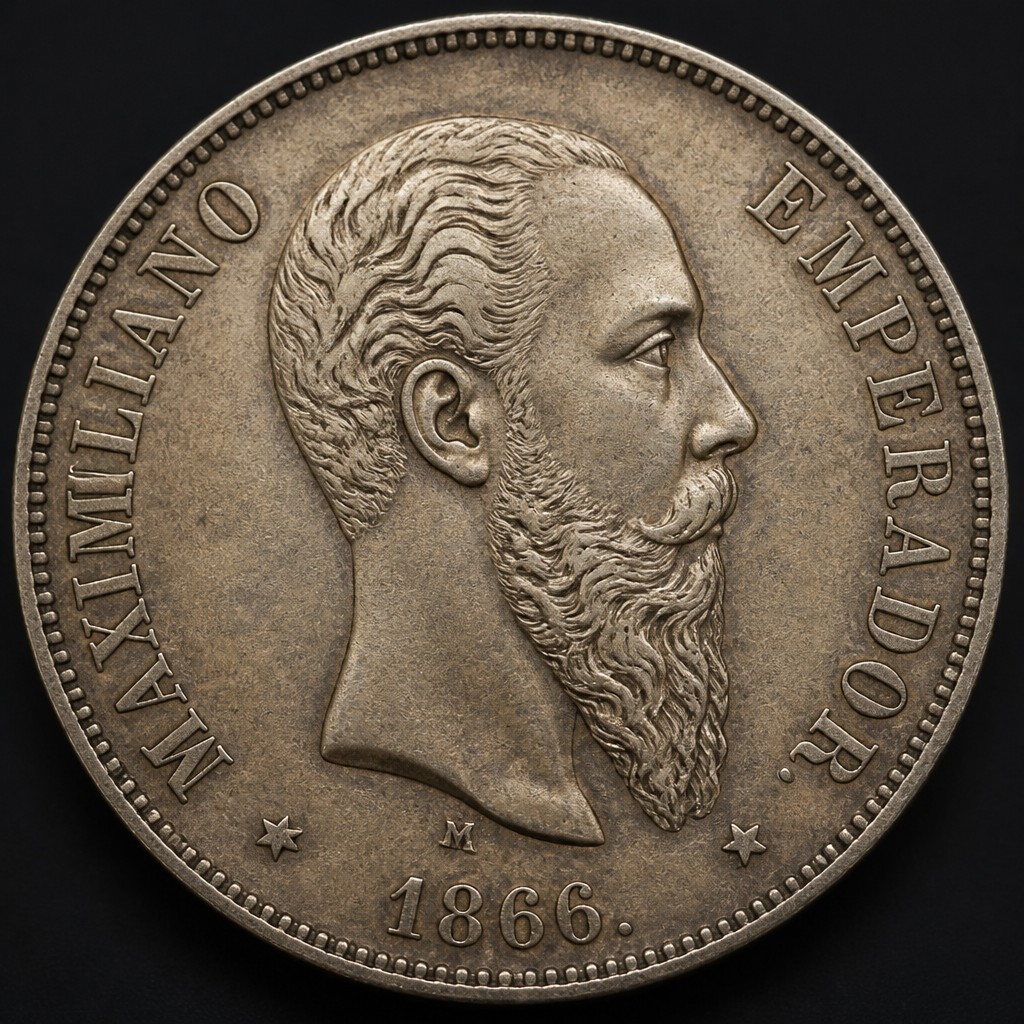
Mexican Emperor Maximilian Peso
1866–1867
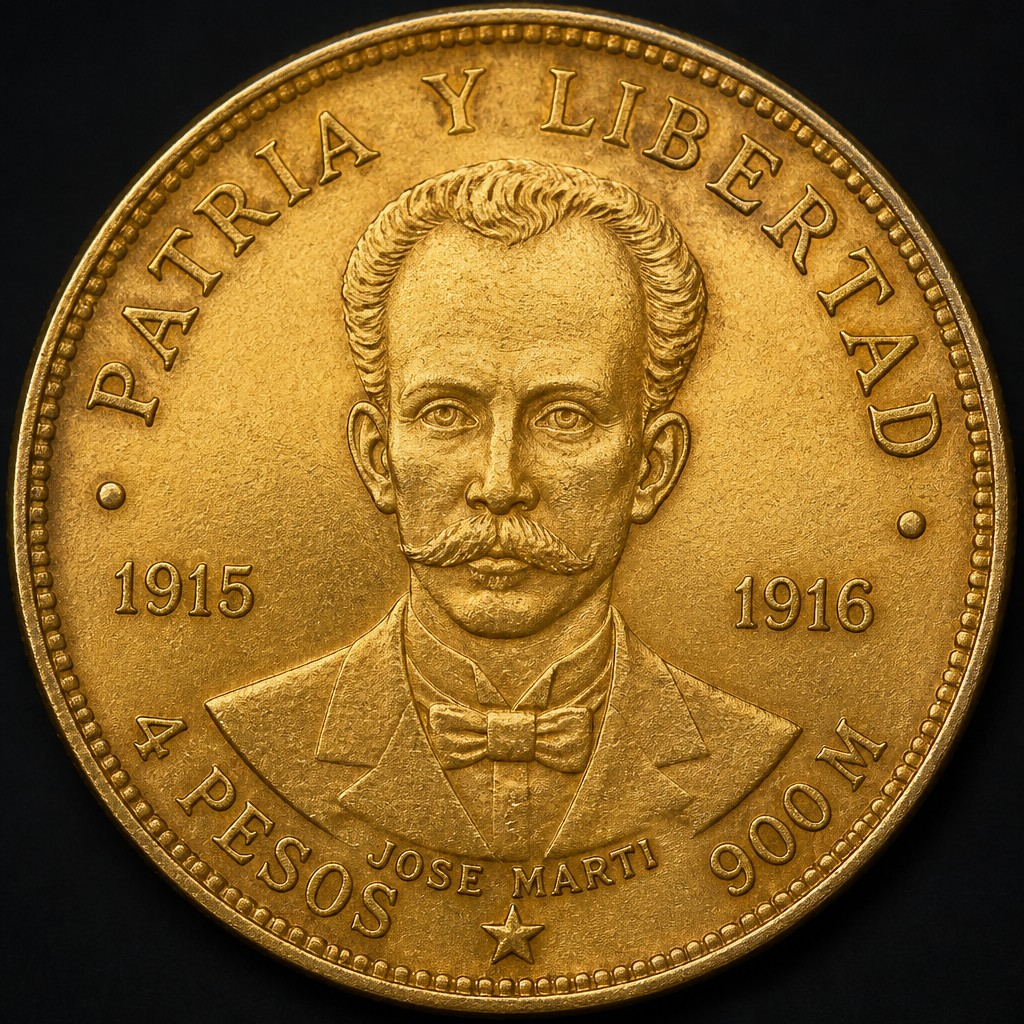
Cuba 4 Pesos Gold Jose Marti
1915–1916
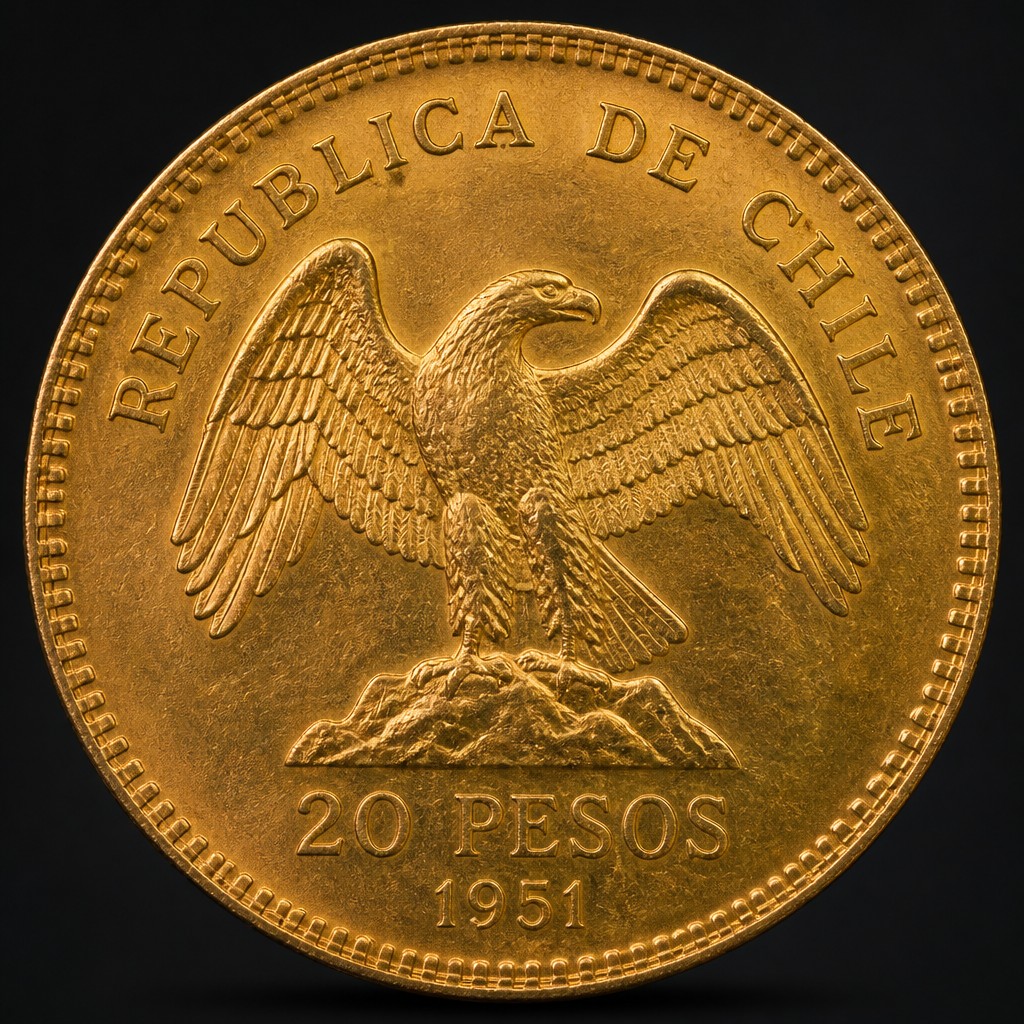
Chilean 20 Pesos Gold
19th century issues and 1926–1980 condor series
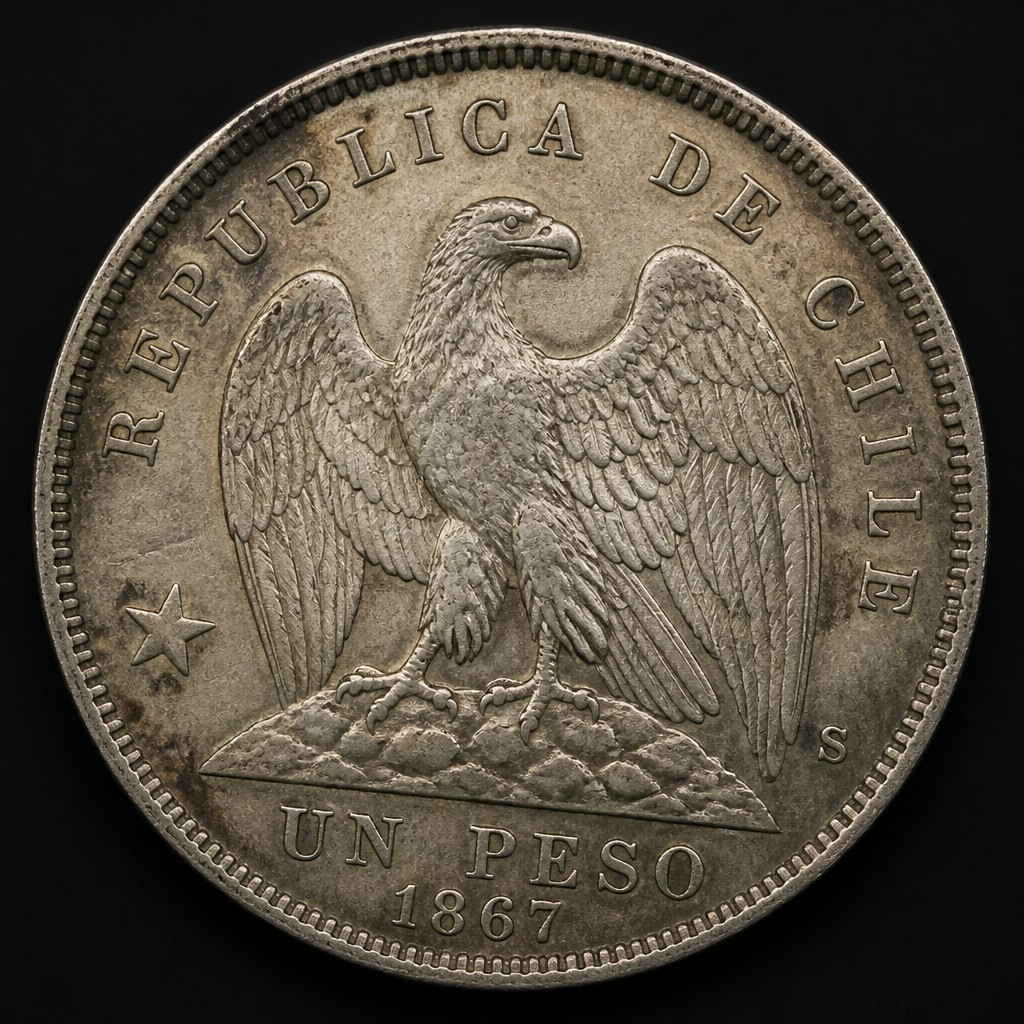
Chilean Peso Silver 'Condor'
1867–early 20th century