
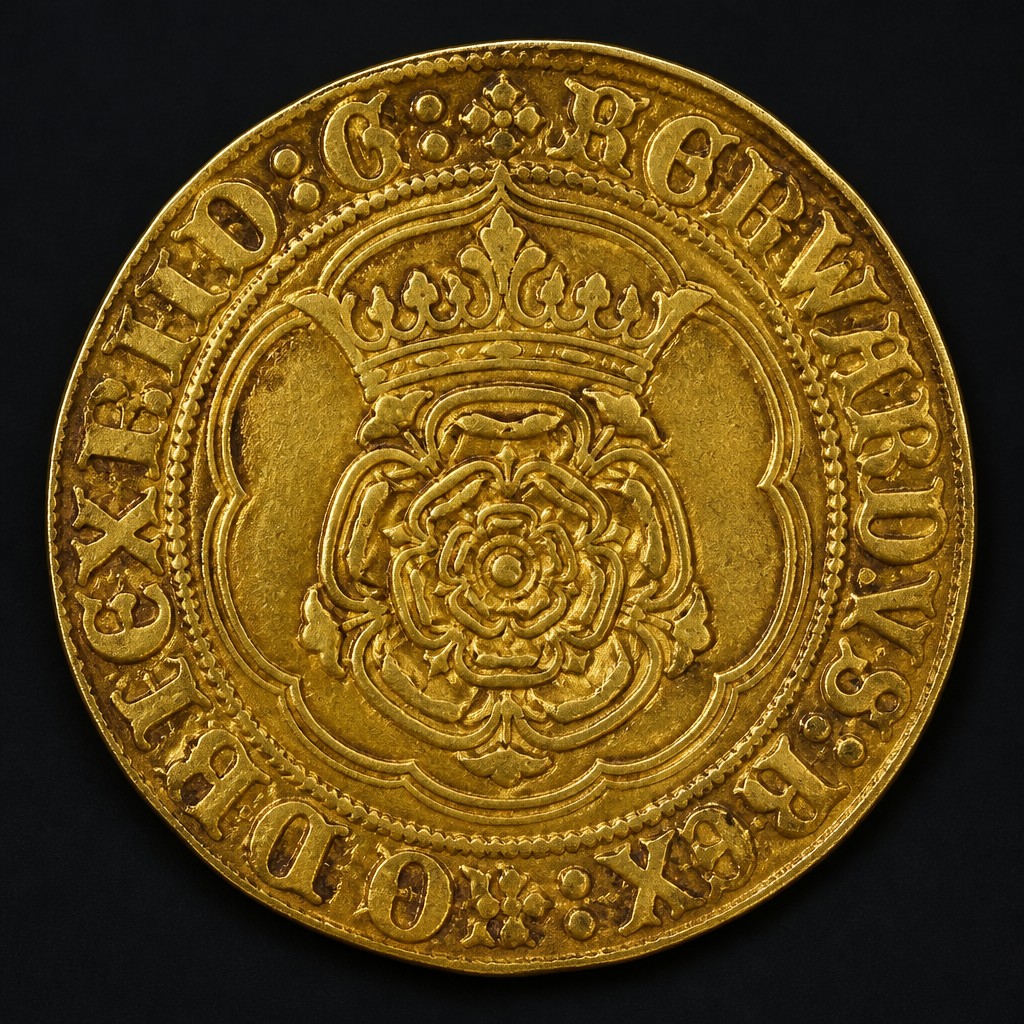
Rose Noble (Ryal)
A large English gold coin first struck under Edward IV in 1465, showing the king standing in a ship, and later revived in the Tudor era as a heavier, higher-value gold piece.
- Country
- England
- Denomination
- Ten Shillings (later revalued)
- Metal
- Gold (fine gold, near 23-carat)
Got a coin like this?
Identify any coin from a photo, free.
Overview
The Rose Noble, also called the Ryal, was introduced in 1465 during Edward IV's currency reform as an enhanced, heavier successor to the earlier gold noble, valued at a higher rate to reflect the rising price of gold. Its striking ship-and-king design continues a visual theme from 14th-century English gold coinage, giving it enduring appeal among collectors of medieval and early Tudor gold.
The coin was revived in modified form under Mary I and Elizabeth I as part of later gold reforms, so 'Ryal' or 'Rose Ryal' can refer to coins spanning roughly a full century of English monetary history, all sharing the ship motif with a rose worked into the design.
History & Background
Edward IV's 1465 recoinage raised the value of English gold coins to keep pace with bullion prices, and the Rose Noble emerged as the flagship gold denomination of that reform, distinguished from the earlier noble by a rose placed on the side of the ship depicted on the obverse. It circulated during a turbulent period of English history marked by the Wars of the Roses.
The design and concept were revived under the Tudors, notably during the reigns of Mary I and Elizabeth I, when new Ryals and Rose Ryals were struck as part of efforts to stabilize and enhance the gold coinage. Because of this long and interrupted history, surviving examples vary in fineness, weight, and exact design details depending on the issuing reign.
How to Identify
The obverse depicts the king standing within a large ship, holding a sword and shield, with a rose emblazoned on the ship's hull, a design descended from the earlier gold noble. The reverse typically bears a sun with rays and a rose at the center, surrounded by a floriate cross and Latin legend invoking royal titles and religious devotion.
The coin is notably large and heavy for a gold piece of its era, reflecting its high face value, and the specific legends, mint marks, and minor design details differ between the Edward IV originals and the later Tudor revivals. Collectors distinguish issues primarily by the ruler's name in the legend and by subtle stylistic differences in the ship and rose devices.
Value & Collectibility
Rose Nobles and Ryals are rare, historically important gold coins, and genuine examples in any condition command strong prices due to their age, gold content, and historical significance. Well-preserved, sharply struck pieces with clear devices are especially prized.
Because survival rates are low and demand from both gold-coin and medieval/Tudor specialists is high, prices for authenticated examples typically start in the low thousands of dollars and can rise well into five figures for exceptional pieces, with exact values highly dependent on issuing reign, condition, and pedigree.
Frequently asked questions
What does 'Ryal' mean in relation to the Rose Noble?
Ryal is simply an alternate historical name for the same gold coin, particularly used for later Tudor revivals of the design.
Why does the coin show a king in a ship?
The ship motif descends from the 14th-century gold noble and may allude to English naval power and control of the seas.
Was the Rose Noble struck continuously?
No, it was issued under Edward IV starting in 1465 and later revived in modified form under Mary I and Elizabeth I, rather than produced without interruption.
How can I tell an Edward IV Rose Noble from a Tudor Ryal?
The ruler's name in the legend and subtle differences in the design and fineness distinguish the different issues; expert comparison is usually needed.
Other coins you may enjoy
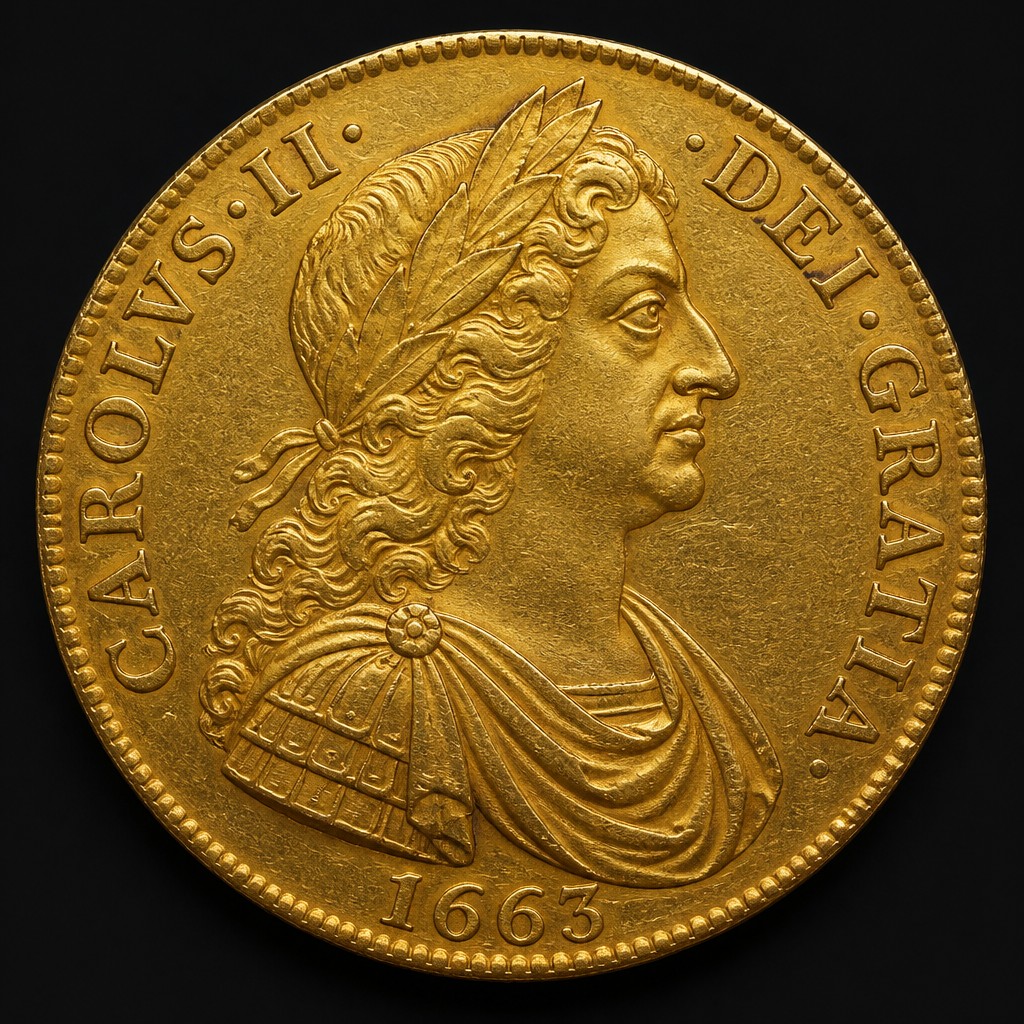
British Guinea
1663–1814
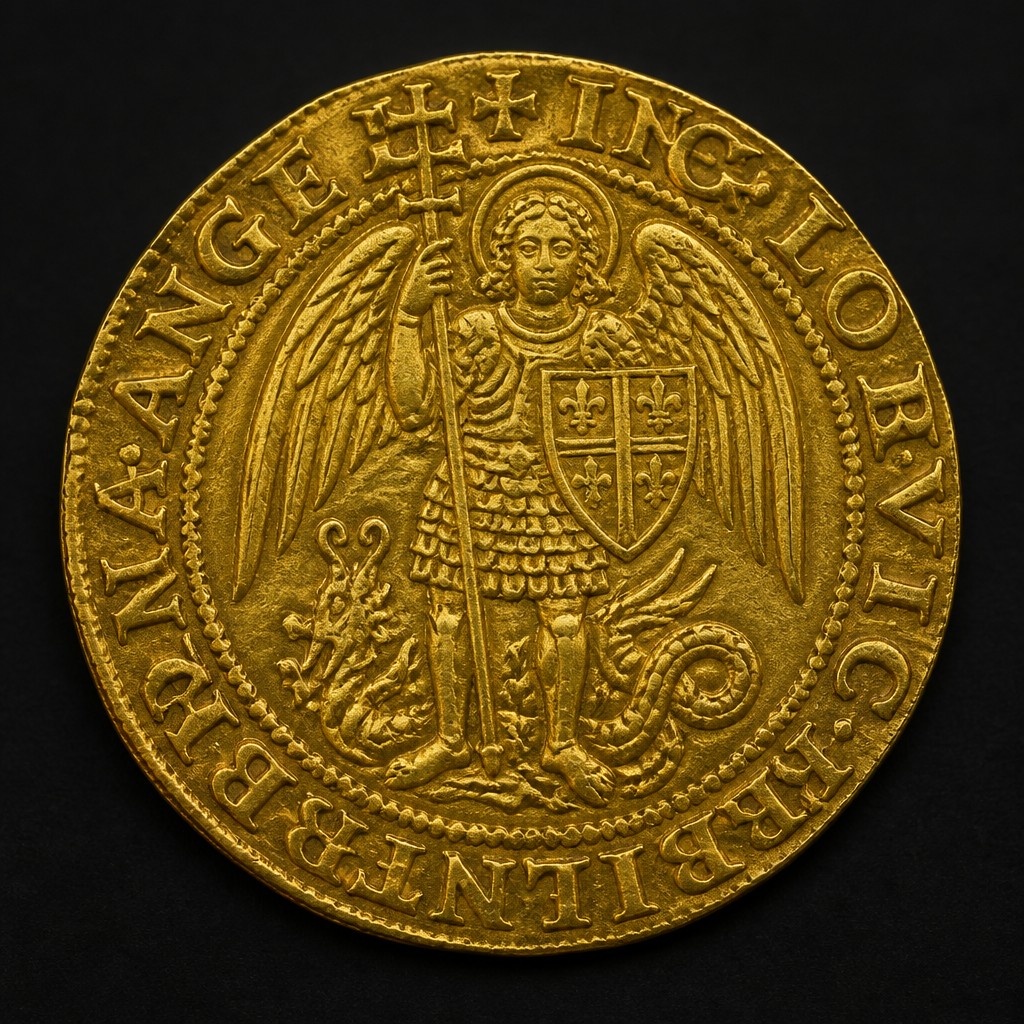
English Angel
1465–1642
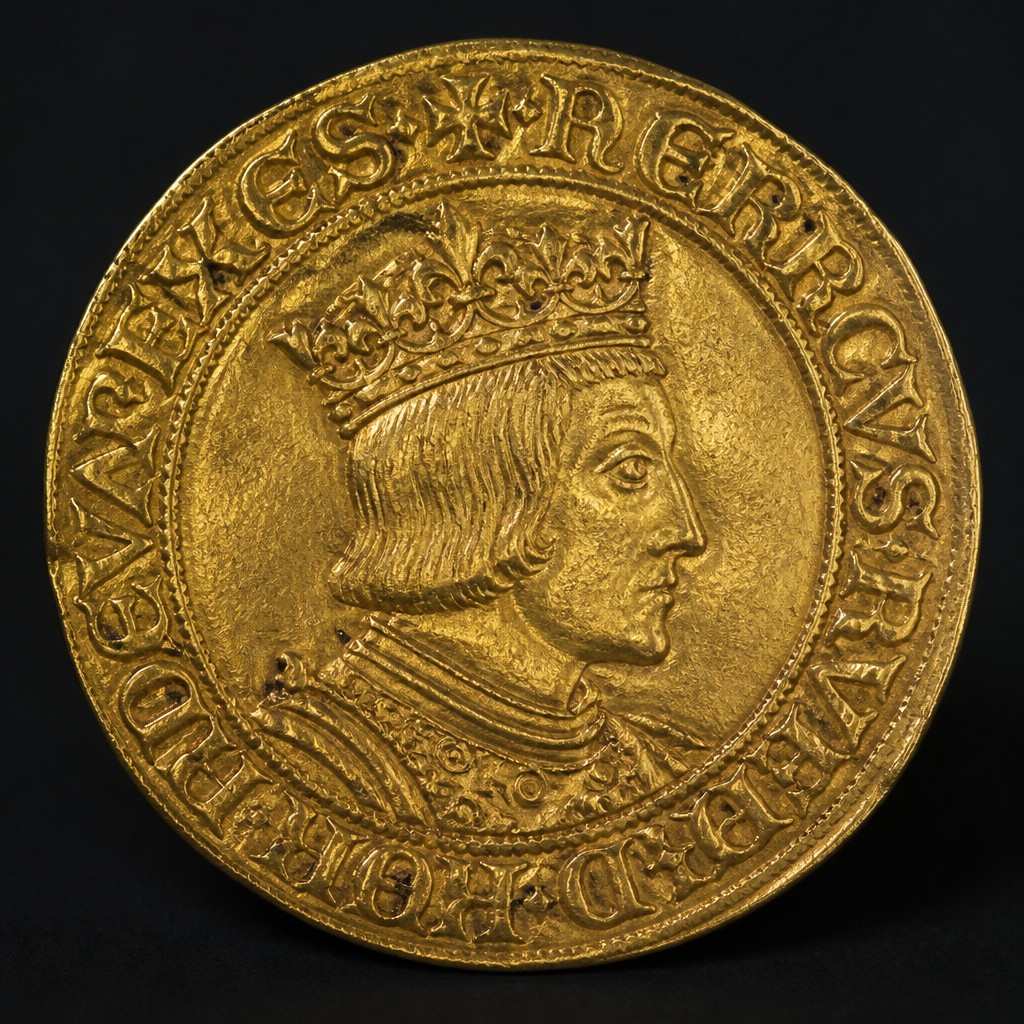
English Sovereign of Henry VII
1489–1509
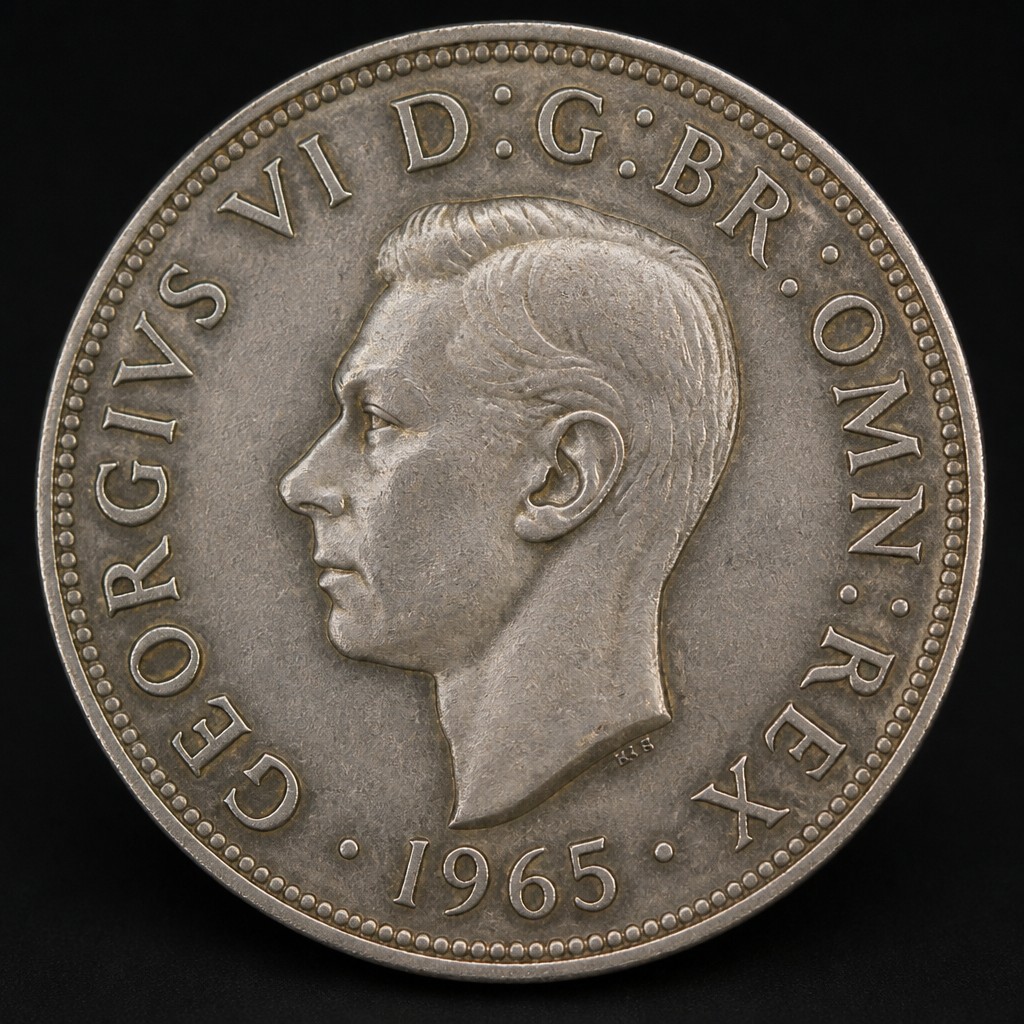
English Crown
1526–1965 (pre-decimal; commemorative crown-sized coins continue as five pound coins)
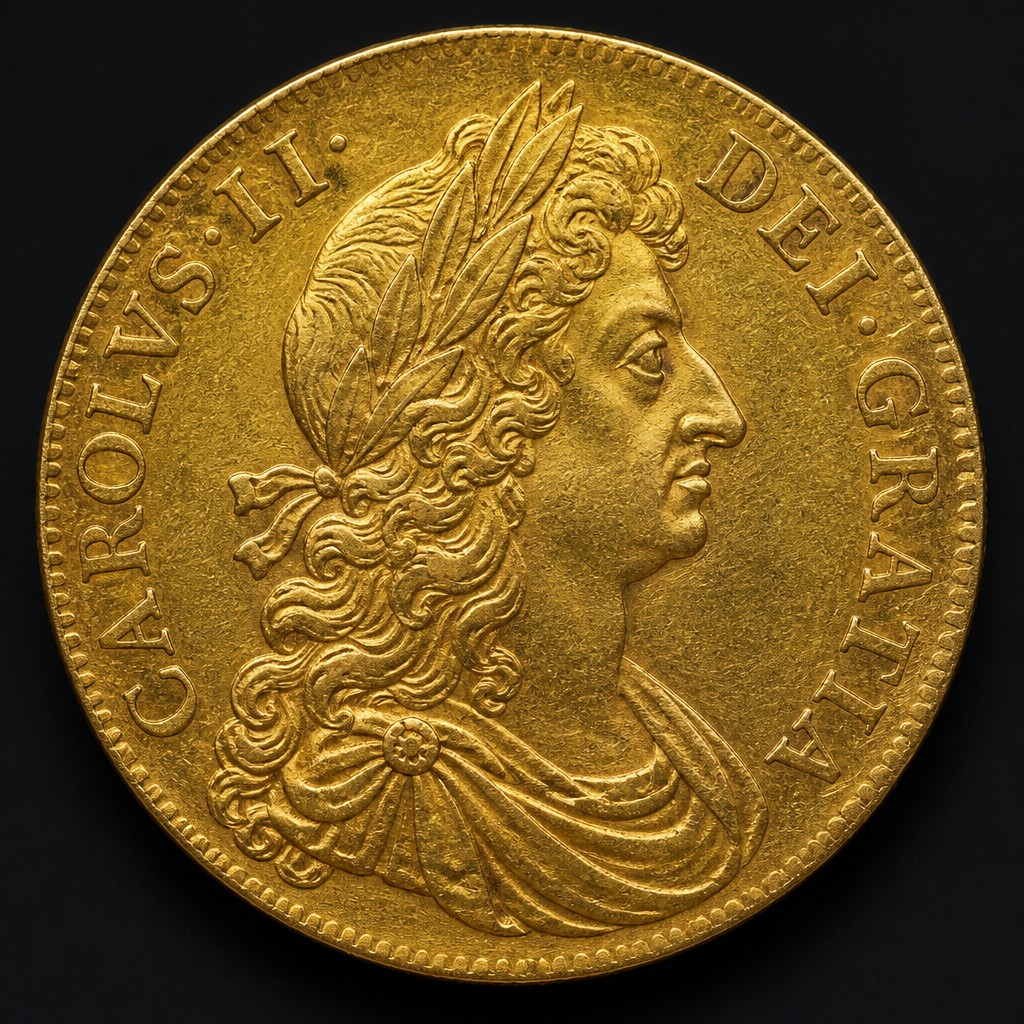
British Gold Guinea
1663–1814
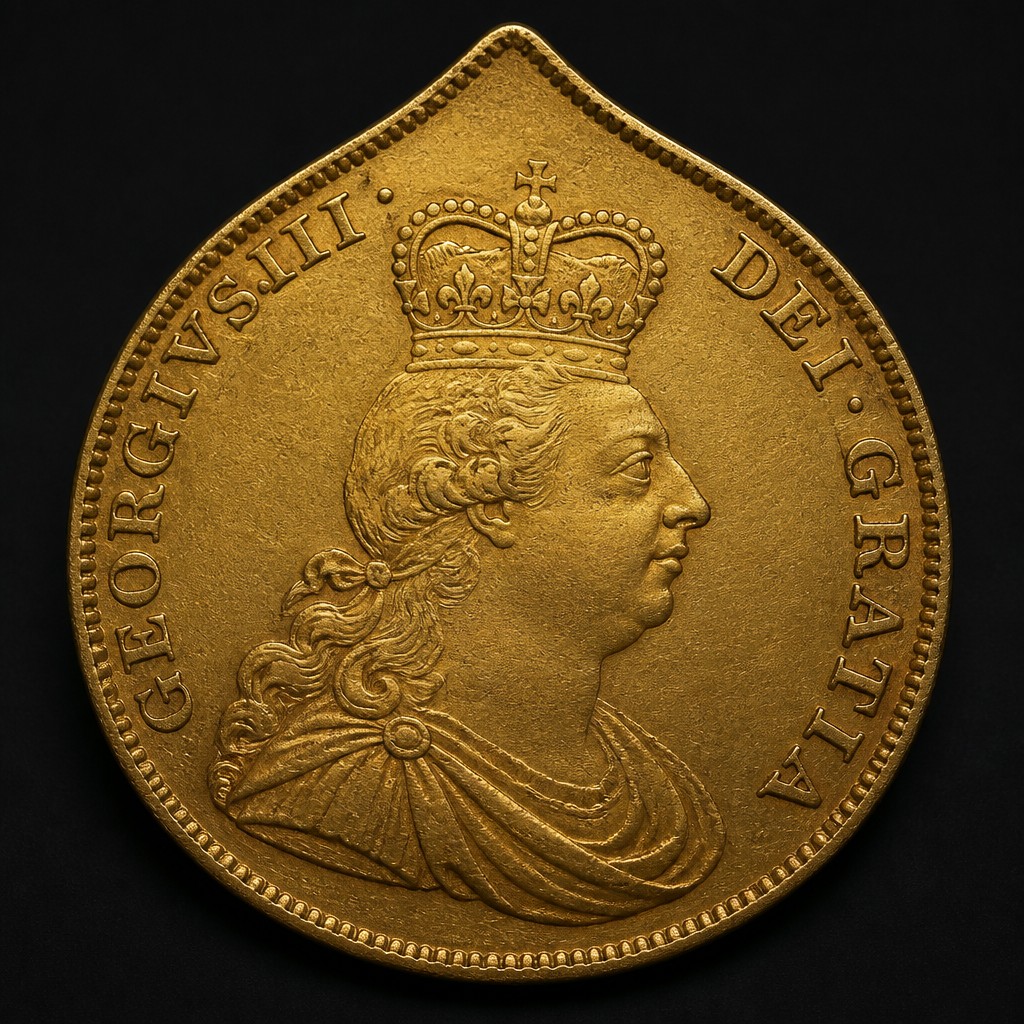
Spade Guinea
1787–1799
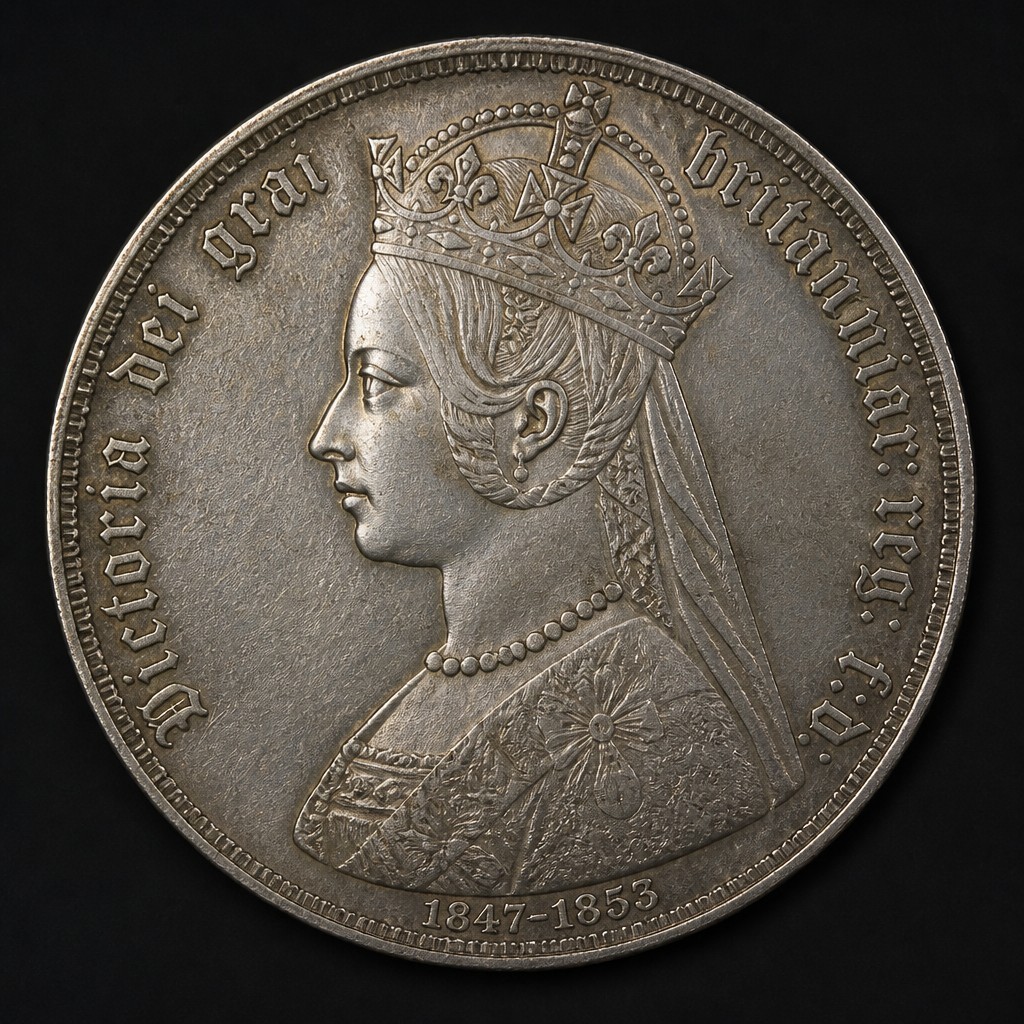
Gothic Crown
1847–1853
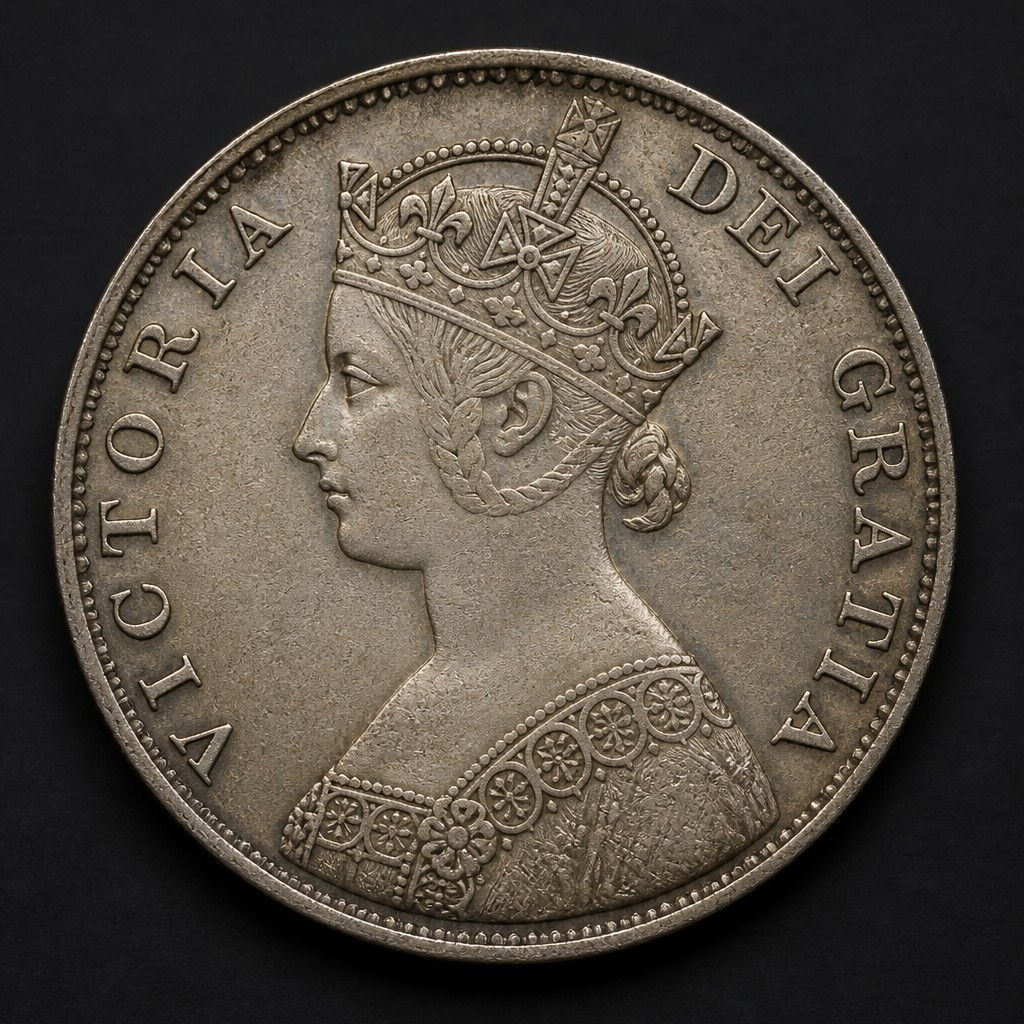
Groat (Fourpence)
1279–1888 (various revivals)
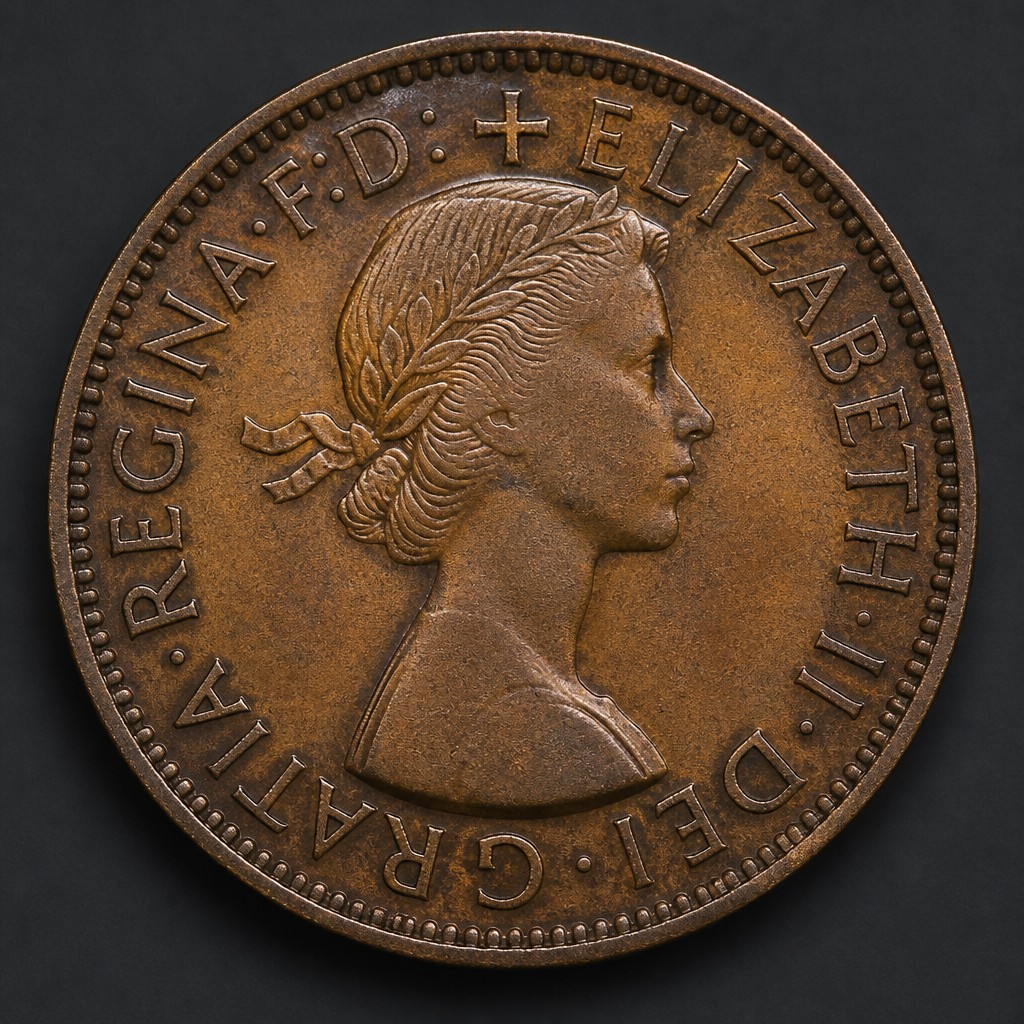
Farthing
13th century–1956
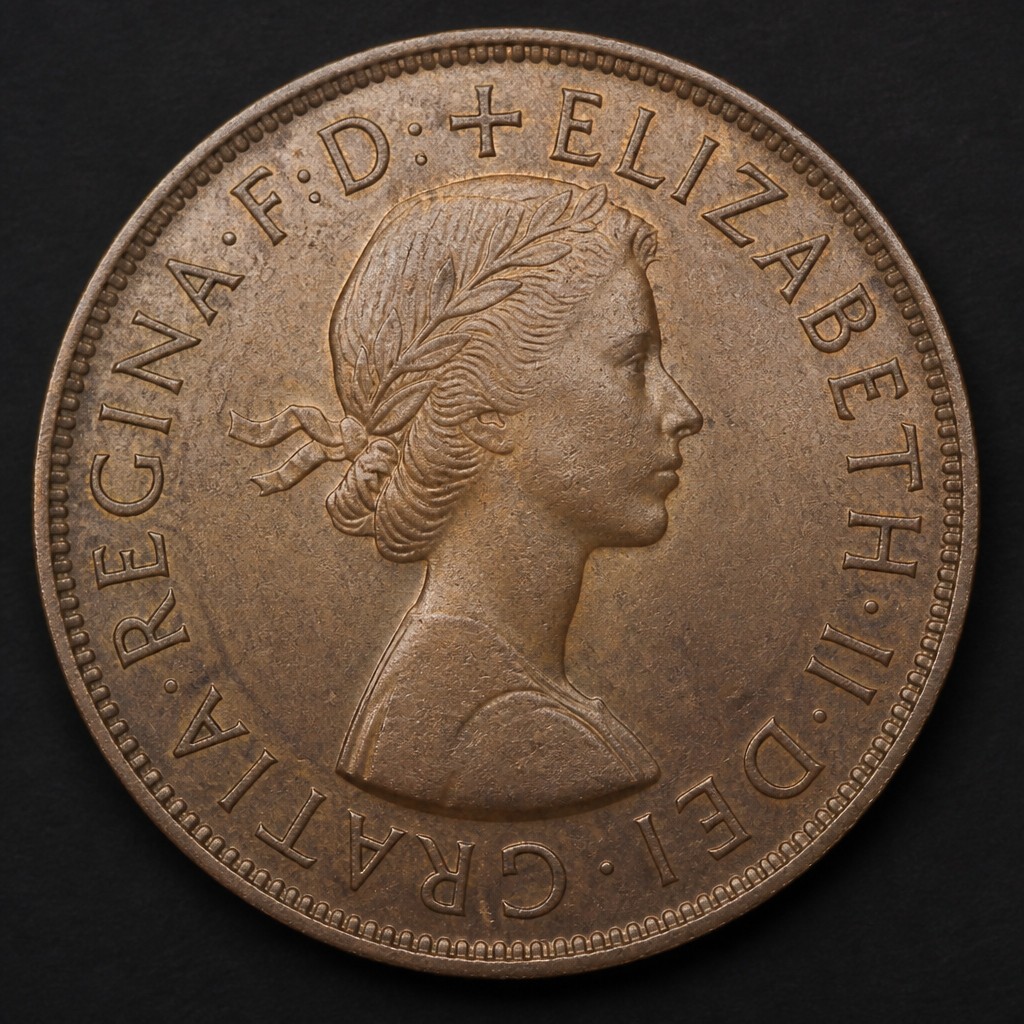
Halfpenny
c. 800s–1969
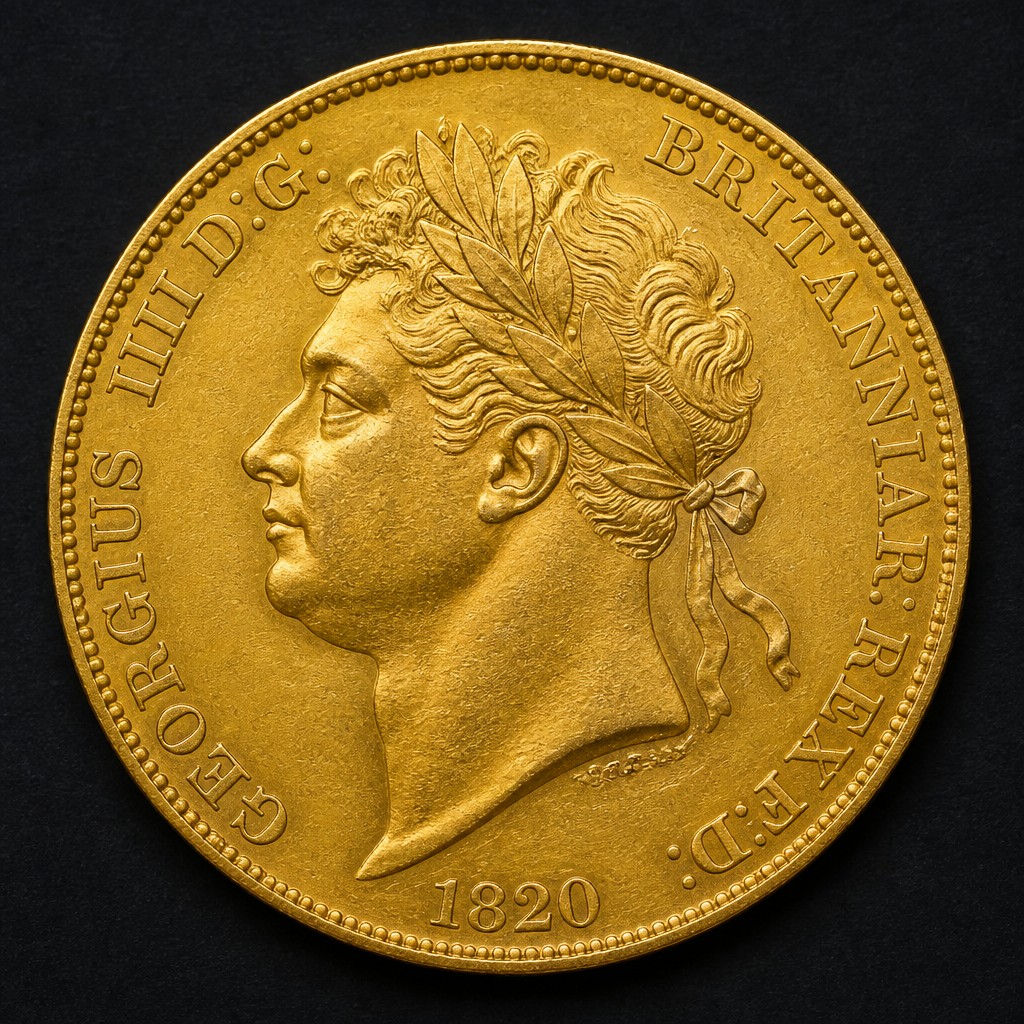
Five Pound Gold (Quintuple Sovereign)
1820–present (intermittent)
Threepence
1547–1970