
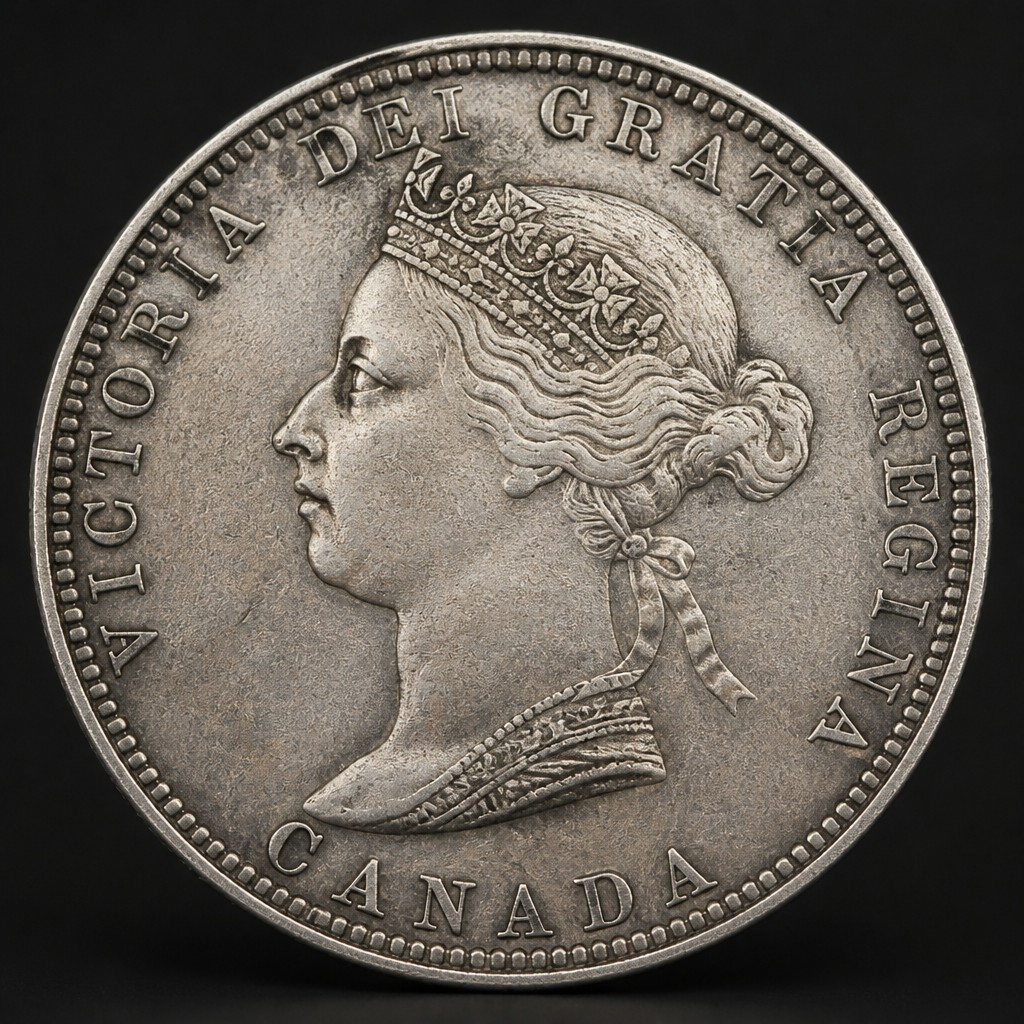
Victoria Fifty Cents (half dollar)
Canada's silver fifty-cent piece struck under Queen Victoria from 1870 to 1901, featuring her portrait and a heraldic shield-and-wreath reverse.
- Country
- Canada
- Denomination
- Fifty Cents
- Metal
- 92.5% Silver (Sterling)
Got a coin like this?
Identify any coin from a photo, free.
Overview
The Victoria fifty-cent piece was the largest widely circulating silver denomination of the young Dominion of Canada in the late nineteenth century, issued from shortly after Confederation through the final years of Queen Victoria's long reign. It carries a dignified young or veiled portrait of the Queen and a Canadian shield reverse typical of the era's colonial coinage.
Low mintages in several years, combined with heavy circulation wear on surviving pieces, make higher-grade Victoria half dollars genuinely scarce and desirable to collectors of nineteenth-century Canadian type coins.
History & Background
Canada's first decimal coinage system was established in the 1850s–1860s as individual provinces adopted dollars and cents; after Confederation in 1867 the new Dominion government began issuing a unified national coinage struck at the Royal Mint in London (Canada would not have its own mint branch until 1908). The fifty-cent piece was introduced into this new national series in 1870.
Throughout Victoria's reign, mintages of the half dollar were often quite small compared to lower denominations, since fifty-cent pieces saw less everyday use and were often set aside by banks or exported, contributing to today's relative scarcity of certain dates.
How to Identify
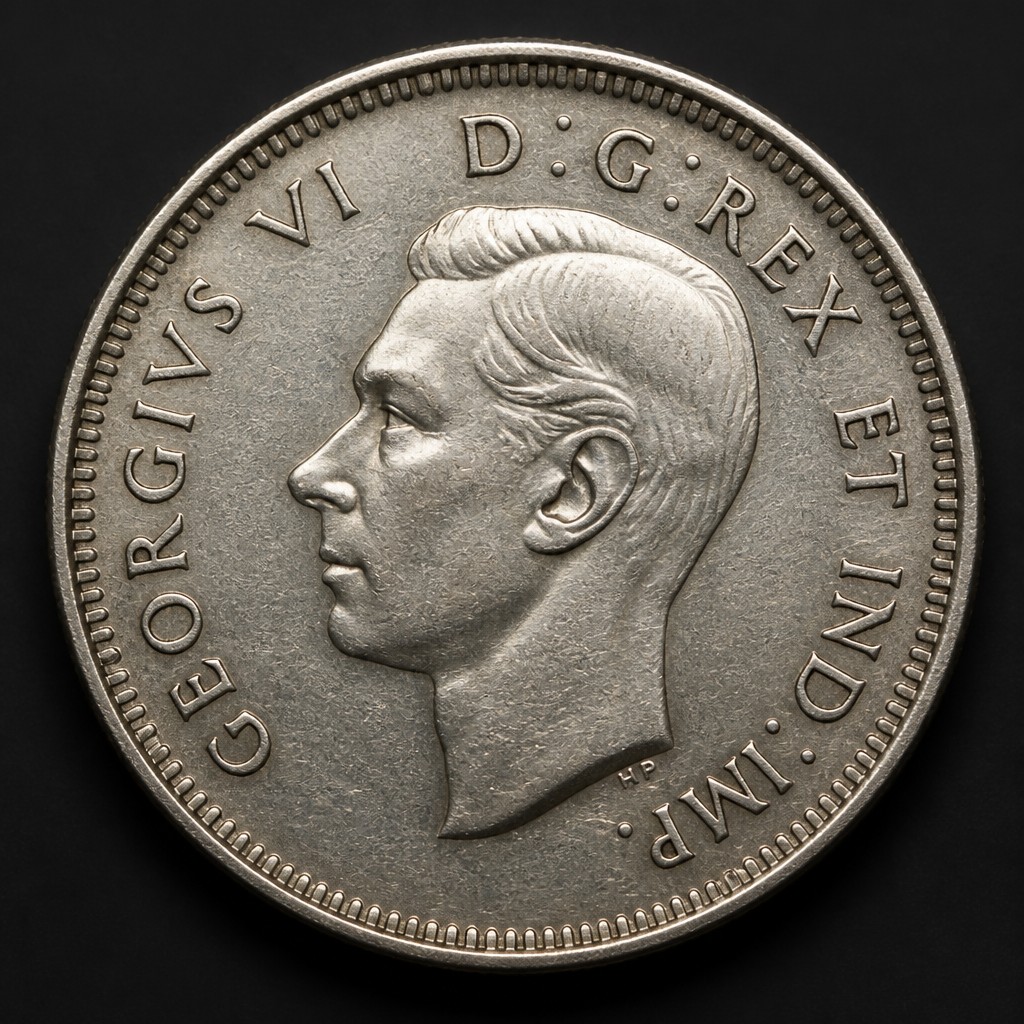
The obverse shows Queen Victoria's portrait (in the youthful style used across her Canadian coinage) with the legend "VICTORIA DEI GRATIA REGINA" and the date below. The reverse displays a shield bearing the arms of the Canadian provinces encircled by a wreath of maple leaves, with "50 CENTS" and "CANADA" around the border.
The coin is struck in sterling (.925 fine) silver, larger and heavier than the twenty-five cent piece of the same era, with a reeded edge typical of silver coinage of the period.
Collectors distinguish Victoria half dollars from the later George V and Edward VII issues primarily by the obverse portrait and by subtle reverse die variations across different years, some of which are recognized as significant varieties commanding premiums.
Value & Collectibility
Because mintages were low in several years and survival in high grade is limited, Victoria fifty-cent pieces are generally considered key coins of nineteenth-century Canadian numismatics. Even well-worn, low-grade examples of scarcer dates can carry meaningful premiums over silver melt value.
Certain dates are recognized as particularly rare and valuable in any grade, with well-preserved examples of the scarcest years reaching prices well into the thousands of dollars, while more common dates in worn condition remain accessible to collectors on modest budgets.
Frequently asked questions
What metal is the Victoria fifty-cent coin made of?
It is struck in sterling silver, .925 fine, the standard for Canadian silver coinage of that era.
Where were Victoria-era Canadian coins made?
They were struck at the Royal Mint in London, since Canada did not yet have its own mint.
Are all dates of the Victoria half dollar rare?
No, some dates had larger mintages and are relatively common; a handful of specific years are much scarcer and more valuable.
How do I tell a Victoria half dollar from a later George V one?
The obverse portrait differs; Victoria's coins show her image, while George V coins show his portrait and later reduced silver fineness.
Other coins you may enjoy
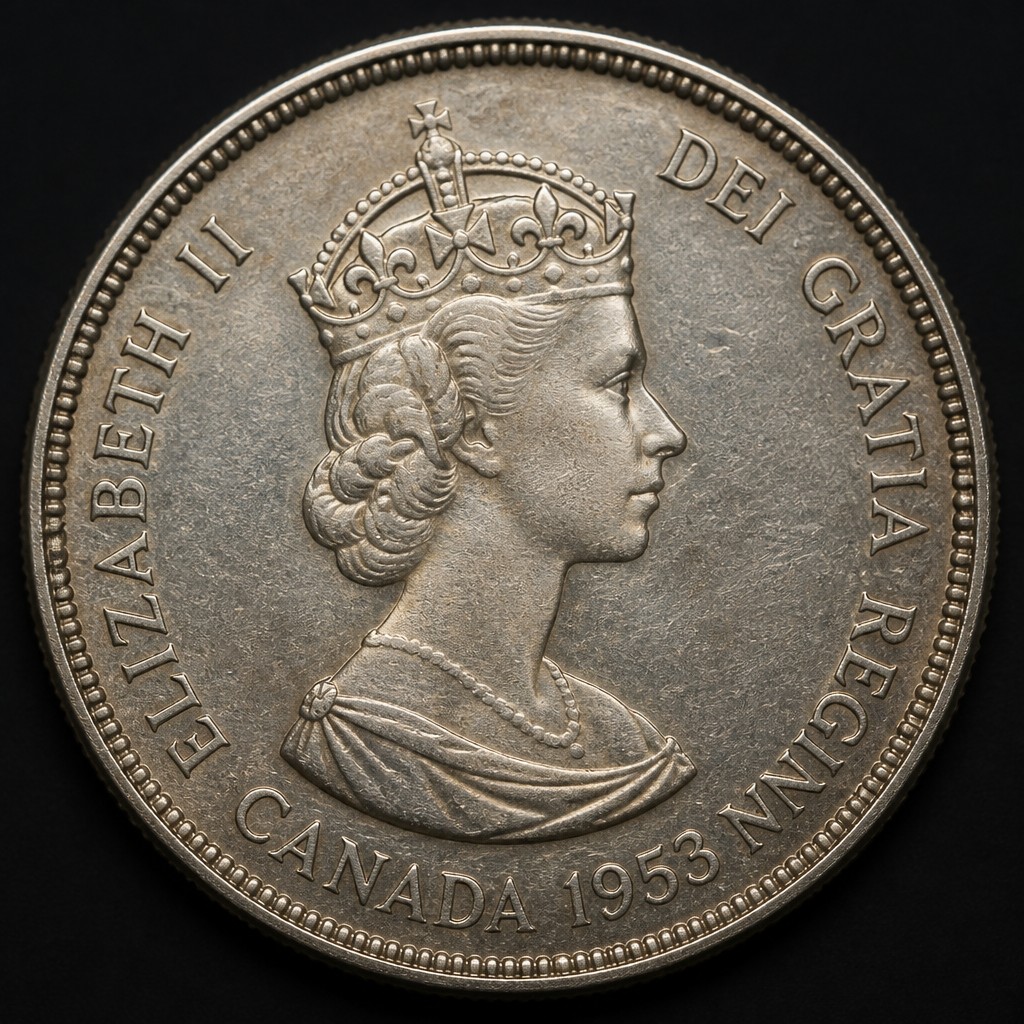
1953 Coronation Voyageur Dollar
1953
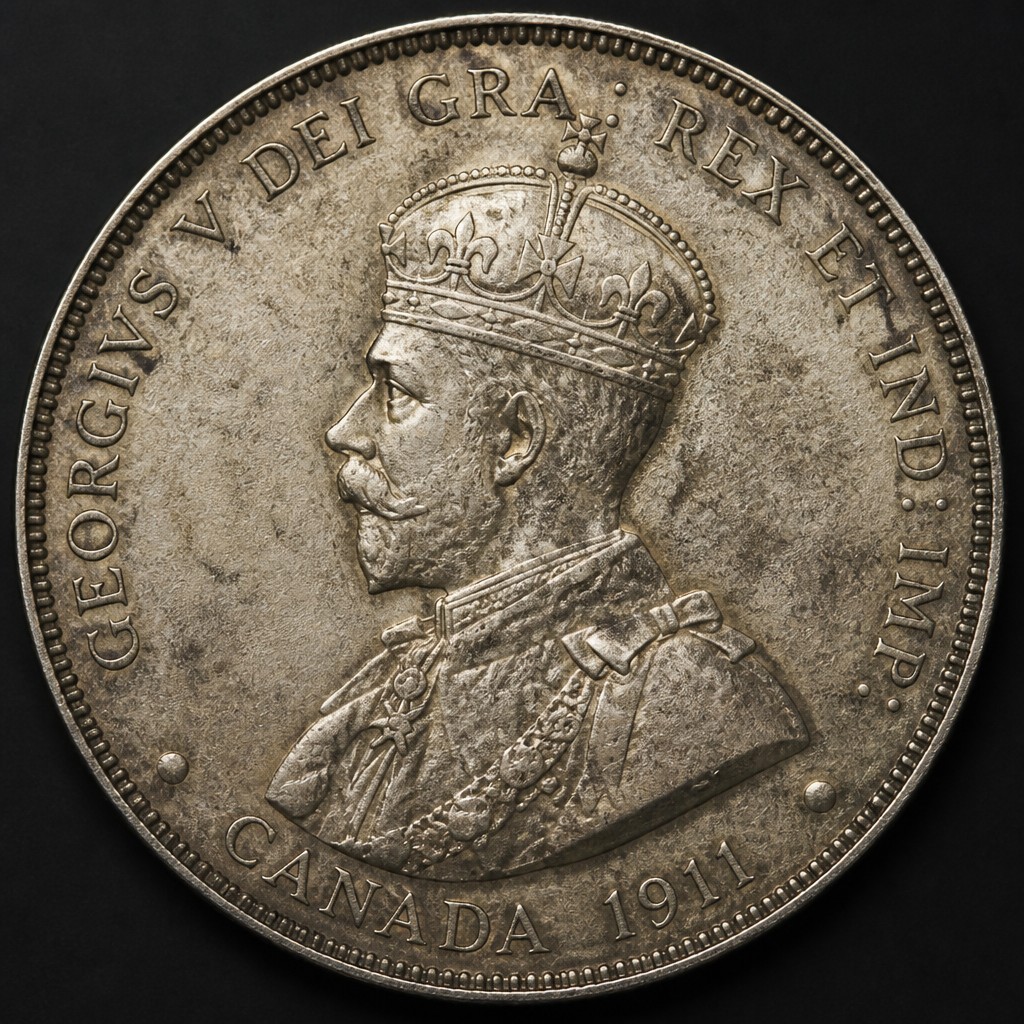
1911 Canadian Silver Dollar (Pattern)
1911
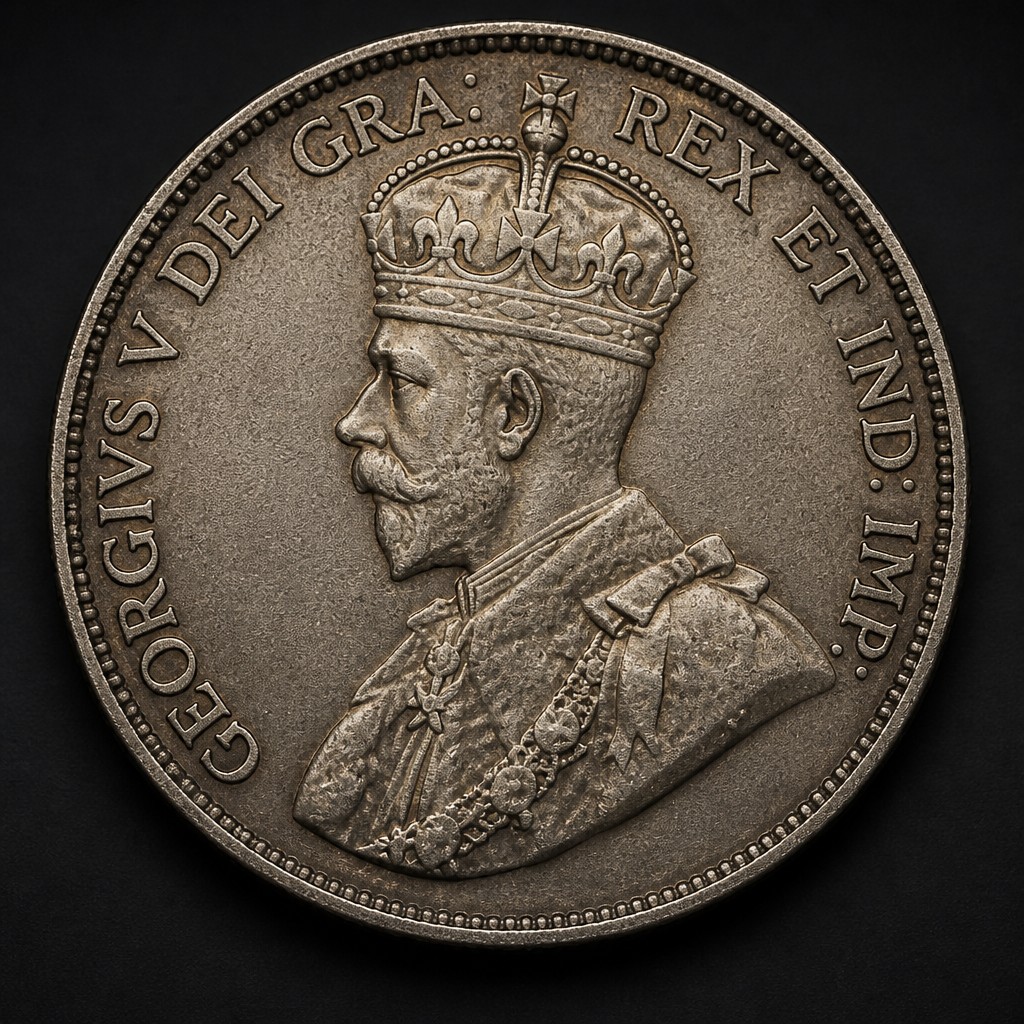
George V Twenty-Five Cents (silver)
1911–1936
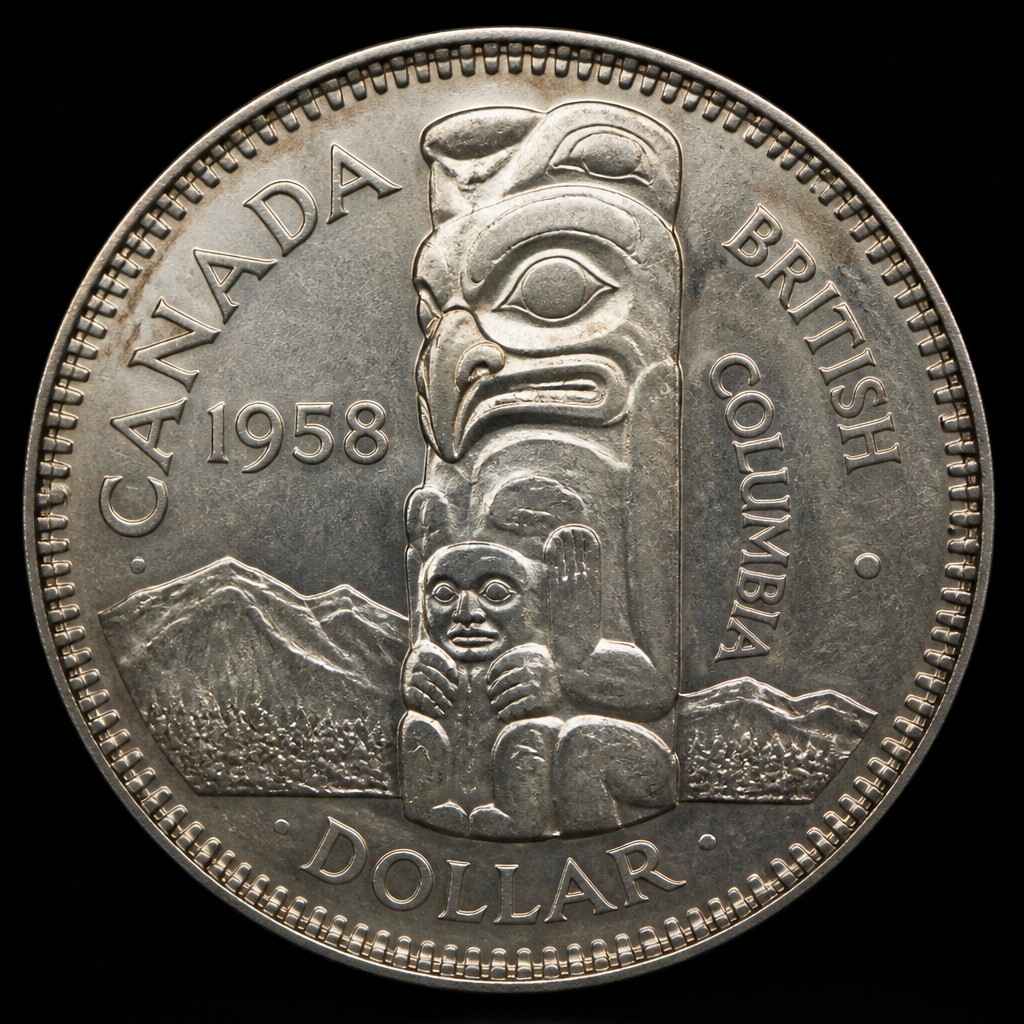
1958 British Columbia Totem Pole Dollar
1958
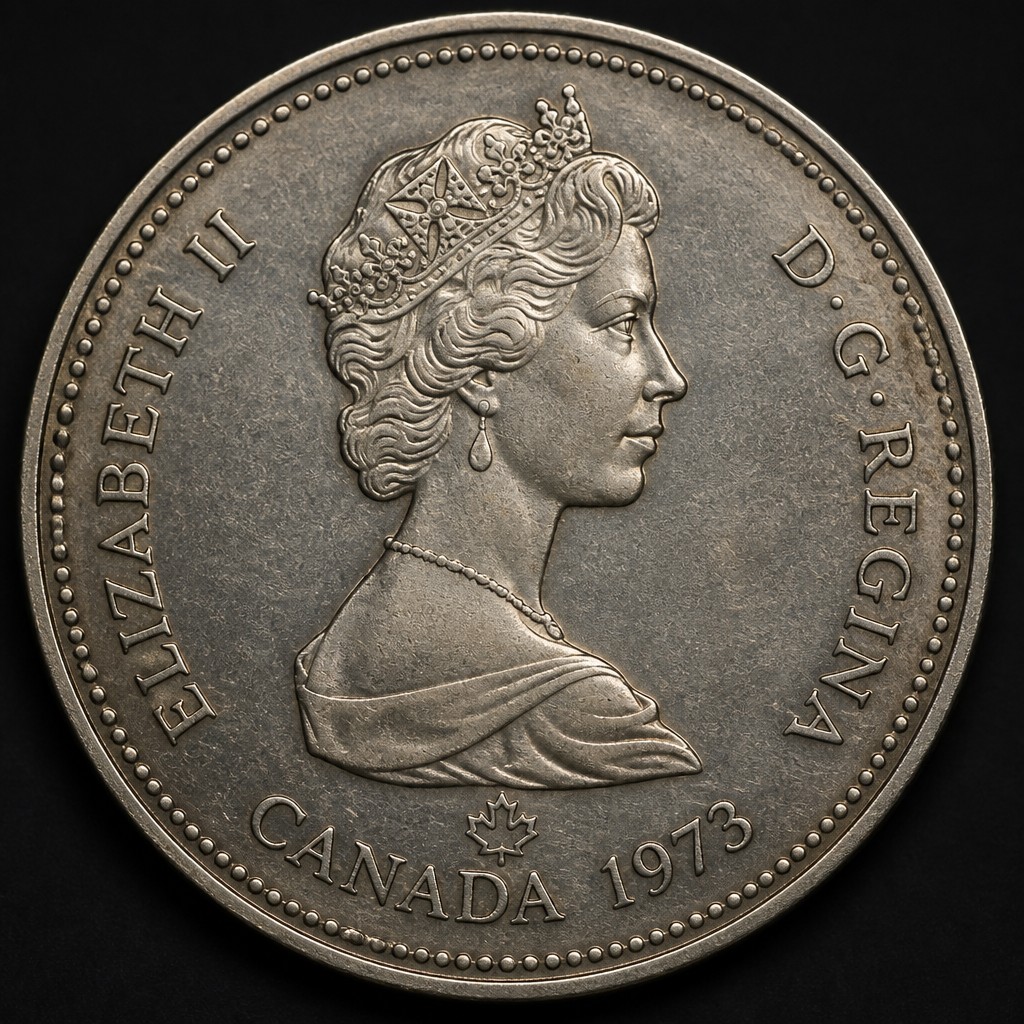
1973 RCMP Centennial Dollar
1973
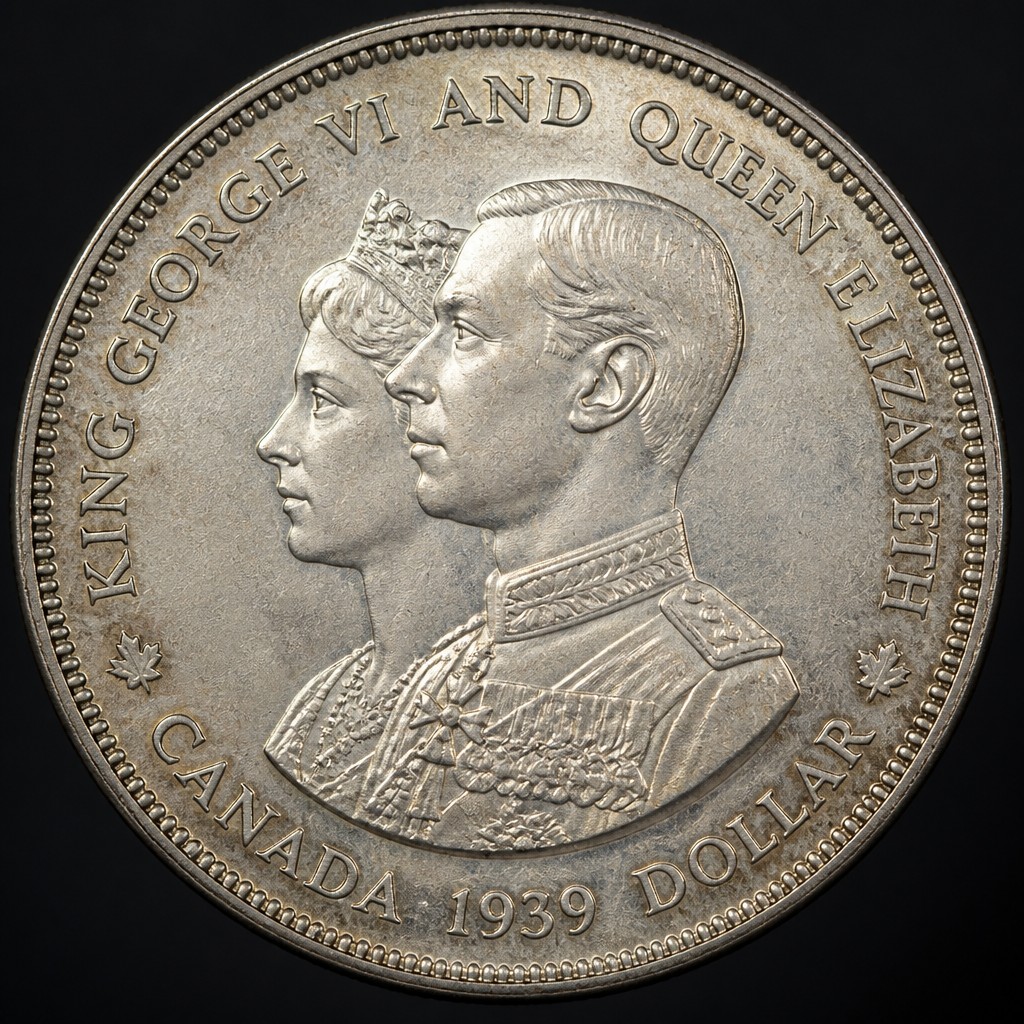
1939 Royal Visit Silver Dollar (Parliament)
1939
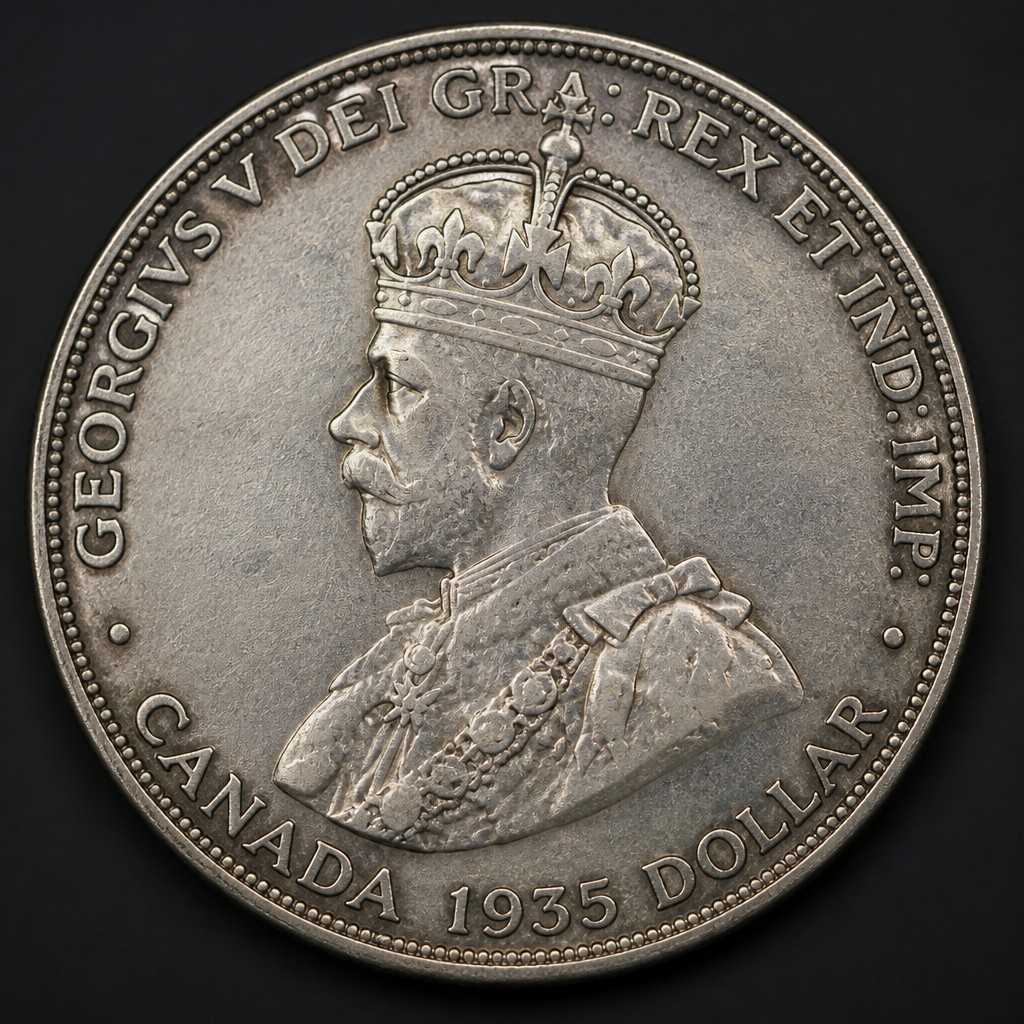
1935 George V Silver Jubilee Dollar (Voyageur)
1935
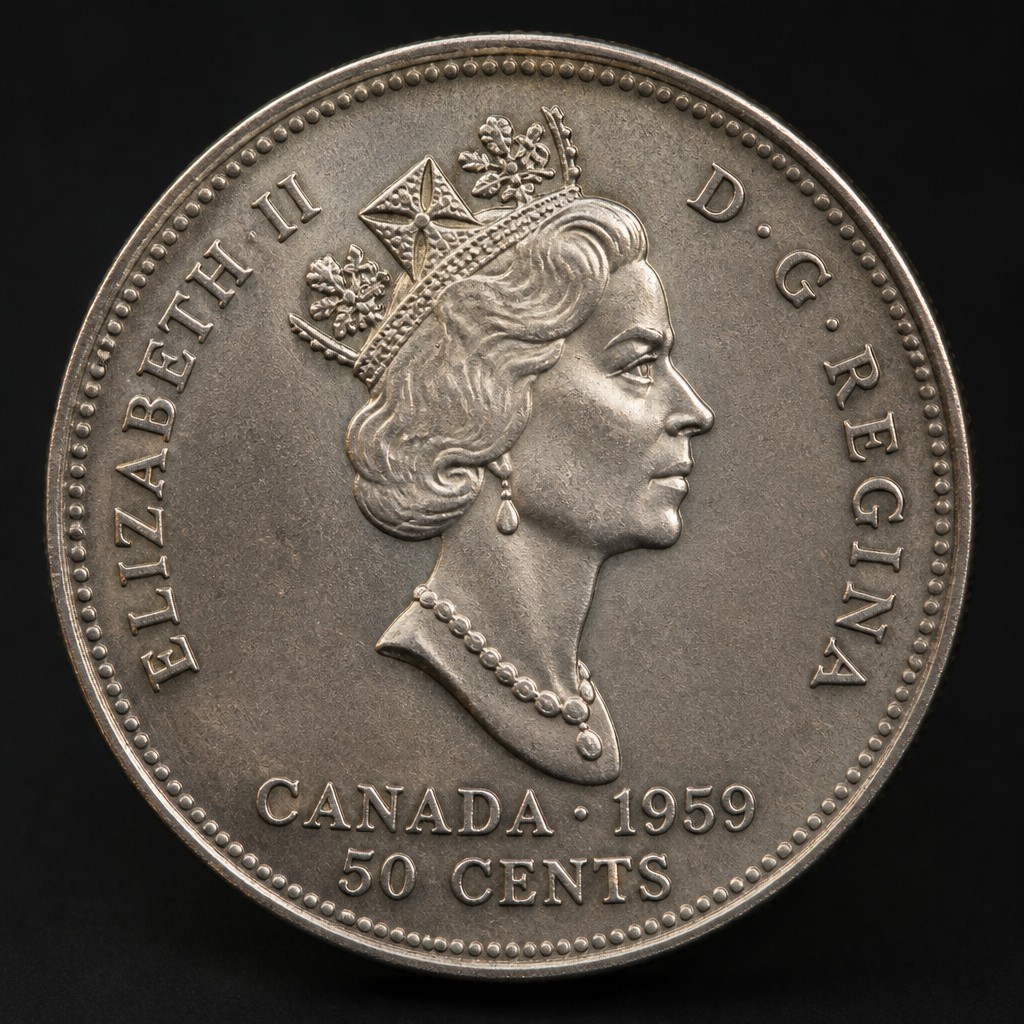
Coat of Arms Fifty Cents (Elizabeth II)
1959–present
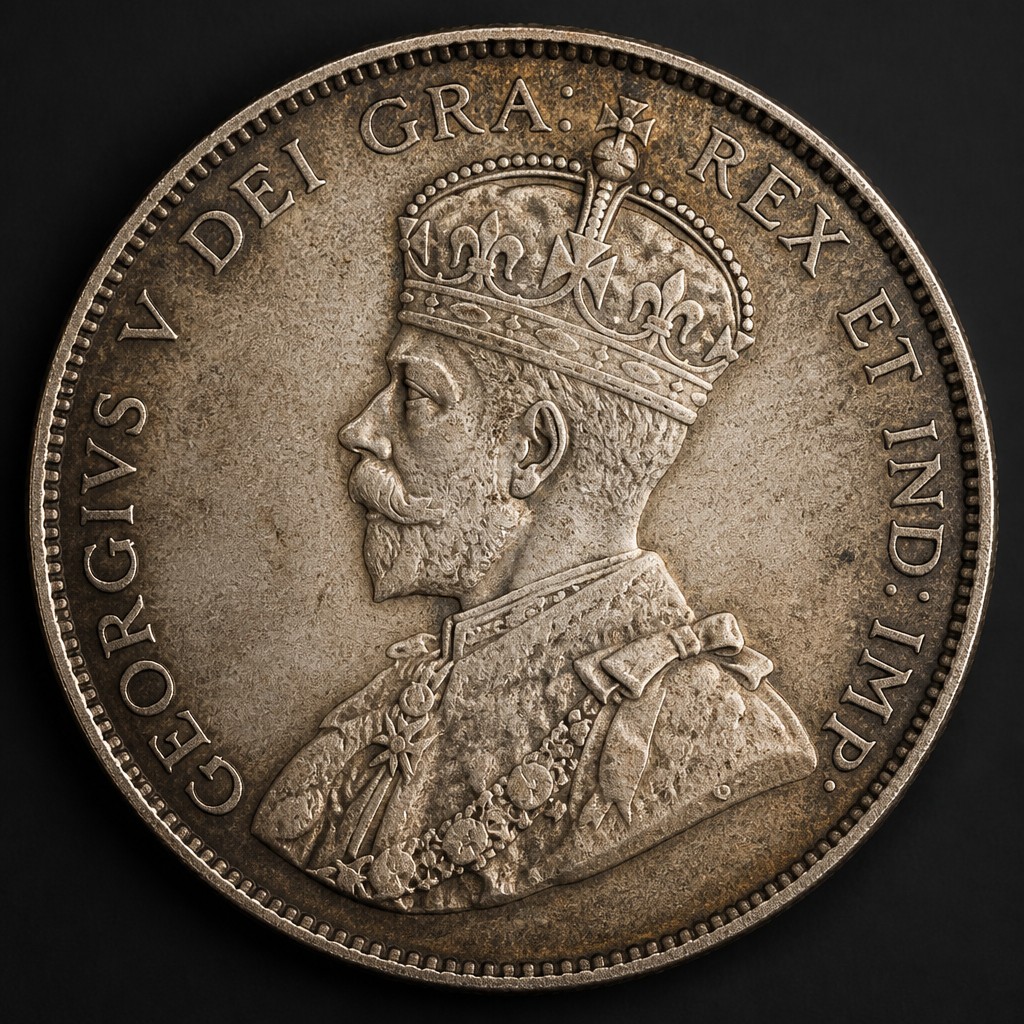
1921 Fifty Cents (King of Canadian Coins)
1921
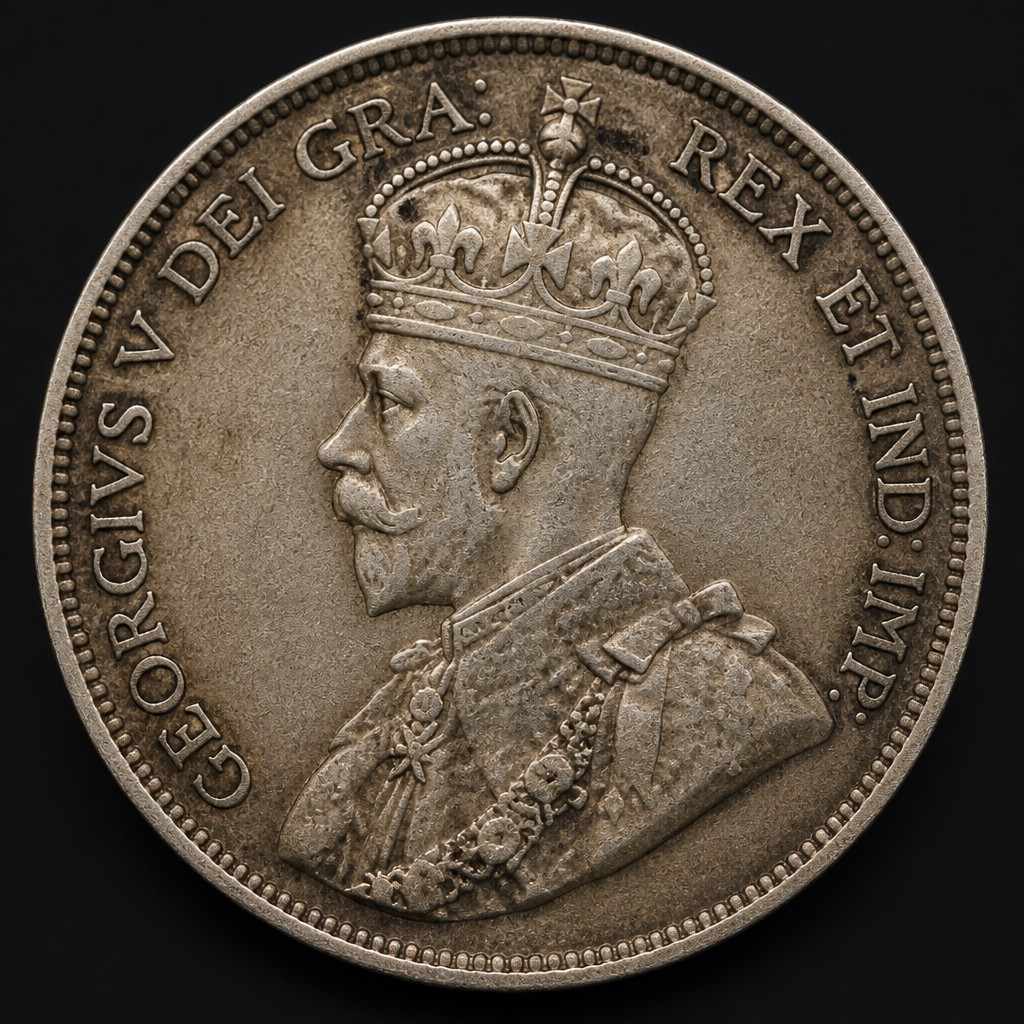
George V Fifty Cents
1911–1936
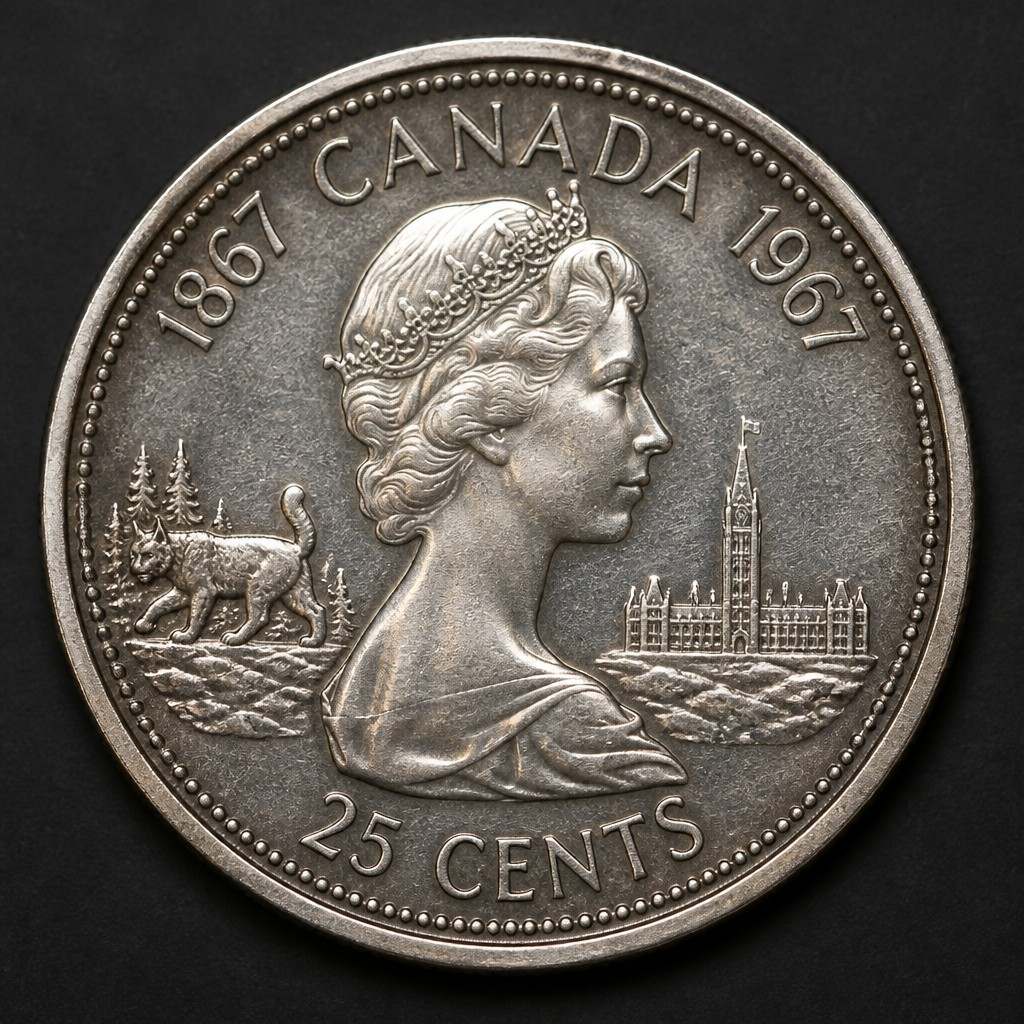
1967 Bobcat Centennial Quarter
1967
Caribou Twenty-Five Cents (quarter)
1937–present