
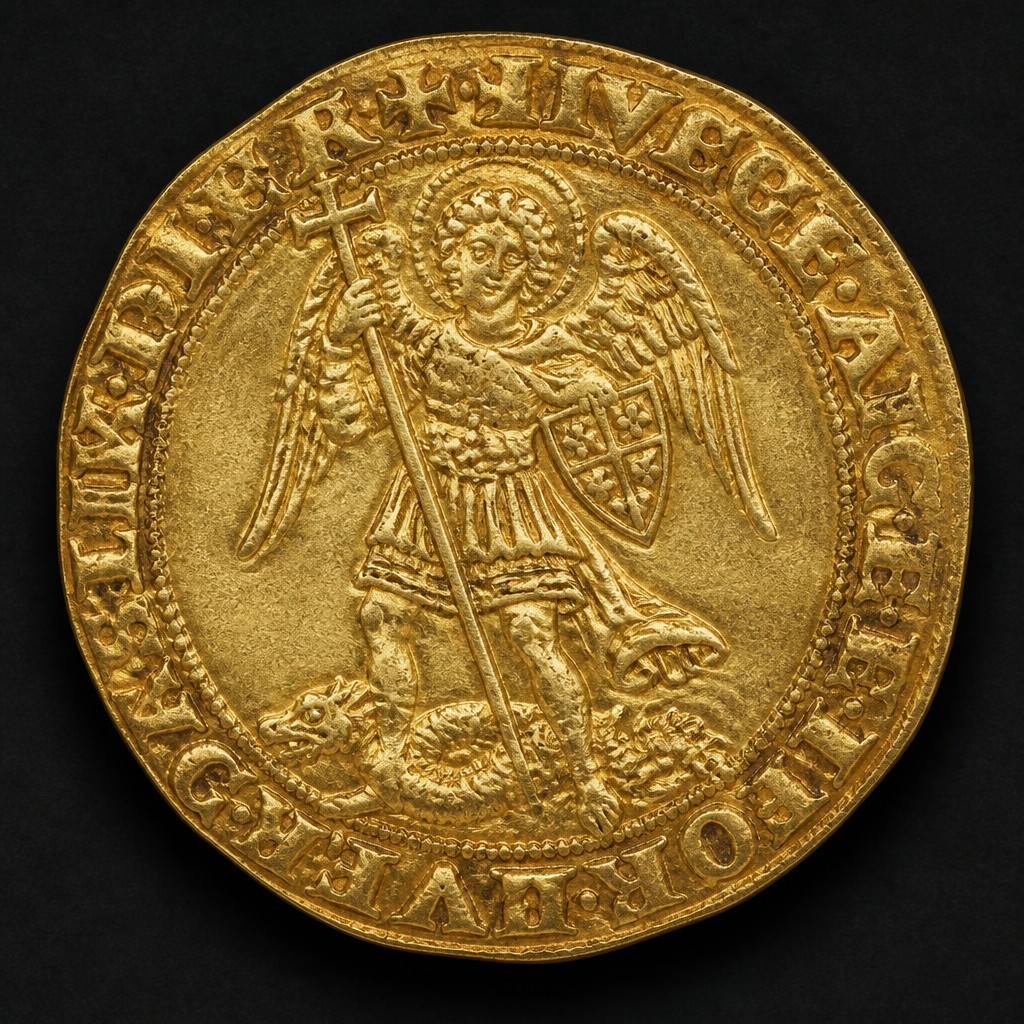
Half Angel (Angelet)
A small English gold coin worth half the value of the Angel, sharing its famous design of the Archangel Michael slaying a dragon, issued across several reigns from Edward IV to James I.
- Country
- England
- Denomination
- Half Angel
- Metal
- Gold
Got a coin like this?
Identify any coin from a photo, free.
Overview
The Half Angel, or Angelet, is the smaller companion denomination to the Angel, one of England's most iconic gold coins, and carries the same beloved image of St. Michael the Archangel defeating a dragon. It was struck intermittently across more than a century and a half of English monetary history, appearing under multiple monarchs.
Collectors are drawn to the Half Angel both for its historic religious iconography, once believed to have talismanic or healing associations, and for its role as a smaller, sometimes more affordable entry point into the celebrated Angel series of English gold coinage.
History & Background
The Angel and its half were introduced under Edward IV in 1465 as part of the same gold recoinage that produced the Rose Noble, replacing the earlier noble denomination. The coin's design, showing the Archangel Michael spearing a dragon, was tied to a popular medieval belief that the coin, when touched to a wound, held healing power, and pierced Angels are occasionally found from their use as touch-pieces for the 'King's Evil.'
The Half Angel continued to be struck, with interruptions and stylistic changes, through the Tudor period and into the early Stuart era under James I, before the entire Angel series was discontinued in the early 17th century as English gold coinage moved toward new denominations like the Unite and Laurel.
How to Identify
The obverse depicts St. Michael standing over a dragon, spear in hand, a design shared with the full Angel but rendered at smaller scale. The reverse typically shows a ship bearing a shield and a cross-and-mast motif, with Latin legends referencing the reigning monarch.
Because the Half Angel was struck under several different rulers over generations, collectors identify specific issues by the ruler's name and title in the legend and by minor stylistic variations in the design, weight standard, and mint marks used during that period. Its smaller size and lighter weight compared to the full Angel are the most immediate distinguishing features.
Value & Collectibility
Half Angels are scarce, especially in higher grades, and their value is driven by rarity, the specific reign of issue, and the overall condition and strike quality of the piece. Because Angels and Half Angels were sometimes deliberately pierced for use as royal touch-pieces, pierced examples exist and typically sell for less than unpierced coins.
Given their age and the enduring popularity of the Angel series among collectors of English hammered gold, authenticated Half Angels generally command prices from the low thousands of dollars upward, with earlier reigns and finer condition reaching significantly higher levels.
Frequently asked questions
What is the difference between an Angel and a Half Angel?
They share the same St. Michael design, but the Half Angel is a smaller coin worth half the value of the full Angel.
Why were Angels used as 'touch-pieces'?
A popular belief held that the coin, especially when touched by the monarch, could help cure a skin ailment known as the King's Evil, leading some Angels to be pierced for wearing.
When was the Half Angel discontinued?
The Angel series, including the Half Angel, ended in the early 17th century under James I as English gold coinage shifted to new denominations.
Are pierced Half Angels worth less?
Generally yes, piercing reduces both the coin's originality and its market value compared to an unpierced example.
Other coins you may enjoy
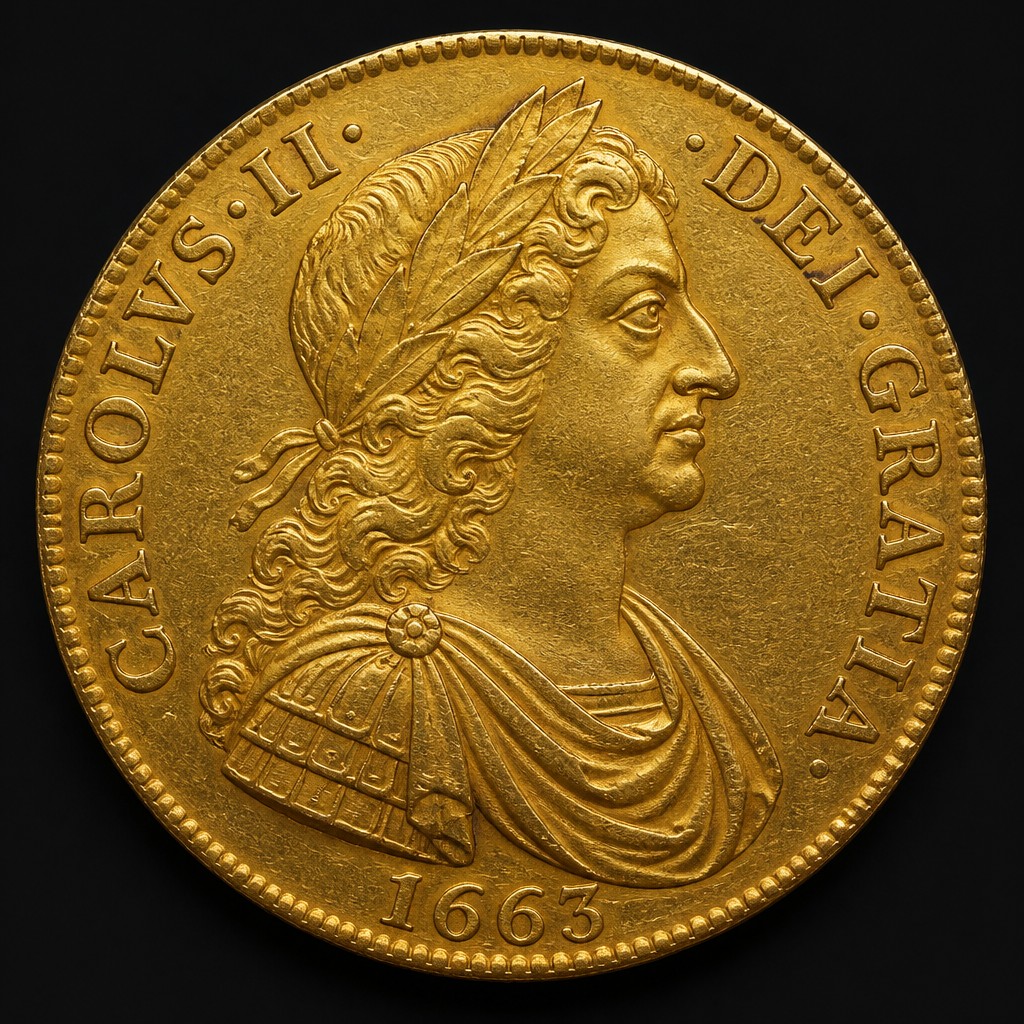
British Guinea
1663–1814
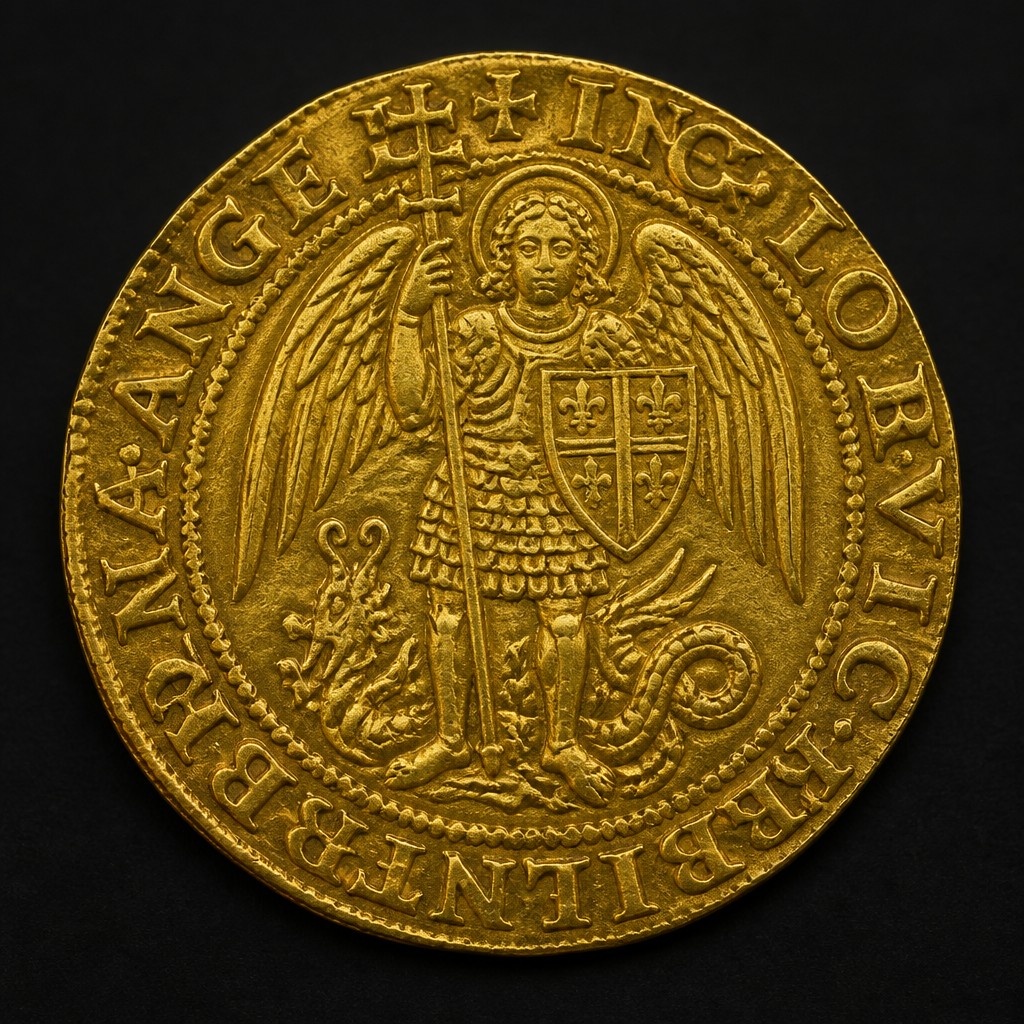
English Angel
1465–1642
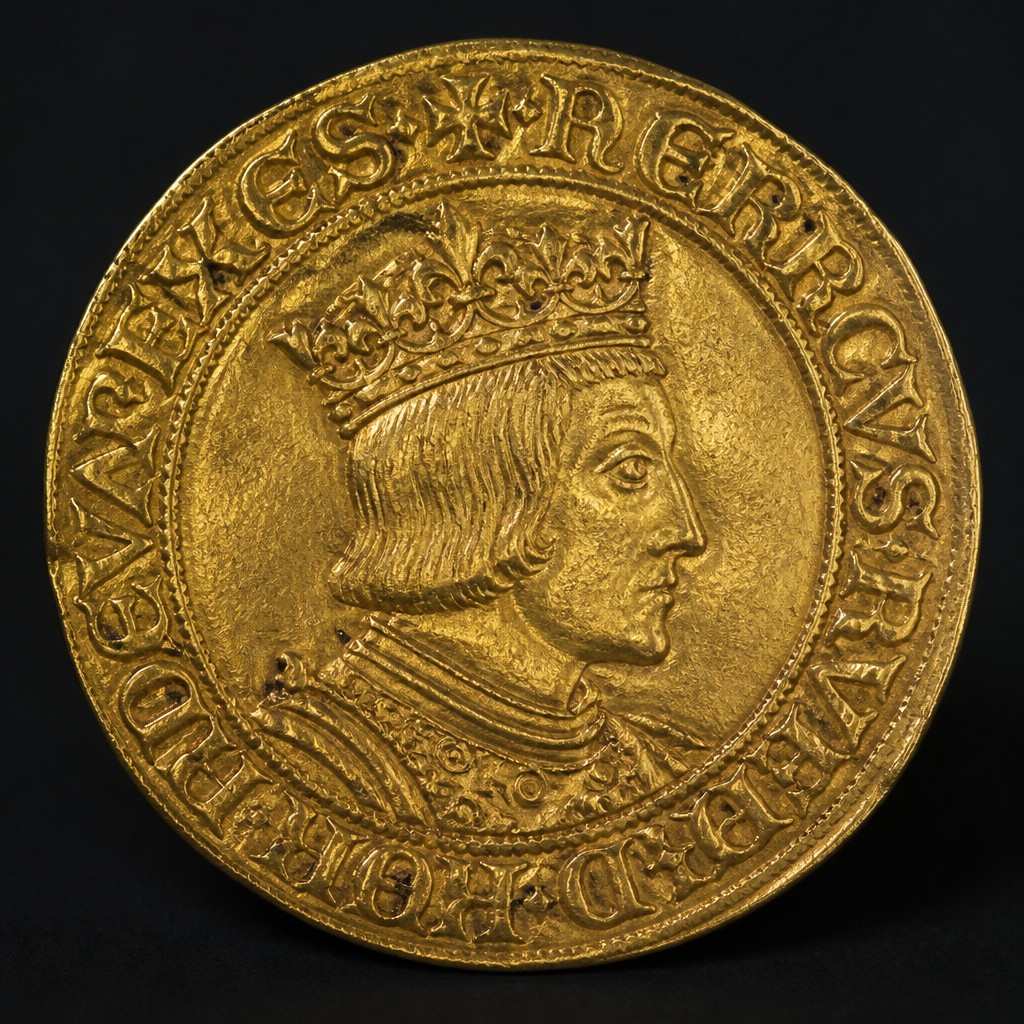
English Sovereign of Henry VII
1489–1509
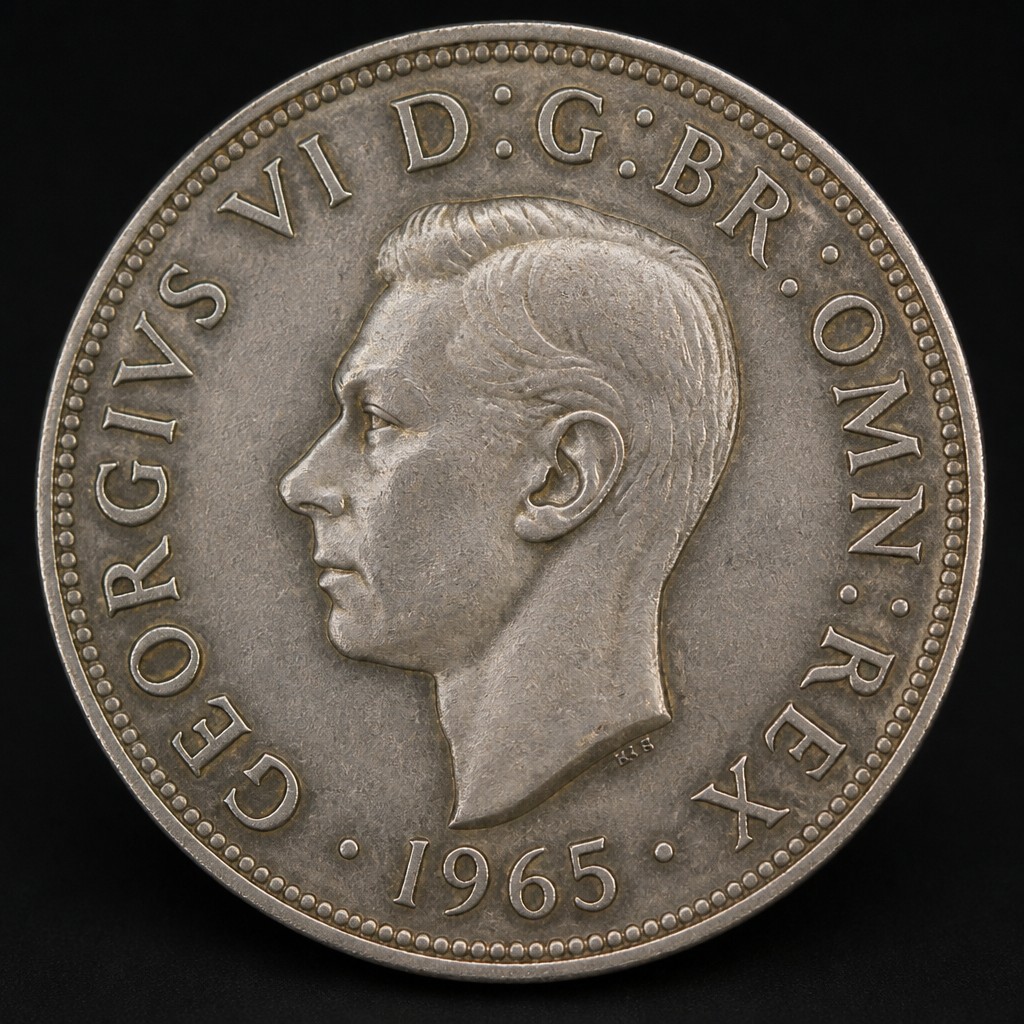
English Crown
1526–1965 (pre-decimal; commemorative crown-sized coins continue as five pound coins)
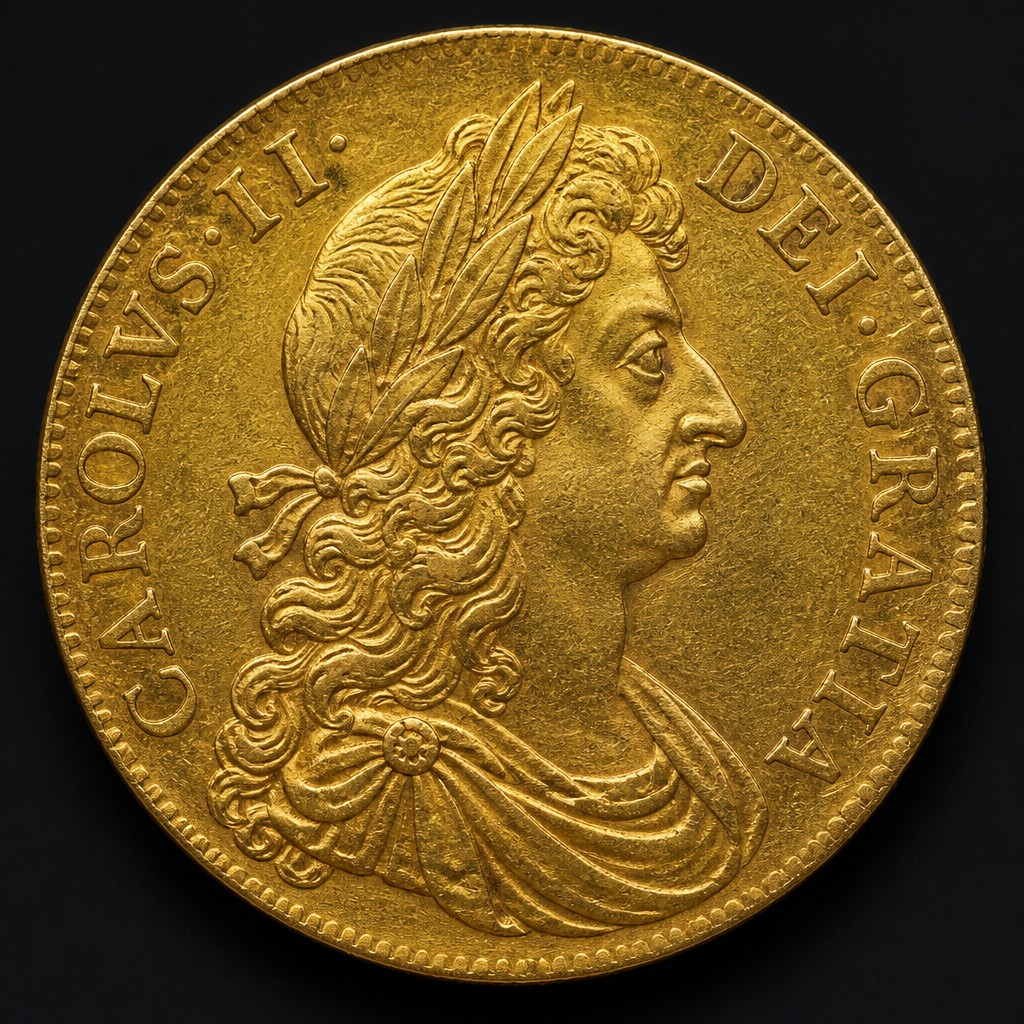
British Gold Guinea
1663–1814
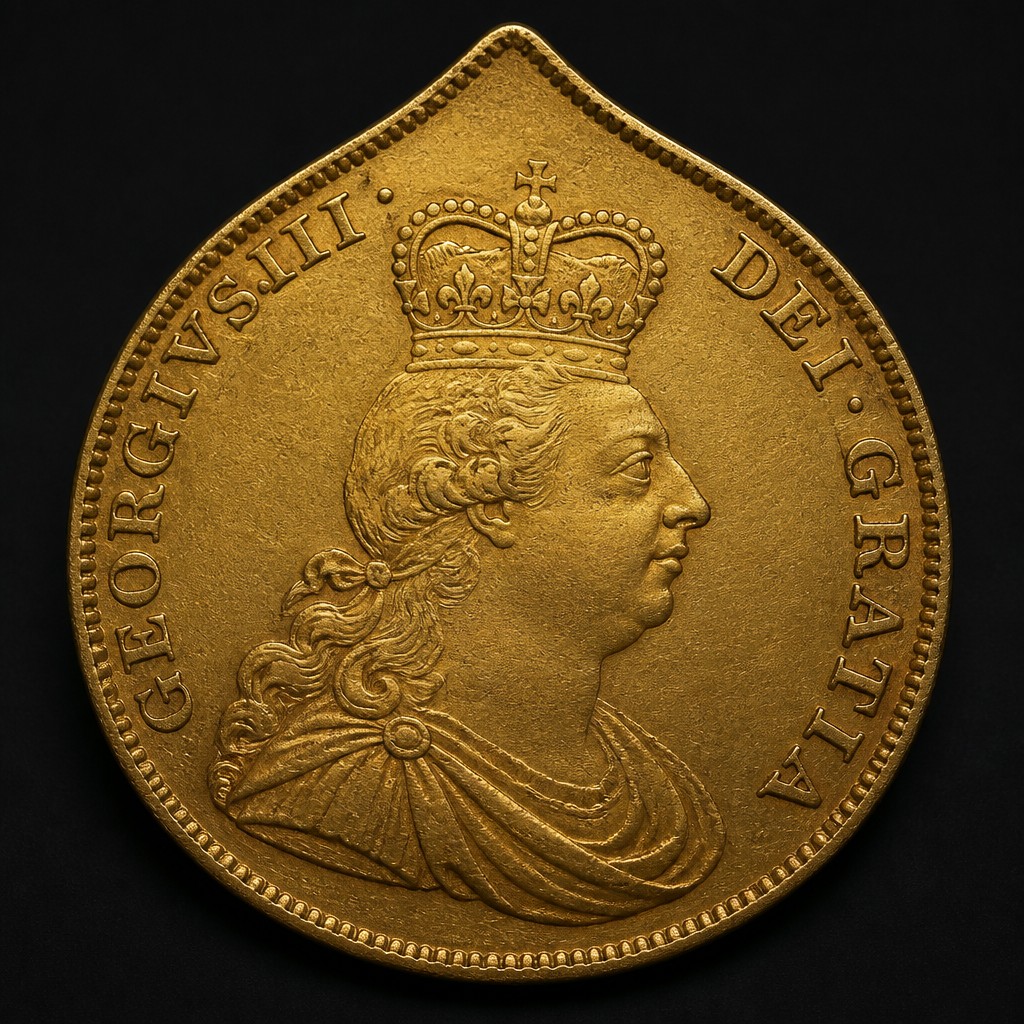
Spade Guinea
1787–1799
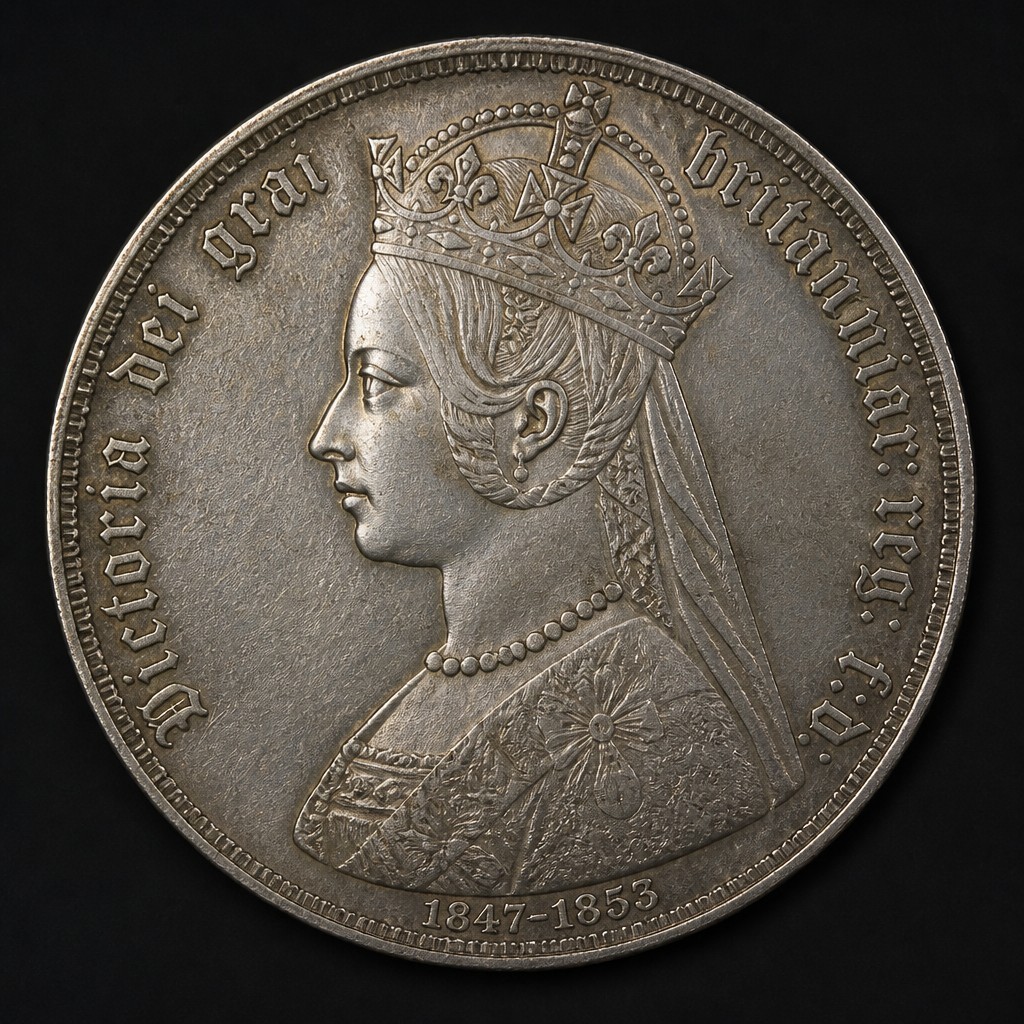
Gothic Crown
1847–1853
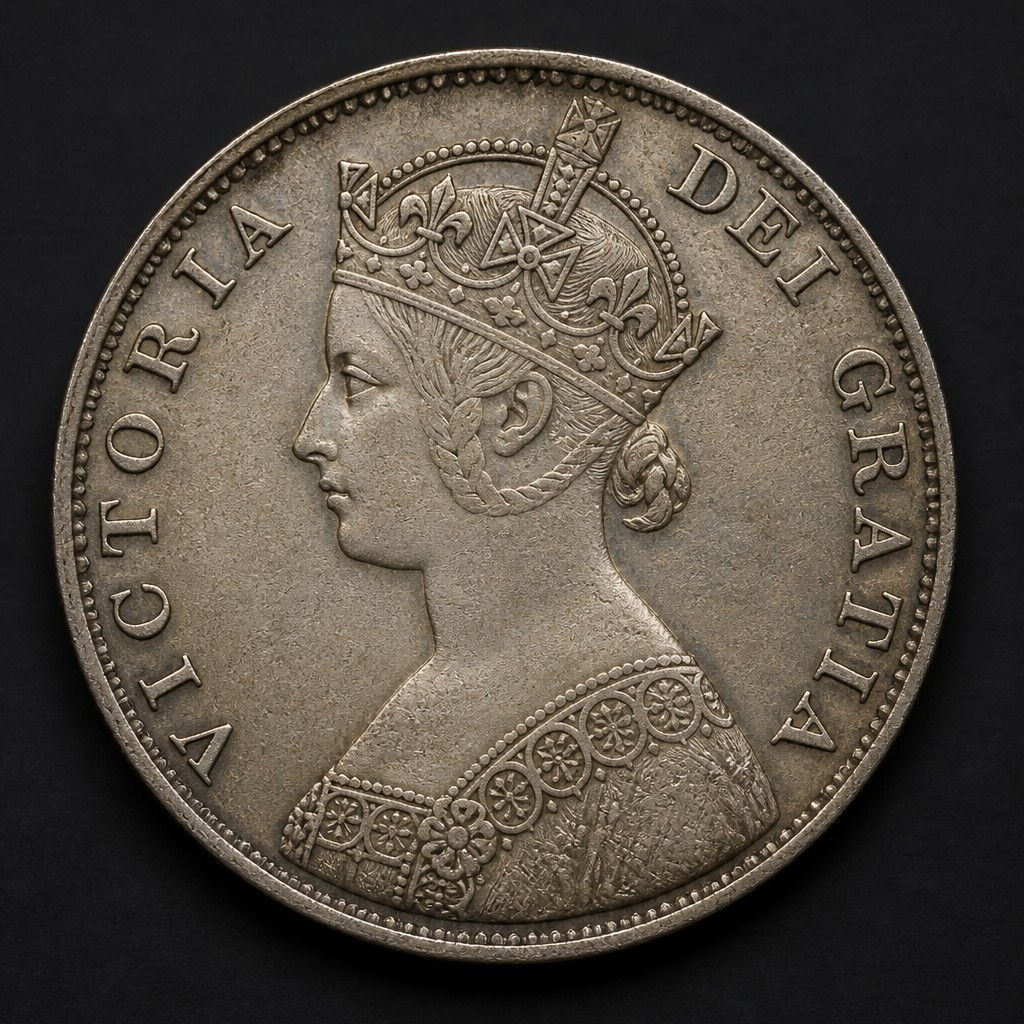
Groat (Fourpence)
1279–1888 (various revivals)
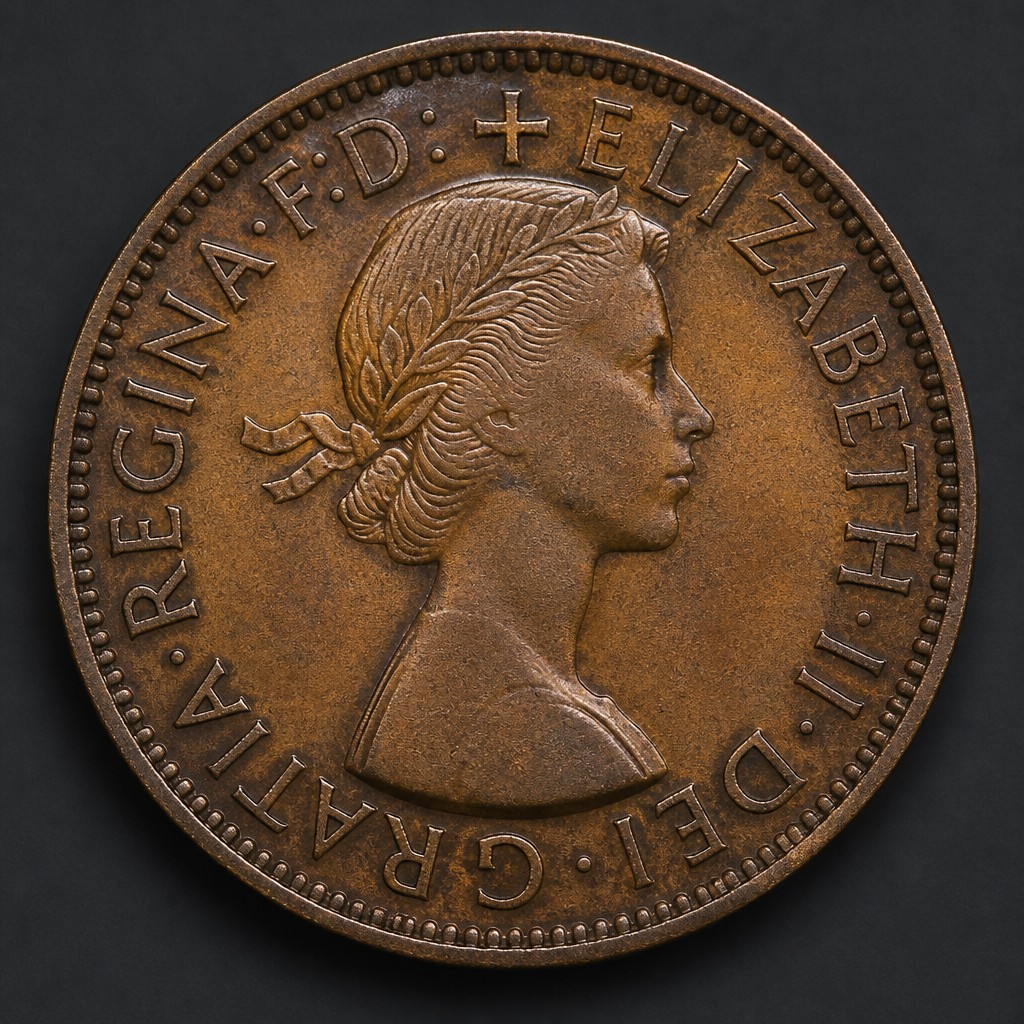
Farthing
13th century–1956
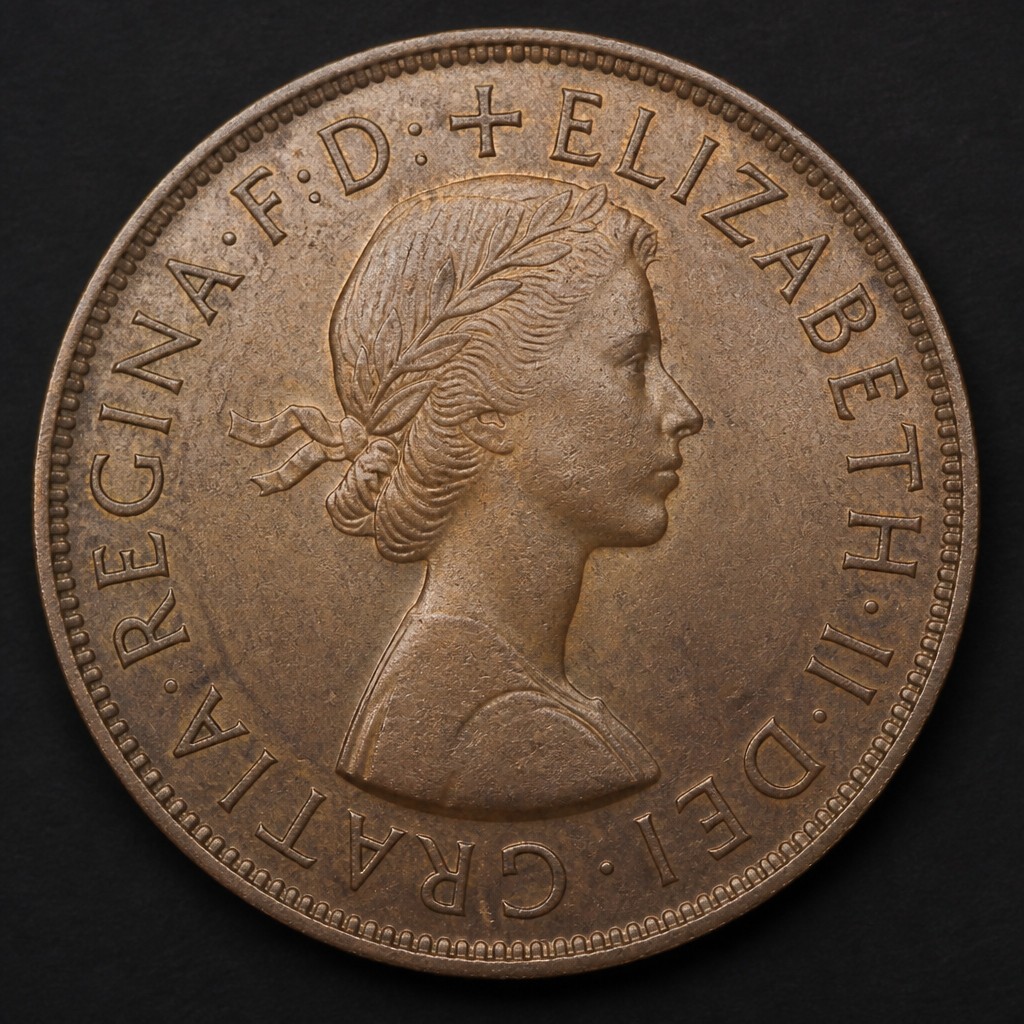
Halfpenny
c. 800s–1969
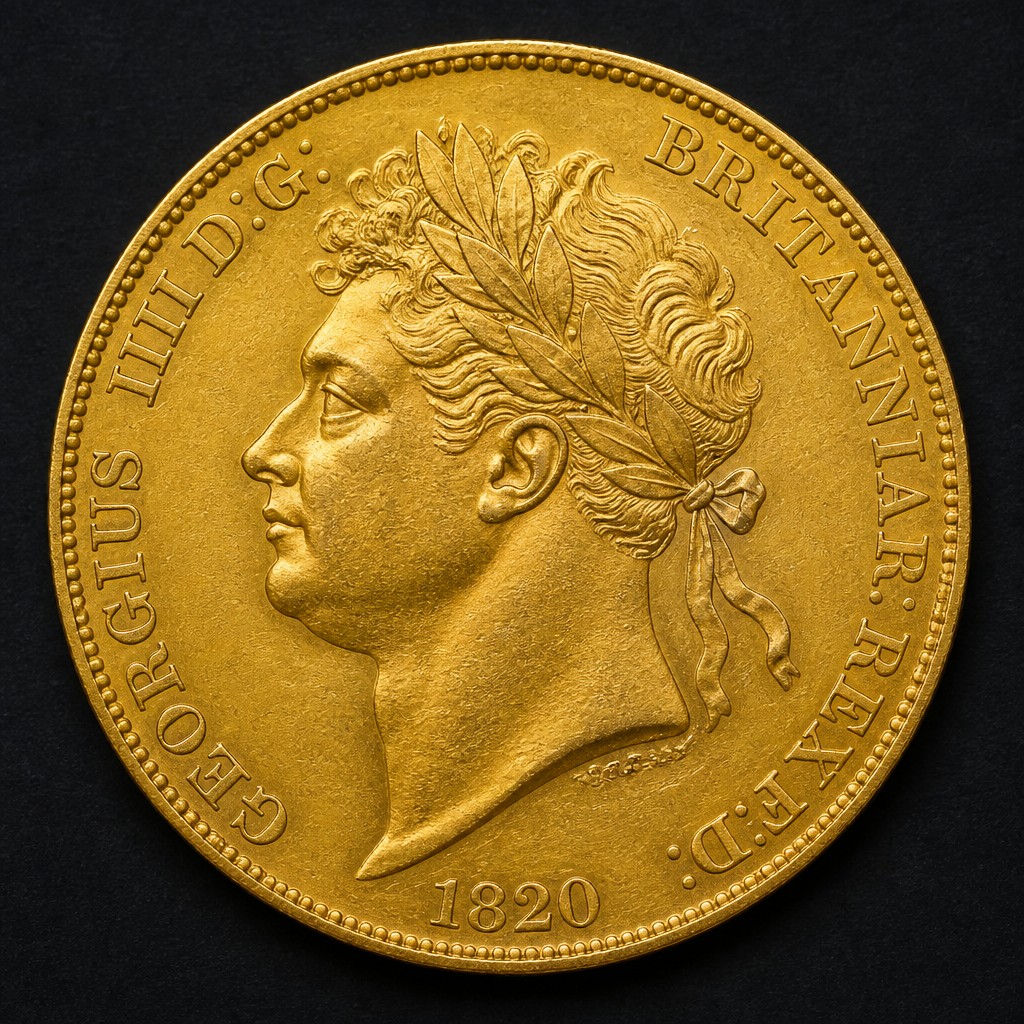
Five Pound Gold (Quintuple Sovereign)
1820–present (intermittent)
Threepence
1547–1970