
Coin Encyclopedia
Search and identify coins from around the world — with country, denomination, metal, mint, history, and how to tell them apart.
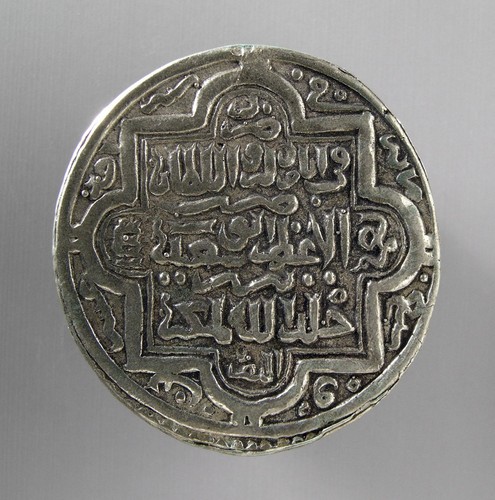
Ilkhanid Dirham
A hand-struck silver dirham of the Mongol Ilkhanate, covered in Arabic and Persian inscriptions arranged in a quatrefoil cartouche and concentric bands.
Islamic (Medieval)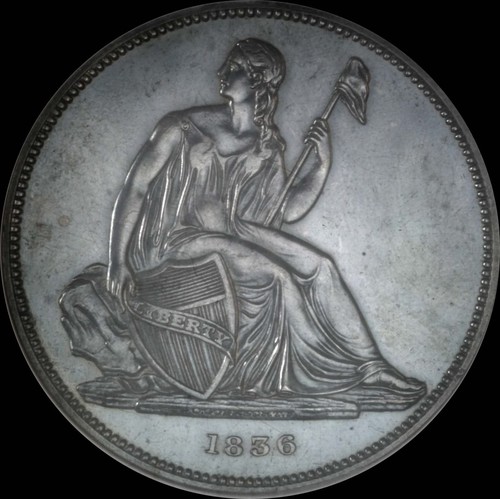
Gobrecht Dollar
U.S. silver dollar of 1836 by engraver Christian Gobrecht, pairing a Seated Liberty obverse with a flying-eagle reverse; a rare pattern-era issue.
Dollar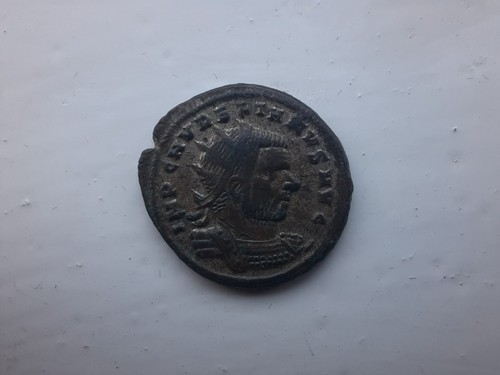
Antoninianus of Aurelian
Late Roman billon coin of Emperor Aurelian, showing his radiate-crowned bust and a standing deity or personification on the reverse.
Ancient Coins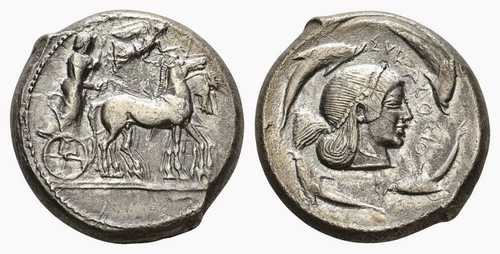
Syracuse Tetradrachm
Classical silver tetradrachm of Syracuse in Sicily, showing a racing four-horse chariot on one side and a right-facing nymph's head on the other.
Ancient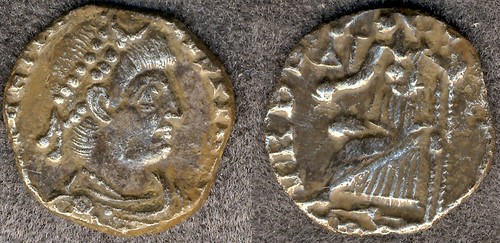
Siliqua of Gratian
A small late Roman silver siliqua of the emperor Gratian (AD 367-383), with his diademed bust on the obverse and a standing figure or personification on the reverse.
Ancient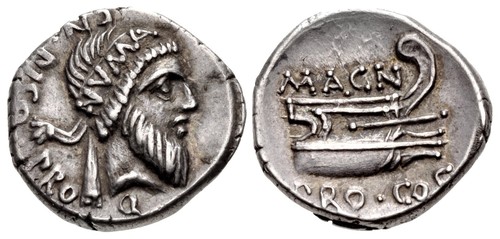
Numapis Denarius
A silver denarius of the Roman Republic (1st century BC) pairing a male portrait facing right with a ship or galley and lettering on the reverse.
Ancient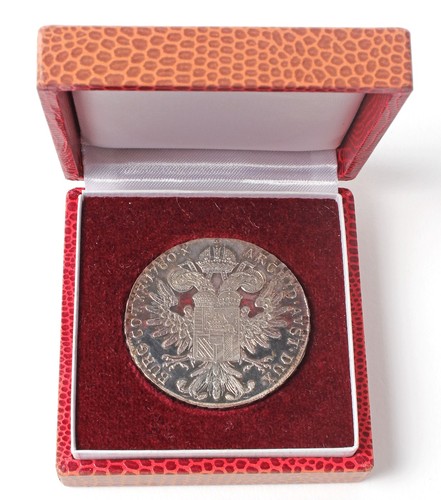
Austrian Award Medal
A silver Austrian award medal with a crowned double-headed eagle bearing a coat of arms on the obverse and a decorative heraldic shield on the reverse.
Medal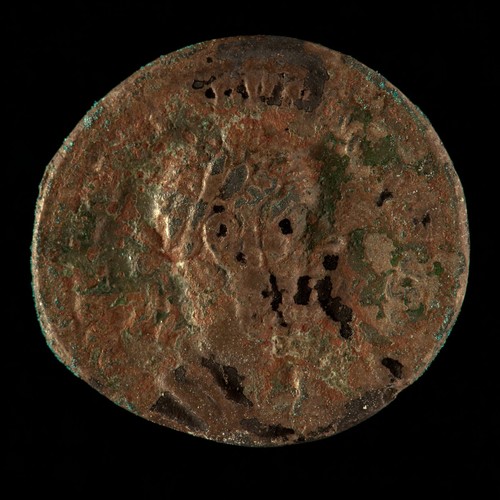
Denarius of Macrinus
Silver denarius of Macrinus (r. 217–218 AD), a bearded emperor portrait paired with a standing deity or personification on the reverse.
Ancient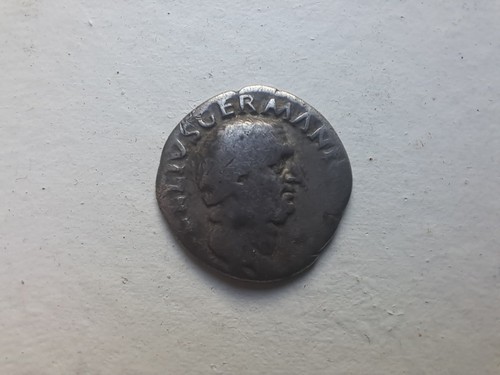
Denarius of Vitellius
A silver denarius of the emperor Vitellius, struck during his brief reign in AD 69, showing his heavy-jowled portrait with curly hair.
Ancient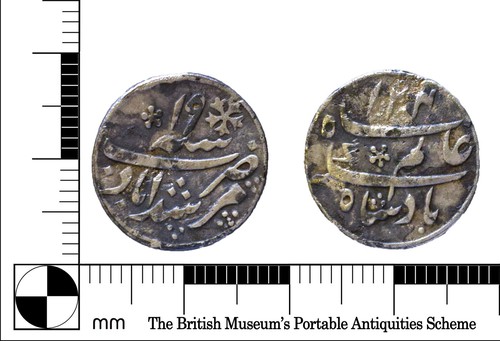
Mughal Islamic Rupee
A hand-struck silver rupee of the Mughal Empire, filled edge to edge with Persian and Arabic script naming the emperor, mint, and regnal year.
Islamic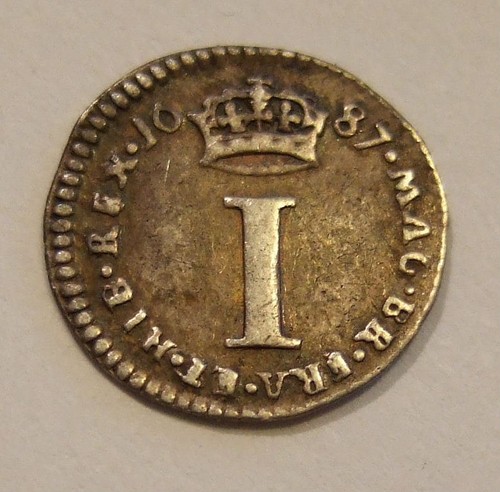
Maundy One Penny
The smallest British Maundy silver coin, bearing a crowned Roman numeral I; this example was struck in 1687 under James II.
Maundy
Threepence of Elizabeth I
A hammered silver threepence of Elizabeth I, showing her crowned profile with a rose behind and a dated shield reverse, struck across her long reign.
Hammered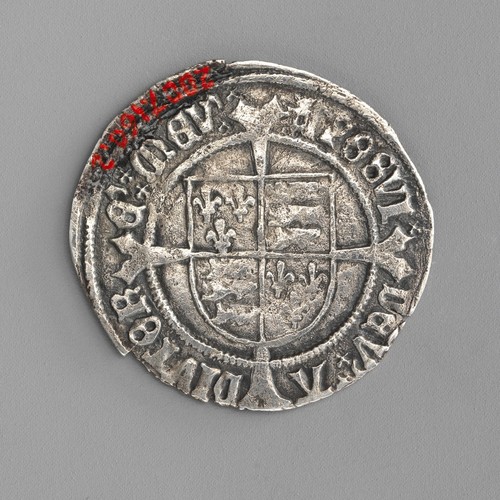
Groat of Henry VIII
A hand-struck Tudor silver groat (fourpence) of Henry VIII, showing the quartered royal arms within a circle and a long cross reverse.
Hammered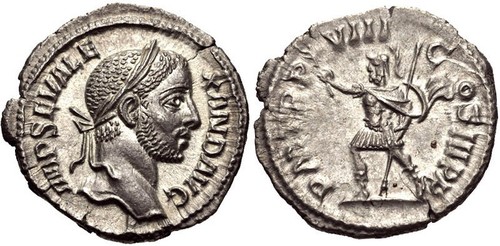
Denarius of Severus Alexander
Silver denarius of the emperor Severus Alexander (AD 222–235), with his laureate portrait and a Mars reverse dated to about AD 229.
Ancient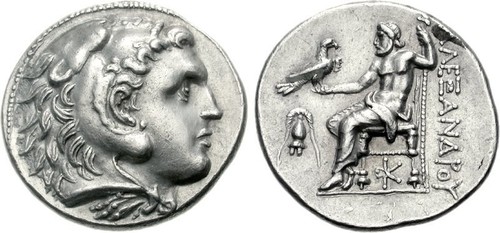
Antigonos II Gonatas Tetradrachm
Silver tetradrachm of the Macedonian king Antigonos II Gonatas, c. 275-270 BC, with a bearded royal head and a seated Nike holding a wreath.
Ancient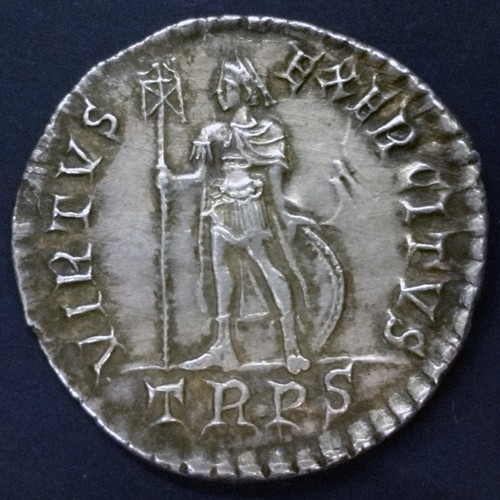
Hoxne Hoard Siliqua
A small late-Roman silver siliqua of the type found in Britain's Hoxne Hoard, with an imperial portrait and a standing figure or personified virtue.
Ancient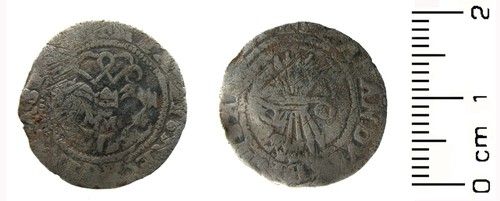
Real (Medieval)
A medieval Spanish silver real carrying the heraldic arms of the Iberian kingdoms — a lion for León paired with a castle or cross design.
Medieval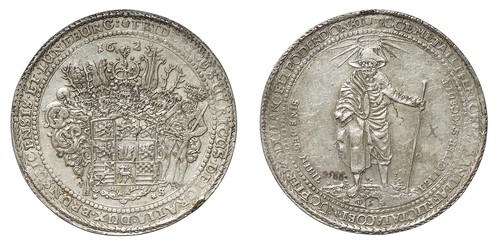
Braunschweig-Lüneburg Thaler
A large silver thaler of the German duchy of Braunschweig-Lüneburg, with a many-quartered coat of arms on the obverse and a standing armored figure on the reverse.
German States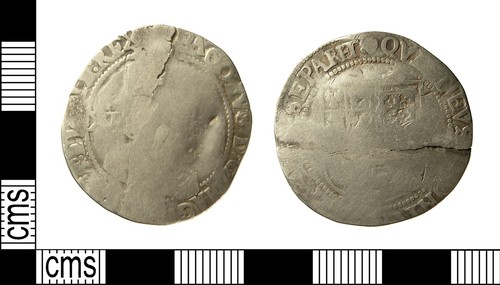
Shilling of James I
Hammered silver shilling of King James I, showing his crowned left-facing bust and a quartered heraldic shield of England, Scotland, Ireland and France.
World Coins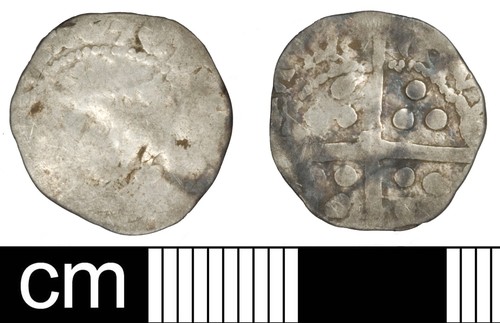
Medieval Penny of Edward III
A hammered silver penny of Edward III (1327–1377): a crowned facing royal bust on one side and a long cross with pellets on the other.
British Isles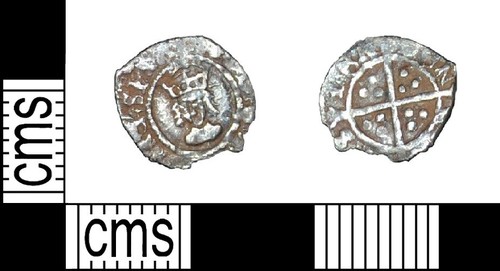
Halfpenny of Henry VIII
A tiny hand-struck Tudor silver halfpenny of Henry VIII, showing a crowned facing bust on the obverse and a long cross over a shield of arms on the reverse.
Hammered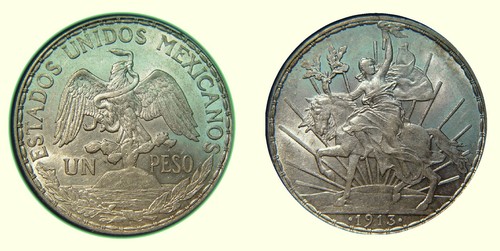
Mexican 1 Peso
Large silver Mexican peso, the famed "Caballito" type, with a winged Victory on horseback and the eagle-and-snake coat of arms.
World Coins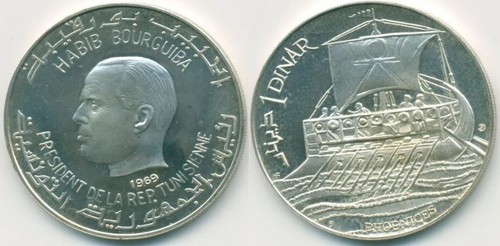
Tunisia 1 Dinar
A 1969 Tunisian silver 1 dinar showing President Habib Bourguiba on the obverse and a traditional sailing ship on the reverse.
World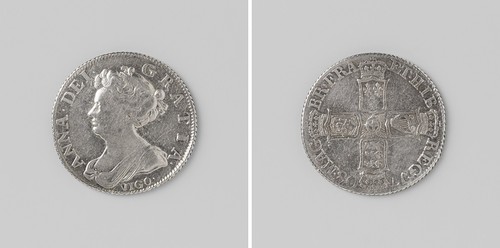
Shilling of Anne
A machine-struck silver shilling of Queen Anne, with her draped bust facing right and a reverse of crowned shields bearing the royal arms in a cross.
Milled