
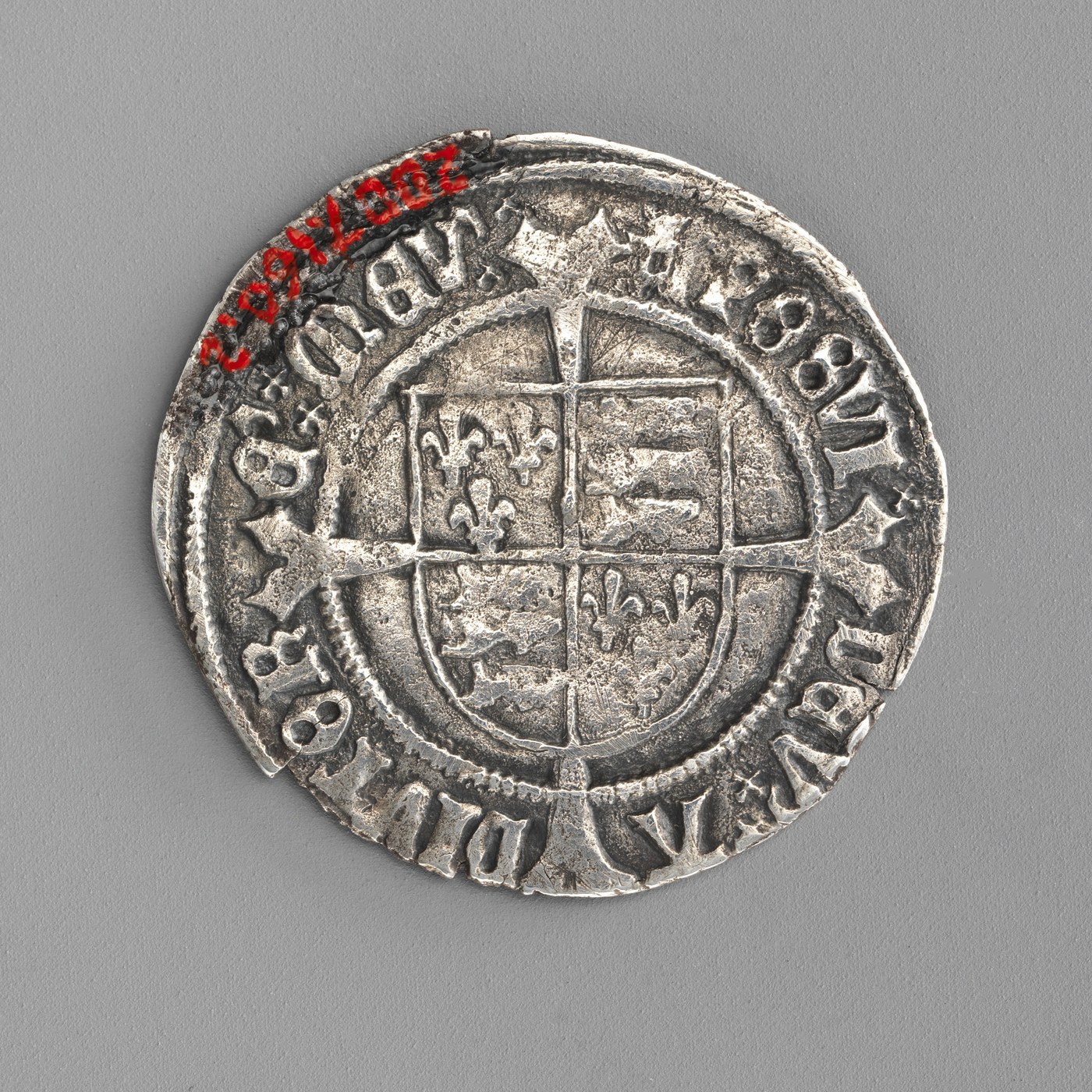
Groat of Henry VIII
A hand-struck Tudor silver groat (fourpence) of Henry VIII, showing the quartered royal arms within a circle and a long cross reverse.
- Country
- England
- Denomination
- 1 Groat
- Metal
- Silver
Got a coin like this?
Identify any coin from a photo, free.
Overview
The Groat of Henry VIII is a hand-struck (hammered) silver coin worth four pence, produced in the Kingdom of England during the reign of Henry VIII. As a groat it was one of the larger everyday silver denominations of the Tudor period, sitting above the penny, halfpenny and farthing in daily use.
Each groat was struck by hand between a pair of engraved dies, so no two pieces are identical. Flans are often slightly irregular in outline, and the strike can be off-centre, leaving parts of the legend or design soft or missing. The example described here shows the quartered royal arms within an inner circle on one face and a shield over a long cross on the other, both surrounded by Latin legends.
History & Background
Henry VIII came to the throne in 1509, and the groats struck in the first part of his reign continued the traditions of late medieval English coinage established under his father, Henry VII. This early period, roughly 1509 to 1526, is generally described as the first coinage. Coins were produced at royal mints including the Tower of London, with additional ecclesiastical and provincial striking associated with mints such as Canterbury and York.
Over the wider course of Henry VIII's reign the silver coinage underwent significant change, including later reductions in the fineness of the metal during the period sometimes called the Great Debasement. The earlier groats covered by this entry belong to the better-silver phase of the reign, before those later debasements took hold. Because groats circulated widely and were kept in use for years, surviving pieces frequently show honest wear from everyday handling.
How to Identify
Look for a broad, thin silver coin roughly the size of a modern small circulating coin, struck slightly unevenly as expected of a hammered piece. One face shows the royal arms as a shield quartered with the lions of England and the fleurs-de-lis of France, set within a circle; the other shows a shield over a long cross whose arms reach toward the edge, dividing the surrounding legend.
The legends are in abbreviated Latin and name the king and his titles. A small symbol, the mint mark or initial mark, usually appears at the start of the legend and is a key tool for attributing the coin to a particular mint and phase of the reign. Because it is hammered, expect an irregular edge, some flatness where the dies did not fully impress the flan, and natural toning on the silver.
Value & Collectibility
Value depends heavily on grade, completeness of the strike, the mint and initial mark, and overall eye appeal. Well-worn, off-centre or clipped examples with weak legends sit at the affordable end of the Tudor silver market, while sharply struck, well-centred coins with clear portraits or full legends command a substantial premium.
As with all hammered silver, condition and originality matter more than age alone. Cleaning, tooling, holes or heavy corrosion reduce value, whereas attractive original toning and a full, legible design increase it. For a specific coin, compare against recent auction and dealer results for the same mint and initial mark rather than relying on a single headline figure.
Frequently asked questions
What is a groat worth in old English money?
A groat was worth four pence (fourpence). It was one of the more substantial silver coins in everyday Tudor use, ranking above the penny and its fractions.
Is the Groat of Henry VIII made of real silver?
Yes. The earlier groats of Henry VIII covered by this entry are struck in silver. Later in his reign the silver coinage was debased, but those debased issues fall outside this early first-coinage period.
Why does my groat look uneven or off-centre?
It was struck by hand between two dies rather than by machine. Irregular flans, off-centre strikes and areas of soft detail are normal for hammered coins and are not signs that the coin is fake.
How can I tell which mint struck my groat?
Check the small symbol (the mint mark or initial mark) at the start of the legend and compare it against Tudor reference tables. Combined with the legend and style, it helps attribute the coin to a mint and phase of the reign.
Groat of Henry VIII guides
In-depth guides for identifying, valuing, and collecting Groat of Henry VIII.
Other coins you may enjoy
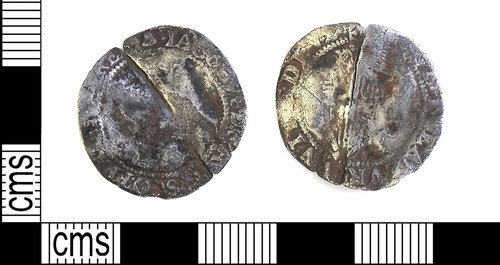
English Sixpence
Early 1600s (James I, 1603-1625)
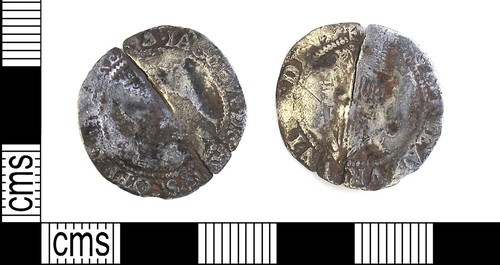
Sixpence of James I
1603-1625
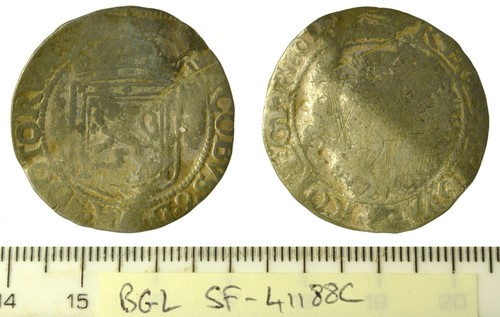
Thistle Merk
1567–1625
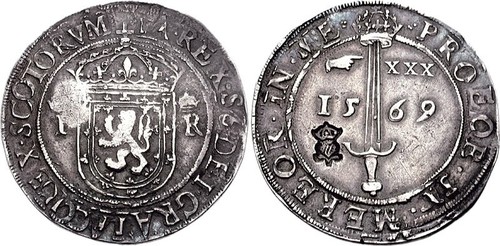
James VI Ryal
1567–1571
Quarter Merk
c. 1580–1691
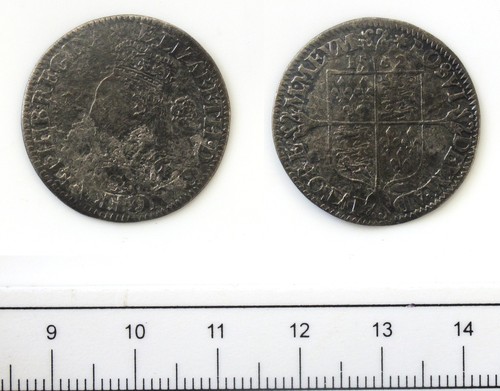
Sixpence of Elizabeth I
1560–1603
Quarter Angel of Elizabeth I
1581-1583
Laurel
1619-1625
Mary I Groat
1553-1558
Medieval Coin
c. 500–1500 (Medieval)
Half Thistle Merk
1567-1625
Irish Pistole
1640s (17th century)