
Coin Encyclopedia
Search and identify coins from around the world — with country, denomination, metal, mint, history, and how to tell them apart.
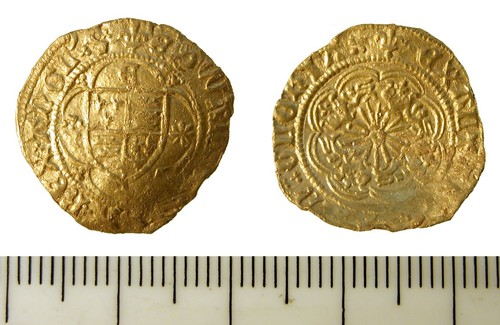
Edward IV Quarter Ryal
Small English medieval gold coin of Edward IV, bearing the crowned royal arms and an ornate radiate cross with a rose-on-sun at its center.
Medieval Coins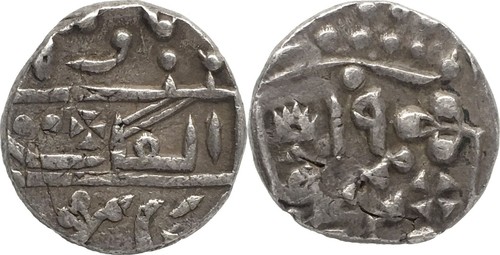
Kotah State Rupee
Silver rupee of the princely state of Kotah in Rajputana, struck with Persian and Devanagari legends and the state's katar-dagger emblem.
Princely & Presidency States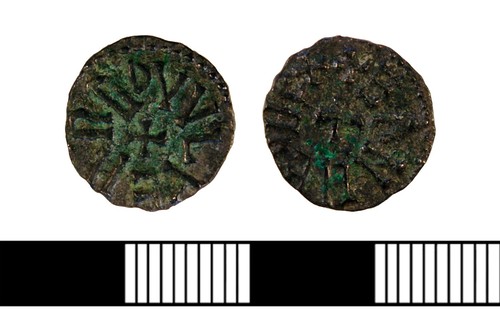
Styca of Eanred
Small base-metal coin of King Eanred of Northumbria, with a cross and legend on one face and a central symbolic motif on the other.
Medieval Coins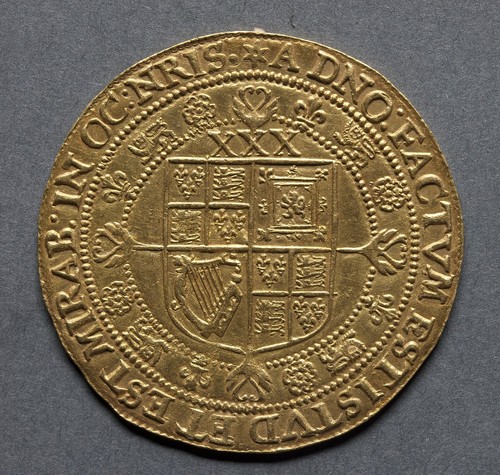
Edward IV Ryal
English medieval gold coin of Edward IV showing the king armored in a ship with a shield, and a radiant rose-on-sun design on the reverse.
Medieval Coins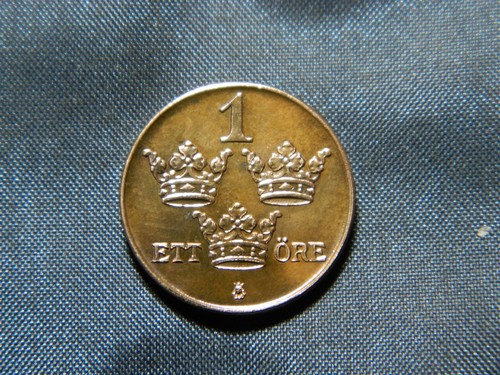
1 Öre
A small copper 1 öre of Sweden dated 1873, with a left-facing profile of King Oscar II, the legend SVERIGE OCH NORGE, and the value in a laurel wreath.
Modern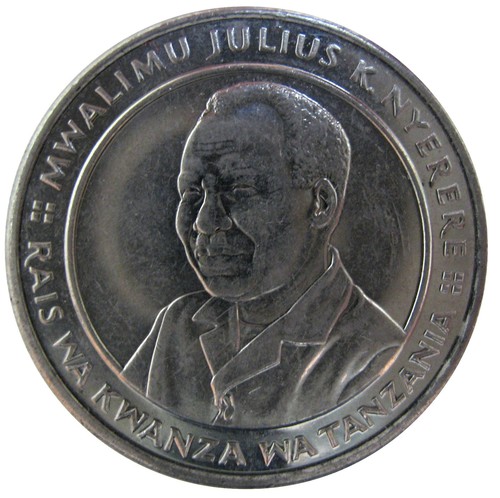
Tanzania 10 Shillings
A base-metal Tanzanian coin bearing President Julius Nyerere on the obverse and the national coat of arms with the value 10 on the reverse.
World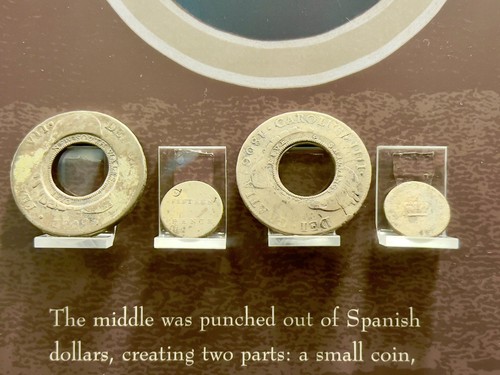
Holey Dollar
Australia's first struck coin: a Spanish silver dollar with its centre punched out, counterstamped NEW SOUTH WALES 1813 and revalued at five shillings.
Australian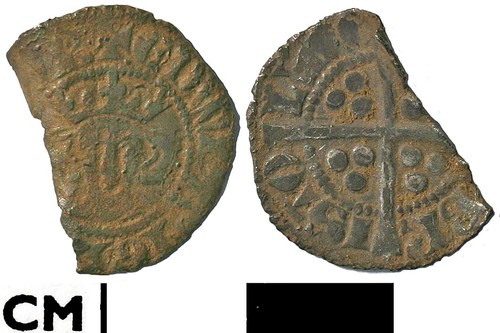
Edward I Groat
Rare early English silver fourpence of Edward I, showing his crowned facing-profile bust and a long-cross reverse with pellets in the quarters.
Medieval Coins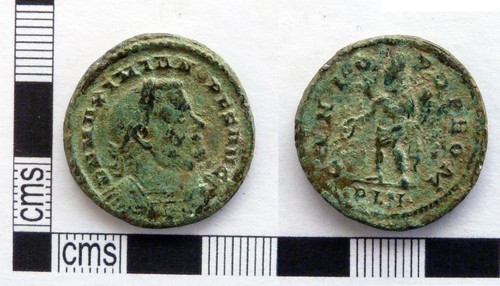
Roman Follis (AE3)
A small late Roman bronze follis of the Constantine I era (AD 320-330), with an emperor's profile obverse and a Victory or vota-in-wreath commemorative reverse.
Ancient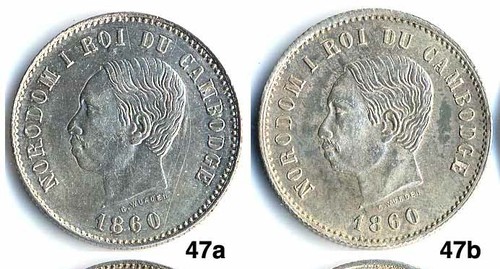
Cambodia Two Francs
A crown-sized Cambodian Two Francs of King Norodom I, its obverse a royal profile and DEUX FRANCS reverse over a crowned coat of arms; dated 1860 but long restruck.
Southeast Asia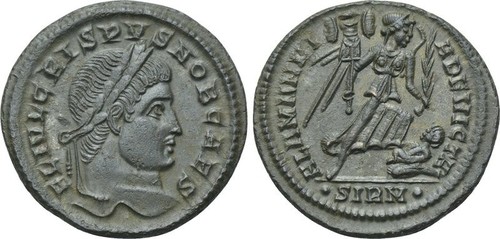
Follis of Crispus
A small bronze follis of Crispus, eldest son of Constantine the Great, with his diademed bust and a winged Victory reverse (317-326 AD).
Ancient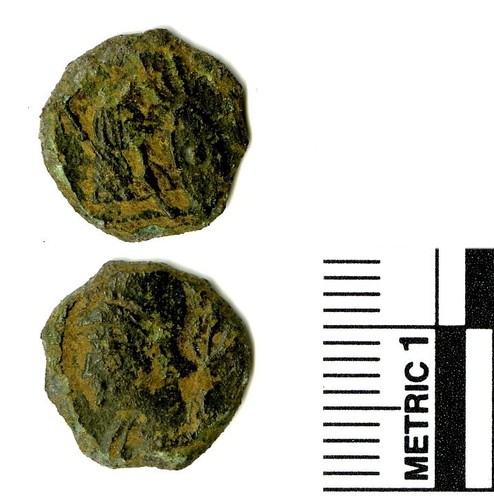
Commemorative Follis of Constantinople
Bronze city-commemorative of Constantine's era (330-340 AD): helmeted Constantinopolis on the obverse, a Victory standing on a ship's prow on the reverse.
Ancient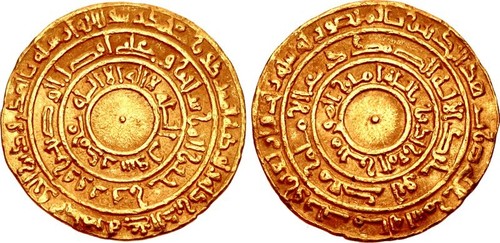
Gold Dinar of al-Mu'izz li-Din Allah
A gold dinar of the Fatimid caliph al-Mu'izz li-Din Allah dated AH 343, struck as concentric Arabic inscriptions with no image on either face.
Islamic (Medieval)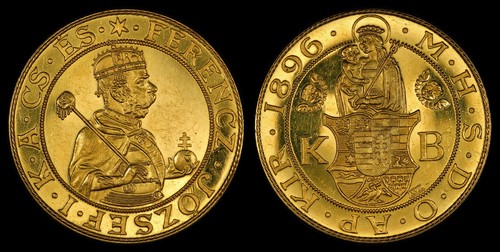
Hungarian 9 Ducats
A large gold multiple-ducat piece of Hungary dated 1896, showing a bearded crowned figure with sword and shield and the crowned Hungarian arms.
Bullion/gold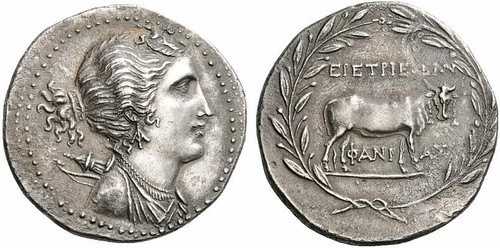
Tetradrachm of Eretria
A silver tetradrachm attributed to Eretria on Euboea, pairing the head of a female figure with a standing bull and the Greek legend EYBOIA.
Ancient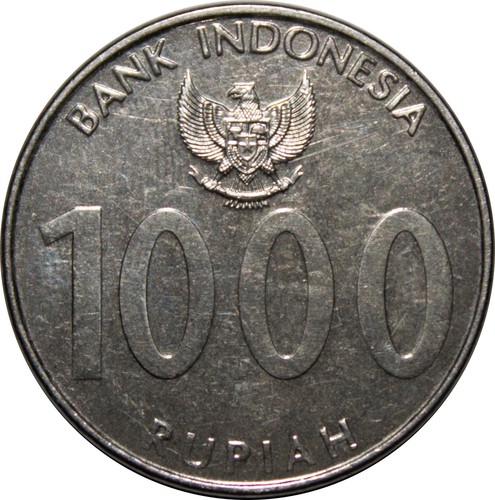
Indonesia 1000 Rupiah
A 2010 Indonesian 1000-rupiah circulation coin, its obverse bearing the Garuda Pancasila emblem and Bank Indonesia legend, its reverse a traditional monument design.
Southeast Asia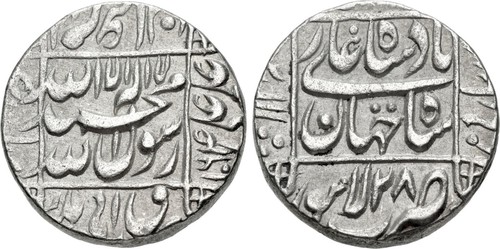
Shah Jahan Rupee
Hand-struck silver rupee of Mughal emperor Shah Jahan, all-Persian calligraphy in ornate cartouches, dated AH 1064 (AD 1653-1654).
Mughal India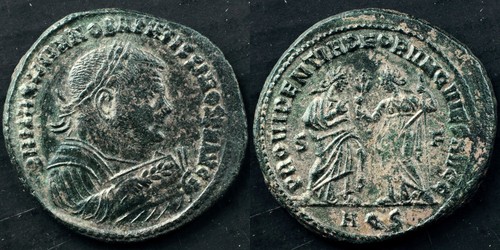
Follis of Maximian
A large silvered-bronze follis of the emperor Maximian, introduced with Diocletian's coin reform of the Tetrarchy around AD 294.
Ancient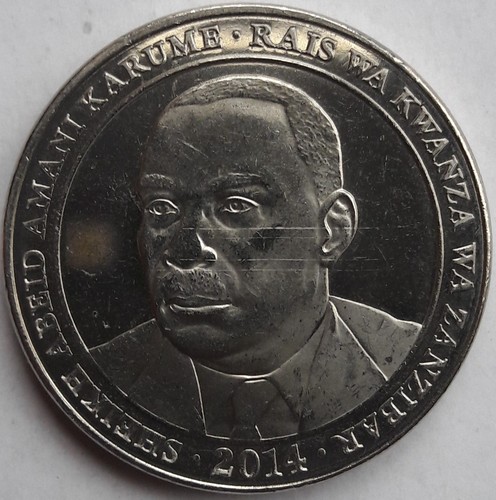
Tanzania 500 Shillings
A modern base-metal circulating coin of Tanzania carrying a right-facing portrait long associated with the nation's founding president and a Kiswahili legend.
World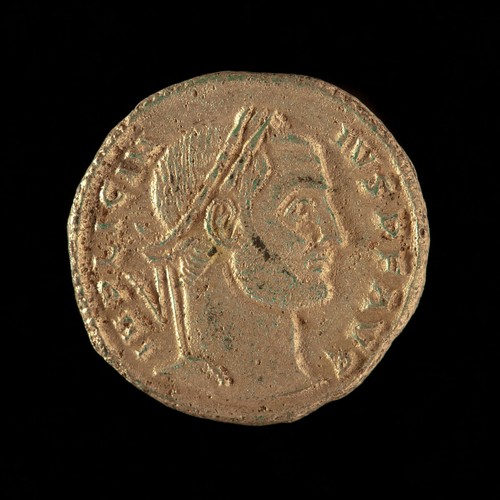
Follis of Licinius I
A small bronze follis of the emperor Licinius I (AD 308-324), showing his portrait and a standing deity reverse, struck around AD 320-321.
Ancient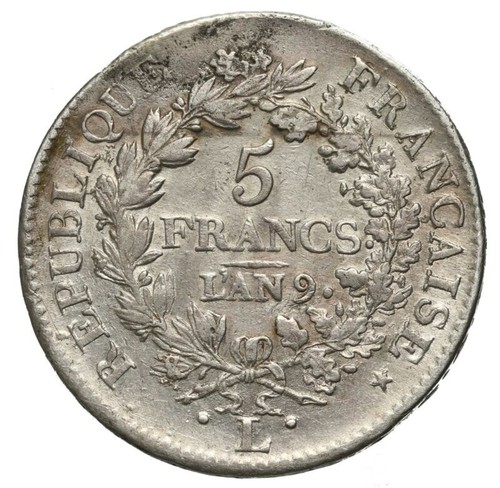
5 Francs Semeuse
France's silver 5 francs of the New Franc era: Roty's striding Semeuse (Sower) on the obverse, the value in an olive spray on the reverse.
Circulation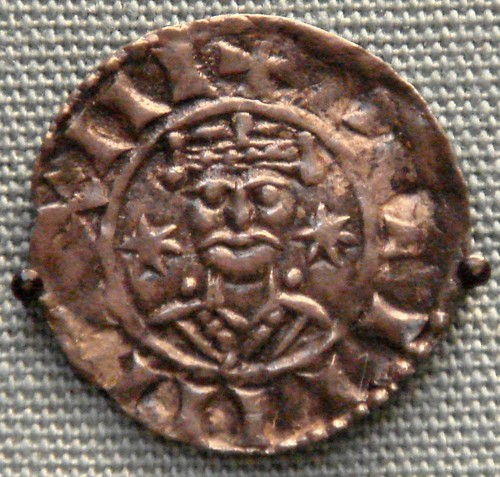
Penny of William I
Hammered silver penny of William the Conqueror, the example showing a profile portrait of the king and a decorated cross reverse, struck circa 1075.
Medieval Coins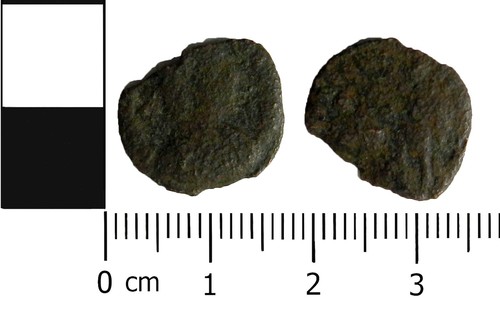
Roman Centenionalis
A small fourth-century Roman bronze coin, part of the reformed low-value currency struck across the empire's mints during a period of frequent monetary change.
Ancient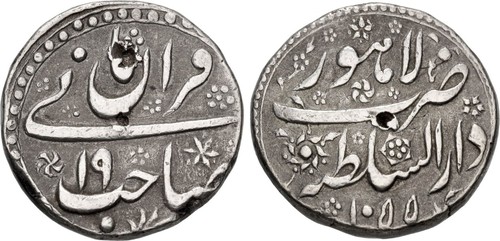
Shah Jahan Half Rupee
Silver half rupee of Mughal emperor Shah Jahan, dated AH 1055, carrying Persian-script inscriptions and ornamental borders instead of any portrait.
Mughal India