
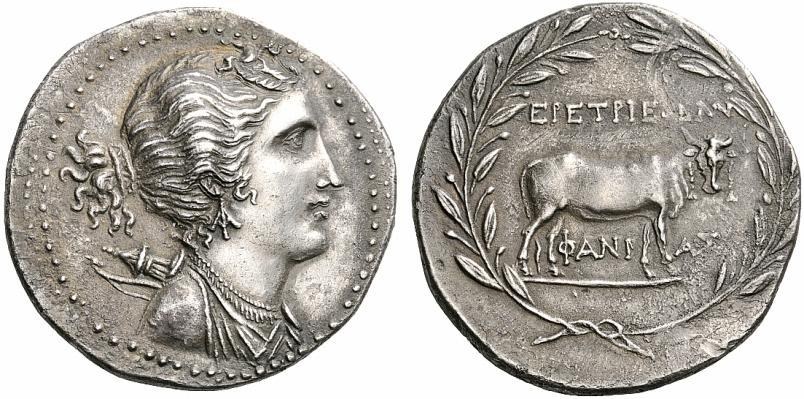
Tetradrachm of Eretria
A silver tetradrachm attributed to Eretria on Euboea, pairing the head of a female figure with a standing bull and the Greek legend EYBOIA.
- Country
- Ancient Greece
- Denomination
- Tetradrachm
- Metal
- Silver
Got a coin like this?
Identify any coin from a photo, free.
Overview
The Tetradrachm of Eretria is a large silver coin associated with the ancient city of Eretria on the island of Euboea in Greece. The observed example shows a female head in profile facing right, with curled hair and a pearl necklace, paired on the reverse with a standing bovine (bull) and the Greek inscription EYBOIA, the name of the island of Euboea.
The female figure is generally understood as a nymph or personification connected to Euboea, and the bovine reverse belongs to a long Euboean coin tradition in which cattle imagery reflected the island's agricultural wealth and its role in early Greek trade. The name EYBOIA in the field ties the type to the island rather than to a single ruler.
As a tetradrachm, the coin represents one of the larger silver denominations of the Greek world, worth four drachms. It is a display piece of civic identity: the head and the bull together announce the city and its island to anyone handling the coin in trade.
History & Background
Eretria was one of the leading cities of Euboea and, together with its neighbor Chalcis, played a major part in early Greek colonization and Aegean commerce. Euboean traders and settlers spread across the Mediterranean, and the island's name became closely linked to a standard of weights and to coinage bearing cattle imagery.
Coins of Eretria and of the wider Euboean community drew on stock local types: a female head associated with the island and a bovine, sometimes shown as a cow or a bull. The legend EYBOIA on the reverse signals the island of Euboea and reflects periods when the Euboean cities coined under a shared civic or federal identity rather than in the name of an individual authority.
Greek civic coinage of the Classical period was struck by hand from hand-engraved dies, one coin at a time, so styles and details vary from piece to piece. Large silver denominations such as the tetradrachm were issued for major payments and prestige rather than everyday small change, which makes them relatively less common than the smaller fractions that circulated day to day.
How to Identify
Identify this type from the pairing of its two sides. The obverse carries a female head in profile facing right, with curled or wavy hair and a pearl necklace at the throat. The reverse shows a bovine, a bull, standing to the left, accompanied by the Greek letters EYBOIA naming the island of Euboea.
The legend is the clearest single diagnostic: read the reverse for EYBOIA in Greek capitals (epsilon, upsilon, beta, omicron, iota, alpha). The bull's stance, the head-and-necklace obverse, and the island name together separate this issue from other Greek cattle types that use different legends or a facing rather than a standing animal.
As a tetradrachm the coin should be a substantial silver piece, well larger and heavier than a drachm or the small Euboean fractions. Expect the toned grey surfaces and slightly irregular, hand-struck flan typical of ancient Greek silver, with the design sometimes off-center and part of the legend running to or beyond the edge.
Value & Collectibility
Ancient Greek silver from Euboea is collected for its civic history and its cattle imagery, and value depends heavily on the specific issue, the size and denomination, and the state of preservation. Small silver fractions of the region are the most accessible, while a genuine large tetradrachm in good style would sit well above them.
Condition drives price: a sharp, well-centered strike with a clear female portrait, a full bull, and a legible EYBOIA legend commands a strong premium over a worn, off-center, or corroded example. Attractive toning, complete design, and a documented collection history all add value.
The figures discussed here are general context rather than an appraisal. Because large Euboean silver is unusual and the market for ancient coins includes many modern copies and tourist pieces, the price of a specific coin turns on expert attribution and authentication far more than on any published guide range.
Frequently asked questions
What do the two sides of the coin show?
The obverse shows a female head in profile facing right with curled hair and a pearl necklace, and the reverse shows a standing bull with the Greek legend EYBOIA, the name of the island of Euboea.
What does EYBOIA mean on the reverse?
EYBOIA is the Greek name for Euboea, the large island north of Athens where Eretria stood. It identifies the coin with the island and its cities rather than with a single named ruler.
Who is the woman on the obverse?
She is generally understood as a nymph or personification linked to Euboea rather than a portrait of a real person. Classical Greek civic coins typically depicted deities and local figures instead of living rulers.
How big is a tetradrachm?
A tetradrachm was worth four drachms and is one of the larger silver denominations of the Greek world, so it is a substantial, heavy silver coin, much bigger than the small fractions that circulated for everyday purchases.
Tetradrachm of Eretria guides
In-depth guides for identifying, valuing, and collecting Tetradrachm of Eretria.
Other coins you may enjoy
Tetradrachm of Ptolemy XII
80-51 BC
Tetradrachm of Ptolemy I
305-283 BC
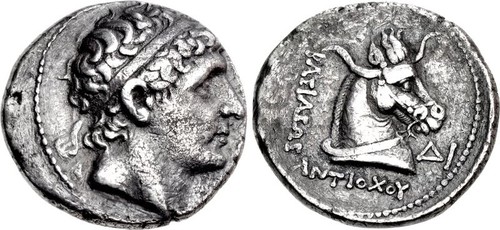
Tetradrachm of Antiochos I Soter
281-261 BC
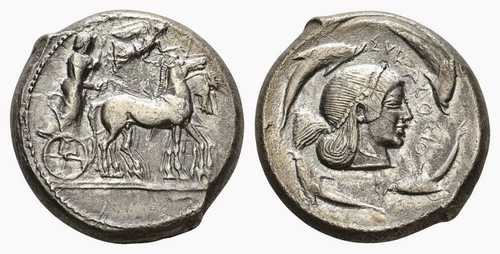
Syracuse Tetradrachm
c. 5th-4th century BC (Classical period)
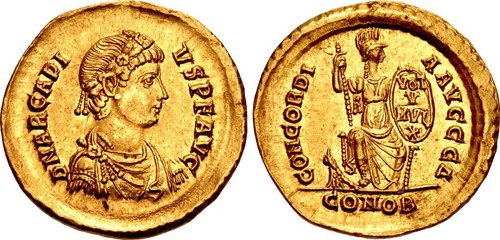
Solidus of Arcadius
AD 395-402
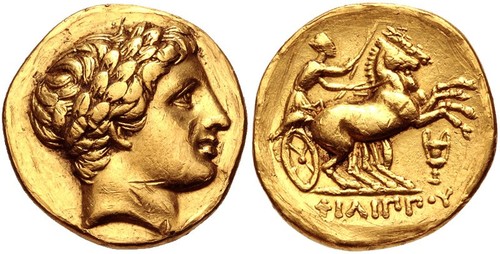
Philip III Gold Stater
323-317 BC
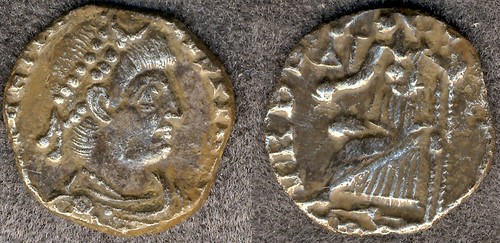
Siliqua of Gratian
AD 367-383
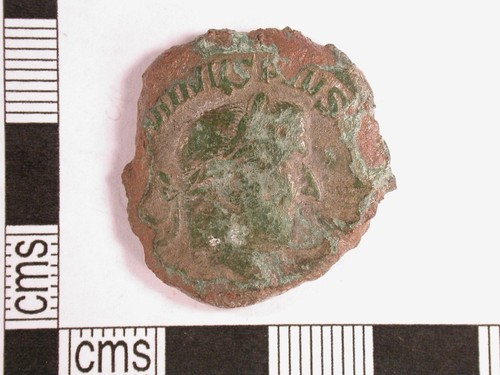
Sestertius of Maximinus Thrax
235-238 AD
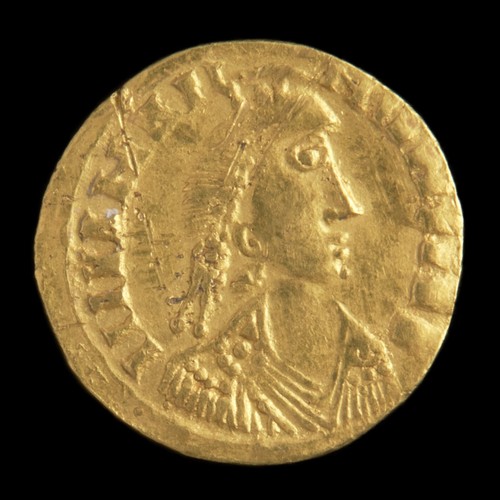
Solidus of Valentinian III
AD 425-455
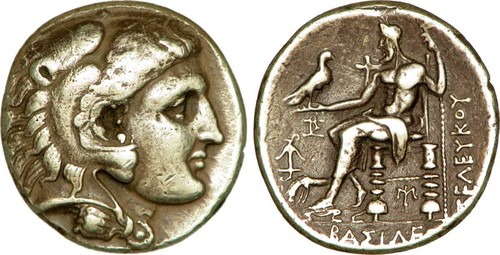
Seleucus I Nicator Tetradrachm
Late 4th-3rd century BC
Nummus of Magnentius
AD 350-353
Follis of Galerius
AD 308-310