
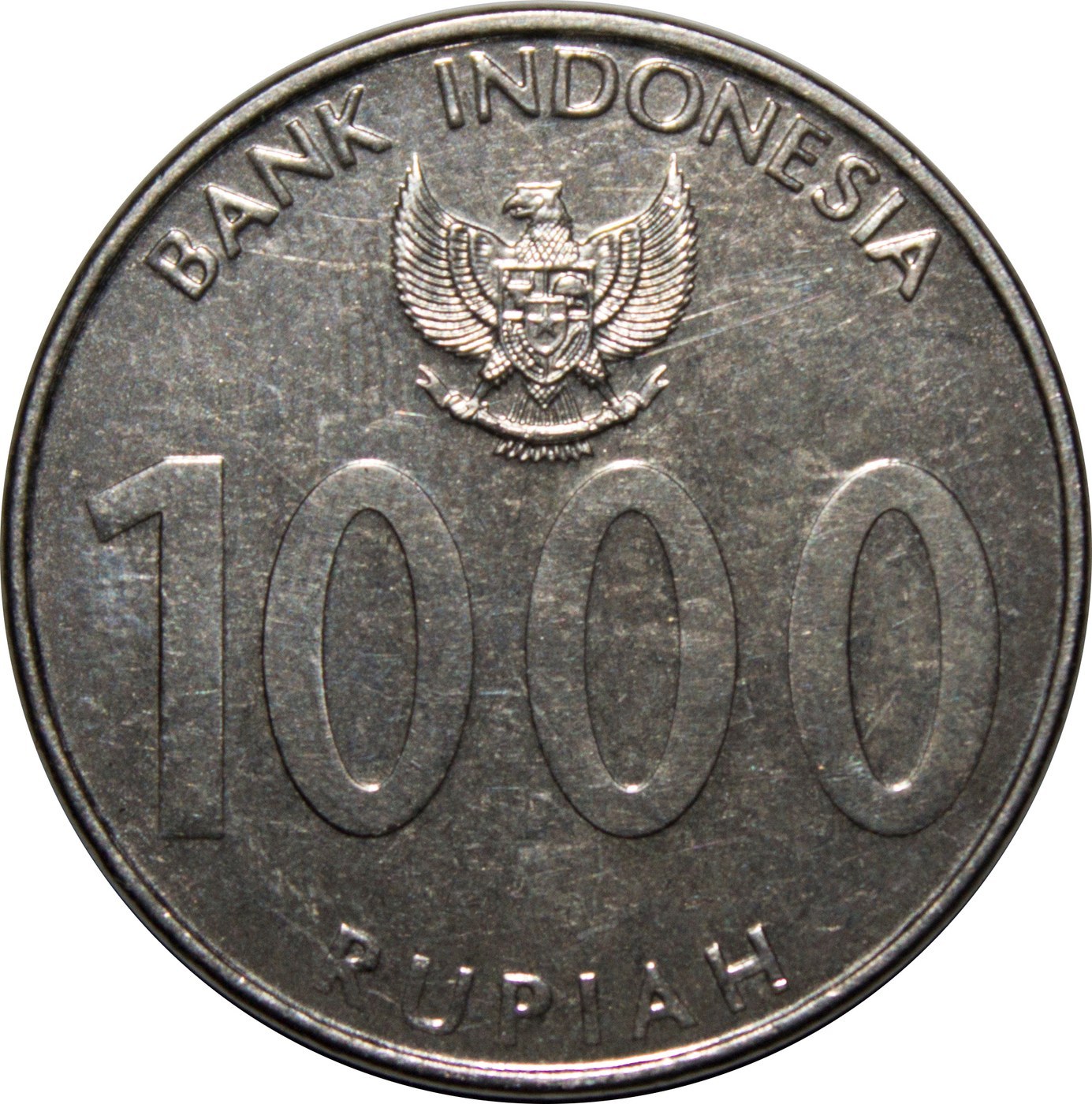
Indonesia 1000 Rupiah
A 2010 Indonesian 1000-rupiah circulation coin, its obverse bearing the Garuda Pancasila emblem and Bank Indonesia legend, its reverse a traditional monument design.
- Country
- Indonesia
- Denomination
- 1000 Rupiah
- Metal
- Nickel-plated
Got a coin like this?
Identify any coin from a photo, free.
Overview
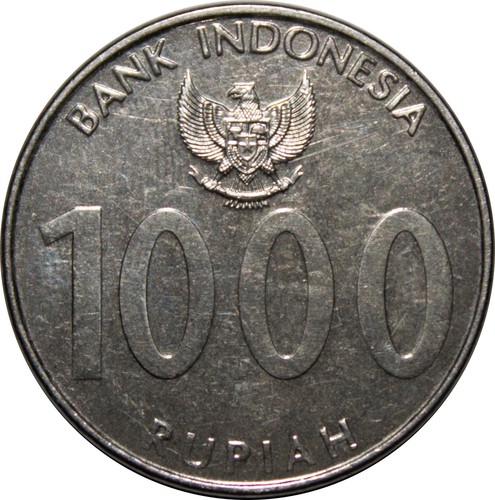
The Indonesia 1000 Rupiah is a base-metal circulation coin issued by Bank Indonesia, the country's central bank. The example shown carries the date 2010 and belongs to a nickel-plated series of the denomination that circulated as everyday small change. The obverse displays the national coat of arms, the Garuda Pancasila, an eagle bearing a shield on its breast, together with the legend "BANK INDONESIA" and the value "1000."
The reverse shows a traditional Indonesian monument-style design set above the word RUPIAH, the customary layout for the denomination that pairs the state issuer on one face with a cultural or heritage motif on the other. As one of the higher-value circulating coins of its era, the 1000-rupiah piece was heavily produced and remains widely available.
Because it was intended for daily commerce rather than for collectors, most surviving pieces are circulated. It is a familiar coin to travelers and to collectors of modern Southeast Asian coinage, and it represents Indonesia's monetary system in the years before more recent coin redesigns.
History & Background
The rupiah has been Indonesia's currency since the years following independence, and Bank Indonesia is the sole authority for issuing the nation's banknotes and coins. Over the decades the coinage has been redesigned several times to keep pace with inflation and changing production methods, moving from earlier aluminium and cupro-nickel pieces toward lighter nickel-plated and bi-metallic formats for the higher denominations.
The 1000-rupiah denomination has appeared in more than one coin design. A bi-metallic 1000-rupiah was issued in the 1990s, and a lighter nickel-plated single-metal coin followed for later circulation, of which the 2010-dated piece here is an example. These coins were struck by Perum Peruri, the state-owned mint and security enterprise that produces Indonesia's currency.
Coins of this period draw on national symbolism, the Garuda Pancasila emblem for the state and a heritage or monument motif for the cultural face, a pattern seen across the rupiah coin series. The 2010 issue sits within this modern circulation coinage rather than being a commemorative.
How to Identify
Identify the coin from its two faces. The obverse carries the Garuda Pancasila, the Indonesian national emblem, an eagle with a shield on its chest, flanked and encircled by the text "BANK INDONESIA" and the large numeral "1000" giving the value. The date, here 2010, appears on the coin as part of this circulation series.
The reverse bears a traditional monument or architectural motif above the word RUPIAH, identifying the currency unit. The pairing of the national arms and issuer legend on one side with a heritage design and the word RUPIAH on the other is the standard signature of Indonesian rupiah coinage and helps confirm the country of origin.
The piece is a round nickel-plated coin with a pale silvery appearance; the plated surface can show wear or discoloration on circulated examples. Because the emblem, the "BANK INDONESIA" legend and the RUPIAH inscription are unmistakably Indonesian, the coin can be attributed at a glance even without reading the exact date.
Value & Collectibility
The 2010 1000-rupiah coin was made for general circulation in very large numbers, so it is common and most examples carry little premium above their small face value. Its appeal lies in being an accessible, representative modern Indonesian coin rather than a rarity.
Condition drives what little premium exists. Uncirculated or lightly handled pieces with clean, unmarked plating are more desirable than worn coins showing spotting or plating loss. Collectors assembling a set of modern rupiah coinage will seek attractive examples of each date and design variety.
Because it is an inexpensive base-metal circulation coin, values should be understood as general context rather than firm quotes; supply is plentiful and prices track condition and demand among collectors of Southeast Asian coins.
Frequently asked questions
What is the bird on the front of the coin?
It is the Garuda Pancasila, the national emblem of Indonesia, a mythical eagle bearing a shield on its breast. It appears with the legend BANK INDONESIA and the value 1000.
Is the 1000 rupiah coin made of silver?
No. This coin is nickel-plated base metal, which gives it a pale silvery look but contains no precious metal. Any bright or gray tone comes from the plating, not silver.
How much is 1000 rupiah worth?
As currency it is a small amount, well under a US dollar. As a collectible the circulating coin usually trades at only a modest premium over face value because it was widely produced.
Who issued this coin?
It was issued by Bank Indonesia, the central bank, and struck by the state mint Perum Peruri. The issuer name appears on the obverse as BANK INDONESIA.
Is the 2010 date a commemorative issue?
No. The 2010 1000-rupiah is an ordinary circulation coin, not a commemorative. The date simply reflects the year of striking within the regular coin series.
Indonesia 1000 Rupiah guides
In-depth guides for identifying, valuing, and collecting Indonesia 1000 Rupiah.
Other coins you may enjoy
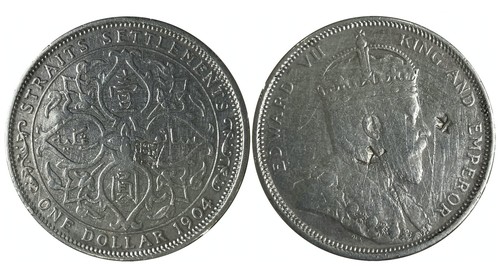
Straits Settlements Dollar
1904
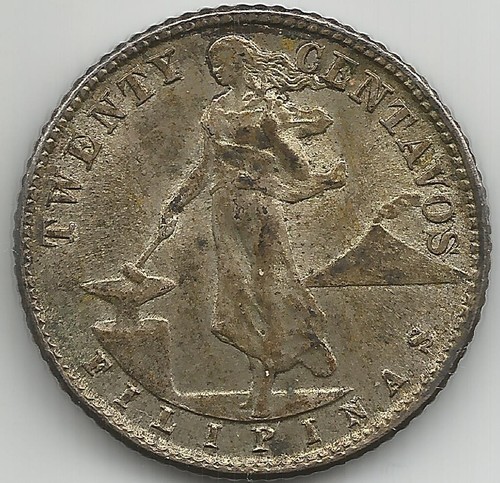
Philippines 20 Centavos
1937–1945 (this example dated 1944)
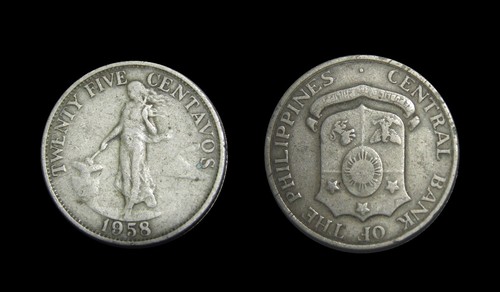
Philippines 25 Centavos
Dated 1958, part of the Republic of the Philippines "English Series" coinage struck from 1958 to 1966
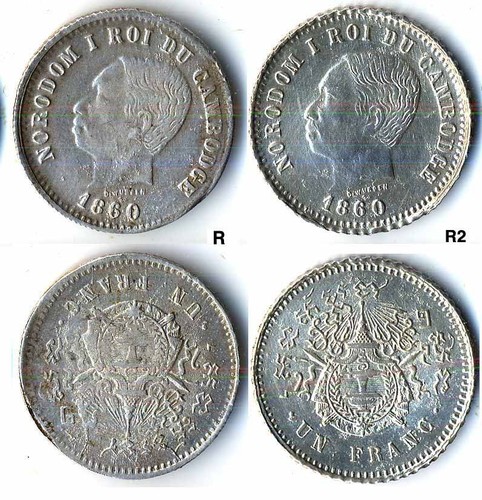
Cambodia One Franc
1950s–1960s
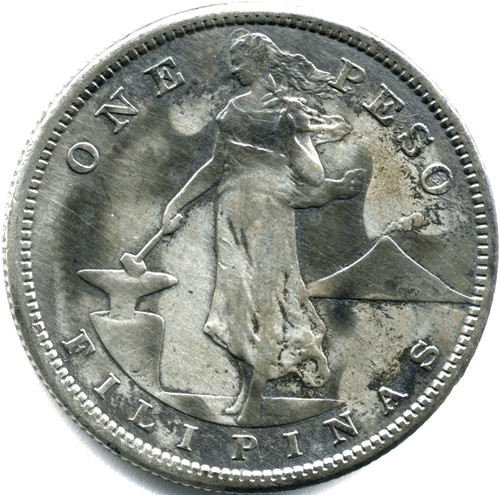
Philippines One Peso
1903–1912
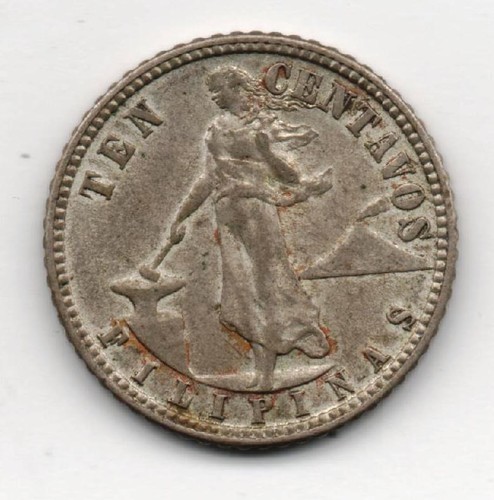
Philippines 10 Centavos
1907–1935 (this example dated 1911)
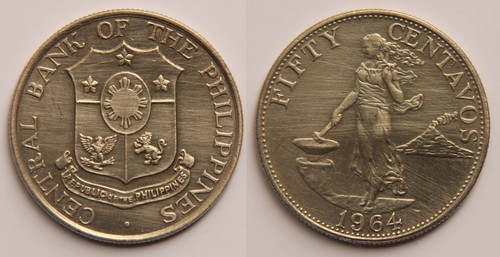
Philippines 50 Centavos
1958–1966 (English series); example dated 1964
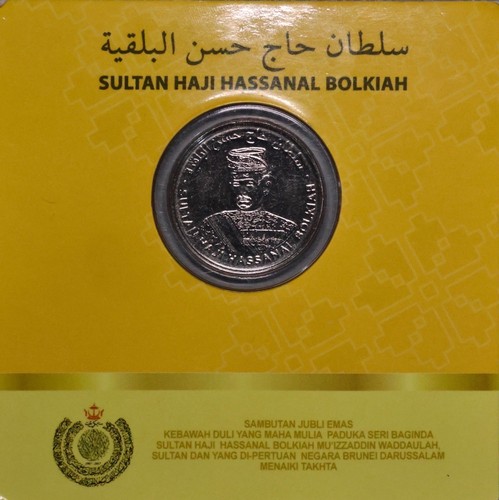
Brunei Golden Jubilee 50 Cents
Golden Jubilee issue, 2017
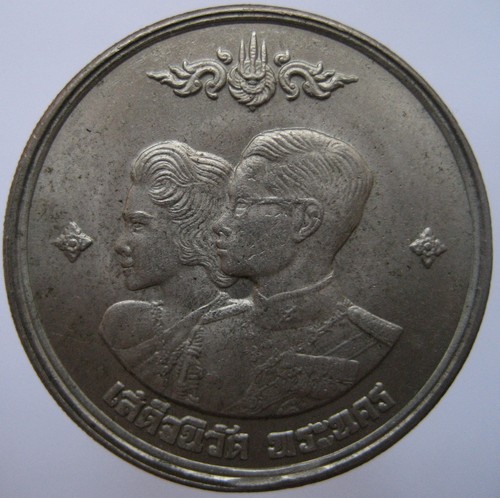
Thailand One Baht Commemorative
1961
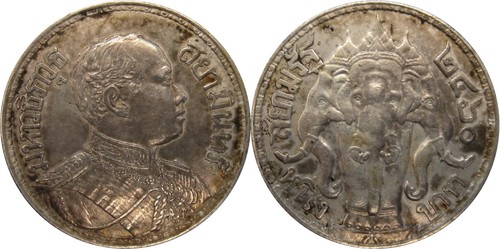
Thailand One Baht
1917
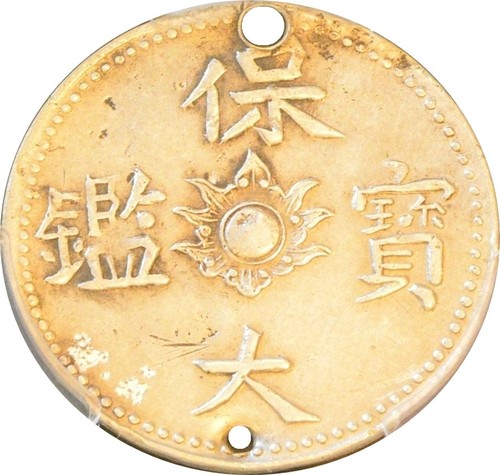
Vietnam 2 Tien - Bao Dai
1926-1945
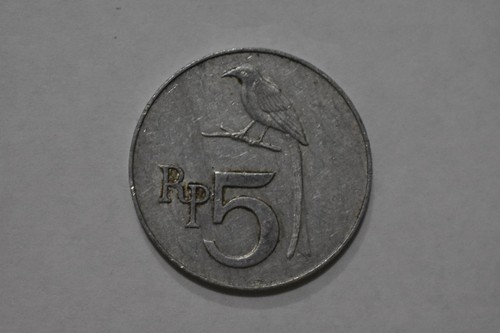
Indonesia 5 Rupiah
2003