
How to Identify the Indonesia 1000 Rupiah
A collector's guide to identifying the nickel-plated 1000-rupiah coin: the Garuda emblem, Bank Indonesia legend, monument reverse, metal and look-alikes.
Read the full Indonesia 1000 Rupiah encyclopedia entry →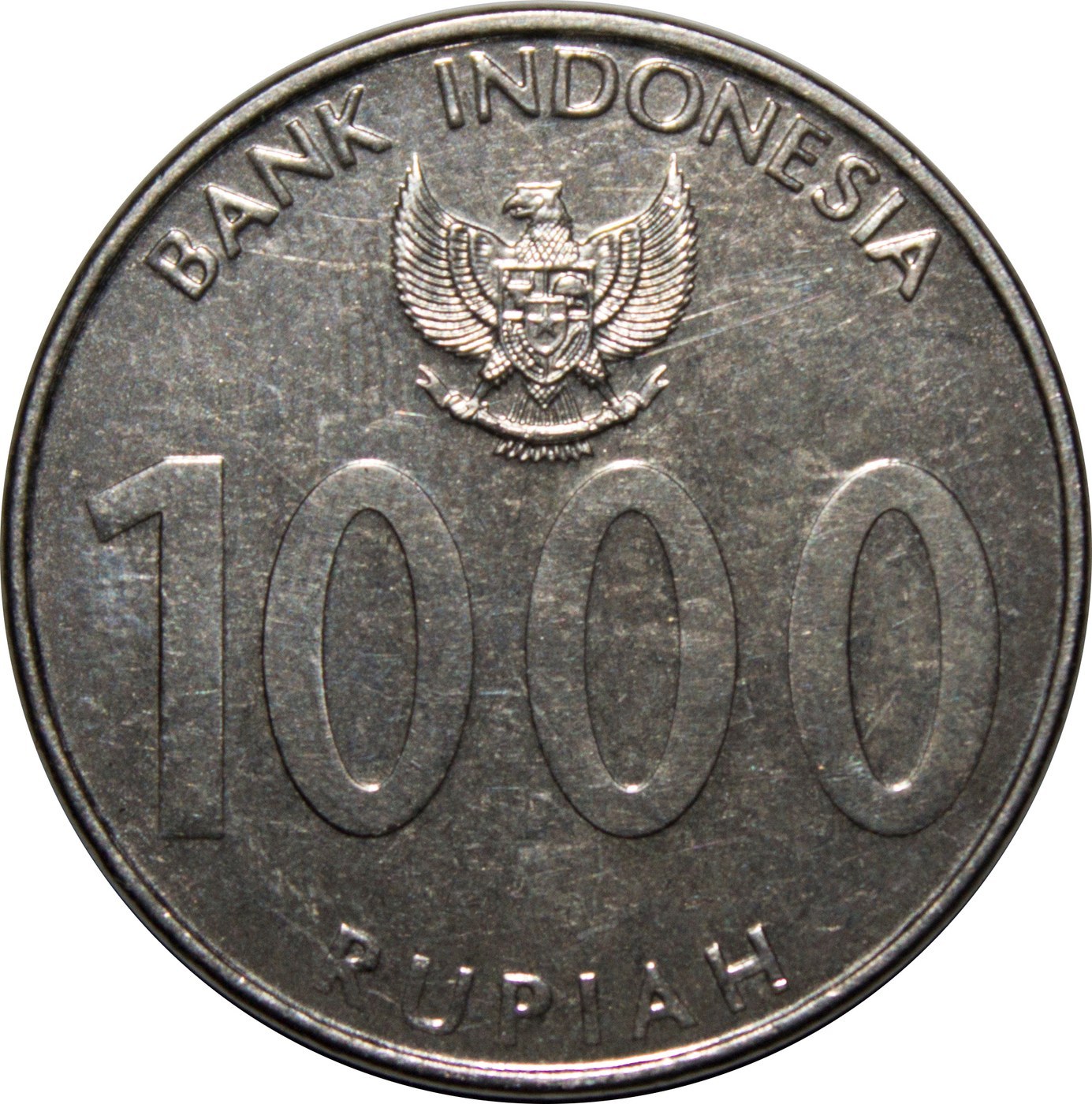
Start with the obverse legend and emblem. The fastest confirmation that a coin is an Indonesian 1000-rupiah is the combination of the Garuda Pancasila national emblem, an eagle with a shield on its chest, the words "BANK INDONESIA," and the large value numeral "1000." These elements together fix both the issuing country and the denomination. The date, such as 2010 on this example, is carried on the coin within the same circulation series.
Read the reverse for the cultural motif and currency word. This face shows a traditional monument or architectural design above the word RUPIAH. The pairing of state arms and issuer on the obverse with a heritage motif and RUPIAH on the reverse is the standard layout of Indonesian rupiah coins and separates the piece from unrelated foreign coinage of similar size.
Check the physical coin. This is a round nickel-plated base-metal coin with a pale silvery surface. Because the nickel layer is a plating over a core metal, circulated examples often show scuffs, spotting or areas where the surface has dulled or discolored. Weight and diameter should match the published specifications for the nickel-plated 1000-rupiah type; note that an earlier bi-metallic 1000-rupiah coin exists with a two-tone ring-and-center appearance, so a single-color plated piece belongs to this later series.
Distinguish the coin from look-alikes and other denominations. Indonesia's coinage uses the same Garuda emblem and BANK INDONESIA legend across several values, so read the numeral carefully to confirm 1000 rather than a lower denomination. Take care not to confuse the plated 1000-rupiah with the older bi-metallic 1000-rupiah or with similarly sized coins of neighboring countries; the RUPIAH inscription and Indonesian emblem settle the attribution.
Apply routine authentication sense. As an inexpensive circulation coin, the 1000-rupiah is rarely counterfeited, but genuine pieces are cleanly struck with sharp lettering and a well-defined emblem. Be cautious of pieces with mushy detail, odd weight, or artificial coloring, and verify uncertain examples against a standard reference for modern Indonesian coinage.
Frequently asked questions
How do I tell this from a lower-denomination Indonesian coin?
Read the value numeral on the obverse. Several rupiah coins share the same Garuda emblem and BANK INDONESIA legend, so the printed number, here 1000, is what confirms the denomination.
How is the nickel-plated coin different from the older bi-metallic 1000 rupiah?
The bi-metallic coin has a two-tone appearance with a distinct outer ring and a different-colored center. The later coin, including the 2010 issue, is a single-color nickel-plated piece with a uniform silvery surface.
The coin looks worn and discolored. Is that normal?
Yes. Because the coin is nickel-plated base metal used in daily commerce, circulated examples commonly show scuffing, spotting or dulled areas where the plating has worn. This does not mean the coin is fake.
Does the coin have a mint mark?
Indonesian circulation coins of this era were struck by the state mint Perum Peruri and generally identify the issuer as BANK INDONESIA rather than carrying a prominent mint mark. Attribution relies on the emblem, legend, denomination and date.