
French Indochina Piastre
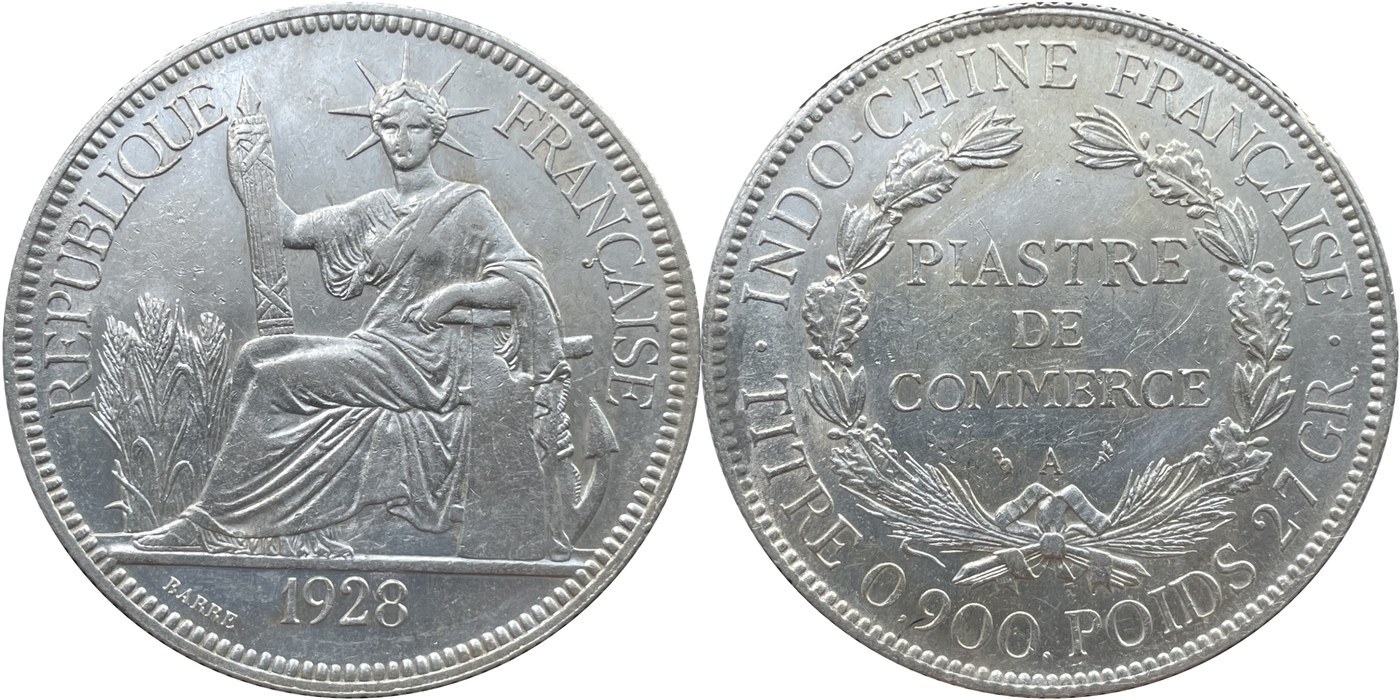
A 1928 silver piastre of French Indochina, its obverse showing seated Liberty with torch and laurel, its reverse reading UNION INDOCHINE FRANÇAISE in a floral wreath.
- Country
- French Indochina
- Denomination
- 1 Piastre
- Metal
- Silver
Got a coin like this?
Identify any coin from a photo, free.
Overview
The French Indochina Piastre is the large silver trade coin issued by France for its Southeast Asian colonial territories, the Union Indochinoise that gathered present-day Vietnam, Cambodia and Laos. The example shown here is dated 1928 and carries the classic design of the type: on the obverse a seated figure of Liberty holding a torch and a laurel branch, and on the reverse the legend UNION INDOCHINE FRANÇAISE around the denomination set within a floral wreath.
This is a one-piastre denomination struck in silver, the flagship of the colonial series and roughly the size and heft of a contemporary silver crown or dollar. The piastre functioned as the principal unit of account across French Indochina and competed with other silver "trade dollars" circulating in East and Southeast Asia during the period.
Because it is a sizeable, attractively designed silver coin tied to a well-defined colonial series, the Indochina piastre is a popular and readily recognized type among collectors of world and colonial coinage.
History & Background
France consolidated its Southeast Asian possessions into the Union Indochinoise in the late nineteenth century, and to serve trade there it issued a silver piastre modeled on the widely accepted silver dollars of the region. The seated-Liberty piastre became the enduring image of this coinage and was struck across several decades into the early twentieth century, of which the 1928 coin shown here is one dated example.
The piastre circulated in an economy where silver trade coins moved freely across borders and ports, so it was designed to hold its own alongside issues such as the Mexican peso and other regional silver dollars. Over the life of the series the silver content and details were adjusted in response to the price of silver and monetary policy, which is why weights and fineness differ between earlier and later dates.
By the time of this 1928 issue the piastre was a well-established colonial standard. Coinage of the type continued until the wider disruptions of the mid-twentieth century, after which the monetary systems of the successor states of Vietnam, Cambodia and Laos replaced the colonial piastre.
How to Identify
Use both faces together. The obverse shows a seated female figure of Liberty holding a torch in one hand and a laurel branch in the other, in the neoclassical style typical of French colonial silver; the date, here 1928, appears in the field. The reverse is the clinching identifier: the legend UNION INDOCHINE FRANÇAISE runs around a central floral wreath that encloses the denomination and weight statement.
The coin is a large silver piece, a round crown-size type well over 35 mm in diameter with a substantial weight in the range of roughly 27 grams for issues of this era, struck in silver of high fineness. A reeded edge and the pale, sometimes toned silver surface are consistent with a trade-dollar-format coin.
The combination of seated Liberty on one side and the French-language UNION INDOCHINE FRANÇAISE legend within a wreath on the other is unique to this series and distinguishes it at a glance from the many other Asian silver dollars. Small privy or mint marks on the reverse near the wreath denote the striking facility and are of interest to specialists cataloguing the exact variety.
Value & Collectibility
The French Indochina piastre carries value on two counts: its silver content and its collector demand as a well-known colonial trade coin. Because it is a large, high-fineness silver piece, even a worn common-date example holds a floor of bullion value that tracks the silver market, while collectible examples trade above that.
Condition and date drive the premium. Coins with sharp detail on Liberty and the wreath, original untampered surfaces, and attractive toning command more than heavily circulated, cleaned or damaged pieces. Scarcer dates and mint varieties within the series are more sought after than common years, so the exact date and any privy marks matter to buyers.
Prices should be treated as general context rather than fixed quotes, since they move with the silver price and with demand among world-coin collectors. A problem-free 1928 piastre is a solidly collectible silver crown; worn or impaired pieces trade closer to their metal value.
Frequently asked questions
What does UNION INDOCHINE FRANÇAISE mean?
It is French for "French Indochinese Union," the colonial federation of territories in Southeast Asia (today Vietnam, Cambodia and Laos) for which the coin was issued. The legend appears around the wreath on the reverse.
Is this piastre made of real silver?
Yes. The one-piastre is a large silver trade coin struck in high-fineness silver, giving it both bullion and collector value. Its size and weight are comparable to a silver crown or dollar.
Who is the woman on the obverse?
She is an allegorical figure of Liberty, shown seated and holding a torch and a laurel branch, a neoclassical motif common on French colonial silver of the era rather than a portrait of a real person.
What is a piastre worth?
Value depends on date, condition and the silver price. Every genuine example carries a floor of silver bullion value, with collectible and scarcer-date coins trading at a premium above that.
Where was it used?
The piastre was the principal silver coin of French Indochina and circulated across its territories and regional trade ports alongside other Asian silver dollars.
French Indochina Piastre guides
In-depth guides for identifying, valuing, and collecting French Indochina Piastre.
Other coins you may enjoy
Straits Settlements Dollar
1904
Philippines 20 Centavos
1937–1945 (this example dated 1944)
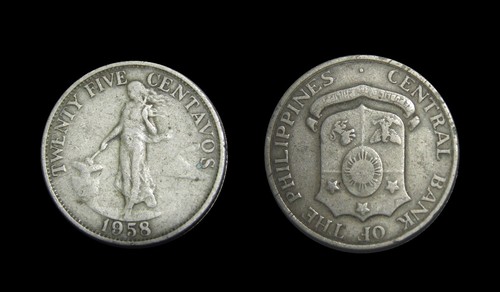
Philippines 25 Centavos
Dated 1958, part of the Republic of the Philippines "English Series" coinage struck from 1958 to 1966
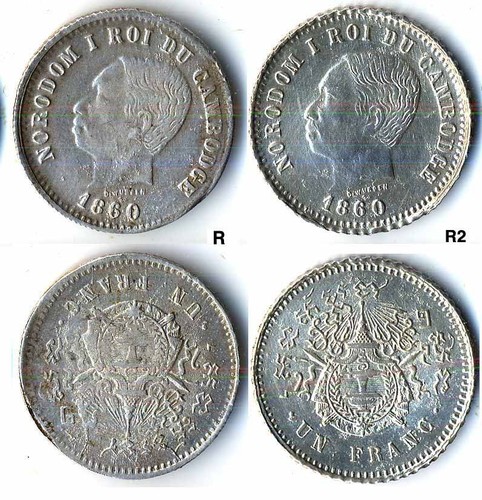
Cambodia One Franc
1950s–1960s
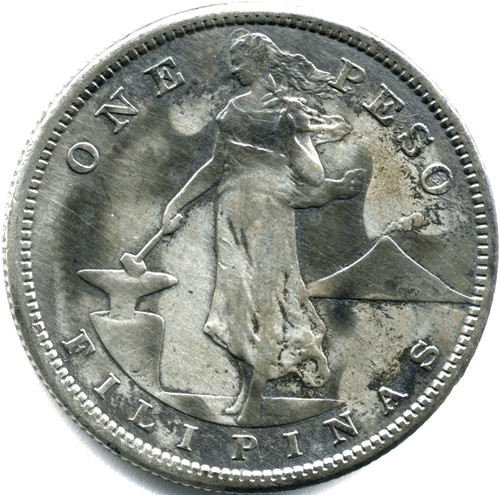
Philippines One Peso
1903–1912
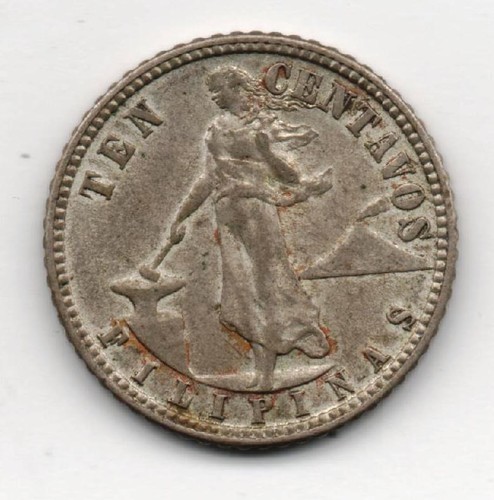
Philippines 10 Centavos
1907–1935 (this example dated 1911)
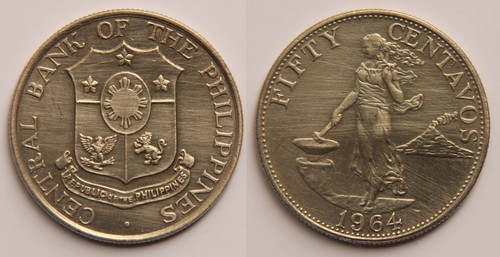
Philippines 50 Centavos
1958–1966 (English series); example dated 1964
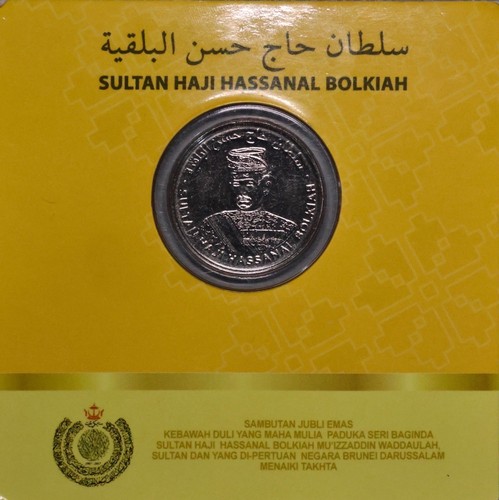
Brunei Golden Jubilee 50 Cents
Golden Jubilee issue, 2017
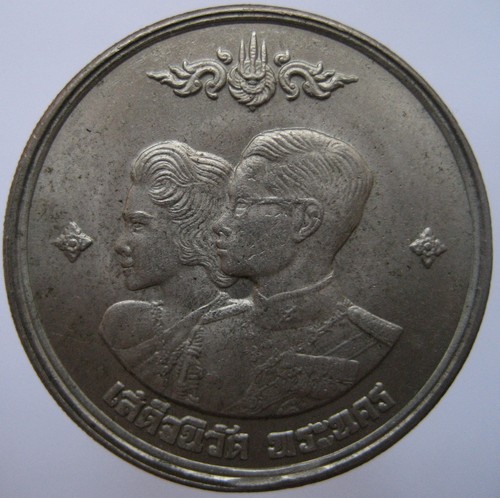
Thailand One Baht Commemorative
1961
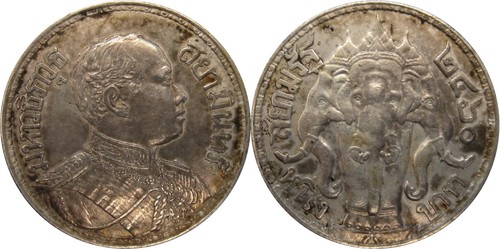
Thailand One Baht
1917
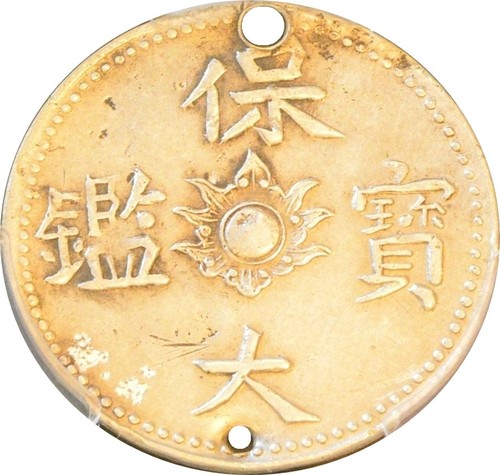
Vietnam 2 Tien - Bao Dai
1926-1945
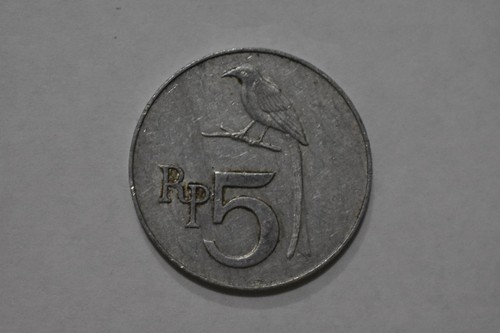
Indonesia 5 Rupiah
2003