
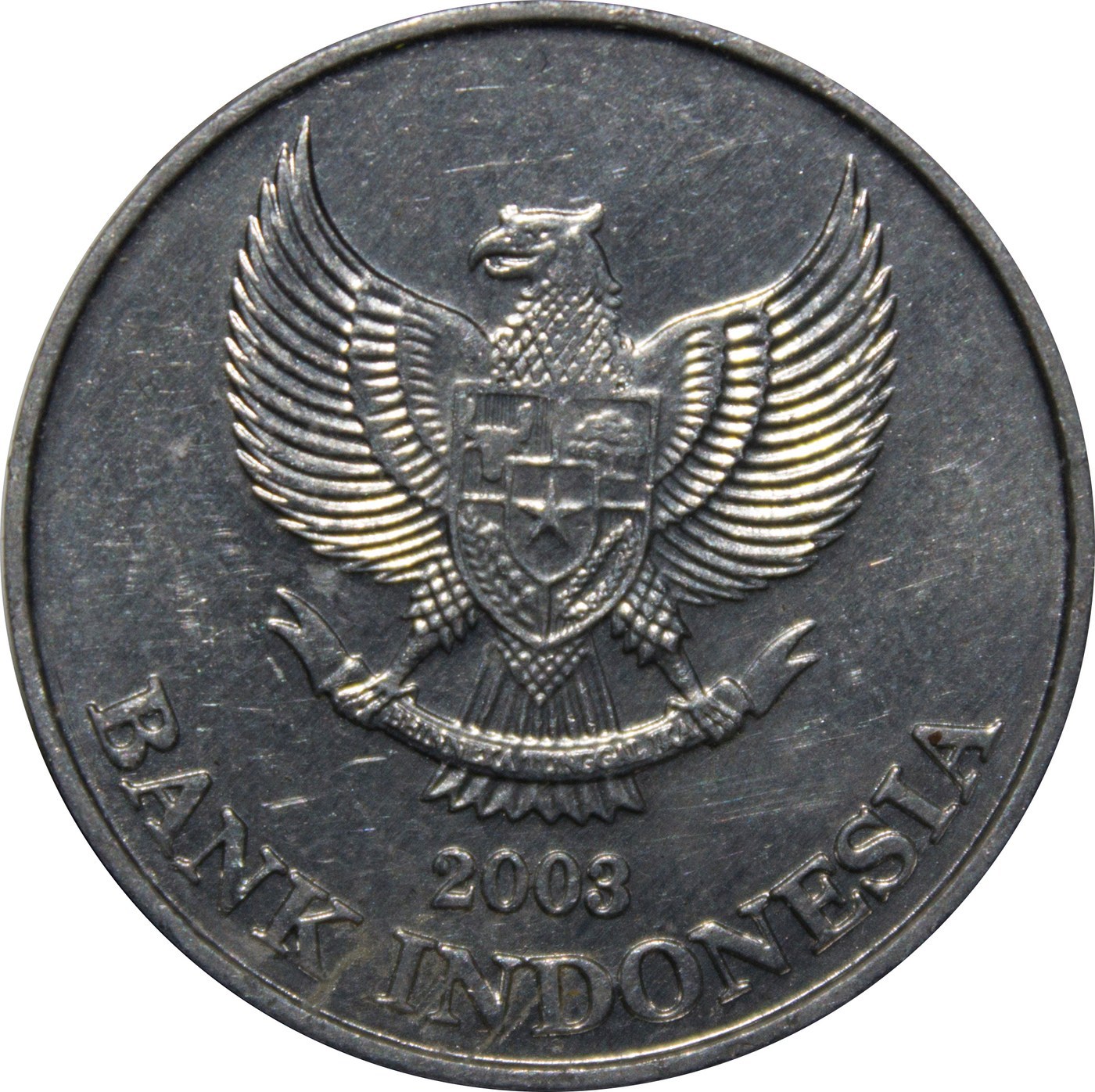
Indonesia 200 Rupiah
A lightweight aluminium Indonesian 200-rupiah coin: the Garuda Pancasila emblem on one side and a perched Bali Starling (Jalak Bali) with the value 200 on the other.
- Country
- Indonesia
- Denomination
- 200 Rupiah
- Metal
- Aluminum
Got a coin like this?
Identify any coin from a photo, free.
Overview
The Indonesia 200 Rupiah is a modern circulating coin issued by Bank Indonesia, struck in lightweight silvery aluminium. The example shown is the widely seen Bali Starling type: one face carries the national emblem, the Garuda Pancasila, with the legend "BANK INDONESIA" and the year (2003 on the coin pictured), while the other face depicts a Bali Starling (Jalak Bali) perched on a branch above the large numeral "200" and the word "RUPIAH."
Despite its comparatively high face value among Indonesia's small change, the coin is very light and thin because it is made of aluminium rather than a copper or nickel alloy. This gives it a pale, matte-grey appearance and a distinctly featherweight feel in the hand.
The design pairs the country's coat of arms with a piece of Indonesian natural heritage, following a Bank Indonesia series in which each low denomination features a native bird. It is an ordinary, mass-produced circulation coin rather than a commemorative or precious-metal issue.
History & Background
The Republic of Indonesia uses the rupiah as its national currency, and Bank Indonesia is the issuing authority responsible for its coins and banknotes. During the late 1990s and 2000s the bank moved much of its small change to aluminium, a cheap and light metal well suited to low-value pieces that must be produced in enormous quantities.
The 200-rupiah coin shown here belongs to a Bank Indonesia definitive series that highlighted native Indonesian birds on the reverse of several small denominations. This value carries the Bali Starling, or Jalak Bali (Leucopsar rothschildi), a striking white bird endemic to the island of Bali and one of the country's most celebrated and endangered species. Placing it on circulating coinage helped bring national attention to a rare native animal.
Coins of this pattern are dated to their year of striking; the piece in our photographs reads 2003. The type was produced for general circulation over multiple years and remains legal tender, though rising prices mean the 200-rupiah denomination now represents only a very small amount of money.
How to Identify
Identify the coin first by its metal and heft. This is an aluminium piece: it is unusually light and thin for its size, pale silvery-grey, and easily bent or dinged compared with heavier copper-nickel coins. It is round with a plain (smooth) edge and measures roughly the mid-20-millimetre range in diameter.
Read the two faces. The national side shows the Garuda Pancasila — the Indonesian eagle emblem with a shield on its breast and a banner in its talons — surrounded by "BANK INDONESIA" and the four-digit year (2003 on the example here). The value side shows a slender long-tailed bird perched on a branch with the inscription "JALAK BALI" above it, and below the bird the large numeral "200" over the word "RUPIAH." The combination of the Garuda emblem, the perched Jalak Bali, and the numeral 200 uniquely identifies this type.
Because several Indonesian aluminium coins share the Garuda-and-bird formula, always confirm the denomination numeral and the bird's caption. The 200-rupiah's "JALAK BALI" legend and its "200 RUPIAH" value distinguish it from lower denominations in the same family, which show different birds and different numbers.
Value & Collectibility
As a modern aluminium circulation coin produced in large numbers, the 200 rupiah carries little monetary value beyond its face amount, which is itself only a small sum. Ordinary circulated examples are common and trade for very modest prices, typically at or near pocket-change levels.
Collector interest is driven by condition and completeness of a date set rather than by scarcity. Bright, uncirculated coins with full mint luster and no bends, spots, or corrosion are more desirable than worn or oxidised pieces, since aluminium is soft and prone to nicks and dark toning. A clean run of dates or a well-preserved specimen appeals to world-coin and Southeast Asia collectors more than heavily handled examples.
Because these are inexpensive base-metal coins, values quoted online can vary widely with grade, eye appeal, and seller. Treat any figures as general context: the coin's appeal lies mainly in its attractive Bali Starling design and its place in Indonesia's modern series, not in bullion or rarity.
Frequently asked questions
What bird is on the Indonesia 200 Rupiah?
It is the Bali Starling, or Jalak Bali (Leucopsar rothschildi), a rare white bird endemic to the island of Bali. Its name is spelled out as "JALAK BALI" above the bird on the value side of the coin.
What is the eagle on the other side?
That is the Garuda Pancasila, the national emblem of Indonesia. The mythical eagle carries a shield on its chest and a banner in its talons, encircled by the legend "BANK INDONESIA" and the year.
What metal is the coin made of?
It is aluminium. That is why the coin feels so light and thin and has a pale, matte silvery-grey color. It contains no silver or other precious metal despite its whitish appearance.
Is the 200 Rupiah coin worth anything to collectors?
Most examples are common and worth little more than face value. Collector value comes mainly from high grade — bright, unbent, uncorroded coins — rather than from rarity.
Is it still legal tender?
It remains an official Bank Indonesia coin, though inflation means 200 rupiah is now a very small amount and the piece is seldom significant in everyday transactions.
Indonesia 200 Rupiah guides
In-depth guides for identifying, valuing, and collecting Indonesia 200 Rupiah.
Other coins you may enjoy
Straits Settlements Dollar
1904
Philippines 20 Centavos
1937–1945 (this example dated 1944)
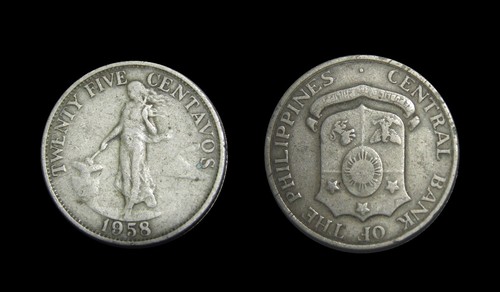
Philippines 25 Centavos
Dated 1958, part of the Republic of the Philippines "English Series" coinage struck from 1958 to 1966
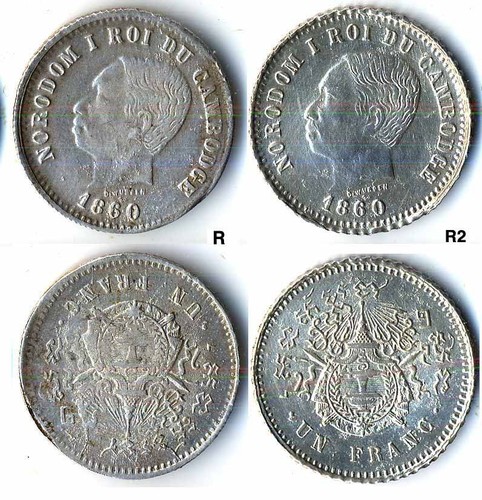
Cambodia One Franc
1950s–1960s
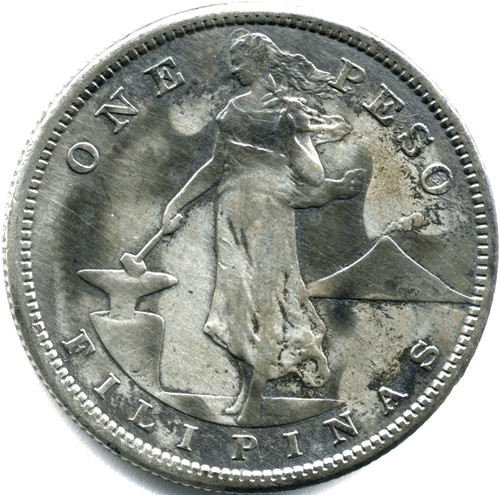
Philippines One Peso
1903–1912
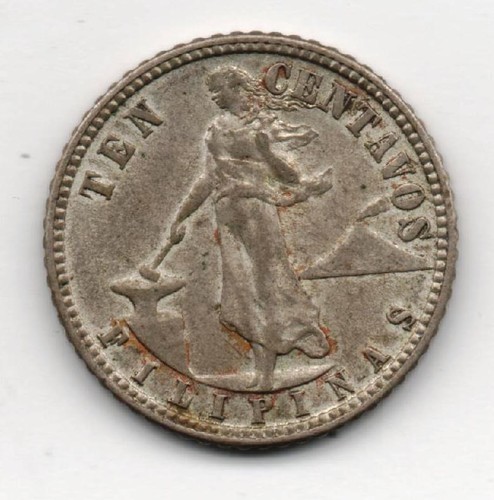
Philippines 10 Centavos
1907–1935 (this example dated 1911)
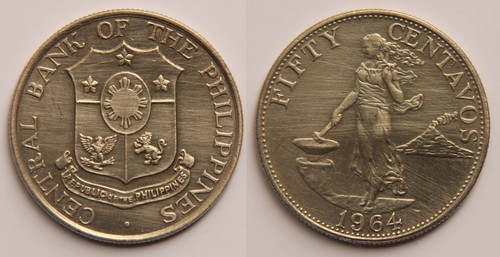
Philippines 50 Centavos
1958–1966 (English series); example dated 1964
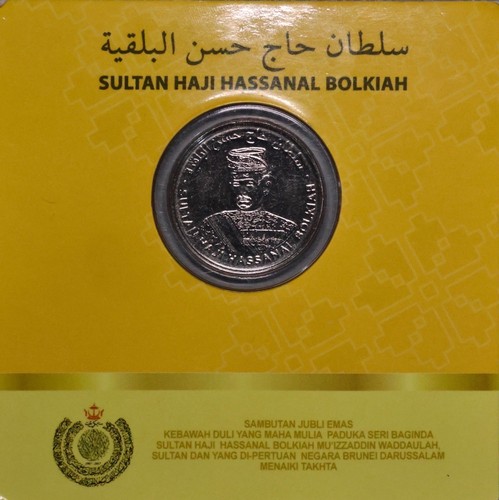
Brunei Golden Jubilee 50 Cents
Golden Jubilee issue, 2017
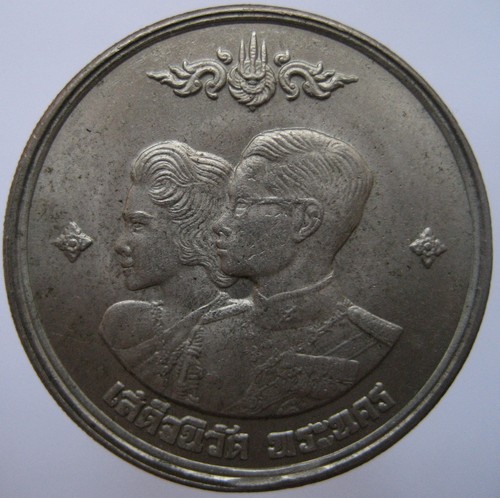
Thailand One Baht Commemorative
1961
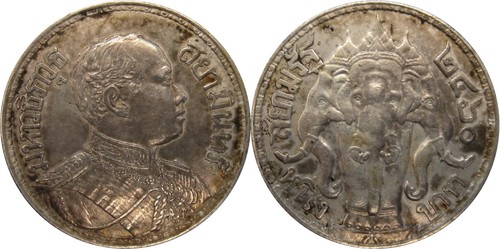
Thailand One Baht
1917
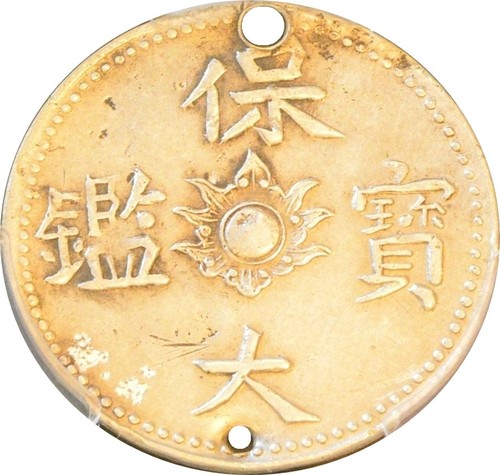
Vietnam 2 Tien - Bao Dai
1926-1945
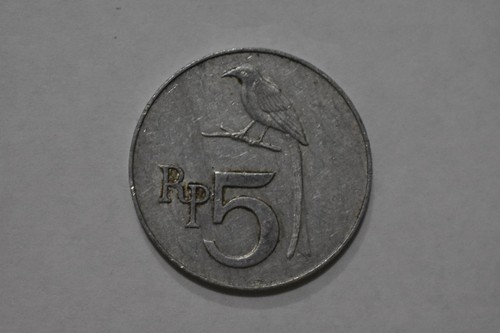
Indonesia 5 Rupiah
2003