
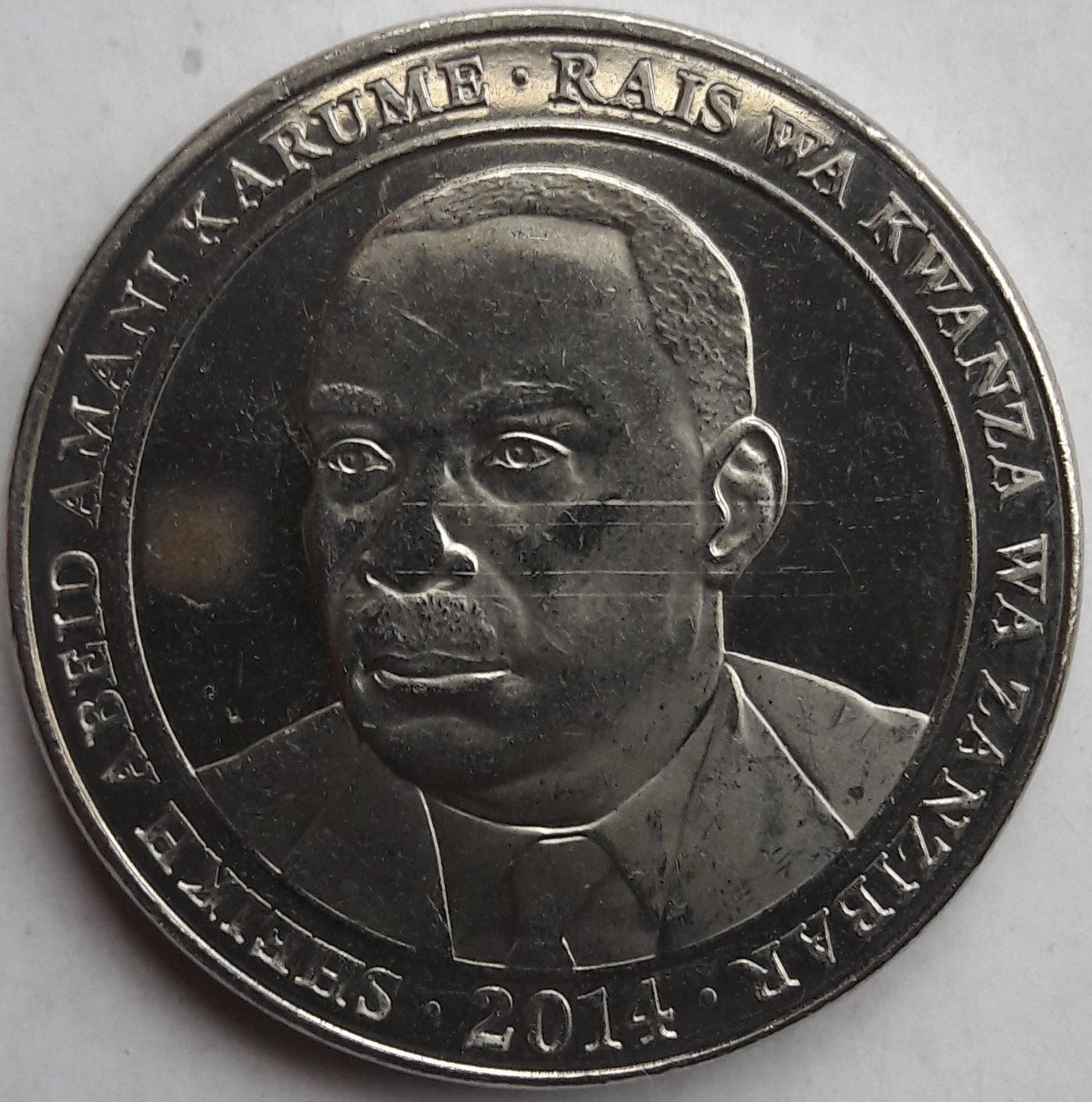
Tanzania 500 Shillings
A modern base-metal circulating coin of Tanzania carrying a right-facing portrait long associated with the nation's founding president and a Kiswahili legend.
- Country
- Tanzania
- Denomination
- 500 Shillings
- Metal
- Cupronickel
Got a coin like this?
Identify any coin from a photo, free.
Overview
The Tanzania 500 shillings is a modern circulating coin issued by the Bank of Tanzania, the example shown here dated 2014. It belongs to the country's decimal shilling system, in which the shilling (Kiswahili shilingi) is the basic unit, and it sits at the upper end of the circulating coin range rather than among the small change.
The obverse shown carries a man's portrait facing right accompanied by the Kiswahili legend reading in part KWANZA MWANATANZANIA. The portrait follows the long-standing convention of Tanzanian coinage, which honors Julius Kambarage Nyerere, the country's founding president, with the word kwanza ('first') referring to his standing as the first head of state. The reverse is not shown on the photographed example.
Struck in a base-metal alloy classed here as cupronickel, this is a hard-wearing everyday coin rather than a precious-metal issue. It is of interest chiefly to collectors of African and world coinage and to those assembling a modern Tanzanian type set.
History & Background
Tanzania was formed in 1964 from the union of Tanganyika and Zanzibar, and the Bank of Tanzania, established the following year, became the sole issuer of the nation's currency. The Tanzanian shilling replaced the earlier shared East African shilling, and over the following decades the Bank issued a succession of coins in ascending denominations as prices and everyday needs changed.
As inflation reduced the buying power of the smallest pieces, higher-value circulating coins were introduced to replace low-denomination notes and to serve routine cash transactions. The 500 shillings belongs to this later, higher-value tier of the coinage, and the 2014-dated example represents a modern issue of the series.
Across this modern coinage the Bank of Tanzania has repeatedly used the image of Julius Nyerere, revered as Baba wa Taifa (Father of the Nation) and known as Mwalimu ('teacher'), reflecting his central place in the country's founding. The right-facing portrait and Kiswahili legend on this coin sit within that established design tradition.
How to Identify
The identifying features on the photographed side are a man's bust facing right paired with a Kiswahili inscription that includes the words KWANZA MWANATANZANIA. The word kwanza means 'first' and points to the subject's role as the founding president, consistent with the portrait convention used on modern Tanzanian coins. The denomination on such coins is expressed in shillings (shilingi), here the 500-shilling value, with the issue date 2014 on the example shown.
This is a mid-size modern base-metal coin, not a silver or gold piece, so expect the weight, color, and wear of a circulating alloy coin rather than the heft or bright tone of precious metal. The metal is classed here as cupronickel; some higher Tanzanian denominations of this era were also produced as two-color (bimetallic) coins, so check whether a candidate is a single alloy or a ring-and-center type before finalizing an attribution.
Key diagnostics are the right-facing portrait, the Kiswahili legend containing KWANZA MWANATANZANIA, the 500-shilling denomination, the Tanzanian (Bank of Tanzania) issuing identity, and the 2014 date. Confirm the reading of the legends and match the coin to a published catalog listing for the Tanzanian 500 shillings rather than judging from the portrait alone.
Value & Collectibility
As a modern base-metal circulating coin, the Tanzania 500 shillings carries little intrinsic metal value, so its worth to collectors rests almost entirely on condition and demand for the type. Well-worn circulated examples are common and trade for small sums, typically at the low end of the world-coin market.
Uncirculated or high-grade pieces with full original luster and sharp detail command modest premiums over circulated coins, and the value is best expressed as a range rather than a fixed figure because prices vary with grade, the specific date or variety, and where a coin is offered. Any bimetallic or special variety of the denomination may be catalogued separately and priced on its own merits.
For accurate pricing, compare a coin against recent sales of the same date and grade and consult a current world-coin catalog; treat any single quoted figure as indicative rather than definitive.
Frequently asked questions
What is the Tanzania 500 shillings coin?
It is a modern circulating coin issued by the Bank of Tanzania in the country's shilling currency, one of the higher-value everyday coins rather than small change. The example shown is dated 2014.
Who is on the coin?
The photographed side shows a man's portrait facing right with a Kiswahili legend including the word kwanza ('first'). This follows Tanzanian coinage tradition, which honors Julius Nyerere, the country's founding first president.
What does the inscription mean?
The legend is in Kiswahili, Tanzania's national language. Kwanza means 'first' and mwananchi/mwanaTanzania relates to a Tanzanian citizen; the wording ties to the subject's status as the nation's first president.
Is the coin made of precious metal?
No. It is a base-metal circulating coin, classed here as cupronickel, so it has essentially no bullion value and shows the color and wear of an everyday alloy coin.
Is the Tanzania 500 shillings valuable?
Circulated examples are common and worth little beyond face and collector interest; higher-grade uncirculated coins bring modest premiums. Value depends on condition, variety, and where the coin is sold.
Tanzania 500 Shillings guides
In-depth guides for identifying, valuing, and collecting Tanzania 500 Shillings.
Other coins you may enjoy
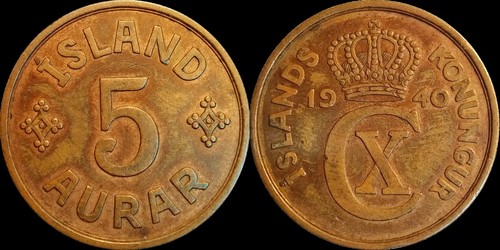
5 Aurar
1926-1942
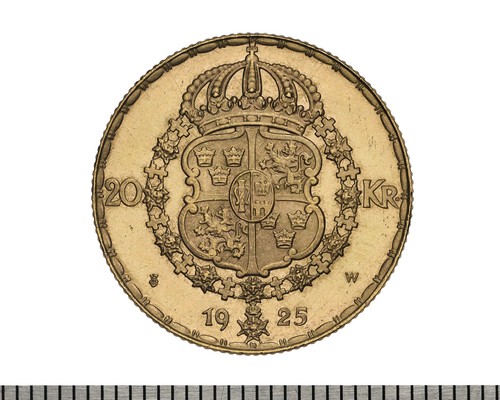
20 Kronor
1925 (denomination struck 1873-1925)
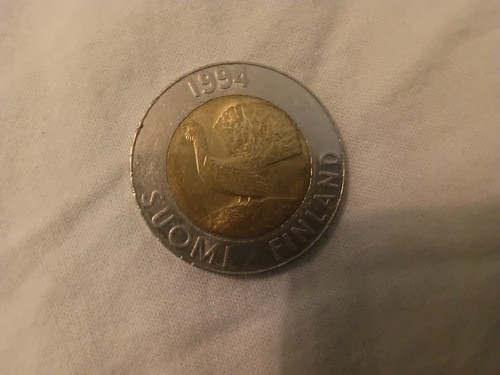
10 Markka
1993–2001
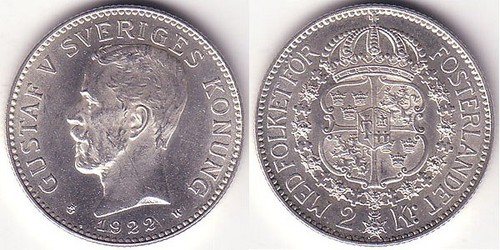
2 Kronor
1910-1940 (this example dated 1922)
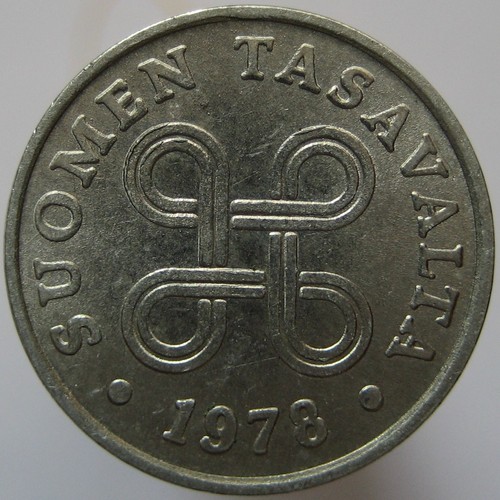
1 Penni
1969–1979
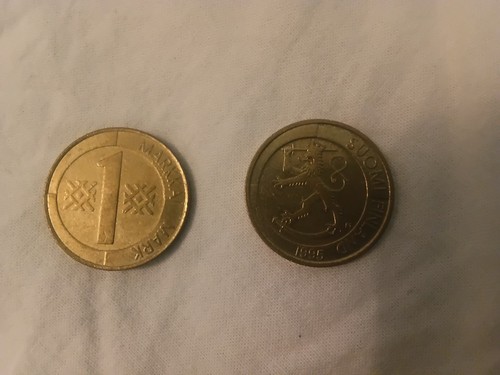
1 Markka
1993–2001
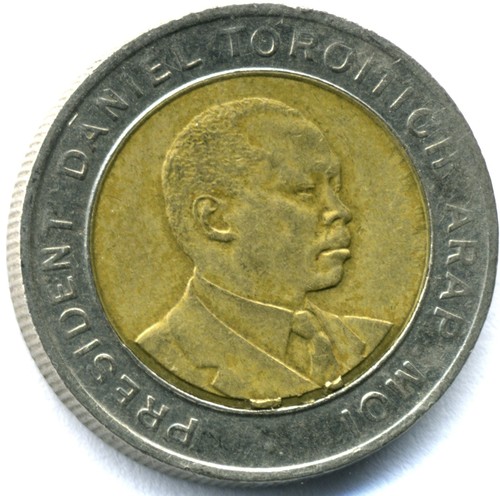
Kenya 5 Shillings
Bimetallic issues (2005–2010)
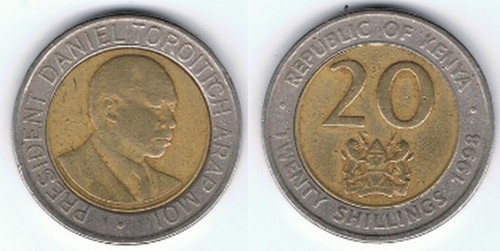
Kenya 20 Shillings
Modern issue (late 1990s–2000s)
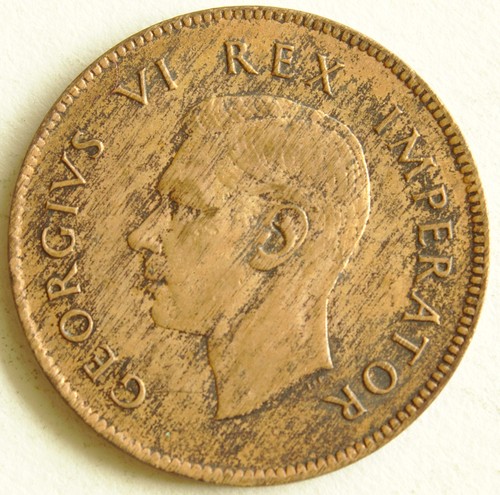
South Africa Farthing
1923-1960
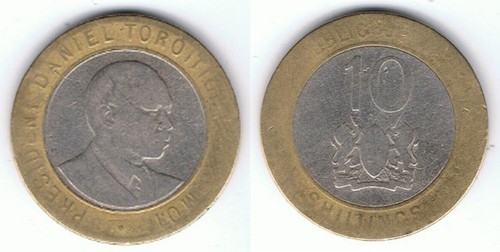
Kenya 10 Shillings
Republic of Kenya, bimetallic issues (mid-1990s to c. 2010)
Gold Sovereign
1817–present
Henri V Five Francs
1831