
How to Identify the Tanzania 500 Shillings
A collector's guide to identifying the Tanzania 500 shillings by its right-facing portrait, Kiswahili legend, denomination, base-metal fabric, and look-alikes.
Read the full Tanzania 500 Shillings encyclopedia entry →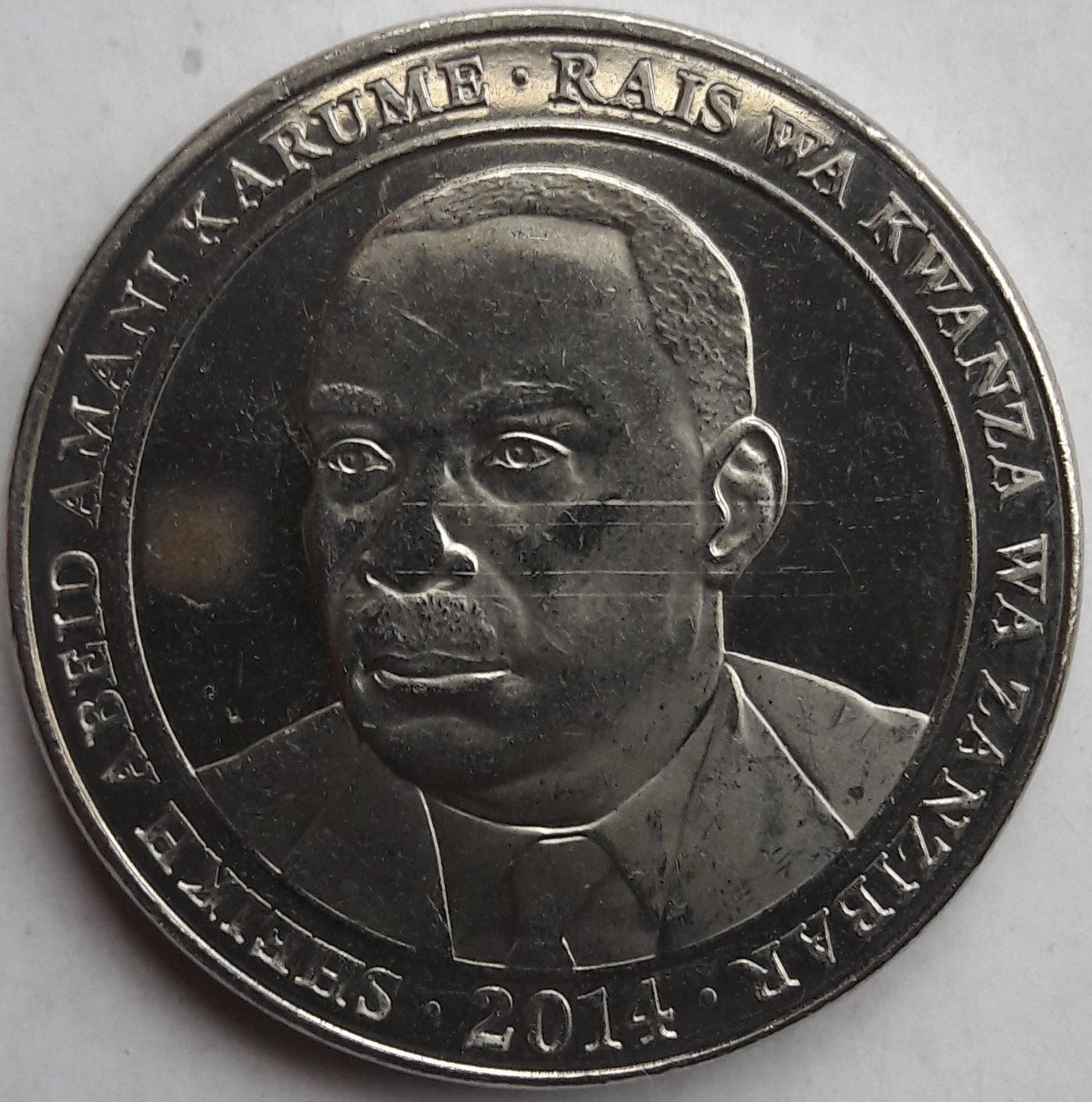
What This Coin Is
The Tanzania 500 shillings is a modern base-metal circulating coin of the Bank of Tanzania, the example here dated 2014. Identifying one begins with recognizing a mid-size alloy coin bearing a right-facing male portrait, a Kiswahili legend, and the 500-shilling value, all consistent with recent Tanzanian coinage rather than an older East African or colonial issue.
Reading the Portrait Side
The photographed side shows a man's bust facing right accompanied by a Kiswahili inscription that includes the words KWANZA MWANATANZANIA. The word kwanza means 'first' and signals the subject's role as the nation's founding president, the figure conventionally shown on modern Tanzanian coins. Read the legend fully rather than judging by the bust alone, and note the direction the portrait faces, since that orientation is a useful confirmation point.
Confirming Denomination and Issuer
Look for the numeral 500 with the word shilingi (shillings) and the Bank of Tanzania issuing identity, plus a date such as 2014. The combination of the 500-shilling value, the Kiswahili legends, and the Tanzanian issuer is what fixes the attribution and separates this piece from other African shilling coins that use similar wording or portraits.
Size, Metal, and Fabric
This is a mid-size modern coin struck in a base-metal alloy, classed here as cupronickel, so it should feel and look like an everyday circulating coin, not silver or gold. Weigh and measure any candidate and compare against a published specification for the type. Be aware that some higher Tanzanian denominations of this era were issued as two-color bimetallic coins; check whether your coin is a single alloy or a ring-and-center piece, as that distinction affects which catalog listing applies.
Look-Alikes and Authentication Cautions
Other East African shilling coins, and other Tanzanian denominations that share the same portrait tradition, can be mistaken for this type if the value and legends are not read carefully, so always confirm the 500-shilling denomination and the date. Modern base-metal circulating coins of this kind are rarely counterfeited because their face value is low, but watch for cleaned, corroded, or damaged surfaces that reduce grade, and for confusion between single-alloy and bimetallic varieties. For a precise attribution, match the coin to a current world-coin catalog listing for the Tanzanian 500 shillings.
Frequently asked questions
How do I tell the 500 shillings from a lower Tanzanian denomination?
Read the numeral and the word shilingi on the coin; the 500 value is stated in the design. Also compare size and metal, since the higher denominations are generally larger and some are bimetallic.
Which way does the portrait face?
On the example shown the portrait faces right and is paired with a Kiswahili legend including KWANZA MWANATANZANIA. Confirming the facing direction and legend together helps separate it from other portrait coins.
Is this coin bimetallic or a single metal?
The example is classed as a cupronickel base-metal coin, but some higher Tanzanian denominations of the era were two-color bimetallic. Check whether your coin has a separate ring and center before matching it to a catalog listing.
How can I confirm the date and issuer?
Look for the year (such as 2014) and the Bank of Tanzania issuing identity in the legends, then match the coin to a published reference for the Tanzanian 500 shillings to confirm the attribution.