
Coin Encyclopedia
Search and identify coins from around the world — with country, denomination, metal, mint, history, and how to tell them apart.
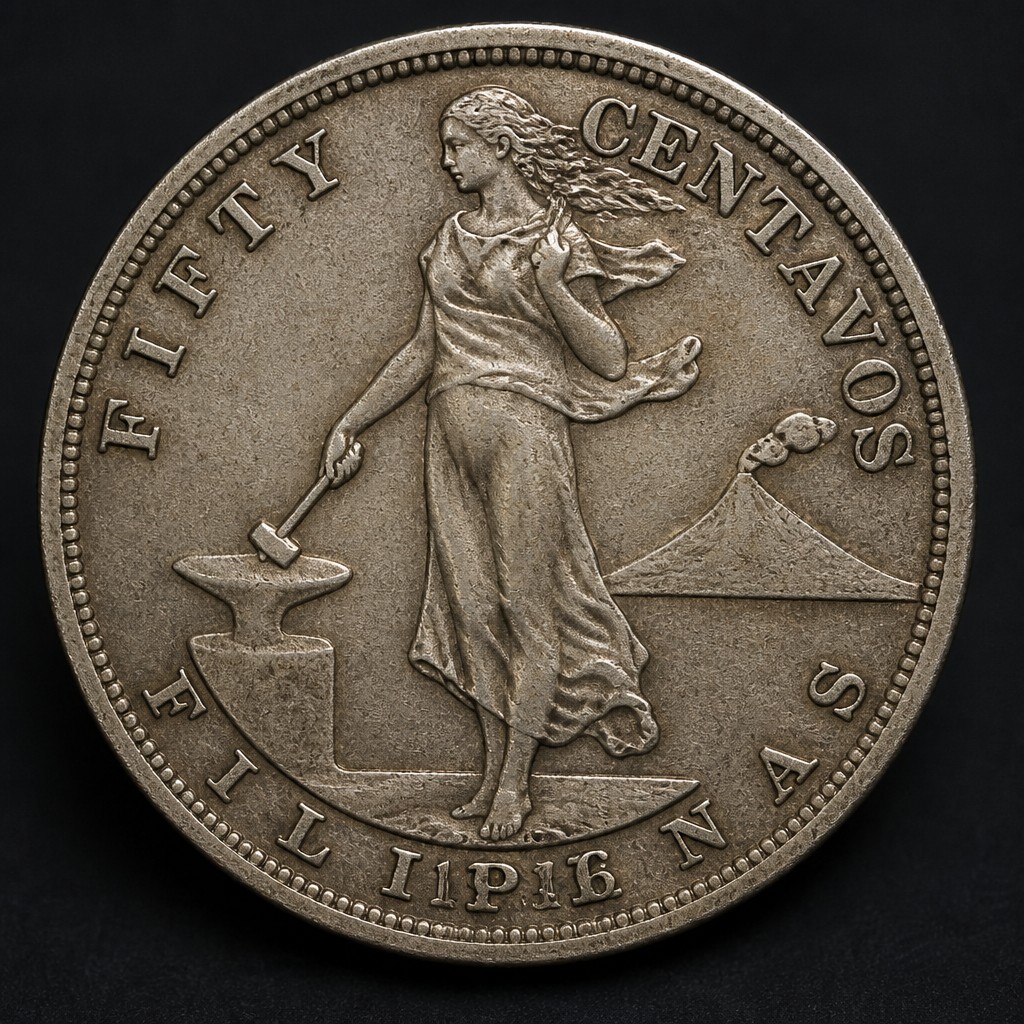
Philippine 50 Centavos (Commonwealth, 1936)
A special 1936 silver 50-centavo coin marking the establishment of the Commonwealth of the Philippines, issued in two paired-portrait varieties honoring Quezon alongside Murphy or Roosevelt.
Asian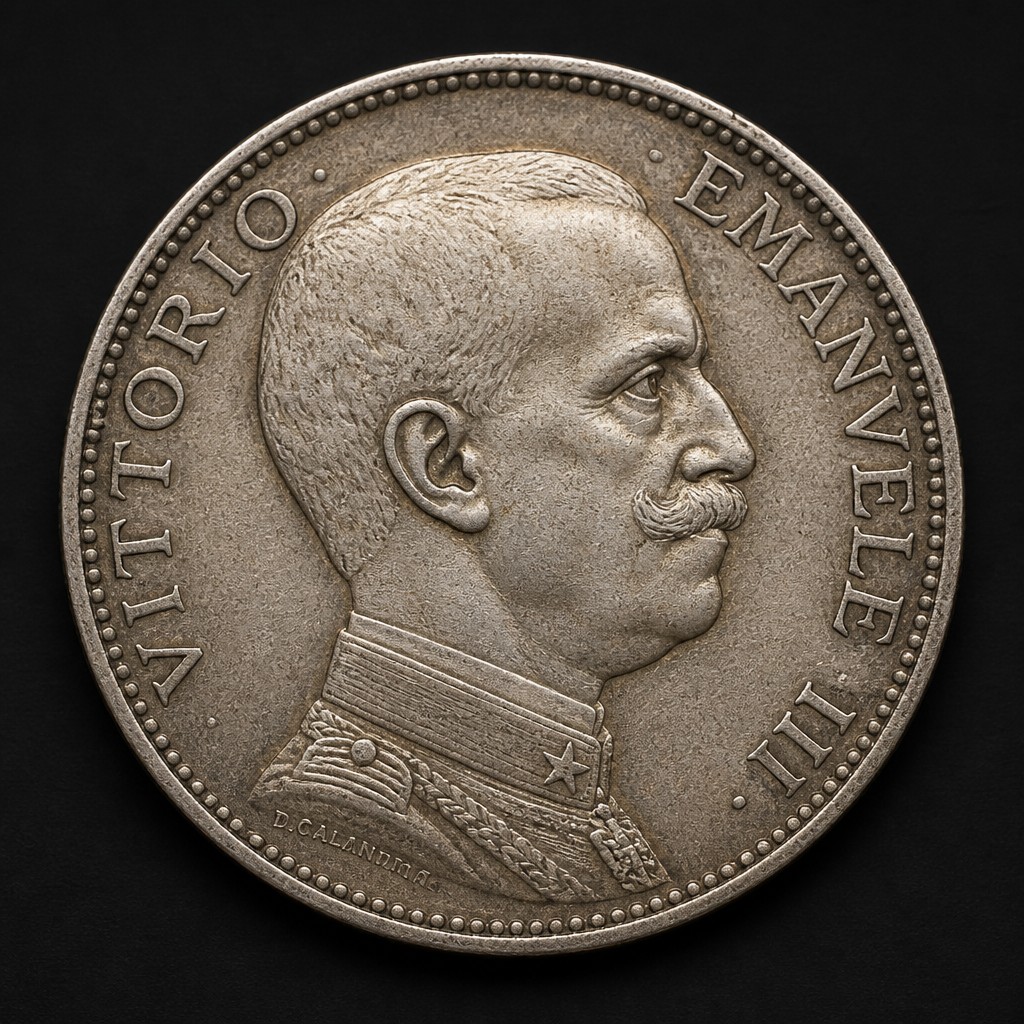
Italian 10 Lire (Silver)
Kingdom of Italy silver 10 Lire coin, best known for the 1926–1930 'Biga' type showing a two-horse chariot, struck under Vittorio Emanuele III.
European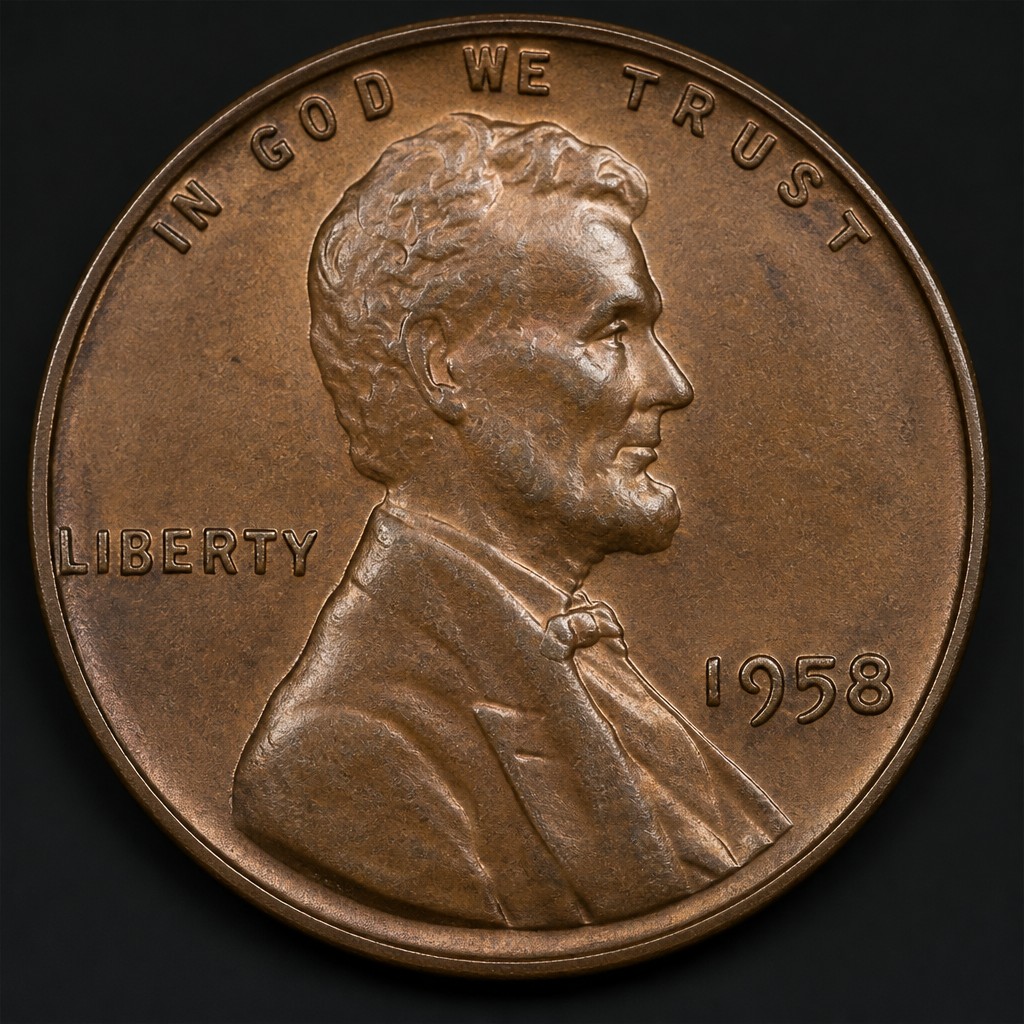
Lincoln Wheat Cent
The first widely circulated U.S. coin to feature a real historical figure, Abraham Lincoln, with two stylized wheat stalks on the reverse; one of the most collected coins in America.
United States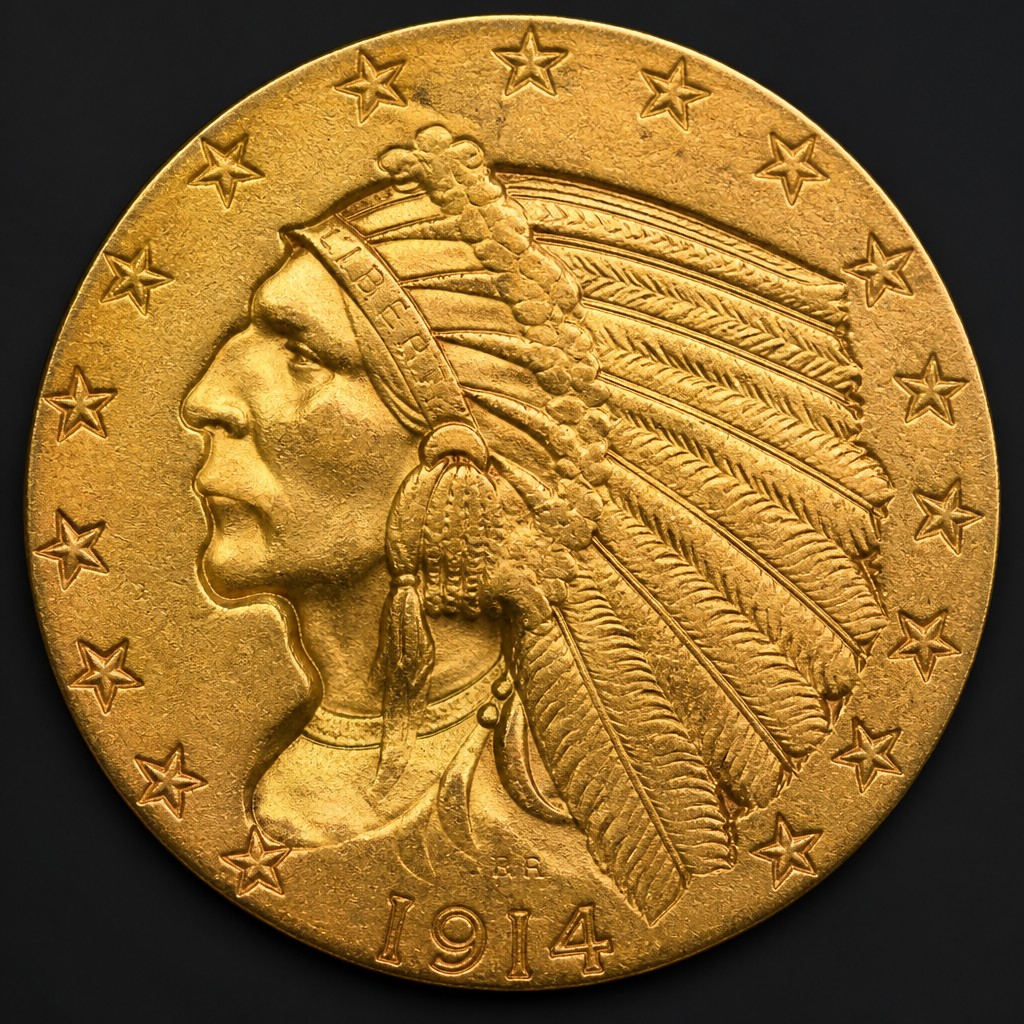
Indian Head Quarter Eagle ($2.50)
A small gold coin featuring Bela Lyon Pratt's distinctive incuse Native American design, one of only two U.S. denominations ever struck with recessed devices.
United States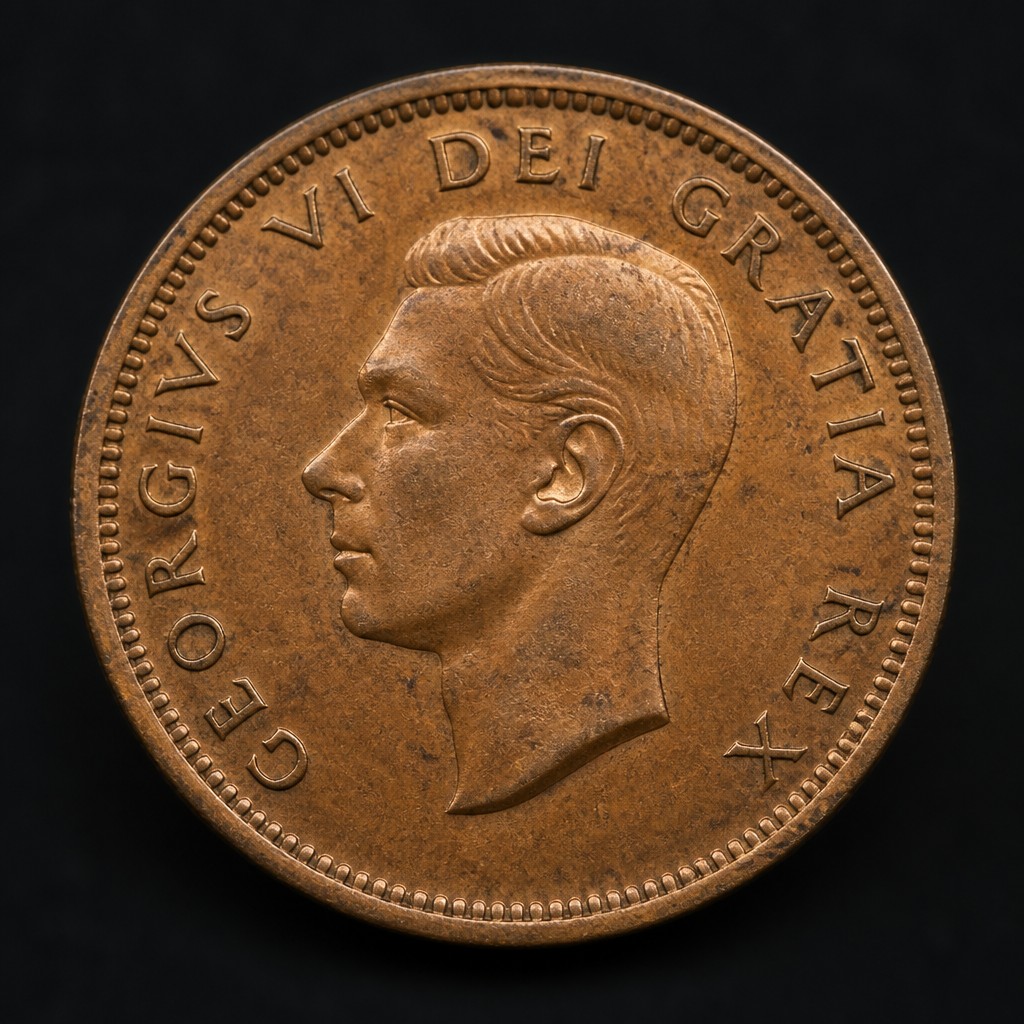
George VI Small Cent (Maple Twig)
Canada's bronze one-cent coin issued under King George VI, featuring two maple leaves on a twig, a design that helped modernize Canadian coinage in the late 1930s.
Canadian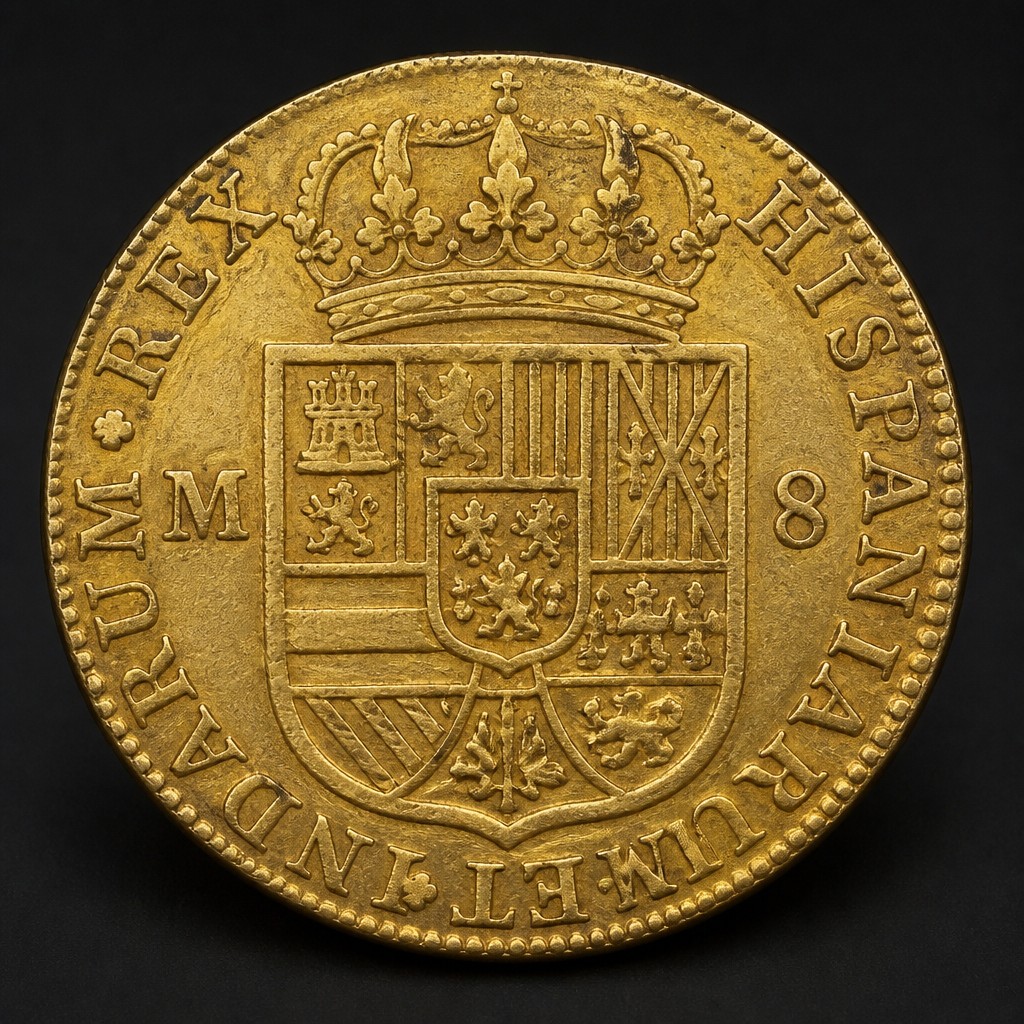
Spanish Gold Doubloon
A popular name for large Spanish colonial gold coins, typically two, four, or eight escudos, forever associated with pirate treasure and sunken Spanish galleons.
World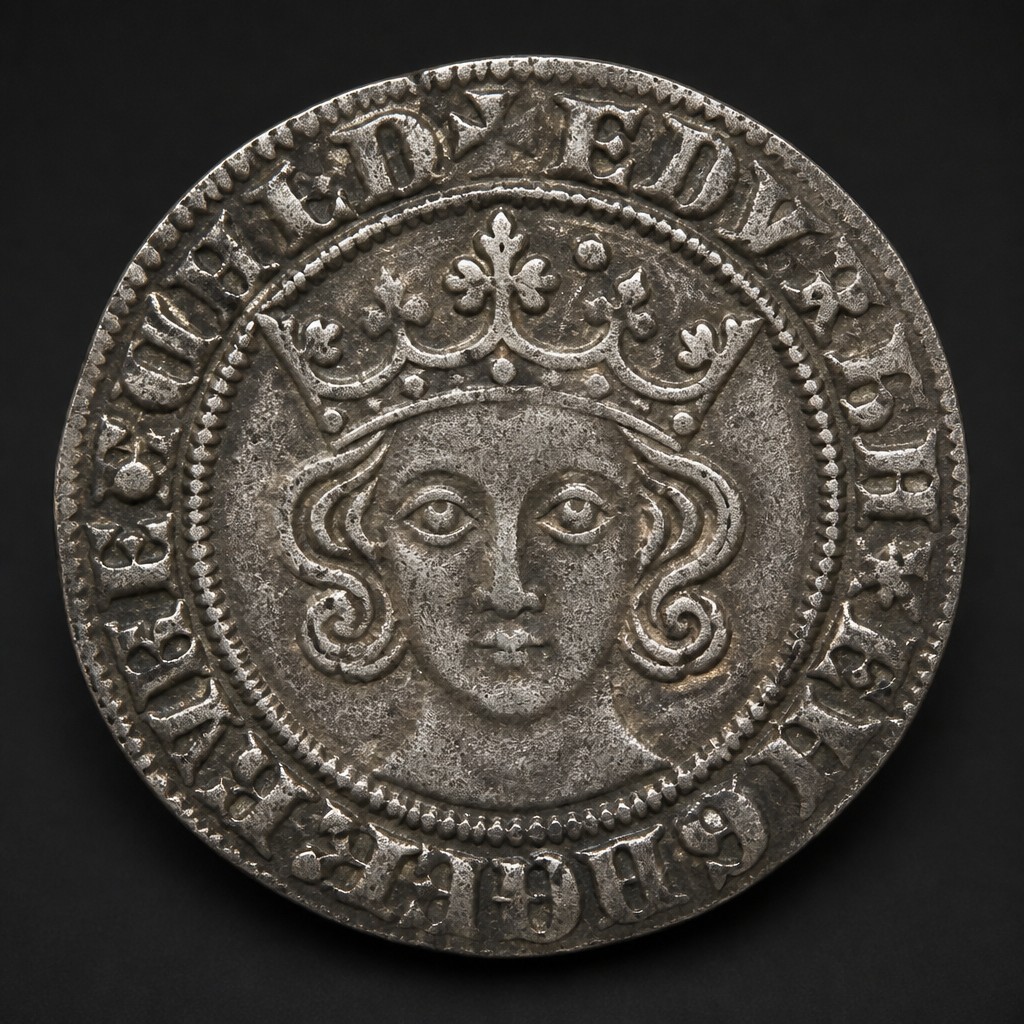
Half Groat
A small hammered silver coin worth half the value of the groat, or two pence, struck across three centuries of English coinage from the reign of Edward III through the Stuart era.
British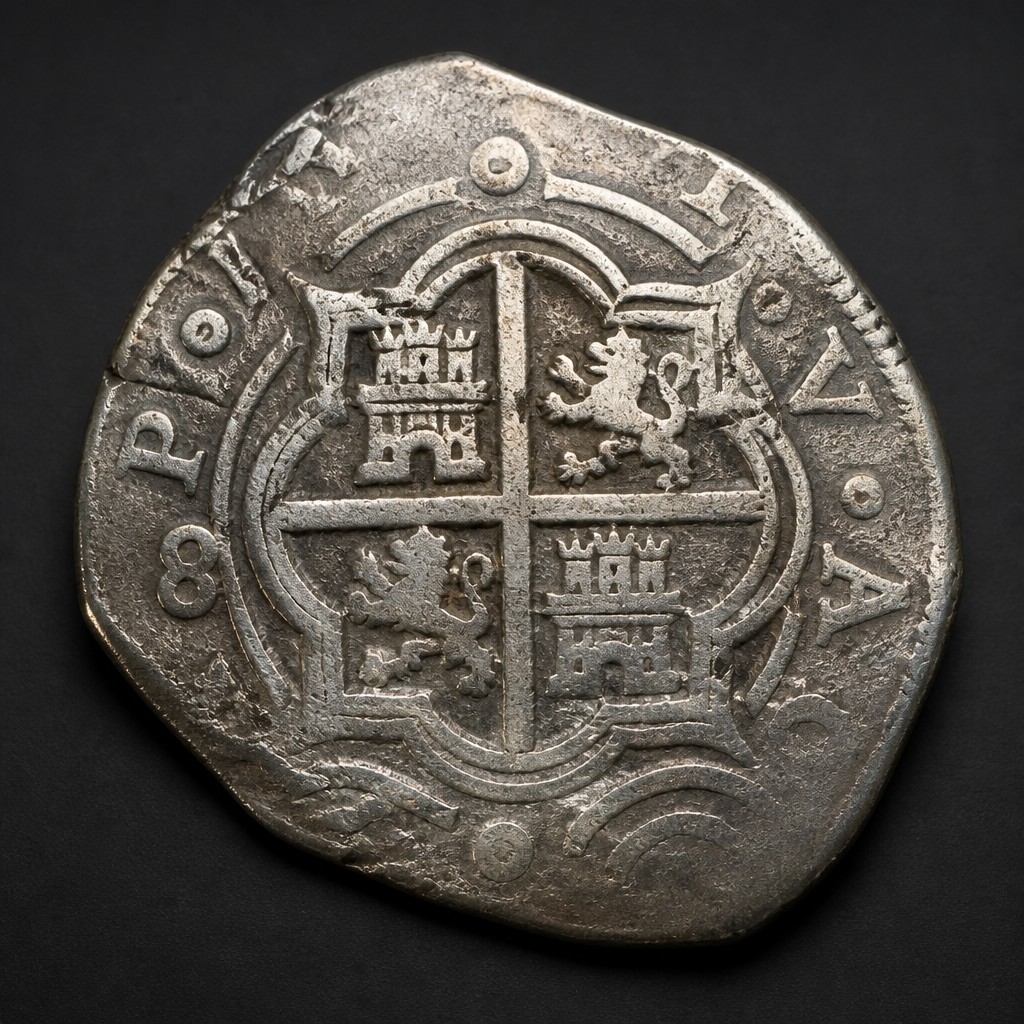
Spanish Colonial Cob (Macuquina)
Crude, irregularly shaped hand-struck coins produced at Spanish colonial mints in the Americas for over two centuries, forming the basis of the famous 'pieces of eight' that circulated worldwide.
Latin American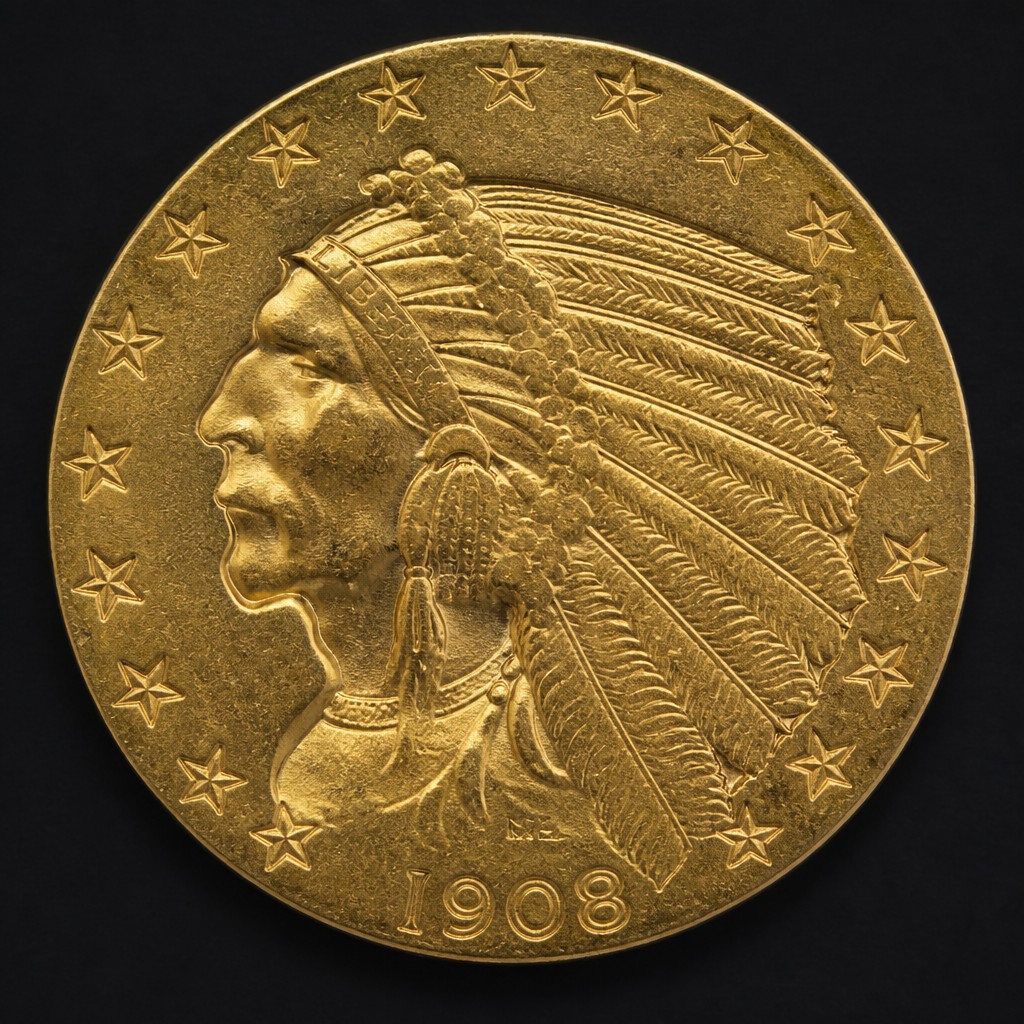
Indian Head Half Eagle ($5)
A uniquely designed gold five-dollar coin featuring an incuse (recessed) design by Bela Lyon Pratt, the only U.S. circulating coin ever struck this way.
United States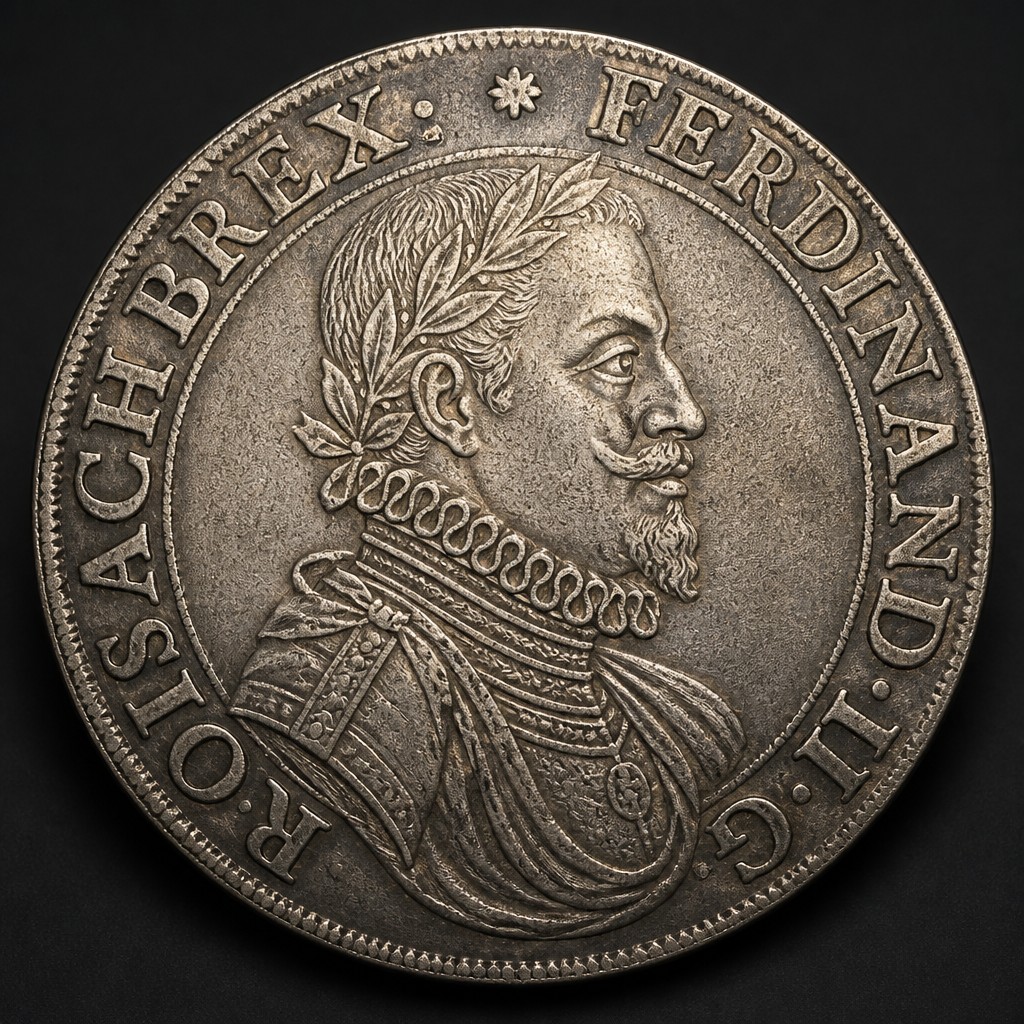
German States Thaler
A large silver coin struck by the many independent states of the German-speaking world for over three centuries, and the direct linguistic ancestor of the word 'dollar.'
European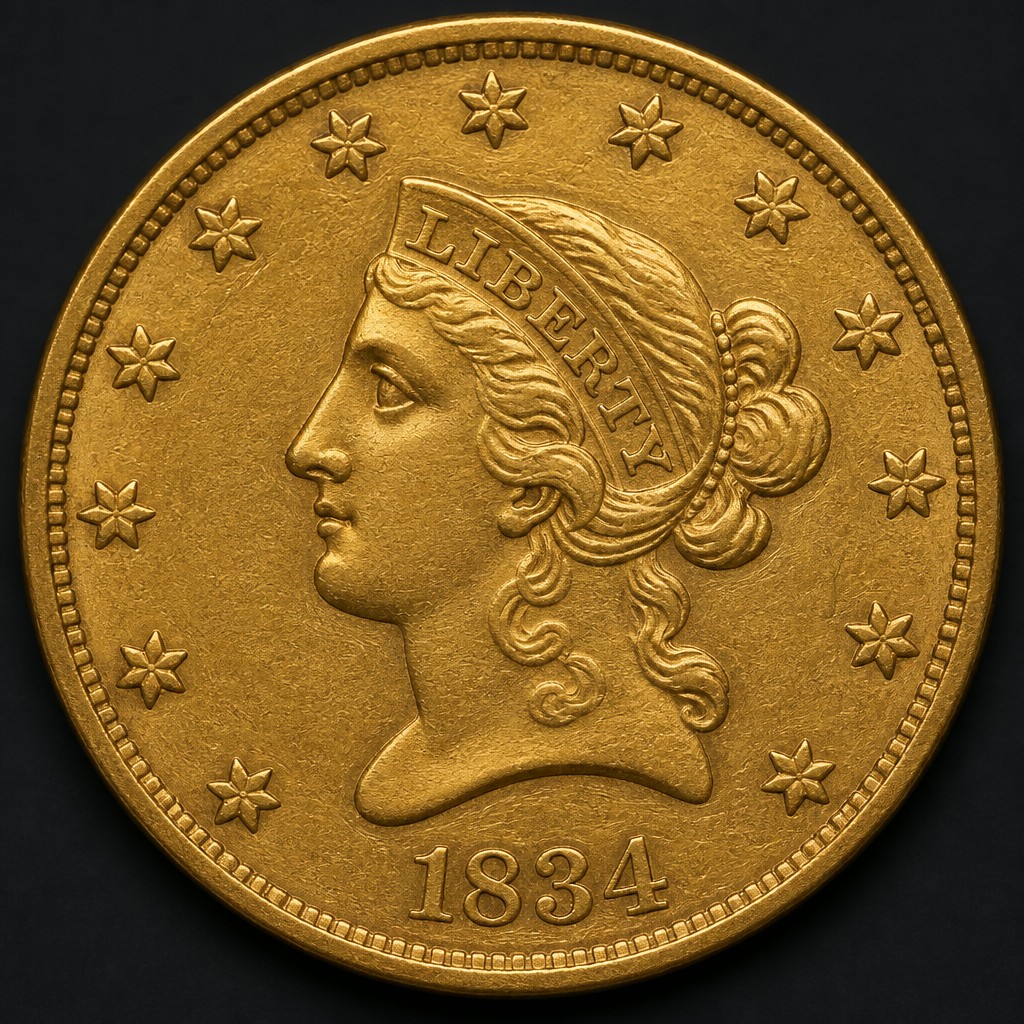
Classic Head Half Eagle ($5)
A short-lived early American gold five-dollar coin created after the Coinage Act of 1834 reduced gold coin weight to keep coins in circulation rather than being melted.
United States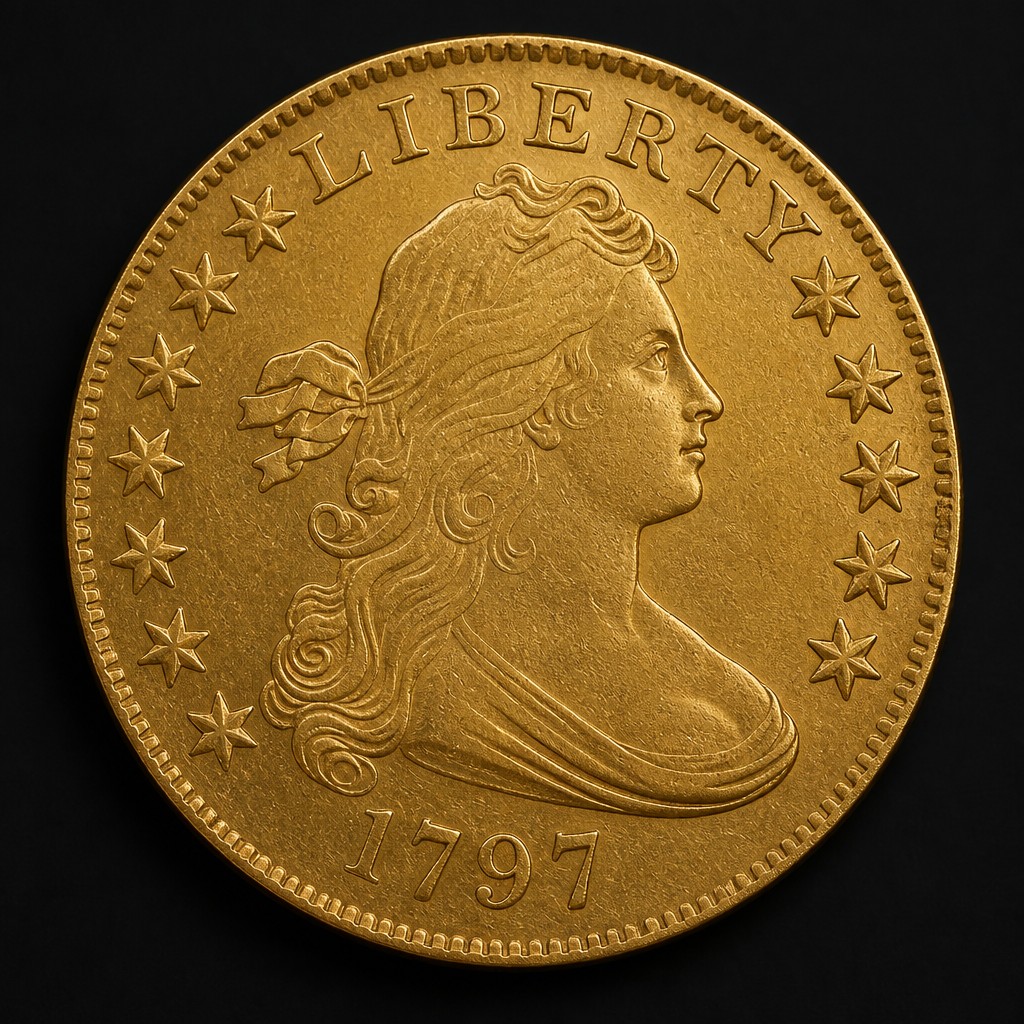
Draped Bust Eagle
The formal catalog name for the first U.S. ten-dollar gold coin once it adopted a bold heraldic eagle reverse in 1797, the same coin popularly nicknamed the 'Turban Head' eagle.
United States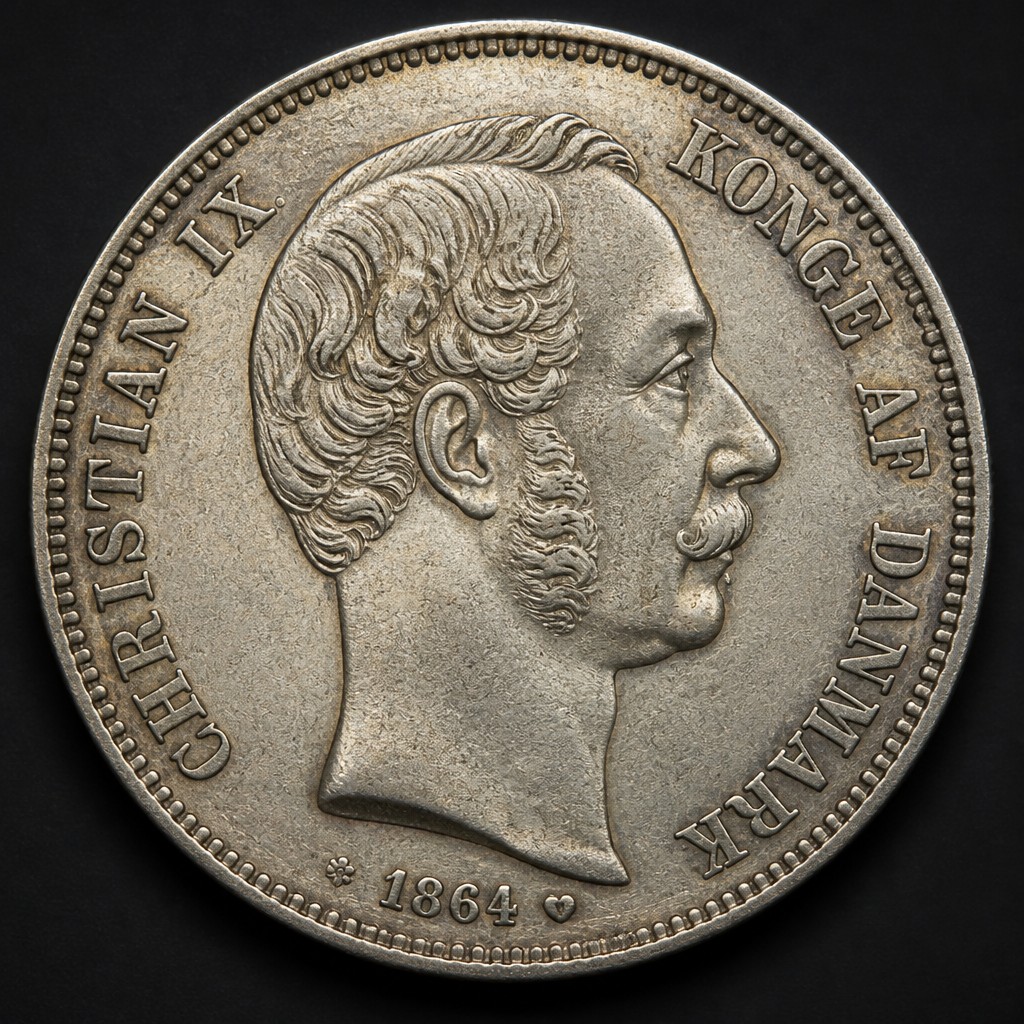
Danish Speciedaler
Denmark's large silver 'species dollar,' the principal high-value coin of the Danish monetary system before the krone replaced it in 1873–75.
European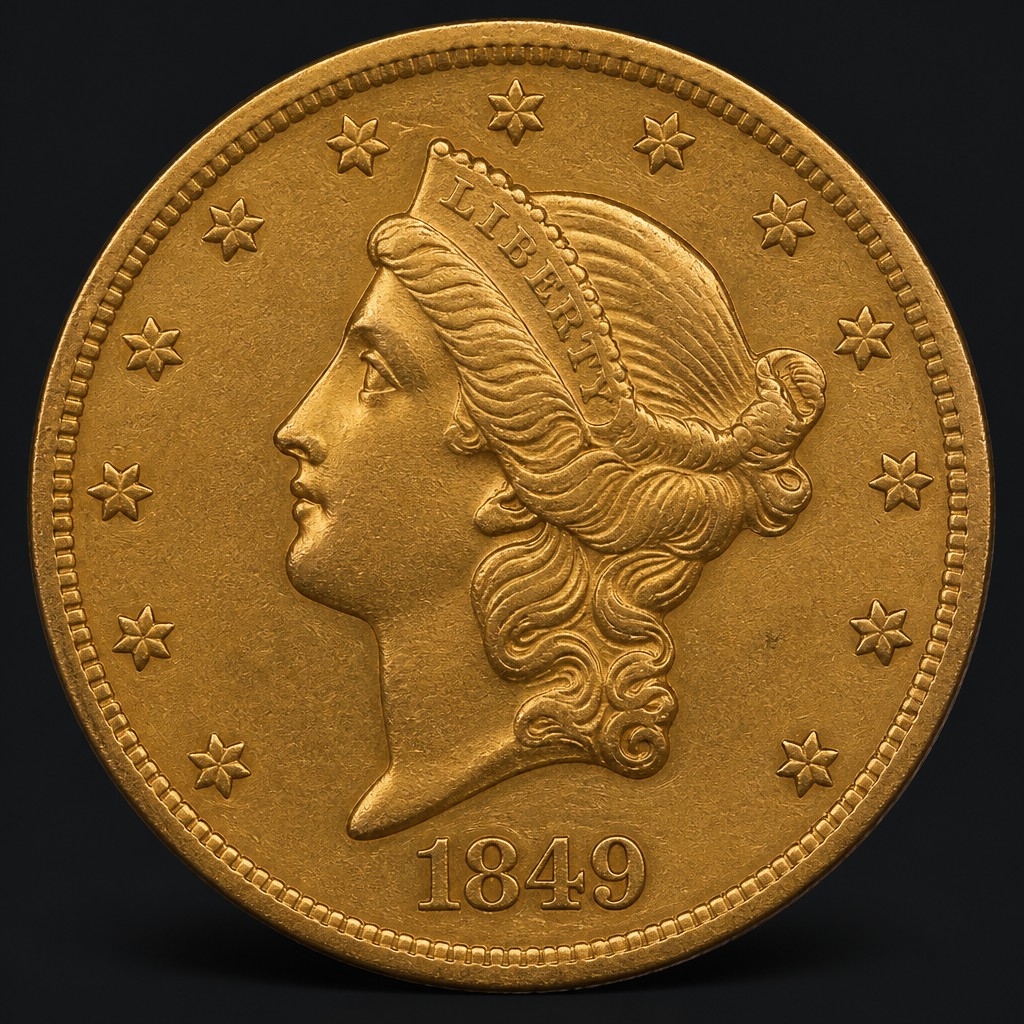
Liberty Head Double Eagle
A large gold twenty-dollar coin featuring Liberty's coronet-crowned head, struck for decades amid the California Gold Rush and westward mint expansion.
United States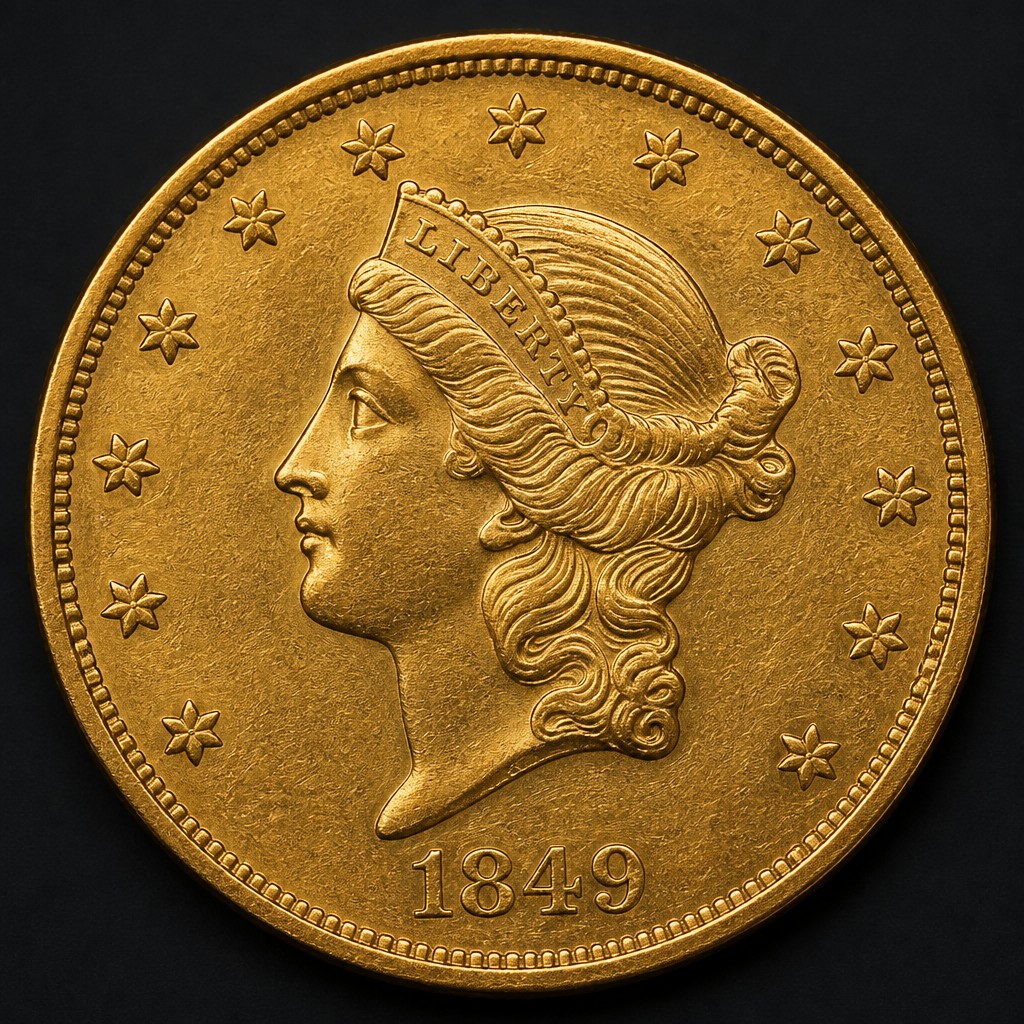
1849 Double Eagle
A unique pattern coin, the very first double eagle ever struck by the U.S. Mint, made to test the newly authorized twenty-dollar denomination; the sole surviving example is held by the Smithsonian.
United States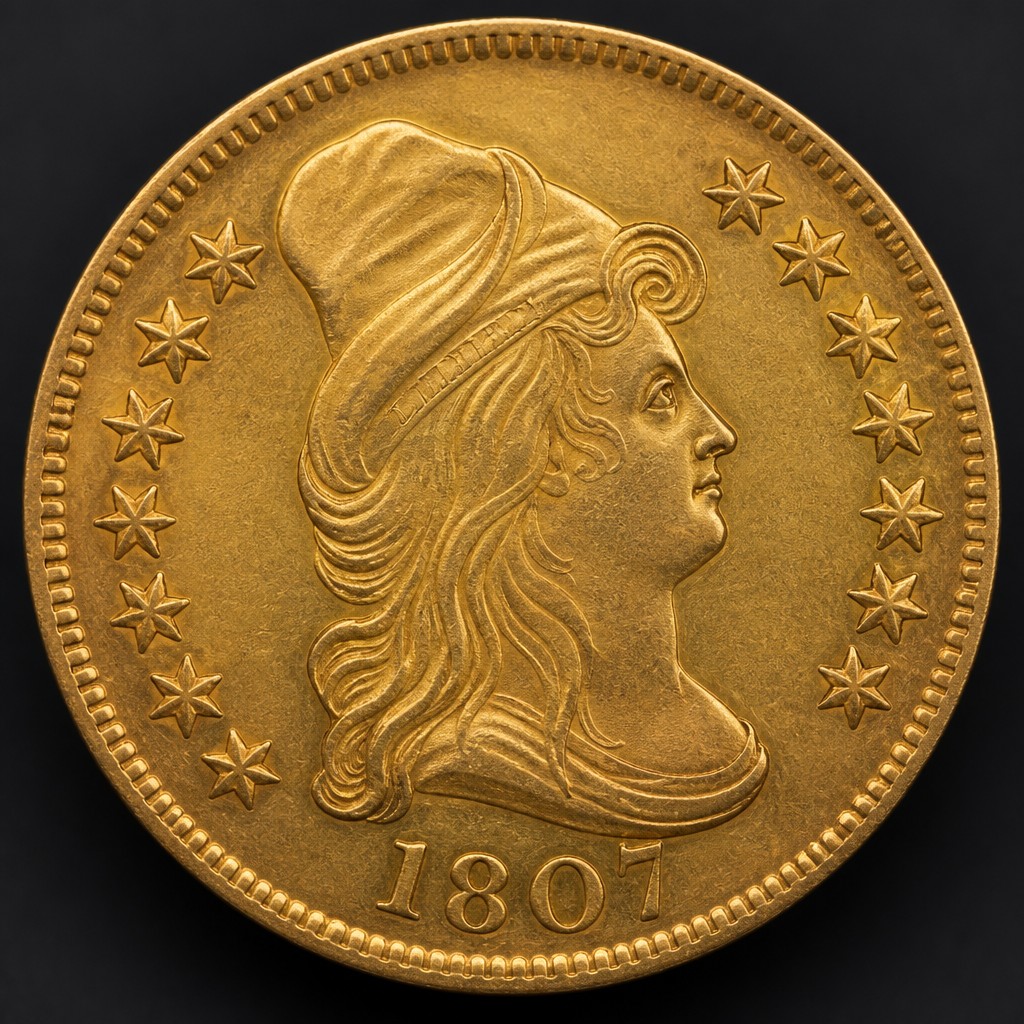
Capped Bust Right Half Eagle
America's first five-dollar gold coin, struck 1795-1807 with Liberty facing right under a soft cap, first paired with a small perched eagle reverse and later a bold heraldic eagle.
United States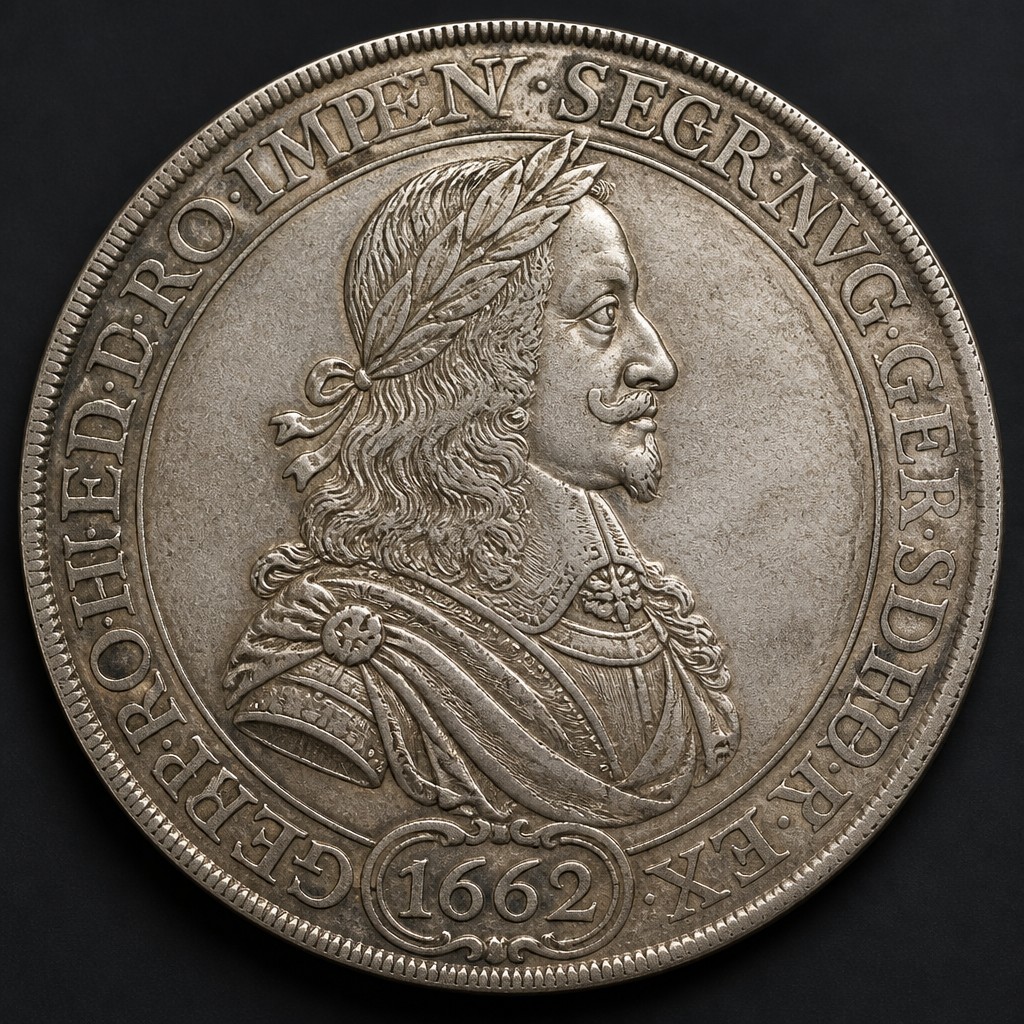
Reichsthaler
The standard large silver coin of the Holy Roman Empire and its constituent German states from the 16th century onward, whose name is the direct linguistic ancestor of the word 'dollar.'
European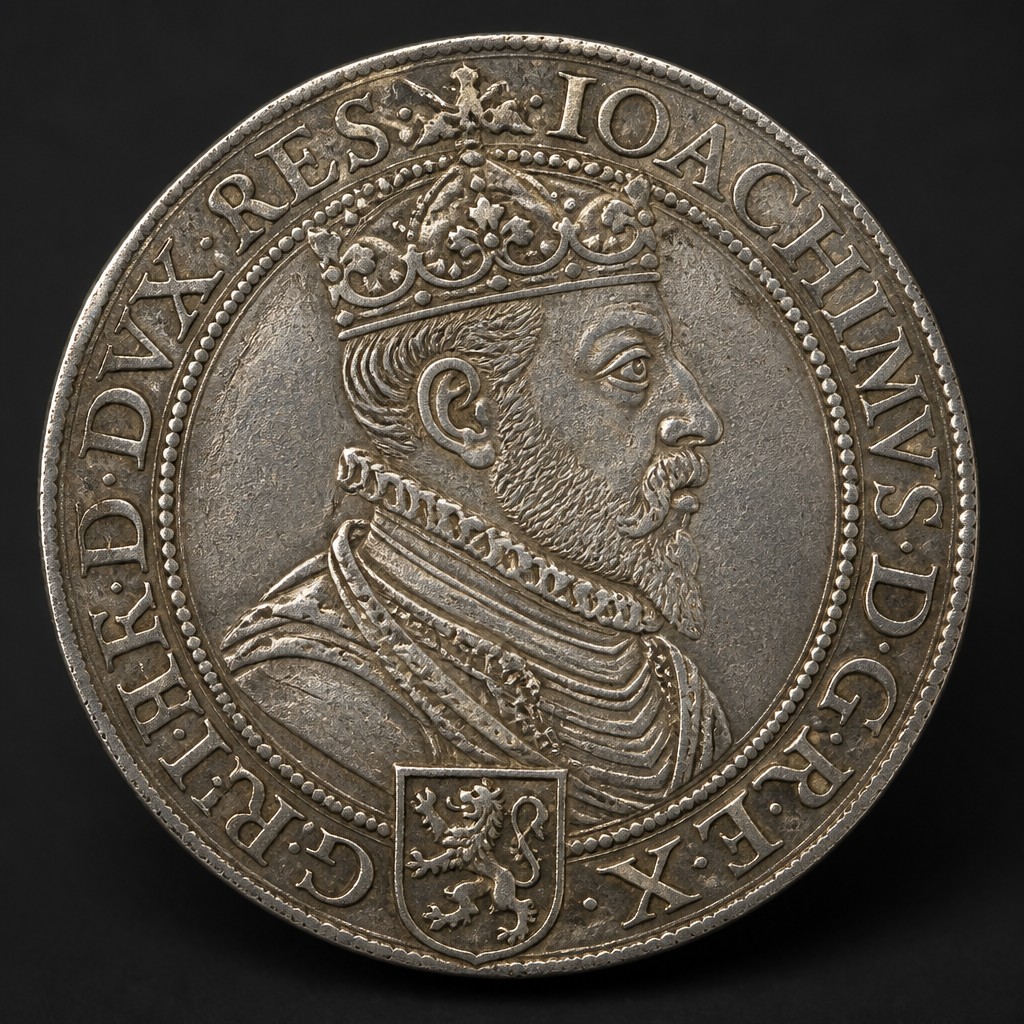
Joachimsthaler
Struck beginning in 1520 in the Bohemian silver-mining town of Joachimsthal, this large silver coin gave its name, shortened to 'thaler' and later 'dollar,' to countless currencies around the world.
European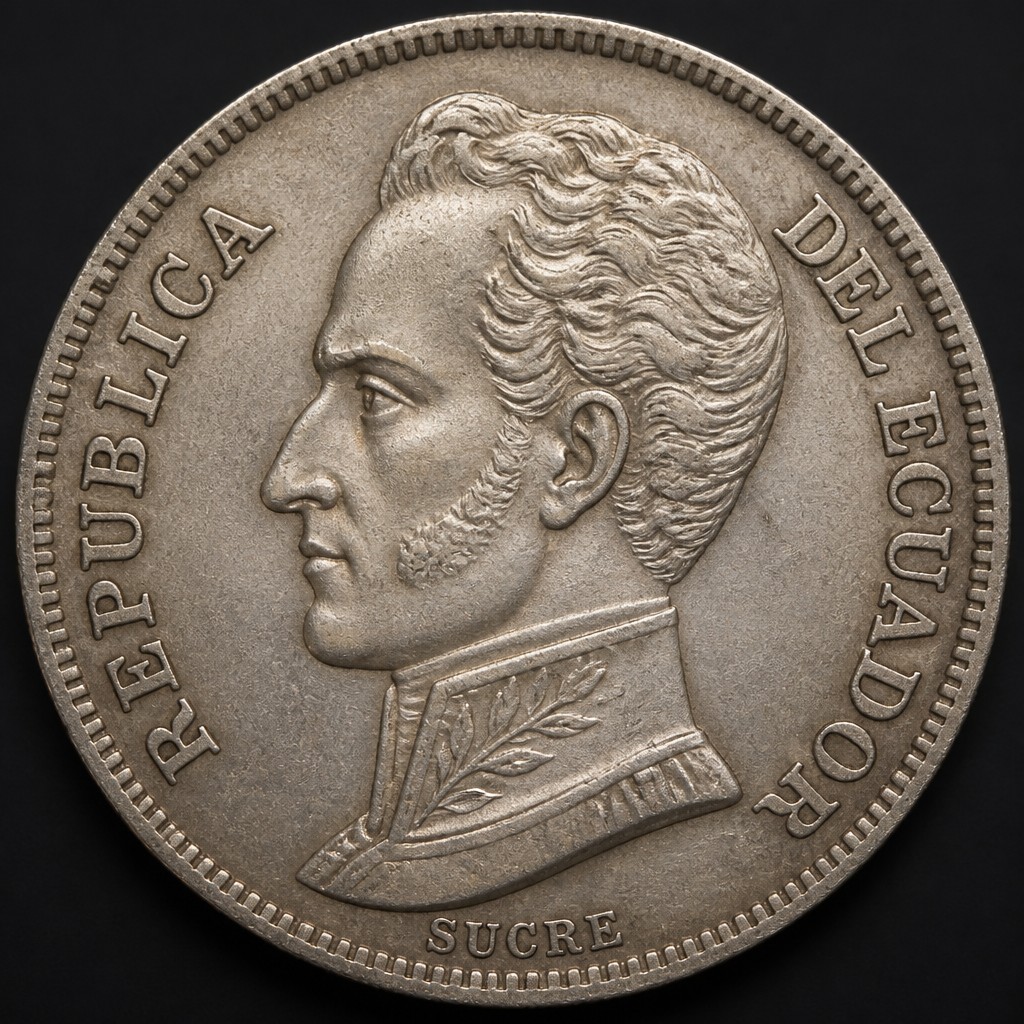
Ecuador Sucre Silver
Ecuador's historic silver one-sucre coin, named after independence hero Antonio Jose de Sucre, circulated for decades before Ecuador's currency was eventually replaced by the US dollar.
Latin American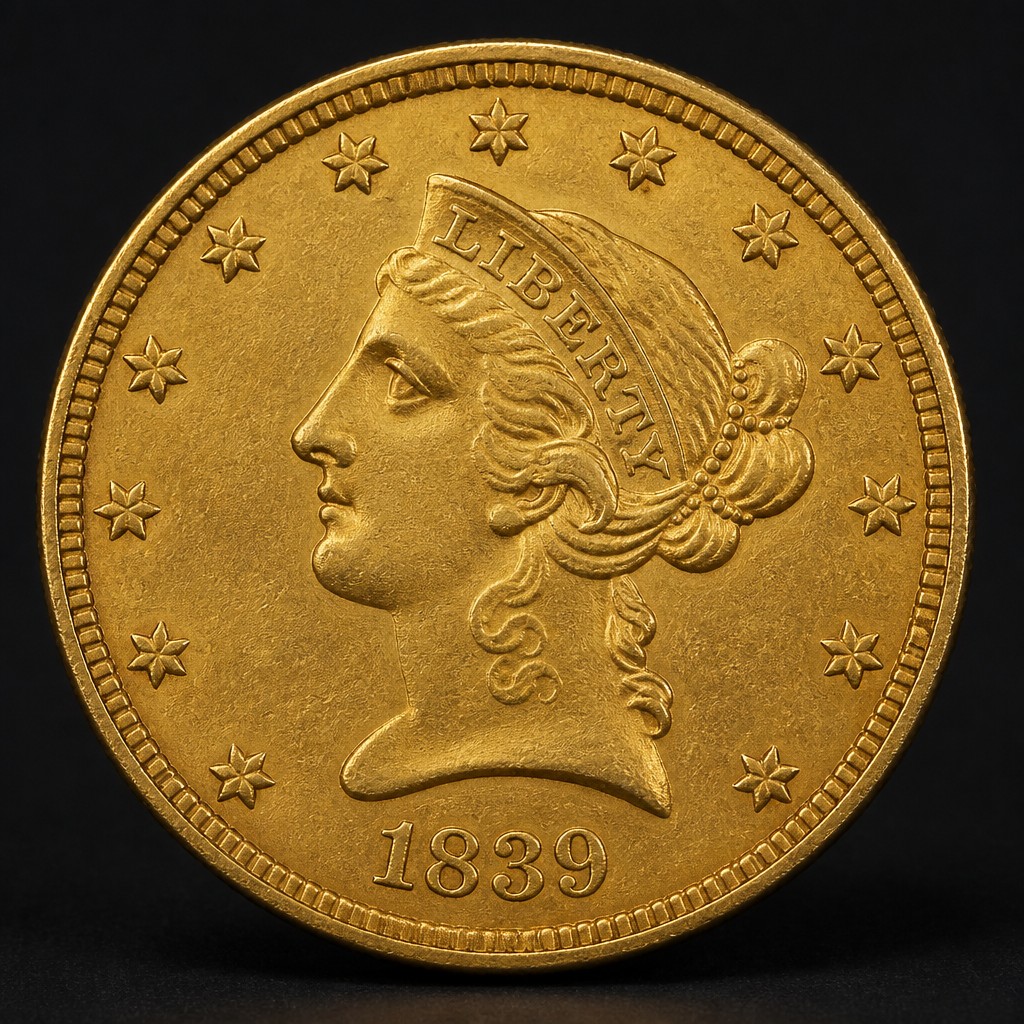
Liberty Head Half Eagle ($5)
A widely produced 19th-century gold five-dollar coin bearing Christian Gobrecht's Coronet Head design, struck across nearly every major American branch mint of the era.
United States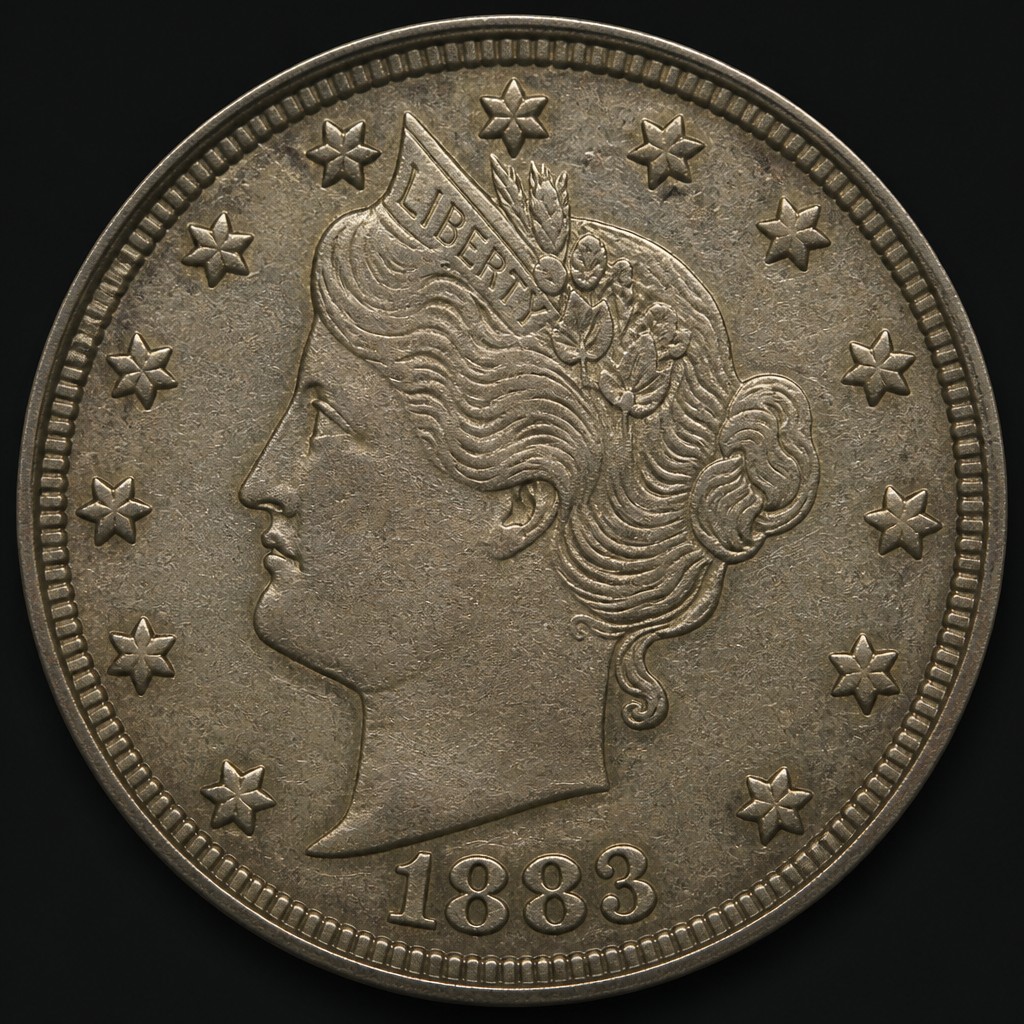
1883 No Cents Liberty Head Nickel
The first-year Liberty Head Nickel design that omitted the word CENTS from the reverse, later infamous as the 'Racketeer Nickel' after being gold-plated and passed off as a five-dollar coin.
United States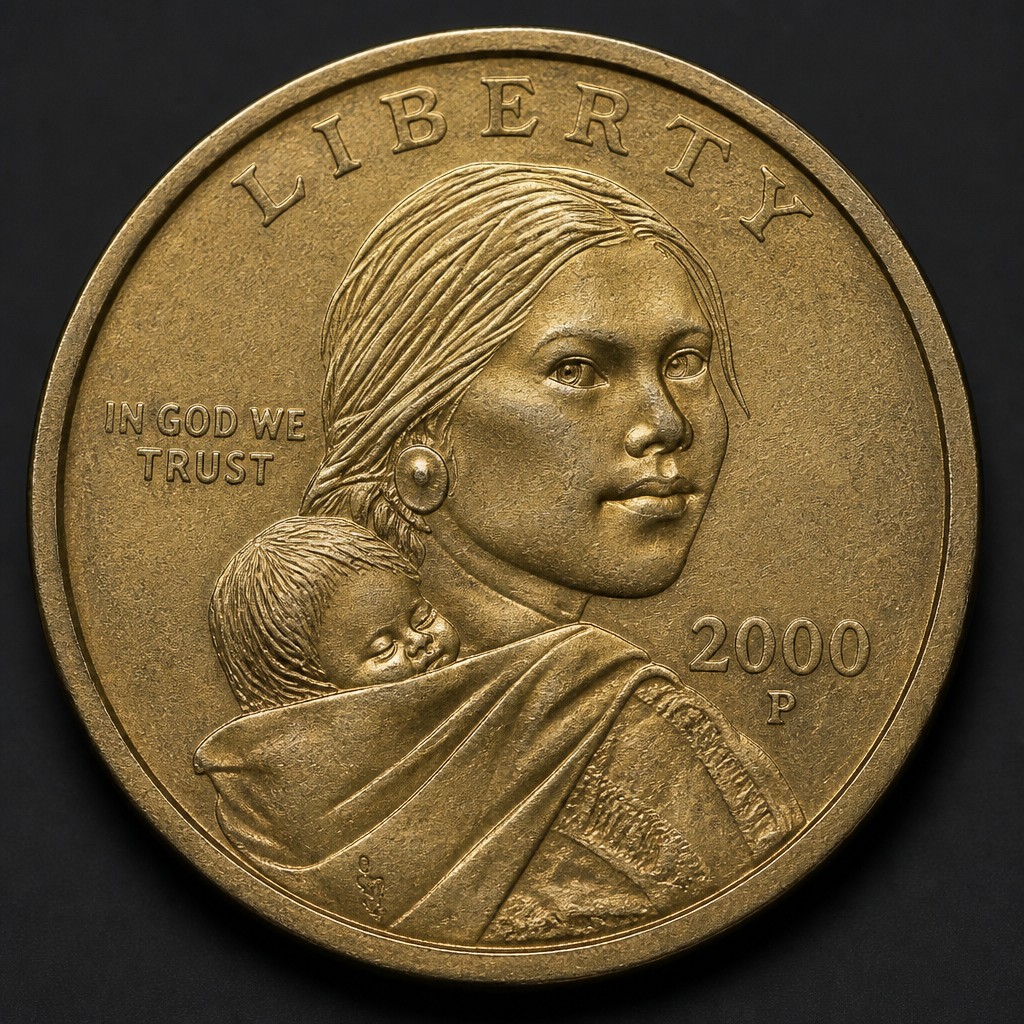
2000-P Sacagawea/Washington Quarter Mule
An extraordinarily rare mint error pairing the golden Sacagawea dollar obverse with a Washington quarter reverse die, one of the most famous modern mule errors in U.S. coinage.
Errors & Varieties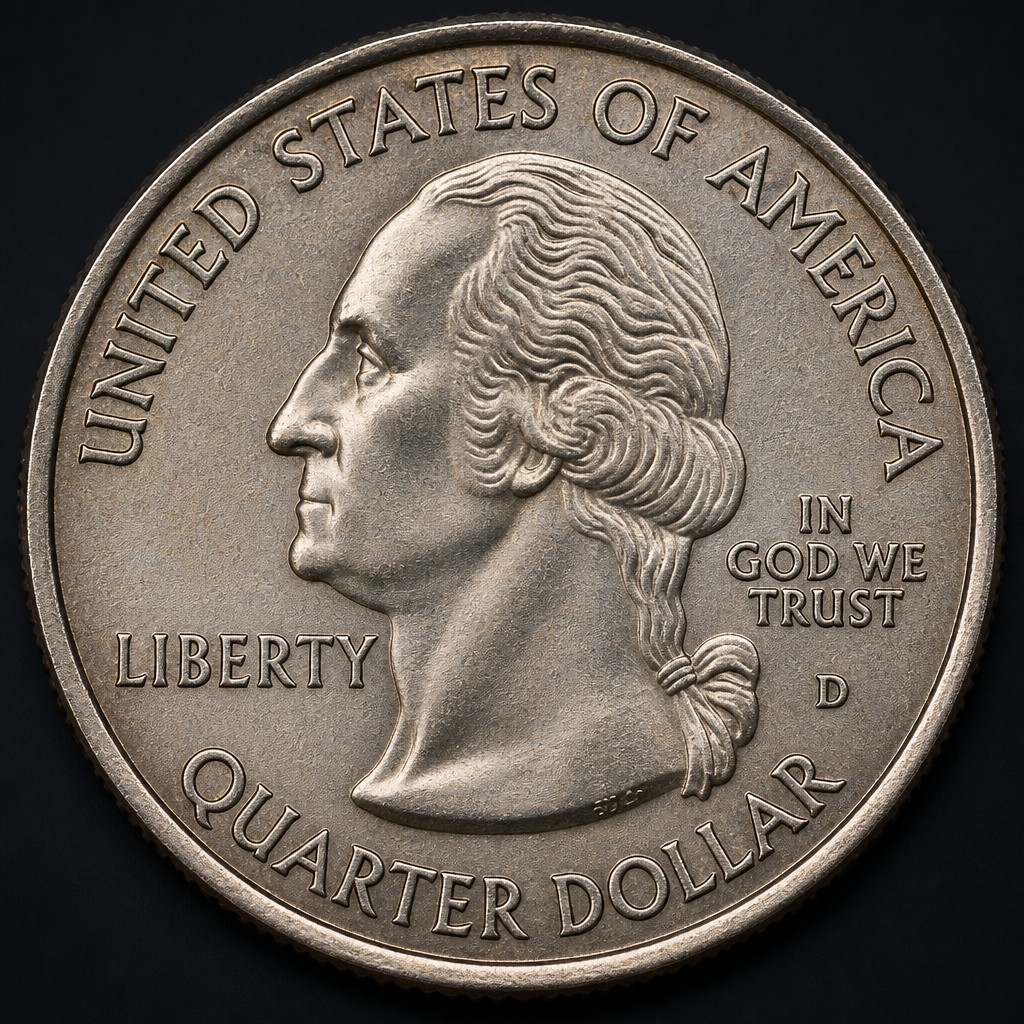
2004-D Wisconsin State Quarter Extra Leaf
A famous 50 State Quarters error showing an extra corn leaf on the Wisconsin quarter's reverse, found in two forms known as Extra Leaf High and Extra Leaf Low.
Errors & Varieties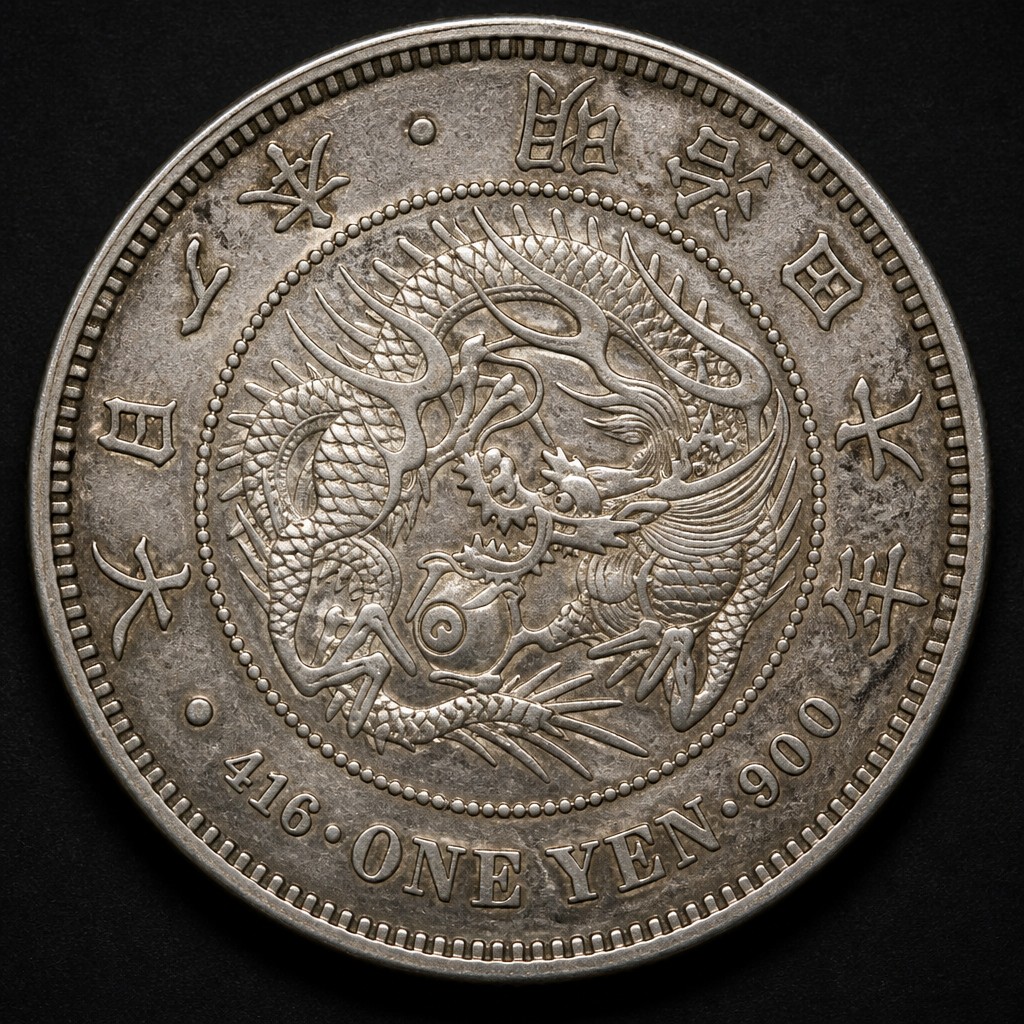
Japanese 1 Yen Silver 'Dragon' Trade Dollar
A Meiji-era Japanese silver yen featuring a coiled dragon, struck to standardize Japan's currency and, in a special trade dollar variant, to compete with Mexican and other silver dollars across East Asia.
Asian