
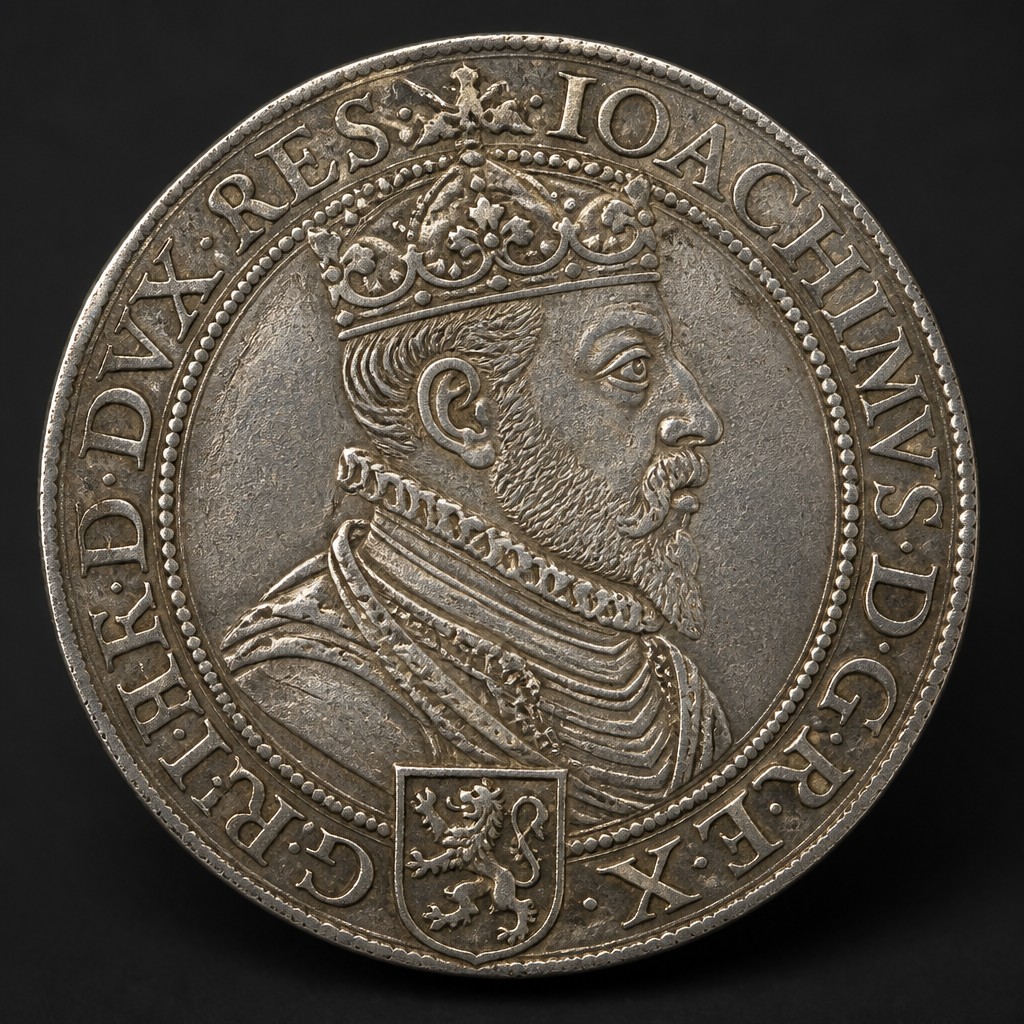
Joachimsthaler
Struck beginning in 1520 in the Bohemian silver-mining town of Joachimsthal, this large silver coin gave its name, shortened to 'thaler' and later 'dollar,' to countless currencies around the world.
- Country
- Kingdom of Bohemia
- Denomination
- Thaler (Guldengroschen)
- Metal
- Silver
Got a coin like this?
Identify any coin from a photo, free.
Overview
The Joachimsthaler is the original ancestor of the entire thaler and dollar family of coins. It was struck by the Counts of Schlick using silver from the rich mines of Joachimsthal (now Jáchymov in the Czech Republic), and its success established the large-format silver coin as the dominant form of high-value currency across Europe for centuries afterward.
Collectors treasure the Joachimsthaler for its foundational role in monetary history, since virtually every later thaler, dollar, and related large silver coin traces its lineage, and often its name, directly back to this single Bohemian mining town issue.
Because it predates the vast later German states thaler tradition, the Joachimsthaler itself is a comparatively early and historically significant type, of particular interest to collectors focused on the origins of major world currencies.
History & Background
Silver was discovered in large quantities near the town of Joachimsthal in Bohemia in the early 16th century, and the local ruling Counts of Schlick obtained the right to mint their own large silver coins from this local supply beginning around 1520. The coin, initially called a 'Joachimsthaler Guldengroschen,' quickly became known simply as a 'thaler' for short.
The huge output of silver from the Joachimsthal mines allowed the Schlick family to strike these large coins in substantial quantities, and their success as a trusted, high-value silver coin inspired numerous other German and Central European rulers to strike similarly sized coins of their own, adopting both the format and eventually the 'thaler' name.
Within decades, the thaler concept had spread across the Holy Roman Empire and beyond, and the name itself eventually passed into other languages, evolving into 'daler' in Scandinavian and Dutch usage and ultimately 'dollar' in English, making the original Joachimsthal coinage the direct linguistic and monetary ancestor of currencies including the U.S. dollar.
How to Identify
Early Joachimsthalers typically show the coat of arms of the Counts of Schlick or related heraldic imagery on one side, with a lion, often the Bohemian crowned lion, or other regional emblem on the reverse, along with Latin legends identifying the issuing authority and sometimes a date. Design details vary somewhat across the early years of production as the coin type was still being established.
The coin is large and heavy, generally in the range of 40mm in diameter and around 28-29 grams of silver, setting the physical template that essentially all later thalers and dollar-sized coins would follow. Because these are genuinely early 16th-century coins, surviving examples show period-appropriate hand-struck characteristics, including some irregularity in strike and centering compared to later, more mechanically consistent coinage.
Given the coin's age and historical importance, authentication by specialists familiar with early Bohemian and German coinage is advisable, since the type's fame makes it a target for reproductions and later imitations.
Value & Collectibility
Genuine early Joachimsthalers are true rarities of monetary history and, in properly authenticated condition, can command prices well into four figures or more depending on date, condition, and specific variety. Because of their age and importance, even modestly worn genuine examples are of considerable interest to specialists in early modern European coinage.
Value is driven heavily by authenticity, since the coin's historical fame has led to confusion with later imitations and reproductions, as well as by condition and specific date or variety within the earliest years of Schlick family production.
Frequently asked questions
What is a Joachimsthaler?
It is the original large silver coin struck beginning in 1520 in Joachimsthal, Bohemia, from which the words 'thaler' and 'dollar' both ultimately derive.
Who first minted the Joachimsthaler?
The Counts of Schlick, who controlled the silver mines near Joachimsthal, obtained the right to strike the coin using locally mined silver.
How did 'thaler' become 'dollar'?
The name shortened from Joachimsthaler to thaler, then passed through other European languages as 'daler,' eventually becoming 'dollar' in English.
Where is Joachimsthal today?
It is the town of Jáchymov, located in the present-day Czech Republic.
Are Joachimsthalers valuable?
Genuine early examples are historically significant and can be quite valuable, though authentication is important given the coin's fame and long imitation history.
Other coins you may enjoy
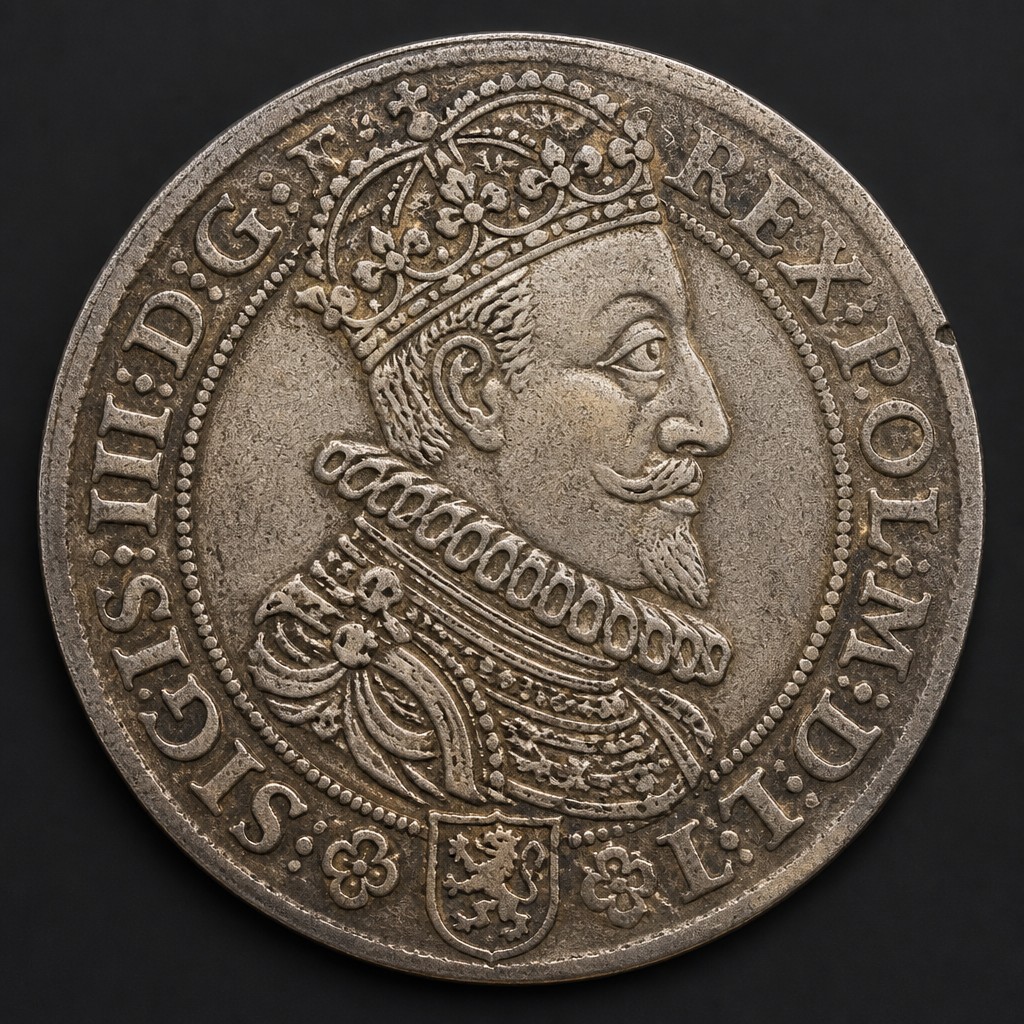
Polish-Lithuanian Thaler
circa 16th–18th century
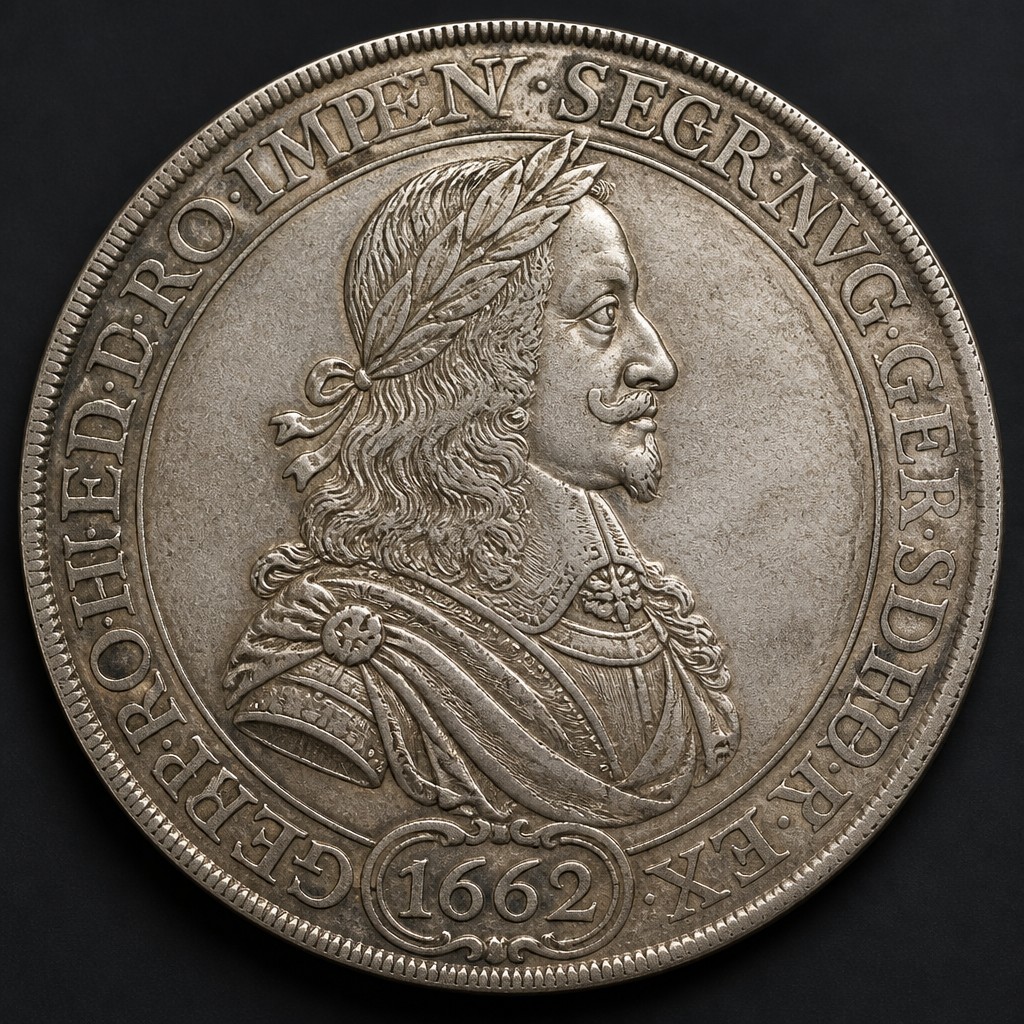
Reichsthaler
circa 1566–early 19th century
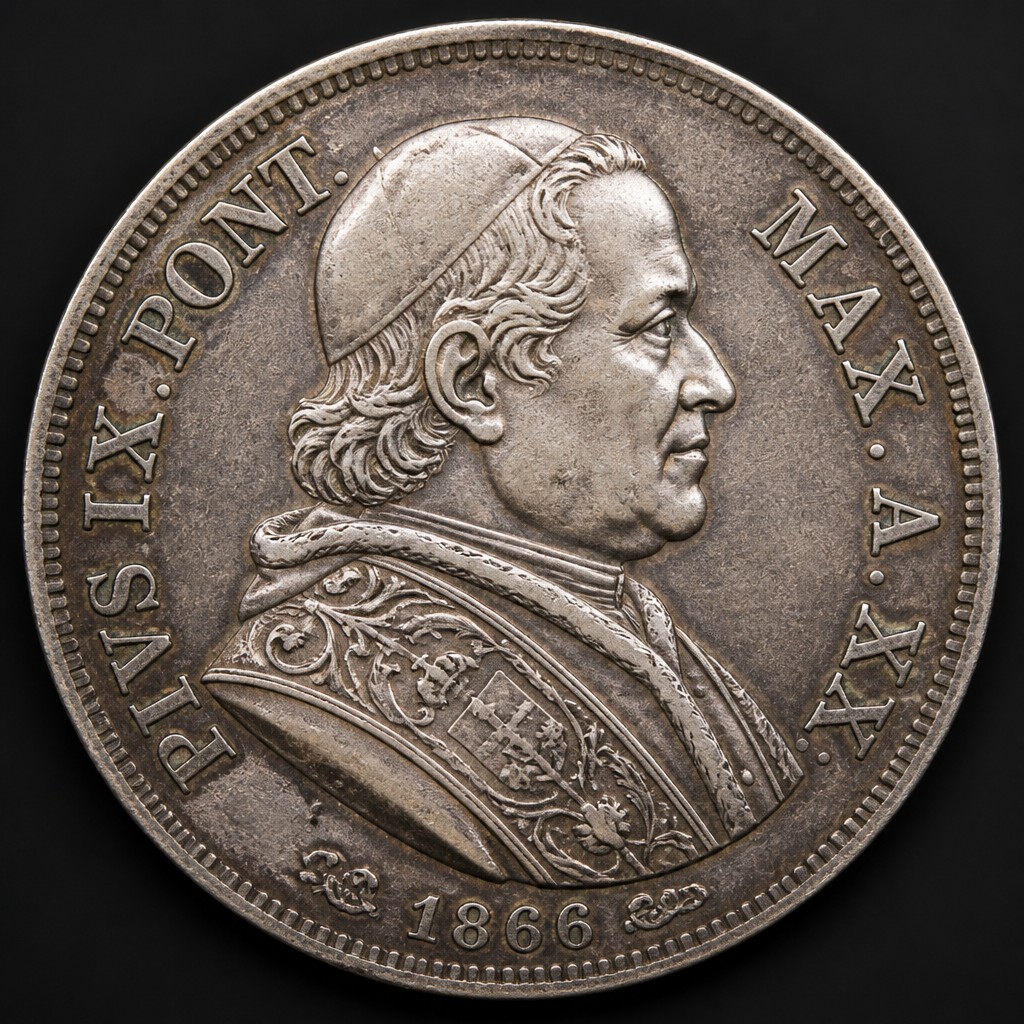
Papal States Scudo
16th century–1866
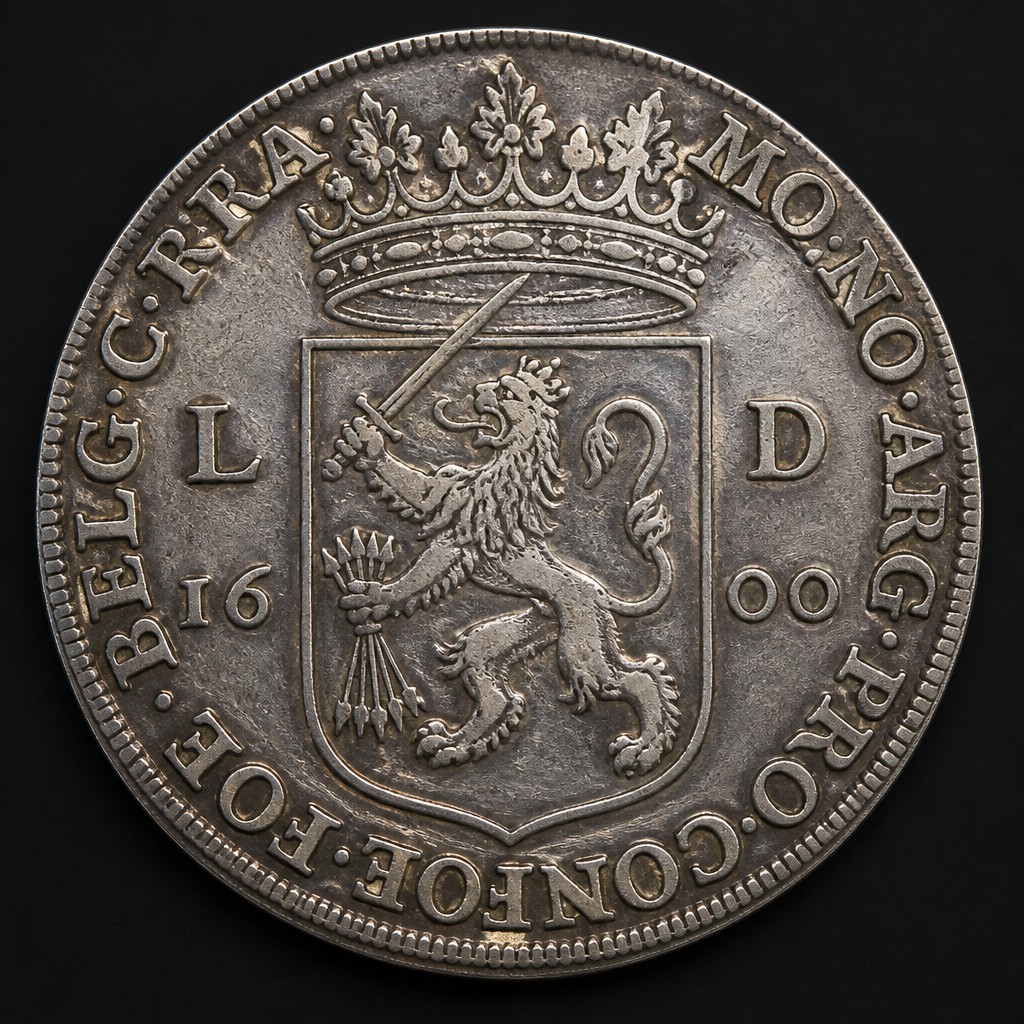
Netherlands Lion Daalder (Leeuwendaalder)
1575–1713
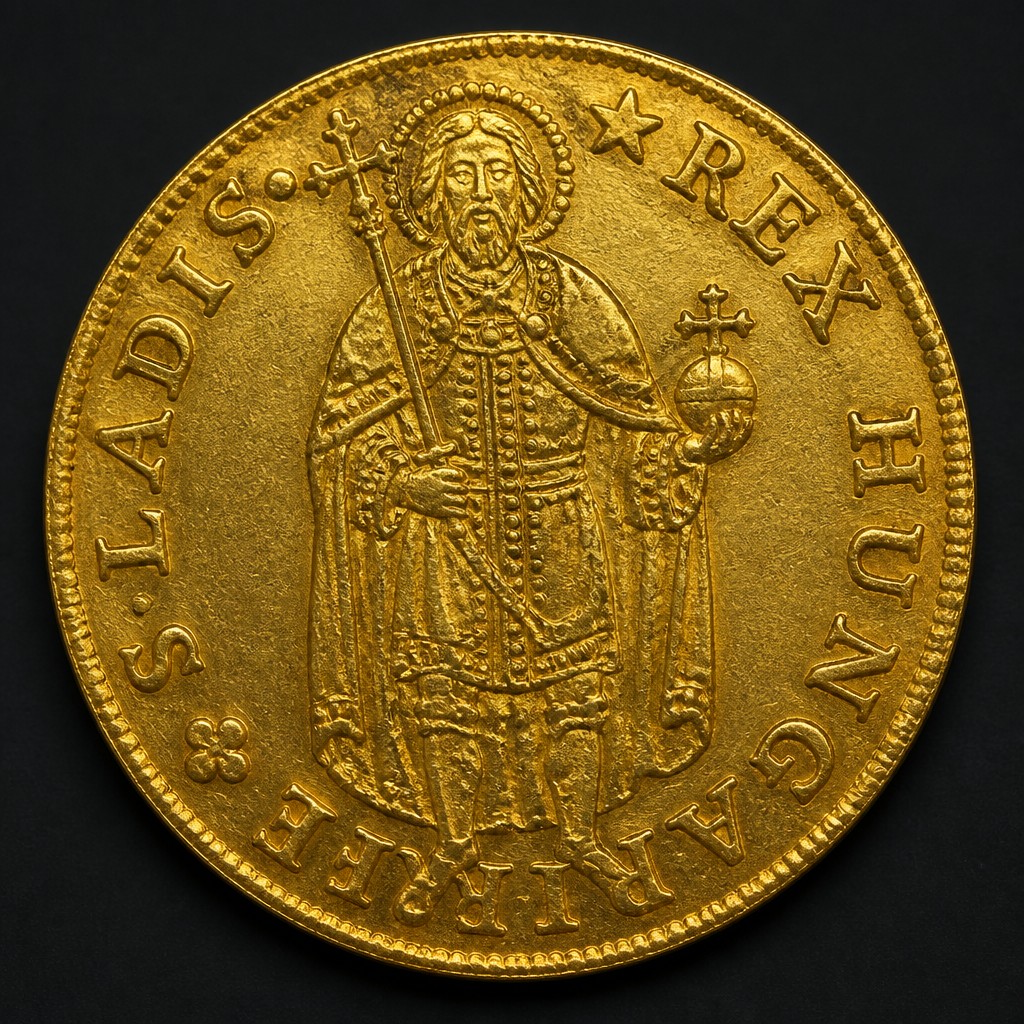
Hungarian Ducat
c. 1325–1918
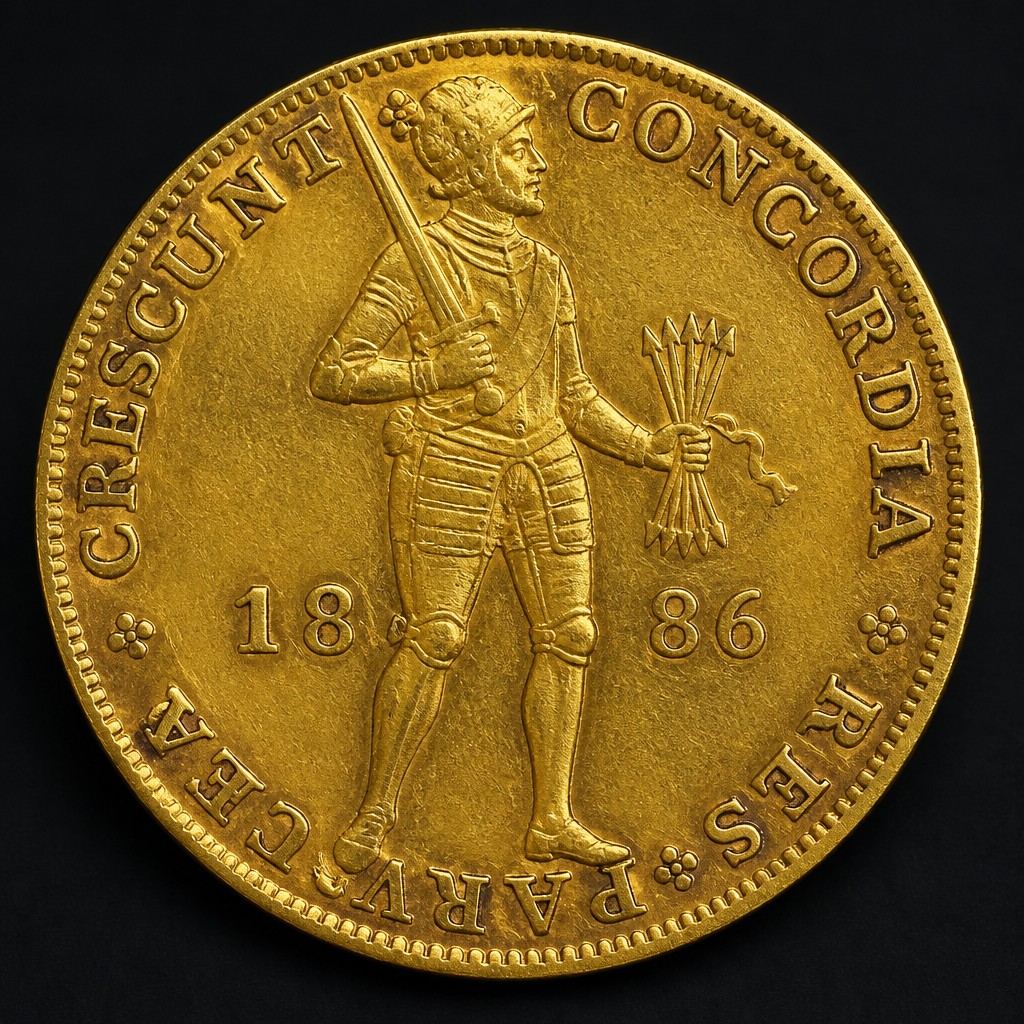
Dutch Ducat
c. 1586–present (classic type standardized after 1817)
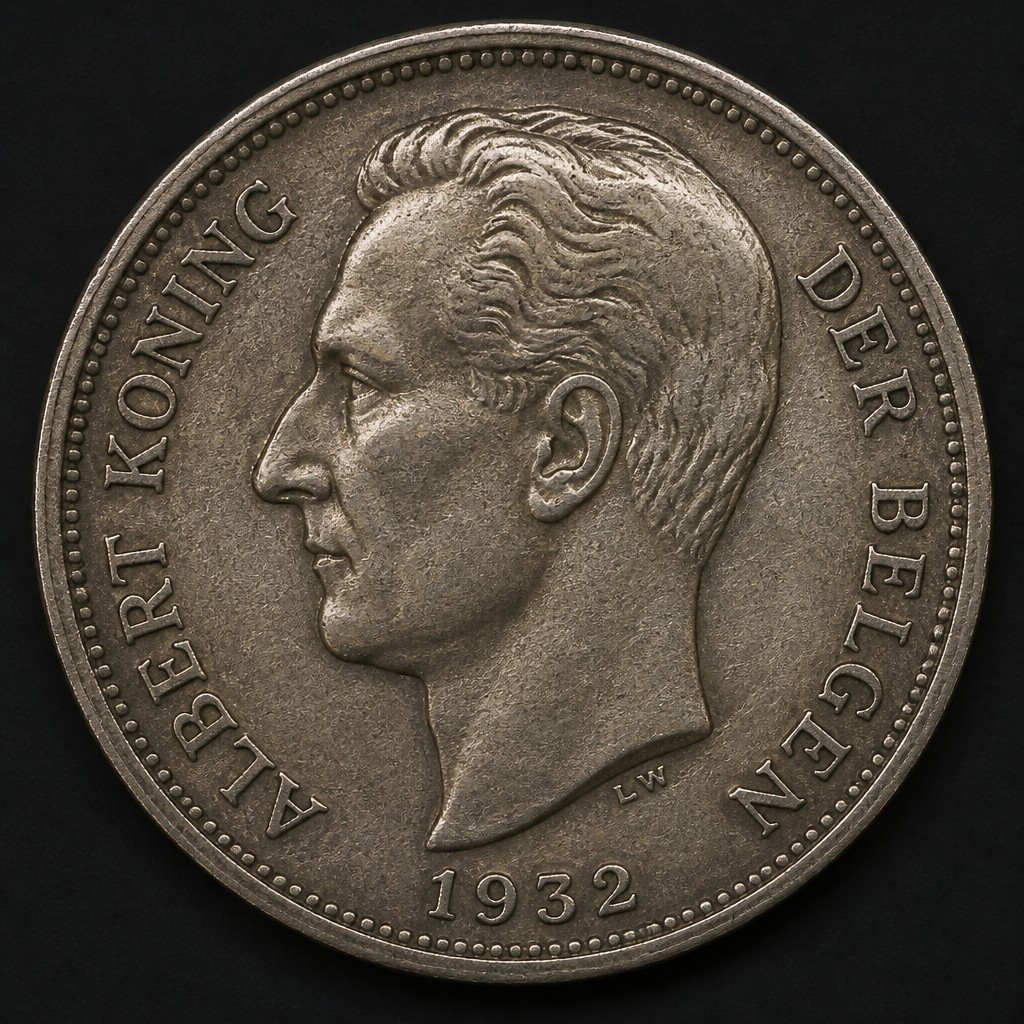
Belgian Franc
1832–2002
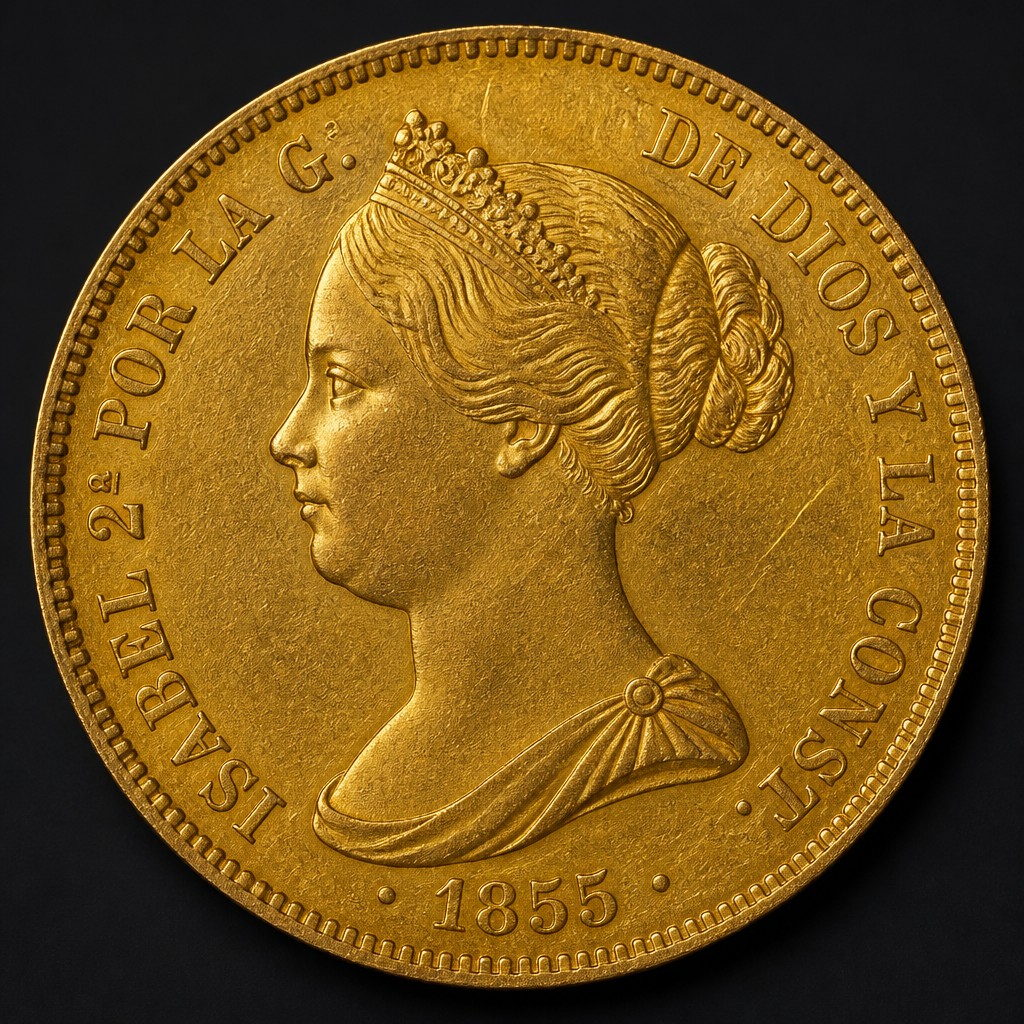
Spanish 100 Reales Gold (Isabel II)
1850s–1868
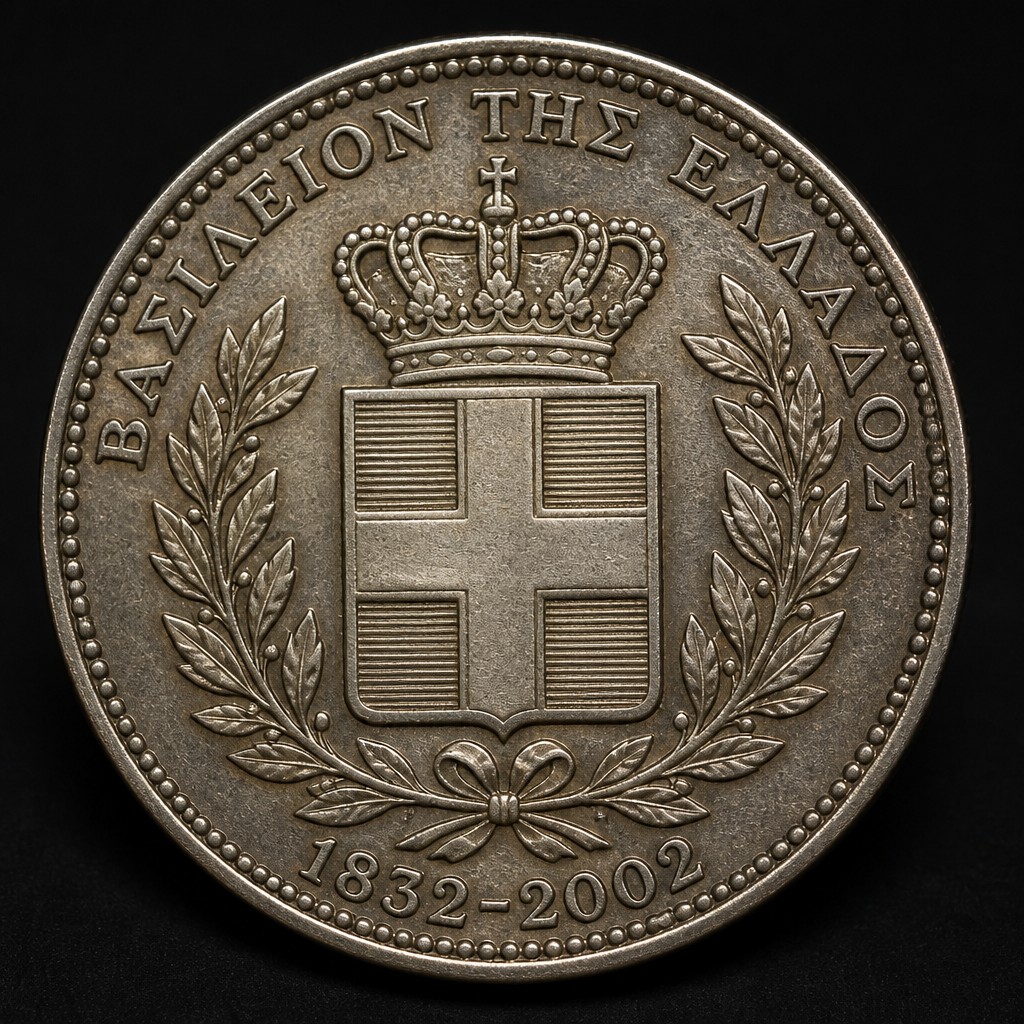
Greek Drachma
1832–2002
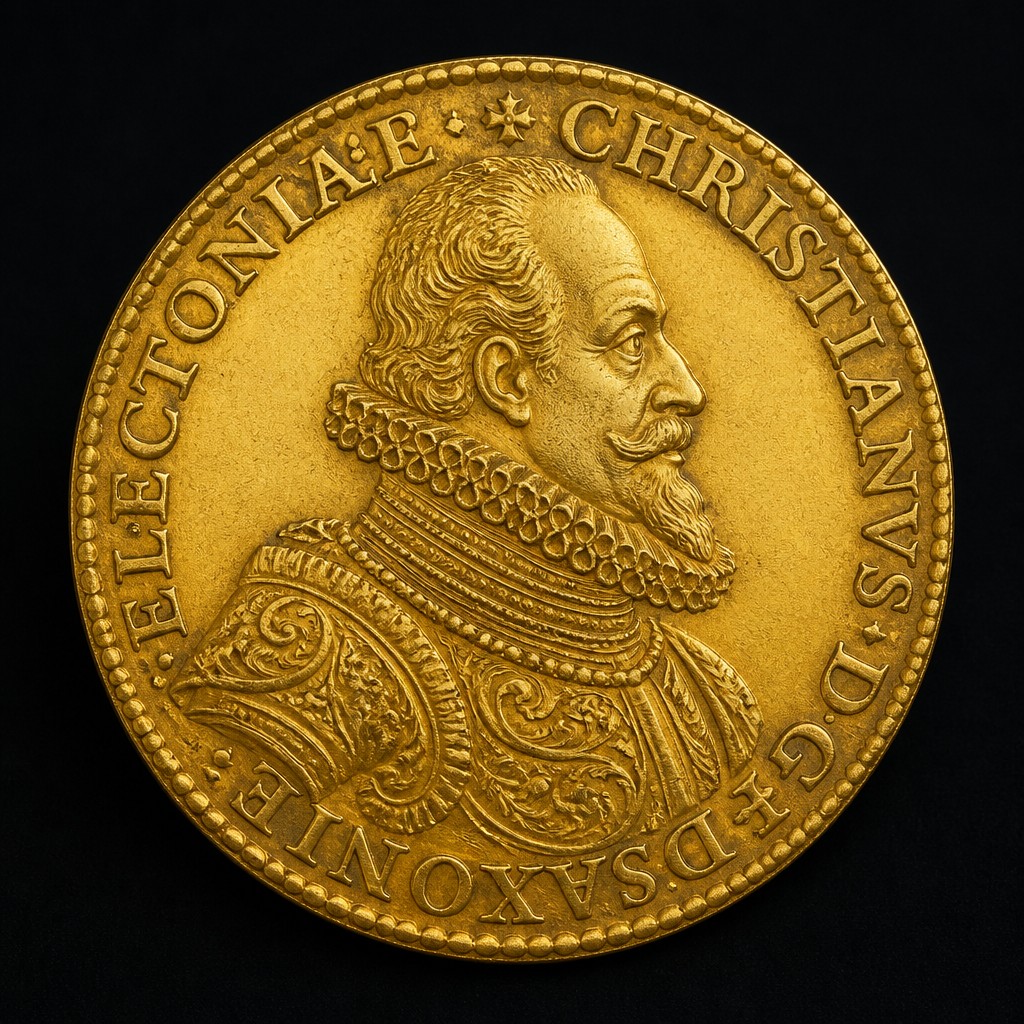
German Saxony Ducat
16th century–19th century
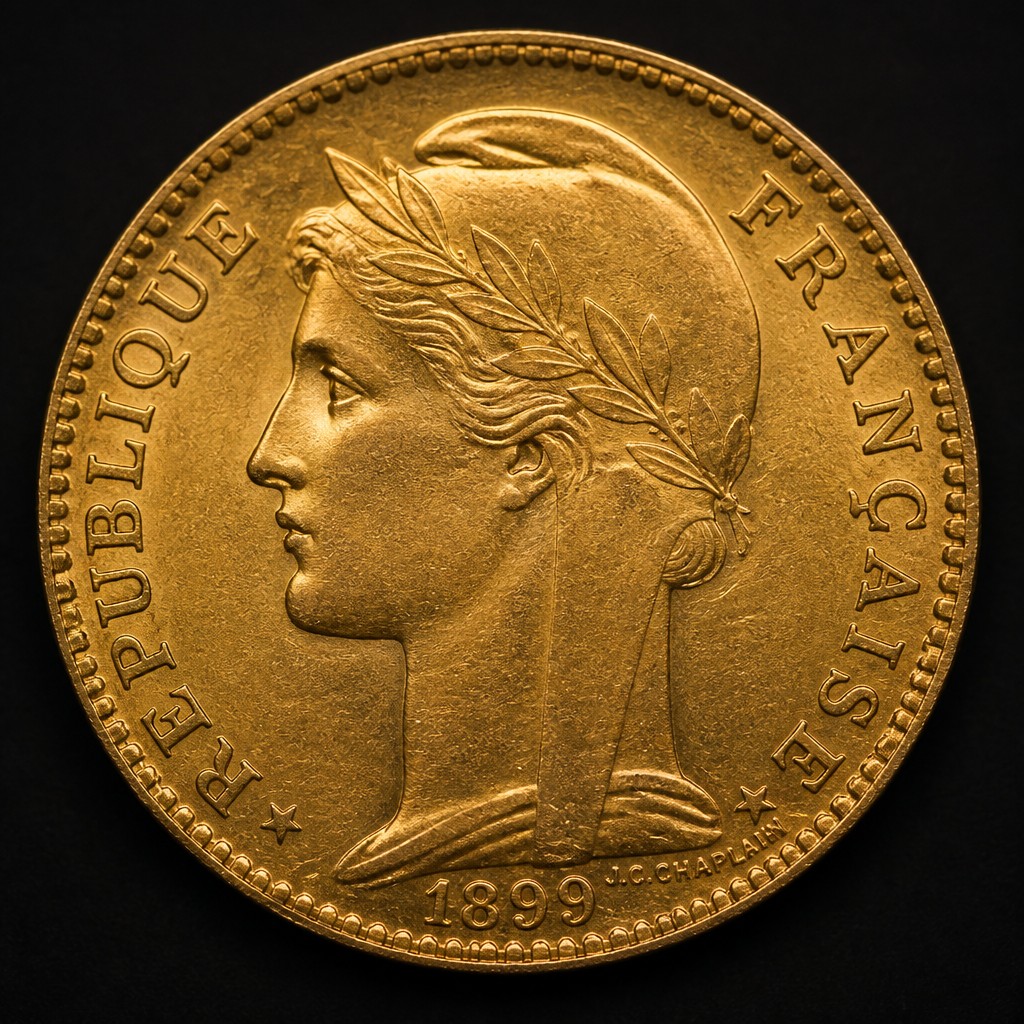
French 10 Francs Gold (Napoleon Rooster)
1899–1914
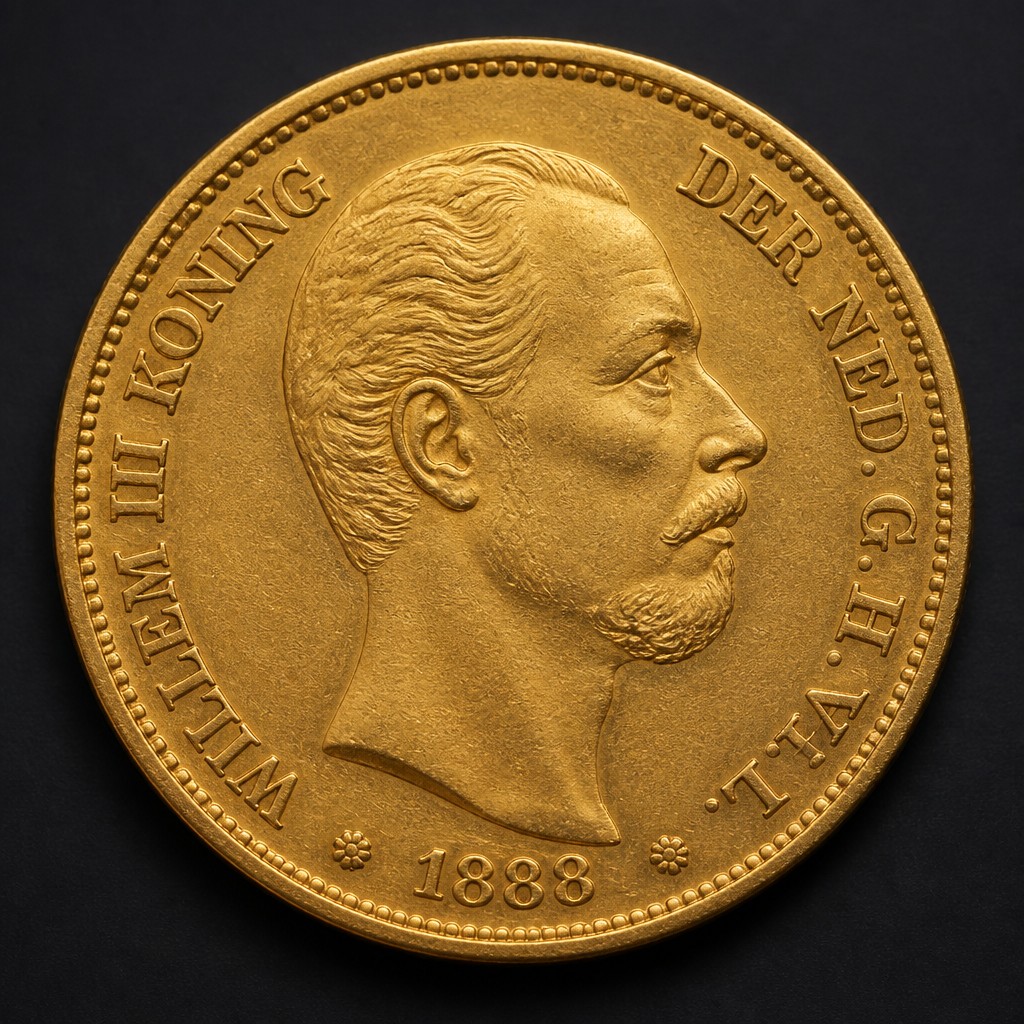
Netherlands 5 Gulden Gold
1826–1912 (intermittent)