
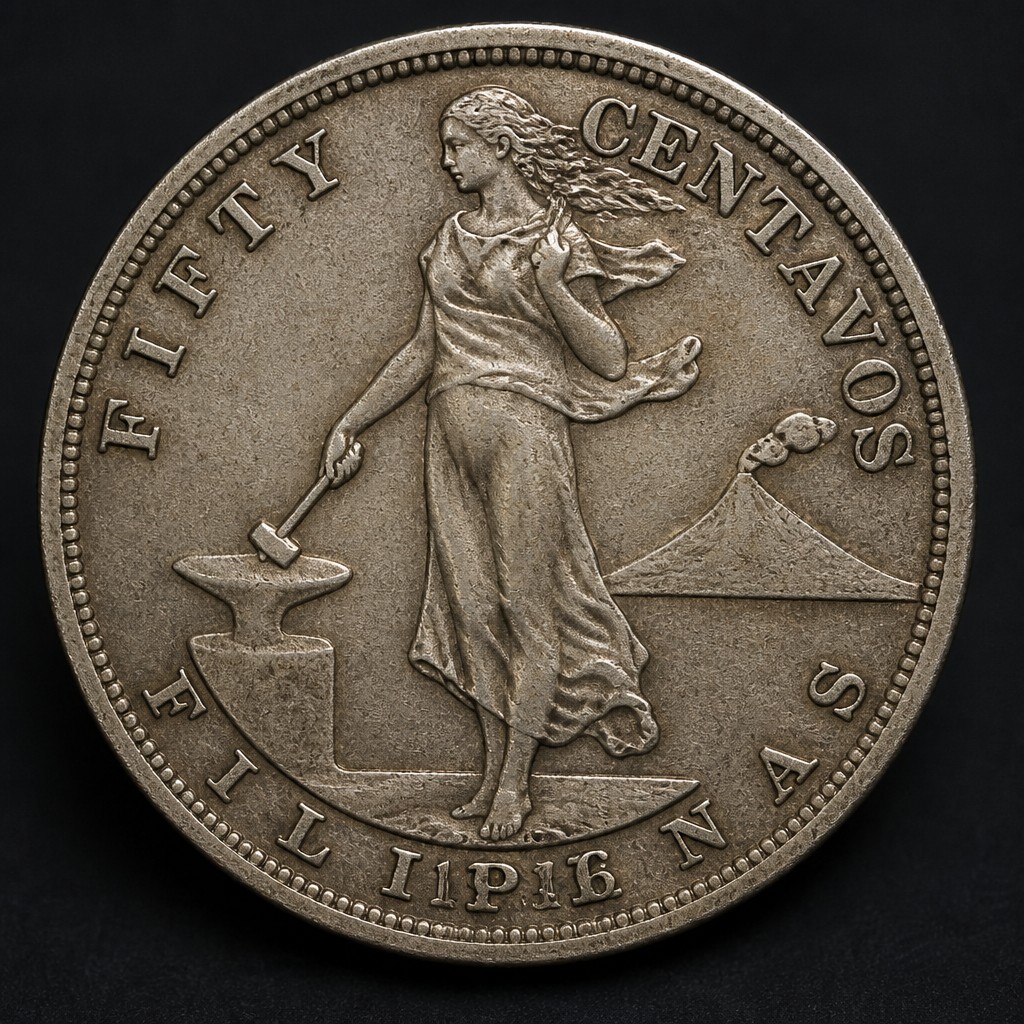
Philippine 50 Centavos (Commonwealth, 1936)
A special 1936 silver 50-centavo coin marking the establishment of the Commonwealth of the Philippines, issued in two paired-portrait varieties honoring Quezon alongside Murphy or Roosevelt.
- Country
- Philippines (US Commonwealth era)
- Denomination
- 50 Centavos
- Metal
- Silver (.750 fine)
Got a coin like this?
Identify any coin from a photo, free.
Overview
This 1936 50-centavo coin was struck to commemorate the inauguration of the Commonwealth of the Philippines, the transitional self-governing status granted by the United States ahead of eventual full Philippine independence. It was issued alongside a companion silver peso commemorative that same year, together forming a small but historically significant set marking this milestone in Philippine political history.
Two obverse varieties exist, both dated 1936: one pairing the conjoined busts of Frank Murphy, the last American Governor-General and first US High Commissioner, with Manuel Quezon, the Commonwealth's first President, and the other pairing US President Franklin D. Roosevelt with Quezon. Both share a common reverse design.
Because these coins were struck only for this single commemorative occasion rather than as part of ongoing circulating coinage, they are treated by collectors as a distinct and notable chapter within the broader US-Philippine coinage series.
History & Background
The Commonwealth of the Philippines was formally inaugurated in November 1935 under an act of the US Congress that set a ten-year timetable toward full Philippine independence, with Manuel Quezon elected as its first President. To mark this significant step, the US and Philippine governments authorized a small commemorative coinage program in 1936, including this 50-centavo piece and a companion one-peso coin, both produced in two paired-portrait varieties.
The designs paired Quezon's portrait with two figures representing the American side of this political transition: Frank Murphy, who had served as the last Governor-General before becoming the first US High Commissioner to the new Commonwealth, and President Franklin D. Roosevelt, under whose administration the Commonwealth was established. As official commemorative issues rather than ordinary circulating coinage, these 1936 pieces were produced only that single year before regular Commonwealth-era coin designs took over standard circulation.
How to Identify
The obverse shows conjoined busts of two figures, either Frank Murphy and Manuel Quezon, or Franklin D. Roosevelt and Manuel Quezon, depending on the variety, with identifying names and titles inscribed around the portraits. The reverse features a shared design typically showing an eagle above a shield motif with the denomination "50 CENTAVOS," "COMMONWEALTH OF THE PHILIPPINES," and the date 1936.
The coin is struck in silver of reduced fineness compared to the earlier full US-Philippine coinage standard, and its overall size follows the general dimensions of the regular 50-centavo denomination used in the US-Philippine series. Careful examination of the obverse portraits is the clearest way to distinguish the two varieties, since the reverse is essentially identical between them.
Collectors should not confuse this commemorative issue with the ordinary circulating Commonwealth 50-centavo coins produced in subsequent years (1937 onward), which carry different obverse and reverse designs without the paired historical portraits.
Value & Collectibility
As a limited commemorative issue produced in a single year rather than as ongoing circulating coinage, this 50-centavo type is more actively sought by specialists in Philippine and US territorial coinage than typical circulating coins of similar age. Condition and which of the two portrait varieties is present both significantly affect desirability and price.
Well-preserved, lightly circulated, or uncirculated examples of either variety command solid premiums from collectors, while heavily worn or cleaned pieces are valued more modestly. Because the coin was a special commemorative issue rather than a mass circulation type, demand tends to be steadier among dedicated collectors of this specific historical series.
As always with commemorative coinage of this era, buyers should compare examples carefully against reliable references to confirm variety and originality before assessing value, since both varieties can vary widely in price depending on preservation.
Frequently asked questions
What event does this coin commemorate?
It commemorates the establishment of the Commonwealth of the Philippines in 1935, a transitional self-governing status ahead of full independence.
What are the two varieties of this coin?
One pairs the busts of Frank Murphy and Manuel Quezon, and the other pairs Franklin D. Roosevelt and Manuel Quezon, both sharing the same reverse design.
Was this coin used in everyday circulation?
It was issued as a special commemorative coin in 1936 rather than as an ongoing circulating coin type, though it carried legal tender status.
How is it different from later Commonwealth 50 centavo coins?
Regular Commonwealth 50-centavo coins from 1937 onward used entirely different obverse and reverse designs without the paired historical portraits seen on this 1936 commemorative.
Who was Manuel Quezon?
He was the first President of the Commonwealth of the Philippines, a key figure in the nation's path toward eventual independence.
Other coins you may enjoy
Bahraini Dinar
1965–present
Omani Rial (Baisa Coinage)
1970–present
United Arab Emirates Dirham
1973–present
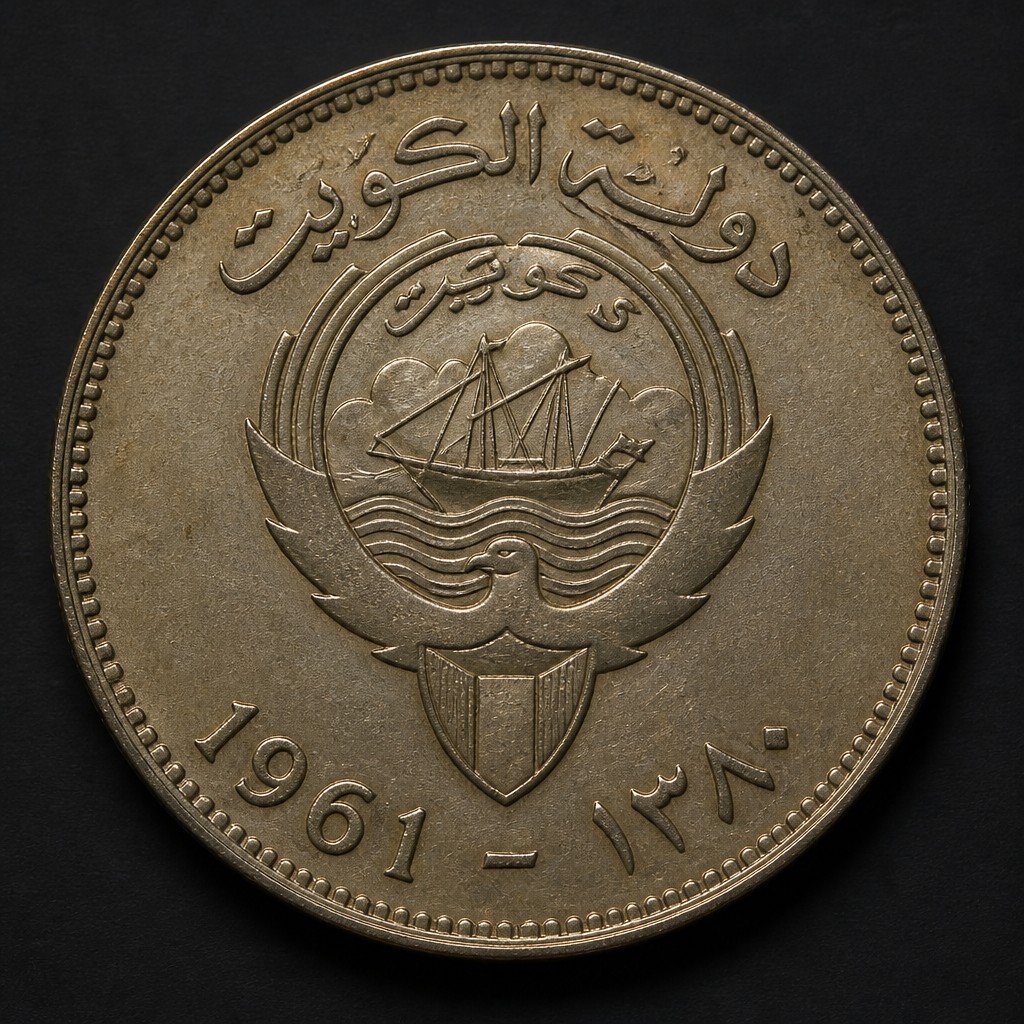
Kuwaiti Fils
1961–present
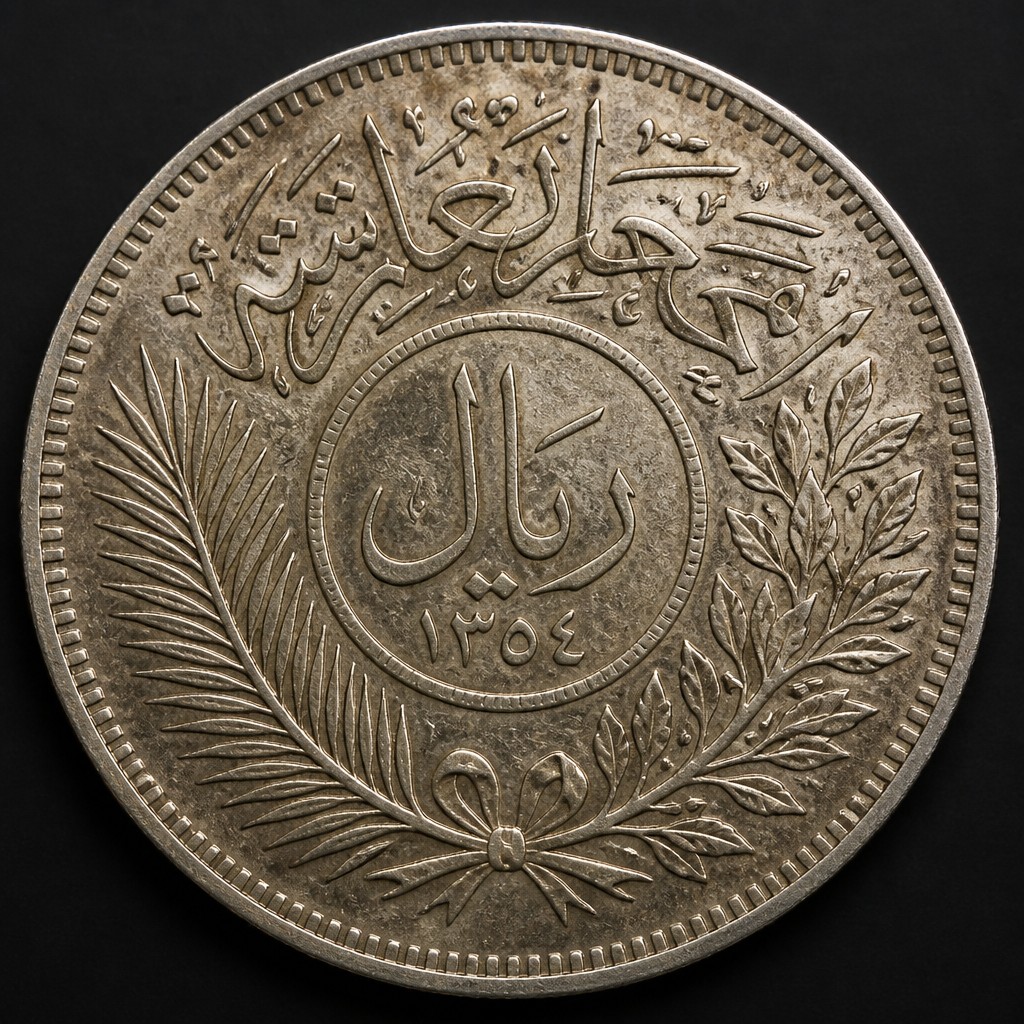
Saudi Arabian Riyal (silver)
1935 (Kingdom-wide standardization) and related issues
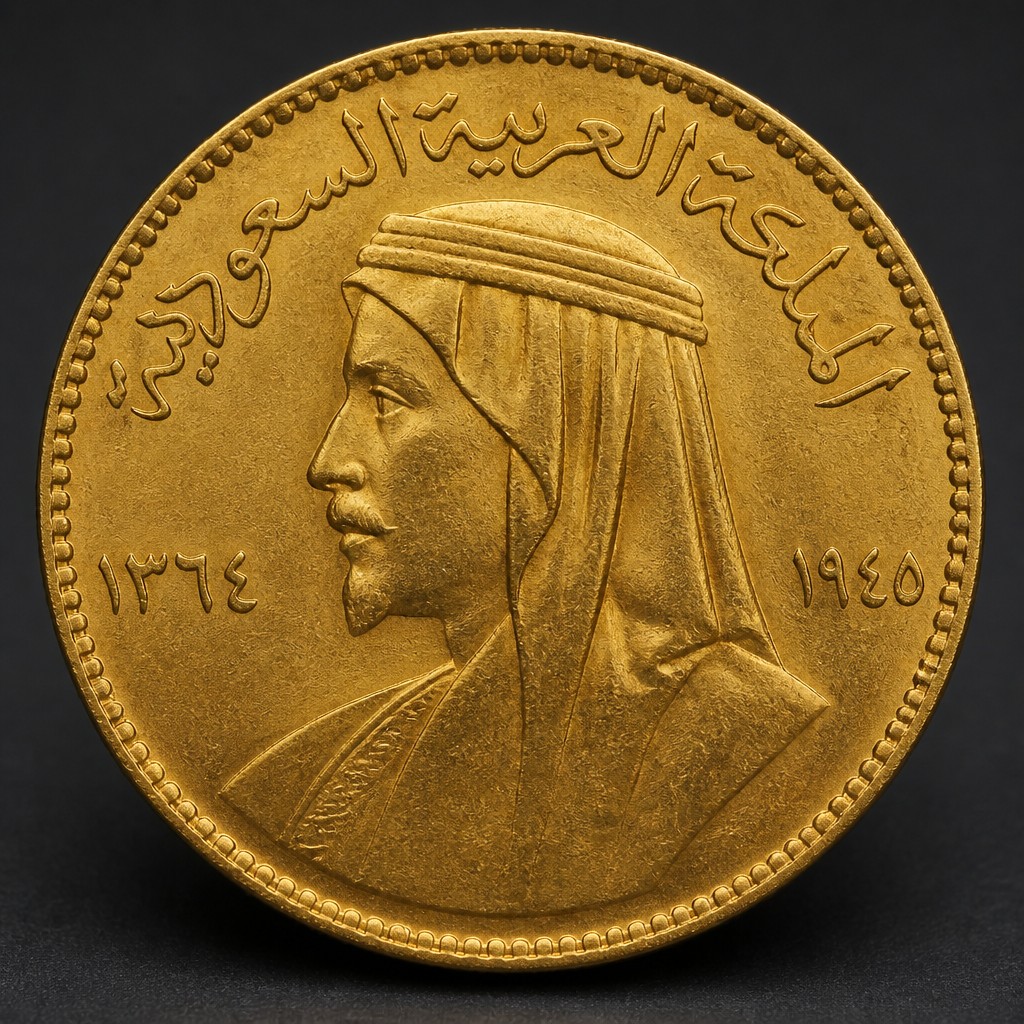
Saudi Arabian Gold Guinea (Sovereign)
1945 and later issues
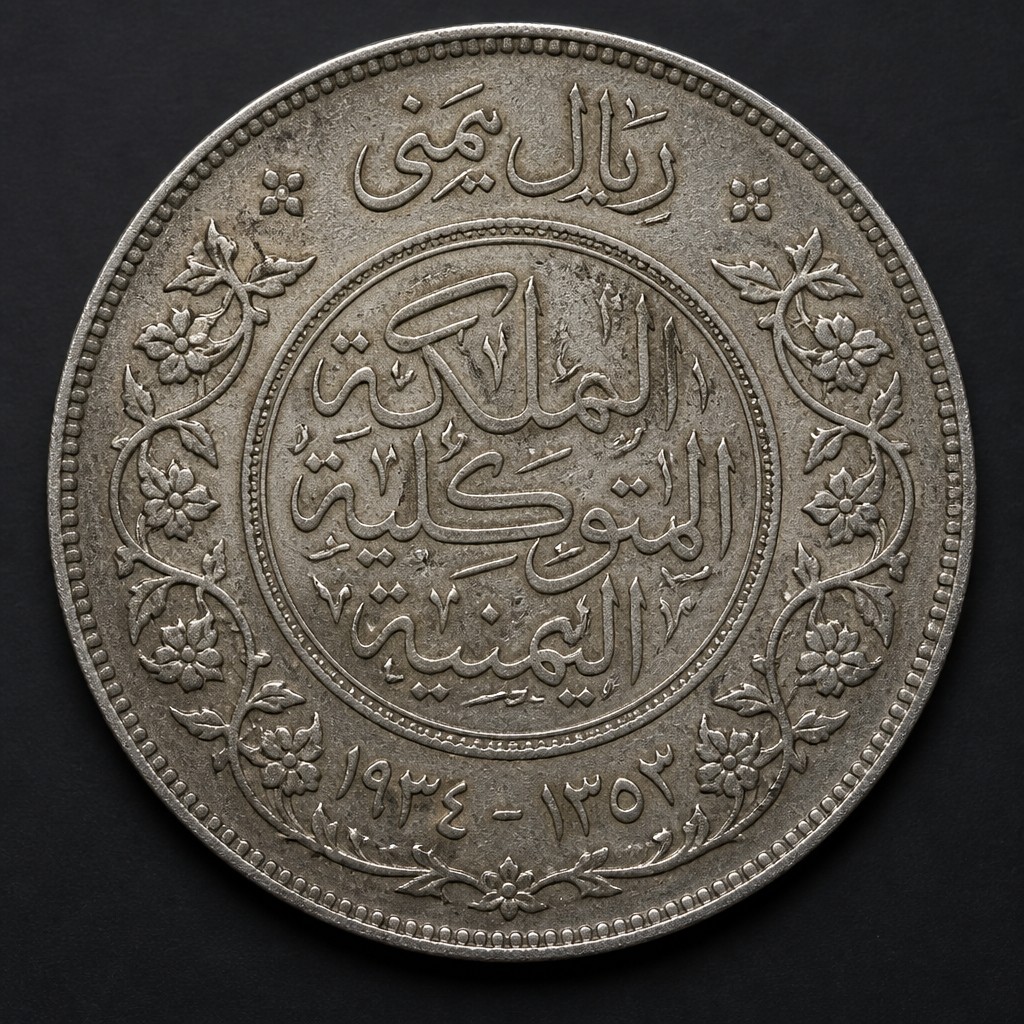
Yemeni Riyal (Ahmadi/Imadi Kingdom Coinage)
Early-to-mid 20th century
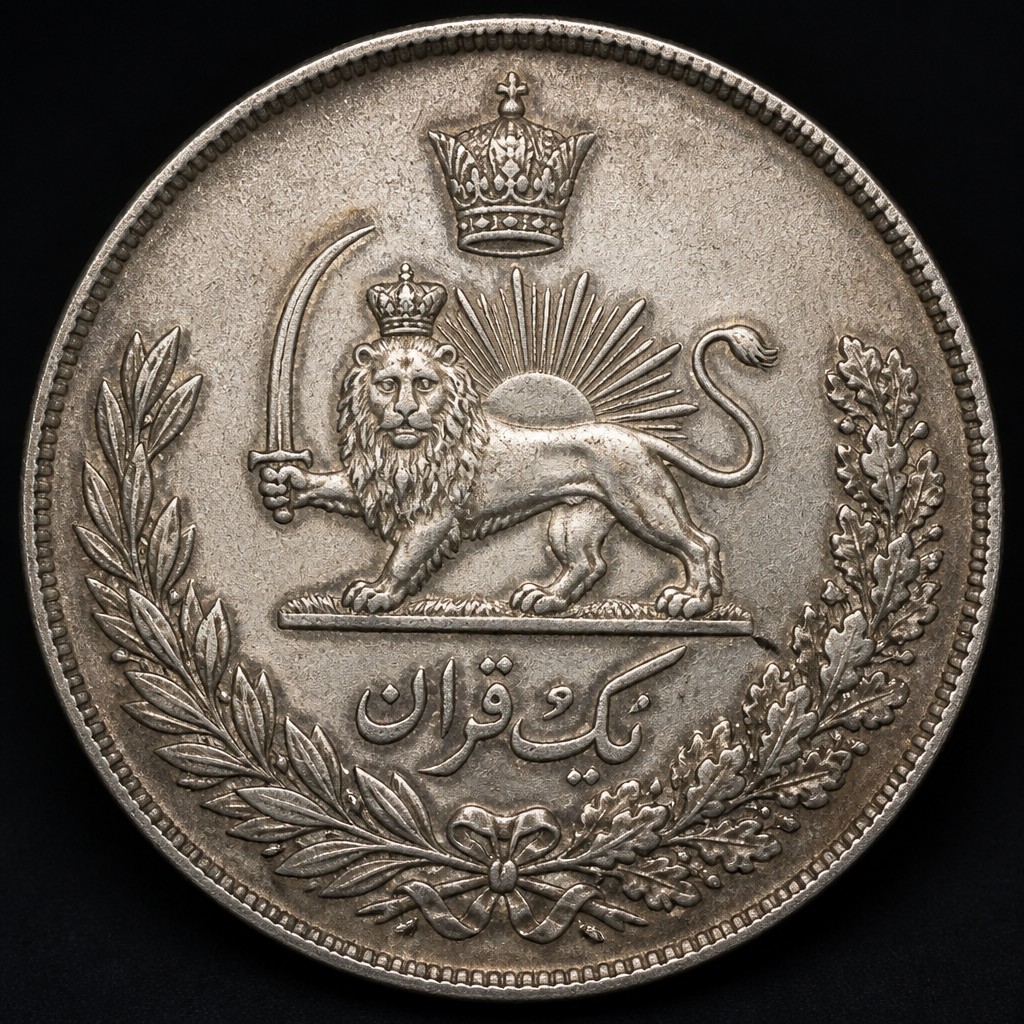
Persian Kran (Qajar silver)
Mid-19th century–1925
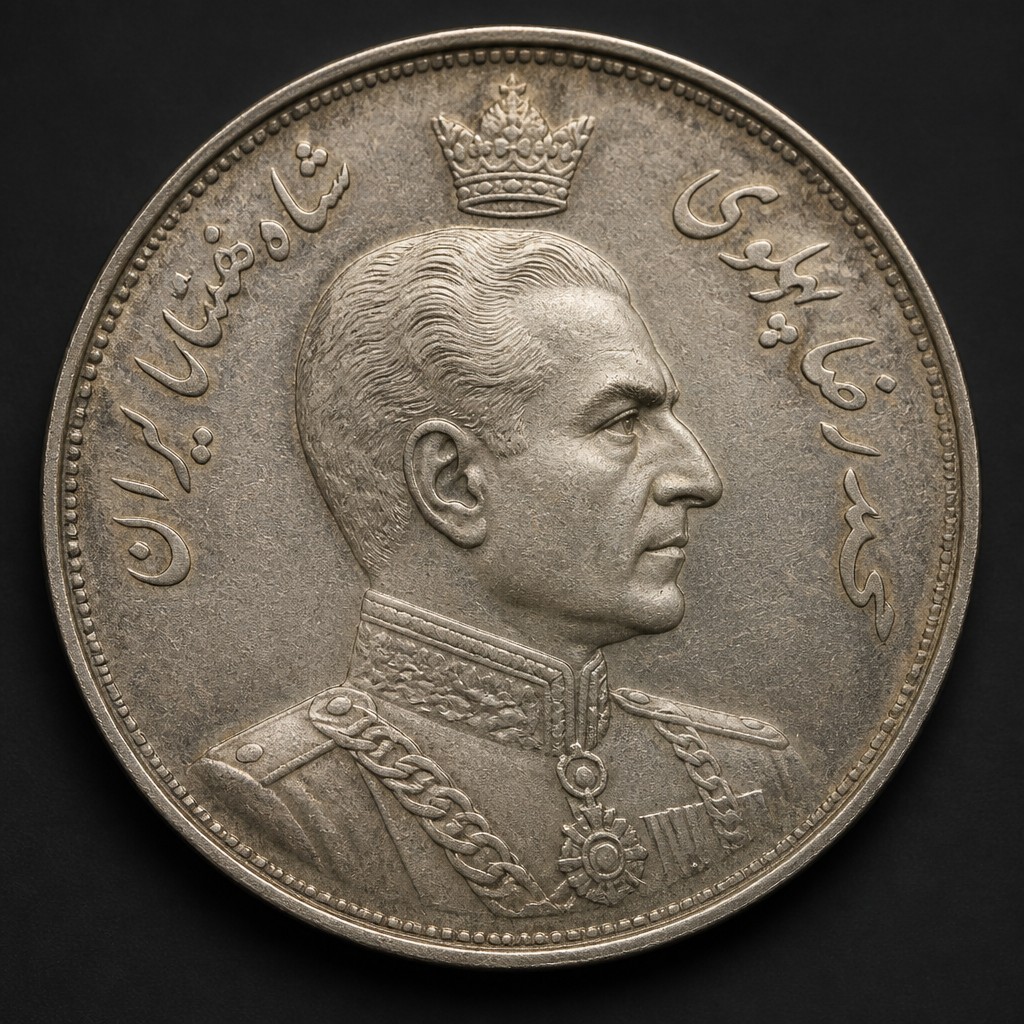
Iranian Rial
1932–present
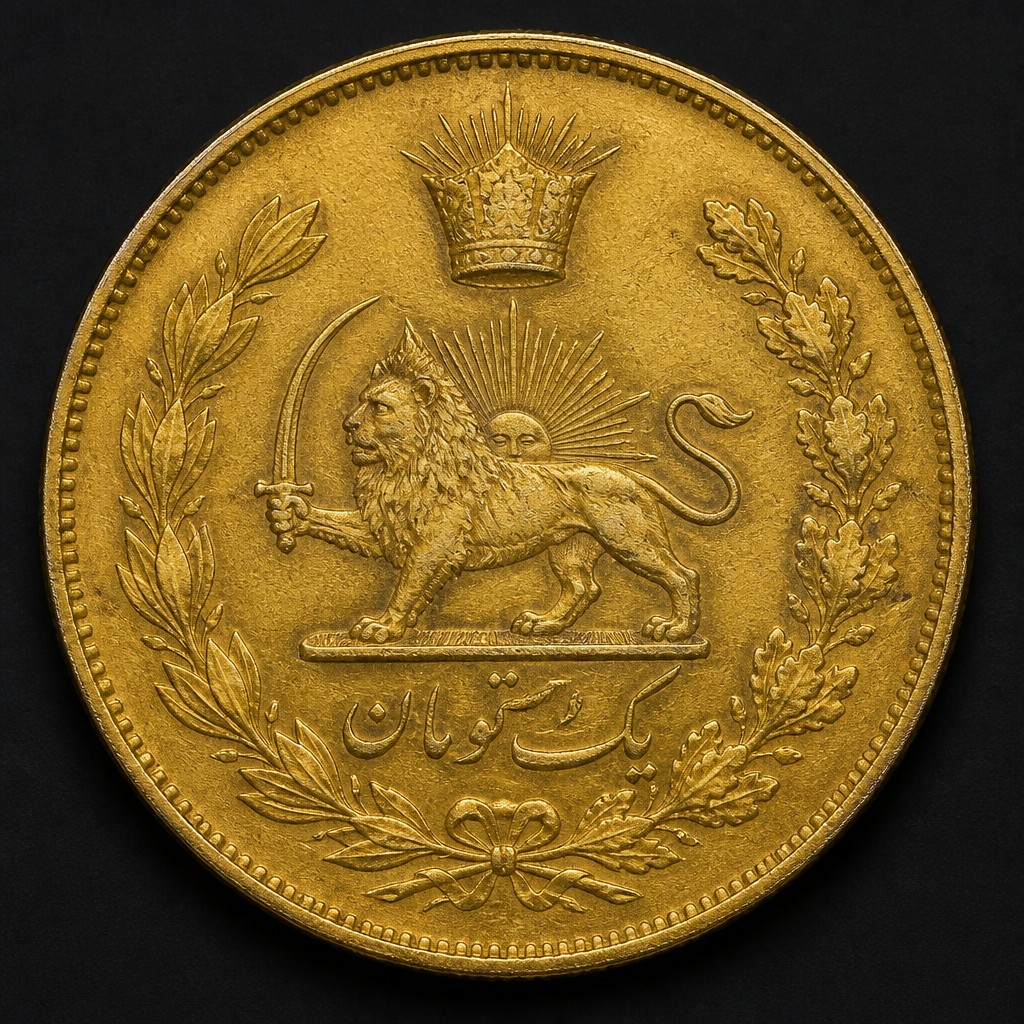
Persian Gold Toman (Qajar)
1796–1925
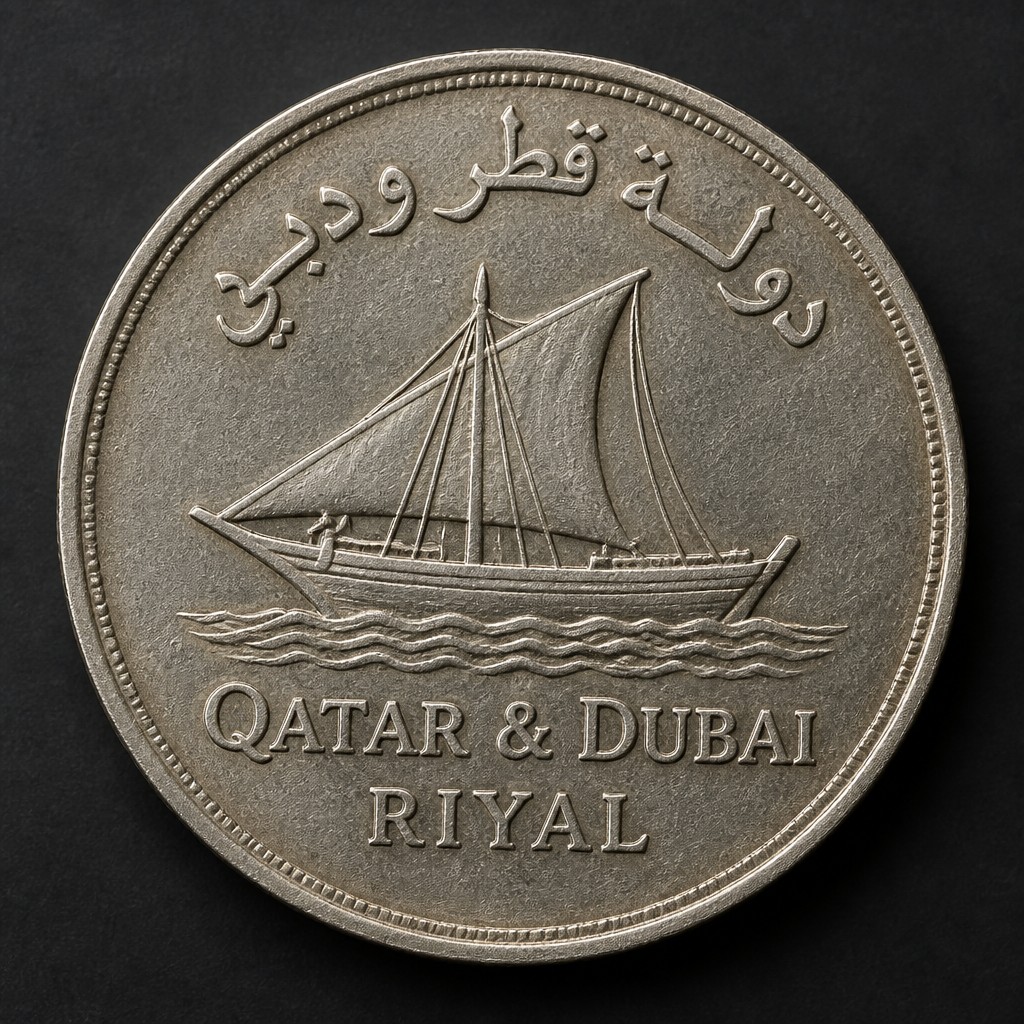
Qatar and Dubai Riyal
1966–1973
British India Rupee (Silver)
1835–1947