
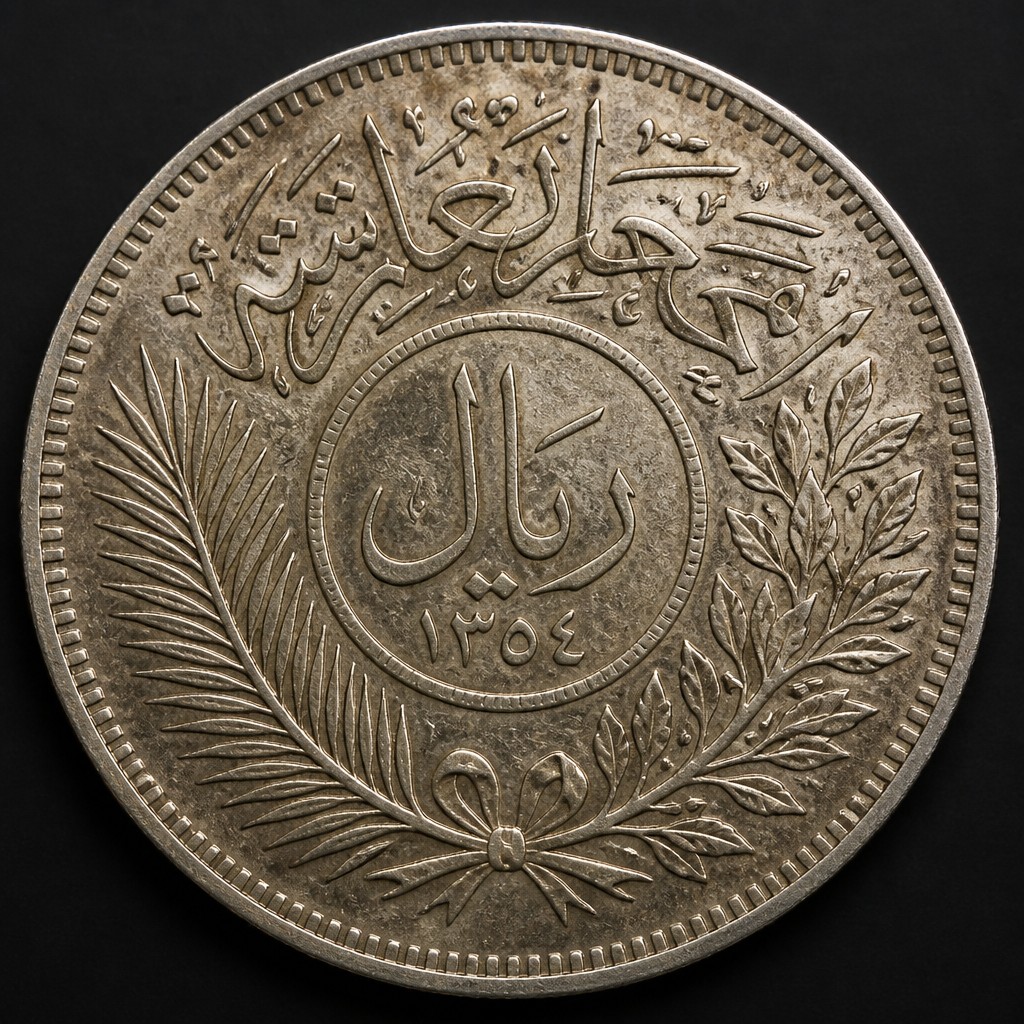
Saudi Arabian Riyal (silver)
The standardized silver riyal introduced by King Abdulaziz to unify the currency of the newly formed Kingdom of Saudi Arabia, featuring Arabic inscriptions and national emblems without a ruler's portrait.
- Country
- Saudi Arabia
- Denomination
- 1 Riyal
- Metal
- Silver
Got a coin like this?
Identify any coin from a photo, free.
Overview
The silver riyal became the backbone of Saudi Arabia's coinage after King Abdulaziz Al Saud unified the various regions of the Arabian Peninsula, including the Hejaz and Najd, into the modern Kingdom of Saudi Arabia in 1932, followed by a currency standardization reform in the mid-1930s. It replaced a patchwork of earlier regional and foreign coinages that had circulated across the newly unified territory.
As with other Saudi coinage, the riyal avoids any ruler portrait, instead relying on Arabic calligraphy proclaiming the Islamic profession of faith and the kingdom's name, along with national emblems. This design approach reflects both Islamic religious tradition and the specific religious character of Saudi Arabia as custodian of Islam's holiest cities.
The coin represents an important milestone in Saudi economic history, marking the country's move toward a unified, modern currency system in its early years as a nation-state.
History & Background
Prior to the full unification and standardization of Saudi Arabia's currency, the regions later combined into the kingdom, including the Hejaz (home to Mecca and Medina) and Najd, had used a mix of earlier local coinages and various foreign silver coins circulating through trade and pilgrimage traffic. After proclaiming the Kingdom of Saudi Arabia in 1932, King Abdulaziz Al Saud pursued efforts to establish a unified national currency befitting the newly consolidated state.
A significant currency reform in the mid-1930s introduced a standardized silver riyal intended to replace this earlier patchwork and provide a consistent, trusted medium of exchange across the kingdom, particularly important given the substantial commercial activity generated by pilgrims visiting Mecca and Medina each year. The coin's design emphasized Islamic religious text and national symbols in keeping with the kingdom's identity and religious significance.
Over subsequent decades, Saudi Arabia's currency system continued to evolve alongside the kingdom's rapid economic development from oil wealth, eventually transitioning toward the base-metal and paper currency system more familiar today, but the mid-1930s silver riyal reform remains a key early milestone in the country's monetary history.
How to Identify
The obverse typically bears the Islamic declaration of faith (the shahada) in ornate Arabic calligraphy, while the reverse states the kingdom's name, the denomination, and the date in the Islamic Hijri calendar, generally accompanied by the national emblem of crossed swords beneath a palm tree. As with other Saudi coinage, there is no portrait of the king, consistent with Islamic tradition and the kingdom's religious character as custodian of Islam's two holiest cities.
The coin is a modest-sized silver piece, and collectors should note that Saudi riyal coinage from this standardization period can be found with variations in exact silver fineness and minor die differences depending on the specific striking batch and contract mint used. Comparing the coin's weight and diameter to reference specifications helps confirm denomination and general period of issue.
Because several similar-looking Arabic-inscription silver coins circulated in the region historically (including earlier Hejaz coinage and neighboring Gulf currencies), attributing a coin firmly to this Saudi standardized riyal type requires careful reading of the specific inscriptions naming the Saudi kingdom and its ruler.
Value & Collectibility
Common examples of the standardized silver riyal are generally accessible to collectors, with pricing driven mainly by condition, since the coin was produced to meet real commercial demand across a large kingdom. Well-preserved, lightly circulated examples command a premium over heavily worn pieces, and certain early dates or mint varieties tied to the initial standardization reform can be more sought after by specialists in early Saudi coinage.
As with most circulated silver world coins, buyers should be attentive to cleaning, wear, and surface originality when assessing value, and should recognize that this coin's primary appeal lies in its historical significance as an early product of the unified Saudi kingdom rather than in extreme rarity.
Frequently asked questions
Why does the Saudi riyal show no portrait of the king?
Saudi coinage follows Islamic artistic tradition, which generally avoids figural portraiture, so the coin instead features religious calligraphy and national emblems.
What text appears on the obverse of the coin?
The obverse typically carries the Islamic declaration of faith (the shahada) in decorative Arabic script.
Why was a standardized riyal introduced in the 1930s?
After King Abdulaziz unified the Hejaz, Najd, and other regions into the Kingdom of Saudi Arabia in 1932, a standardized currency was needed to replace the mix of earlier regional and foreign coins circulating across the newly combined territory.
What calendar is used for the coin's date?
Dates are given in the Islamic Hijri lunar calendar, consistent with other Saudi and broader Islamic-world coinage.
Other coins you may enjoy
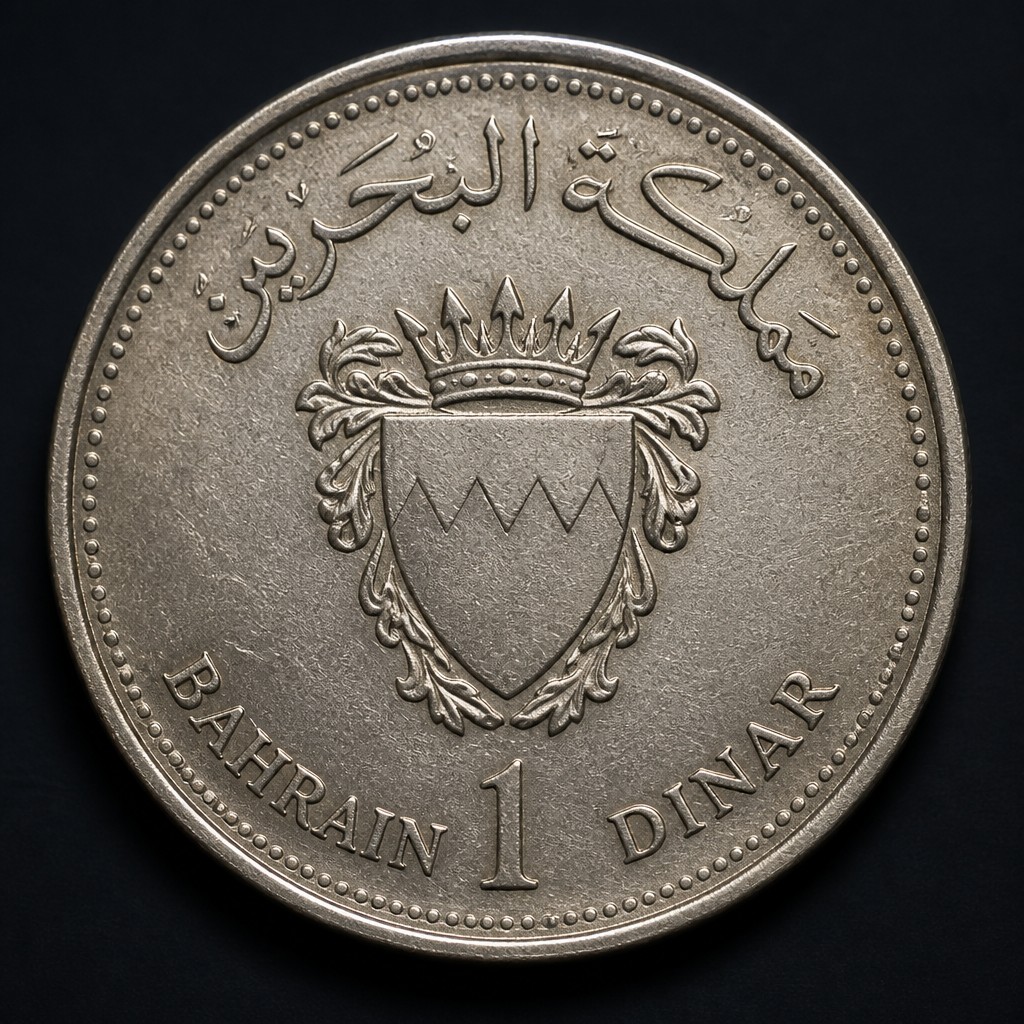
Bahraini Dinar
1965–present
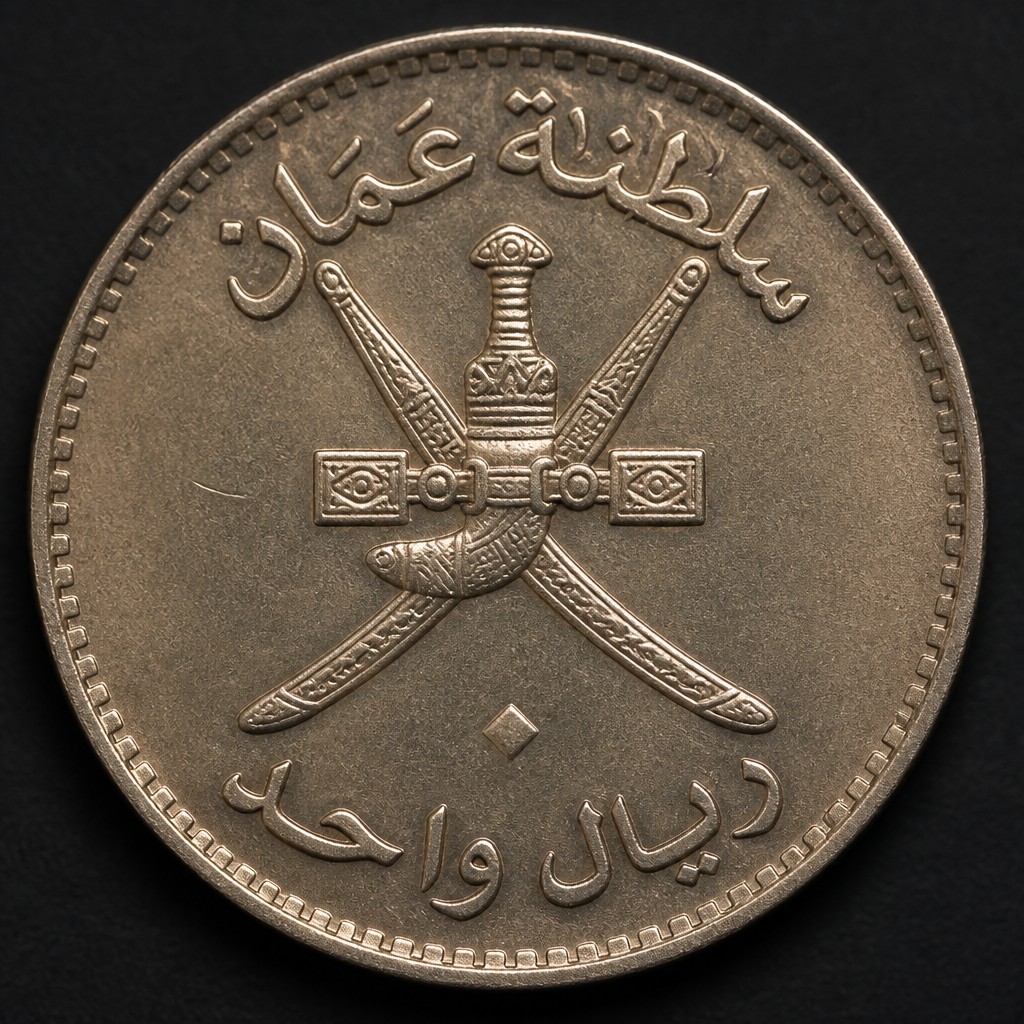
Omani Rial (Baisa Coinage)
1970–present
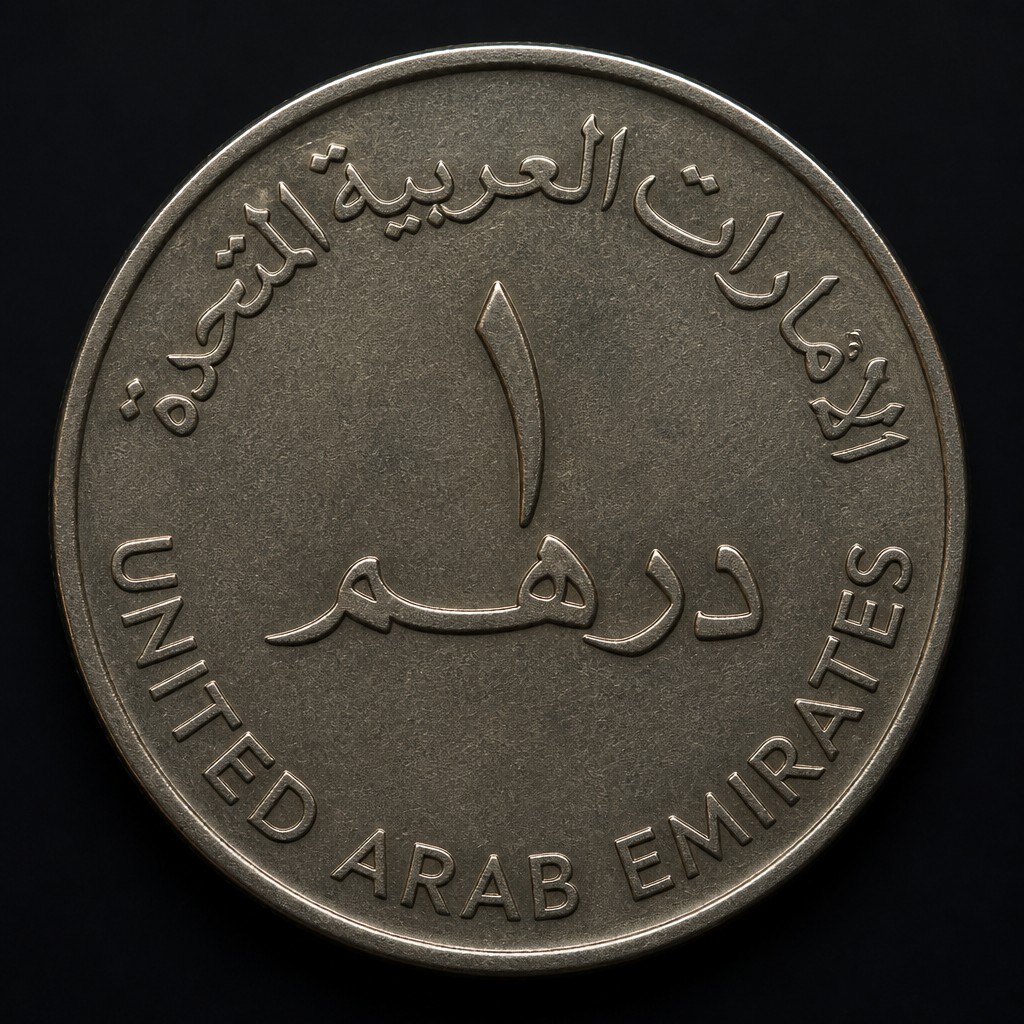
United Arab Emirates Dirham
1973–present
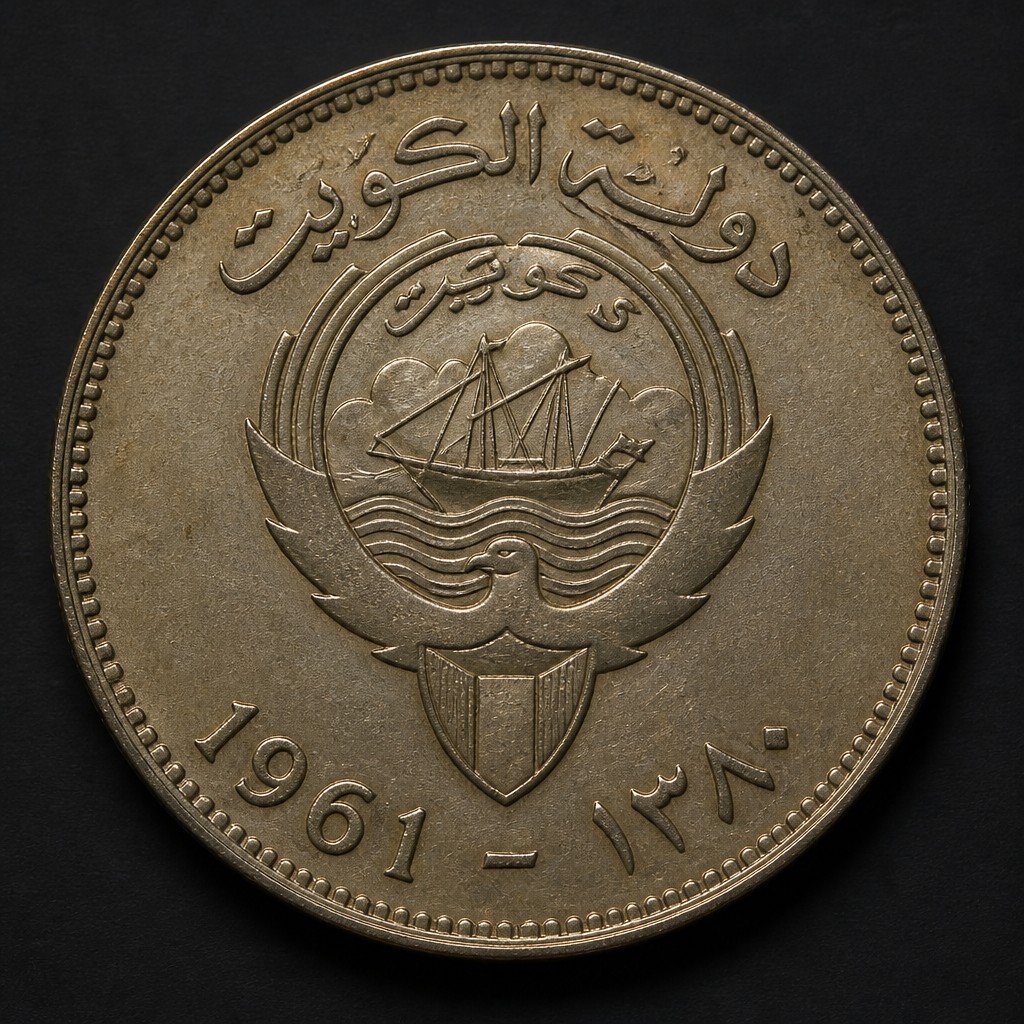
Kuwaiti Fils
1961–present
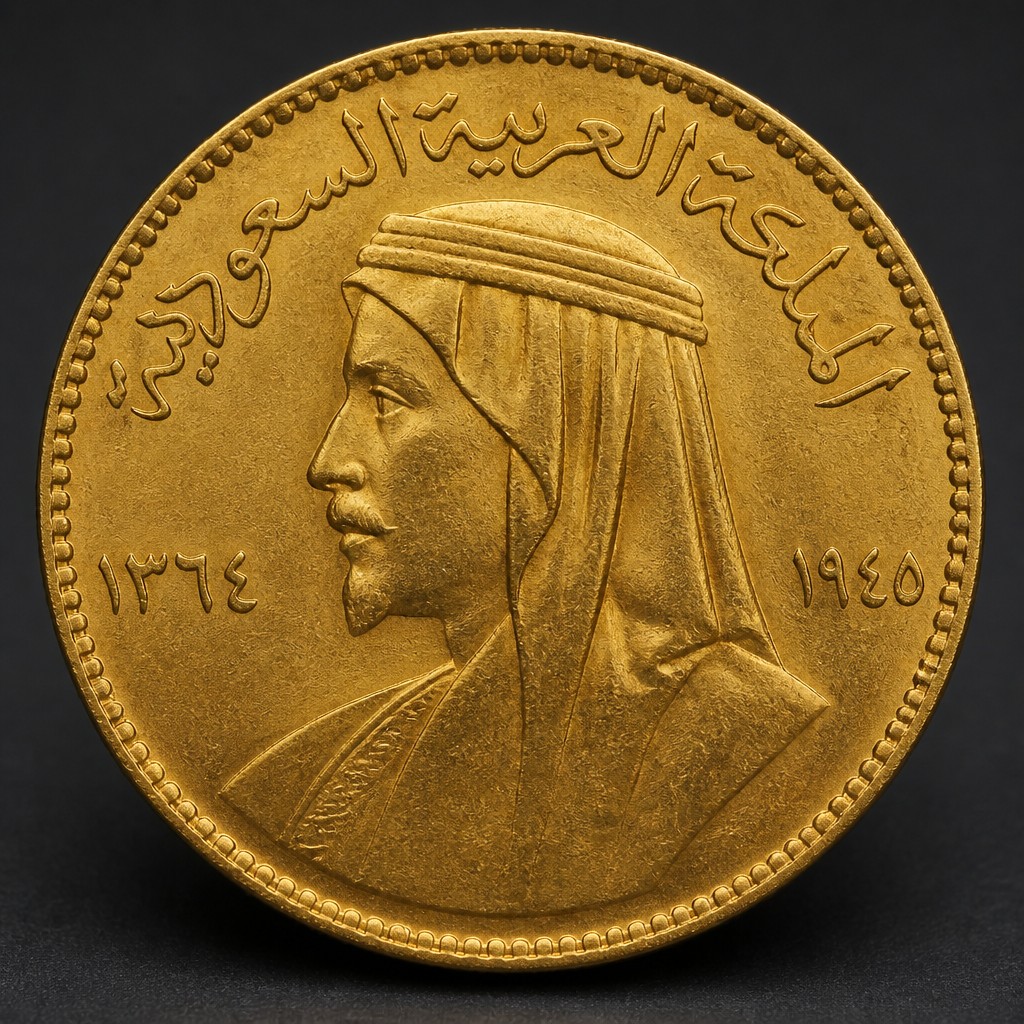
Saudi Arabian Gold Guinea (Sovereign)
1945 and later issues
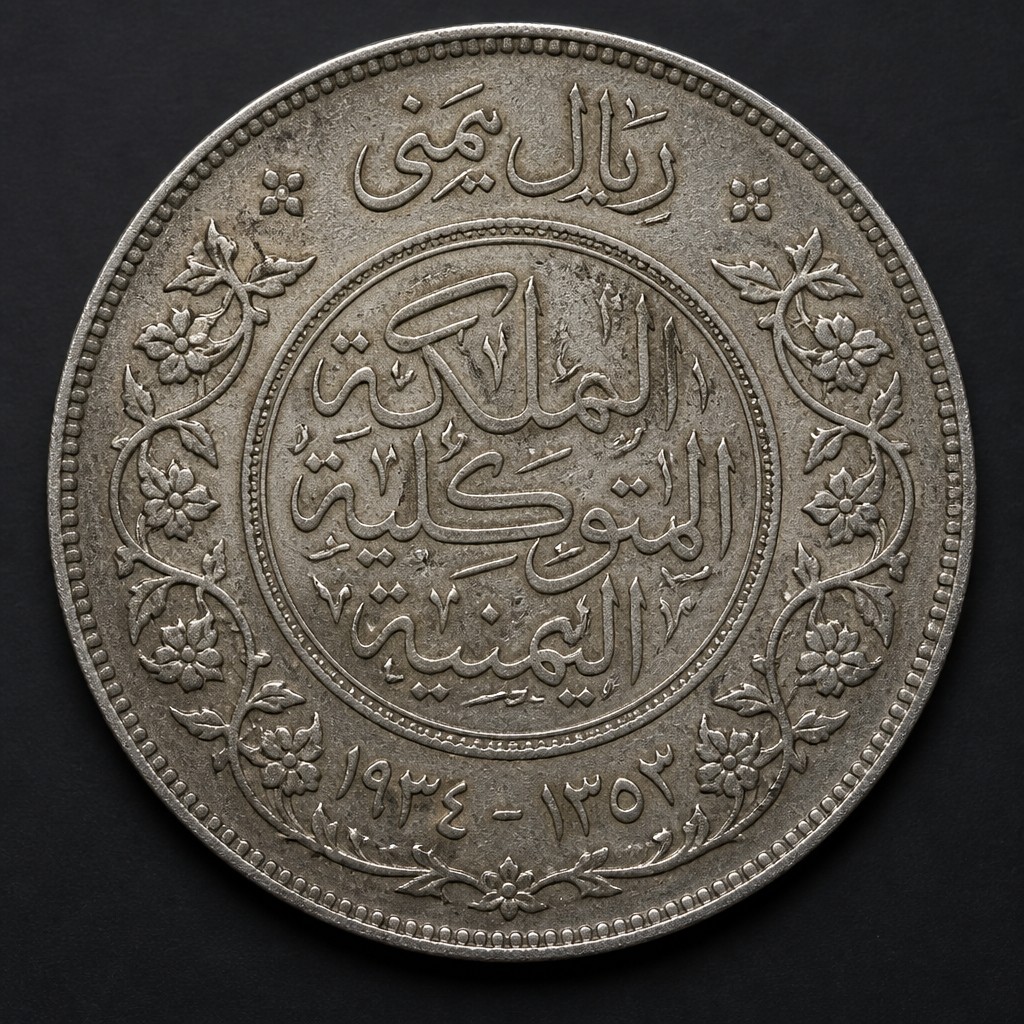
Yemeni Riyal (Ahmadi/Imadi Kingdom Coinage)
Early-to-mid 20th century
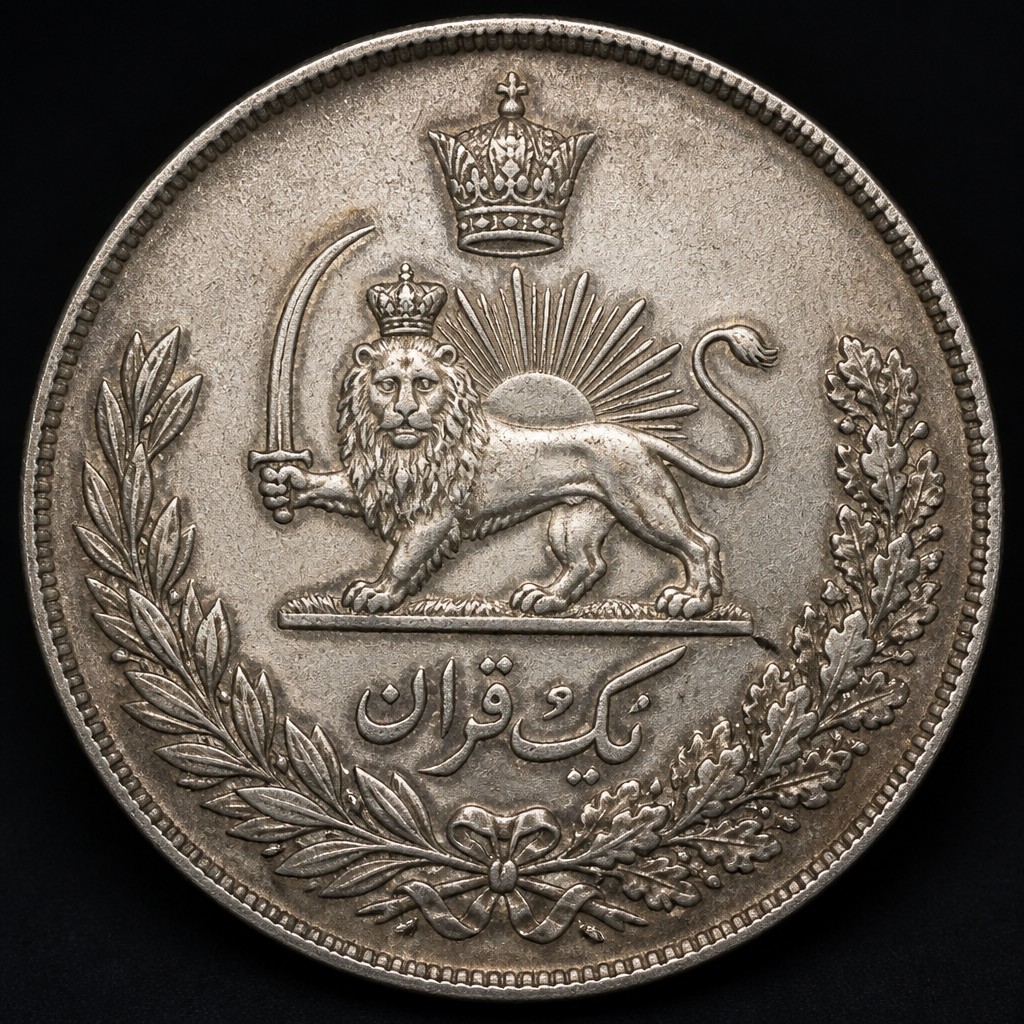
Persian Kran (Qajar silver)
Mid-19th century–1925
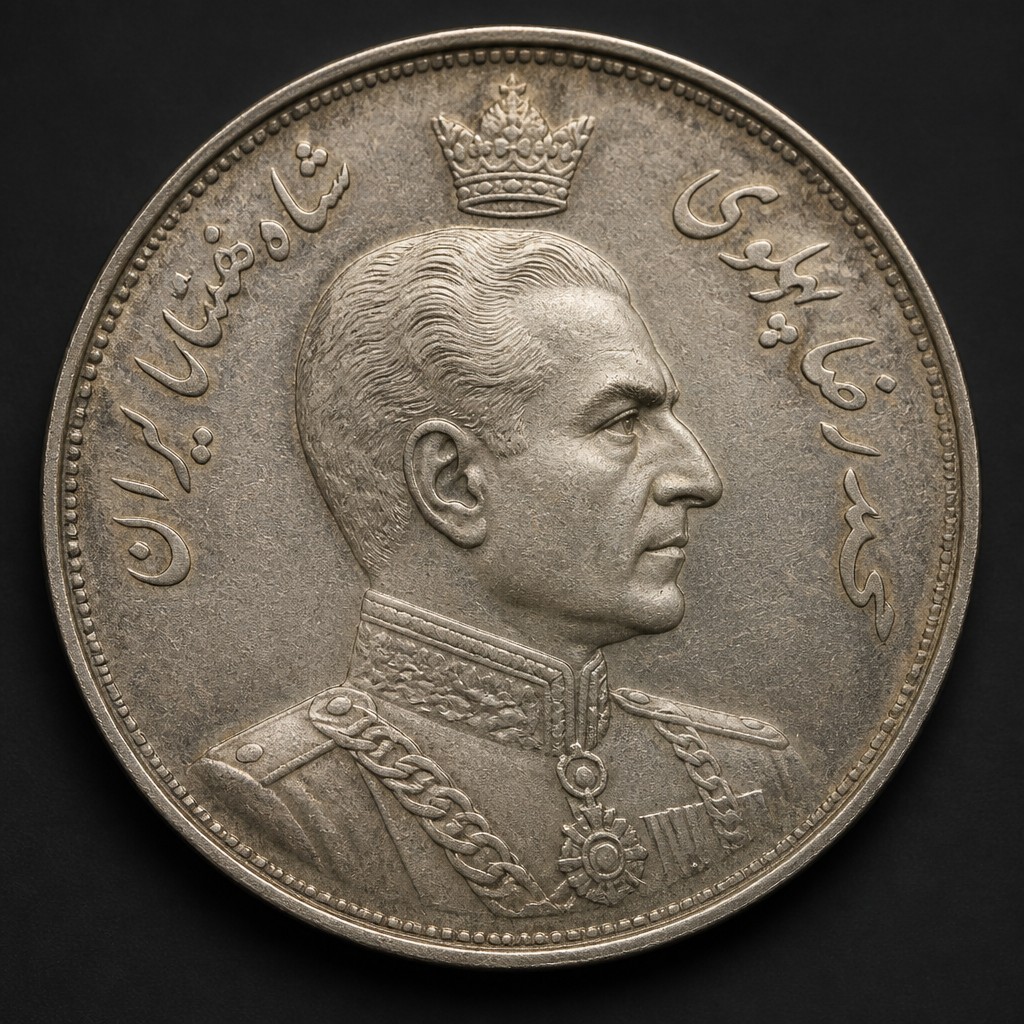
Iranian Rial
1932–present
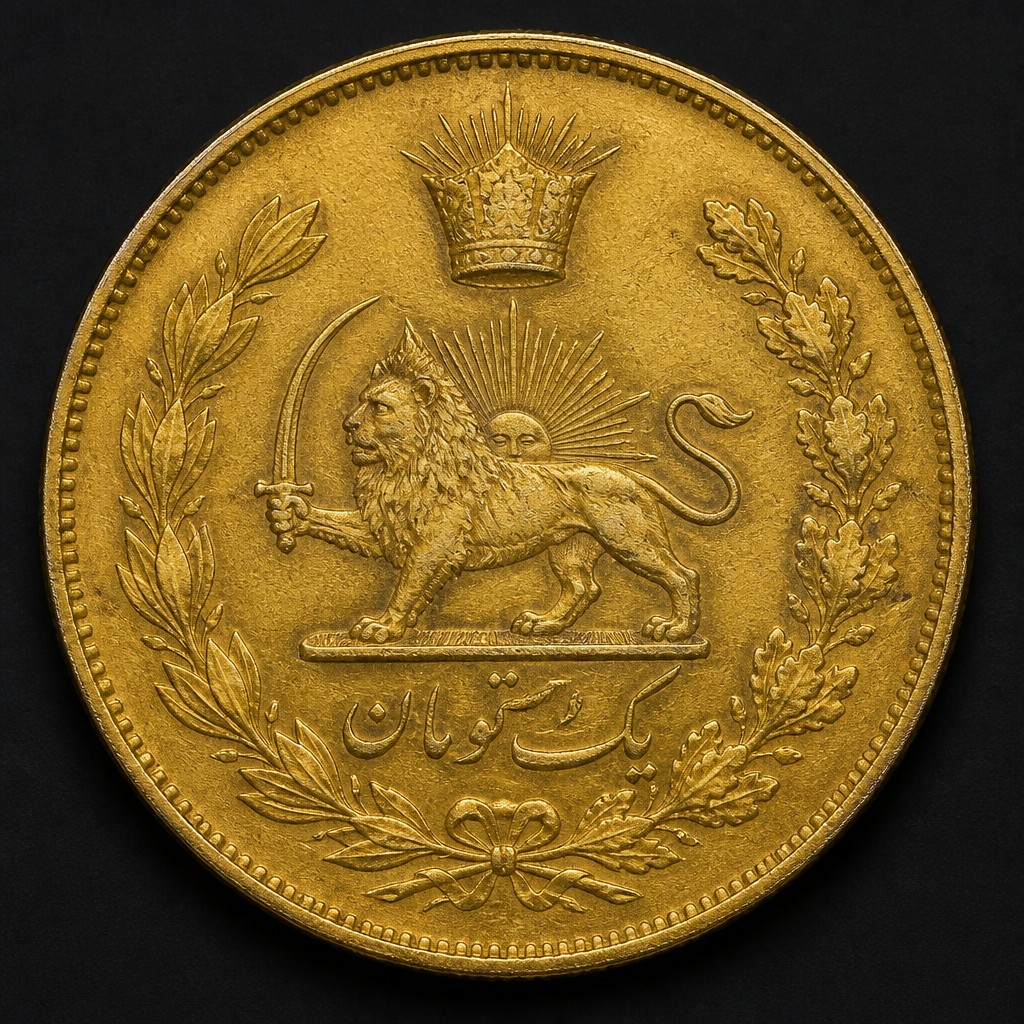
Persian Gold Toman (Qajar)
1796–1925
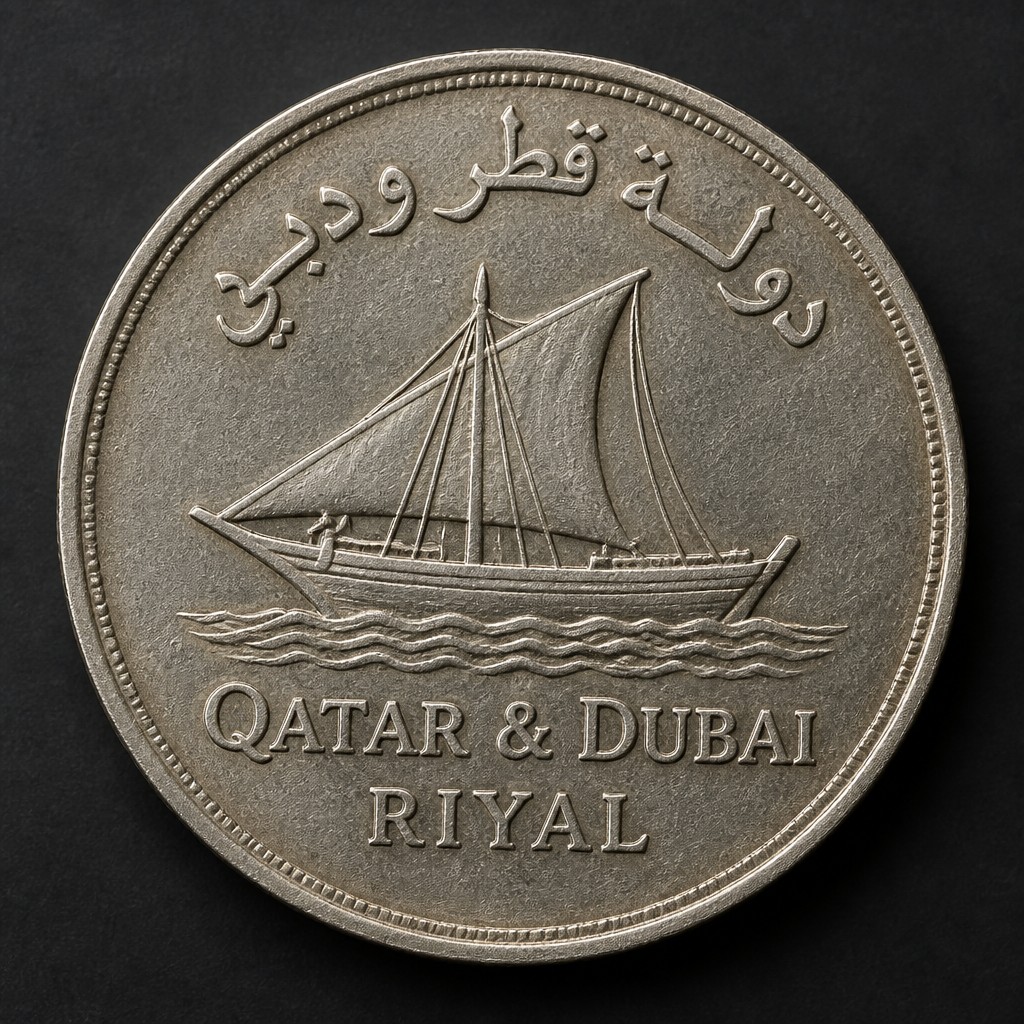
Qatar and Dubai Riyal
1966–1973
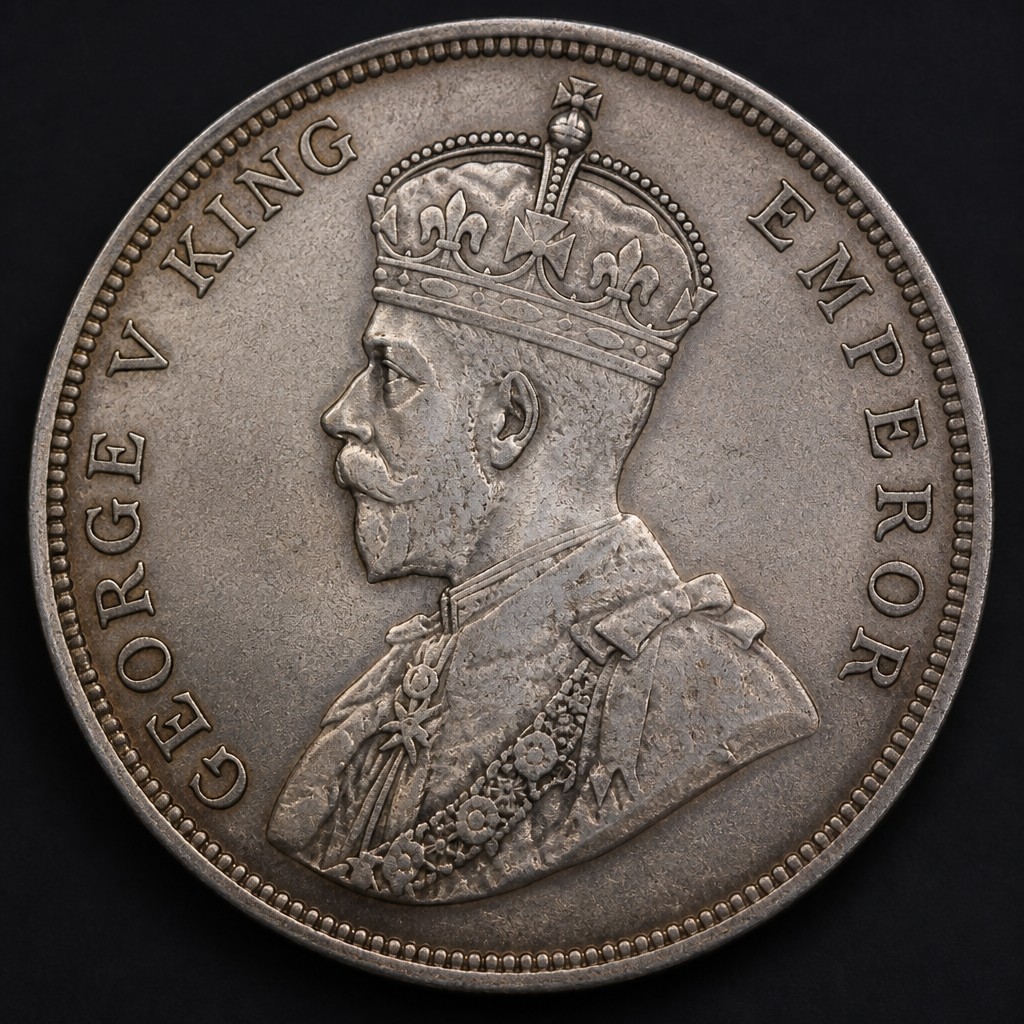
British India Rupee (Silver)
1835–1947
Japanese Trade Dollar
1875-1878 (Meiji 8-11)