
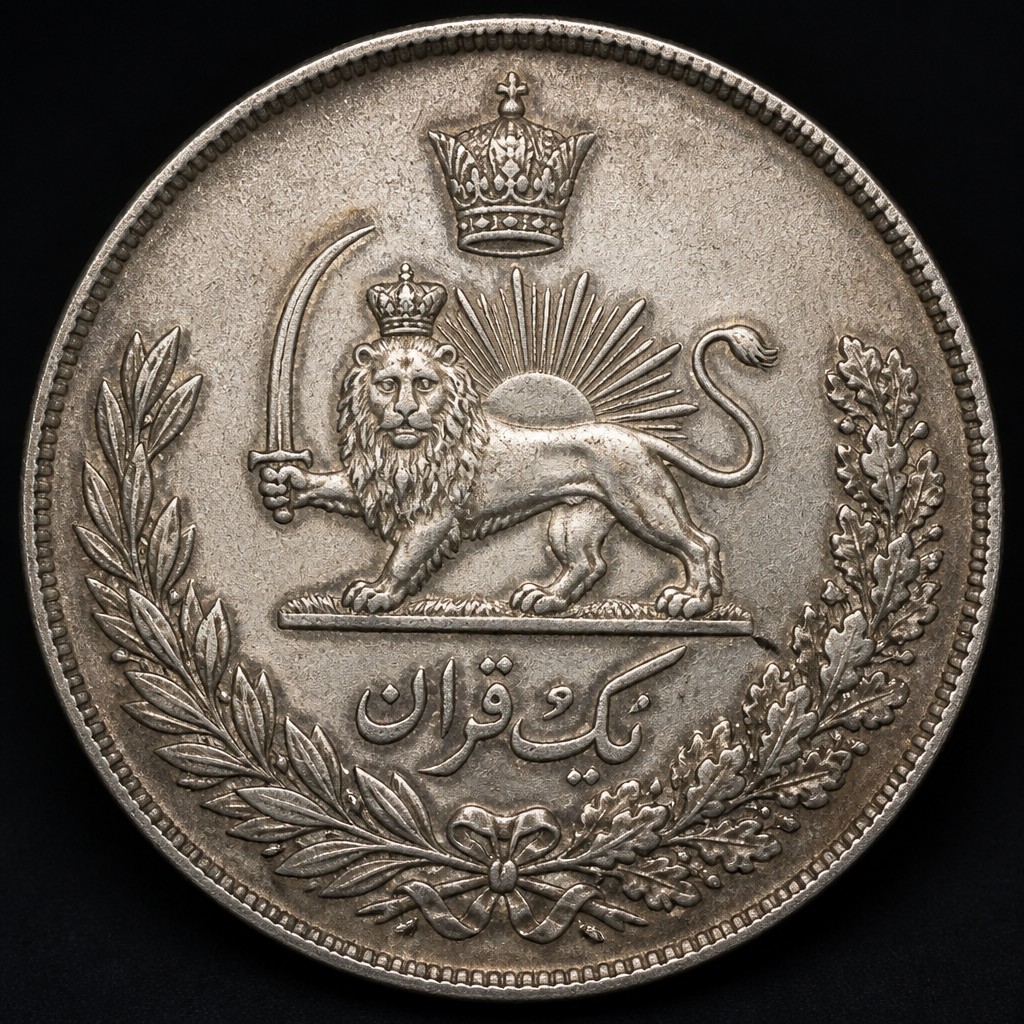
Persian Kran (Qajar silver)
The standard silver coin of Qajar Persia, worth one-tenth of a gold toman, widely struck under Naser al-Din Shah and later rulers and commonly seen with the lion-and-sun emblem.
- Country
- Persia (Qajar Iran)
- Denomination
- 1 Kran (1/10 Toman)
- Metal
- Silver
Got a coin like this?
Identify any coin from a photo, free.
Overview
The kran was the everyday silver coin of Qajar Persia, serving as the practical workhorse denomination beneath the gold toman for most 19th- and early 20th-century transactions. It was struck in large numbers under several shahs, most notably during the long reign of Naser al-Din Shah, making it one of the more accessible and commonly encountered Qajar coin types today.
Designs typically combine Persian calligraphy naming the shah and mint with the lion-and-sun emblem, a national symbol that appeared across Qajar coinage and remained in use into the Pahlavi era. Because krans were minted at numerous provincial mints across the empire, the series offers considerable variety for collectors interested in mint attribution.
As a genuinely circulating silver coin used broadly across Persian society, the kran survives today in a wide range of conditions, from heavily worn examples to better-preserved pieces prized by collectors.
History & Background
As Qajar Persia's monetary system developed through the 19th century, the kran emerged as the standard silver unit, valued at one-tenth of the gold toman, and became the coin most Persians would have handled in daily commerce. Naser al-Din Shah, who reigned for nearly half a century in the mid-to-late 19th century, presided over extensive kran coinage as well as broader efforts at monetary standardization influenced by contact with European economic practices.
Production continued under his successors, Mozaffar al-Din Shah and Ahmad Shah, the last Qajar ruler, amid a period of growing foreign economic pressure and domestic political upheaval, including the Constitutional Revolution of the early 20th century. Silver krans from this era often illustrate the empire's shifting political landscape through subtle design and inscription changes across different reigns and mints.
The kran, and the Qajar dynasty's coinage generally, came to an end in 1925 when Reza Khan deposed the last Qajar shah and established the Pahlavi dynasty, after which Persia's currency system was reorganized under new denominations.
How to Identify
The obverse generally bears the shah's name and titles in Persian calligraphy, sometimes within a decorative cartouche, while the reverse commonly displays the lion-and-sun national emblem along with the mint name and date in the Islamic Hijri calendar. Some Naser al-Din Shah issues include a stylized portrait or crown motif in addition to the calligraphic inscriptions.
The coin is a modest-sized silver piece, generally comparable in size to other world minor silver coins of the era, and was struck at numerous mints across the Qajar realm, meaning attribution to a specific city requires reading the inscribed mint name. Condition varies widely since the kran was genuinely used in commerce, so well-struck, lightly worn examples are more desirable than heavily worn ones with weak details.
Collectors distinguish krans from related smaller silver Qajar denominations (such as the shahi or smaller fractional pieces) primarily by size and the stated or implied value within the inscription, and from the larger 5-kran crown-sized coins by their noticeably smaller diameter and weight.
Value & Collectibility
Common krans from the more prolific reigns, particularly later Naser al-Din Shah and Mozaffar al-Din Shah issues, are generally inexpensive and widely available in worn to moderately worn condition. Scarcer mints, earlier dates, and coins in higher grades with strong strikes command meaningfully higher prices among specialists in Persian coinage.
As with most well-circulated 19th-century world silver, originality of surface matters: cleaned or heavily worn coins are valued lower than problem-free examples of comparable date and mint. Overall, the kran remains one of the more affordable ways to collect genuine Qajar-era Persian silver.
Frequently asked questions
How many krans equal a toman?
Ten silver krans traditionally equaled one gold toman under the Qajar monetary system.
What is the lion-and-sun symbol on Persian coins?
It is a traditional Persian national emblem depicting a lion with a sword and a sun rising behind it, used widely on Qajar coinage and later carried into Pahlavi-era designs and the Iranian flag of that period.
Which shah is most associated with kran coinage?
Naser al-Din Shah, who ruled for nearly 50 years in the 19th century, is associated with a large volume of kran production due to the length and relative stability of his reign.
How do I identify the mint on a Qajar kran?
The mint name is inscribed in Persian script on the coin, typically near the date, and can be matched against reference lists of Qajar-era mint cities.
Other coins you may enjoy
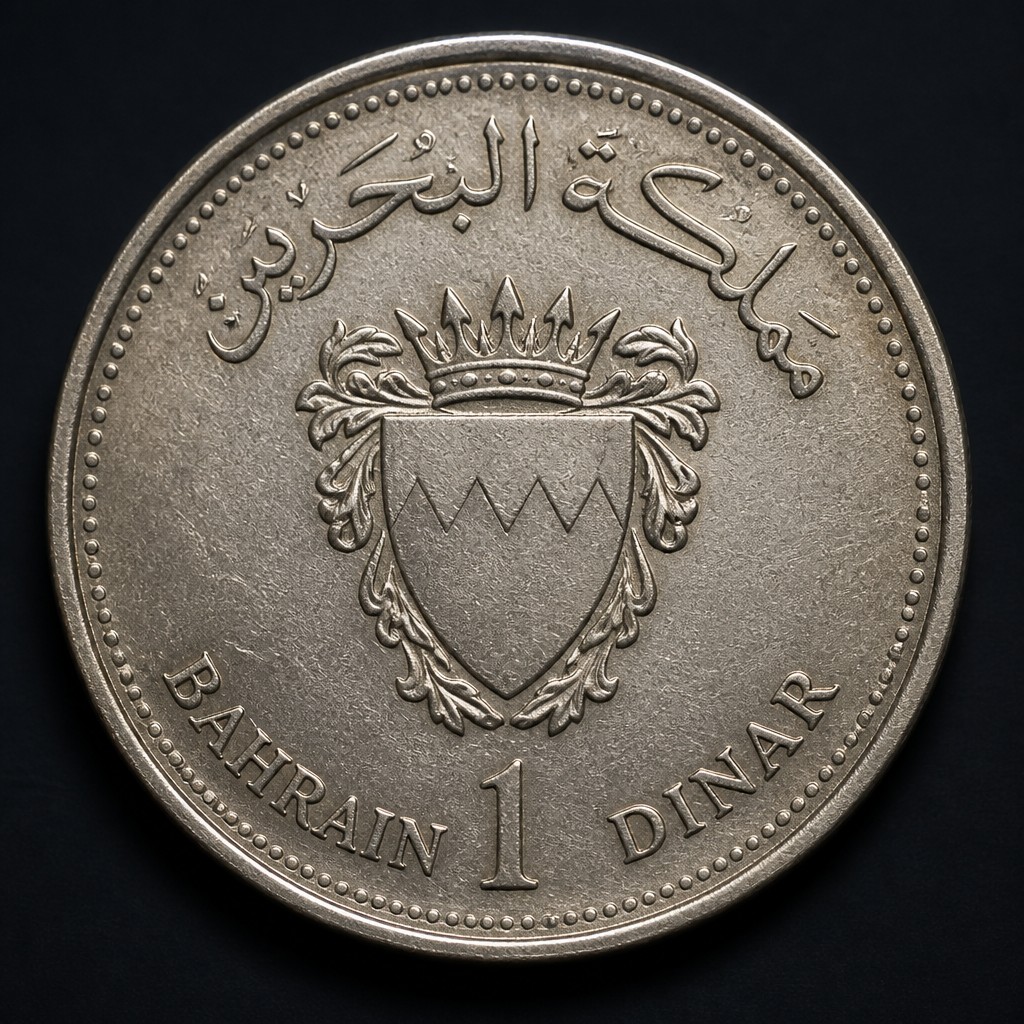
Bahraini Dinar
1965–present
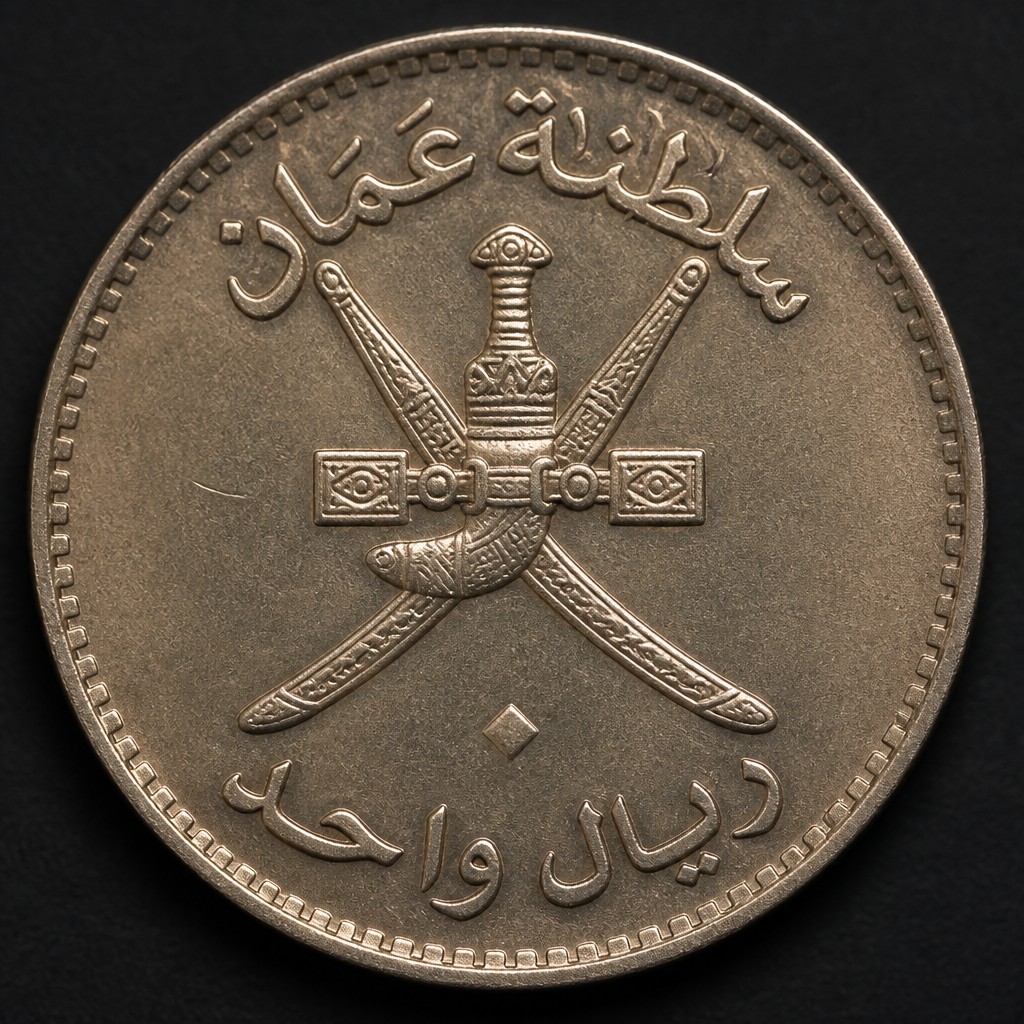
Omani Rial (Baisa Coinage)
1970–present
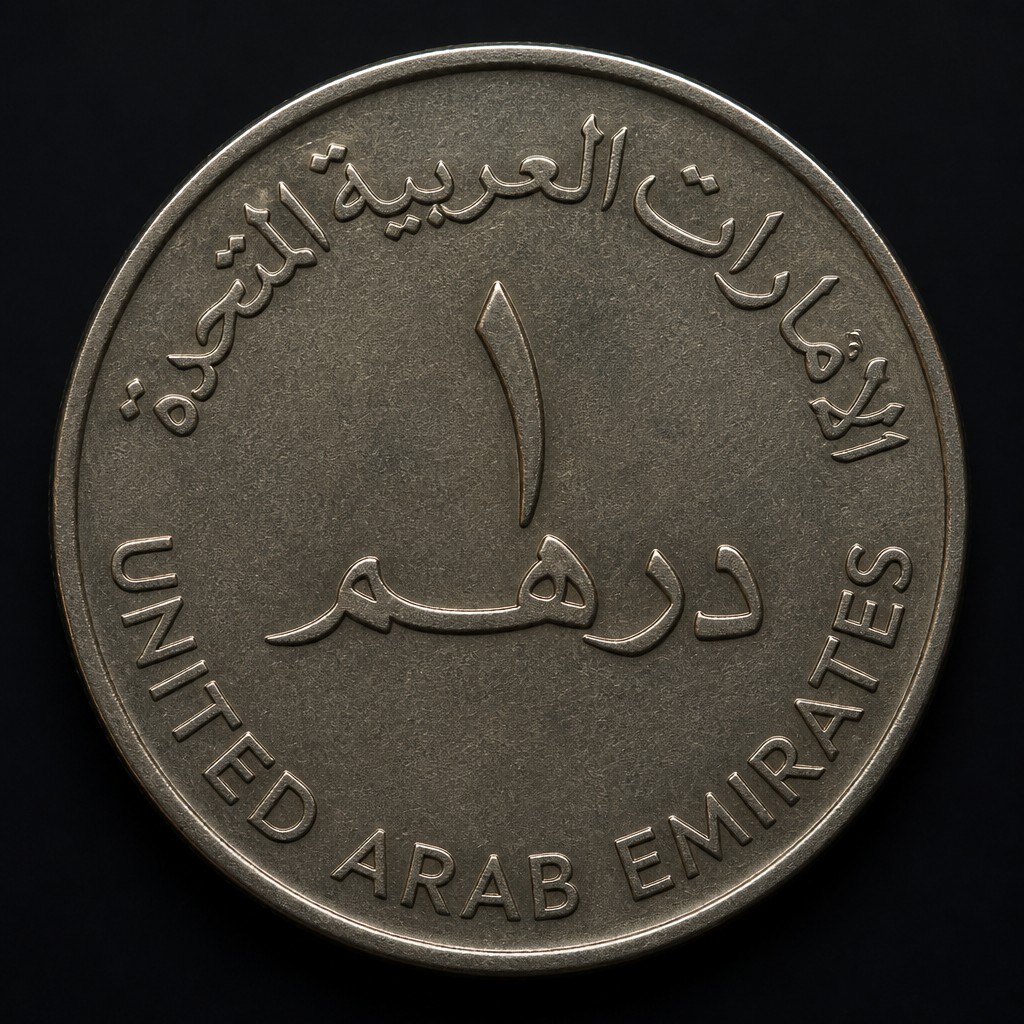
United Arab Emirates Dirham
1973–present
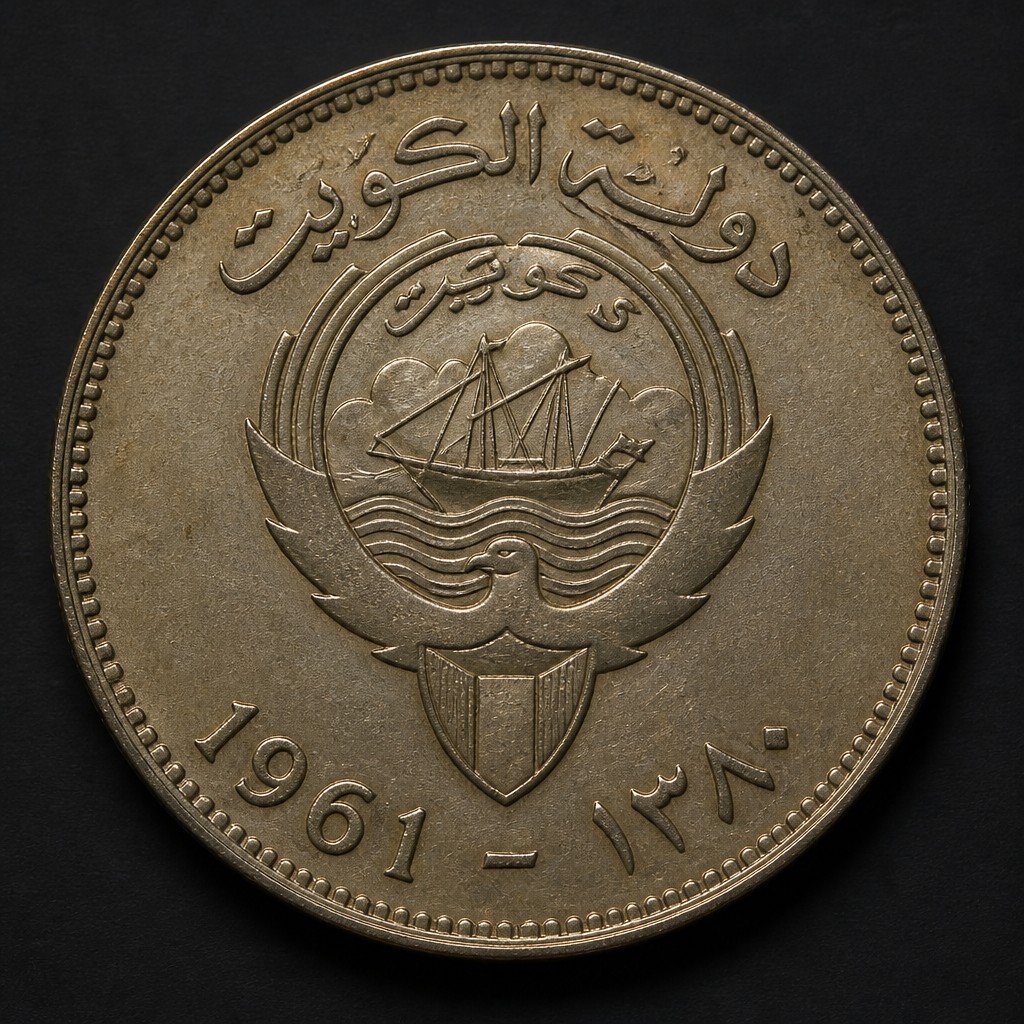
Kuwaiti Fils
1961–present
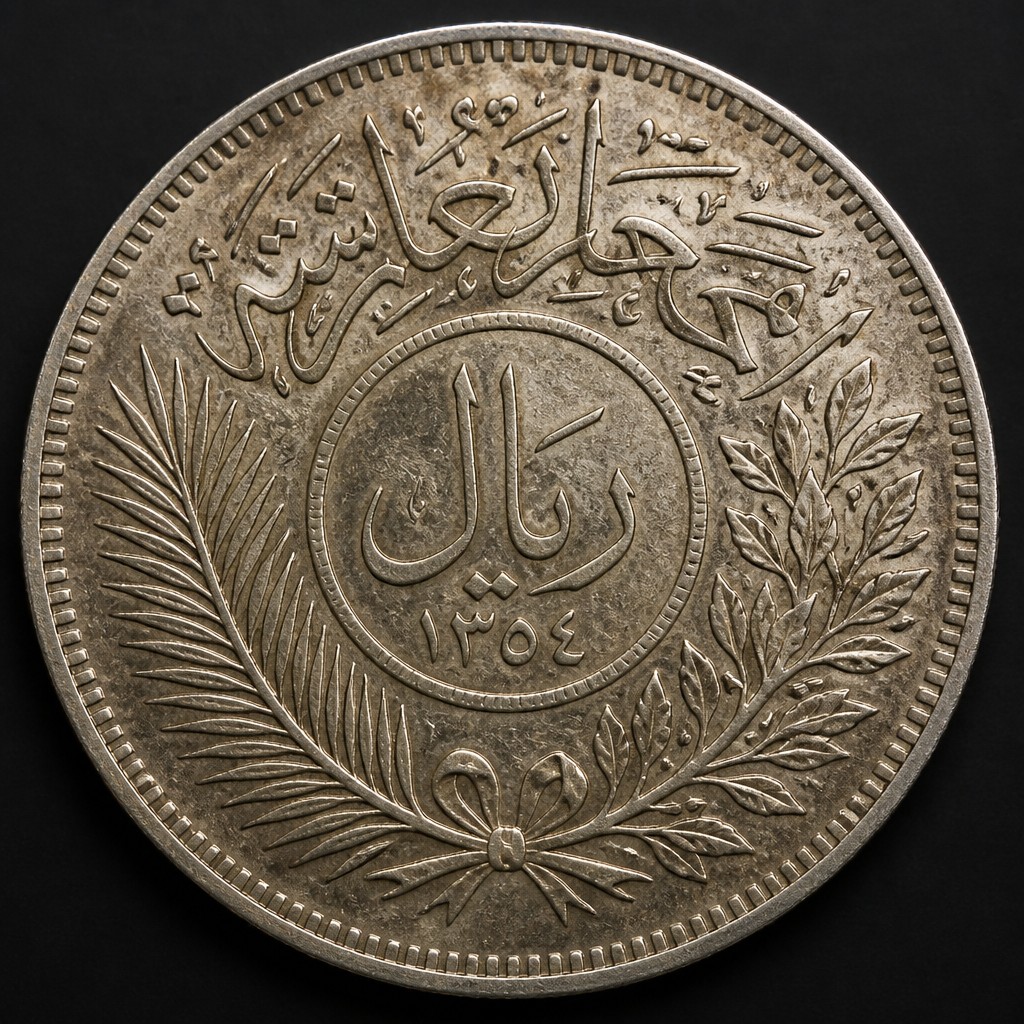
Saudi Arabian Riyal (silver)
1935 (Kingdom-wide standardization) and related issues
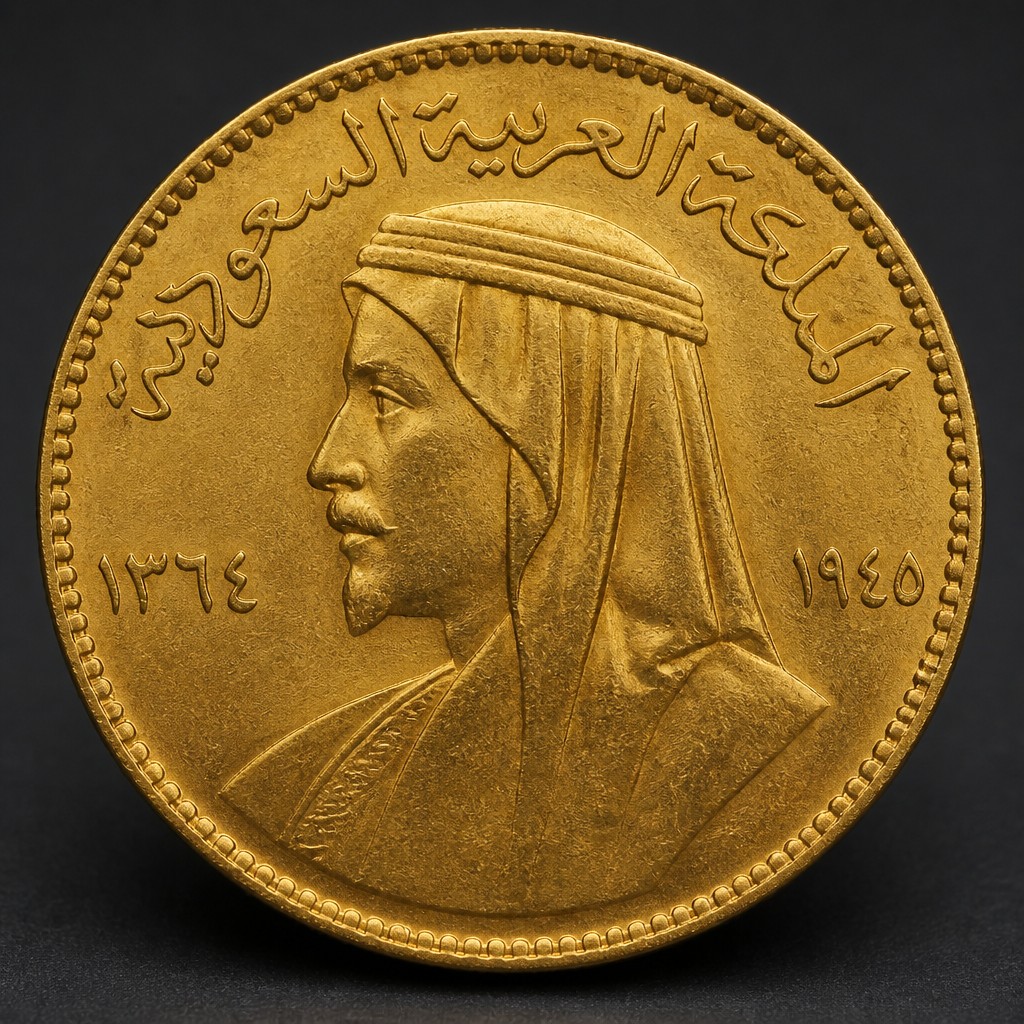
Saudi Arabian Gold Guinea (Sovereign)
1945 and later issues
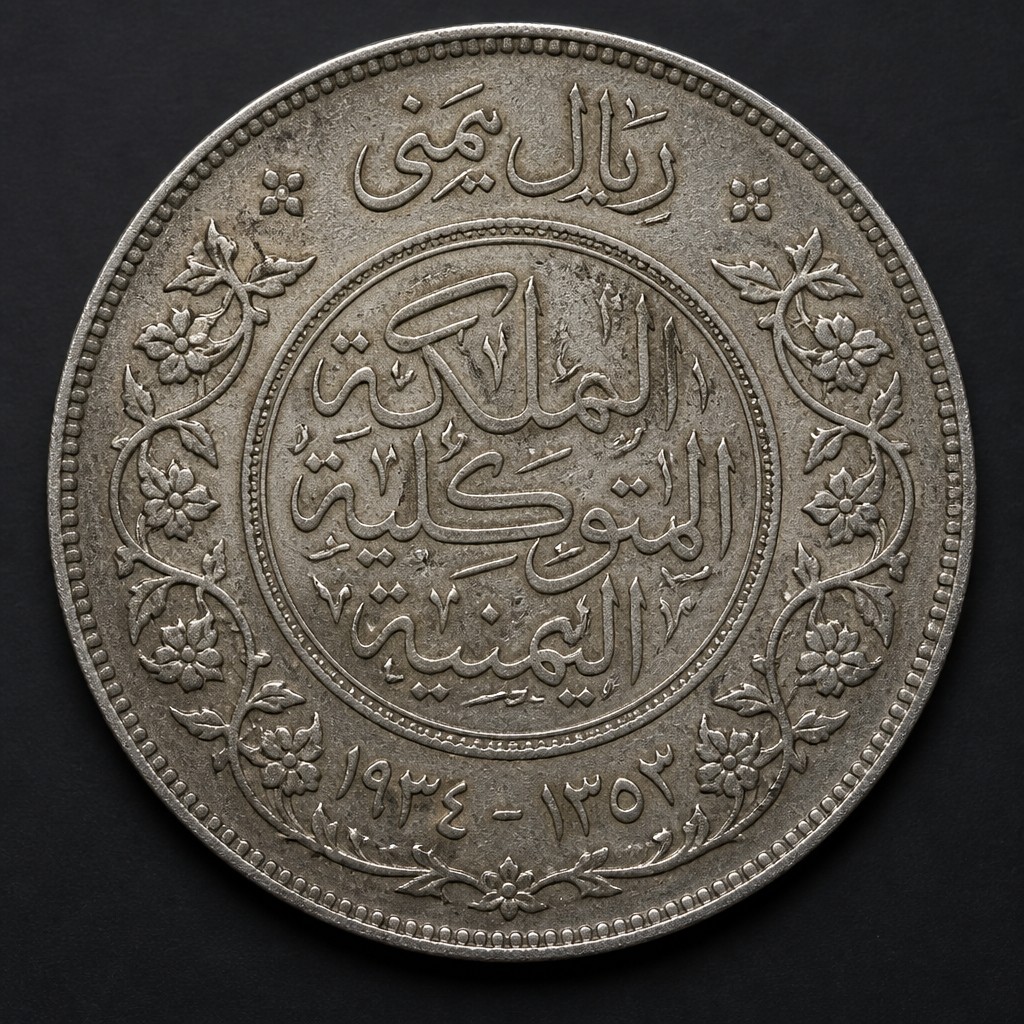
Yemeni Riyal (Ahmadi/Imadi Kingdom Coinage)
Early-to-mid 20th century
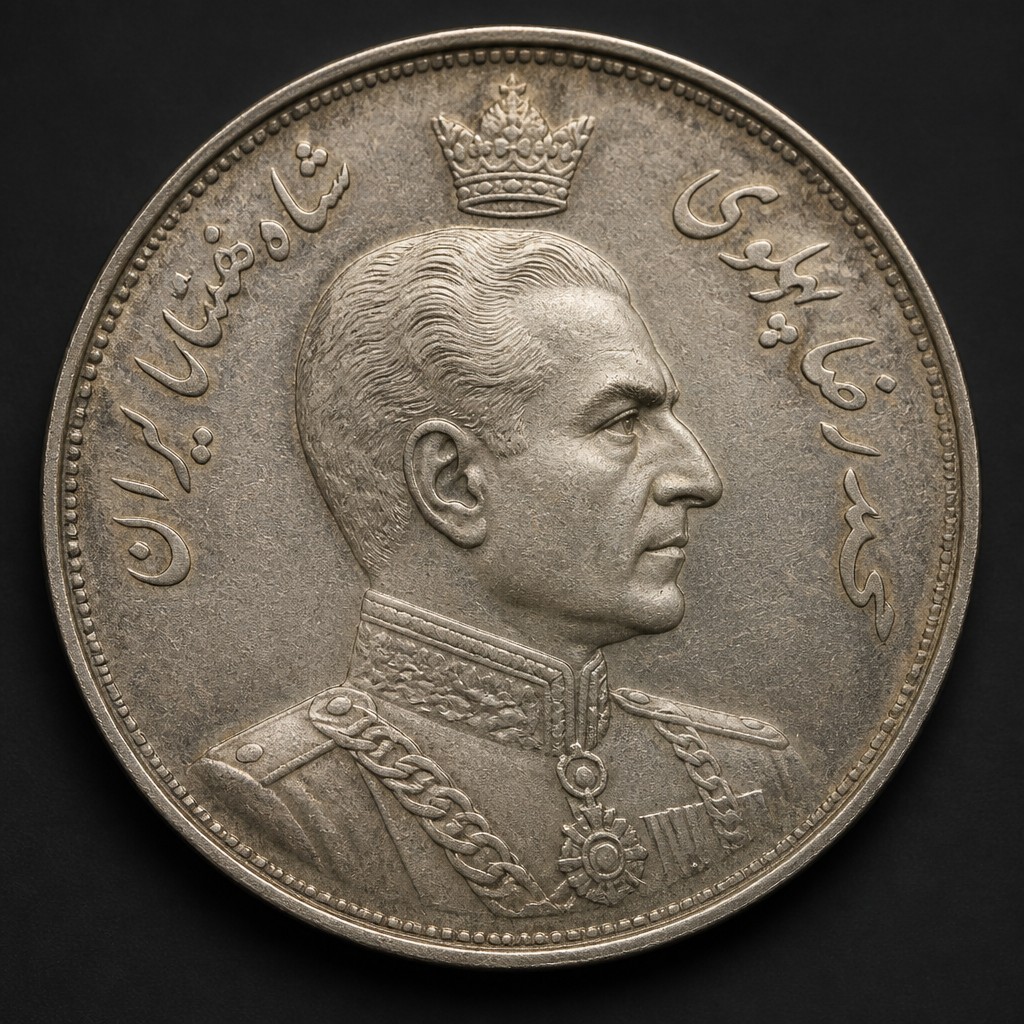
Iranian Rial
1932–present
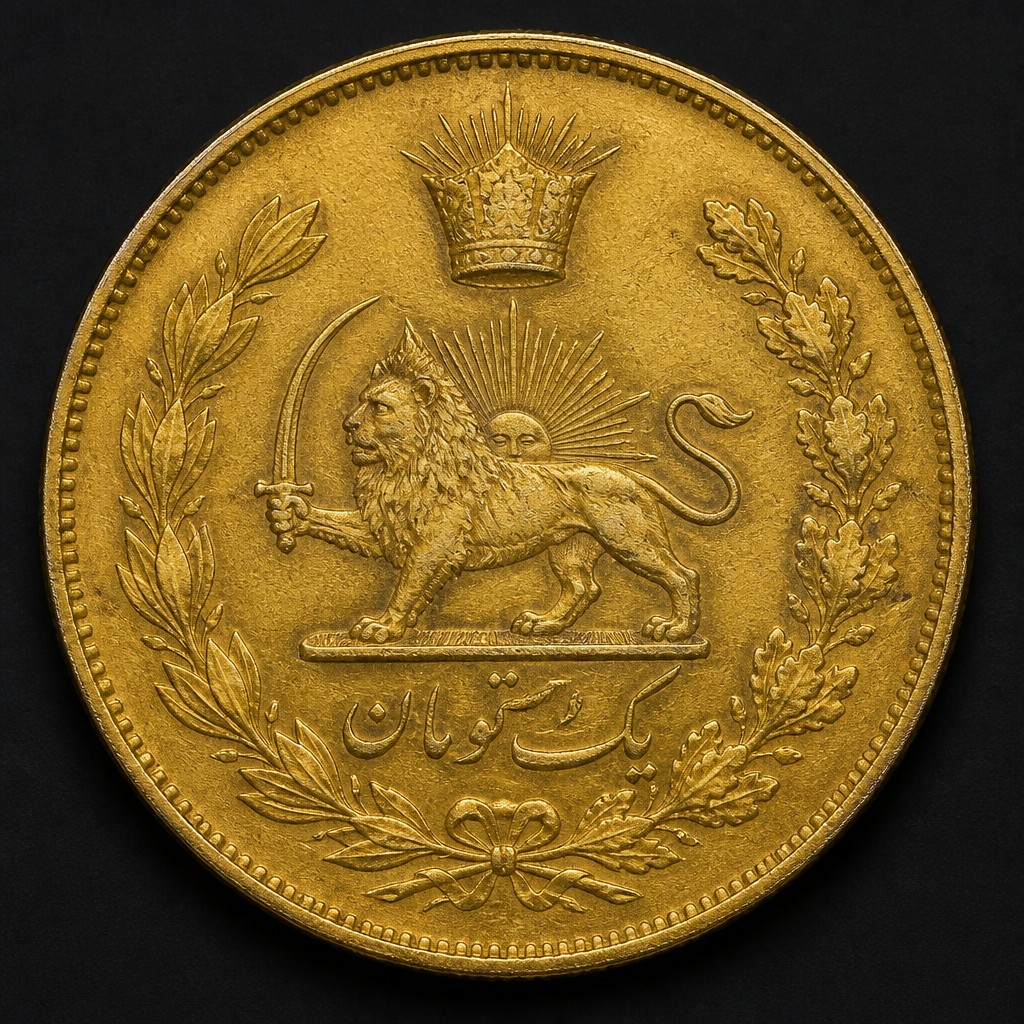
Persian Gold Toman (Qajar)
1796–1925
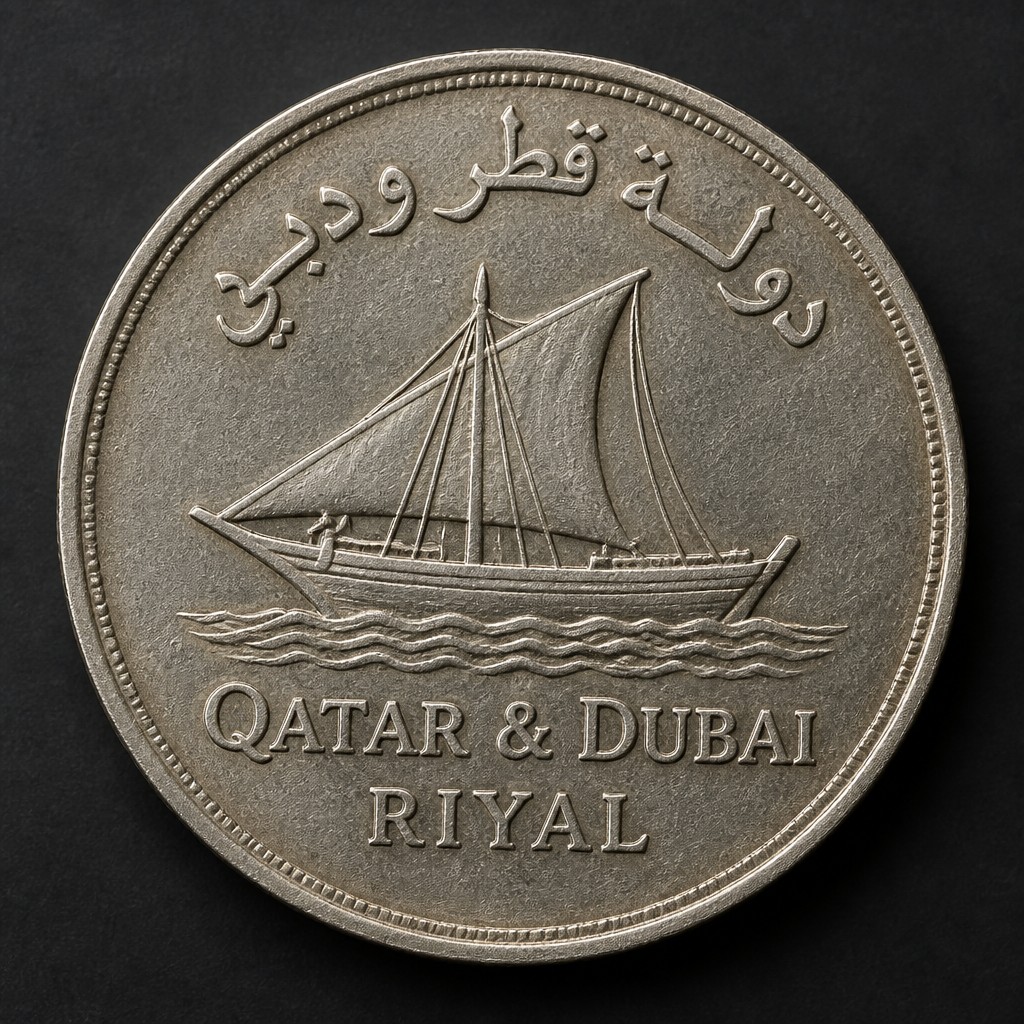
Qatar and Dubai Riyal
1966–1973
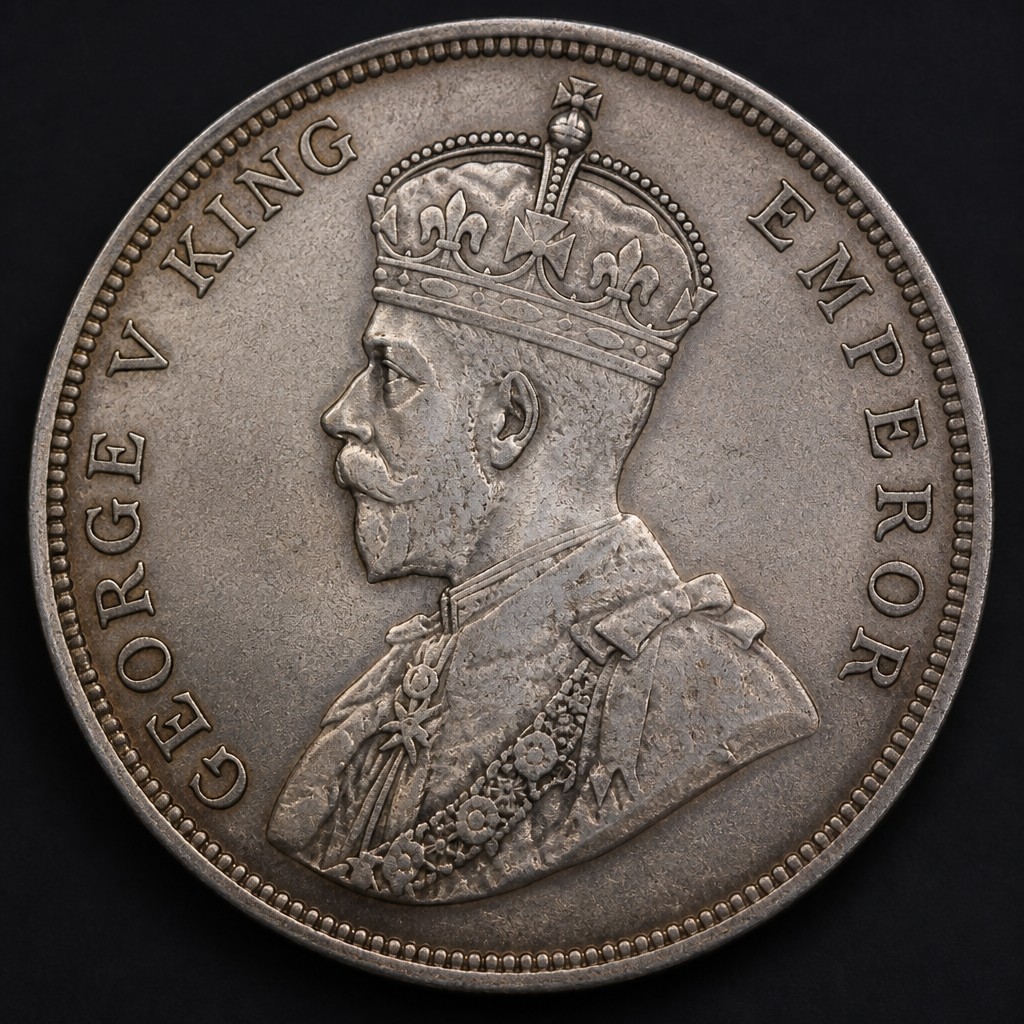
British India Rupee (Silver)
1835–1947
Japanese Trade Dollar
1875-1878 (Meiji 8-11)