
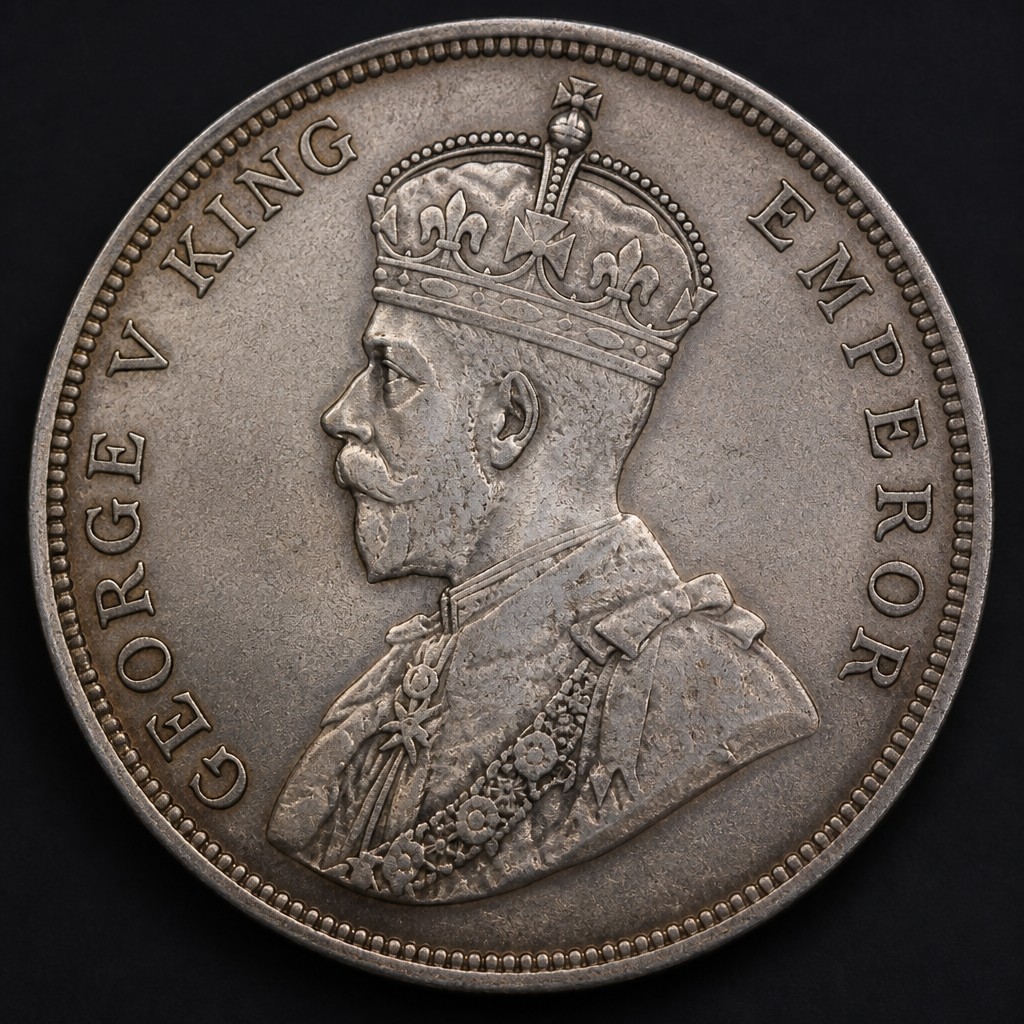
British India Rupee (Silver)
Standardized silver rupee issued across British-ruled India from 1835 until independence, bearing the portrait of the reigning British monarch.
- Country
- British India
- Denomination
- One Rupee
- Metal
- Silver (.916 fine early issues, reduced to .500 fine from 1940)
Got a coin like this?
Identify any coin from a photo, free.
Overview
The silver rupee was the backbone of currency across British India for over a century, unifying a patchwork of earlier regional coinages into a single standardized denomination. It circulated not only within India but also across parts of the Middle East, East Africa, and Southeast Asia due to British trade networks.
History & Background
The East India Company introduced a standardized silver rupee coinage in 1835 to replace numerous inconsistent regional coinages across its Indian territories, initially bearing the portrait of King William IV. After the Company's rule ended following the 1857 rebellion, the British Crown assumed direct control of India in 1858, and subsequent rupees carried the portraits of successive monarchs: Victoria, Edward VII, George V, and George VI.
The coin's silver fineness was reduced from .916 to .500 in 1940 amid wartime silver shortages, and the design and monetary system continued largely unchanged until Indian independence in 1947, after which India and Pakistan developed their own separate coinages.
How to Identify
The obverse bears the crowned or laureate bust of the reigning British monarch with a Latin legend naming their titles, such as "VICTORIA EMPRESS" or "GEORGE V KING EMPEROR." The reverse shows the denomination "ONE RUPEE" within a wreath, often rendered in English along with Persian and other regional scripts reflecting India's linguistic diversity.
Earlier issues (pre-1940) are struck in high-fineness silver at about 11.66 grams and 30–31 mm in diameter, while wartime and later issues are visibly more debased in color and can show different edge or planchet characteristics due to the reduced silver content. Mint marks or small privy marks distinguish output from Calcutta, Bombay, and Lahore, and collectors should note the specific monarch's portrait and title style to date a coin precisely.
Value & Collectibility
Common Victoria, Edward VII, and George V rupees in worn condition are generally affordable and widely available due to large original mintages, while well-preserved, lustrous examples bring meaningfully higher prices. Certain scarce dates, mint combinations, or transitional types (such as early Company-era rupees) can command significant premiums.
As a widely circulated trade coin, condition varies enormously, and heavily worn or holed examples (sometimes pierced for use as jewelry or amulets in South Asia) are valued much lower than problem-free coins. Collectors focusing on this series often specialize by monarch, mint, or specific historical variety.
Frequently asked questions
Why do British India rupees show different monarchs?
The design was updated to reflect whichever British monarch was reigning at the time, from William IV through George VI.
Why did the silver content change in 1940?
Wartime silver shortages during World War II led Britain to reduce the coin's fineness from .916 to .500 silver.
Where did these coins circulate outside India?
British India rupees were widely used in trade across the Persian Gulf, East Africa, and parts of Southeast Asia due to British commercial networks.
What happened to this coinage after 1947?
After Indian independence, both India and Pakistan developed their own separate national coinages, ending the common British India rupee.
Other coins you may enjoy
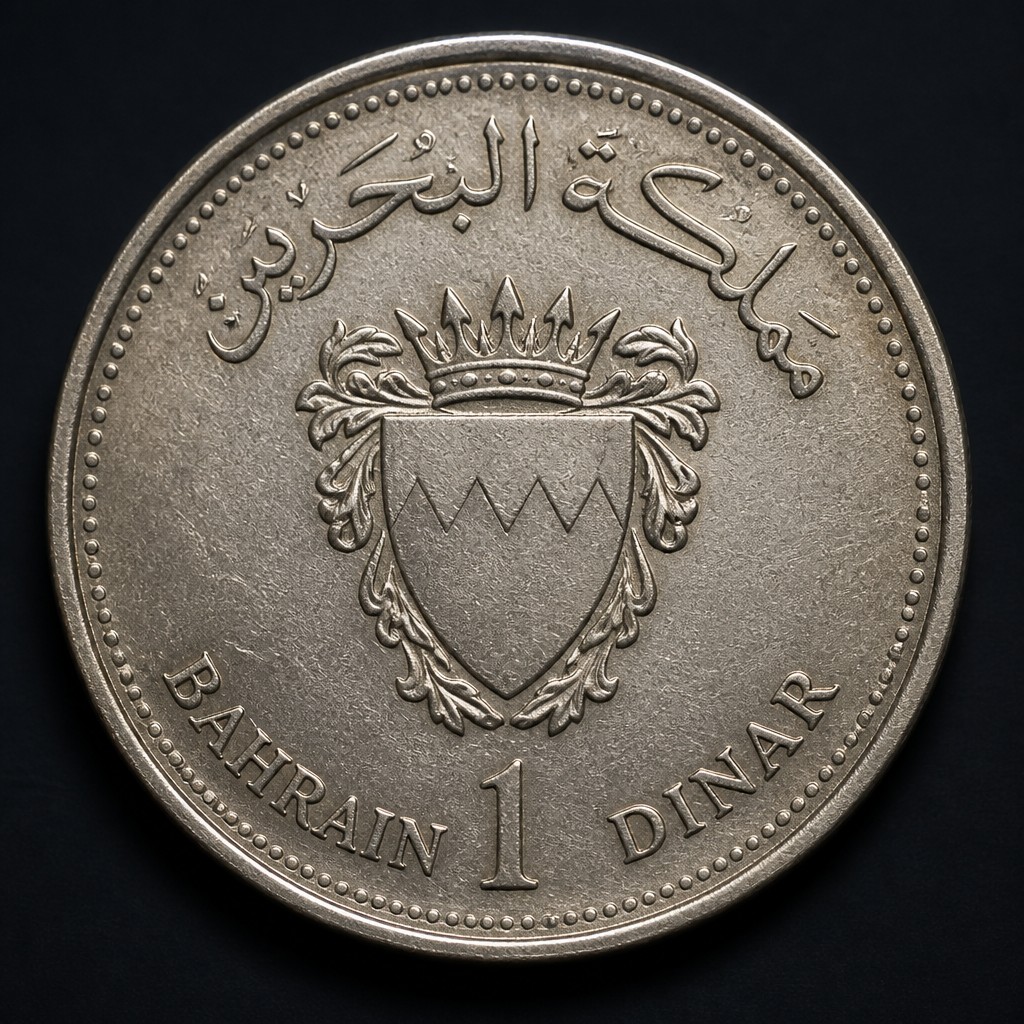
Bahraini Dinar
1965–present
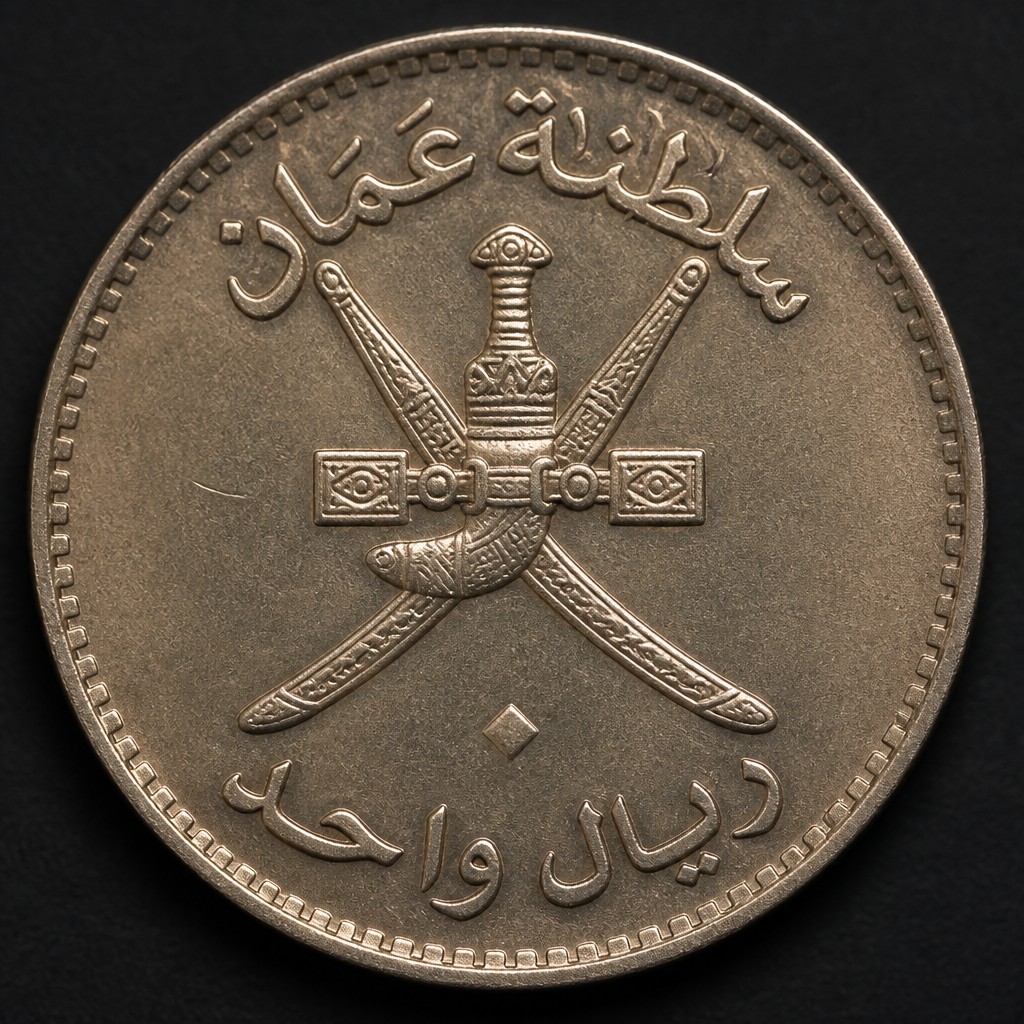
Omani Rial (Baisa Coinage)
1970–present
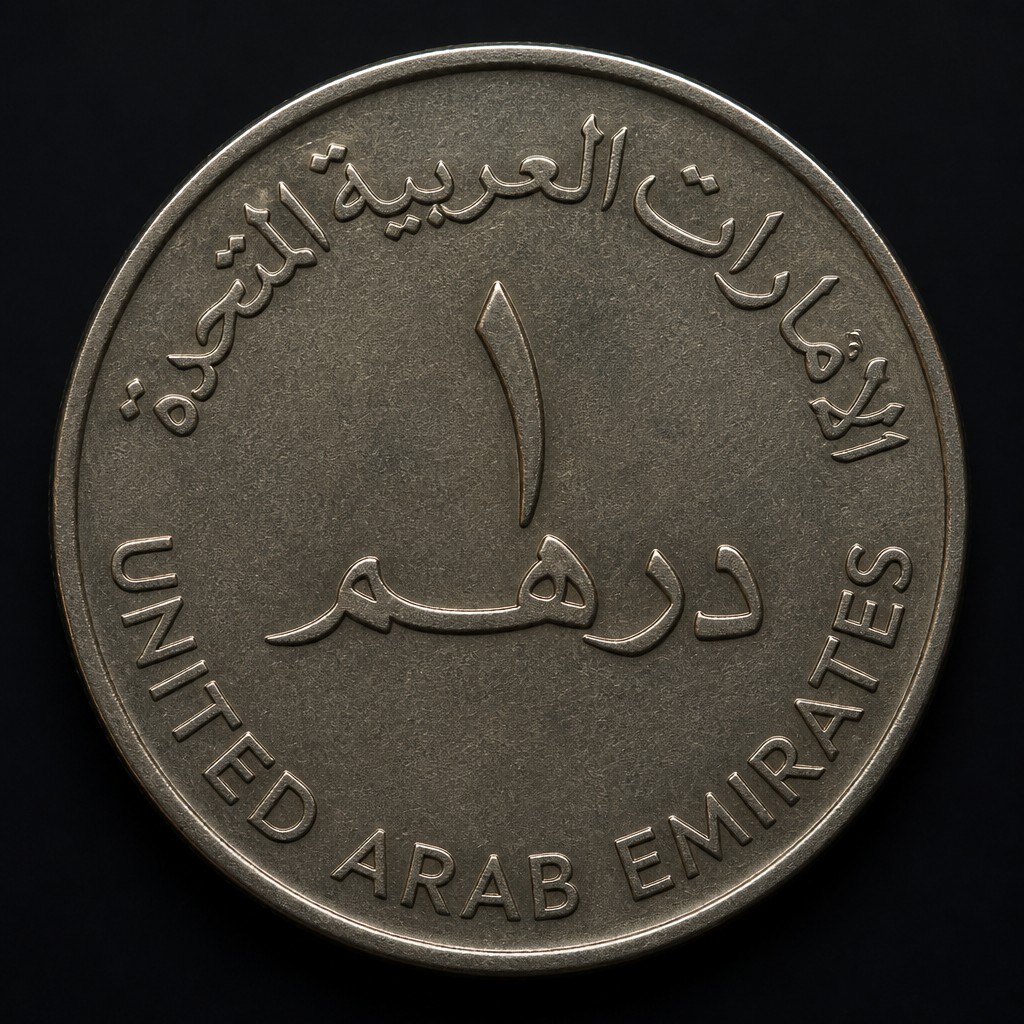
United Arab Emirates Dirham
1973–present
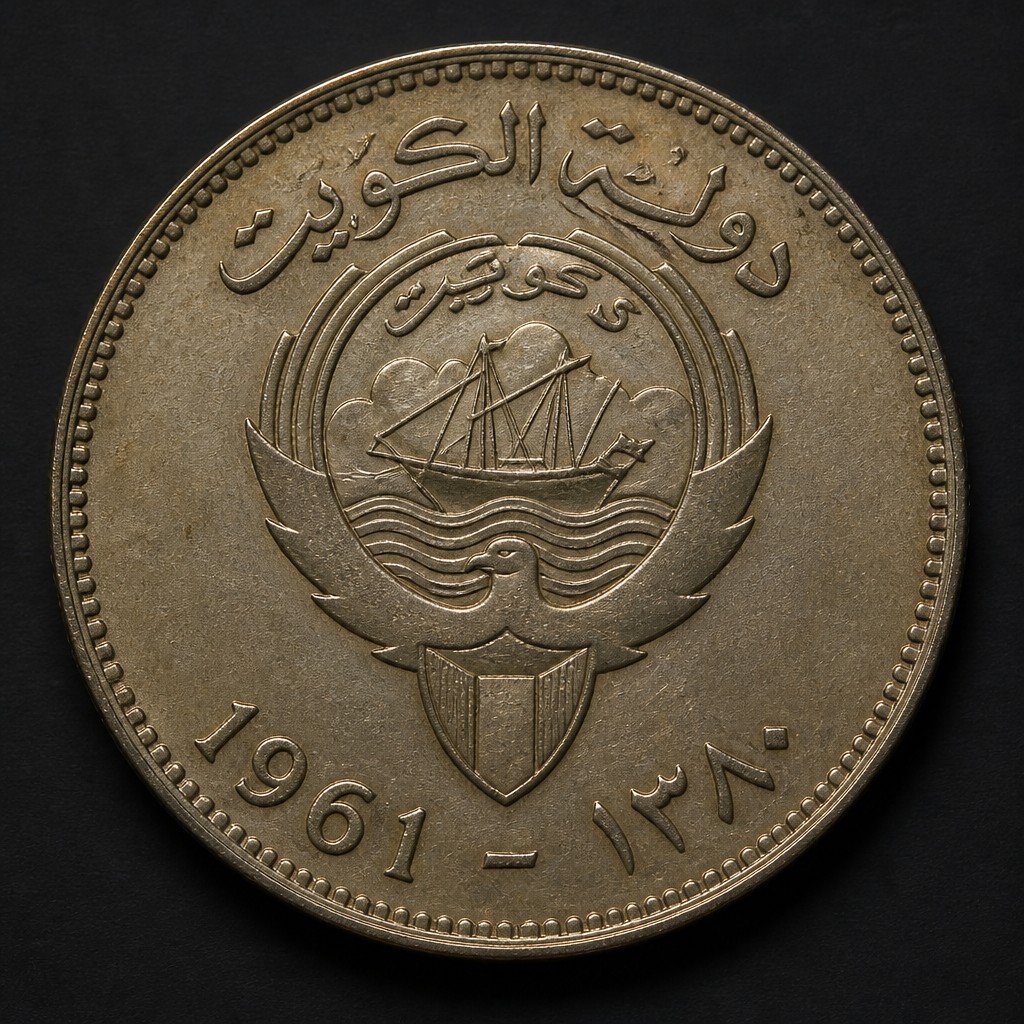
Kuwaiti Fils
1961–present
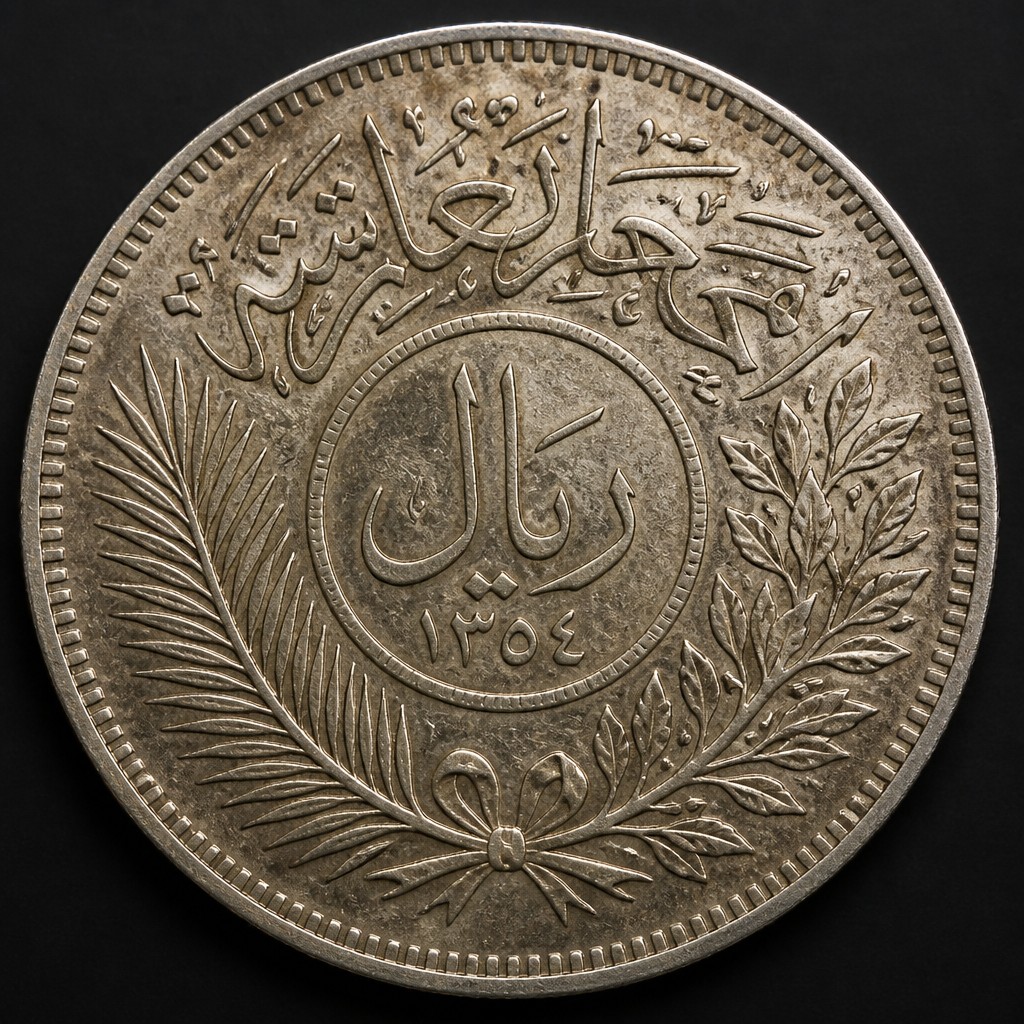
Saudi Arabian Riyal (silver)
1935 (Kingdom-wide standardization) and related issues
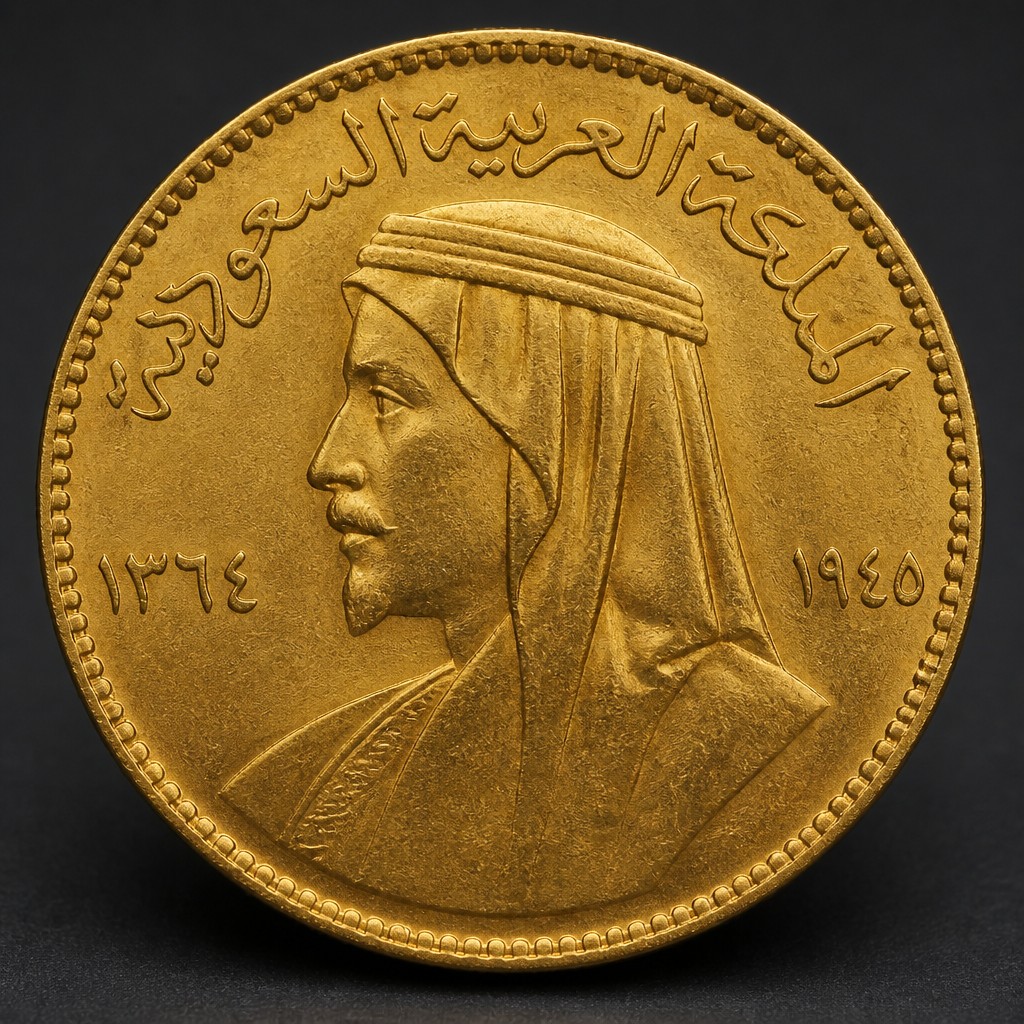
Saudi Arabian Gold Guinea (Sovereign)
1945 and later issues
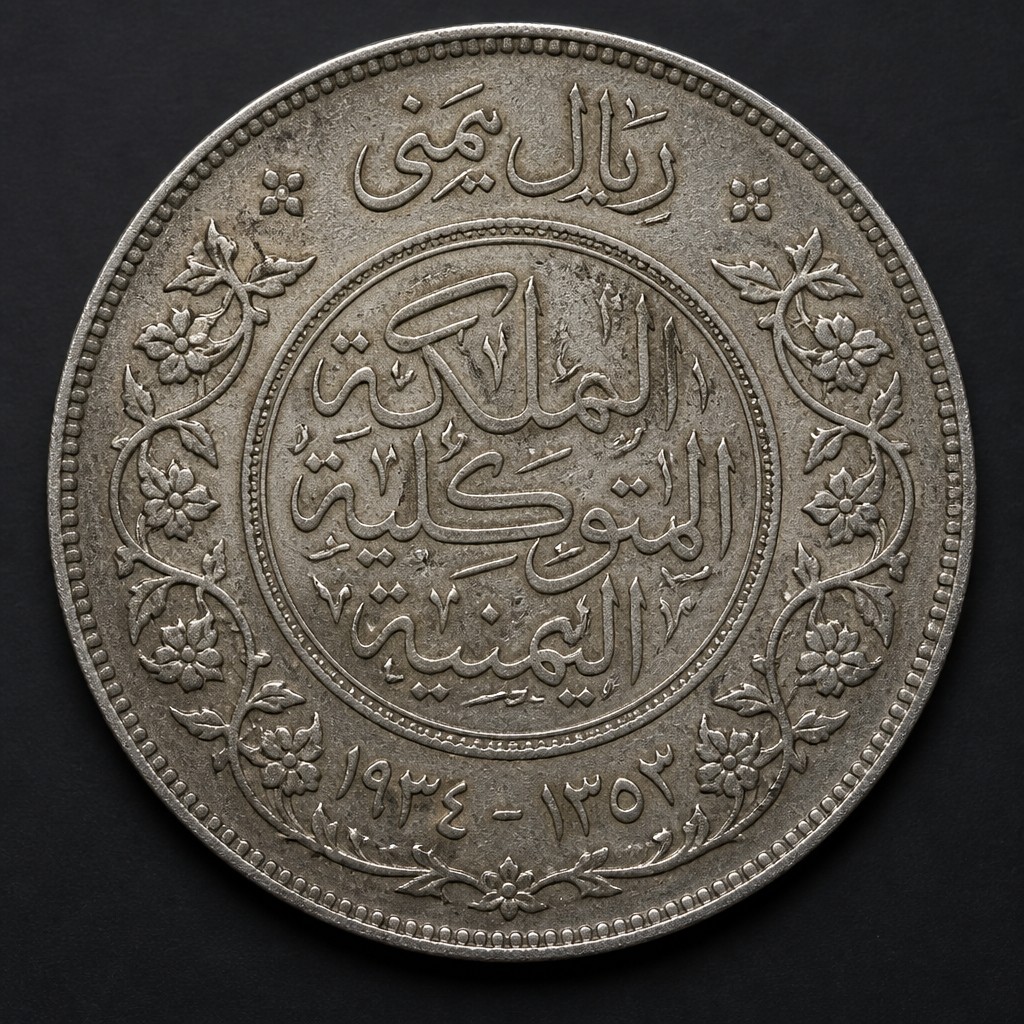
Yemeni Riyal (Ahmadi/Imadi Kingdom Coinage)
Early-to-mid 20th century
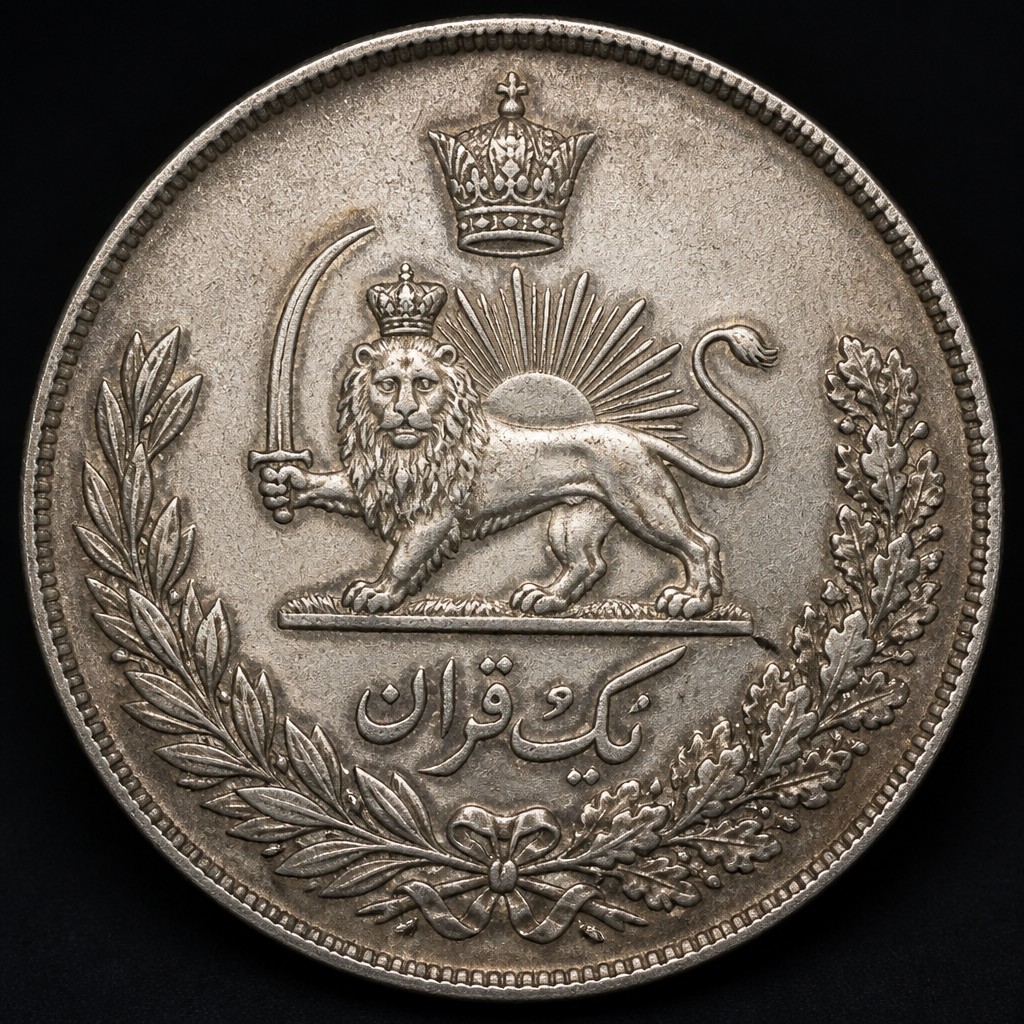
Persian Kran (Qajar silver)
Mid-19th century–1925
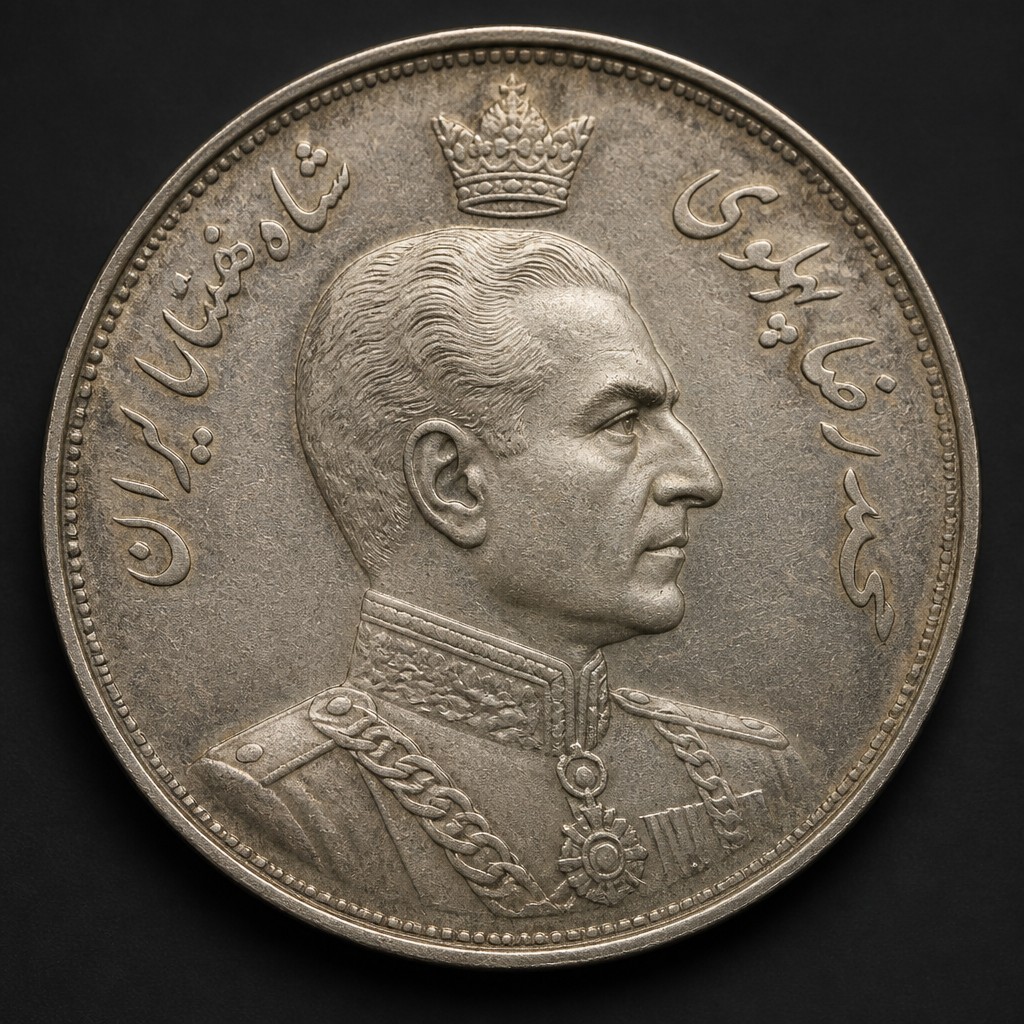
Iranian Rial
1932–present
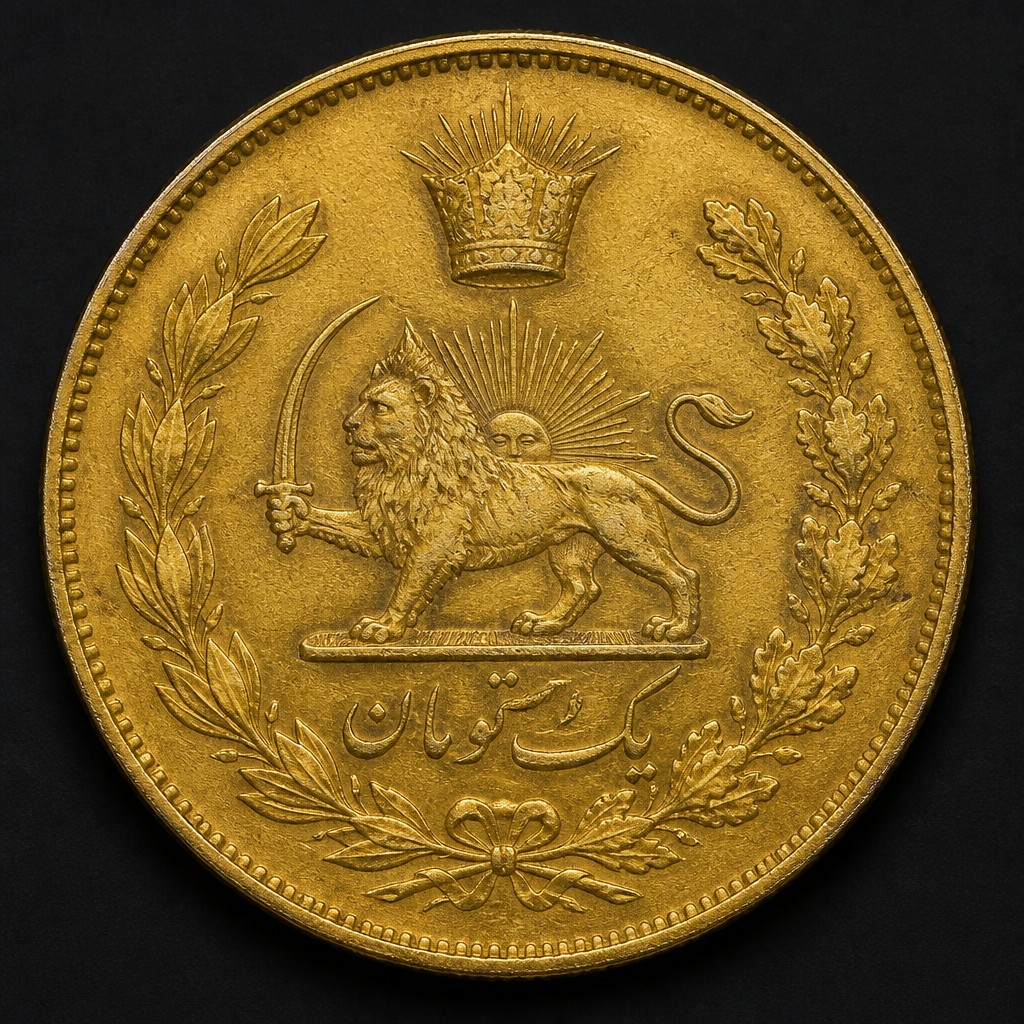
Persian Gold Toman (Qajar)
1796–1925
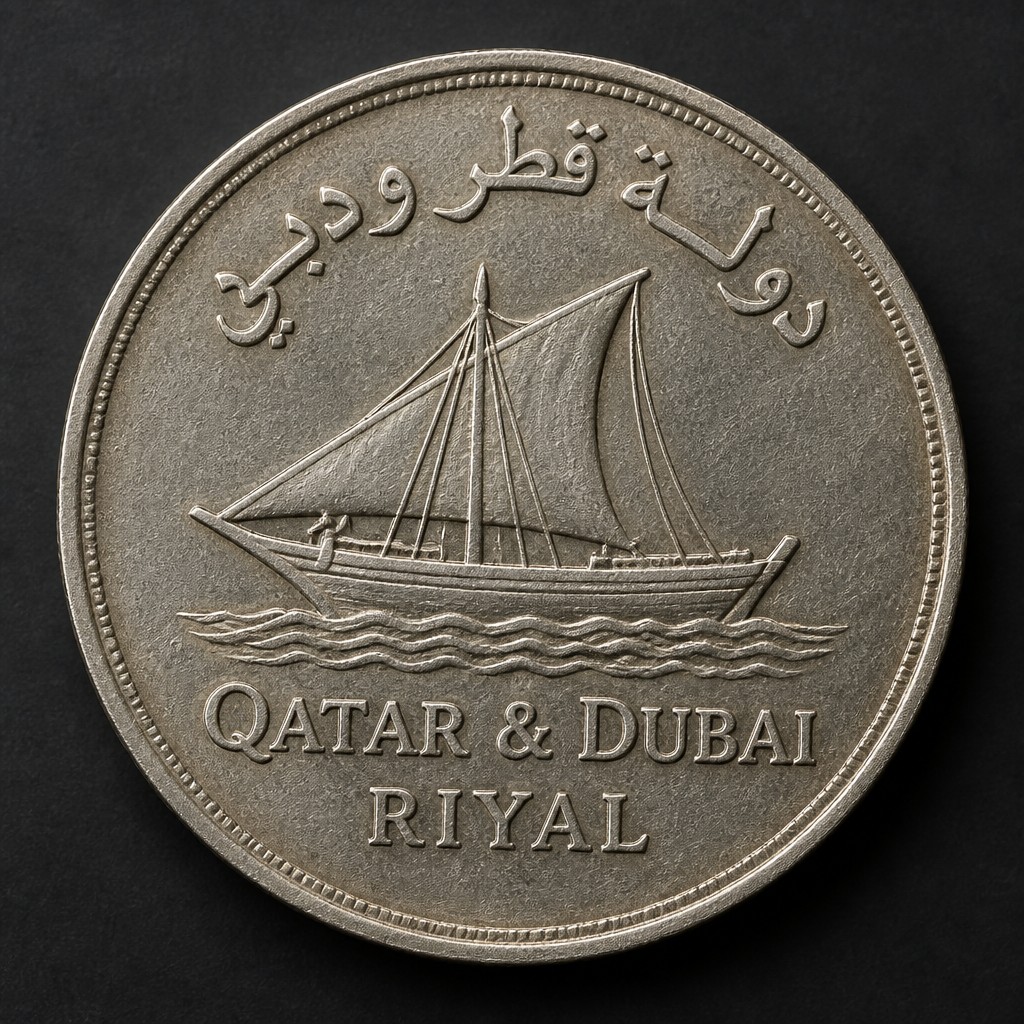
Qatar and Dubai Riyal
1966–1973
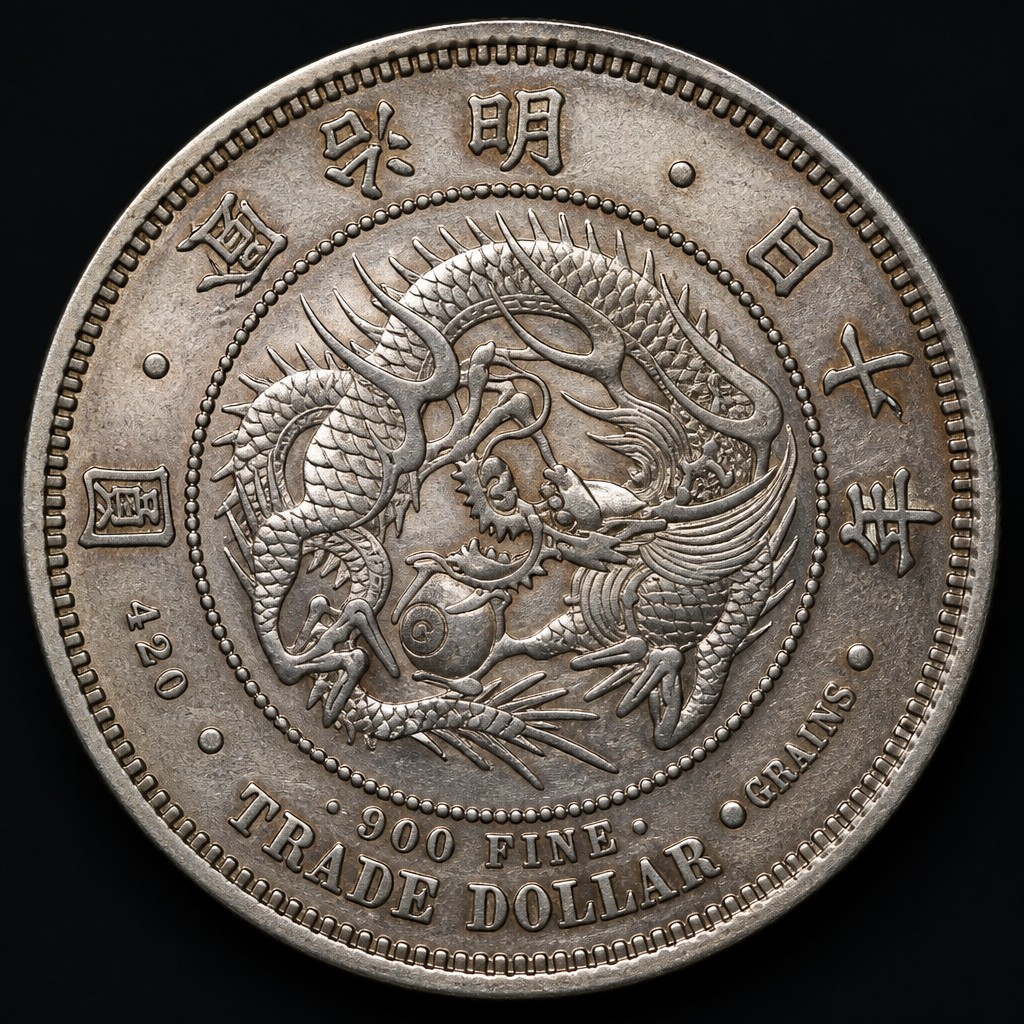
Japanese Trade Dollar
1875-1878 (Meiji 8-11)