
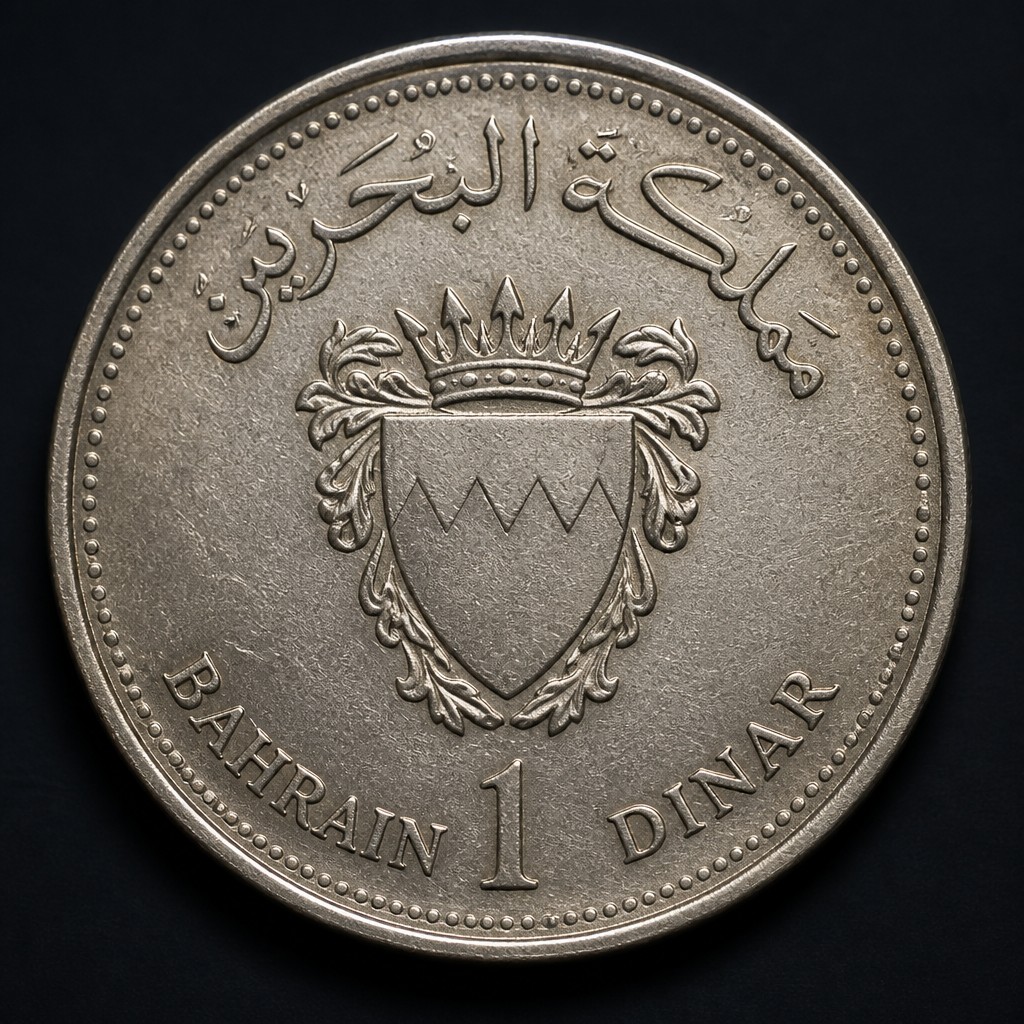
Bahraini Dinar
Modern decimal currency of Bahrain, introduced in 1965 to replace the Gulf Rupee, with the dinar divided into 1,000 fils.
- Country
- Bahrain
- Denomination
- 1 Dinar = 1,000 Fils
- Metal
- Cupro-nickel, nickel-brass, bronze (modern circulation issues)
Got a coin like this?
Identify any coin from a photo, free.
Overview
The Bahraini dinar system replaced the Indian-linked Gulf Rupee in the mid-1960s as Bahrain moved toward full monetary independence ahead of its 1971 sovereignty. Circulating coins are struck in small fils denominations for everyday transactions, while the dinar itself exists mainly as paper currency and in bank accounts, with the largest coin denominations approaching a fraction of a dinar.
Bahraini fils coins are common, inexpensive, and widely collected as an entry point into Gulf numismatics. Designs emphasize national symbols rather than a ruler's portrait, distinguishing them from some neighboring Gulf states' coinage.
Because Bahrain's coinage has been remade several times as the national emblem and inscriptions evolved, collectors often assemble type sets by decade rather than by rare date, since most fils issues were produced in large, unremarkable quantities.
History & Background
Bahrain adopted its own currency in 1965, while still a British protectorate, replacing the Gulf Rupee that had circulated there and in other Persian Gulf sheikhdoms. The new dinar was pegged initially to the pound sterling and later to the US dollar, and coinage was introduced alongside banknotes issued by the Bahrain Currency Board.
Following independence in 1971, the Bahrain Monetary Agency (later the Central Bank of Bahrain) took over currency issuance, and coin designs were periodically updated to reflect the country's evolving national emblem, a design featuring stepped, feather-like elements symbolizing Bahrain's historic pearling and Gulf Cooperation Council-era identity.
Subsequent series through the late 20th and early 21st centuries kept the same fils-based denominational structure while modernizing script, metal composition, and security features, with commemorative fils and dinar-denominated coins issued periodically for royal and national anniversaries.
How to Identify
Bahraini fils coins typically show the national emblem of Bahrain on one side, along with Arabic text naming the country and denomination, and the numeral value with English text on the other side. Common circulating denominations have included 5, 10, 25, 50, and 100 fils, with a 500 fils coin at the top of the range.
Size and metal vary by denomination, with the smaller fils values struck in lighter cupro-nickel or bronze-colored alloys and the higher fils values slightly larger and sometimes bimetallic in more recent issues. Edges are typically plain on lower values and reeded on higher values, a useful quick way to distinguish denominations at a glance.
Collectors should compare the emblem style and Arabic calligraphy closely, since Bahrain revised its state emblem more than once, which is the clearest way to sort coins into their correct issue period without needing to read small mint dates.
Value & Collectibility
Circulating Bahraini fils coins are common and generally trade for modest premiums over face value in worn condition, since large numbers remain available from both older and current series. Uncirculated rolls or mint sets command more interest from specialists than individual worn pieces.
Key value drivers are condition (choice uncirculated examples), completeness of a date/denomination run, and any scarce commemorative fils or dinar pieces tied to jubilees or state occasions, which can be modestly more desirable than standard circulation issues.
Most single fils coins in typical circulated grades are inexpensive, often just a few dollars or less, while assembled sets, proof issues, or gold/silver commemorative dinar coins can be worth considerably more depending on precious metal content and mintage.
Frequently asked questions
What currency did the Bahraini dinar replace?
It replaced the Gulf Rupee, an India-linked currency that had circulated in Bahrain and other Gulf states before 1965.
How many fils are in a Bahraini dinar?
One dinar equals 1,000 fils, and circulating coins are denominated in fils.
Do Bahraini coins show a ruler's portrait?
Generally no; most fils coins feature the national emblem rather than a monarch's image, unlike some other Gulf currencies.
Are Bahraini fils coins valuable?
Most circulated fils coins are common and low value; rarer commemorative or proof pieces can be worth more.
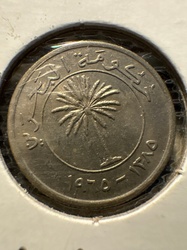
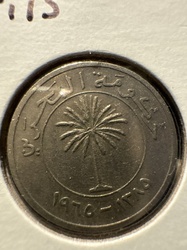
Bahraini Dinar identified by the community
Real coins identified with Coin Identifier.
Other coins you may enjoy
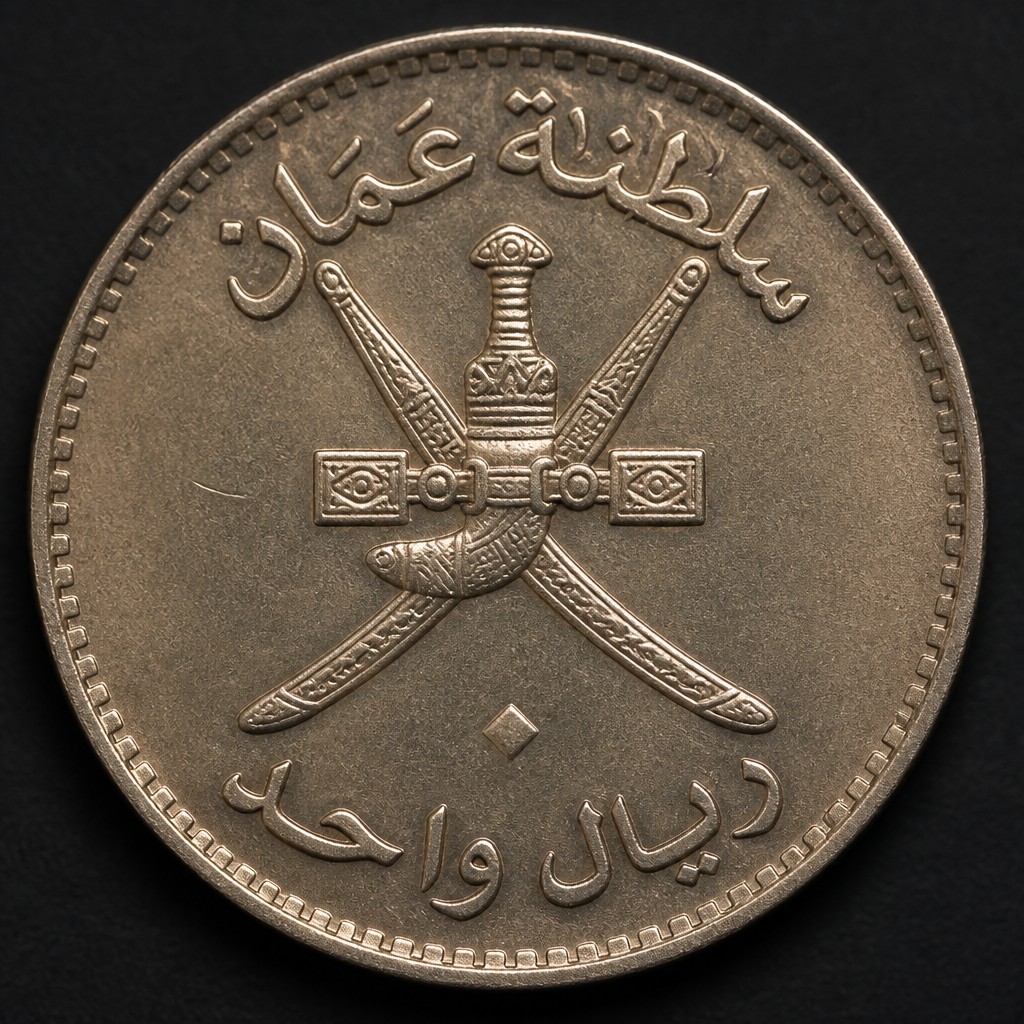
Omani Rial (Baisa Coinage)
1970–present
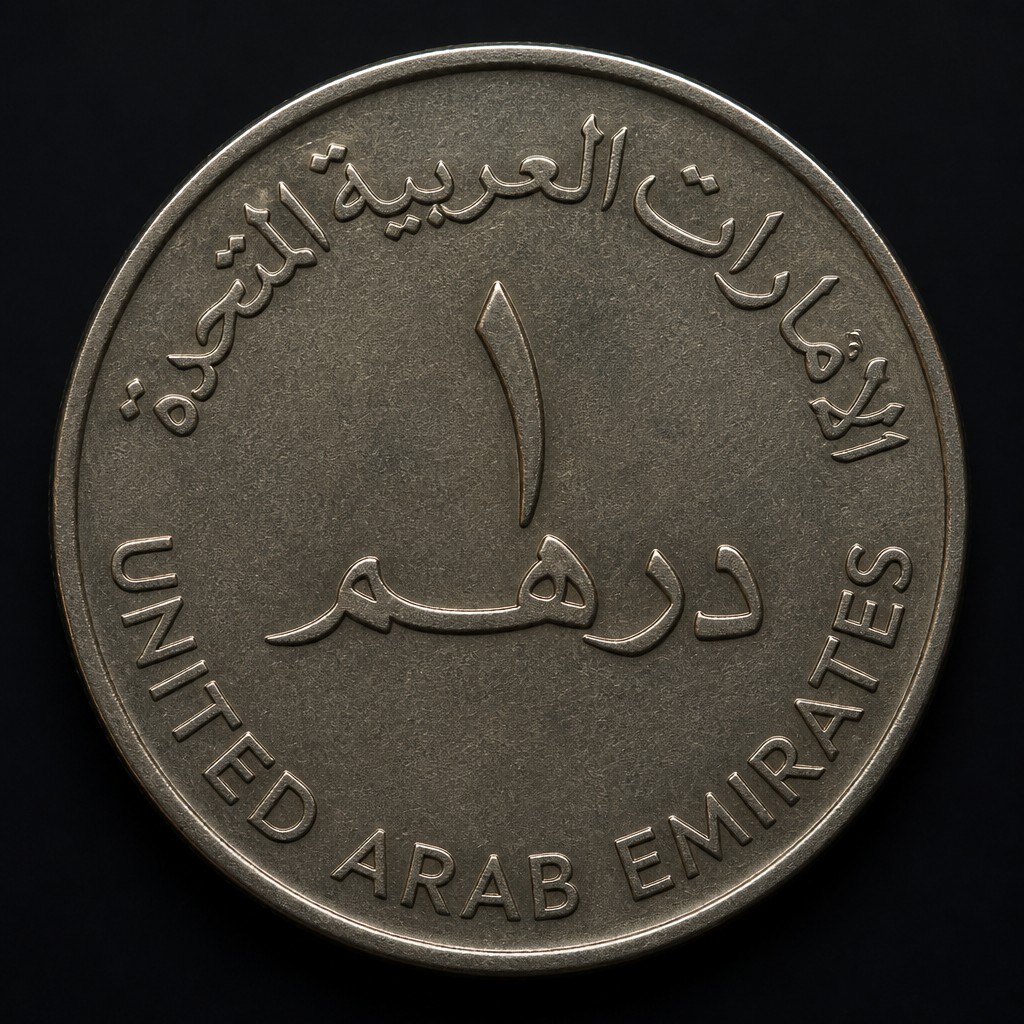
United Arab Emirates Dirham
1973–present
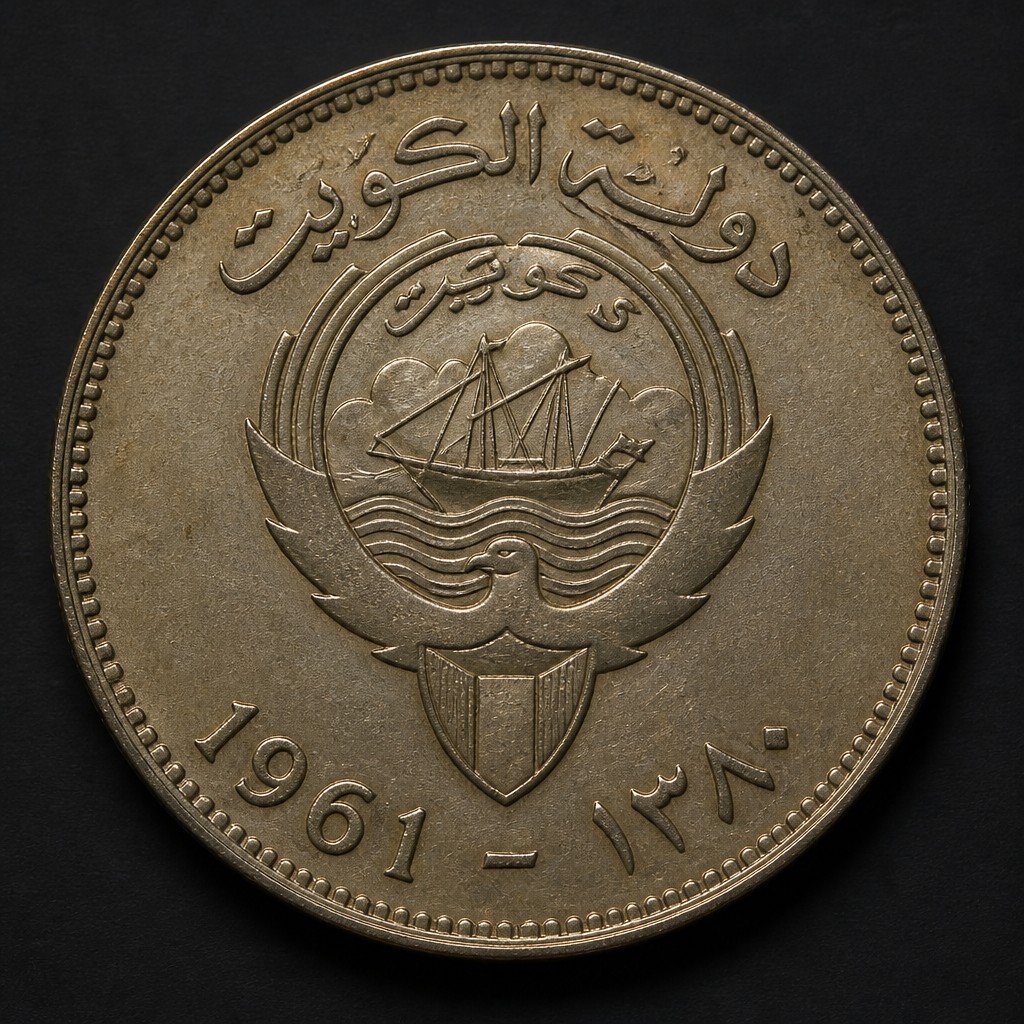
Kuwaiti Fils
1961–present
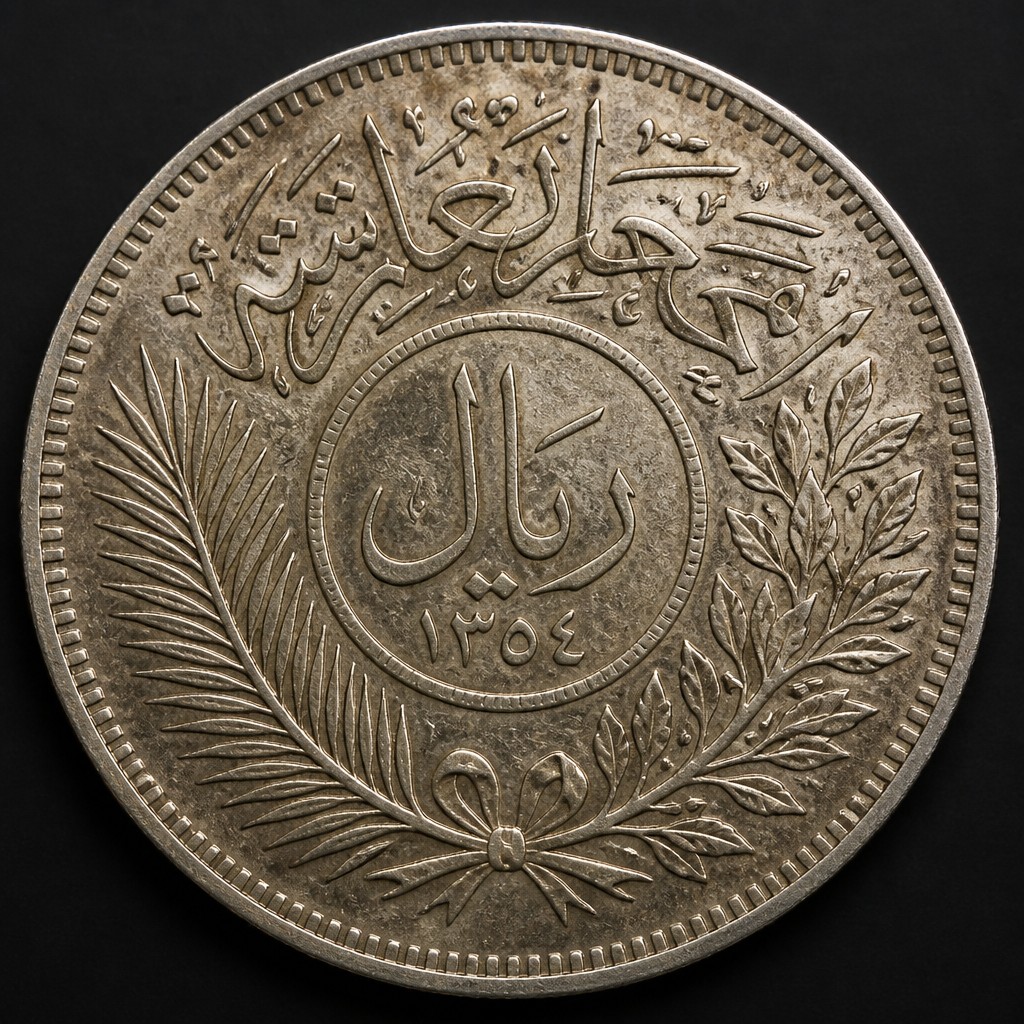
Saudi Arabian Riyal (silver)
1935 (Kingdom-wide standardization) and related issues
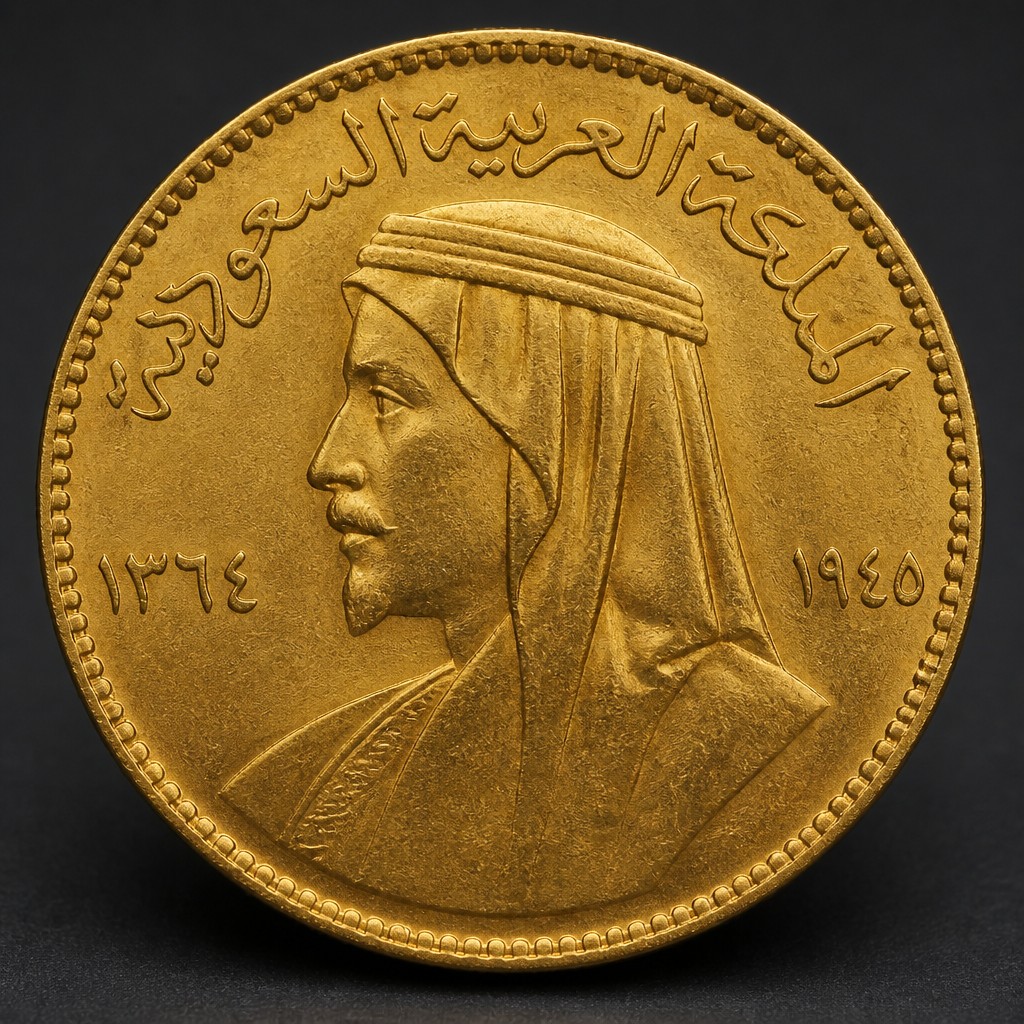
Saudi Arabian Gold Guinea (Sovereign)
1945 and later issues
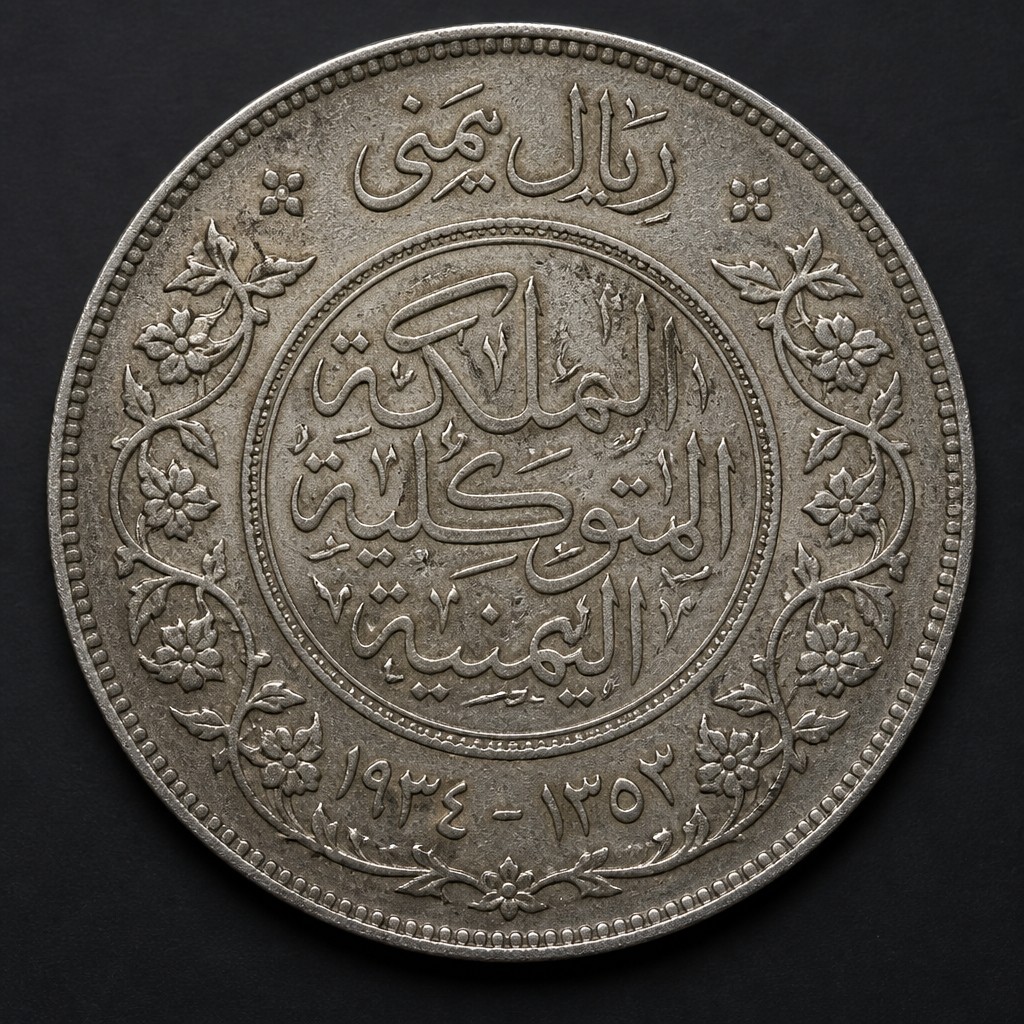
Yemeni Riyal (Ahmadi/Imadi Kingdom Coinage)
Early-to-mid 20th century
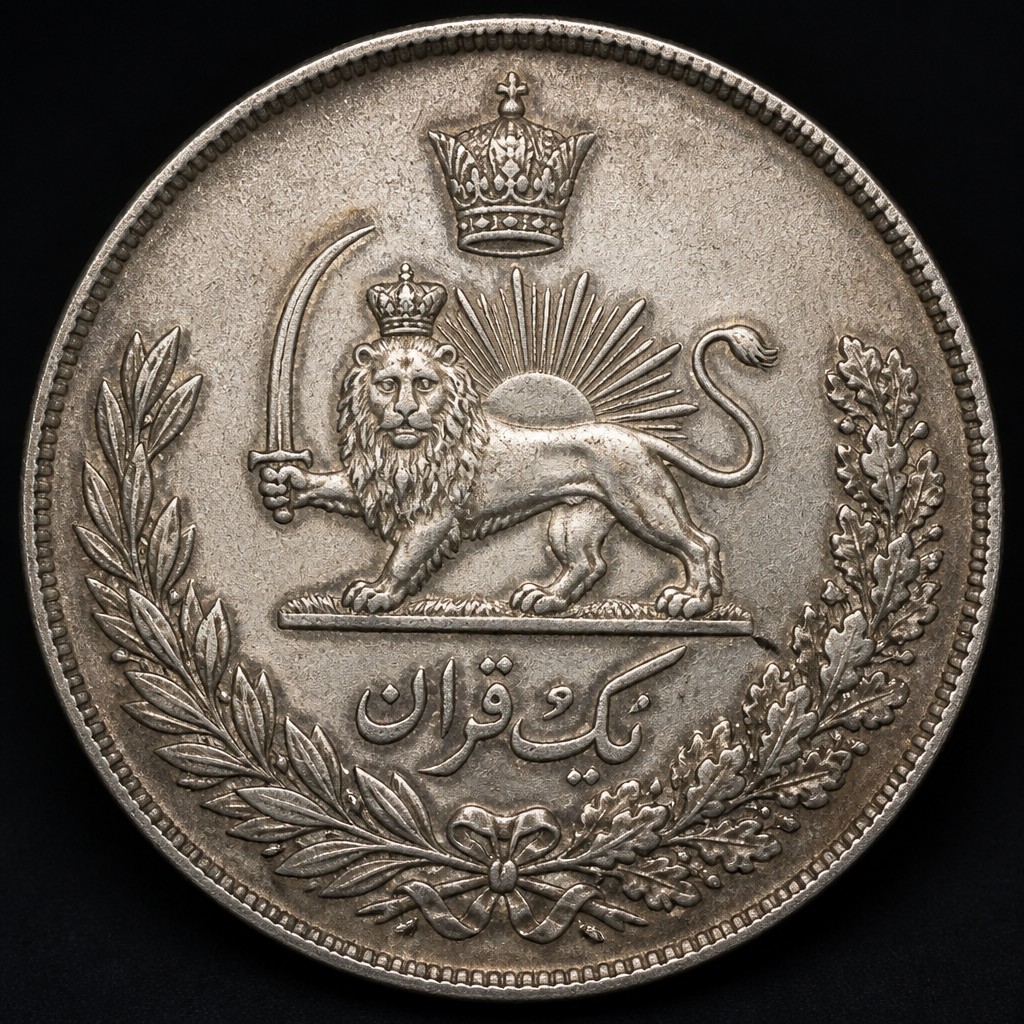
Persian Kran (Qajar silver)
Mid-19th century–1925
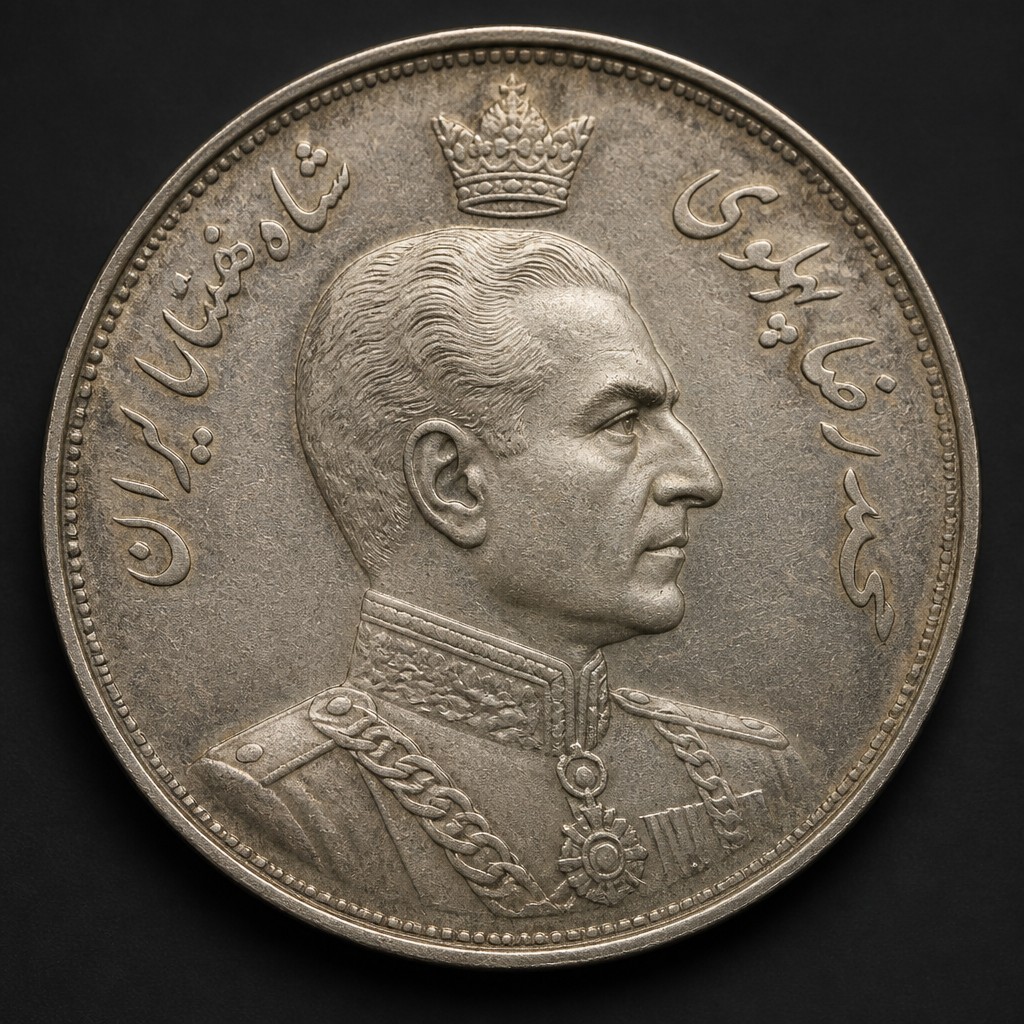
Iranian Rial
1932–present
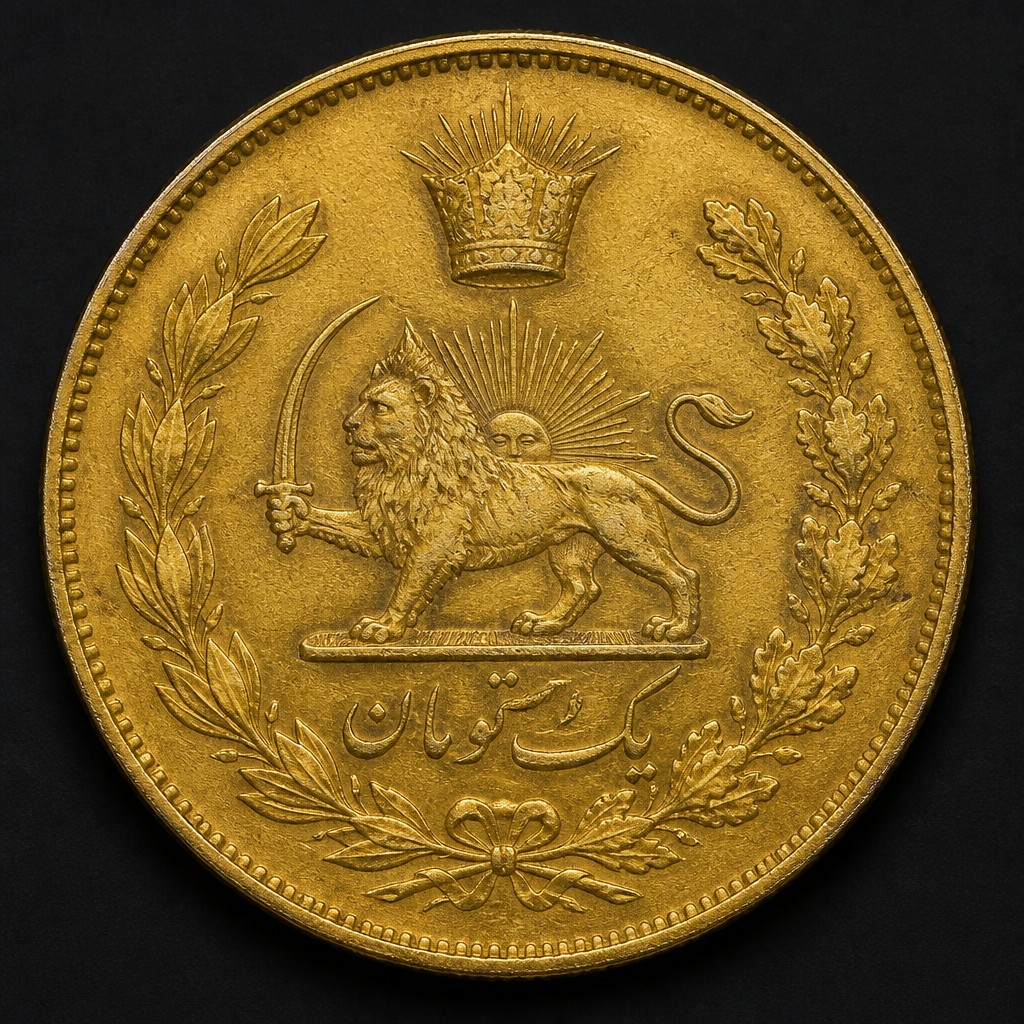
Persian Gold Toman (Qajar)
1796–1925
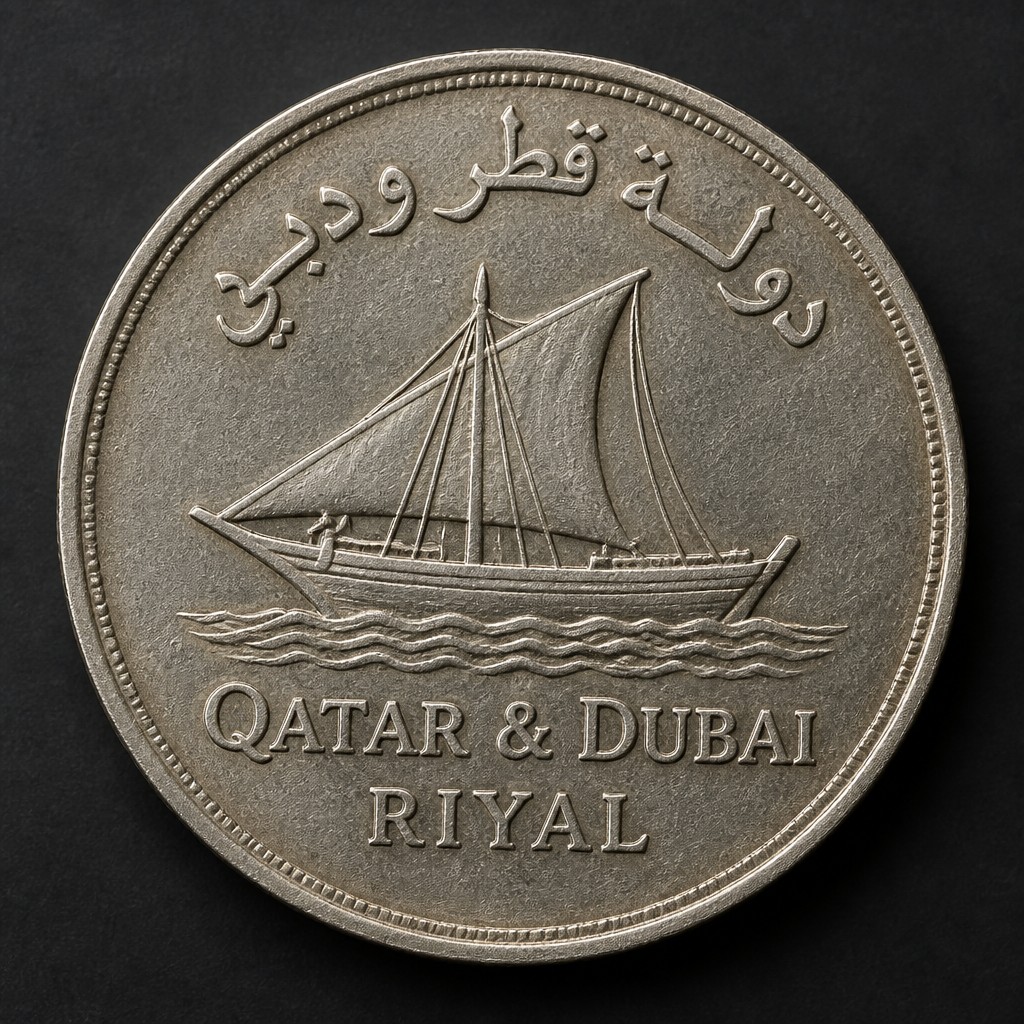
Qatar and Dubai Riyal
1966–1973
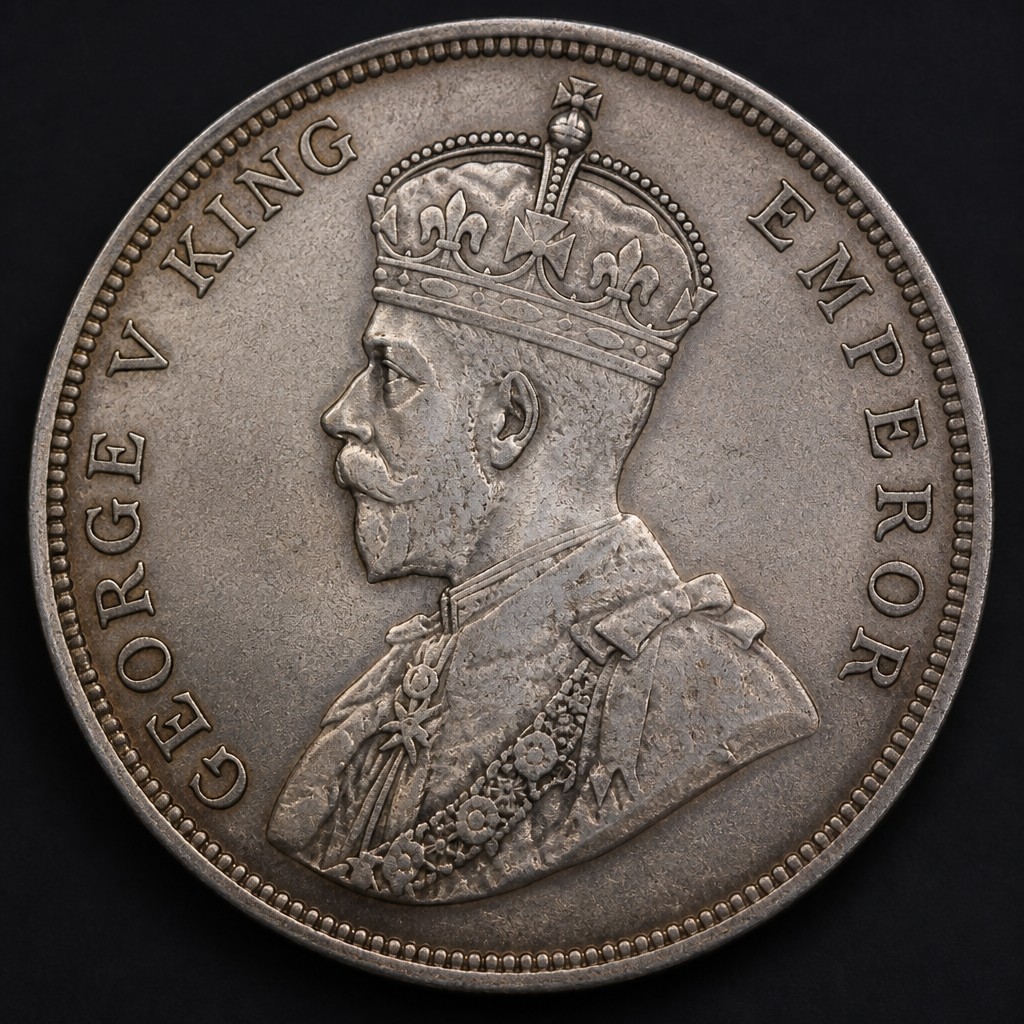
British India Rupee (Silver)
1835–1947
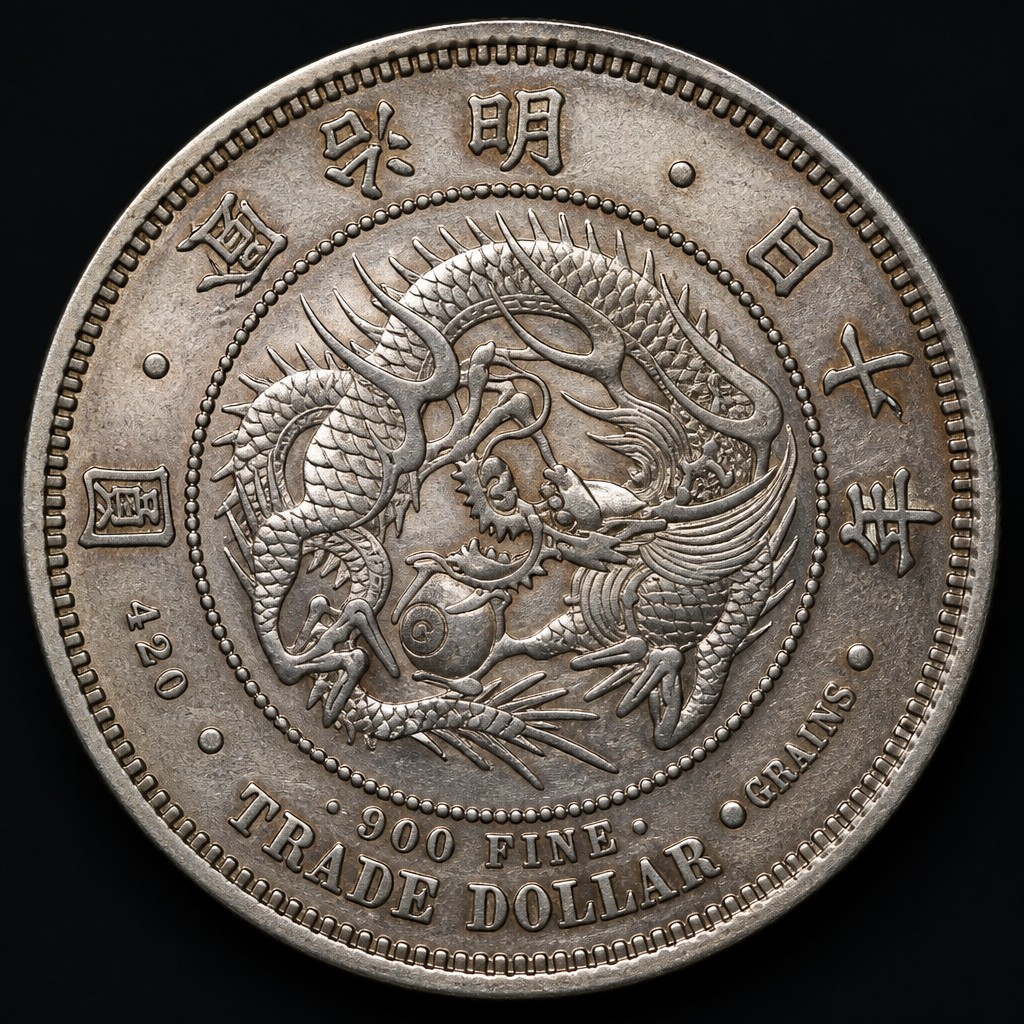
Japanese Trade Dollar
1875-1878 (Meiji 8-11)