
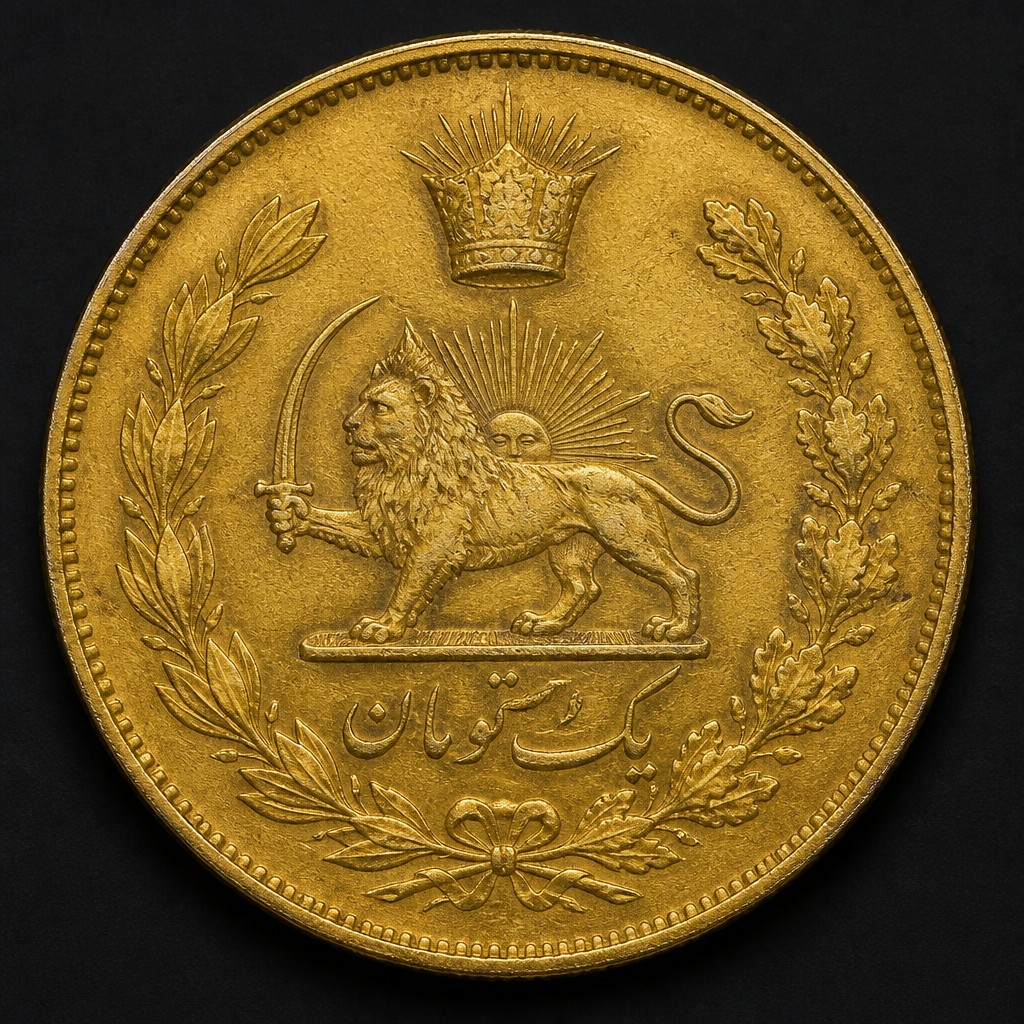
Persian Gold Toman (Qajar)
The principal gold coin of Qajar Persia, valued at ten silver kran, struck under a succession of shahs from the late 18th century until the dynasty's end in 1925.
- Country
- Persia (Qajar Iran)
- Denomination
- 1 Toman (10 Kran)
- Metal
- Gold
Got a coin like this?
Identify any coin from a photo, free.
Overview
The toman was the gold unit at the top of the Qajar Persian monetary system, standing above the silver kran and its subdivisions in value. Struck across the entire span of Qajar rule from Agha Mohammad Khan's founding of the dynasty through the reigns of Fath-Ali Shah, Naser al-Din Shah, Mozaffar al-Din Shah, and their successors, the toman reflects over a century of Persian coinage history.
Weights and fineness of the gold toman were not always perfectly consistent across the dynasty, and the coin was struck in various fractional and multiple sizes (such as half-toman and larger multiples) at different mints, giving the series considerable variety for collectors to explore.
Gold Qajar coinage is popular today both with collectors of Persian and Islamic coins and with those drawn to the striking calligraphic and lion-and-sun imagery characteristic of the period.
History & Background
The Qajar dynasty rose to power in Persia in the late 18th century under Agha Mohammad Khan and continued a coinage tradition rooted in earlier Persian and broader Islamic monetary practice, including gold coinage denominated in tomans. Fath-Ali Shah, who reigned in the early 19th century, is particularly associated with lavishly styled gold coinage, including large presentation and portrait-type pieces.
Throughout the 19th century, the gold toman remained the empire's principal high-value coin even as Persia's silver-based kran coinage underwent various reforms tied to fluctuating international silver prices. Rulers such as Naser al-Din Shah, whose long reign spanned much of the mid-to-late 19th century, and his successors continued the tradition, often incorporating national emblems like the lion and sun alongside the ruler's name and titles.
Gold toman coinage continued into the early 20th century until the fall of the Qajar dynasty in 1925, when Reza Khan founded the Pahlavi dynasty and Persia's coinage system was subsequently modernized and reorganized under the new regime.
How to Identify
Designs vary across the long Qajar period but commonly include the shah's name, titles, and often a lengthy calligraphic inscription on the obverse, sometimes accompanied by the Persian lion-and-sun emblem, a national symbol used throughout the Qajar and later Pahlavi eras. Some issues, particularly under Fath-Ali Shah and later Naser al-Din Shah, feature a portrait bust of the ruler, a departure from the more purely calligraphic designs of earlier Islamic coinage.
Dates are typically given in the Islamic (Hijri) calendar, and mint names are often inscribed in Persian/Arabic script, allowing specialists to attribute coins to specific cities among the empire's various minting locations. Weight and diameter vary depending on whether the piece is a full toman, a fractional denomination, or a larger presentation multiple, so careful measurement is important for correct identification.
Because Qajar coinage was not always struck to perfectly uniform standards, and because gold pieces of this kind have sometimes been imitated or later restruck for the jewelry and souvenir trade, buyers should compare suspect coins carefully against well-documented reference examples.
Value & Collectibility
Value depends on the specific shah, mint, denomination size, and condition, along with underlying gold content. Common later Qajar gold tomans in modest condition are generally valued close to their gold content with a numismatic premium, while artistically elaborate or historically significant pieces, particularly certain Fath-Ali Shah portrait types or scarce mints and dates, can command substantially higher prices among specialists.
As with most antique gold coinage, authentication is important given the existence of later reproductions and restrikes in the market, and buyers are encouraged to work with dealers experienced in Persian and Qajar numismatics for higher-value pieces.
Frequently asked questions
How does the toman relate to the kran?
The toman was the gold unit of account, traditionally valued at ten silver kran, Persia's standard silver coin of the Qajar era.
Which Qajar shahs issued gold tomans?
Gold tomans were struck under the full line of Qajar rulers, including Agha Mohammad Khan, Fath-Ali Shah, Naser al-Din Shah, and their successors up to the dynasty's end in 1925.
What calendar is used for dates on Qajar coins?
Dates are generally given in the Islamic Hijri calendar, so converting to the Gregorian year requires a standard Hijri-to-Gregorian conversion.
Why do some Qajar gold coins show a portrait while others do not?
Portrait imagery became more common under certain rulers, notably Fath-Ali Shah and later Naser al-Din Shah, representing a shift from purely calligraphic designs used in earlier Islamic coinage traditions.
Other coins you may enjoy
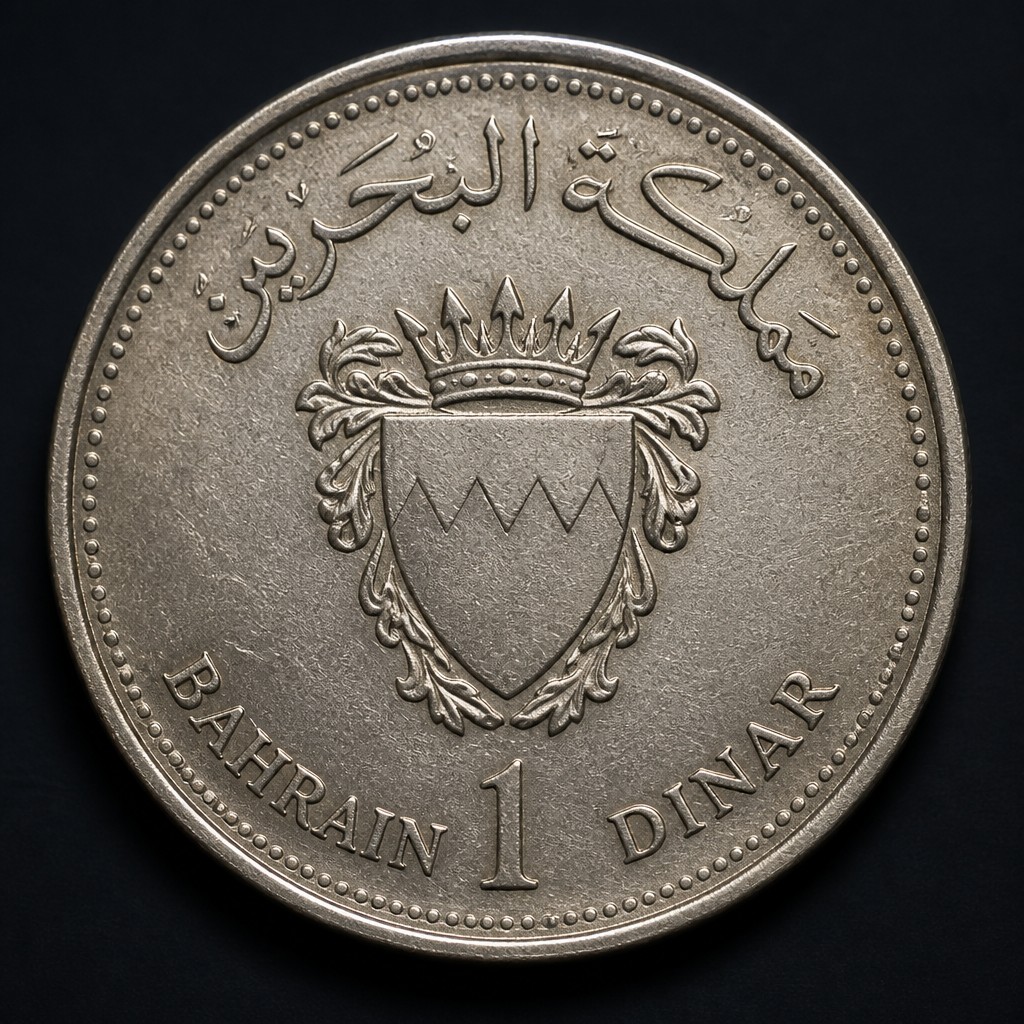
Bahraini Dinar
1965–present
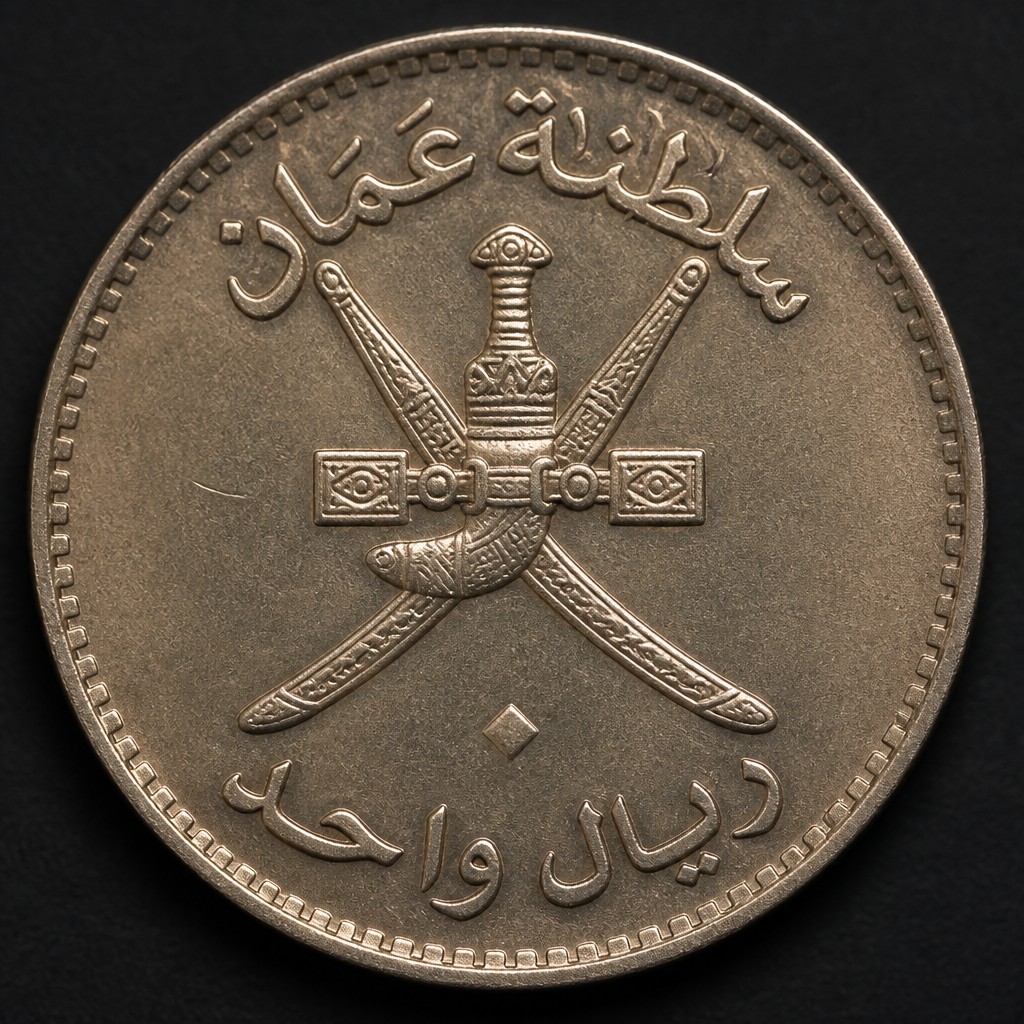
Omani Rial (Baisa Coinage)
1970–present
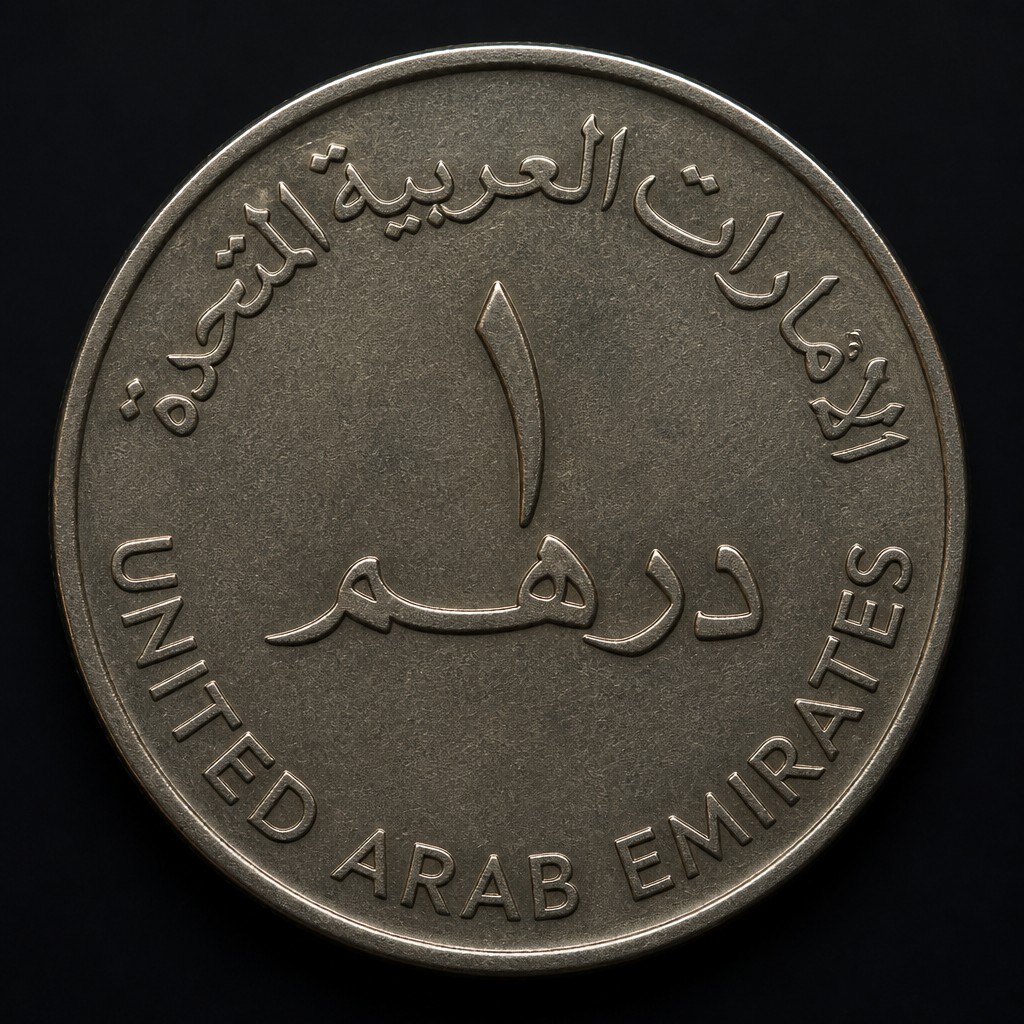
United Arab Emirates Dirham
1973–present
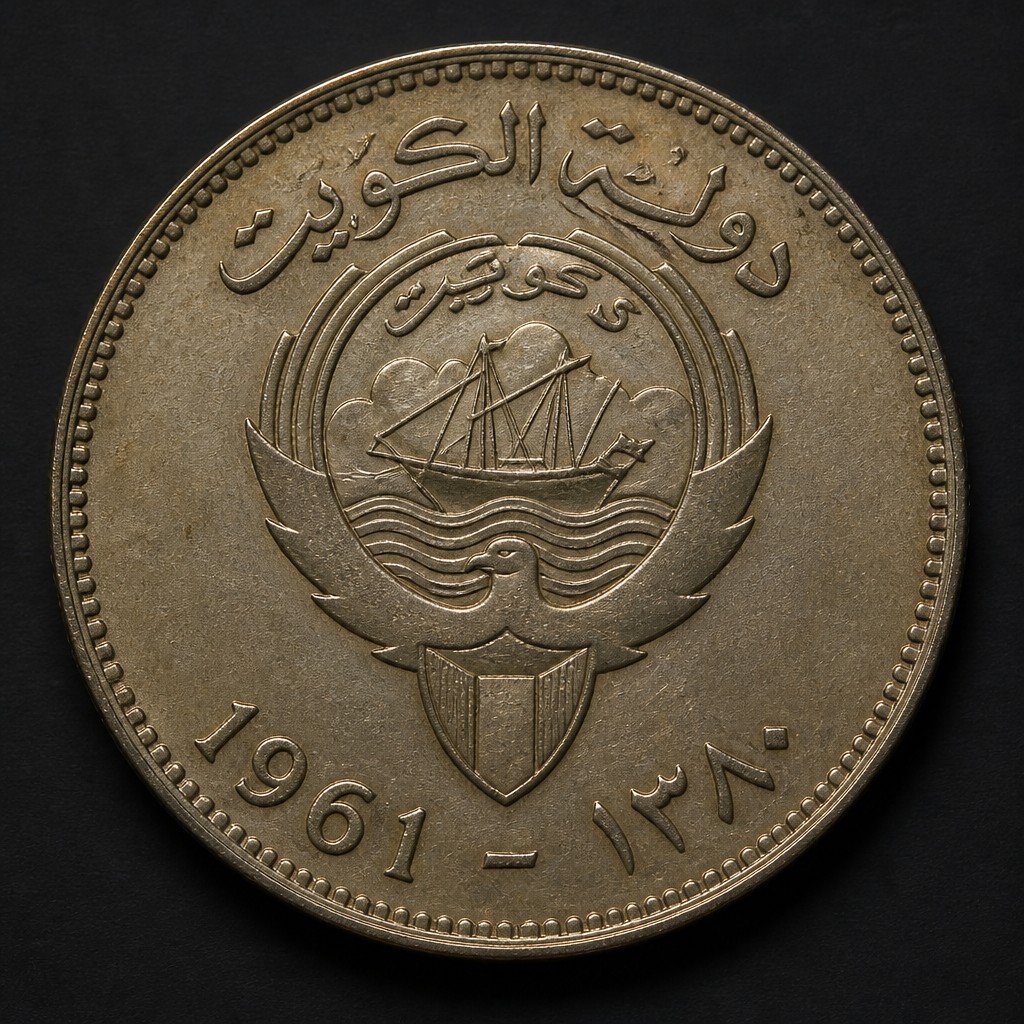
Kuwaiti Fils
1961–present
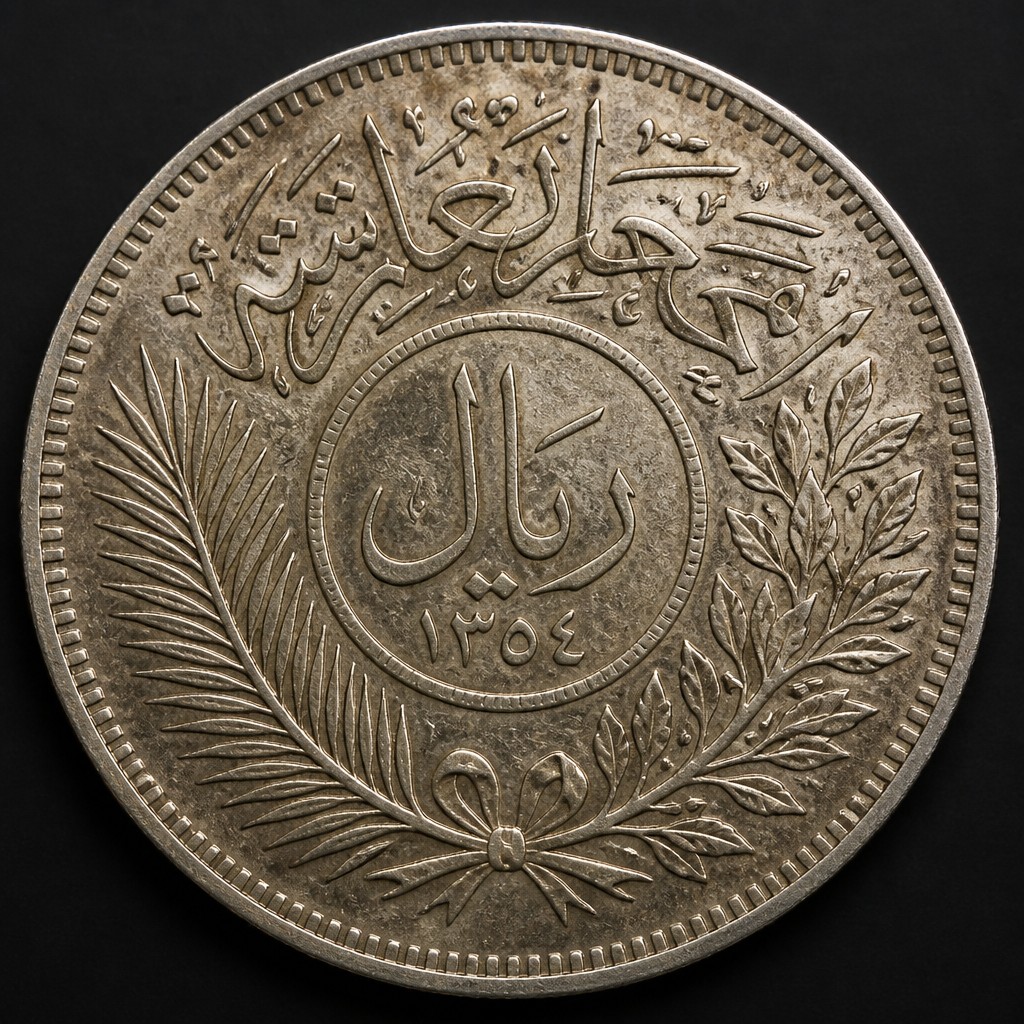
Saudi Arabian Riyal (silver)
1935 (Kingdom-wide standardization) and related issues
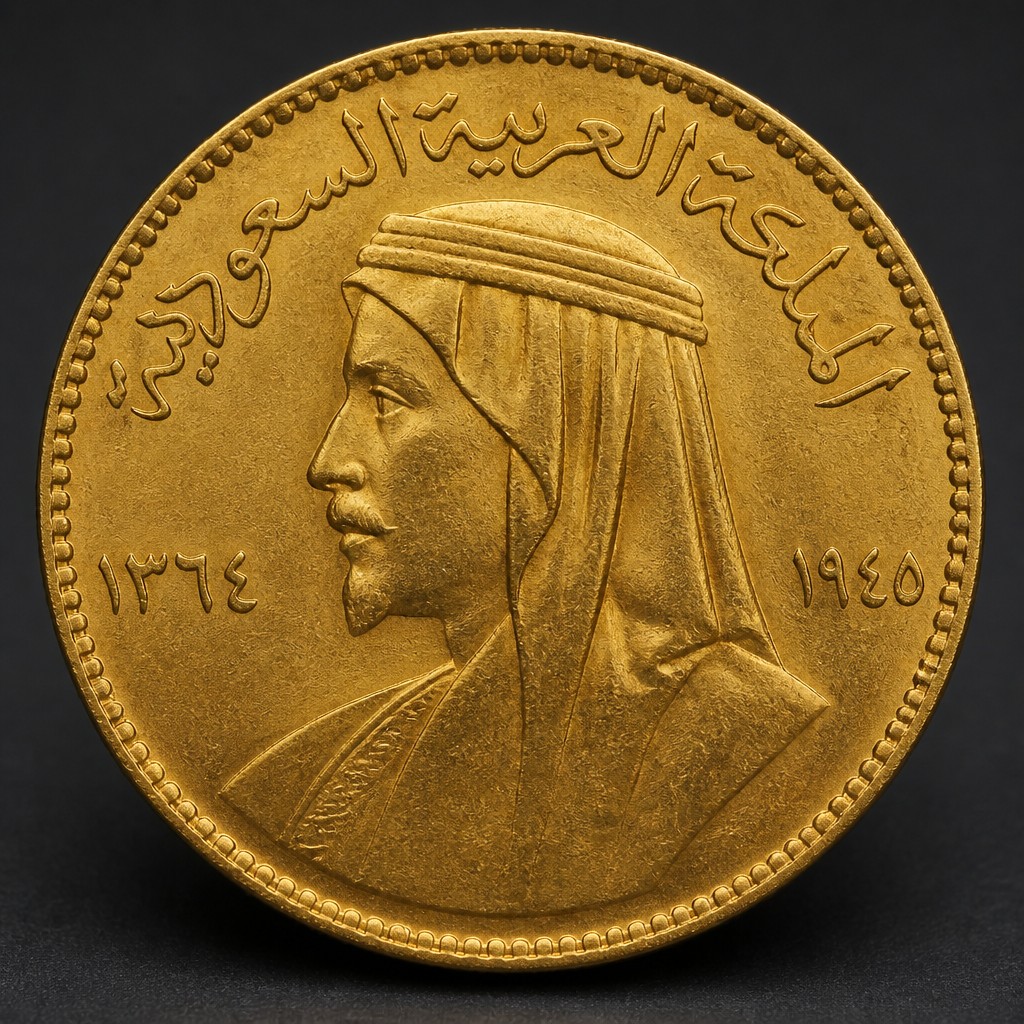
Saudi Arabian Gold Guinea (Sovereign)
1945 and later issues
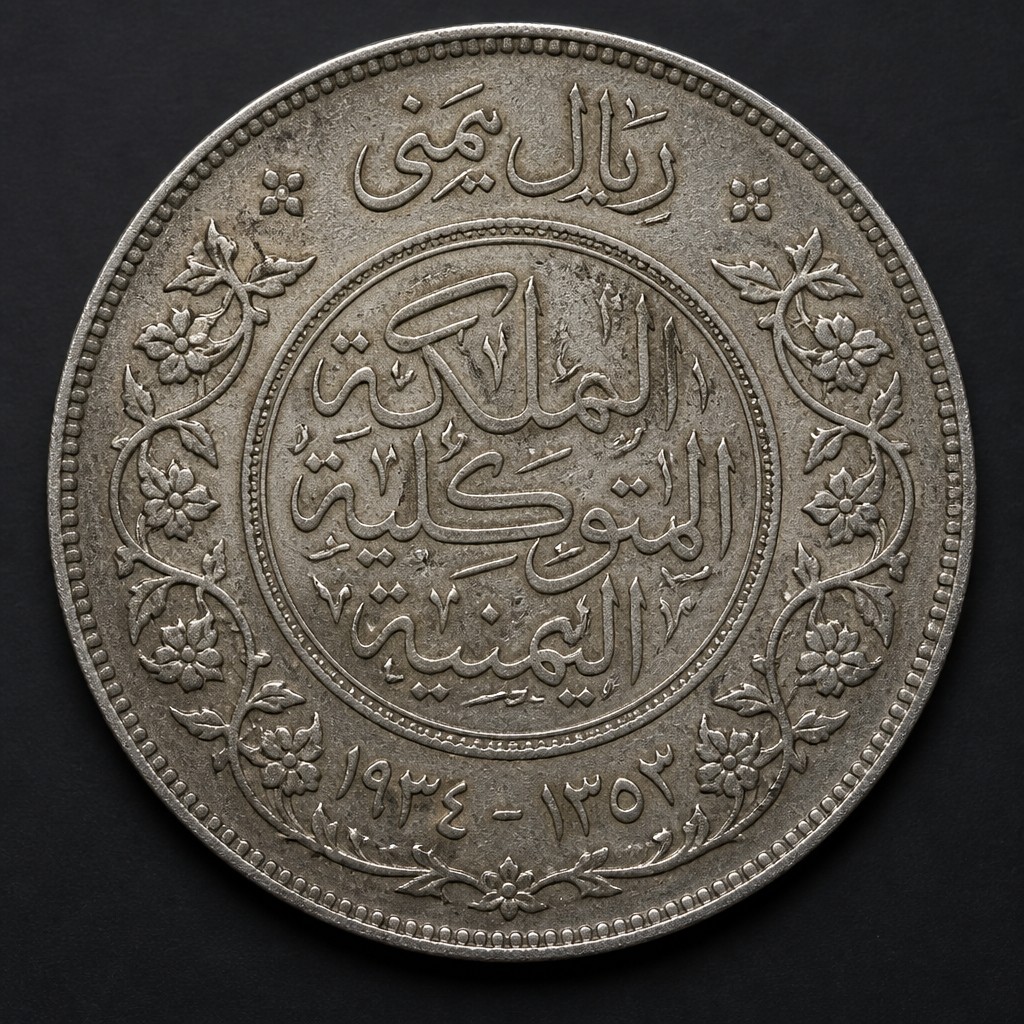
Yemeni Riyal (Ahmadi/Imadi Kingdom Coinage)
Early-to-mid 20th century
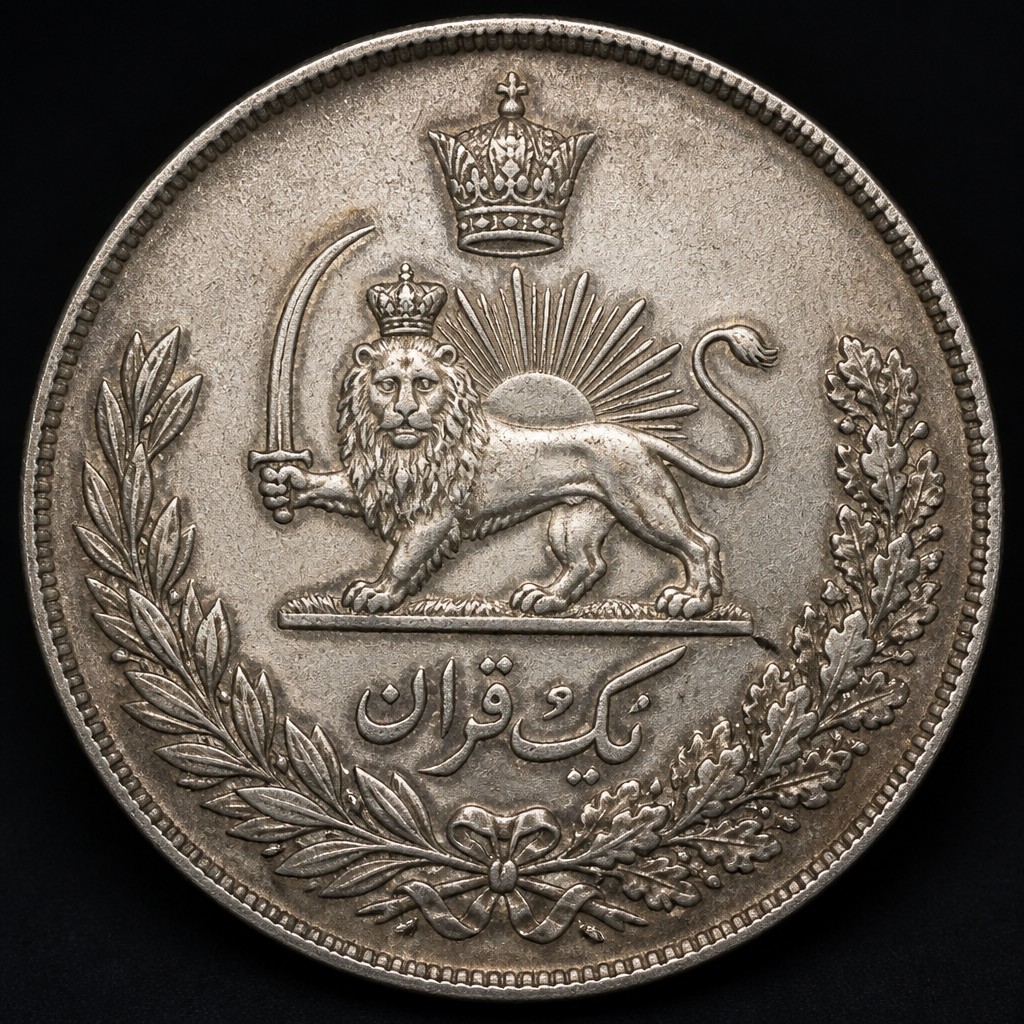
Persian Kran (Qajar silver)
Mid-19th century–1925
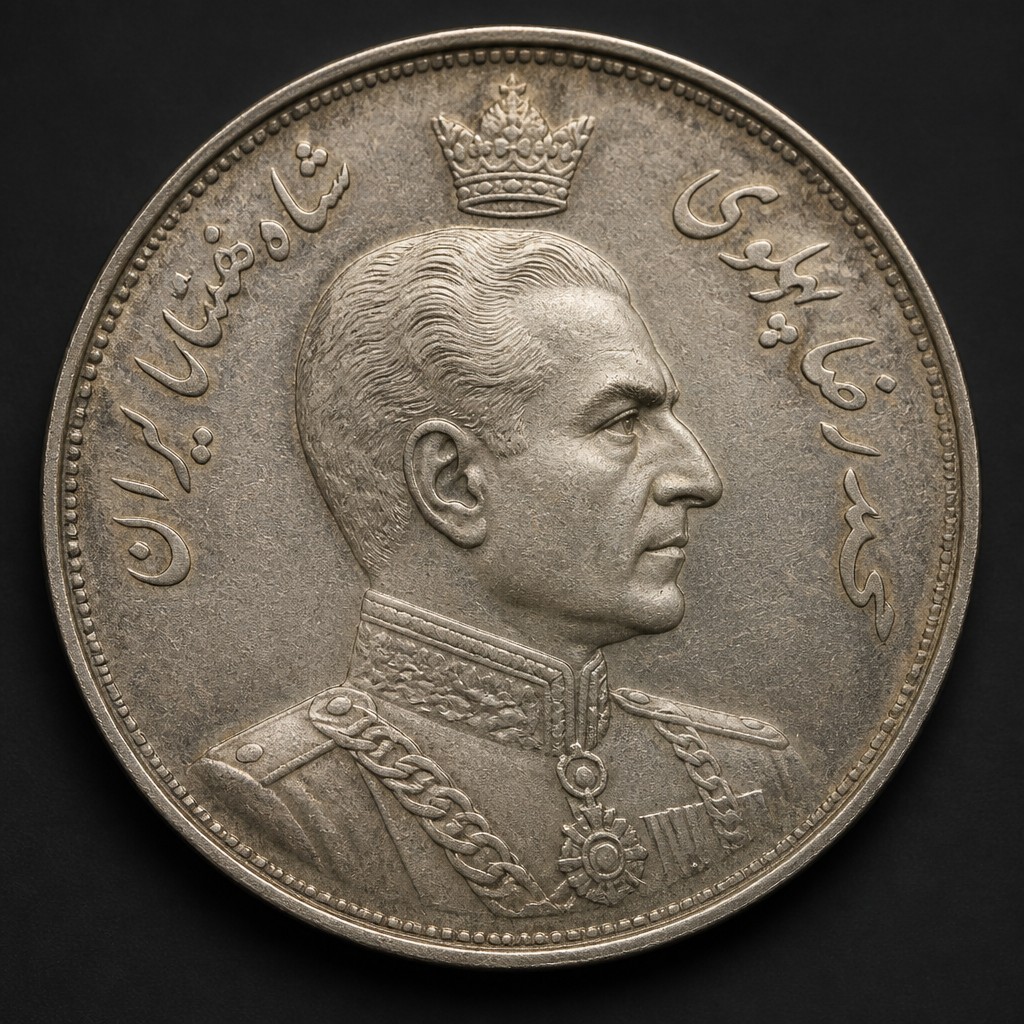
Iranian Rial
1932–present
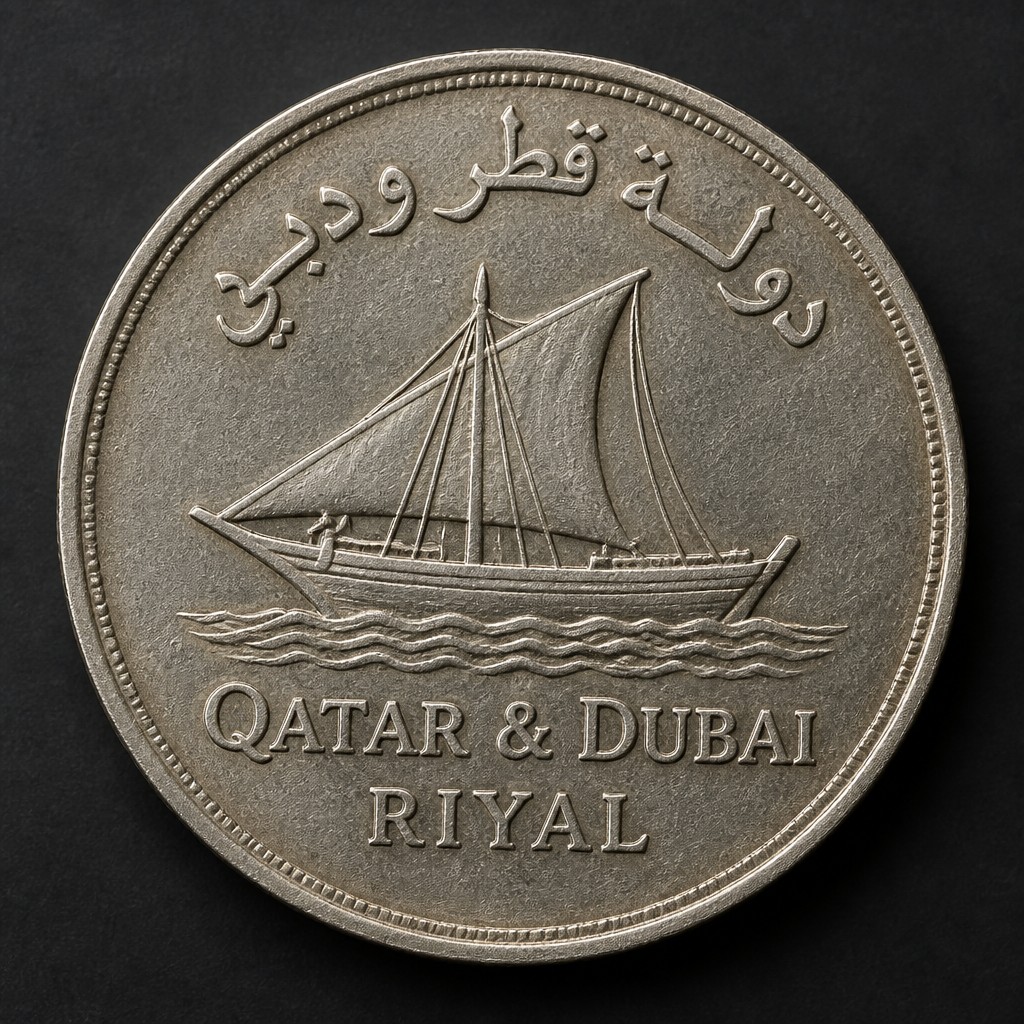
Qatar and Dubai Riyal
1966–1973
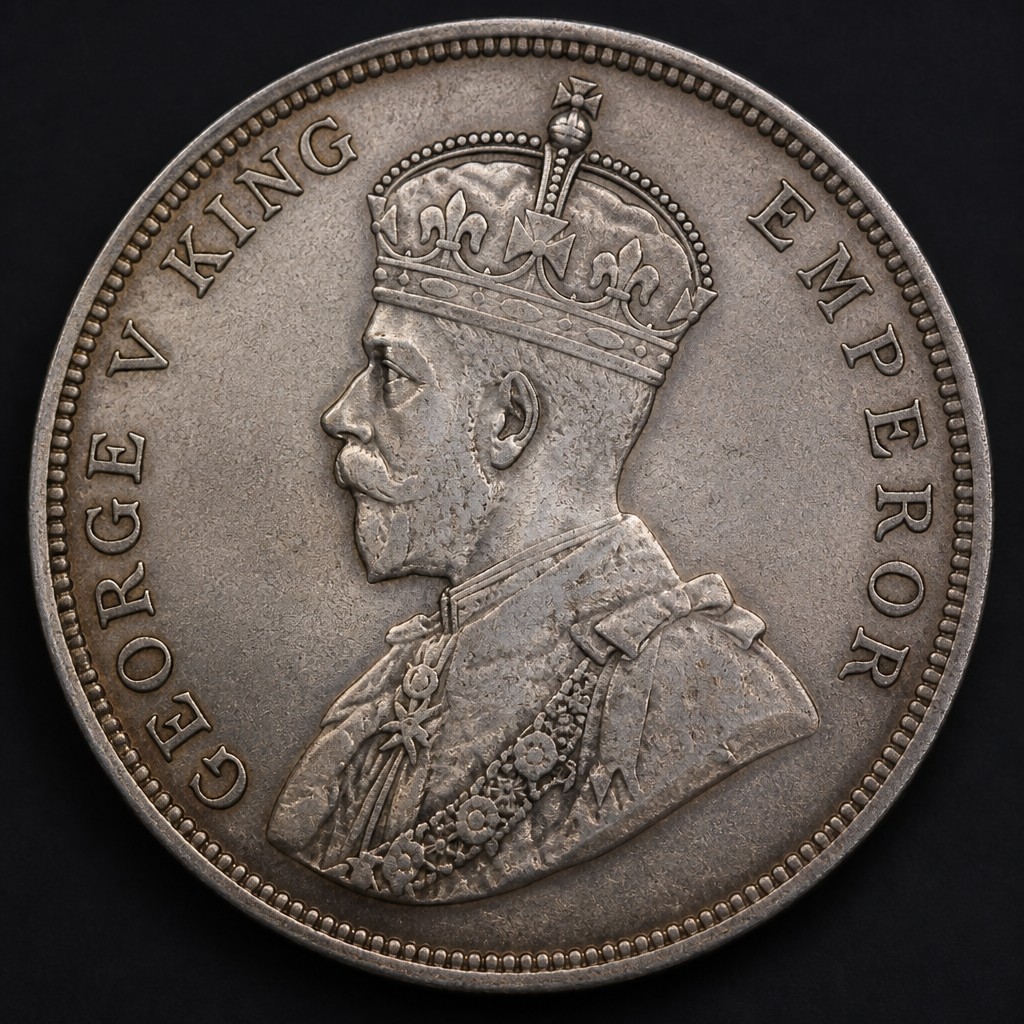
British India Rupee (Silver)
1835–1947
Japanese Trade Dollar
1875-1878 (Meiji 8-11)