
Japanese Trade Dollar
A short-lived Meiji-era silver coin struck to the same weight and fineness as the Mexican and U.S. Trade Dollars so Japan could compete in East Asian commerce.
- Country
- Japan
- Denomination
- 1 Trade Dollar (420 grains)
- Metal
- .900 silver
Got a coin like this?
Identify any coin from a photo, free.
Overview
The Japanese Trade Dollar, known domestically as Boeki-gin ("trade silver"), was issued during the early Meiji era as Japan modernized its coinage and sought to compete in the silver-based trade dominant across East Asia. Struck at the newly established Osaka Mint using Western-style minting technology, it matched the weight and fineness of the popular Mexican 8 reales and the American Trade Dollar so it would be accepted interchangeably in regional commerce.
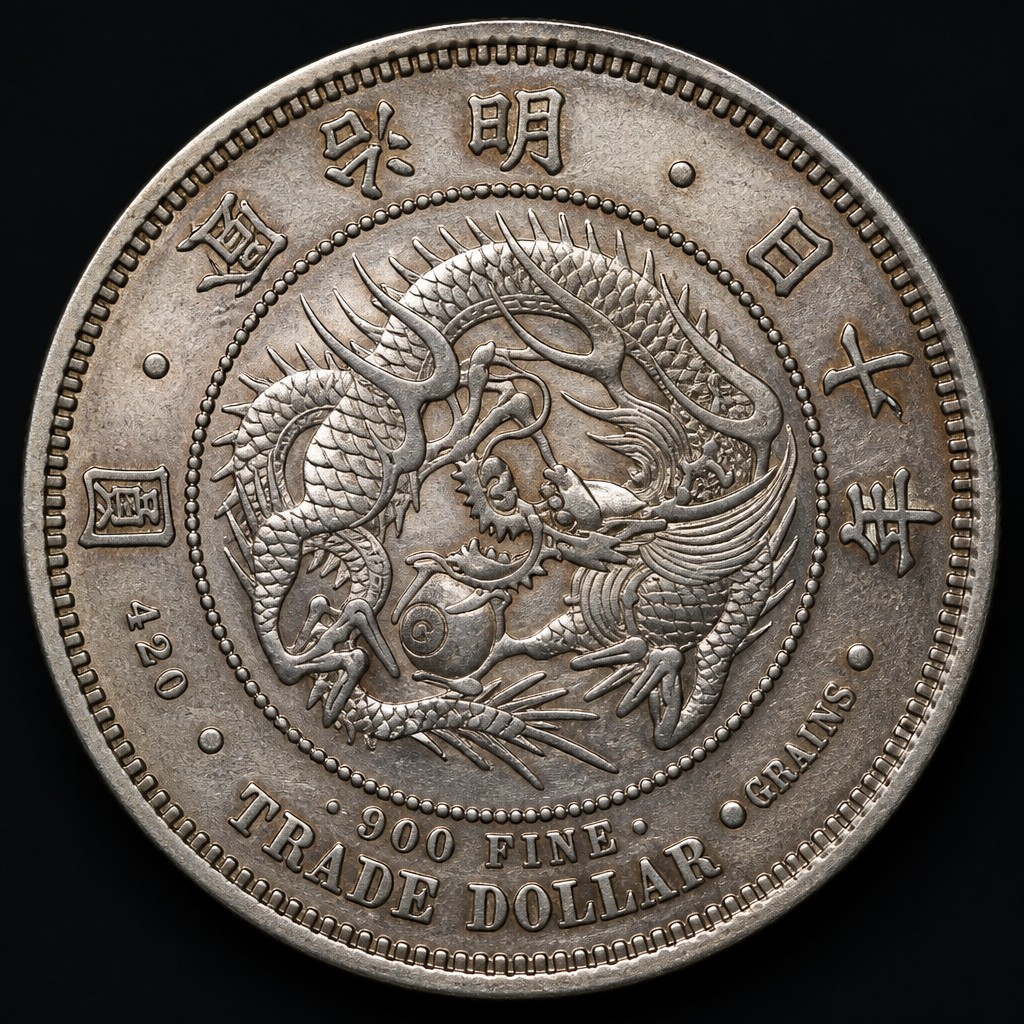
The design blends Japanese and Western conventions: a coiled dragon dominates one side in a style echoing other East Asian trade coinage of the period, while the reverse uses a wreath and inscription layout similar to Western trade dollars, with the denomination spelled out in English as "420 GRAINS. 900 FINE." to reassure foreign merchants of its bullion content.
Production was brief, and the coin was eventually countermarked with a small "Gin" (silver) chop and later phased out in favor of Japan's standard 1 Yen silver coin as Meiji-era monetary reforms matured.
History & Background
Japan's Meiji government, having overthrown the Tokugawa shogunate in 1868, moved rapidly to Westernize its currency system, adopting a decimal Yen in 1871 and building new mints staffed partly with foreign technical advisors, including machinery and expertise sourced from Britain. Recognizing that silver dollars from Mexico, Spain, and the United States already circulated widely in Asian trade, Japan issued its own Trade Dollar beginning in 1875 to give Japanese silver a foothold in that commerce rather than ceding the trade entirely to foreign coin.
The coin was struck for only a few years in the mid-1870s before Japan shifted its trade coinage strategy, eventually countermarking existing stock with a small "Gin" character to indicate approved circulation, and then replacing the concept altogether with the more broadly used 1 Yen silver coin, which itself became a major East Asian trade coin into the early 20th century.
Because of its short mintage window, the Japanese Trade Dollar is viewed by historians as a transitional experiment in Meiji Japan's broader effort to build a credible, internationally competitive currency system during a period of rapid modernization.
How to Identify
The obverse features a large coiled dragon amid clouds, a motif drawn from East Asian imperial iconography and paralleling dragon designs used on Chinese and Korean coinage of the era, with Japanese characters and the date (in Meiji era numbering) around the border. The reverse displays a value wreath encircling Japanese script denoting the denomination, with the English inscription "420 GRAINS. 900 FINE." arced around the design to communicate weight and fineness to foreign traders.
The coin is struck in .900 fine silver, sized close to other large trade dollars of the period at roughly 38-39mm in diameter, with a milled or reeded edge. Examples countermarked with a small oval "Gin" (silver) chop on the obverse were officially validated for continued circulation after the original trade dollar concept was curtailed; such countermarked pieces are a distinct and collectible sub-variety.
Collectors distinguish it from the later, more common Japanese 1 Yen silver coin primarily by the English fineness inscription and the specific dragon rendering; because genuine specimens are scarcer and forgeries of Asian trade dollars circulate in the market, verification by a specialist in Japanese or Asian numismatics is recommended.
Value & Collectibility
Japanese Trade Dollars are considerably scarcer than the later standard 1 Yen silver coin and command meaningfully higher prices even in worn grades, with well-preserved or countermarked examples reaching into four figures or more depending on date and condition. As with most 19th-century Asian trade silver, condition, originality of surface, and the presence or absence of chop marks or countermarks materially affect desirability and price.
Because the series was short-lived, certain dates within the small run are notably scarcer than others, and specialist collectors of Japanese numismatics pay close attention to precise date and variety attribution. Given the prevalence of counterfeits among East Asian trade coinage generally, buyers should seek certified or expertly vetted examples, especially for higher-grade or countermarked pieces.
Frequently asked questions
Why does the Japanese Trade Dollar look similar to other trade dollars?
It was deliberately made to match the weight and fineness of the Mexican and U.S. Trade Dollars so it could circulate interchangeably in East Asian commerce.
What is the "Gin" countermark seen on some examples?
It is a small official Japanese stamp meaning "silver," applied to validate existing trade dollar stock for continued use after the original series was curtailed.
How is this different from the Japanese 1 Yen silver coin?
The Trade Dollar was a short-lived, export-focused predecessor; the 1 Yen silver coin became the longer-running, more widely circulated standard trade and domestic coin.
Is the Japanese Trade Dollar rare?
Yes, relative to later Japanese silver coinage, it had a brief mintage window and is considered scarce, especially in higher grades.
Other coins you may enjoy
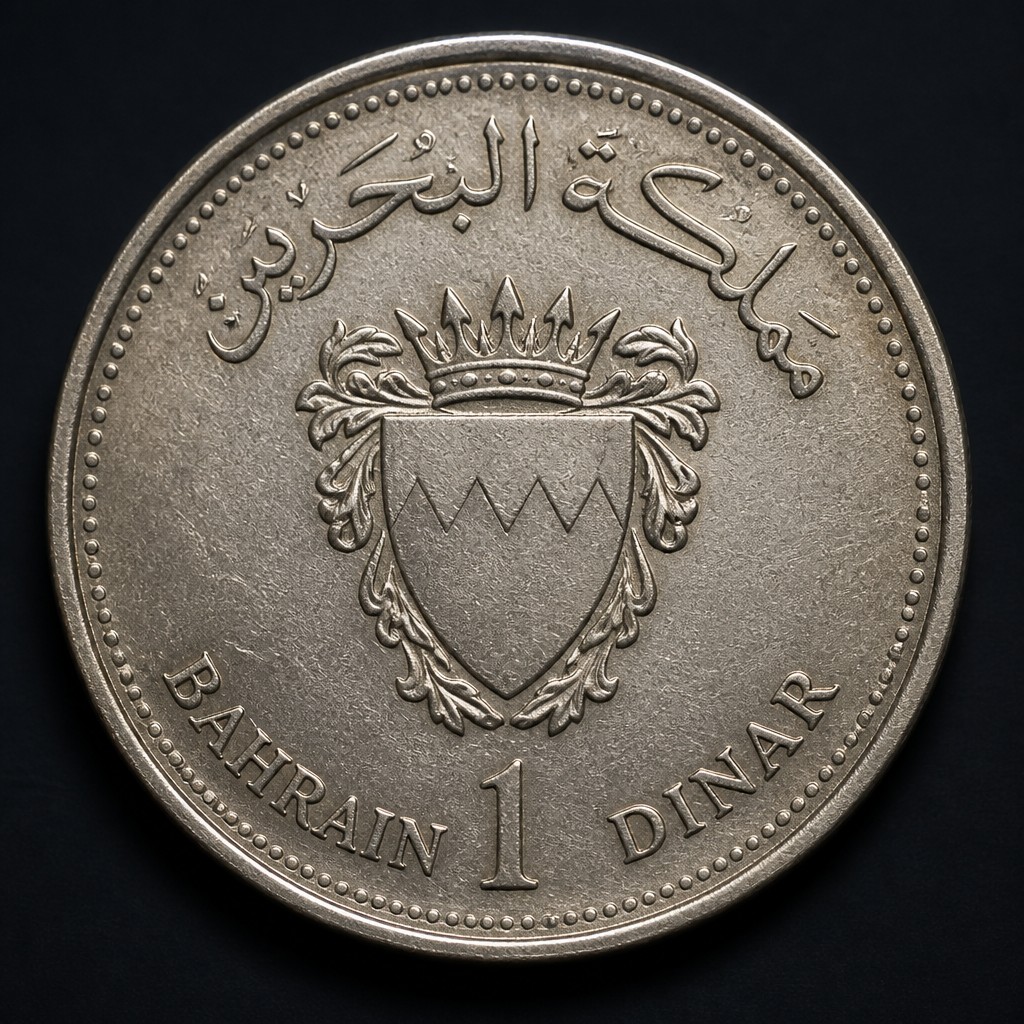
Bahraini Dinar
1965–present
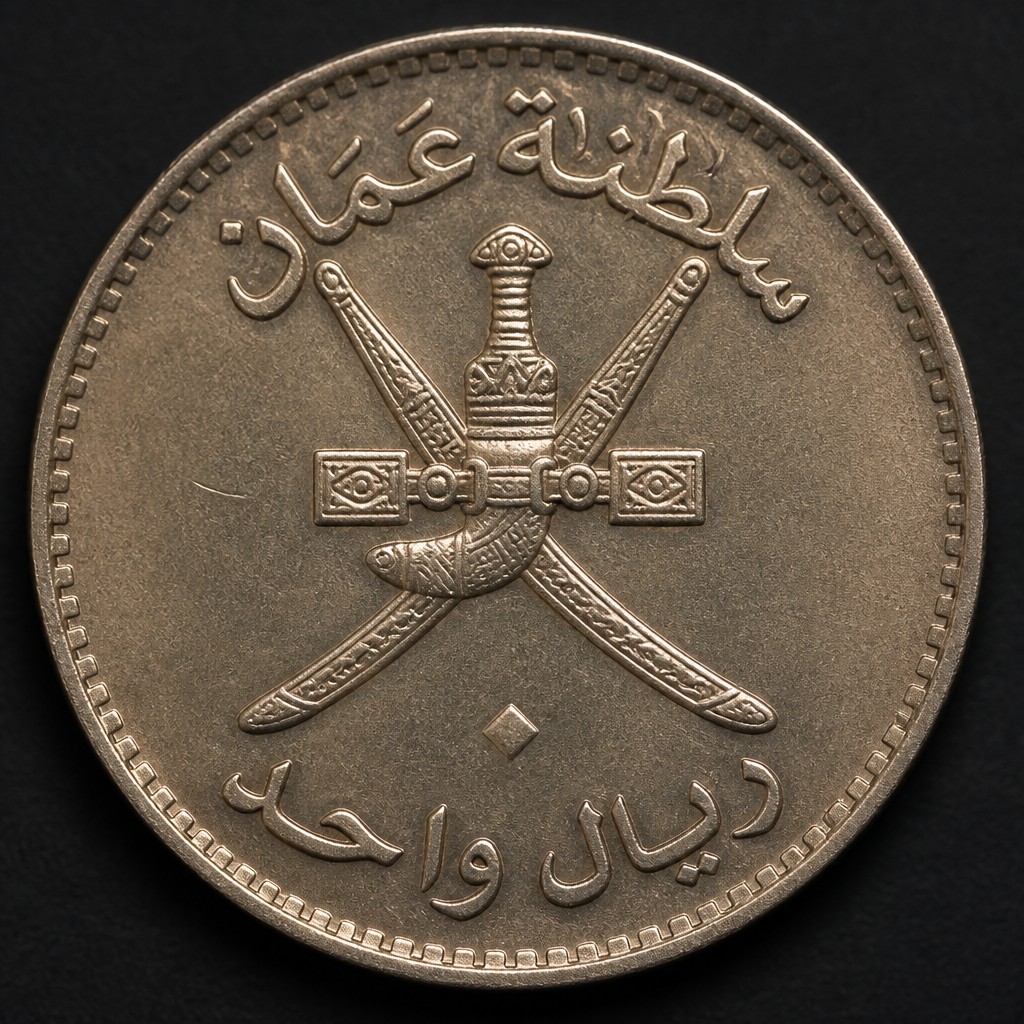
Omani Rial (Baisa Coinage)
1970–present
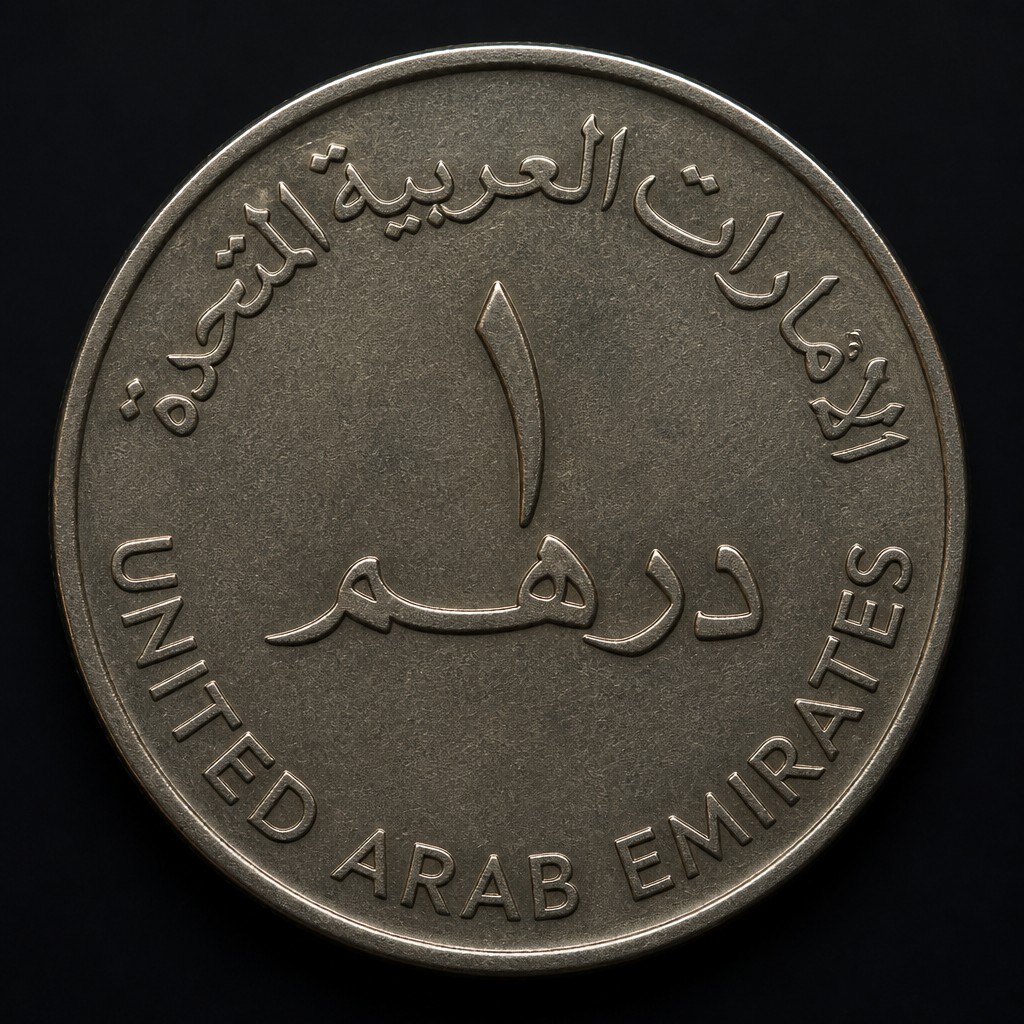
United Arab Emirates Dirham
1973–present
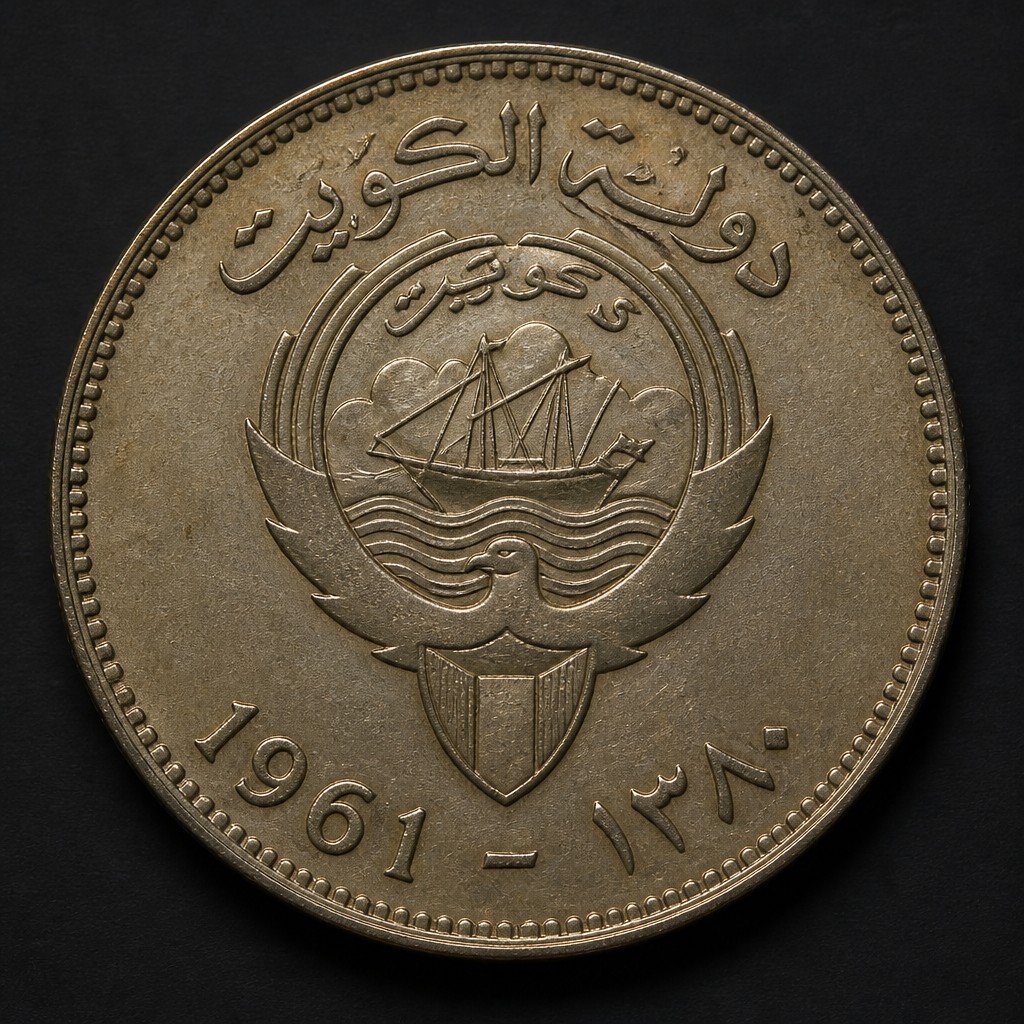
Kuwaiti Fils
1961–present
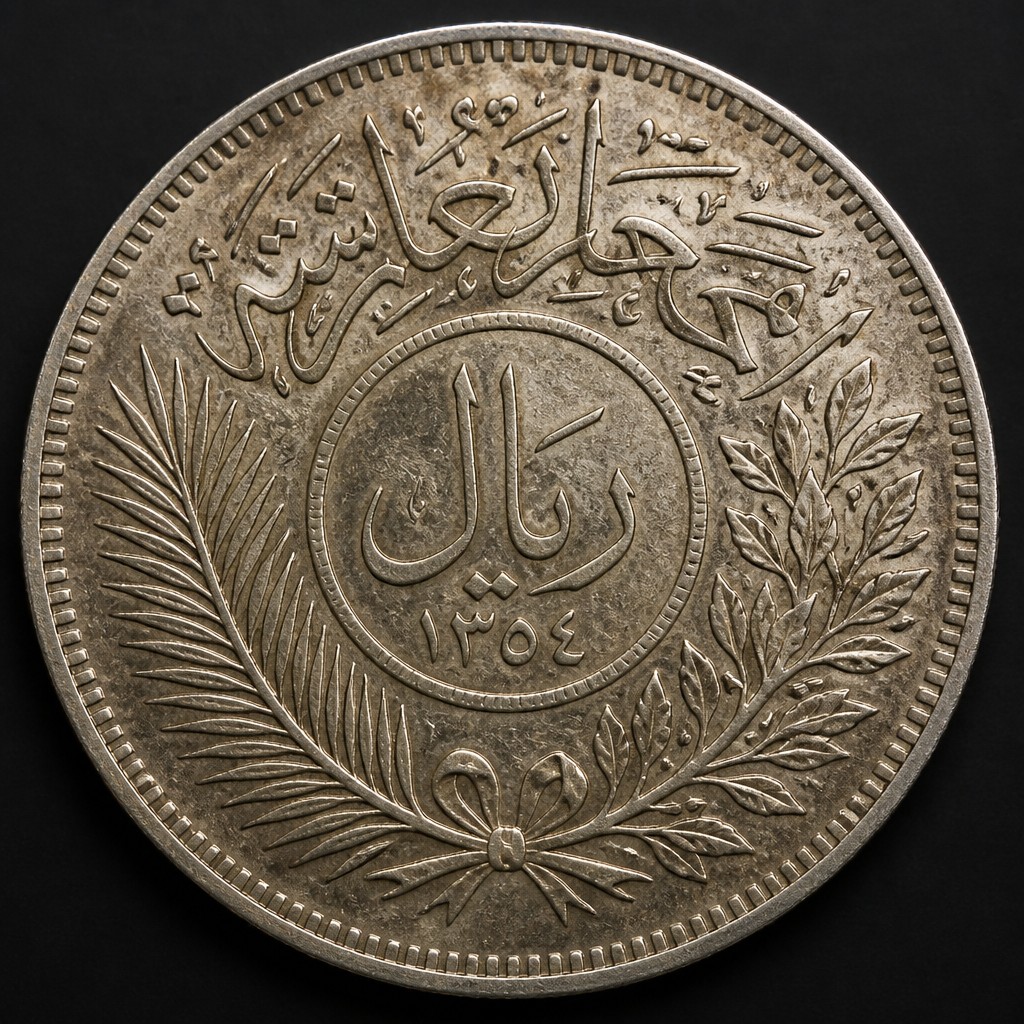
Saudi Arabian Riyal (silver)
1935 (Kingdom-wide standardization) and related issues
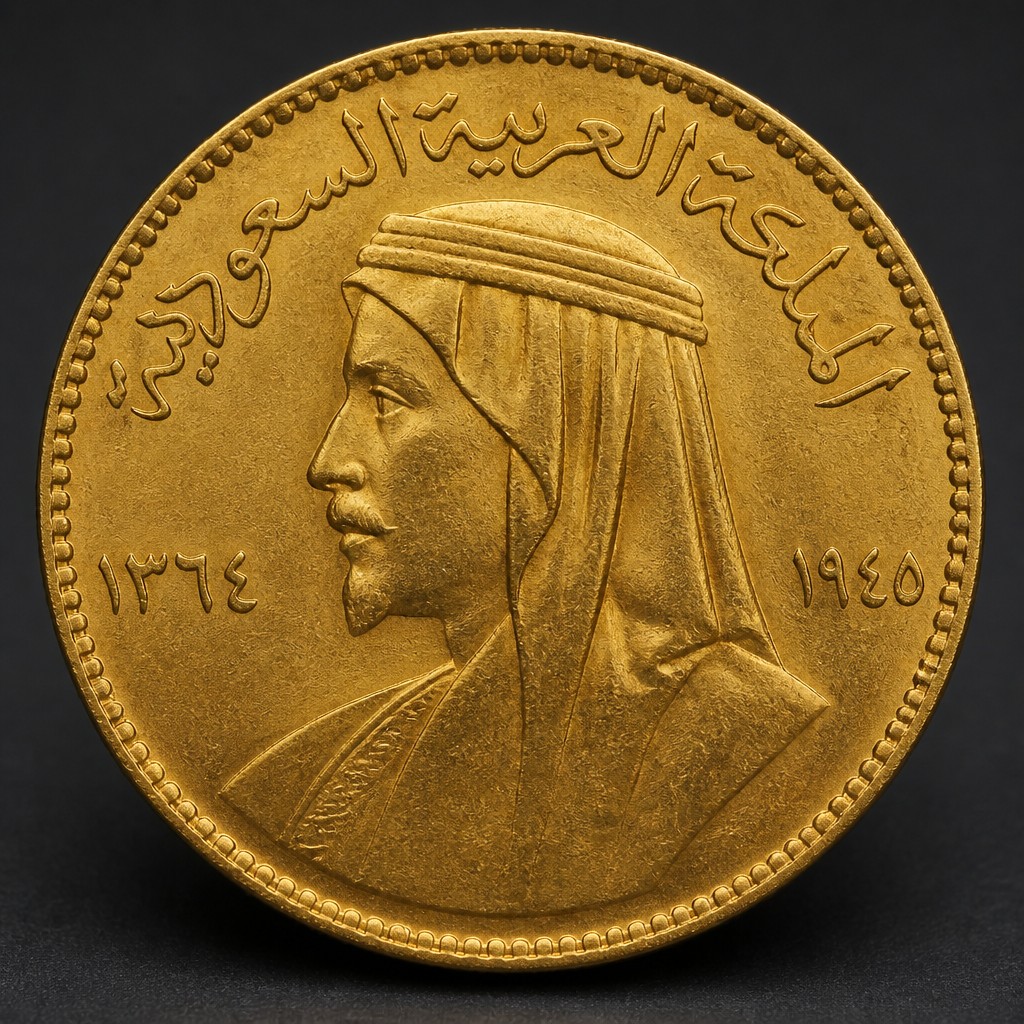
Saudi Arabian Gold Guinea (Sovereign)
1945 and later issues
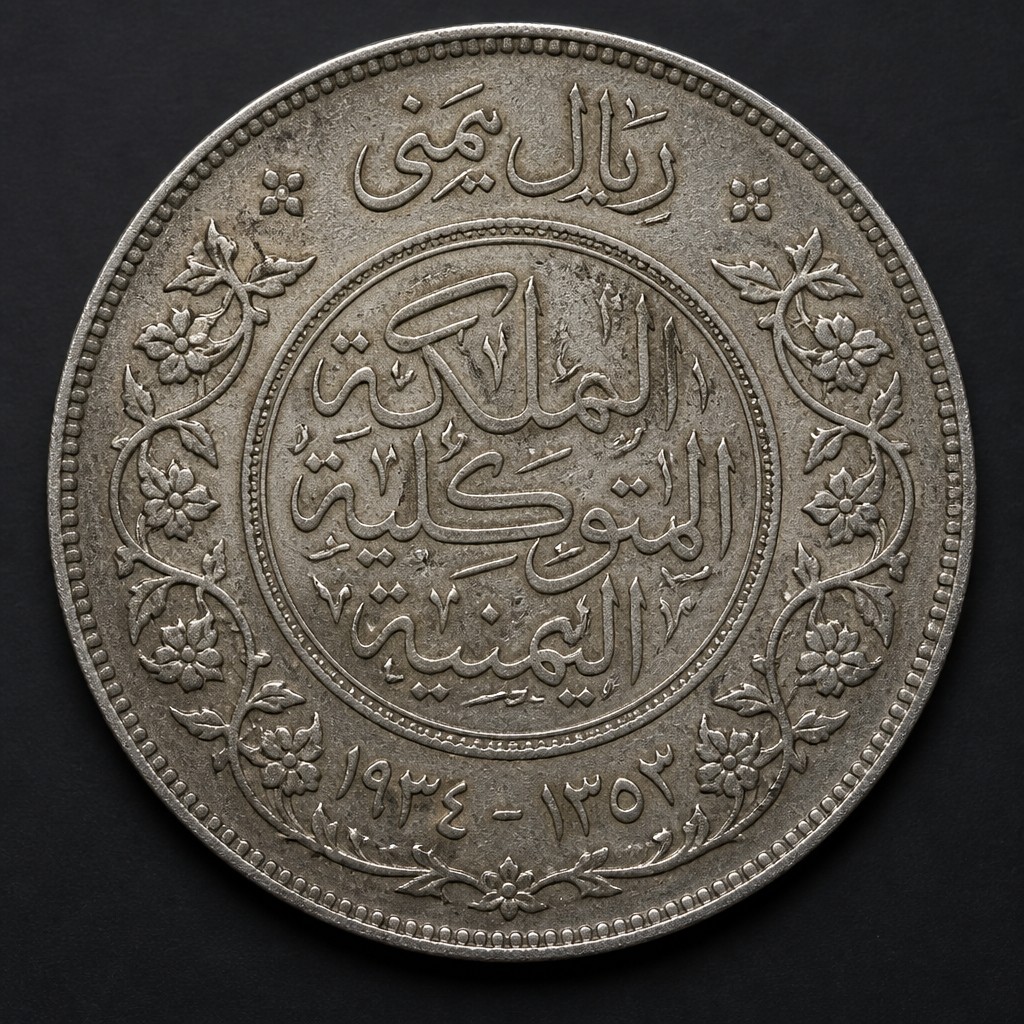
Yemeni Riyal (Ahmadi/Imadi Kingdom Coinage)
Early-to-mid 20th century
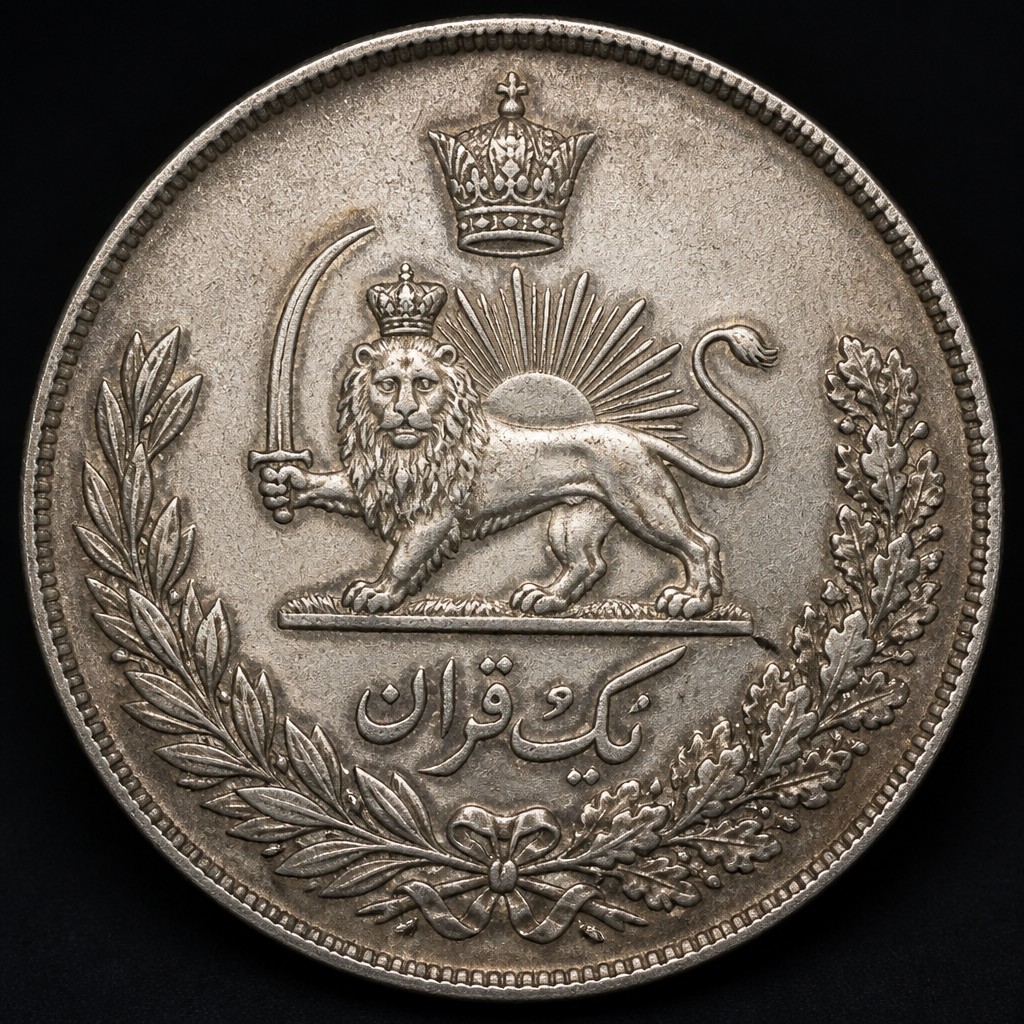
Persian Kran (Qajar silver)
Mid-19th century–1925
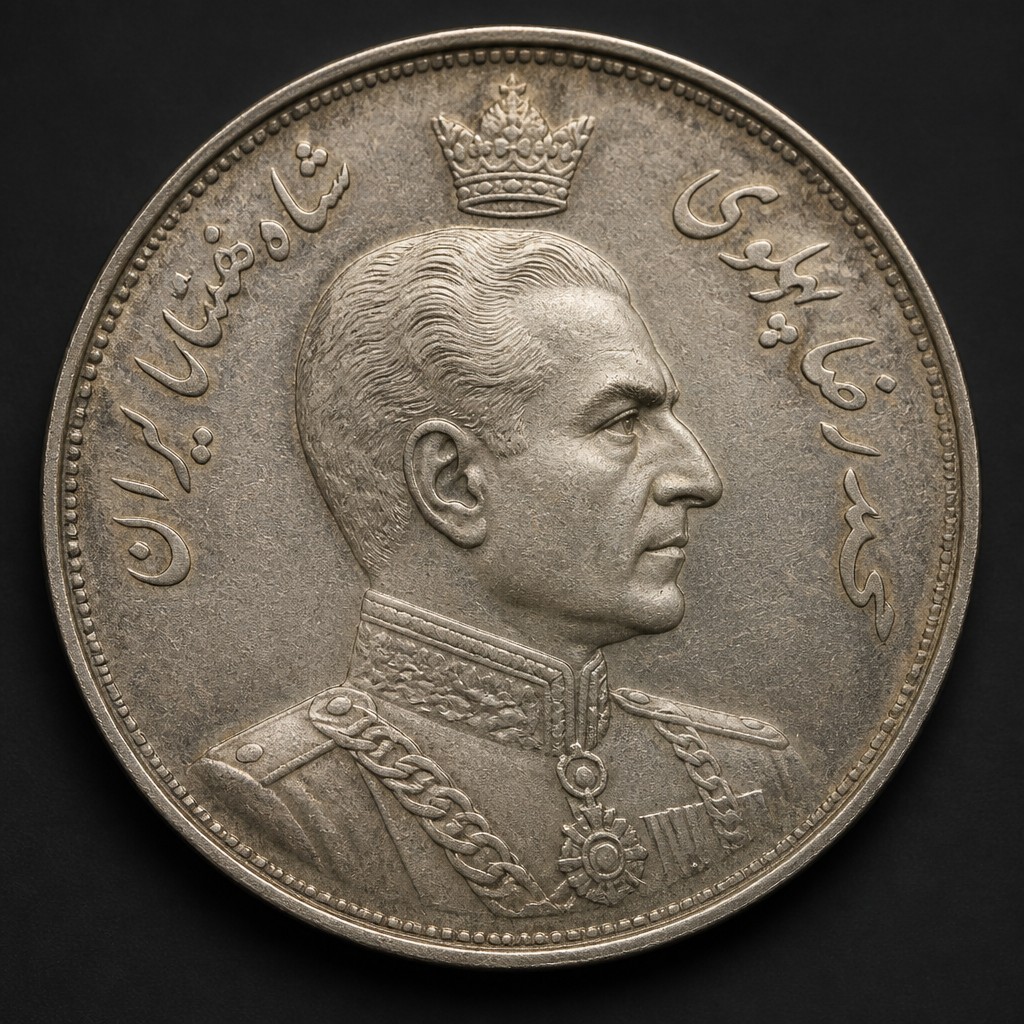
Iranian Rial
1932–present
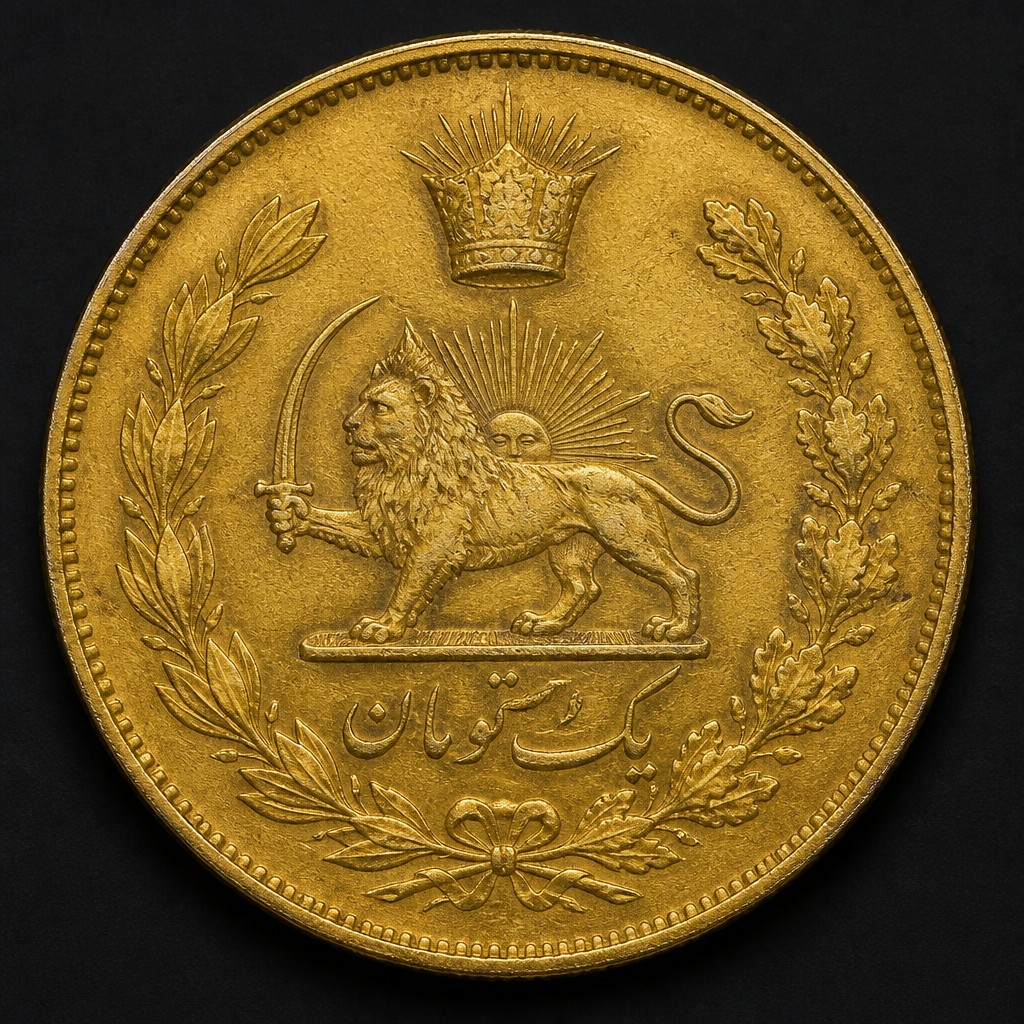
Persian Gold Toman (Qajar)
1796–1925
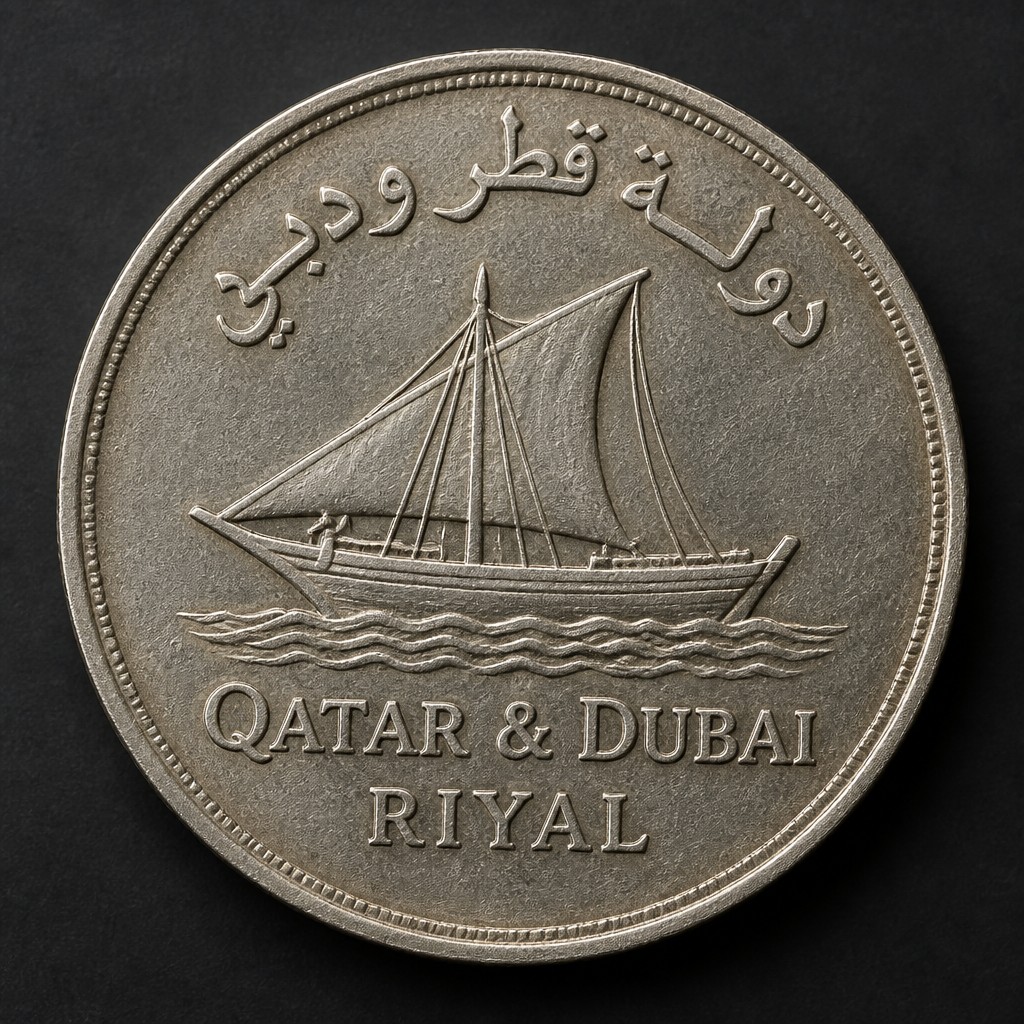
Qatar and Dubai Riyal
1966–1973
British India Rupee (Silver)
1835–1947