
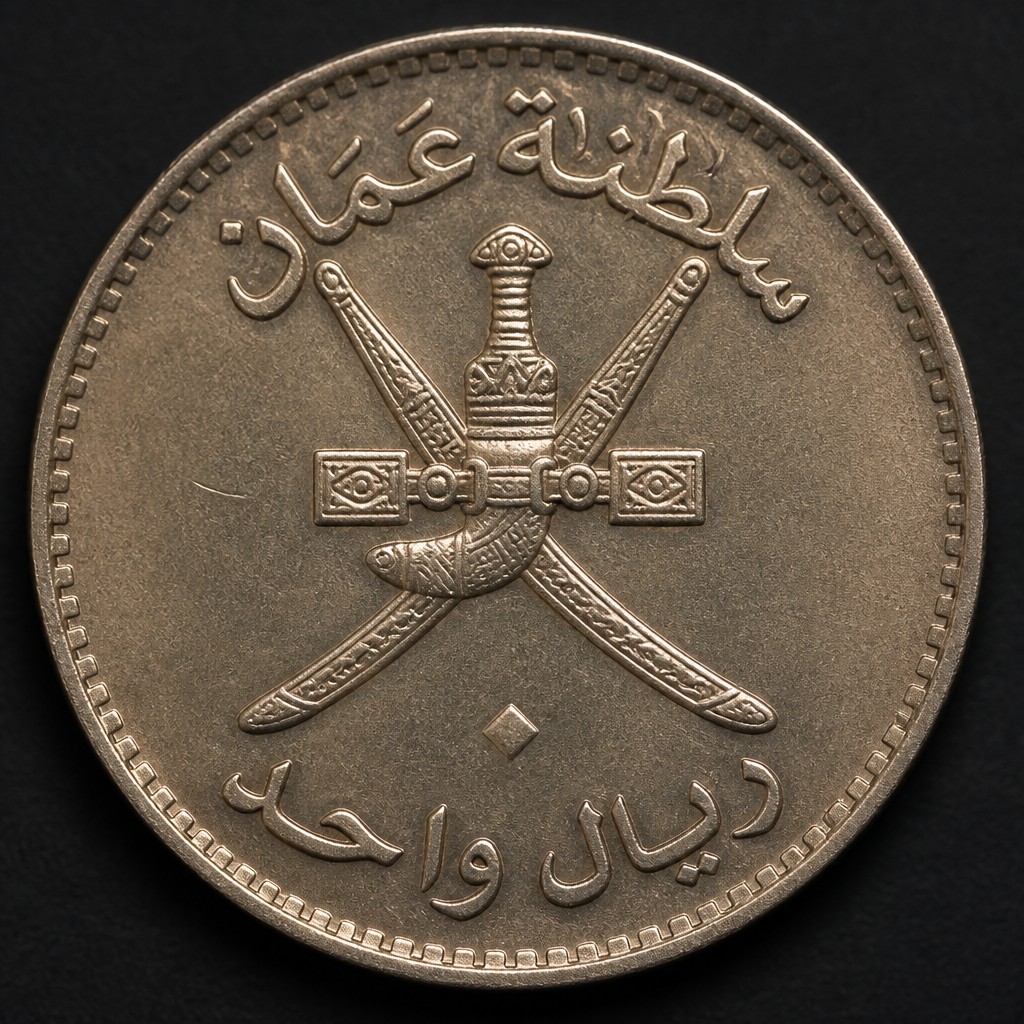
Omani Rial (Baisa Coinage)
Decimal currency of Oman introduced in 1970, dividing the rial into 1,000 baisa and typically featuring the Sultan's portrait and the national khanjar emblem.
- Country
- Oman
- Denomination
- 1 Rial = 1,000 Baisa
- Metal
- Cupro-nickel, bronze, nickel-brass
Got a coin like this?
Identify any coin from a photo, free.
Overview
The Omani rial system was introduced in 1970 as the country modernized under Sultan Qaboos bin Said, replacing the earlier Muscat and Oman rial saidi. Circulating coinage is denominated in baisa, with the rial itself used mainly for banknotes and larger transactions.
Omani coins are notable among Gulf issues for consistently featuring a portrait of the reigning sultan on the obverse alongside the crossed khanjar (curved dagger) national emblem, giving them strong visual identity compared to some neighboring states' more abstract designs.
The coinage has been updated periodically to mark national anniversaries and changes in metal composition, but the overall design language of ruler's portrait paired with the khanjar emblem has remained a consistent hallmark of Omani coinage for decades.
History & Background
Oman's modern coinage dates to 1970, the year Sultan Qaboos bin Said assumed power and began a rapid program of modernization after decades of isolation under his father, Sultan Said bin Taimur. The new Omani rial, divided into 1,000 baisa, replaced the previous Muscat and Oman rial saidi and was issued alongside a wholesale reform of the country's monetary and administrative institutions.
Coinage has been struck under the authority of the Central Bank of Oman (previously the Oman Currency Board) at various contract mints, with denominations commonly including 5, 10, 25, 50, and 100 baisa pieces. Commemorative issues have marked national days, jubilees of Sultan Qaboos's reign, and other state occasions.
Following Sultan Qaboos's death in 2020 and the accession of Sultan Haitham bin Tariq, later coinage series have begun updating the obverse portrait, continuing the tradition of tying Omani coin design closely to the reigning monarch.
How to Identify
The obverse of most Omani baisa coins bears a portrait of the sultan in profile or three-quarter view along with Arabic titles, while the reverse typically shows the national emblem of two crossed khanjars over a sword belt, or the denomination in Arabic and Western numerals with English text naming the Sultanate of Oman.
Coins increase in size and change in metal color as denomination rises, from small bronze-toned low baisa values to larger nickel-brass or bimetallic higher values in more recent series. Edges range from plain to reeded depending on denomination, and mint dates appear in the Gregorian calendar alongside Arabic script.
Because the sultan's portrait style was updated over the decades of Qaboos's long reign, and again after 2020, comparing the portrait's style and the exact wording of the Arabic legend is the fastest way to place an Omani coin into its correct issue period.
Value & Collectibility
Most circulated Omani baisa coins are common and inexpensive, since large volumes were struck for everyday use throughout Sultan Qaboos's fifty-year reign. Value is driven mainly by condition, with uncirculated or proof examples commanding modest premiums over worn circulation pieces.
Commemorative issues tied to national day anniversaries, jubilee years, or historical milestones tend to be more collectible than standard baisa coinage, and any silver or gold commemorative rial coins carry additional value from precious metal content and lower mintages.
Overall, everyday baisa coins typically sell for a few dollars or less in worn grades, while special commemorative and precious-metal issues can range considerably higher depending on rarity and demand among Gulf coinage specialists.
Frequently asked questions
What replaced Oman's earlier currency in 1970?
The Omani rial, divided into 1,000 baisa, replaced the Muscat and Oman rial saidi as the country modernized under Sultan Qaboos.
What symbol appears on Omani coins besides the sultan?
The national emblem of two crossed khanjars (curved daggers) over a belt is a standard reverse feature.
Did the portrait change after Sultan Qaboos died?
Yes, later coinage began featuring his successor, Sultan Haitham bin Tariq, continuing Oman's tradition of ruler portraits on coinage.
Are Omani baisa coins rare?
Most standard circulation baisa coins are common; rarer value comes from commemorative or precious-metal issues.
Other coins you may enjoy
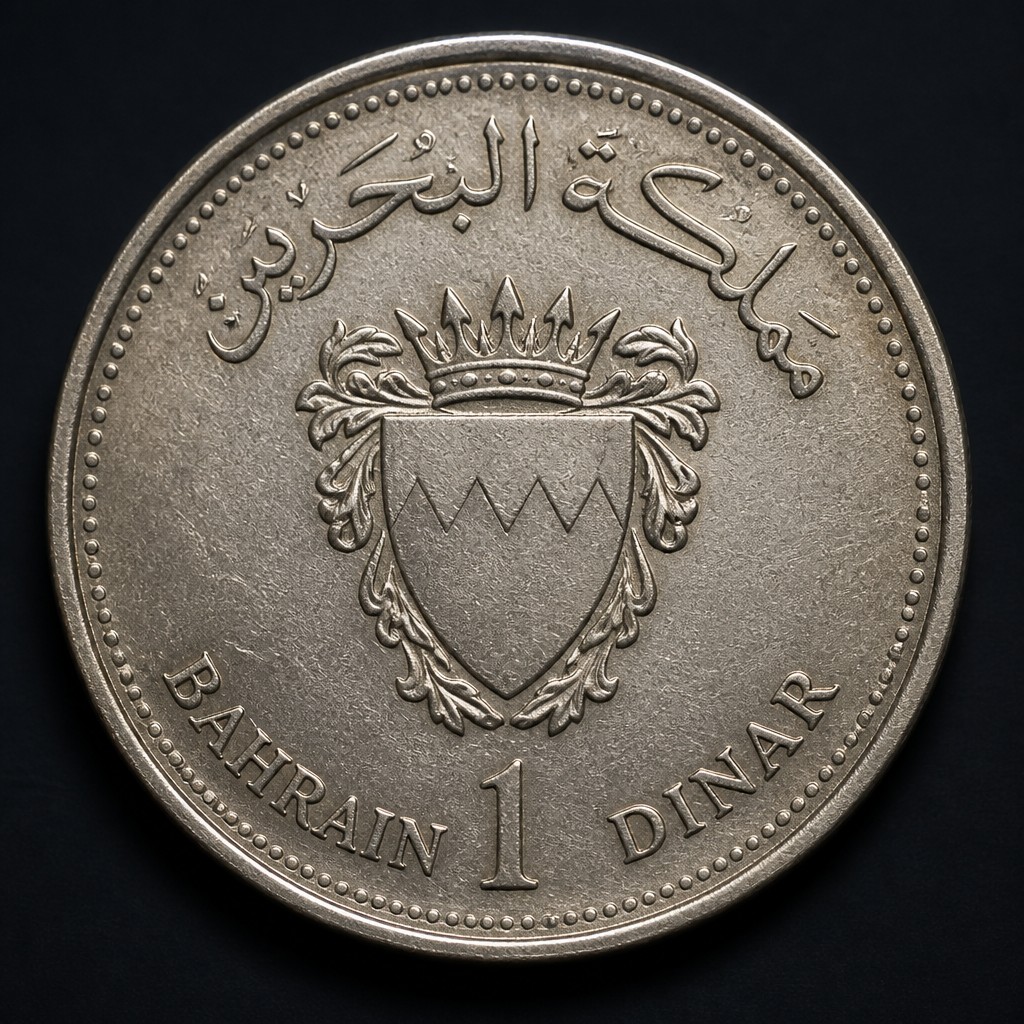
Bahraini Dinar
1965–present
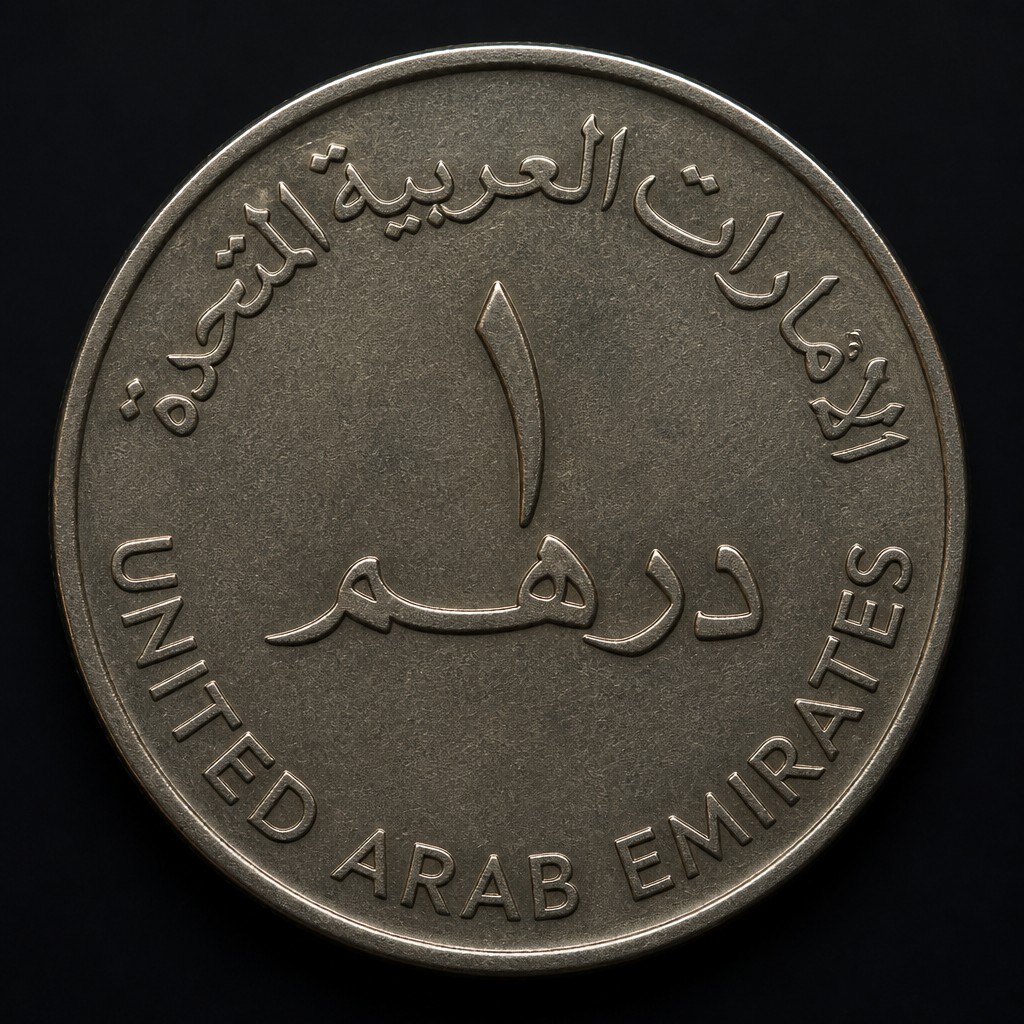
United Arab Emirates Dirham
1973–present
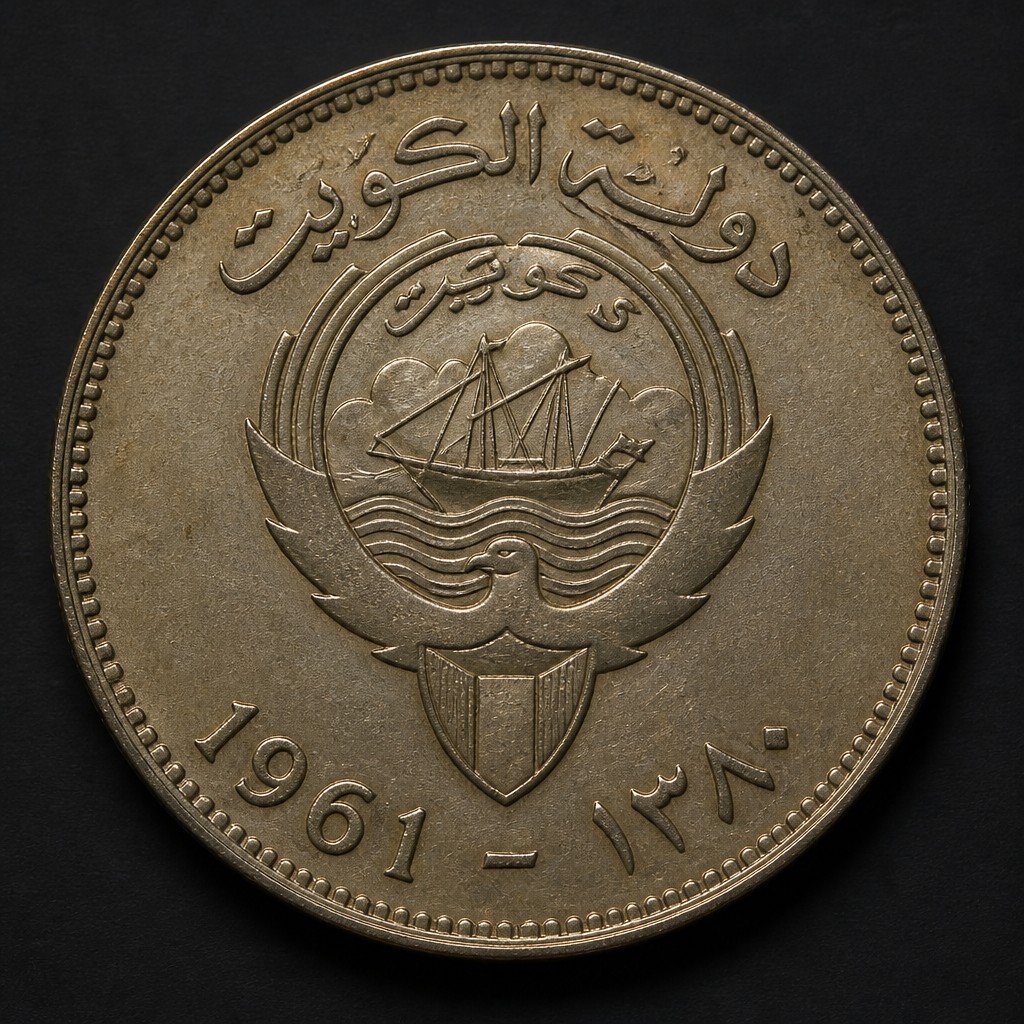
Kuwaiti Fils
1961–present
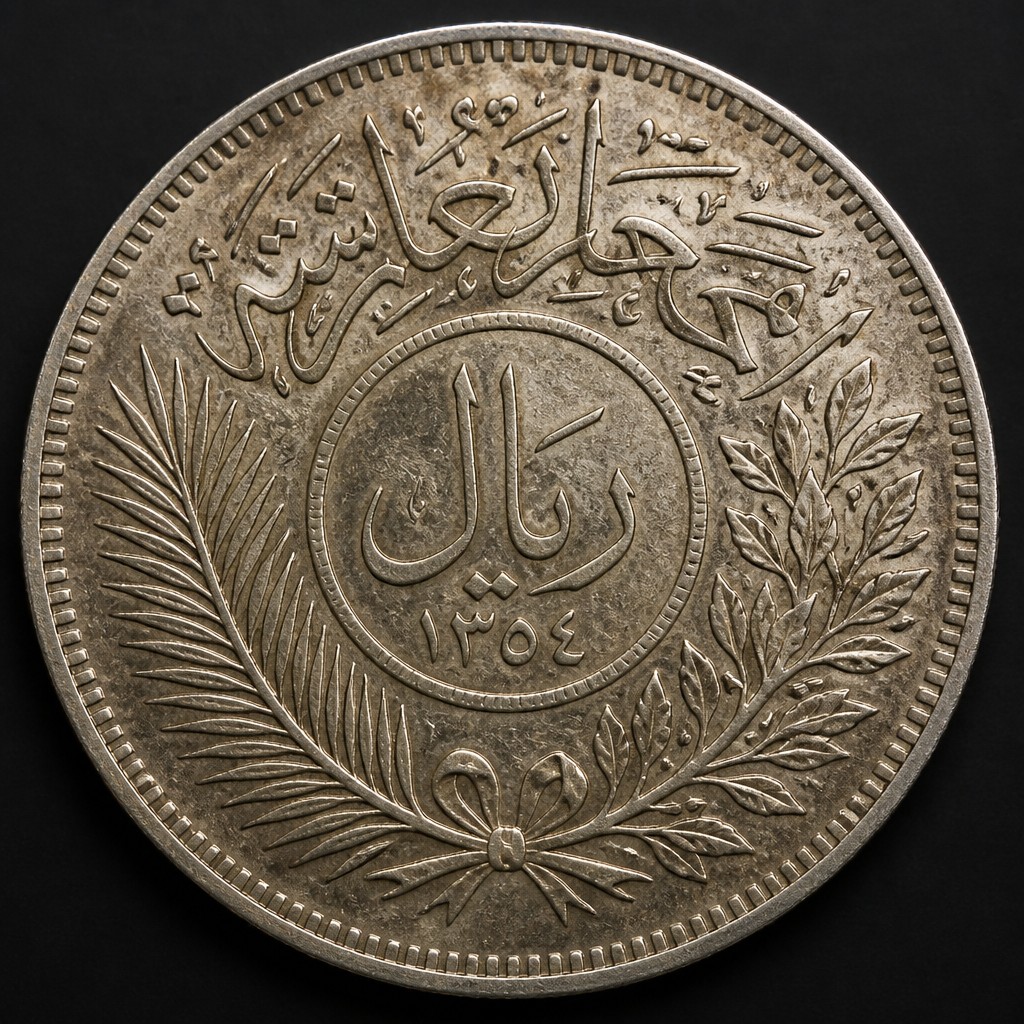
Saudi Arabian Riyal (silver)
1935 (Kingdom-wide standardization) and related issues
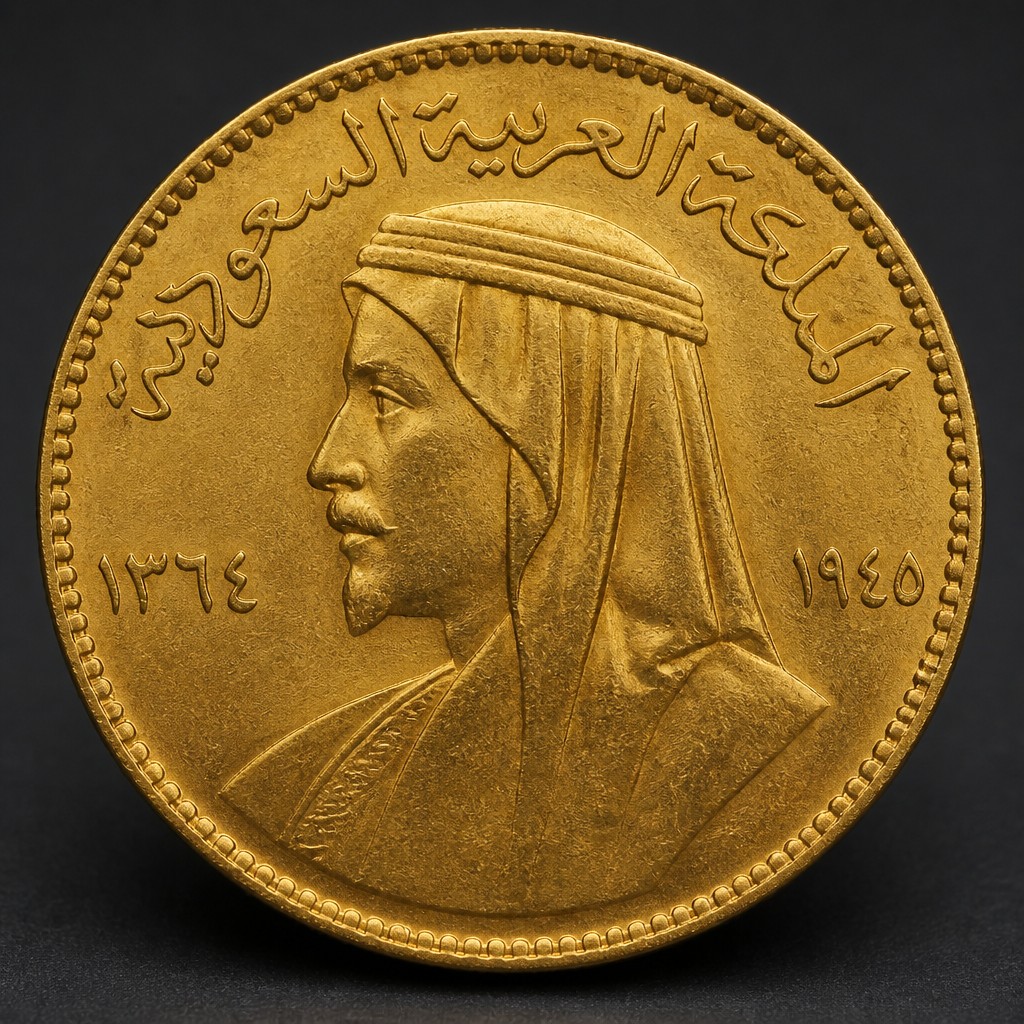
Saudi Arabian Gold Guinea (Sovereign)
1945 and later issues
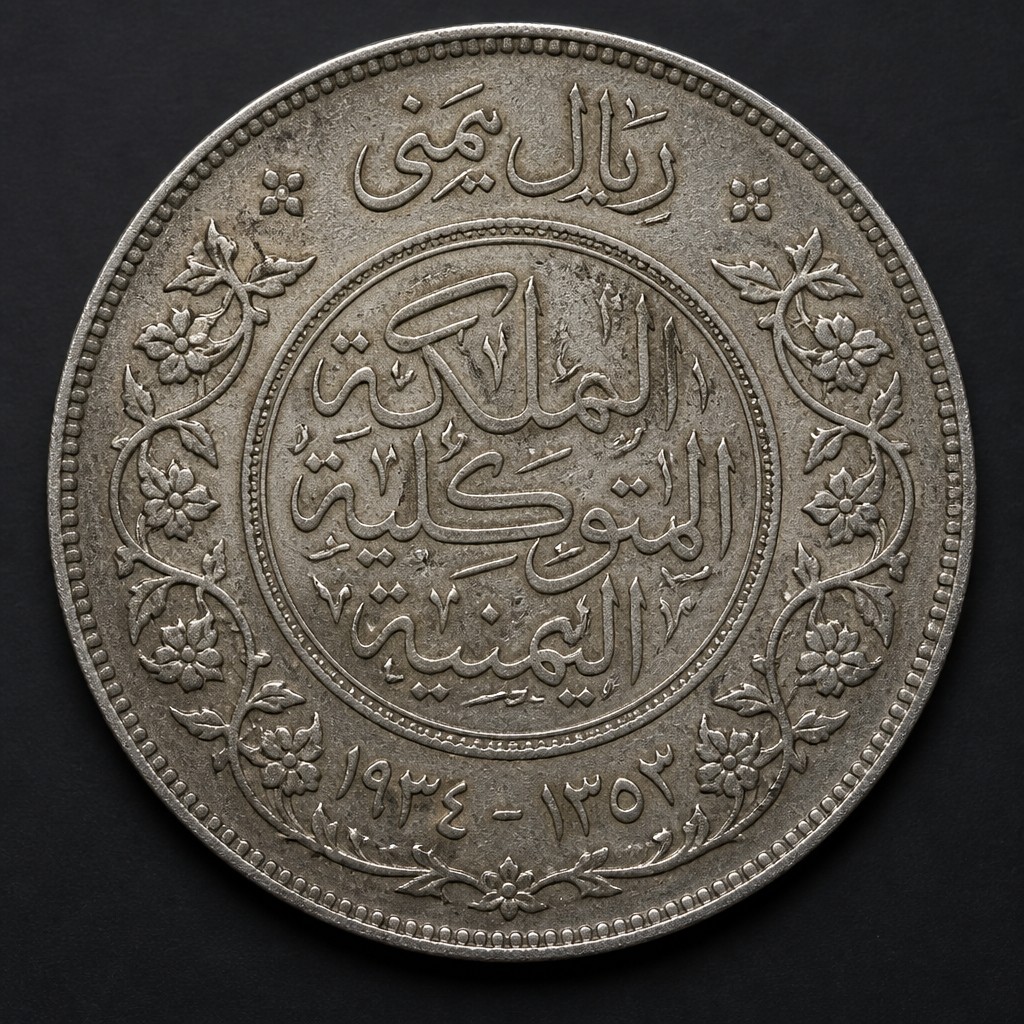
Yemeni Riyal (Ahmadi/Imadi Kingdom Coinage)
Early-to-mid 20th century
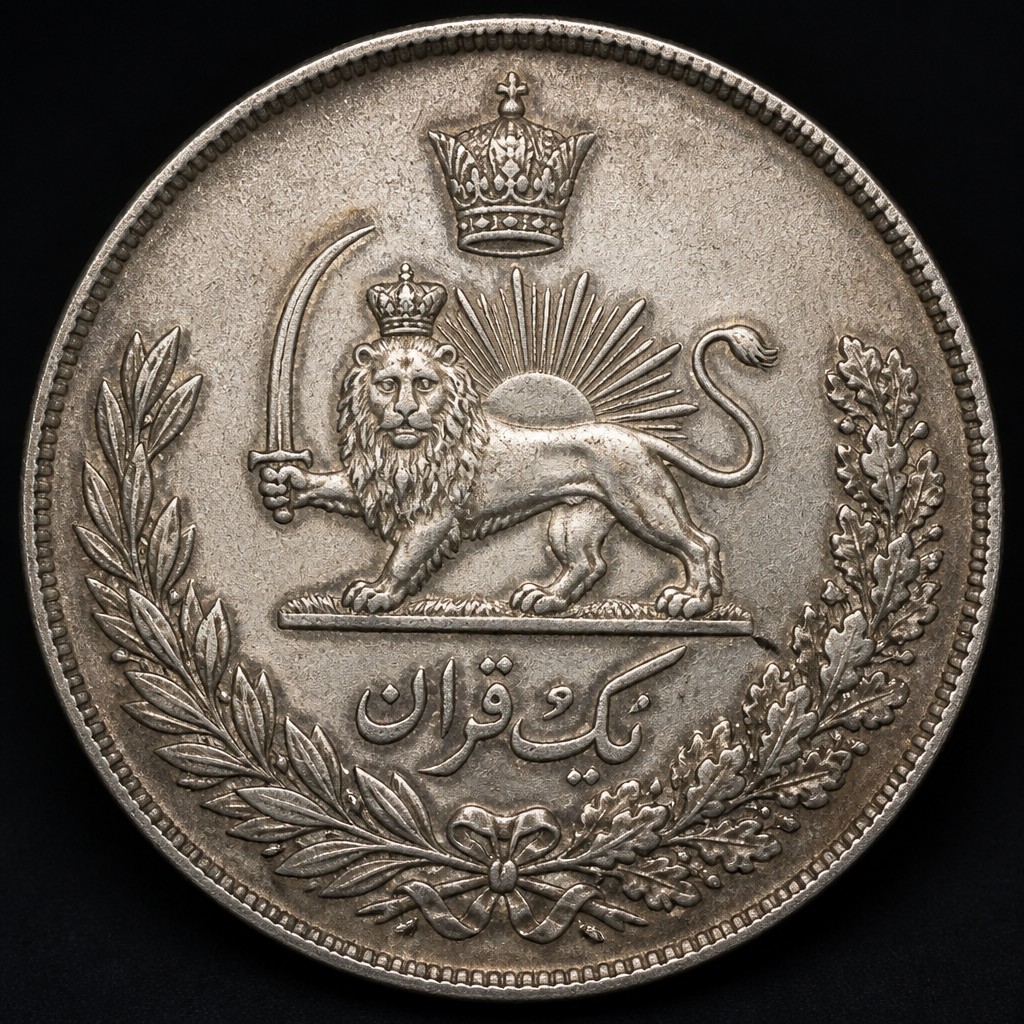
Persian Kran (Qajar silver)
Mid-19th century–1925
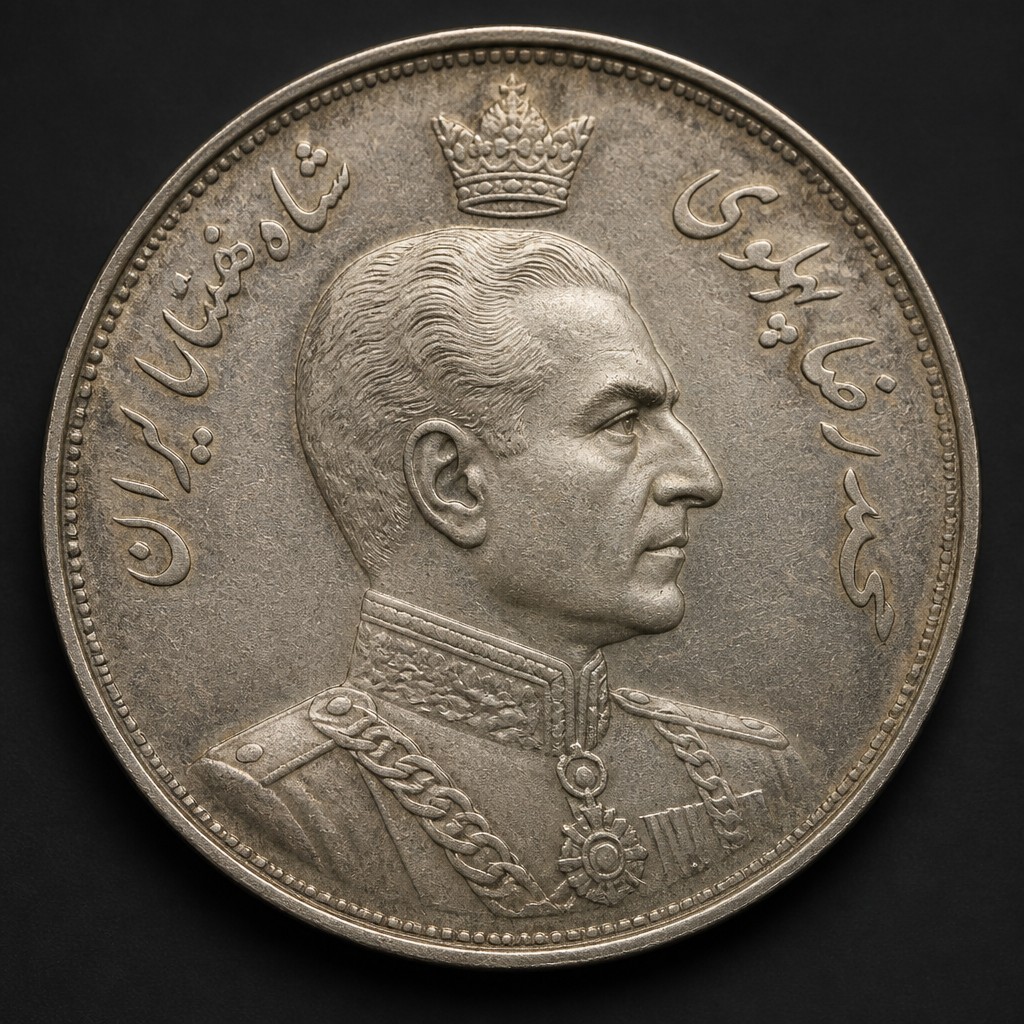
Iranian Rial
1932–present
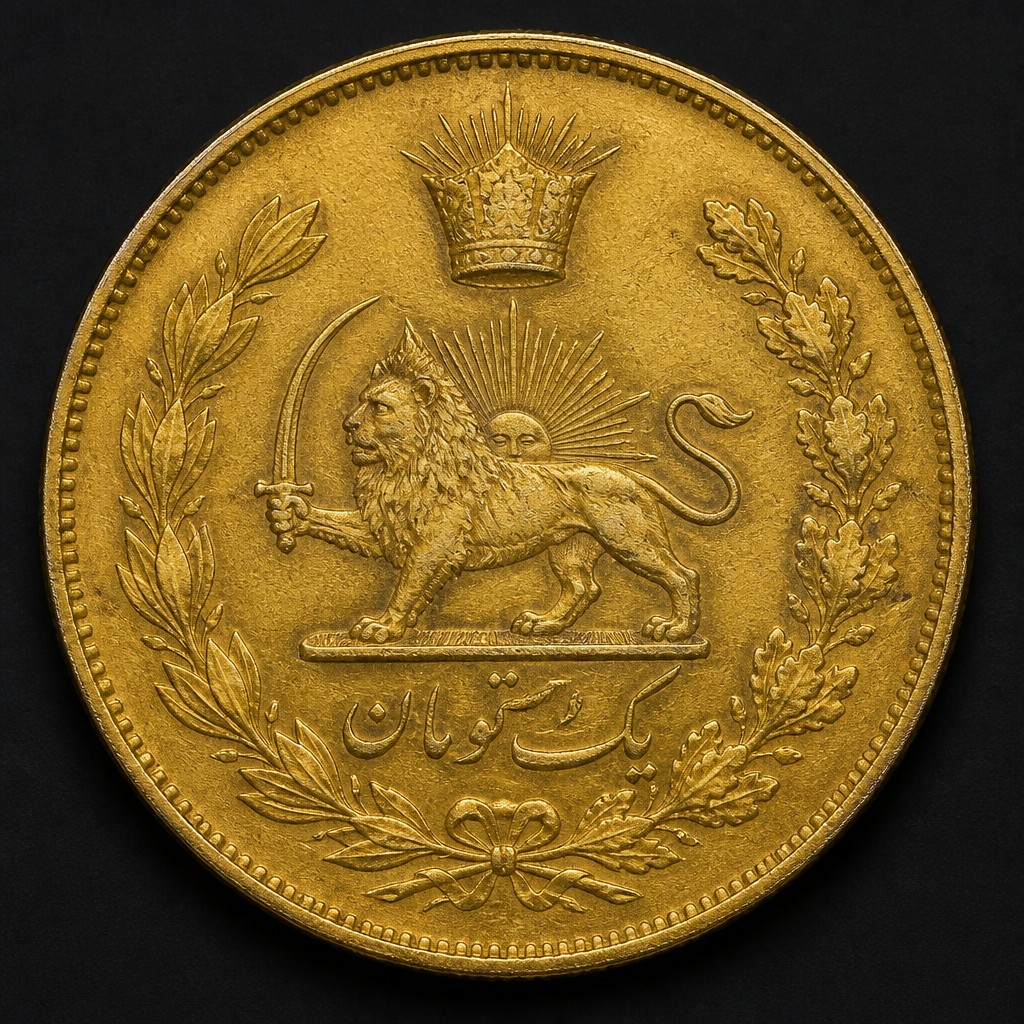
Persian Gold Toman (Qajar)
1796–1925
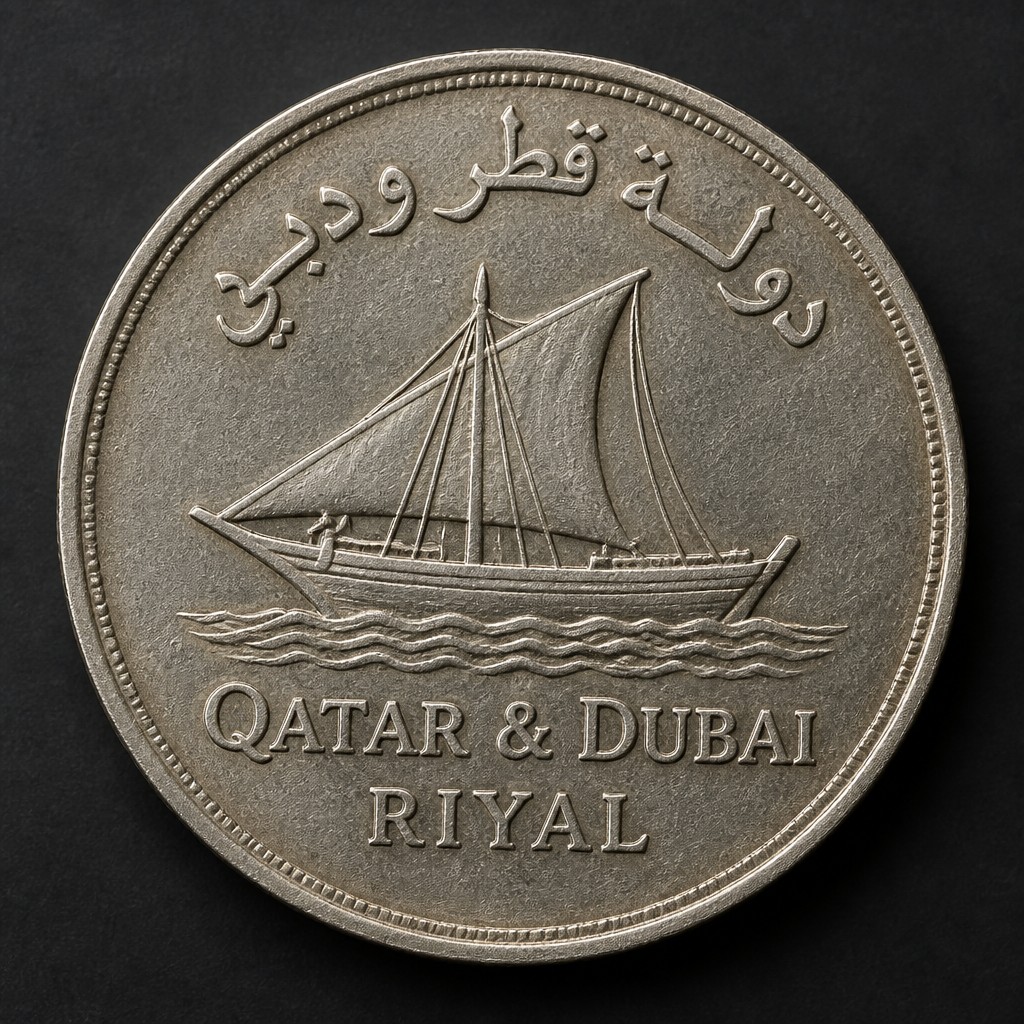
Qatar and Dubai Riyal
1966–1973
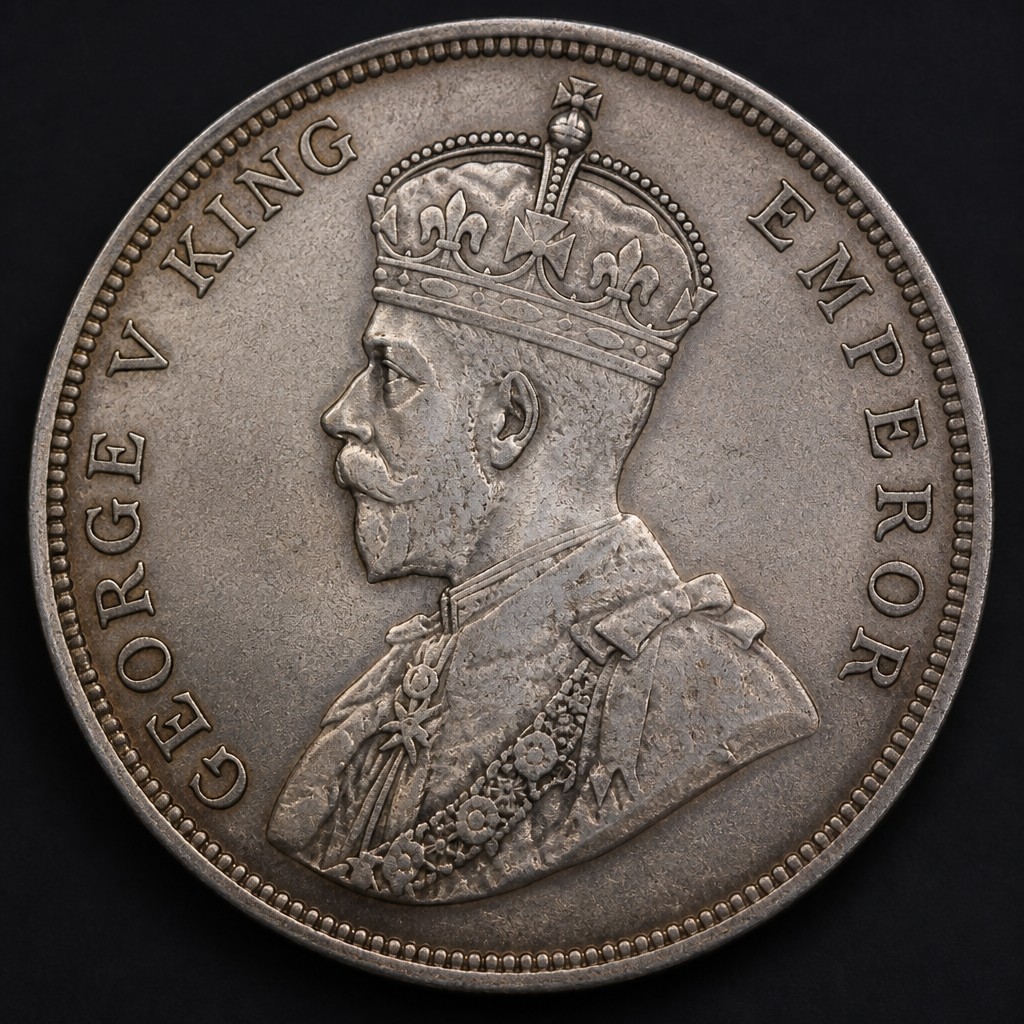
British India Rupee (Silver)
1835–1947
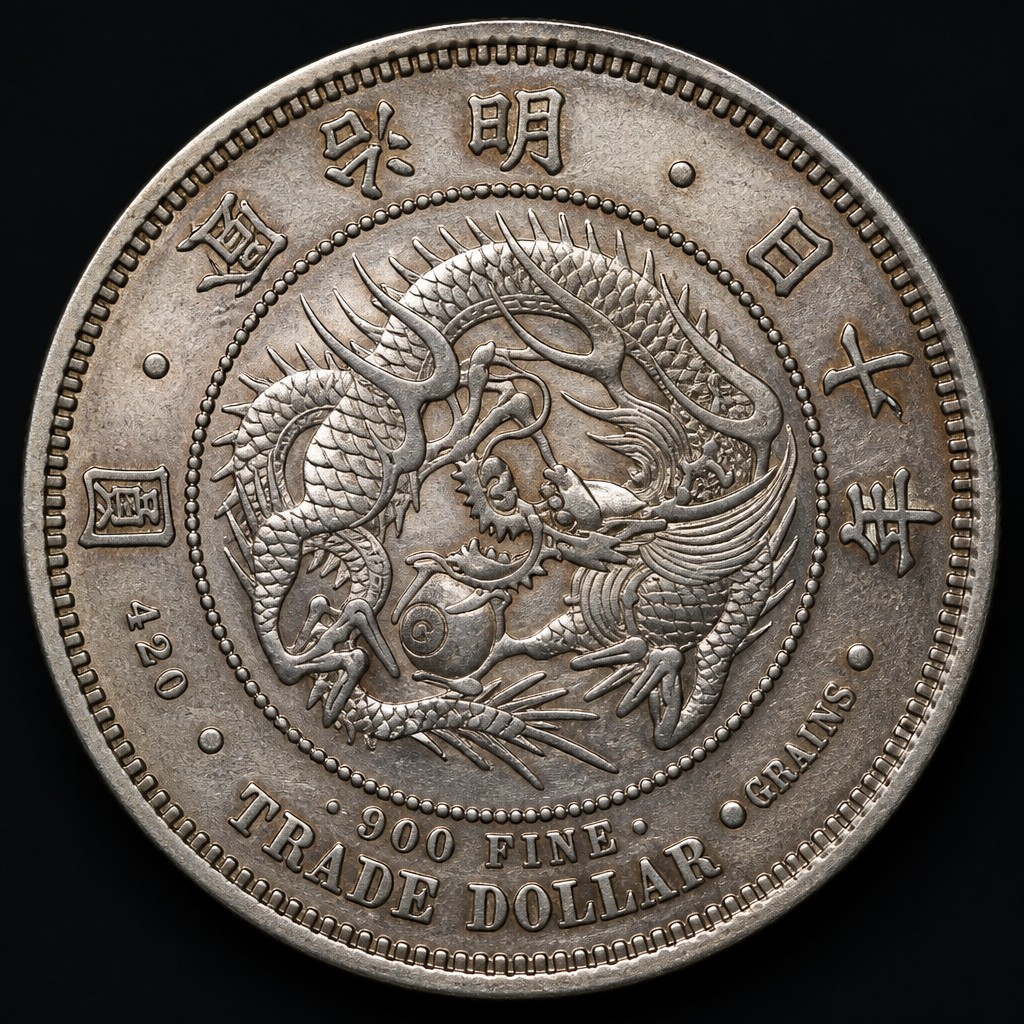
Japanese Trade Dollar
1875-1878 (Meiji 8-11)