
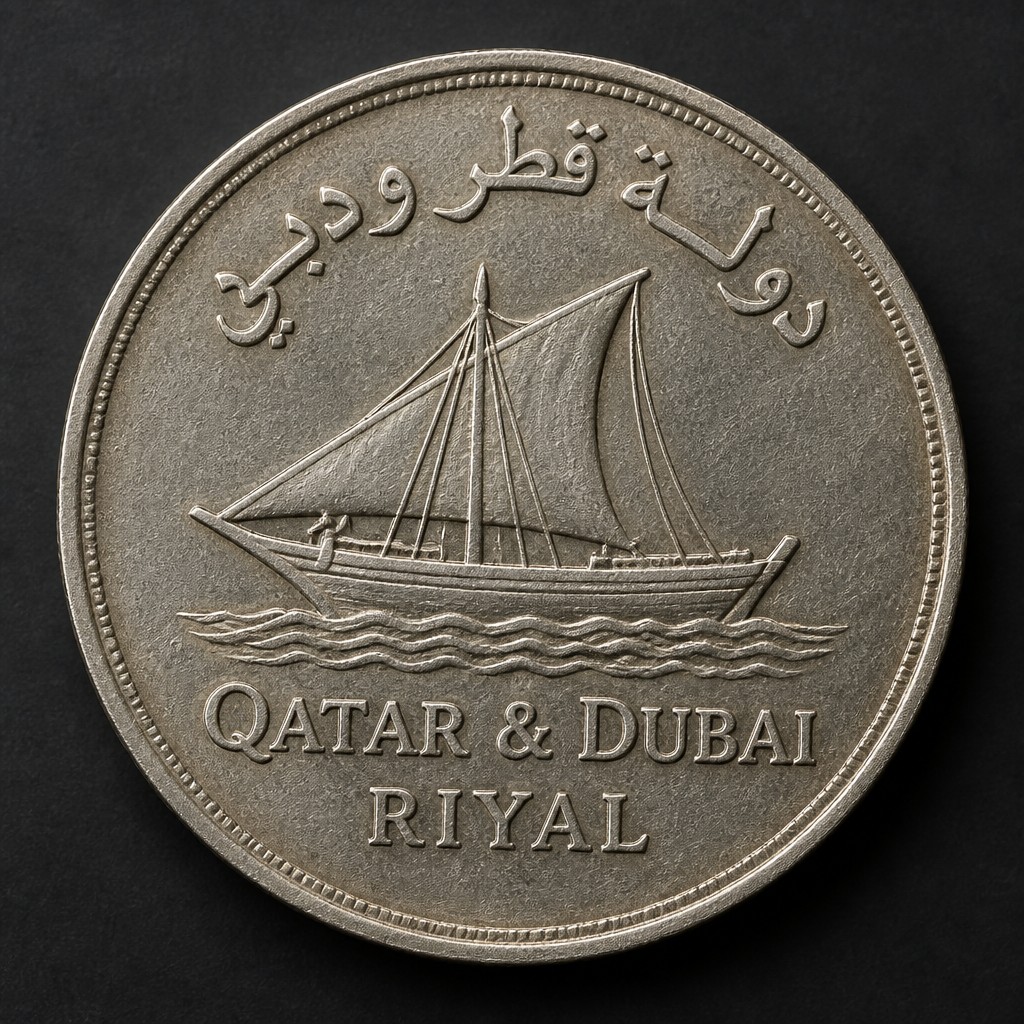
Qatar and Dubai Riyal
A short-lived joint currency issued for Qatar and Dubai between 1966 and 1973, created to replace the Gulf Rupee and used until each formed its own separate national currency.
- Country
- Qatar and Dubai (Trucial States)
- Denomination
- 1 Riyal (100 Dirhams) and subdivisions
- Metal
- Cupro-nickel and other base metals; some silver in early issues
Got a coin like this?
Identify any coin from a photo, free.
Overview
The Qatar and Dubai riyal was a shared currency introduced in 1966 by the Qatar and Dubai Currency Board to serve both Qatar and the emirate of Dubai (then part of the Trucial States, a group of British-protected sheikhdoms in the Gulf) after they broke away from the Gulf Rupee monetary zone. It represented a distinct and relatively short chapter in Gulf monetary history, bridging the end of the Gulf Rupee era and the eventual establishment of fully separate national currencies for Qatar and the United Arab Emirates.
The currency divided the riyal into 100 dirhams, a naming convention that foreshadowed the later UAE dirham, and coins were issued in several small denominations for everyday transactions across both territories during this brief joint-currency period.
Because this currency circulated for less than a decade before both Qatar and Dubai (as part of the newly formed United Arab Emirates) moved to their own separate currencies, the coins are a comparatively short and specialized series of interest primarily to collectors of Gulf Arab numismatics.
History & Background
Through the mid-20th century, the Indian-issued Gulf Rupee had served as the common currency across several Gulf sheikhdoms, including Qatar and the Trucial States (of which Dubai was one), reflecting long-standing trade ties with British India. Devaluation of the Indian rupee in 1966 prompted several Gulf states to seek monetary independence from the Gulf Rupee system, leading Qatar and Dubai to jointly establish the Qatar and Dubai Currency Board and introduce their own shared riyal that same year.
This joint currency served both territories through a period of significant political change in the region, including the winding down of British protection over the Gulf sheikhdoms by the early 1970s. Qatar became a fully independent state in 1971, while Dubai joined several neighboring emirates to form the United Arab Emirates that same year.
The short-lived joint riyal gave way to separate national currencies shortly afterward: Qatar introduced its own Qatari riyal, and the newly formed United Arab Emirates (which included Dubai) eventually adopted the UAE dirham, both replacing the Qatar and Dubai riyal by 1973 and closing out this brief transitional currency's active circulation.
How to Identify
Coins of the Qatar and Dubai riyal system generally carry Arabic inscriptions naming the issuing currency board, the denomination in dirhams (the fractional unit, with 100 dirhams equal to 1 riyal), and the Gregorian or Islamic Hijri date, without any ruler portrait, in keeping with regional numismatic convention of the period. Designs are relatively plain and functional compared to some other Gulf coinages, reflecting the currency's role as a practical transitional medium of exchange.
Denominations were issued in small dirham fractions suited to everyday low-value transactions, generally struck in base metals such as cupro-nickel, and the coins are comparatively modest in size consistent with their role as everyday small change rather than prestige or presentation pieces.
Because this currency was used for such a short window (1966 to 1973) and later replaced by the separate Qatari riyal and UAE dirham systems, coins of this type are identified mainly by their explicit inscription naming the joint Qatar and Dubai Currency Board, distinguishing them clearly from the region's later independent national currencies.
Value & Collectibility
As a short-lived transitional currency, coins of the Qatar and Dubai riyal system are of specialized interest primarily to collectors focused on Gulf Arab numismatic history, and pricing reflects that relatively narrow but dedicated demand. Common circulated examples of lower denominations are generally modestly priced, while well-preserved uncirculated pieces or scarcer denominations from the short production run can command a more meaningful premium.
Because the series was only issued for a few years before being replaced, overall survival numbers are smaller than for longer-running Gulf currencies, giving certain pieces a niche collectibility that specialists in the region's transitional 1960s-1970s coinages particularly value.
Frequently asked questions
Why did Qatar and Dubai share a single currency?
After the 1966 Indian rupee devaluation disrupted the Gulf Rupee system that both territories had used, Qatar and Dubai jointly established a new currency board and shared riyal to gain monetary independence together.
How long was the Qatar and Dubai riyal used?
It circulated from its introduction in 1966 until around 1973, when it was replaced by the separate Qatari riyal and the UAE dirham following each territory's political changes.
How many dirhams made up one Qatar and Dubai riyal?
One hundred dirhams equaled one riyal under this currency system, a structure that influenced the later UAE dirham naming convention.
Why did this currency stop being used?
Qatar became independent in 1971 and later introduced its own riyal, while Dubai joined the newly formed United Arab Emirates, which adopted the UAE dirham, together making the joint currency unnecessary by 1973.
Other coins you may enjoy
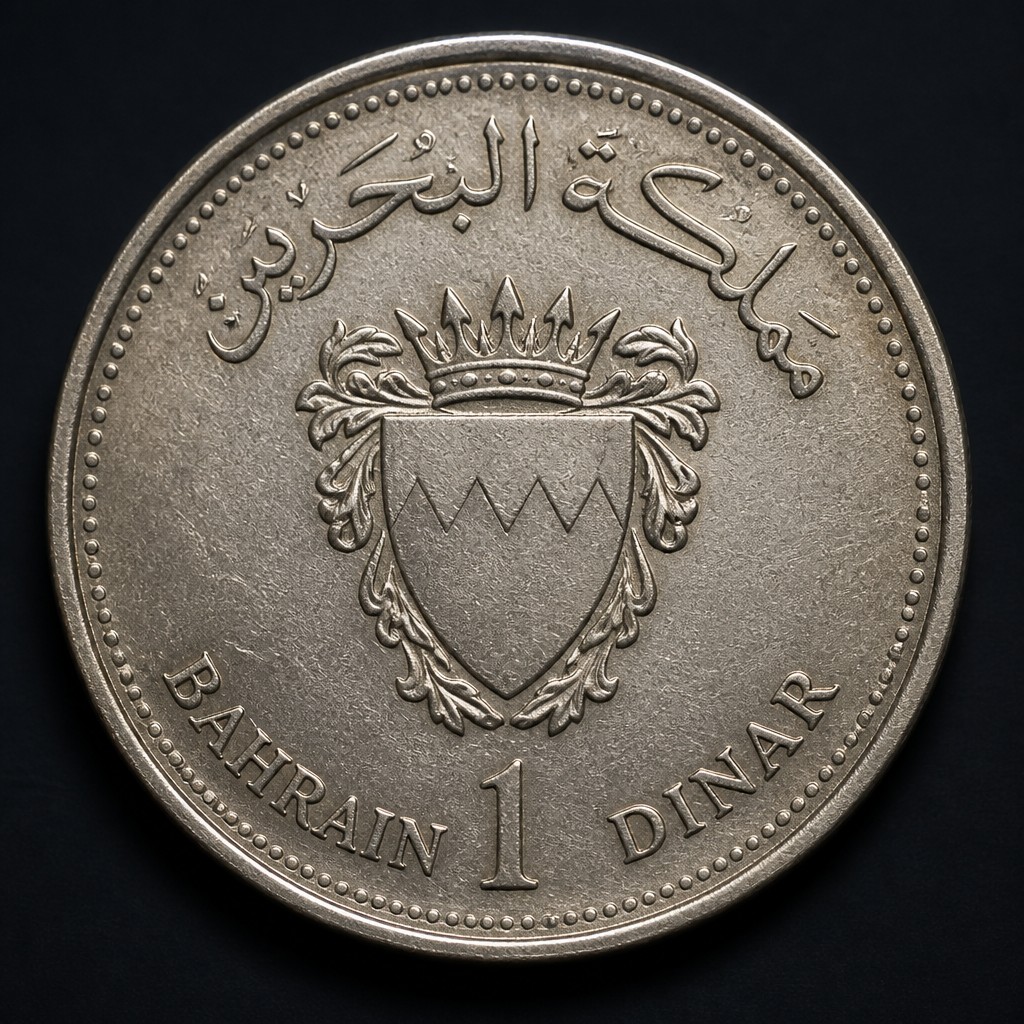
Bahraini Dinar
1965–present
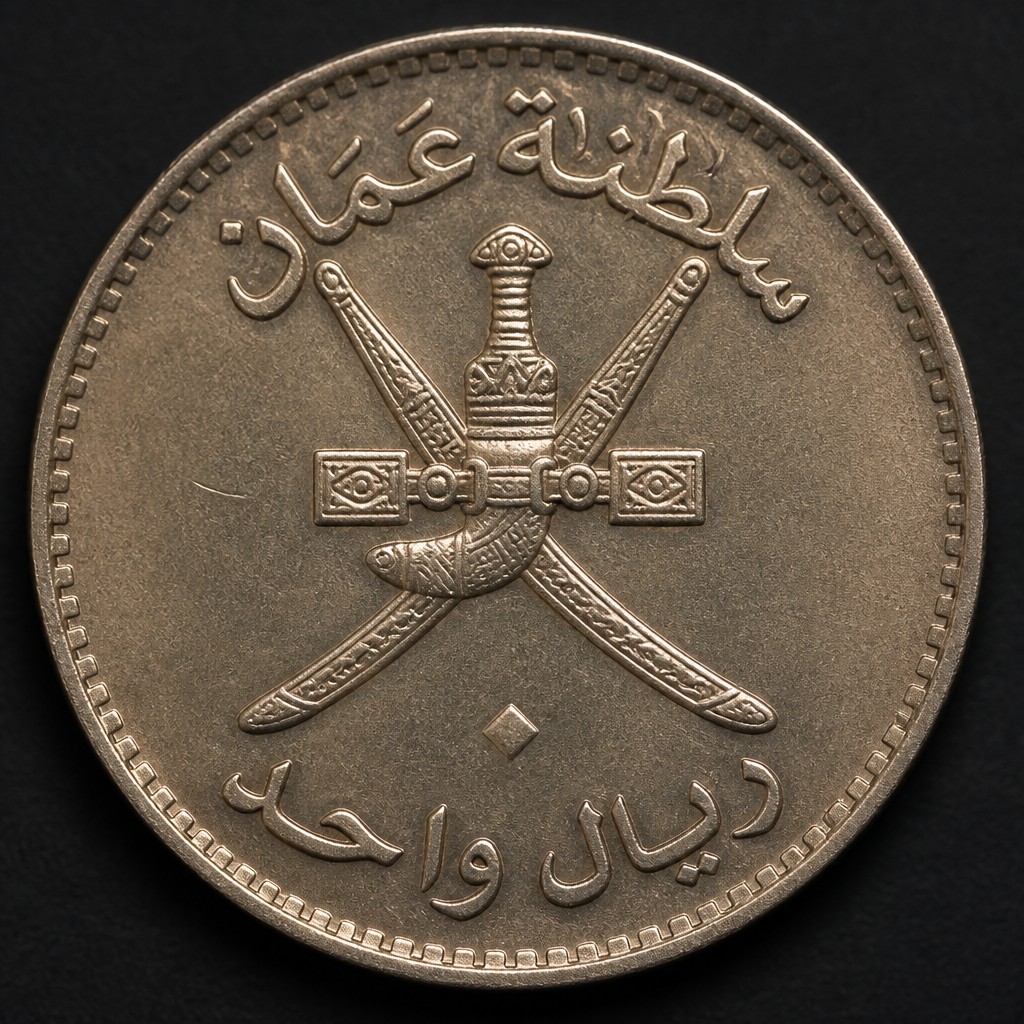
Omani Rial (Baisa Coinage)
1970–present
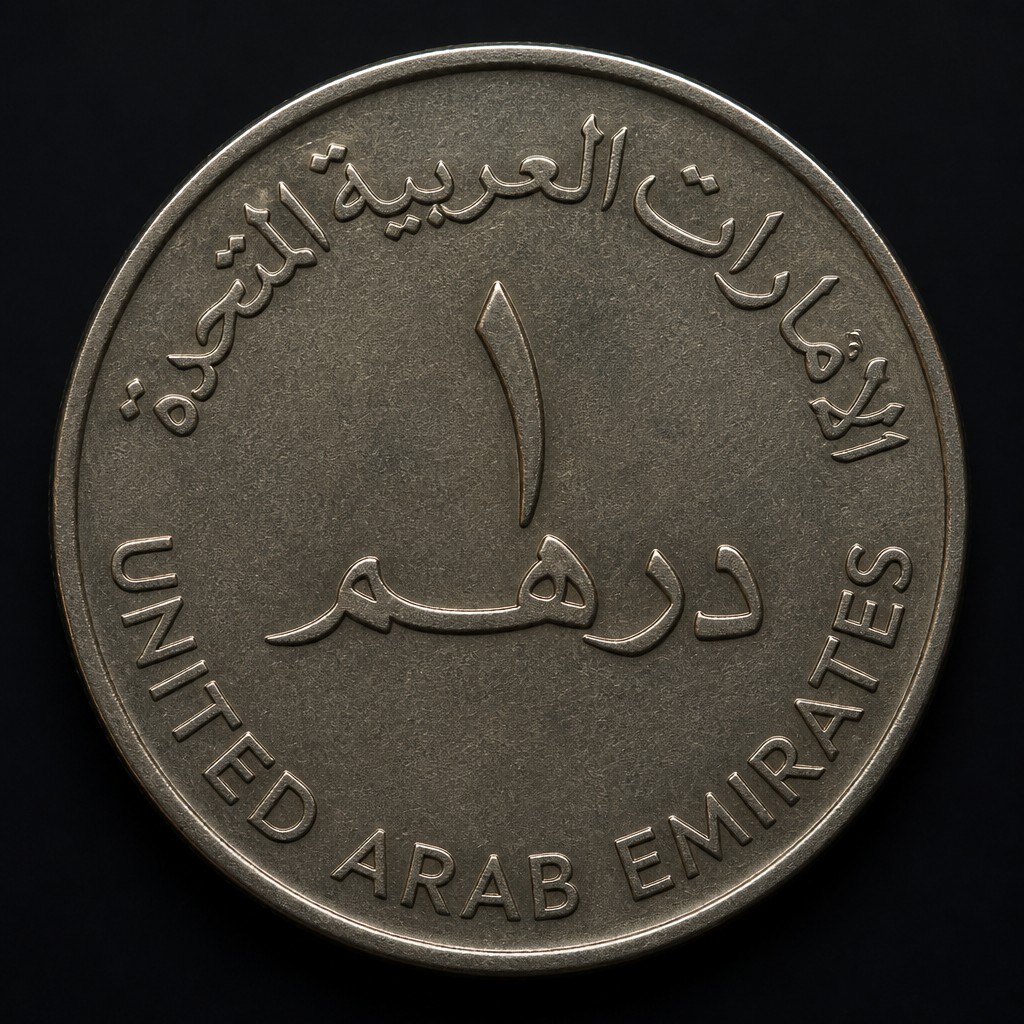
United Arab Emirates Dirham
1973–present
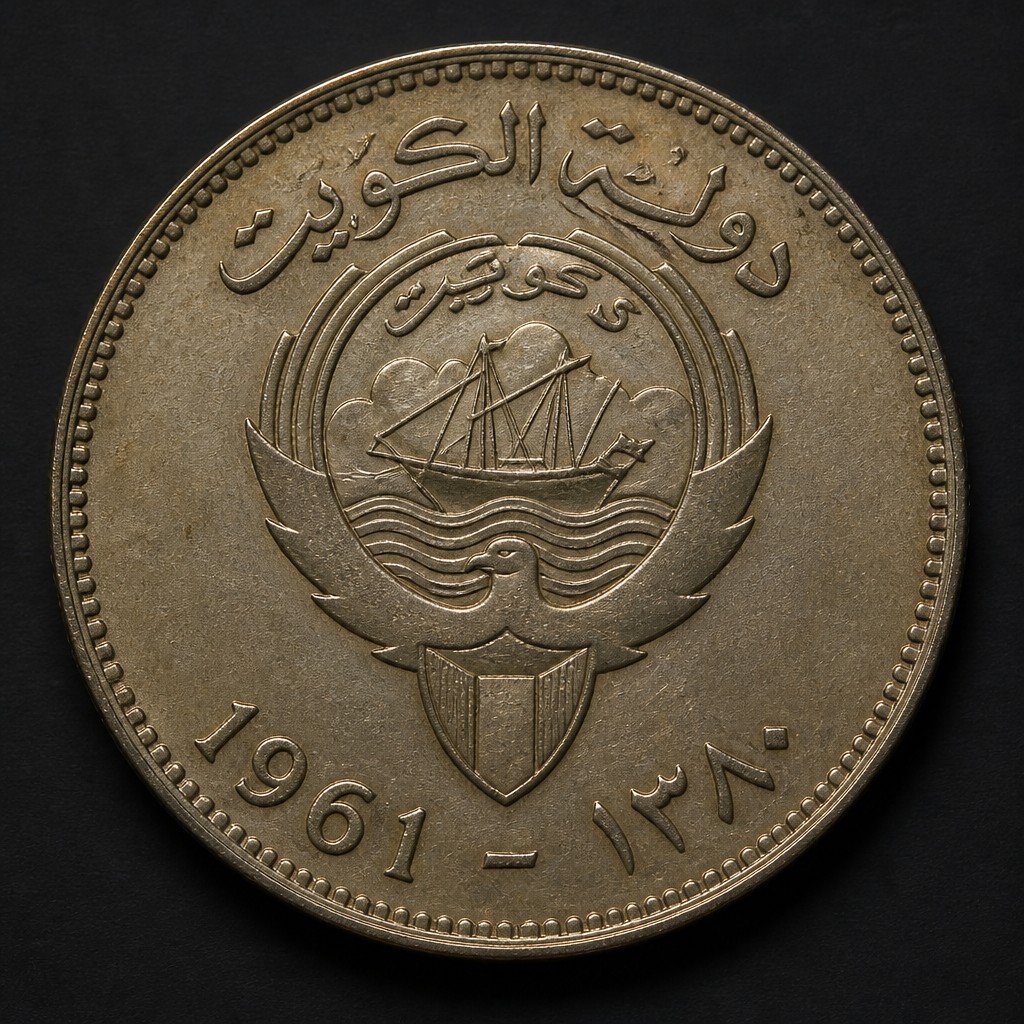
Kuwaiti Fils
1961–present
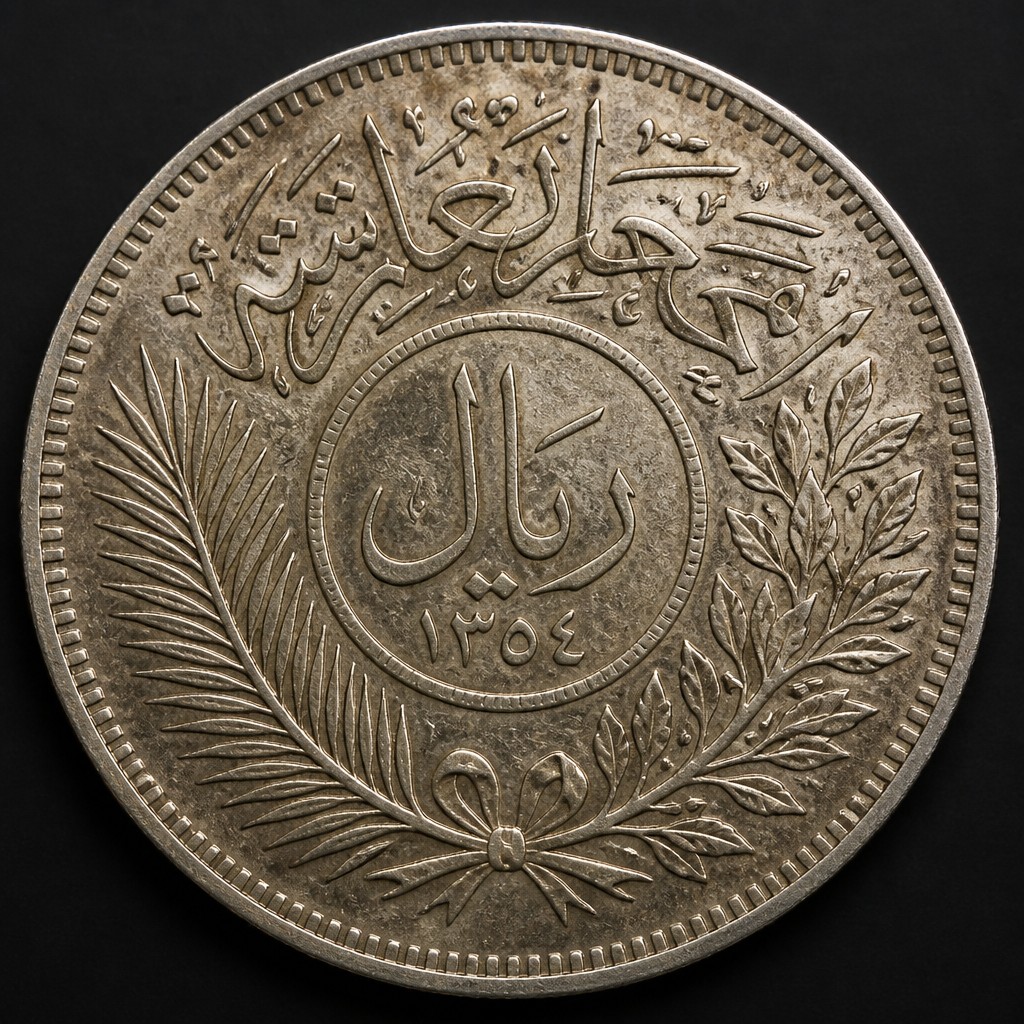
Saudi Arabian Riyal (silver)
1935 (Kingdom-wide standardization) and related issues
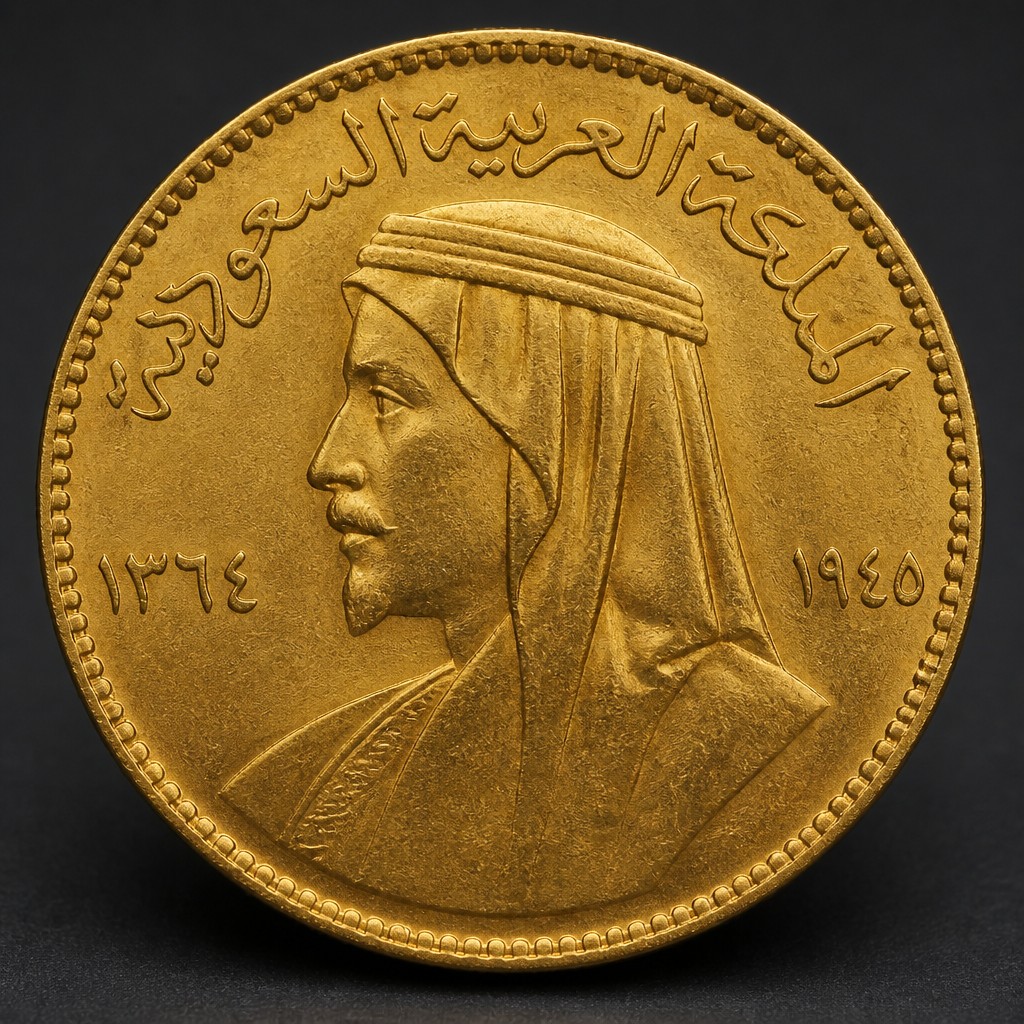
Saudi Arabian Gold Guinea (Sovereign)
1945 and later issues
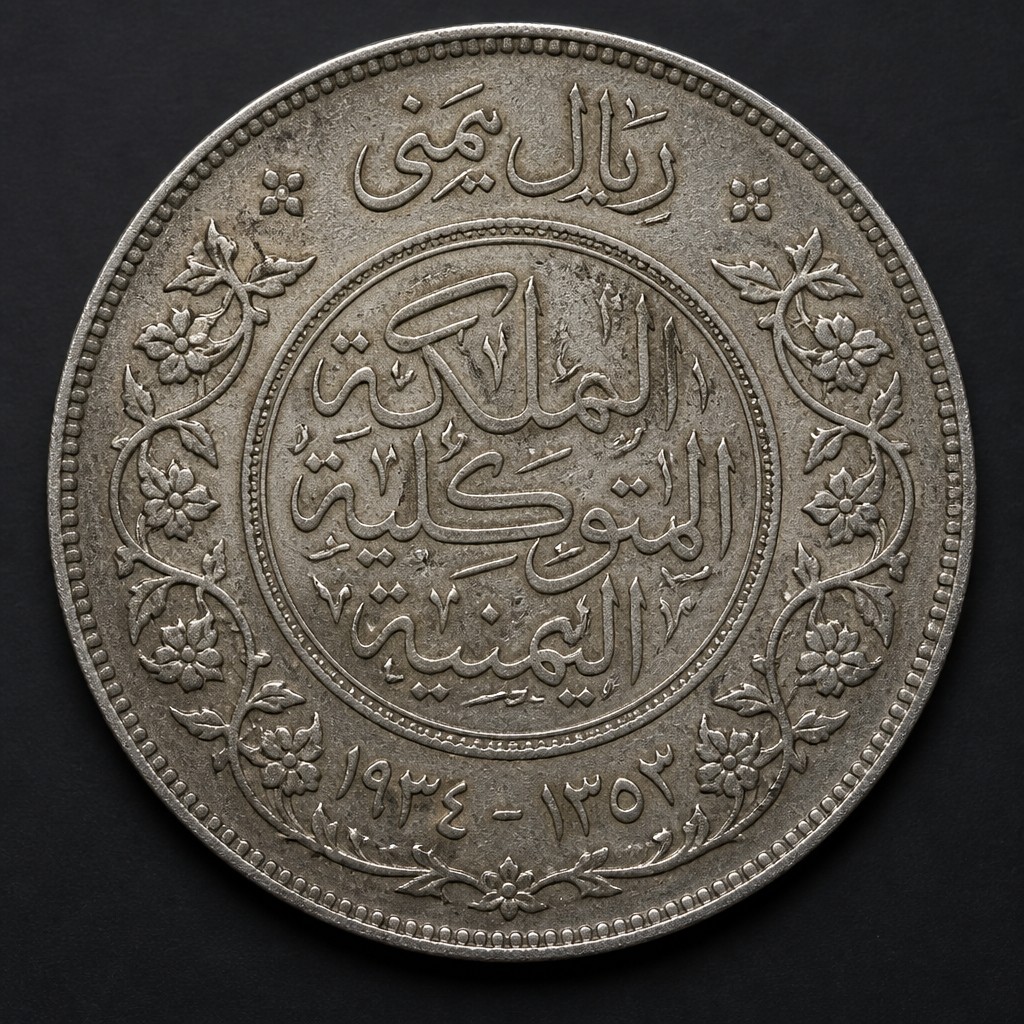
Yemeni Riyal (Ahmadi/Imadi Kingdom Coinage)
Early-to-mid 20th century
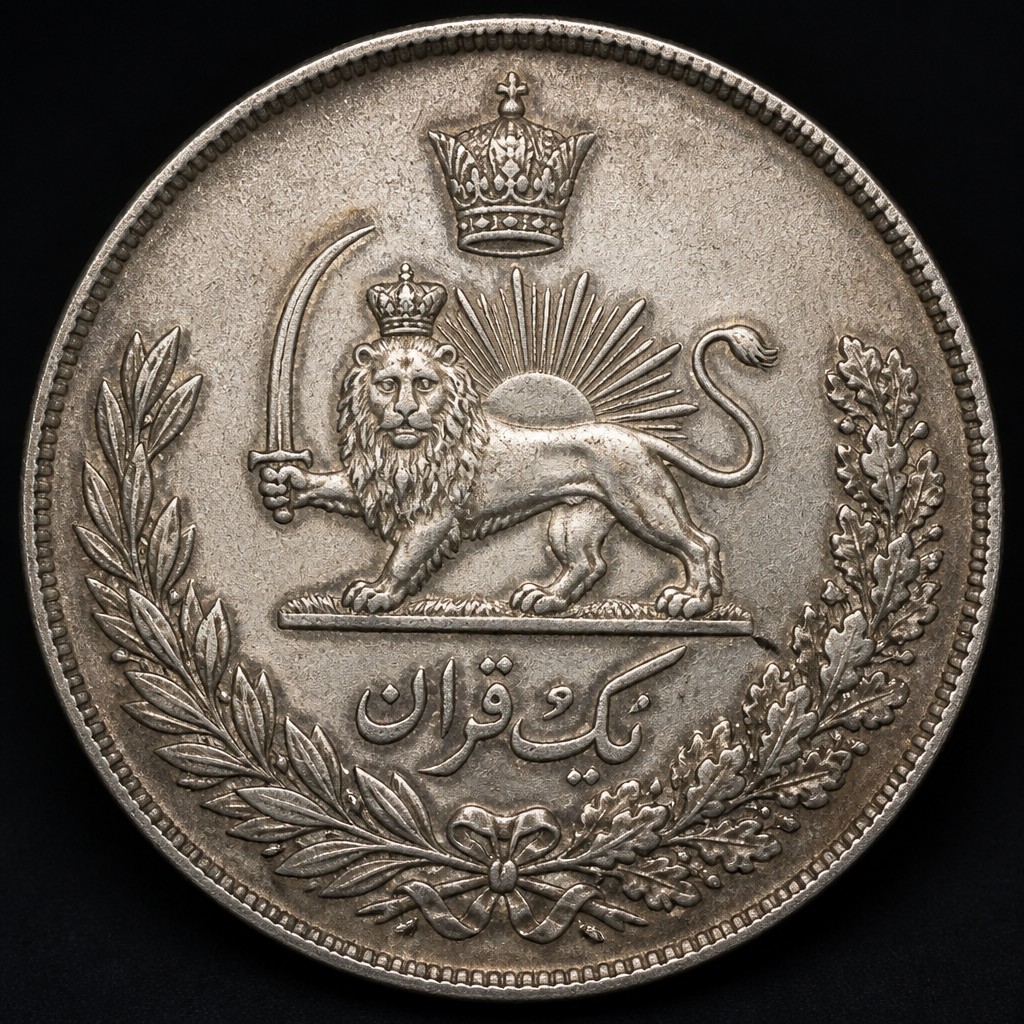
Persian Kran (Qajar silver)
Mid-19th century–1925
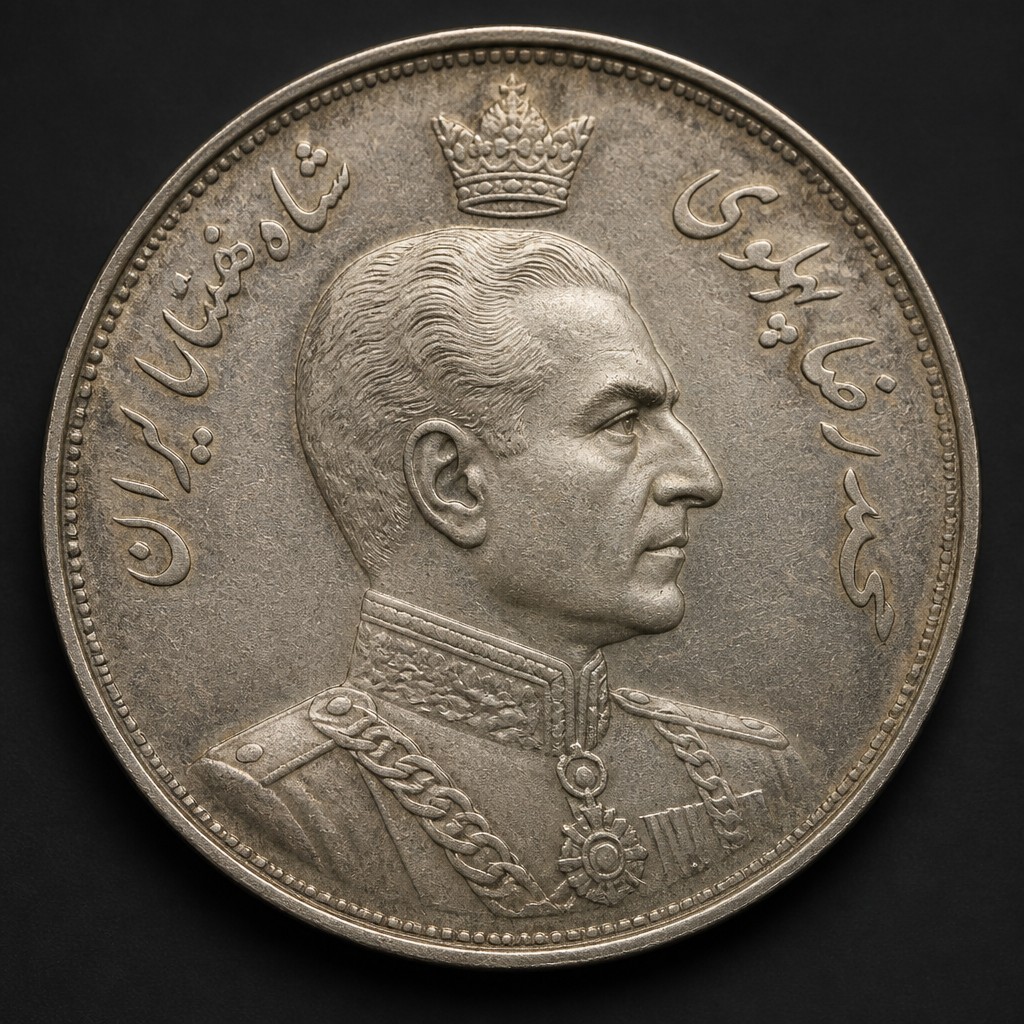
Iranian Rial
1932–present
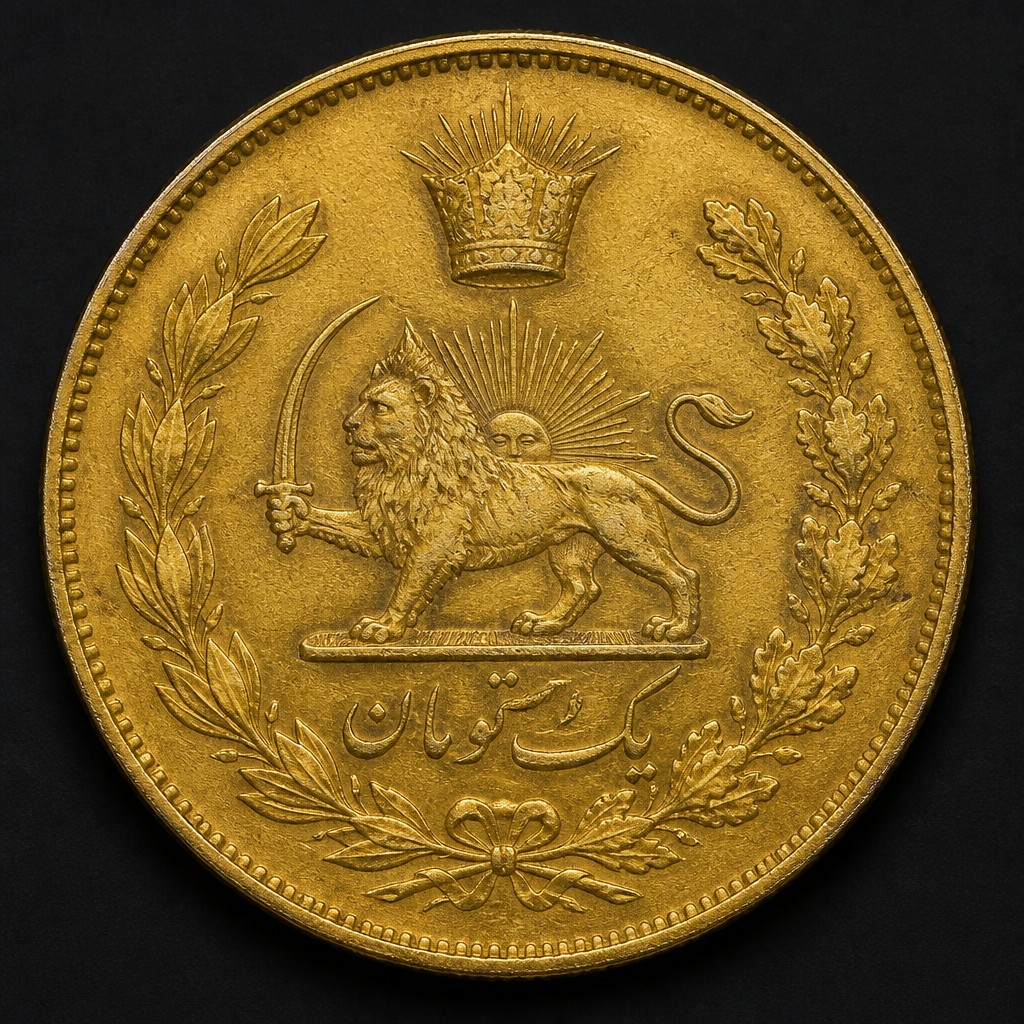
Persian Gold Toman (Qajar)
1796–1925
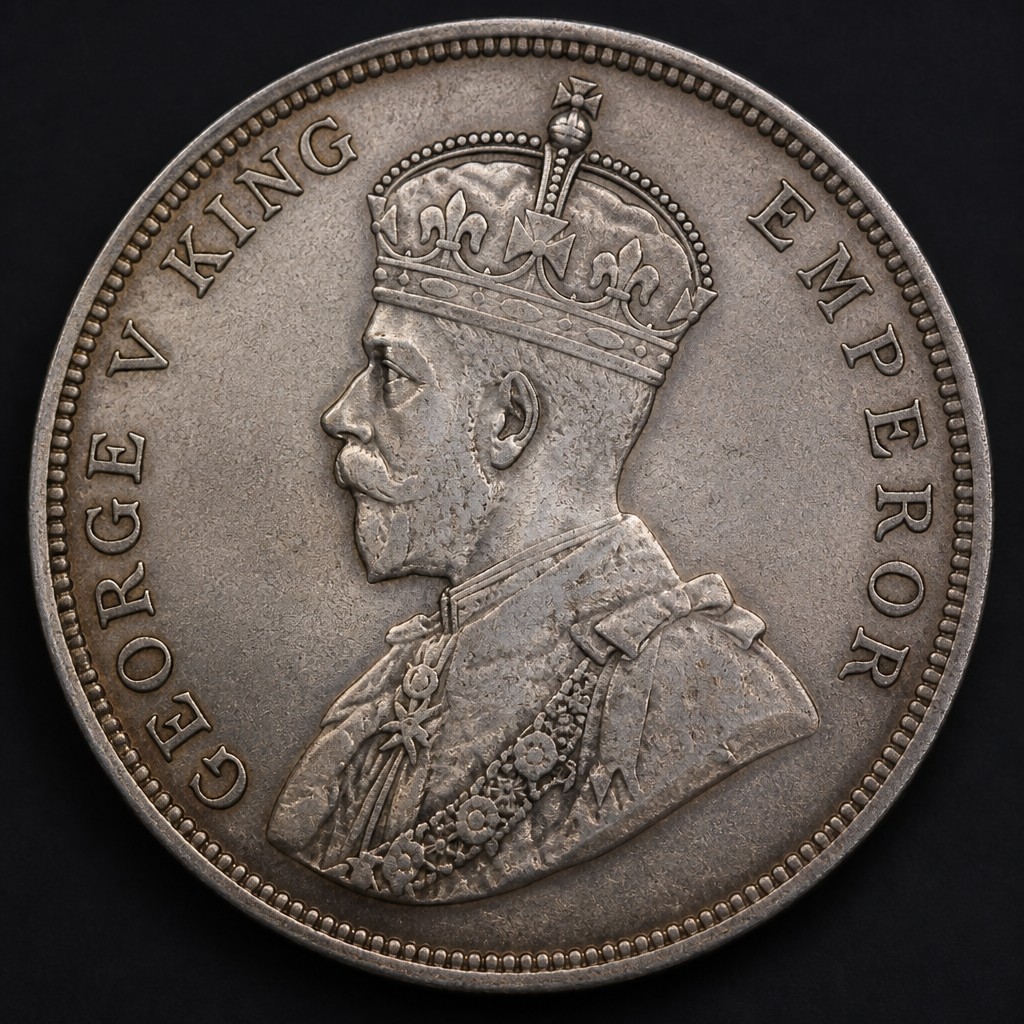
British India Rupee (Silver)
1835–1947
Japanese Trade Dollar
1875-1878 (Meiji 8-11)