
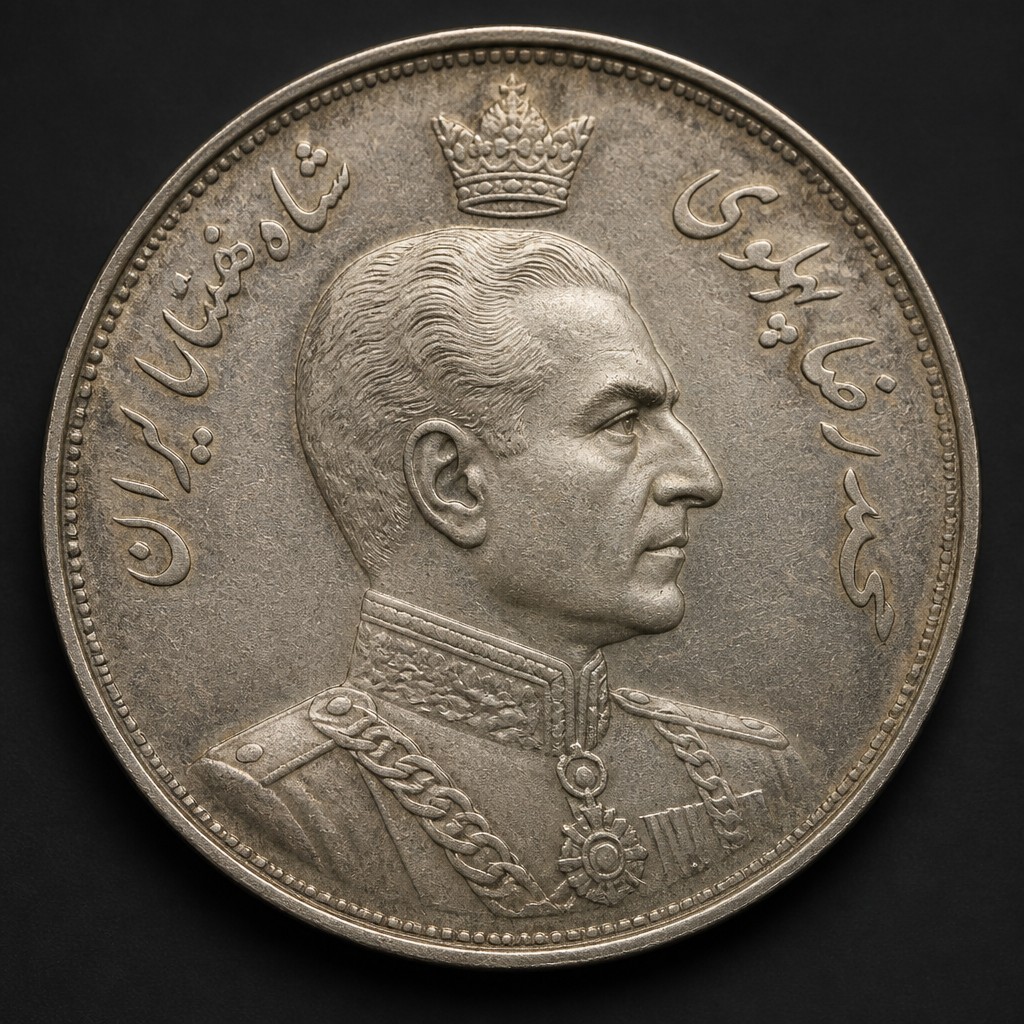
Iranian Rial
Iran's official currency unit since 1932, replacing the earlier qiran/kran, struck across the Pahlavi monarchy and the Islamic Republic in changing metals and designs.
- Country
- Iran
- Denomination
- 1 Rial and various multiples
- Metal
- Varies: silver (early issues), nickel, copper-nickel, aluminum, or steel (later issues)
Got a coin like this?
Identify any coin from a photo, free.
Overview
The rial became Iran's base monetary unit in 1932, replacing the earlier kran (qiran) as part of a broader currency modernization under Reza Shah Pahlavi. Since then, the rial has been struck in a wide variety of denominations and metals across nearly a century of Iranian history, reflecting significant political change from the Pahlavi monarchy through the 1979 Islamic Revolution to the present Islamic Republic.
Because the currency has spanned such different political eras, rial coinage offers a clear visual record of change: Pahlavi-era coins typically show the shah's portrait or the Pahlavi crown, while post-revolutionary Islamic Republic coins removed royal imagery in favor of national and religious symbols, script changes, and civic motifs.
Inflation over the decades, especially from the 1980s onward, has led to progressively larger-denomination coins and, more recently, to periodic discussions in Iran about redenominating the currency, though the rial has remained the country's official unit of account throughout.
History & Background
Iran's currency reform of 1932 under Reza Shah Pahlavi replaced the Qajar-era kran with the rial as the base unit (with the rial further divided into smaller units), part of the broader modernization program that also touched taxation, infrastructure, and administration. Early rial coinage under Reza Shah and later his son Mohammad Reza Shah Pahlavi included silver issues for higher denominations alongside base-metal coins for everyday small change, generally bearing the shah's portrait or the crown and lion-and-sun emblem.
Following the Islamic Revolution of 1979, the newly established Islamic Republic of Iran redesigned its coinage to remove the Pahlavi shahs' portraits and monarchical symbols, replacing them with religious and civic imagery, Islamic Republic emblems, and inscriptions reflecting the new political order. Coin metals and denominations have been adjusted repeatedly since then in response to inflation, with higher face-value coins introduced over time as the rial's purchasing power declined.
In more recent years, sustained inflation has led to discussion of currency reform in Iran, including proposals to redenominate the rial or replace it with a new unit, reflecting ongoing economic pressures facing the country; nonetheless, the rial has remained Iran's official currency continuously since 1932.
How to Identify
Pahlavi-era rial coins generally show a portrait of the reigning shah (Reza Shah or Mohammad Reza Shah) with Persian script giving his name and title on the obverse, paired with a reverse showing the denomination, date in the Iranian solar Hijri calendar, and often the Pahlavi crown or state emblem. Post-1979 Islamic Republic coins instead show the state emblem of Iran, floral or wheat-sheaf motifs, or civic and religious inscriptions, with no ruler portrait, consistent with the Islamic Republic's departure from monarchical imagery.
Denominations and metals have varied considerably over time: earlier issues included silver coins for higher values, while more recent Islamic Republic coinage uses base metals such as aluminum-bronze, copper-nickel, or steel, often in larger numerical denominations to keep pace with inflation. All modern Iranian coins use the Iranian solar Hijri calendar for dating, which should not be confused with the Islamic lunar Hijri calendar used elsewhere in the region.
To identify a specific coin's era, check whether it displays a monarch's portrait and Pahlavi crown (indicating a pre-1979 issue) or the Islamic Republic's state emblem without a ruler's image (indicating a post-1979 issue), then match the denomination and design details against reference catalogs for the specific date.
Value & Collectibility
Most 20th- and 21st-century Iranian rial coins are common, low-value pieces from a collector's standpoint, since large quantities were struck across many decades to serve everyday circulation needs. A handful of earlier Pahlavi-era silver coins or unusual low-mintage transitional issues can carry modest collector premiums, but the vast majority of rial coins are inexpensive and easy to acquire.
Collectors typically pursue Iranian rial coinage more for historical and type-set interest, tracking the transition from Pahlavi monarchy imagery to Islamic Republic design, rather than for significant monetary value, and prices for common circulated pieces are generally modest.
Frequently asked questions
When did the rial become Iran's official currency?
The rial replaced the earlier kran (qiran) as Iran's base monetary unit in 1932 under a currency reform enacted by Reza Shah Pahlavi.
How can I tell a Pahlavi-era rial coin from an Islamic Republic one?
Pahlavi-era coins show a portrait of the shah and often the Pahlavi crown, while Islamic Republic coins issued after 1979 use the state emblem and civic or religious motifs without any ruler's portrait.
What calendar is used for dates on Iranian rial coins?
Iranian coins use the Iranian solar Hijri calendar, which counts years differently from both the Gregorian calendar and the Islamic lunar Hijri calendar.
Are modern Iranian rial coins valuable to collectors?
Most common modern rial coins have only modest collector value due to large mintages, though certain earlier or transitional issues can carry a small premium over face or metal value.
Other coins you may enjoy
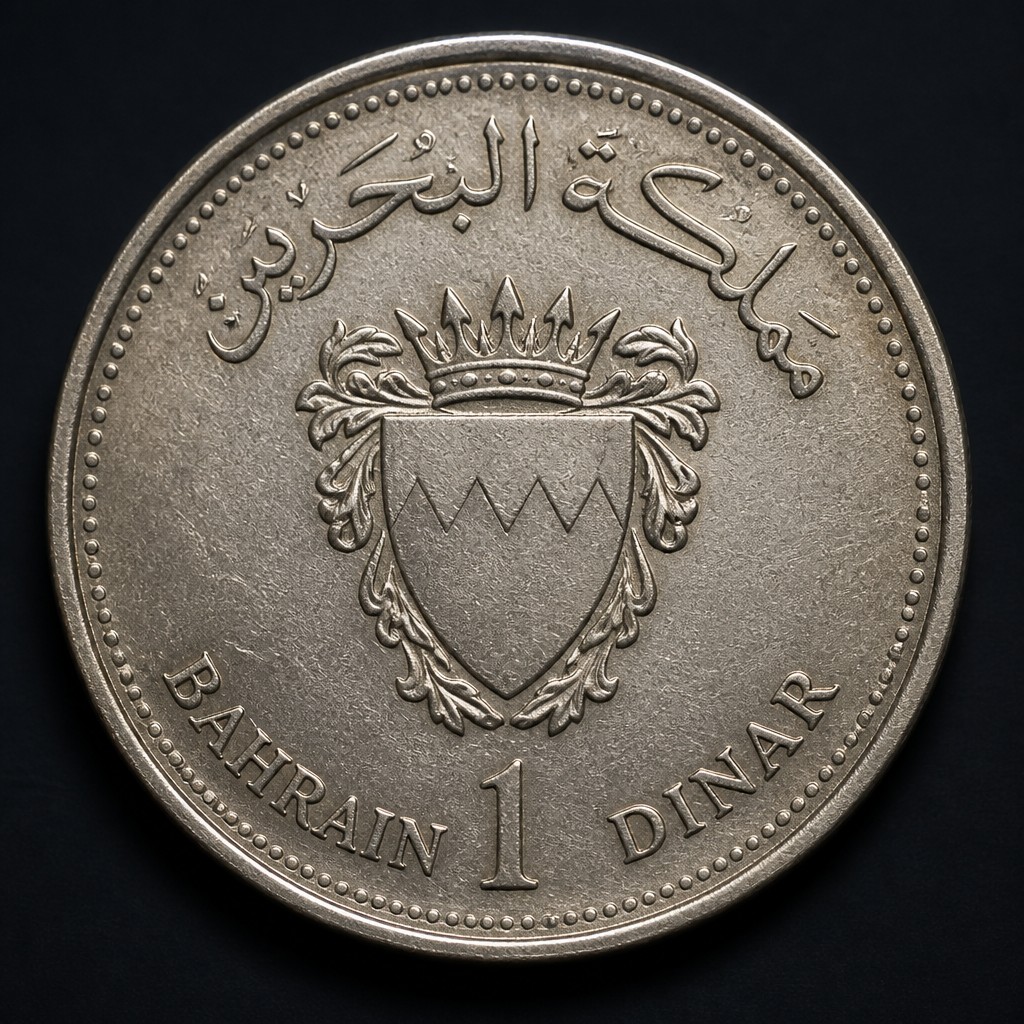
Bahraini Dinar
1965–present
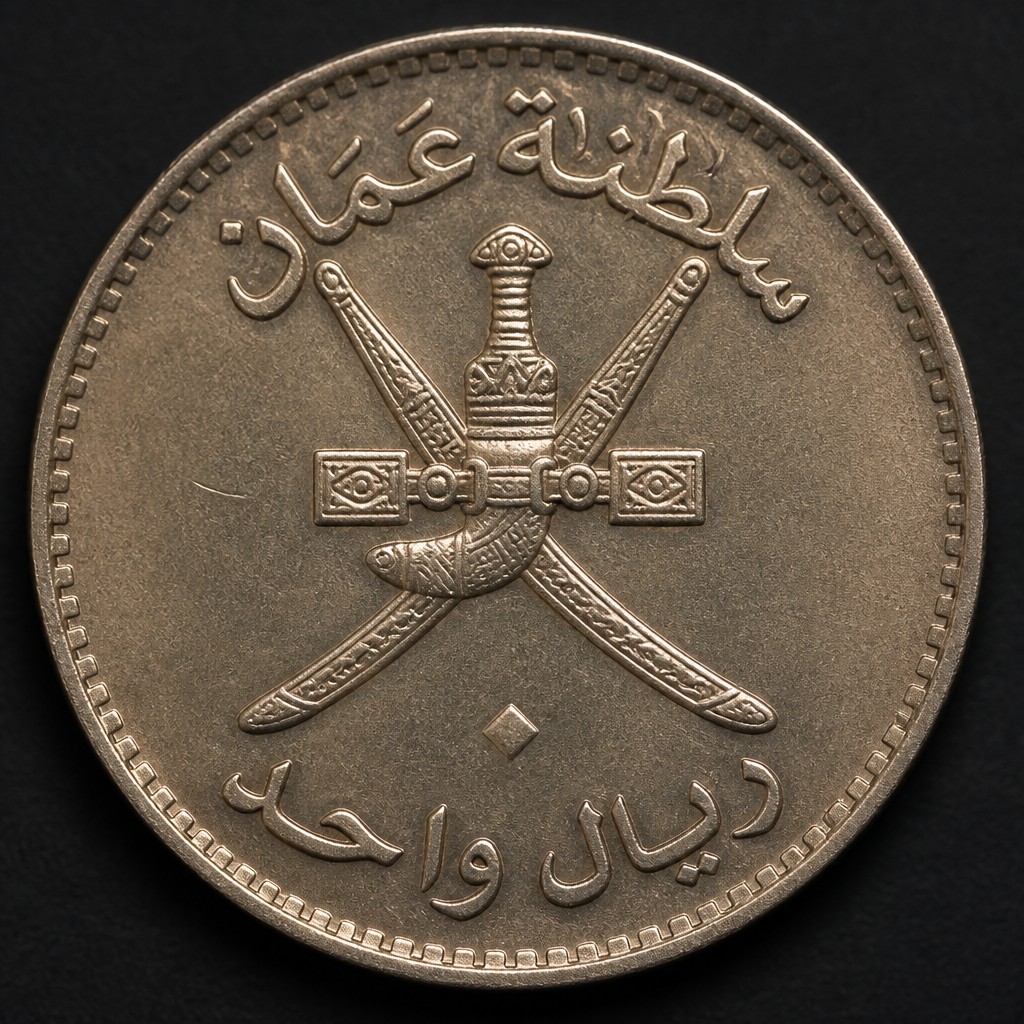
Omani Rial (Baisa Coinage)
1970–present
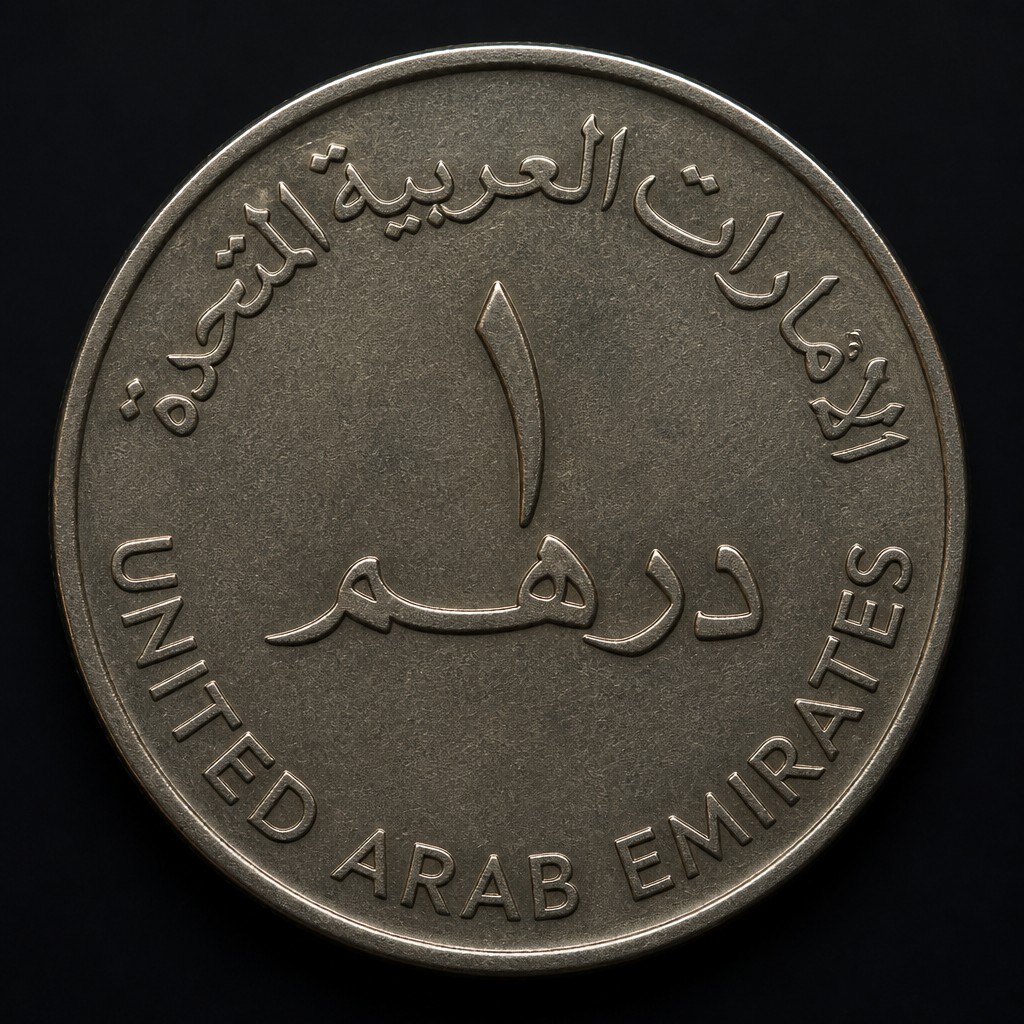
United Arab Emirates Dirham
1973–present
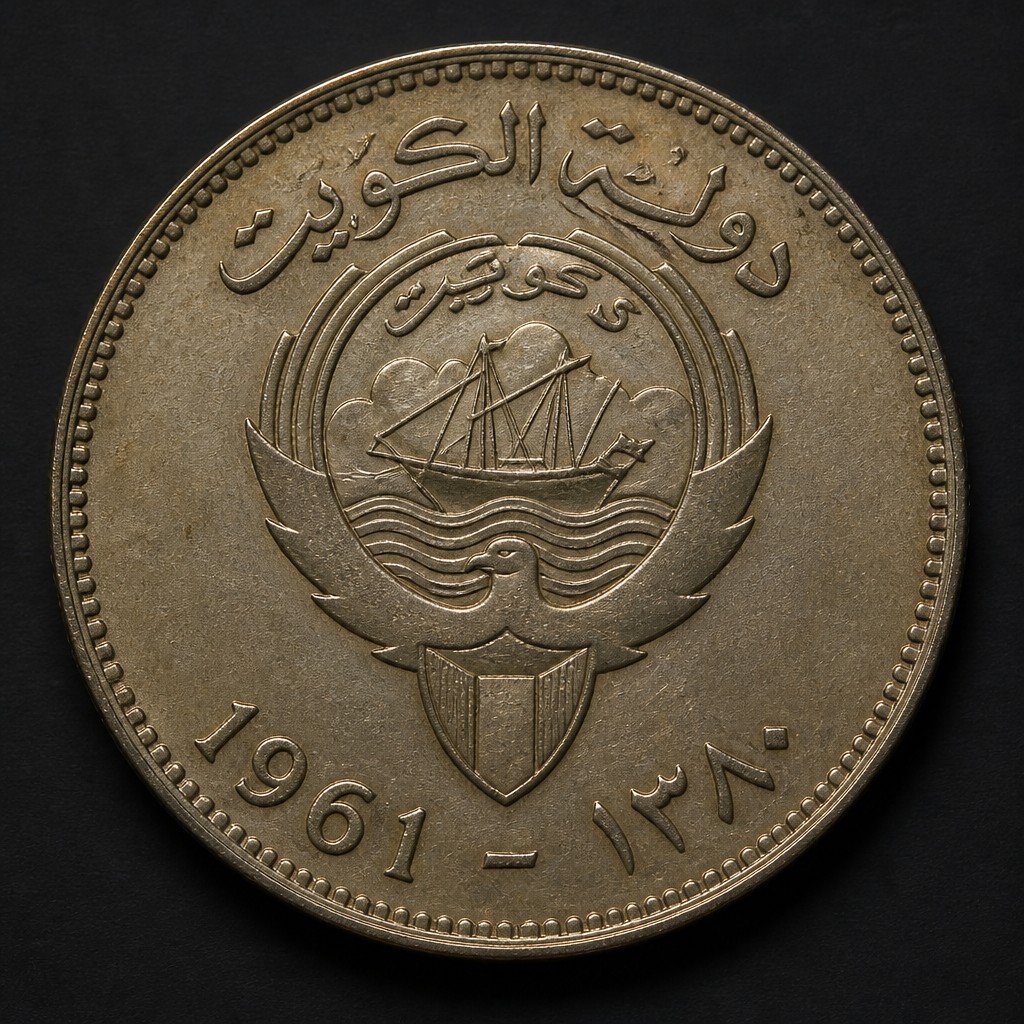
Kuwaiti Fils
1961–present
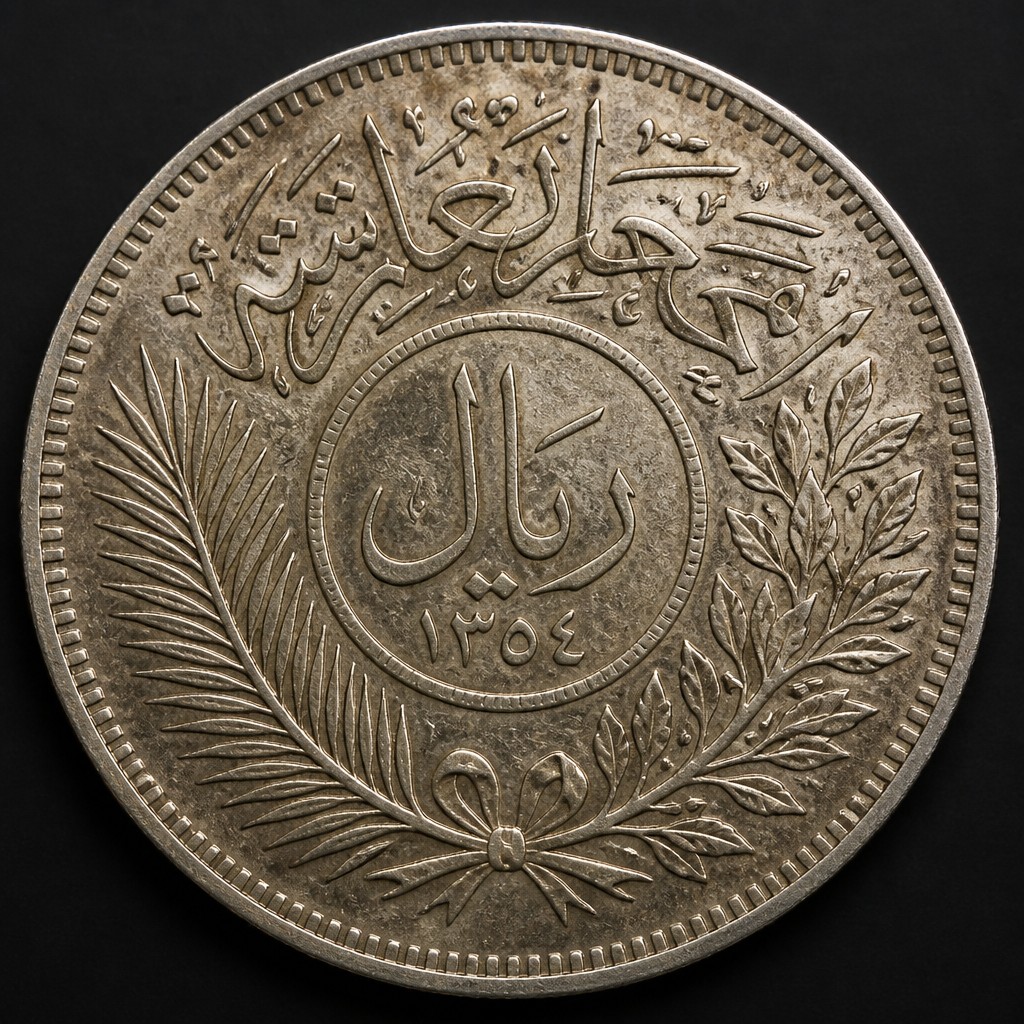
Saudi Arabian Riyal (silver)
1935 (Kingdom-wide standardization) and related issues
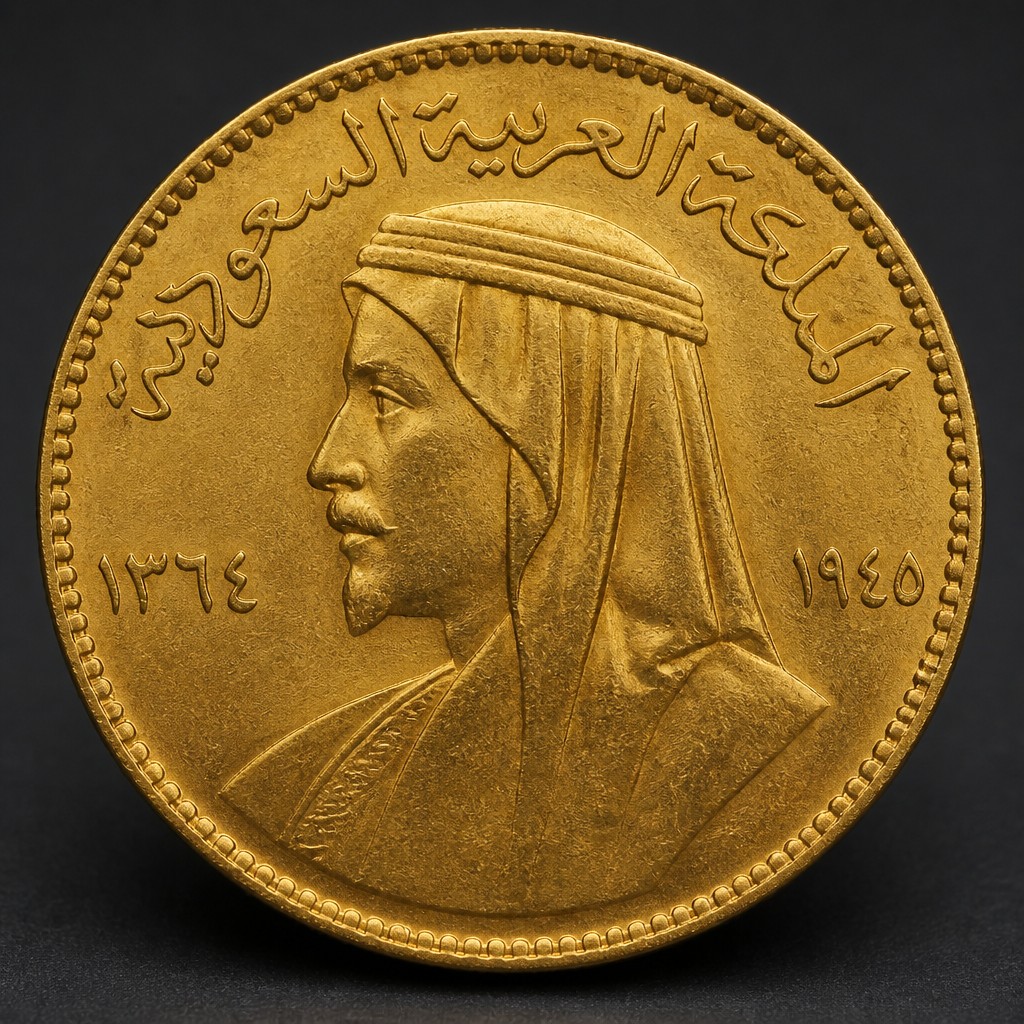
Saudi Arabian Gold Guinea (Sovereign)
1945 and later issues
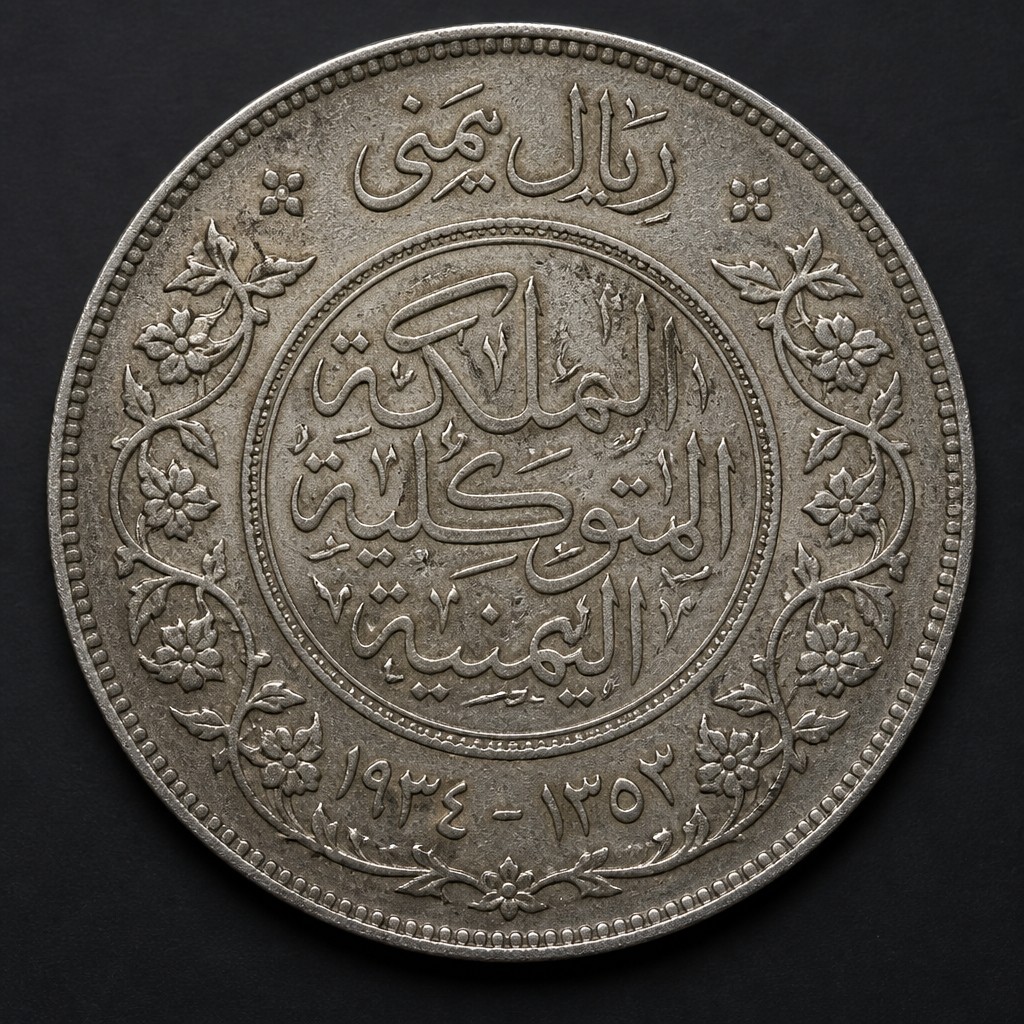
Yemeni Riyal (Ahmadi/Imadi Kingdom Coinage)
Early-to-mid 20th century
Persian Kran (Qajar silver)
Mid-19th century–1925
Persian Gold Toman (Qajar)
1796–1925
Qatar and Dubai Riyal
1966–1973
British India Rupee (Silver)
1835–1947
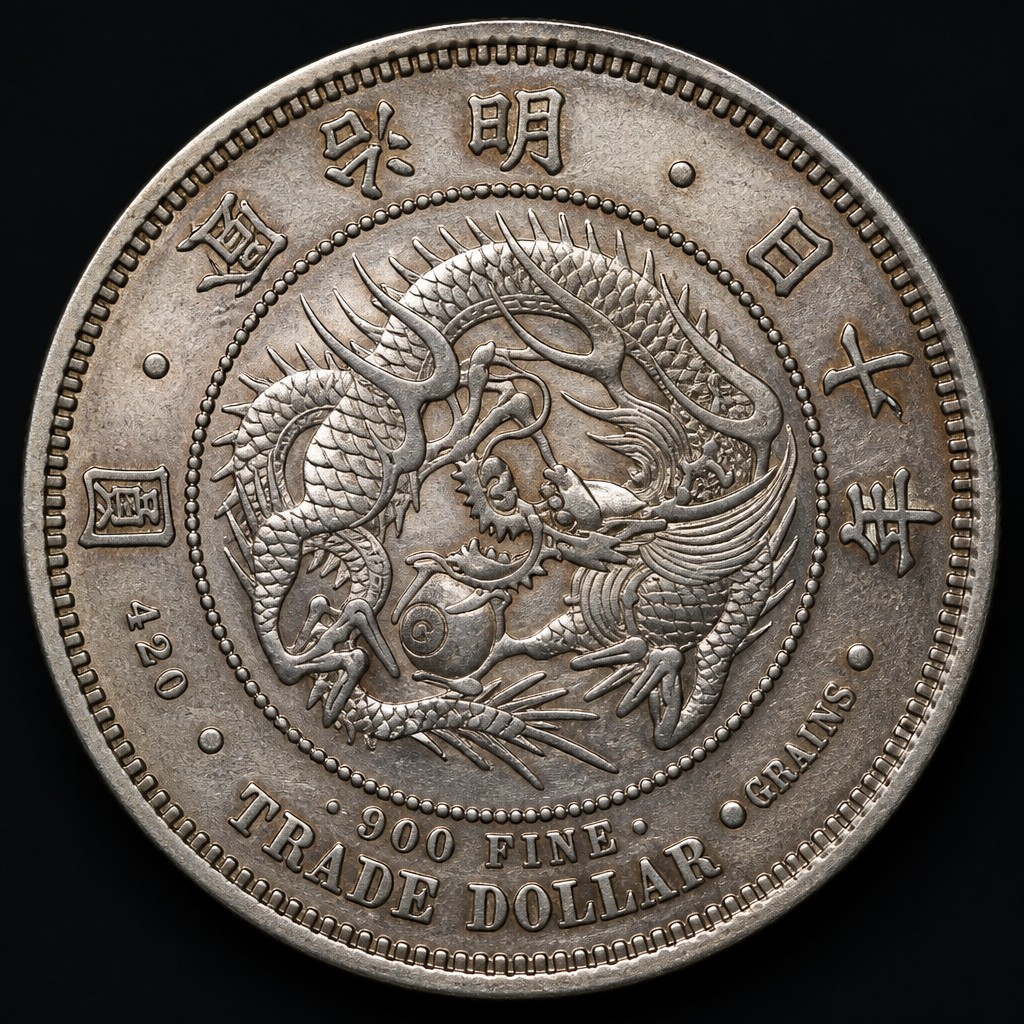
Japanese Trade Dollar
1875-1878 (Meiji 8-11)