
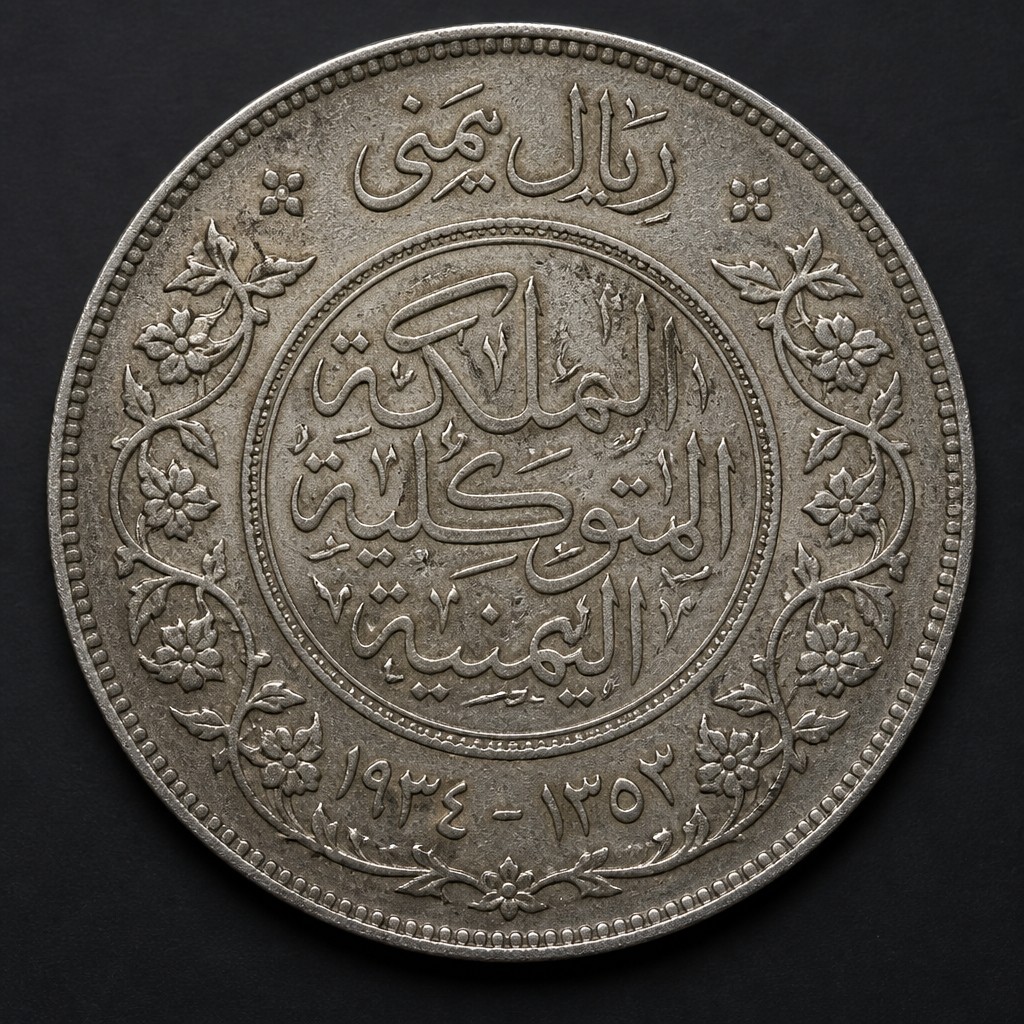
Yemeni Riyal (Ahmadi/Imadi Kingdom Coinage)
Silver riyal coinage struck under Yemen's ruling imams in the Mutawakkilite Kingdom period, following the traditional weight standard of the Maria Theresa thaler.
- Country
- Yemen (Mutawakkilite Kingdom)
- Denomination
- 1 Riyal
- Metal
- Silver (thaler-weight standard)
Got a coin like this?
Identify any coin from a photo, free.
Overview
In the decades after the Ottoman withdrawal from Yemen following World War I, the ruling imams of the Mutawakkilite Kingdom of Yemen issued their own silver riyal coinage to replace the foreign trade silver, chiefly the Austrian Maria Theresa thaler, that had long circulated in the region. These riyals were struck to a similar weight and fineness as the thaler to keep them acceptable in existing trade networks.
Coins from this era are typically referenced by the name of the reigning imam at the time of issue, since Yemeni coinage of the period carried the imam's name and titles rather than a fixed dynastic label, which is why collectors distinguish issues associated with Imam Yahya and his successor Imam Ahmad.
These silver riyals circulated domestically and in regional trade until Yemen's currency system was further reformed in the later 20th century, first under the Yemen Arab Republic in the north and eventually unified with South Yemen's currency after 1990.
History & Background
Yemen emerged from centuries of intermittent Ottoman control after World War I under the rule of Imam Yahya Muhammad Hamid ed-Din, who established the Mutawakkilite Kingdom of Yemen and sought to assert monetary independence by minting silver coinage bearing his own name and Islamic religious titles rather than relying solely on foreign silver.
Imam Yahya was succeeded in 1948 by his son, Imam Ahmad bin Yahya, whose reign saw continued striking of silver riyals in the same thaler-weight tradition, now associated with his name; coins from this period are often referred to by collectors using the reigning imam's name as a shorthand for the issue.
The monarchy ended in 1962 with a coup that established the Yemen Arab Republic, after which coinage moved toward more standard national currency, and eventually the riyal of unified Yemen replaced the older imamate-era issues entirely, leaving the earlier silver coins as historical relics of the kingdom period.
How to Identify
These Yemeni silver riyals typically carry Arabic inscriptions naming the ruling imam, his religious titles, and an Islamic (Hijri) calendar date rather than a Gregorian year, along with the mint location, most often Sana'a. Design elements are largely calligraphic, following Islamic numismatic tradition of avoiding figural imagery.
The coins closely approximate the size, weight, and silver fineness of the Maria Theresa thaler, roughly 28 grams of silver at a similar purity, which made them interchangeable with that widely trusted trade coin across the region. Edges are typically plain or lightly milled depending on striking method and era.
Because the coins are inscribed only in Arabic with Hijri dates, identification generally requires reading the imam's name and title in the legend; collectors distinguish "Yahya" issues from "Ahmad" issues by these inscriptions rather than by any change in overall coin design, which remained conservative throughout the period.
Value & Collectibility
Values for these imamate-period Yemeni silver riyals are driven primarily by silver content, overall condition, and legibility of the Arabic legend, since strikes were often somewhat crude and inconsistent by Western minting standards. Well-struck, clear examples in higher grades are more desirable to specialists in Middle Eastern and Islamic coinage.
As with many hand- or simply-machine-struck regional silver coins of this era, exact rarity by date and mintage is not well documented in Western references, so value tends to track silver weight plus a modest collector premium rather than headline rare-date pricing.
Most common examples trade in the modest range typical of worn world silver crowns, while exceptionally well-preserved or historically documented pieces can bring higher prices among specialists in Yemeni or Arabian Peninsula numismatics.
Frequently asked questions
Why do these coins resemble the Maria Theresa thaler?
They were struck to a similar weight and silver fineness so they would be accepted in the same regional trade networks that relied on the thaler.
What language and calendar appear on the coins?
Arabic script and the Islamic Hijri calendar are used, rather than English or Gregorian dating.
Who were Imam Yahya and Imam Ahmad?
They were successive rulers of the Mutawakkilite Kingdom of Yemen in the first half of the 20th century, and coins are often identified by whichever imam's name appears in the legend.
When did this coinage system end?
It ended with the 1962 revolution that overthrew the monarchy and established the Yemen Arab Republic, which reformed the currency.
Other coins you may enjoy
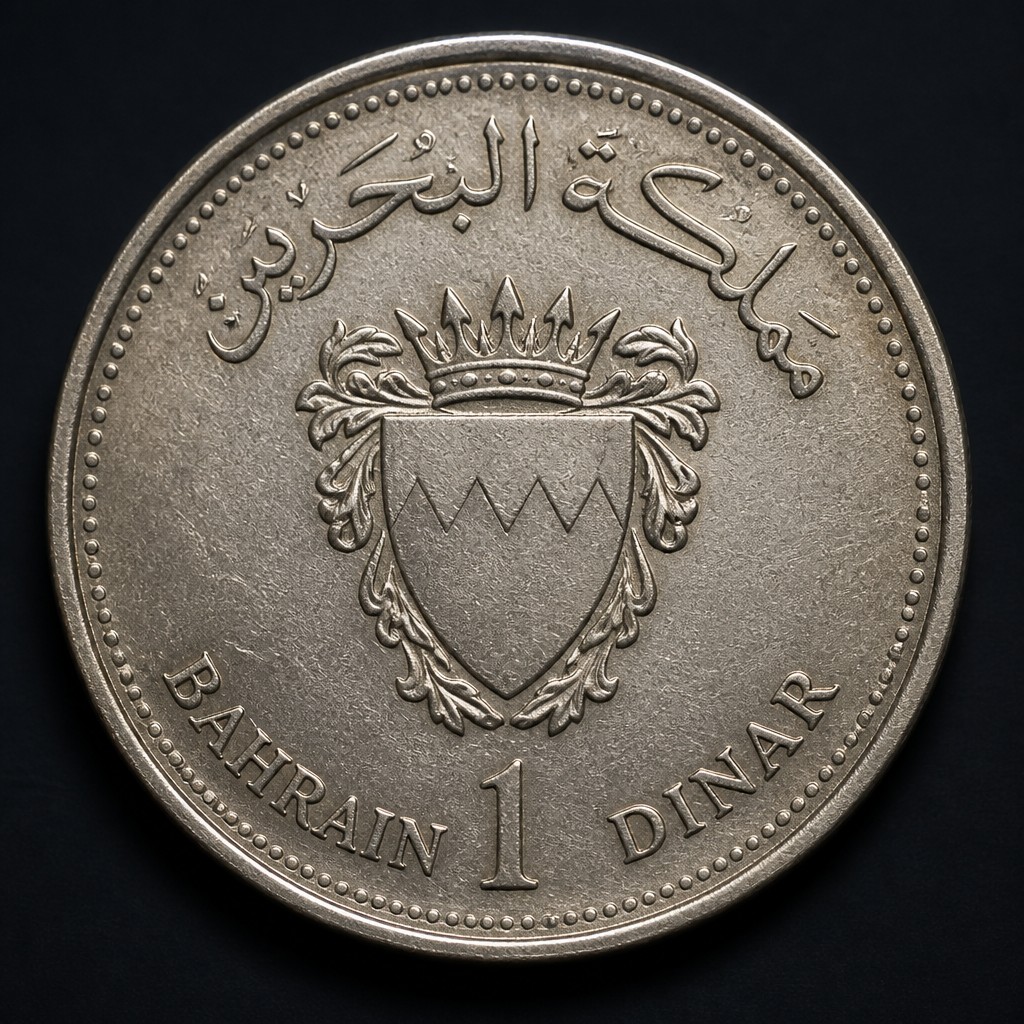
Bahraini Dinar
1965–present
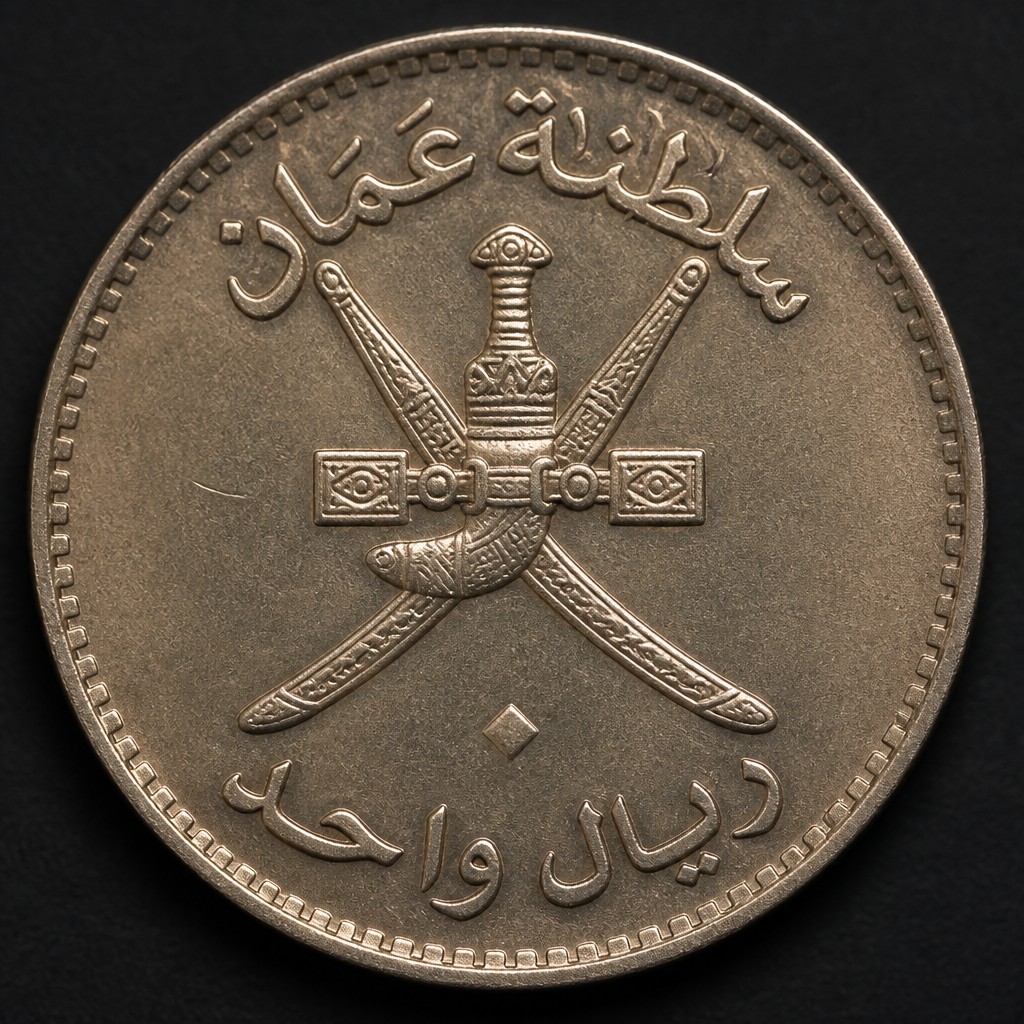
Omani Rial (Baisa Coinage)
1970–present
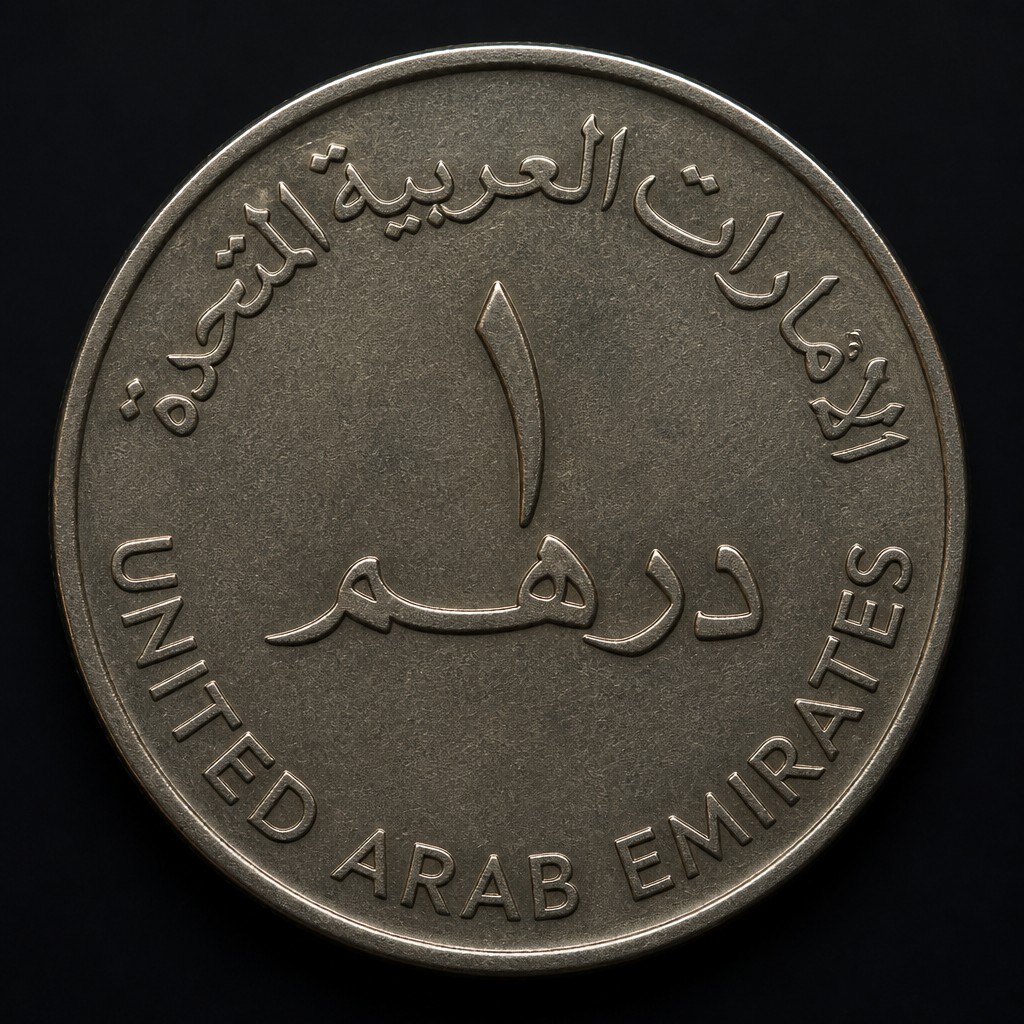
United Arab Emirates Dirham
1973–present
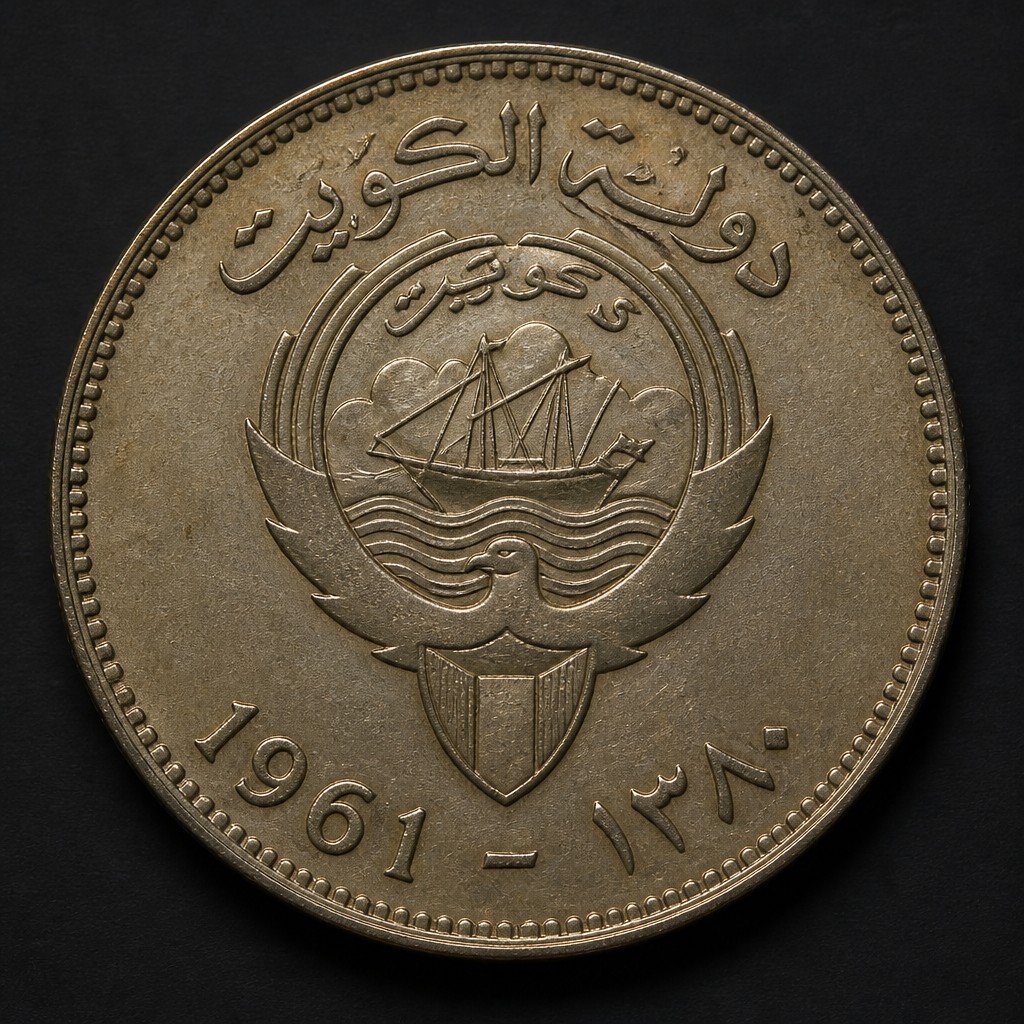
Kuwaiti Fils
1961–present
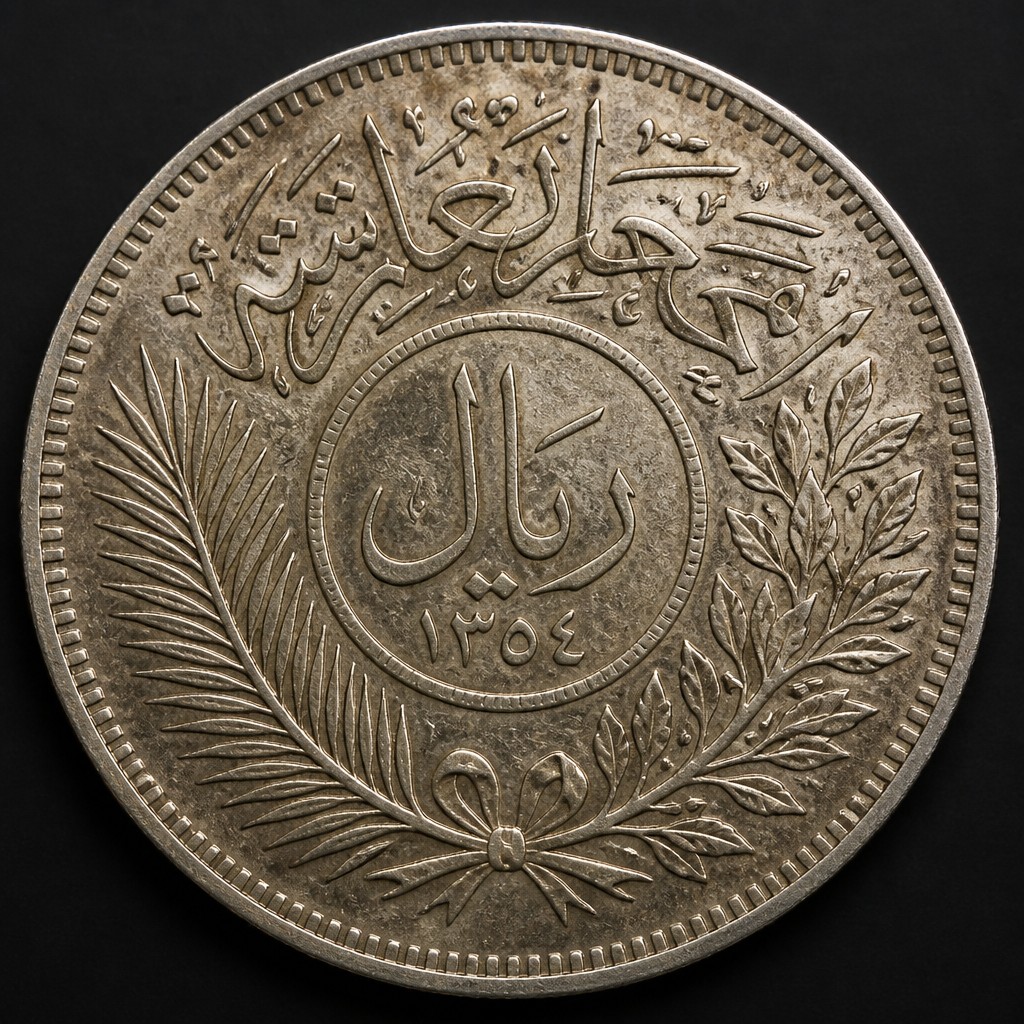
Saudi Arabian Riyal (silver)
1935 (Kingdom-wide standardization) and related issues
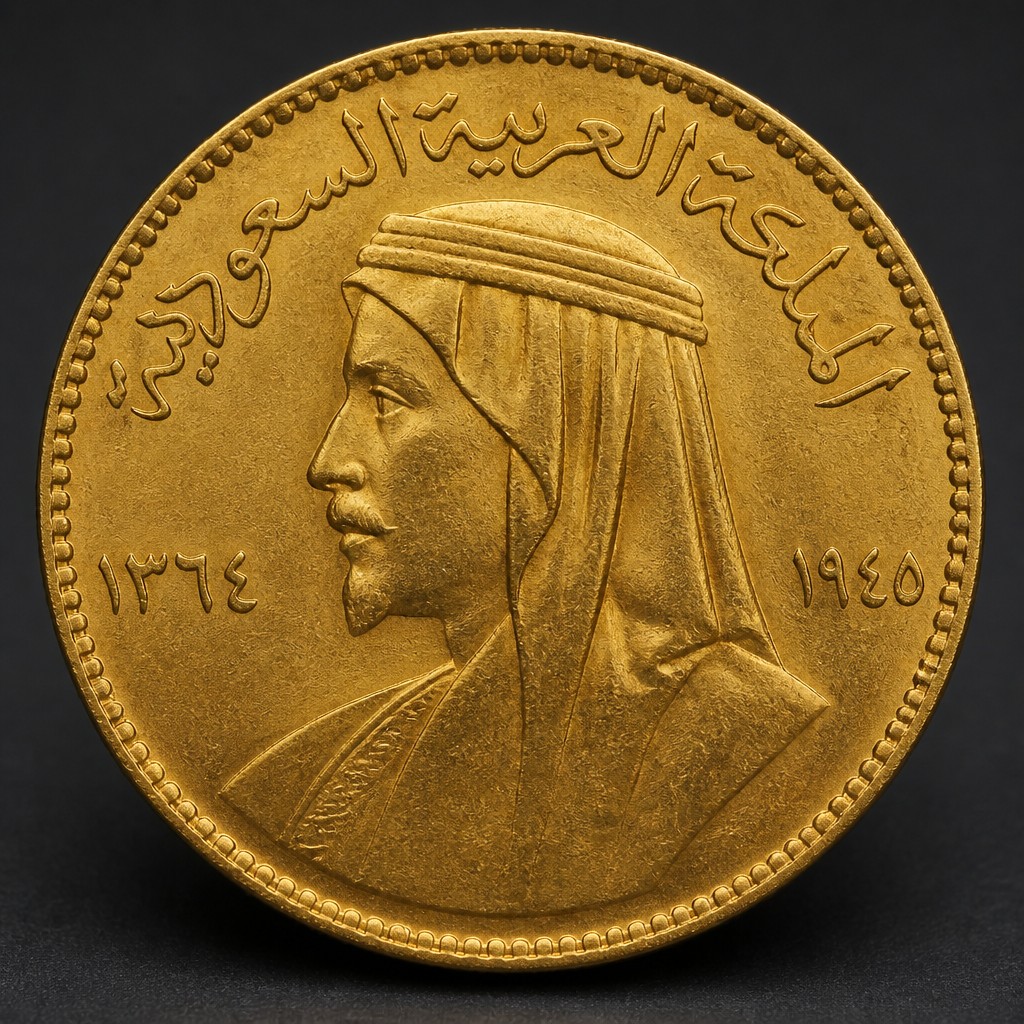
Saudi Arabian Gold Guinea (Sovereign)
1945 and later issues
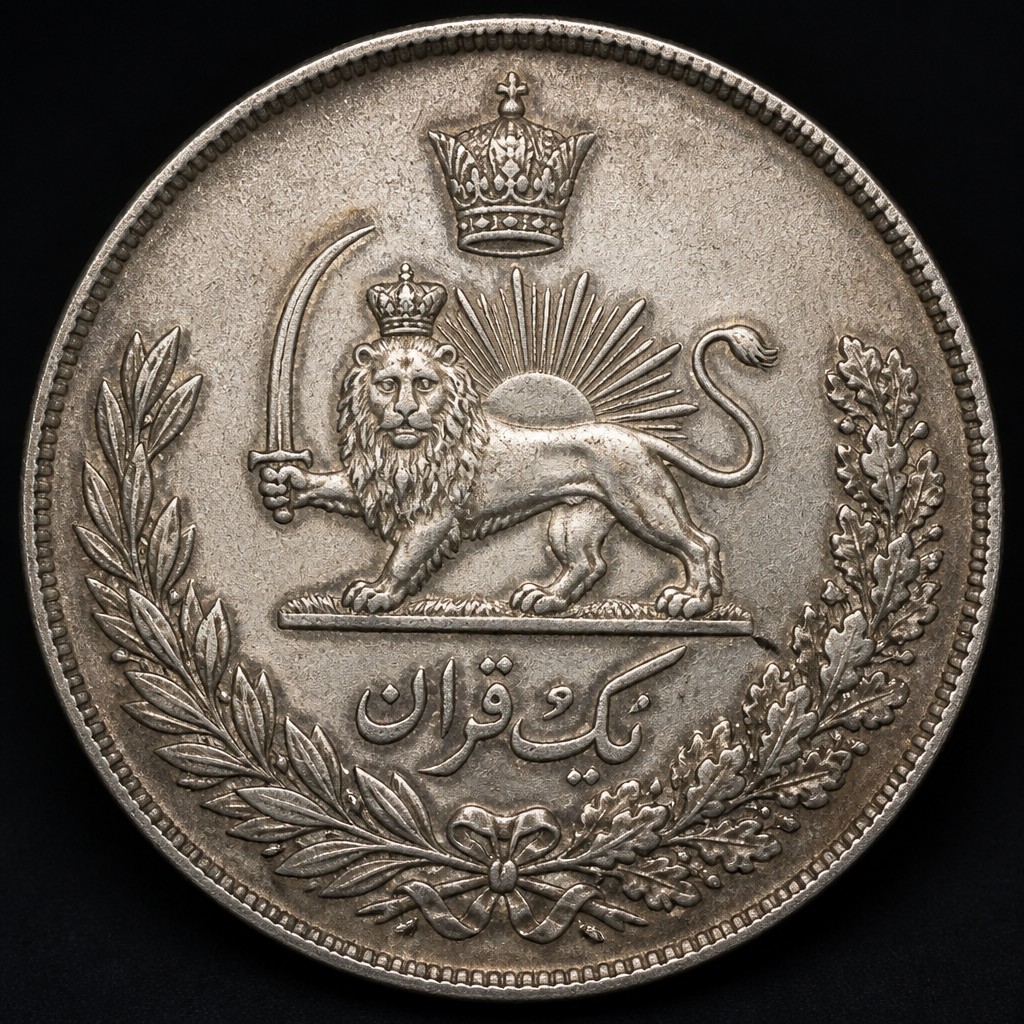
Persian Kran (Qajar silver)
Mid-19th century–1925
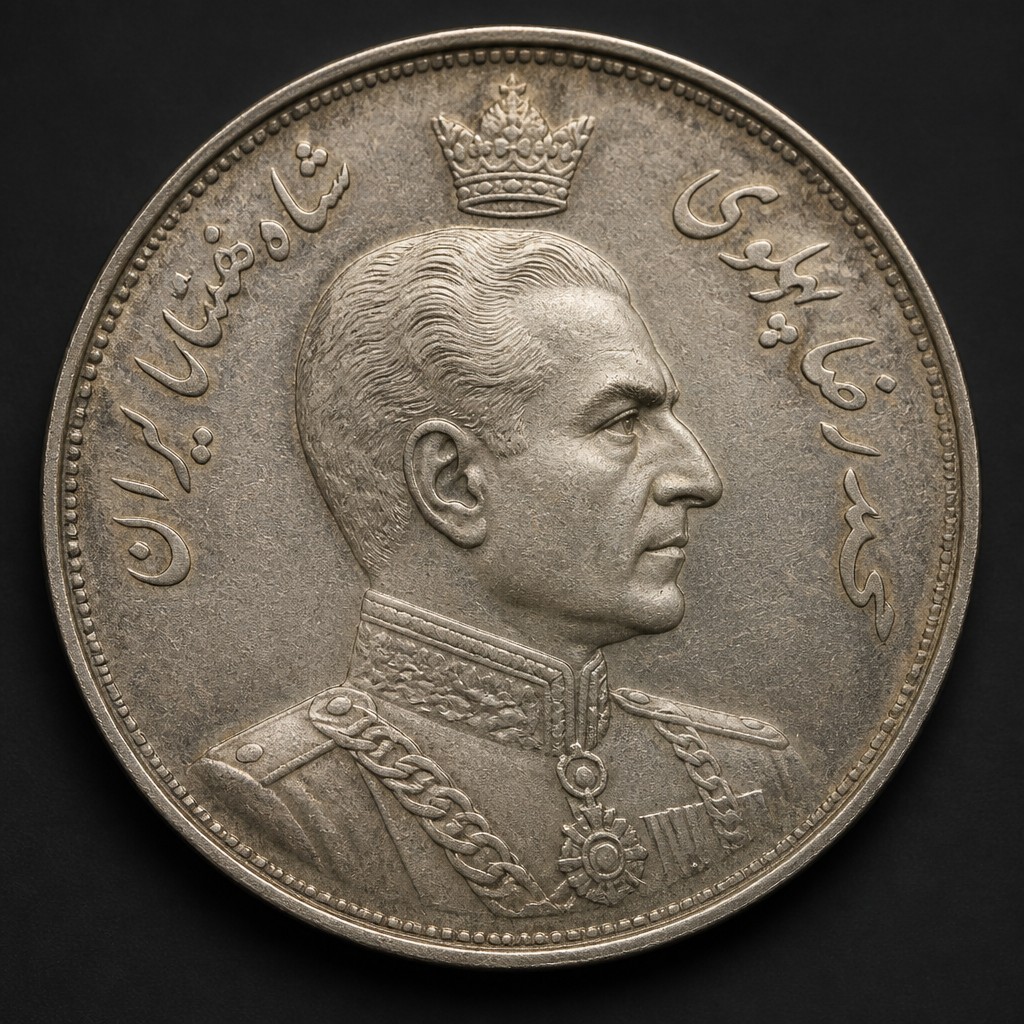
Iranian Rial
1932–present
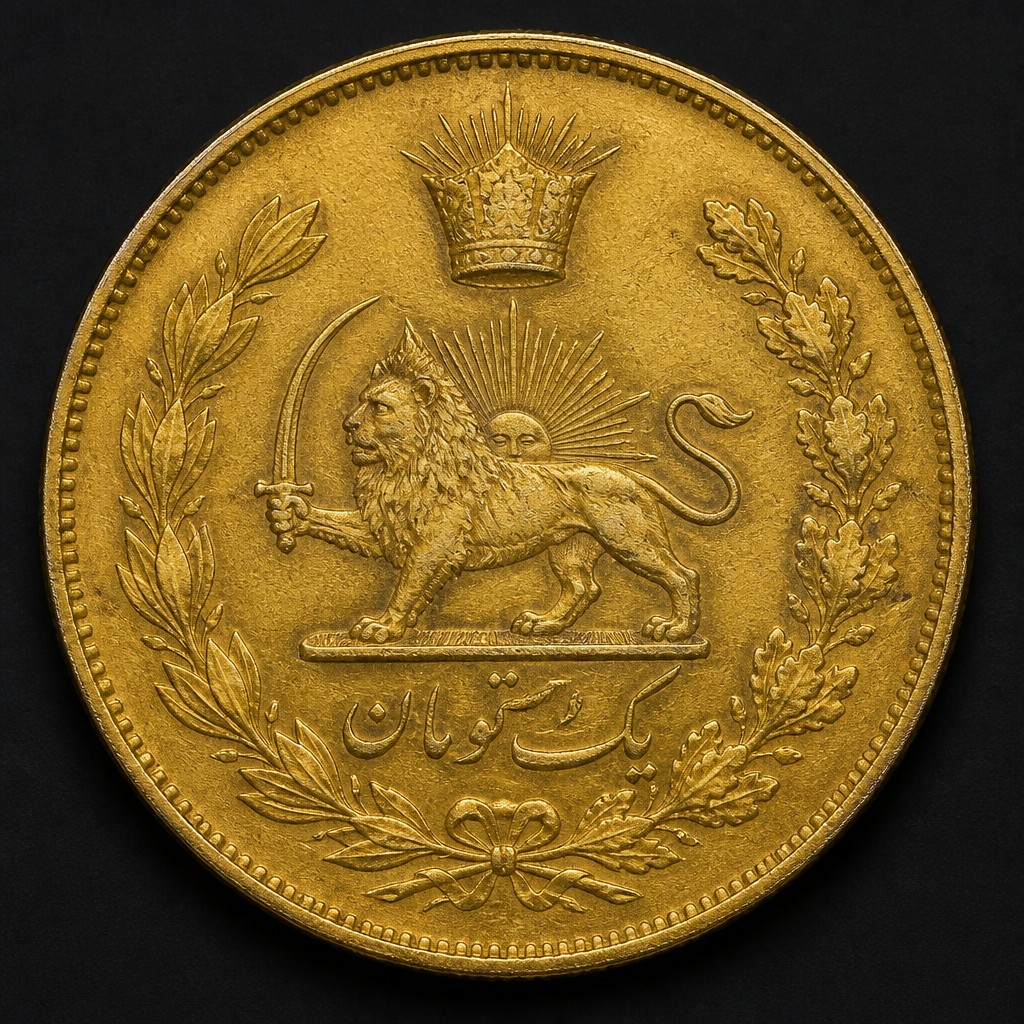
Persian Gold Toman (Qajar)
1796–1925
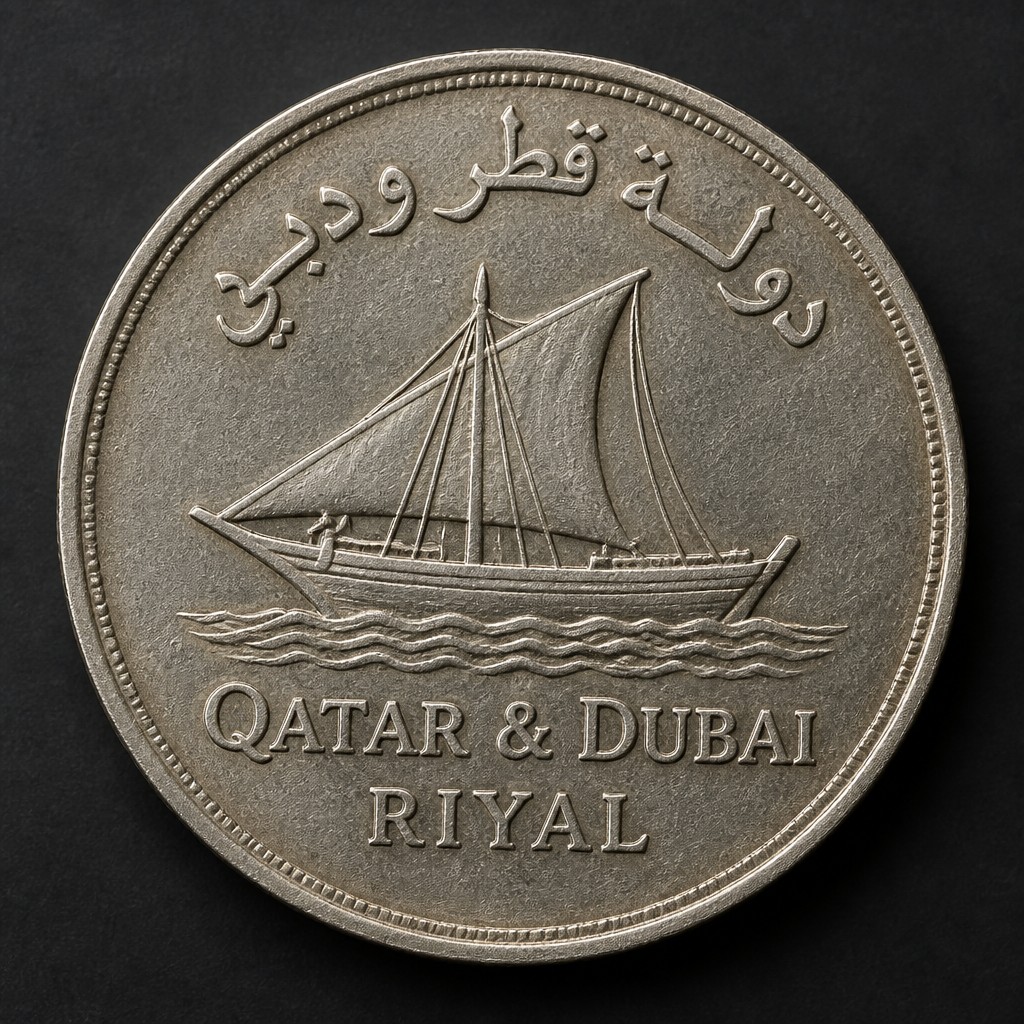
Qatar and Dubai Riyal
1966–1973
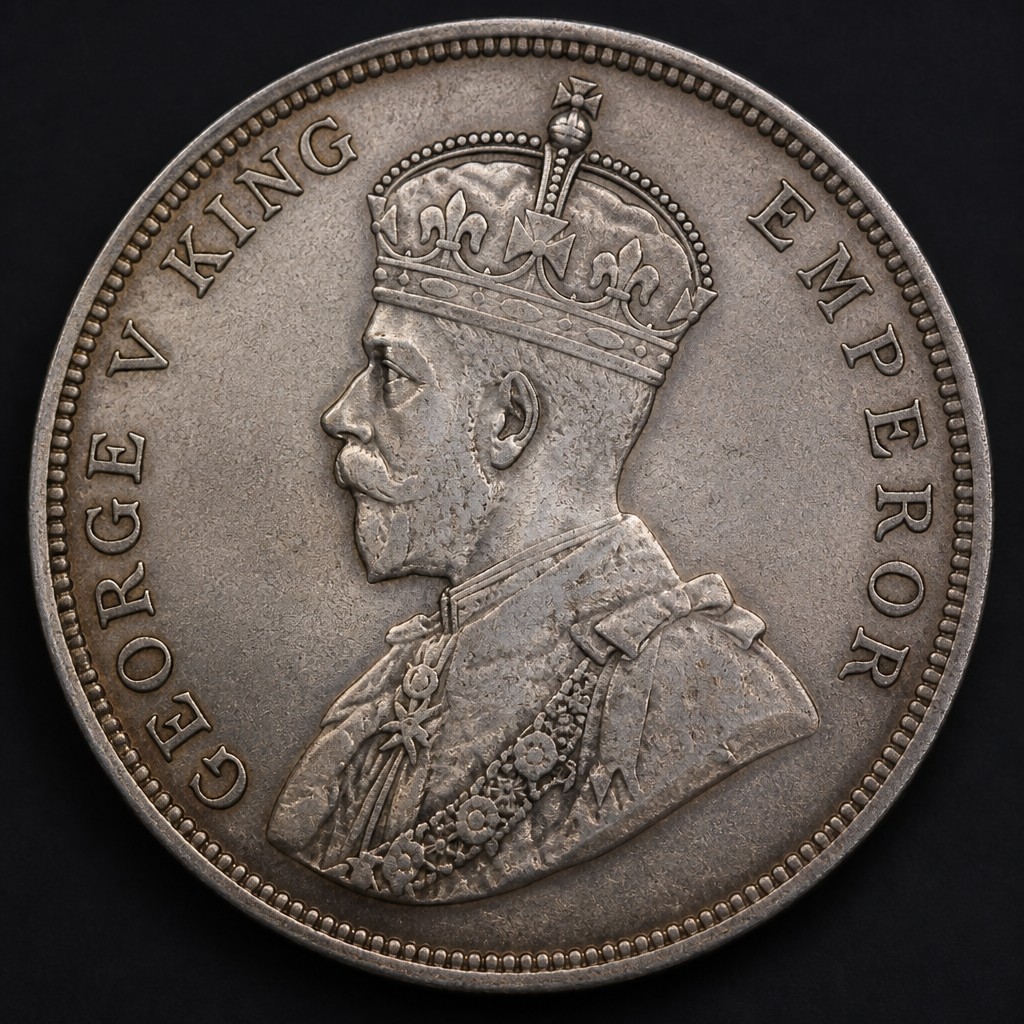
British India Rupee (Silver)
1835–1947
Japanese Trade Dollar
1875-1878 (Meiji 8-11)